
Review · KYOTO
Historical Kyoto E-Bike Tour
Kyoto is spread out, and this tour uses an e-bike and quiet backstreets to connect places that are hard to fit into one walking day. You ride from Kitano Tenmangu and Kinkaku-ji across the city to Arashiyama, with a guide explaining shrine customs, temple stories, and the practical rules of riding in Kyoto.
I like the small maximum group of eight, which makes street crossings and questions easier, and I like the mix of famous sights and ordinary Kyoto streets. The lunch stop, often ramen or another local option, adds a useful taste of daily life. The tradeoff is that the route shares city roads with cars, buses, mopeds, pedestrians, and cyclists, so you should be comfortable riding in traffic.
Key points at a glance
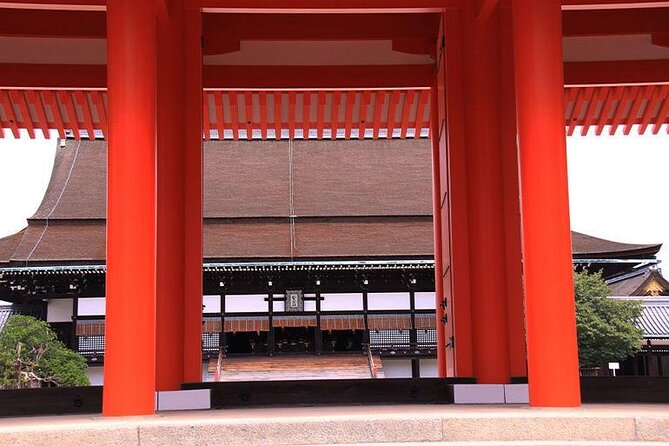
- Four major Kyoto sights in one morning-to-afternoon outing: Kitano Tenmangu, Kinkaku-ji, Arashiyama Bamboo Forest, and Tenryu-ji.
- E-bikes reduce the physical strain, but you still spend substantial time walking inside temple and shrine grounds.
- Groups are capped at eight, with guides such as George, Pohan, Diego, Jody, Jodie, Jorge, and Benjamin assigned according to the departure.
- The route uses Kyoto’s back streets, giving you a broader view of the city than a taxi-to-temple itinerary.
- Lunch is part of the day’s schedule, but food is not included, and some popular stops are cash-only.
- The meeting point can take effort to find, since it is down a less prominent back road near Nishikyo Nakagyo-ku.
Why an e-bike works so well in Kyoto
The appeal here is not simply speed. Kyoto’s best-known sights are scattered across different parts of the city, and moving between them by public transport can eat up much of your day. On foot, the same route would be tiring and hard to complete in five or six hours.
The electric assistance helps you cover that distance without turning the outing into a fitness test. You still pedal, but hills and longer stretches are easier. That matters most when the tour reaches western Kyoto and Arashiyama, after you have already spent hours sightseeing.
I also like the way the bicycle changes what you see between stops. You pass through narrow streets and residential areas instead of viewing Kyoto only through temple gates and train stations. The city becomes more connected: shrine, neighborhood, river route, restaurant, and temple all fit into one moving picture.
This is not a quiet countryside ride. You share roads with local traffic, and some participants found the riding uneasy at intersections and stop signs. The guide explains Kyoto cycling rules and leads the group through the streets, but you should already be a competent city cyclist. The tour is best for older children and teenagers who ride confidently, rather than for young beginners.
More History Bike, Segway and Tuk-Tuk Tours in Japan
- Sakurajima Century Lava Climb Journey with E-bike
★ 5.0 · 54 reviews - Tokyo: 3-Hour Bike/E-Bike Tour of the City’s Hidden Gems
★ 5.0 · 47 reviews - Nara: Bike Tour in Ancient Capital UNESCO World Heritage
★ 5.0 · 43 reviews
Starting near Nishikyo Nakagyo-ku
The tour begins at Memory Kyoto Bike Tour, at 8-6 Umaryo-cho in Nishikyo Nakagyo-ku. The meeting point is near public transportation, but it can be tucked away down a back road with limited signage. Give yourself extra time to locate it, especially if you are unfamiliar with this part of Kyoto.
At the start, you receive the bicycle and helmet, with an e-bike available for everyone. The small group size makes the briefing more manageable, and guides have been praised for covering street crossings and local riding rules clearly.
Guide assignments vary. Names connected with this experience include George, Pohan, Diego, Jody, Jodie, Jorge, and Benjamin. The strongest part of the guiding is the human explanation of Kyoto: not just dates and construction details, but how shrines work, how temple customs differ, and what you are seeing when you make an offering or take part in a ritual.
A bottle of water is included. Bring money for lunch and for optional shrine or temple activities such as candles, wishes, or other small offerings. Low-value yen coins are handy.
Kitano Tenmangu and the plum trees
Kitano Tenmangu is the first scheduled stop. This major shrine is linked with Sugawara no Michizane, a figure associated with learning, so it has special meaning for students and families hoping for academic success.
You have about 30 minutes here, enough to look at the main features and hear the story behind the shrine rather than simply taking a quick photograph. Your guide can also explain the customs connected with shrine visits, which gives the stop more meaning than a walk through the grounds alone.
The shrine’s 1,000 plum trees are a major seasonal attraction. In early spring, their blossoms add a memorable setting, though the timing of flowering depends on the year. If you visit outside that period, the shrine still works as a cultural introduction, but the plum trees will not provide the same visual highlight.
This is one place where the guide’s approach matters. Pohan, Jody, Diego, and the other named guides are praised for making religious customs understandable without turning the explanation into a lecture. You get enough context to know what you are looking at, then time to look around for yourself.
Kinkaku-ji, Kyoto’s Golden Pavilion
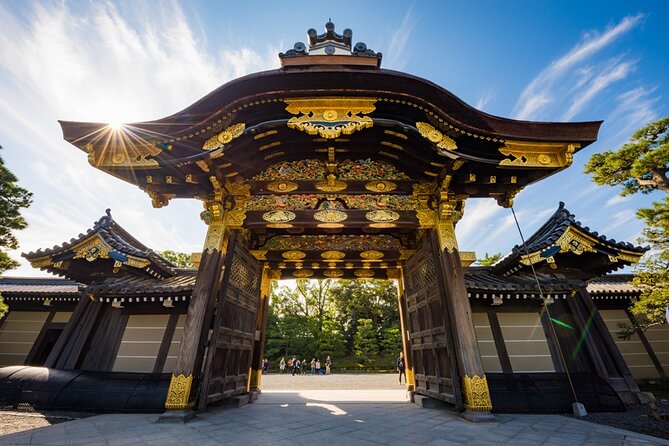
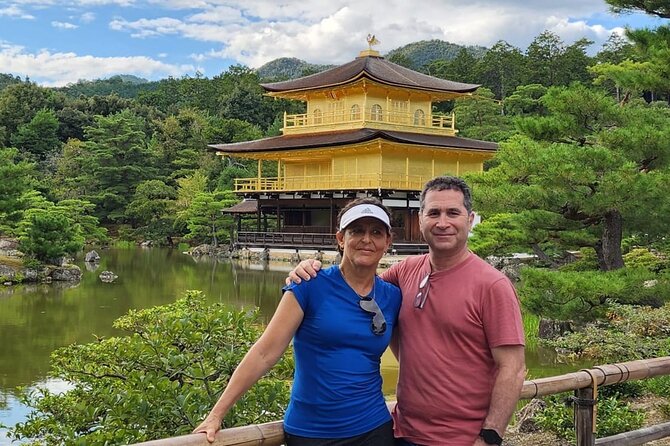
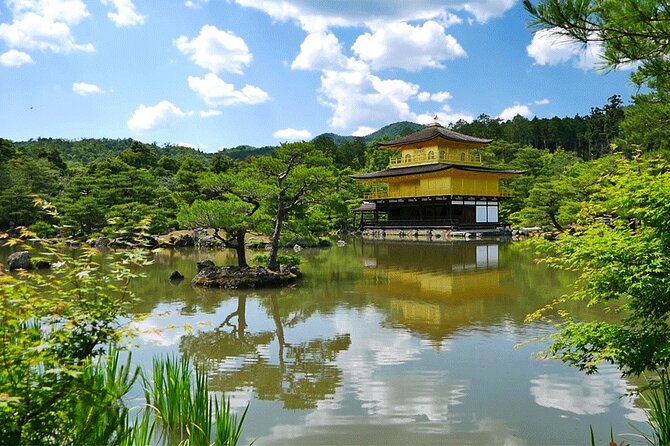
The next major stop is Kinkaku-ji, the Golden Pavilion. Its gold leaf exterior reflects in the pond, creating one of Kyoto’s most recognizable scenes. The visit lasts about 45 minutes and includes admission.
Kinkaku-ji is a classic sight, and it can be crowded. You should not expect solitude around the pond or an extended period inside the temple grounds. The value of visiting with this tour is that you do not have to work out the route from Kitano or arrange another transfer afterward. You arrive by bicycle, receive the historical background, and continue on with the group.
The stop is visually strong but relatively focused. You see the pavilion, pond, and surrounding grounds rather than spending half a day exploring a large temple complex. That makes the 45-minute visit a sensible match for a tour trying to reach several parts of Kyoto.
The image changes with the weather and season. A sunny day gives you the famous reflection, while snow can make the gold pavilion especially striking. The experience has also been adapted in difficult weather, with guides changing the order or pace when conditions require it.
Same old streets, another chapter:
- Kyoto: Fushimi Inari, Kinkakuji, Bamboo Grove 1 Day Bus Tour
★ 4.8 · 4,316 reviews - World Heritage Shirakawa-go and Experience Tours from Kanazawa
★ 5.0 · 4,049 reviews - Tokyo: Imperial Palace and Shogun Historical Walking Tour
★ 5.0 · 2,251 reviews - World Heritage Kyoto & Nara Uji Authentic Matcha Experience
★ 5.0 · 1,573 reviews
Riding west toward Arashiyama
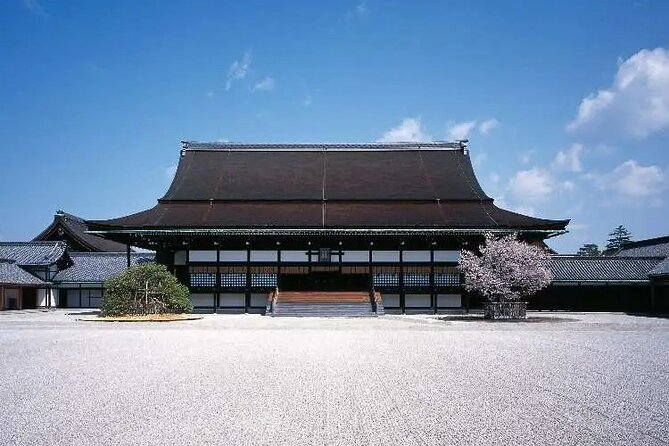
The time between official stops is not empty time. It includes the bike ride through Kyoto and a pause for lunch, and this is where the outing feels most different from a standard sightseeing bus route.
You move through back streets and see parts of the city that are easy to miss when you travel only between stations. The group may ride along river areas, and spring can bring particularly fine views when cherry trees are in bloom.
The pace depends on the group, traffic, weather, and guide. Some days include a substantial amount of walking, especially at the temple grounds and bamboo forest. One useful point to understand before booking is that the e-bike does not mean six hours of continuous riding. The experience has been described as roughly 75 percent walking and 25 percent biking by one participant, so wear shoes that can handle temple paths and ordinary city walking.
Lunch is scheduled during the day. Options have included ramen and local Japanese restaurants or food courts with many choices. One ramen stop is cash-only, and other food purchases are not included in the tour price, so carry yen. Dietary needs can be discussed with the guide, but the exact restaurant and menu are not fixed in the information provided.
Walking through Arashiyama Bamboo Forest
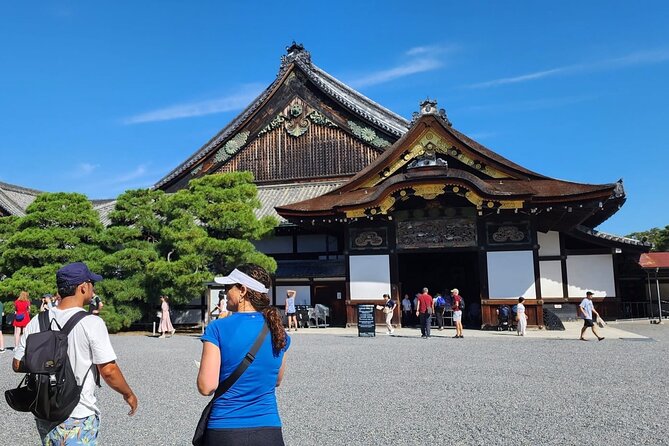
The Bamboo Forest Trail is one of the day’s headline stops. The walk takes about 45 minutes, and the tall bamboo creates a very different setting from the city streets and open temple ponds earlier in the route.
This is a place for looking upward, taking photographs, and noticing how quickly Kyoto changes from urban streets to a narrow green corridor. It is also a famous location, so do not expect an empty path. The benefit of arriving by bicycle is practical: you avoid spending extra time working out transport to Arashiyama, one of the farther-flung parts of the city.
The route is a walk, not a ride through the bamboo. Your bicycle stays out of the forest area, and you explore on foot with the group. That is one reason the tour suits people who want active sightseeing but should not be sold as a purely cycling experience.
The guide may offer some choice about where to finish the walk in Arashiyama. Past participants have also had time to see the Kimono Garden, depending on the day and schedule. Such adjustments are useful, but the exact final walk should depend on weather, crowd levels, and the group’s needs.
Tenryu-ji and its garden
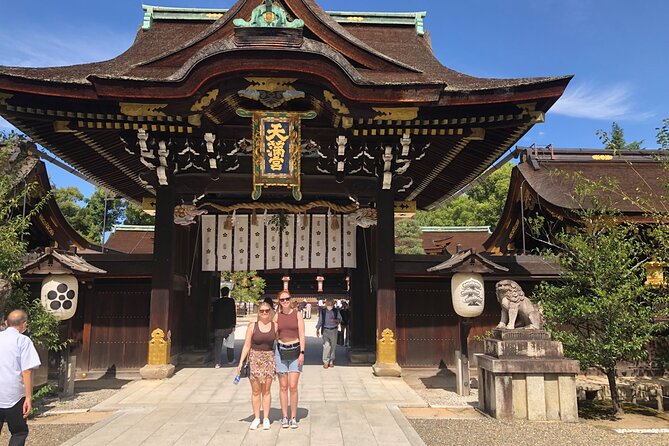
Tenryu-ji is the final listed sight, with about 45 minutes to walk through its garden. The temple has UNESCO World Heritage status, and its garden is the main reason this stop earns its place on the route.
After the Golden Pavilion and bamboo, Tenryu-ji provides a calmer visual rhythm. The garden gives you a chance to slow down and see how Japanese design uses water, rocks, trees, paths, and borrowed views. Your guide can connect the garden to the temple’s Buddhist setting and explain details that are easy to overlook if you are moving quickly.
This is also a sensible final stop. The garden offers a quieter close to a busy day, while the surrounding Arashiyama area gives you a choice of additional sights if the group’s schedule allows. The official activity returns to the original bike-tour meeting point, so you do not finish on the opposite side of Kyoto with your bicycle or belongings to sort out.
What the $99.49 price buys you
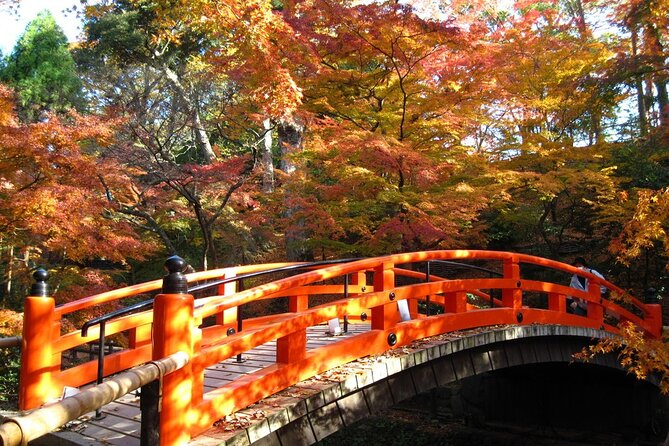
At $99.49 per person, this is not the cheapest way to see Kyoto’s temples. You still pay separately for lunch, and the price should be compared with what you would spend on transport, admission, and a private guide over the same distance.
The value comes from combining several difficult pieces: the bike, helmet, e-bike assistance, guide, small group, route planning, and access to four well-known sights in one half-day outing. If you have limited time in Kyoto, that can be worthwhile. You cover more ground than a walking tour and avoid arranging several train, bus, and taxi connections.
The small group is important here. A maximum of eight is large enough to have company but small enough for a guide to answer questions and keep the group together. Some outings have had only five people, while the full group can reach eight. The experience is more personal than a large bus tour, though it is not private.
A 4.9 rating from 181 ratings and a 98 percent recommendation rate indicate strong satisfaction overall, but the lower-scoring experience points to the main limitations: the meeting point can be hard to find, there may be more walking than expected, and lunch arrangements may not suit everyone. Those are manageable issues if you know about them in advance.
Safety, weather, and the right level of fitness
You need two kinds of stamina for this outing. The e-bike reduces the effort of the riding, but you walk through shrine and temple grounds, stand during explanations, and spend most of the day moving from one place to another.
City cycling requires attention. You may encounter cars, buses, mopeds, other bikes, pedestrians, stop signs, and roads without a dedicated bike lane. Guides such as George have been praised for explaining the rules and keeping the group together, with one guide sometimes riding at the front and another at the back. That support helps, but it does not replace basic road confidence.
Weather can change the day’s feel. Rain or snow may lead the guide to alter the order of stops or make other adjustments for comfort. The tour can still be memorable in unusual weather, but bring suitable clothing and accept that the route may not run exactly as planned.
The experience is a good fit for active adults, couples, families with confident teenage cyclists, and anyone who wants an efficient first look at Kyoto. It is less suitable if you dislike road riding, want a slow temple-by-temple visit, or need a completely fixed lunch and timetable.
Should you book the Historical Kyoto E-Bike Tour?
I would book this tour if you have one day to see a broad slice of Kyoto and want help making sense of the places you visit. The combination of Kinkaku-ji, Arashiyama, and back-street cycling gives you more range than a walking tour, while the e-bike keeps the distance reasonable.
Before booking, be honest about your cycling ability and comfort around traffic. Wear walking shoes, arrive early for the meeting point, bring yen for lunch and optional offerings, and expect a day that includes plenty of walking. Cancel at least 24 hours before the start time if your plans change, since later cancellations and changes are not refunded.
For confident riders who value local explanation, efficient routing, and a small group, the $99.49 price is fair. For anyone seeking a quiet, low-effort temple visit with no road cycling, choose a different Kyoto experience.
FAQ
How long does the Historical Kyoto E-Bike Tour last?
The tour lasts approximately 5 to 6 hours. Time is divided between cycling, walking at the sights, and lunch.
Which places does the tour visit?
The scheduled stops are Kitano Tenmangu Shrine, Kinkaku-ji Temple, the Arashiyama Bamboo Forest Trail, and Tenryu-ji Temple.
Is an e-bike provided?
Yes. Each participant can use an e-bike, and a helmet is provided. A bottle of water is also included.
How large is the group?
The tour has a maximum of eight participants.
Is lunch included in the price?
Lunch time is part of the schedule, but food purchases are not included in the stated price. Bring yen, since at least one ramen stop is cash-only.
Where does the tour start and finish?
It starts at Memory Kyoto Bike Tour, 8-6 Umaryo-cho, Nishikyo Nakagyo-ku, Kyoto. The activity ends back at the same meeting point.
Can I cancel for a full refund?
Yes, if you cancel at least 24 hours before the experience start time. Cancellations or changes made less than 24 hours before the start time are not refunded or accepted.
Latest history tours reviewed in Japan
- Authentic Sapporo: Nijo Market Seafood Lunch & History Tour★ 4.8 · 20 reviews
- Asakusa: A Big-picture History Walk to Know Japan★ 4.6 · 77 reviews
- Asakusa: 3.5-hour Big-picture History Walk★ 4.7 · 39 reviews
- 2.5-Hour Nagoya Tour: Castle History, Local Food & City View★ 4.5 · 36 reviews
- 1-Day Tour from Nagoya: Hiking the Historic Nakasendo Trail★ 4.9 · 34 reviews
- 2.5 Hour Private History and Culture Tour in Himeji Castle★ 5.0 · 185 reviews
- From Tokyo: Nikko World Heritage Sight Full Day Private Tour★ 4.9 · 127 reviews
- From Tokyo: Nikko World Heritage Site Private Full-Day Trip★ 4.9 · 243 reviews
Kyoto History Tours, compared.
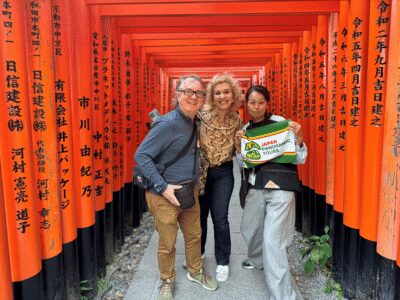
Kyoto: Fushimi Inari, Kinkakuji, Bamboo Grove 1 Day Bus Tour
Read our review →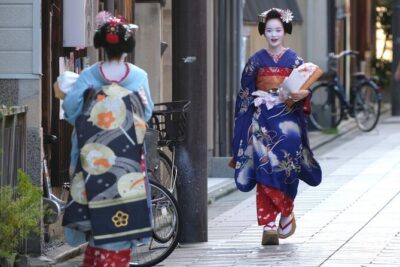
Kyoto Gion: 2-Hour Geisha Culture & History Walking Tour
Read our review →
Kyoto: Nara & Traditional Matcha Experience Bus Tour
Read our review →Browse the lists this tour appears in