
Review · JAPAN
World Heritage Shirakawa-go and Experience Tours from Kanazawa
Shirakawa-go’s steep-roofed farmhouses are the star of this day, but the clever part is what comes after: you return to Kanazawa for Kenrokuen Garden, traditional sweets, gold leaf, and the geisha quarter. It is a lot of Japan in one outing, and the mountain scenery on the road helps make the long ride worthwhile.
I like the early start, which can put you in Shirakawa-go before the largest crowds arrive. I also like the hands-on afternoon, especially the chance to make wagashi or paint a Daruma doll instead of simply looking at old buildings. The drawback is the pace: nine and a half hours is a long day, and Shirakawa-go receives only about two hours.
Guides including Aiko and Yasushi have been praised for clear English, humor, organization, and useful cultural explanations. Yasushi has even been described as a former schoolteacher who uses history, mythology, pictures, and jokes to make the bus ride pass quickly.
Key points at a glance
- Shirakawa-go before the crowds: The morning departure is designed to reach the famous mountain village early.
- Ogimachi viewpoint: A short stop gives you a broad view over the historic farmhouses and surrounding mountains.
- Three Kanazawa traditions in one afternoon: You visit Kenrokuen, try a Japanese craft, and see gold leaf work.
- A real hands-on choice: The activity may be wagashi making or Daruma painting, depending on the craftsperson’s schedule.
- Comfortable long-distance transport: The air-conditioned vehicle has Wi-Fi, and a restroom-equipped bus has been used for this route.
- Strong guide presence: Aiko and Yasushi are among the guides named in praise for their warmth, energy, English, and organization.
Why this day works for a first Kanazawa visit
At about $122.45 per person, this is not the cheapest way to spend a day in the region. Still, the price includes transport to Shirakawa-go, an English and Japanese-speaking guide, Wi-Fi on the bus, multilingual audio guidance, admission to Kenrokuen, a Japanese craft session, and a gold leaf experience.
That combination matters. Shirakawa-go is outside Kanazawa, and arranging the trip yourself means checking transport times, finding the right village viewpoints, and getting back for Kanazawa sightseeing. This tour handles the long transfer and adds several activities that would otherwise require separate planning.
You should think of the tour as a sampler, not a slow study of either destination. You get a strong first look at Shirakawa-go and a well-organized introduction to Kanazawa’s garden, crafts, and historic entertainment district. If you want to spend half a day inside one museum or wander every lane at your own speed, this schedule may feel tight.
The maximum group size is 38 people. That is large enough to feel like a proper group excursion, not a private tour. The tradeoff is that meeting times and departures must be followed closely. Late arrival is not accepted, and joining partway through is not practical.
More UNESCO World Heritage Tours in Japan
- World Heritage Kyoto & Nara Uji Authentic Matcha Experience
★ 5.0 · 1,573 reviews - Kanazawa: World Heritage Shirakawa-go Morning Guided Tour
★ 4.9 · 988 reviews - Hiroshima Peace (Heiwa) Walking Tour at World Heritage Sites
★ 5.0 · 872 reviews
Leaving Kanazawa Station at 7:50
The meeting point is Kanazawa Station West Plaza, at Short-term Car Park, 1-chōme-6-802 Hirooka. You need to arrive before the 7:50 am start. There is no hotel pickup or drop-off, so plan your route to the station in advance.
The early departure is one of the tour’s best practical choices. Shirakawa-go is one of Japan’s most photographed rural sites, and arriving early gives you a better chance to walk its lanes before the busiest period. One guide specifically helped make the early visit feel worthwhile, since large crowds began arriving as the group was preparing to leave.
The ride is part of the experience. You travel in an air-conditioned vehicle with Wi-Fi, and multilingual audio guidance is available in English, Spanish, French, Italian, German, Portuguese, and Ukrainian. The live guide remains important for questions and local context, while the audio system helps fill in information during the drive.
The road trip also offers mountain views, although the supplied schedule does not give a precise driving time. Depending on traffic, weather, and operating conditions, the order of stops may change. Bring water and a light snack if you need one, since lunch is not included.
Walking through Shirakawa-go’s gassho-zukuri village
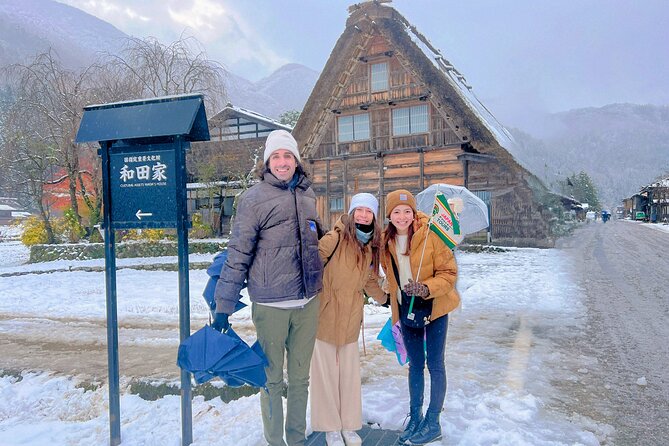
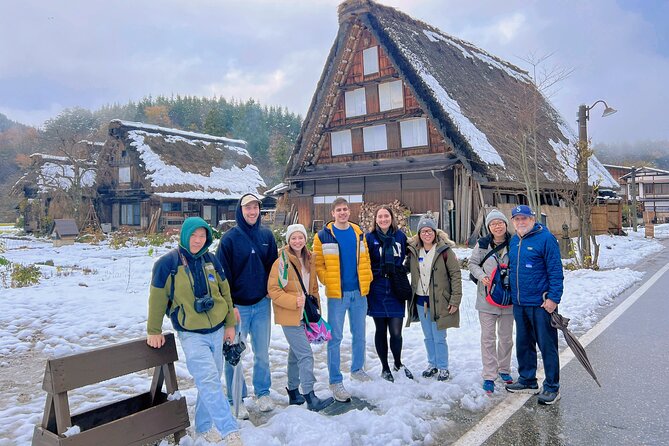
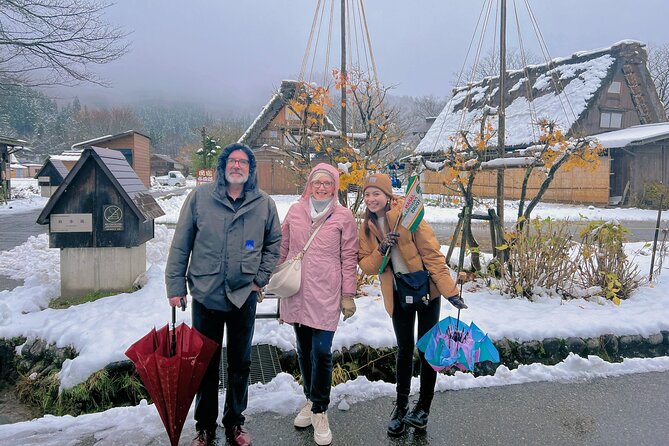
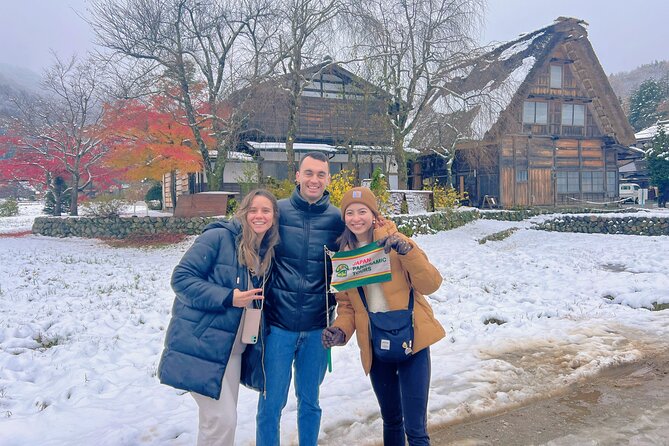
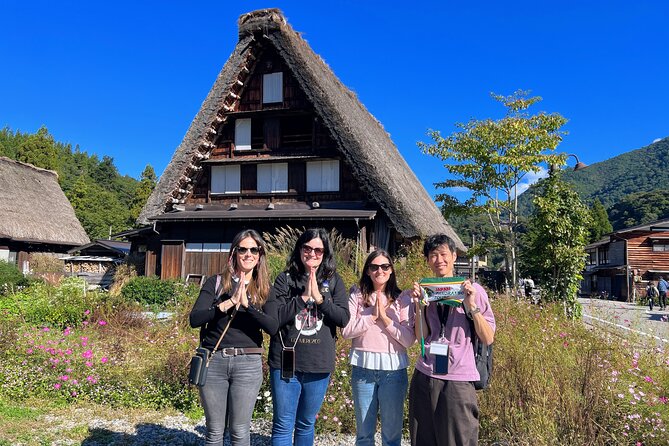
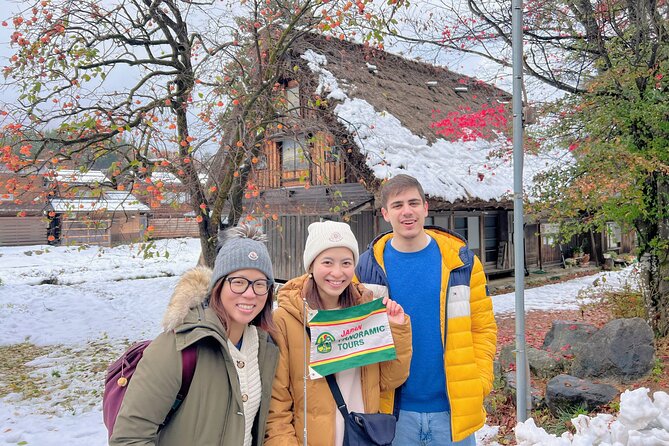
Shirakawa-go is a mountain settlement known for its gassho-zukuri farmhouses. The name refers to the steep roofs, shaped like hands pressed together in prayer. These roofs are not just decorative. Their sharply angled form is closely tied to the heavy snow conditions of the area.
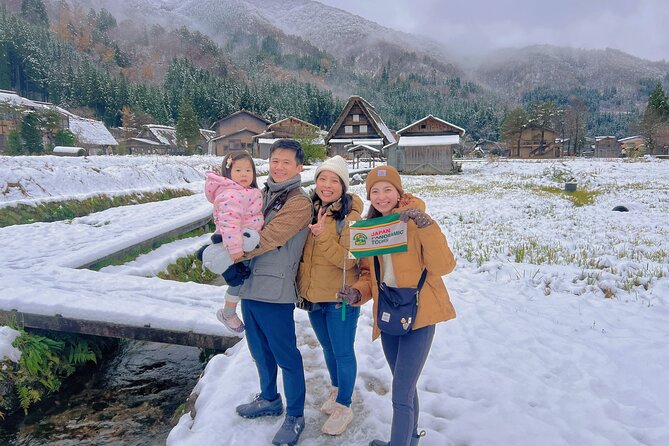
You have around two hours to explore the village. That is enough to walk through the central area, take photographs, look at the traditional houses, and stop for lunch on your own. It is not enough for a relaxed examination of every building or a long sit-down meal, so keep your priorities clear.
I would use the first part of the visit for the village streets and house exteriors, then reserve time for food and the viewpoint. The village can look almost storybook-like, but it is still a real community and heritage site. Walk carefully, keep noise down, and avoid treating private or working areas as photo props.
Lunch is at your own expense. The timing may feel early for some people, and there is no included meal to anchor the day. You may find local food options in the village, but the tour details do not promise a particular restaurant or dish. If you are fussy about meal timing, carry something small from Kanazawa.
The free exploration is a real strength. Your guide can explain the village and keep the group moving, but you are not locked into a minute-by-minute walking route. One guide, Yasushi, has been especially appreciated for explaining Japanese history and mythology during the drive, leaving the village itself available for personal wandering.
The Ogimachi Castle Site viewpoint
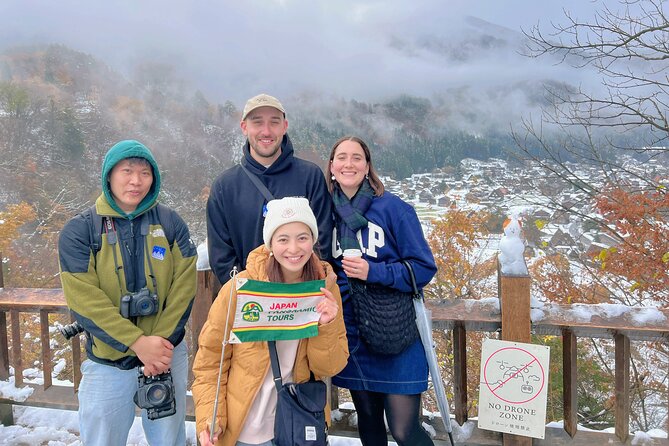
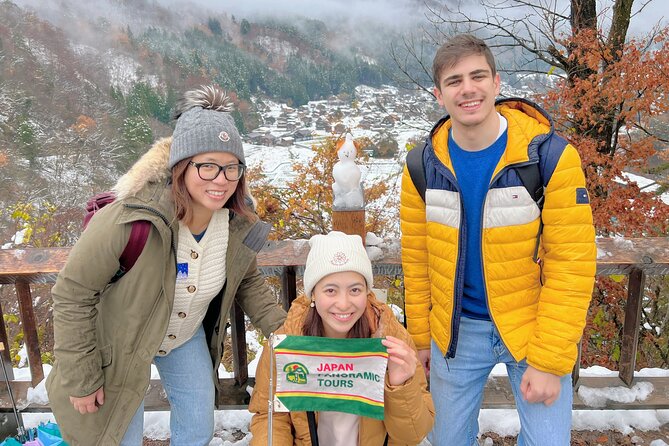
The Ogimachi Castle Old Site Observatory is scheduled for about 20 minutes. From this high point, you can look across Ogimachi, the main settlement of Shirakawa-go, and see how the farmhouses sit within the surrounding mountain setting.
This is a short stop, but it gives you the view that street-level wandering cannot. The distinctive roofs make more sense when you see the village as a whole. You can also get your bearings quickly and choose which parts of the settlement deserve your limited walking time.
Do not expect a long castle visit. The stop is a scenic lookout at the old castle site, not a full castle museum experience. Weather can also affect visibility, and the schedule allows only about 20 minutes, so have your camera ready before leaving the vehicle.
The short visit reinforces the tour’s basic character: several strong highlights rather than one leisurely destination. If you want a longer hike or extended time at the viewpoint, you would need a different arrangement.
Same old streets, another chapter:
- Kyoto: Fushimi Inari, Kinkakuji, Bamboo Grove 1 Day Bus Tour
★ 4.8 · 4,316 reviews - Tokyo: Imperial Palace and Shogun Historical Walking Tour
★ 5.0 · 2,251 reviews - Kyoto Gion: 2-Hour Geisha Culture & History Walking Tour
★ 5.0 · 1,186 reviews - Tokyo Castle & Imperial PalaceーShogun Walking Tour
★ 4.7 · 1,068 reviews
Kenrokuen Garden in Kanazawa
The afternoon shifts from mountain village to one of Japan’s three most famous gardens. Kenrokuen is known for its seasonal beauty, and the one-hour visit gives you time to walk through its designed scenery and see why it is central to a Kanazawa visit.
A garden is best taken at a slower pace, so one hour is useful but limited. You can enjoy the major paths and views, but you may need to resist stopping at every attractive corner. The tour includes admission, which keeps the visit simple and protects your time at the entrance.
The garden changes with the season. Spring, summer, autumn, and winter each give Kenrokuen a different character, so this is not a sight that feels identical year-round. The schedule does not promise specific seasonal features, but it does give you a polished outdoor counterpoint to the rural buildings of Shirakawa-go.
Rain is worth taking seriously. One account of the day describes heavy rain changing the planned sweets activity. The tour may substitute a stop or provide a gift if weather or operations prevent an activity, but no refund is offered for those changes. Comfortable shoes and rain protection are sensible choices.
Making wagashi or painting a Daruma doll
At the Ishikawa Local Products Center, you get a hands-on cultural session lasting about 50 minutes. Depending on the craftsperson’s schedule, you may make traditional Japanese sweets with a professional wagashi maker or paint a Daruma doll.
This is one of the most useful parts of the day because you do more than watch. Wagashi making introduces the careful shapes and seasonal sense associated with Japanese sweets. Daruma painting gives you a different kind of souvenir, one you have made yourself rather than picked from a shop shelf.
The exact activity is not guaranteed, so you should book this tour for the cultural session in general, not for wagashi alone. If making sweets is your top priority, confirm the current arrangement before booking. The schedule can change with the craftsperson’s availability, weather, or other operating conditions.
The local products center also gives you a chance to browse. One useful tip is to look for locally produced items at the small museum and shop connected with the village visit, where prices may be good. Do not let shopping take over the day, though. The schedule is built around several fixed stops.
Gold leaf in Kanazawa
Kanazawa is closely associated with gold leaf, and the visit to Kanazawa Bikazari Asano gives you a direct introduction to the craft. The session lasts about 40 minutes and is included in the price.
The activity is described as a gold leaf experience, and examples from the day include making a gold leaf postcard. That makes the stop more personal than a simple demonstration. You get to see how a traditional local craft becomes a small object you can take home.
Gold leaf is also a good fit for this itinerary because it connects the craft stop with Kanazawa’s broader identity. The tour does not leave you with only gardens and historic streets. It shows a living art form through a short, practical activity.
As with the other workshop, allow for a structured group setting. You will have a set amount of time rather than an open-ended studio visit. Still, 40 minutes is enough to try the technique and leave with a clearer idea of why gold leaf is such a visible part of Kanazawa’s culture.
A short walk through Higashi Chaya District
Higashi Chaya District is one of Kanazawa’s largest geisha districts. The tour allows about 30 minutes here, giving you a brief look at its traditional streets and tea-house atmosphere.
Half an hour is enough to walk, take photographs, and get a feel for the district. It is not enough to explore every lane, enter multiple buildings, or settle in for a long tea-house visit. I would treat this as an introduction and return later if the district becomes one of your favorite places.
The itinerary places Higashi Chaya District among the Kanazawa stops, but the order can change. Traffic, weather, and the operation of individual venues may affect the sequence. You should follow the guide’s instructions rather than assume that every stop will occur in the order printed in the schedule.
You may also want to try gold leaf ice cream here. It is an optional purchase, not part of the tour price. The area is a good place to use your short free period for a snack and a quick look at Kanazawa’s traditional architecture.
What the guides add to the long day
The human side of this tour matters because the schedule includes long transfers and several short stops. Guides such as Aiko and Yasushi have been singled out for being interactive, friendly, organized, and easy to understand in English.
Aiko is described as especially good at keeping the group engaged and explaining Japanese culture. Yasushi is known for his energy, humor, visual aids, and ability to turn the bus ride into a lesson in Japanese history and mythology. One useful detail is that he may also help with photographs.
Guide assignments are not guaranteed, so do not book solely in the hope of receiving one named person. Still, the tour’s format gives a good guide plenty to work with: the mountain village, garden design, sweets, Daruma dolls, gold leaf, and geisha districts all invite questions.
The live guide is also useful for keeping the day on track. With up to 38 people, clear meeting instructions matter. Listen carefully at each stop, especially in Shirakawa-go, where it would be easy to wander farther than your return time allows.
Who should book this Shirakawa-go and Kanazawa day?
I would choose this tour if you have limited time in Kanazawa and want to combine a famous rural site with the city’s main cultural themes. It suits first-time visitors, couples, families with older children, and anyone who prefers a planned day over arranging several connections.
It is also a good match for you if you want more than sightseeing. The wagashi or Daruma session and gold leaf activity give the day a practical, creative side. The included Kenrokuen admission and shared transport also make the $122.45 price easier to justify.
I would hesitate if you want long, unhurried visits. Two hours in Shirakawa-go, one hour in Kenrokuen, and 30 minutes in Higashi Chaya District can feel brisk. You should also think twice if you dislike early starts, group timing, or weather-related changes.
Free cancellation is available up to 24 hours before the start time for a full refund. Cancellations or changes made later are not refunded or accepted. The tour requires moderate physical fitness, and you should expect walking at several stops.
My verdict on the $122.45 price
The value comes from the range of the day. You receive a distant UNESCO World Heritage village, a major Kanazawa garden, two craft-based activities, a historic geisha district, transport, guide service, Wi-Fi, audio support, and one included admission for a price that is reasonable for a full-day organized excursion.
The weak point is not what you receive, but how quickly you receive it. The tour gives you highlights rather than depth. Lunch is separate, the group can reach 38 people, and the exact craft activity may change. Weather can also alter the schedule without a refund.
For many visitors, those limits are a fair trade for convenience. You can see Shirakawa-go without arranging the mountain transfer yourself, then return to Kanazawa for a useful first look at the city. I would call it a strong orientation day, especially near the start of a Japan trip.
Should you book it?
Book this tour if your priority is seeing Shirakawa-go and getting a practical introduction to Kanazawa in one day. Arrive early, wear comfortable shoes, bring rain protection, and carry money for lunch and optional snacks.
Skip it if you want to linger in the village, spend hours in Kenrokuen, or explore Higashi Chaya District at a slow pace. For everyone else, the combination of an early Shirakawa-go visit, lively guides such as Aiko or Yasushi, and hands-on gold leaf and craft activities makes this a well-balanced use of a busy day.
FAQ
Where does the tour start?
It starts at Kanazawa Station West Plaza, at Short-term Car Park, 1-chōme-6-802 Hirooka, Kanazawa. The scheduled start time is 7:50 am.
Does the tour provide hotel pickup?
No. Hotel pickup and drop-off are not included, and no extra pickup service is supplied.
Is lunch included?
No. Lunch is not included. You have time to eat independently at Shirakawa-go.
What activities are included in Kanazawa?
The tour includes admission to Kenrokuen Garden, a Japanese sweets-making session or Daruma painting, and a gold leaf experience. The craft activity depends on the craftsperson’s schedule.
Is the tour available in languages other than English?
A professional English and Japanese-speaking guide leads the tour. Multilingual audio guidance is available in English, Spanish, French, Italian, German, Portuguese, and Ukrainian.
What happens if weather changes the itinerary?
The itinerary may change because of weather, traffic, or operating conditions. If a stop or activity cannot take place, an alternative place or a gift may be offered. The tour does not provide a refund for these changes, except that a weather cancellation may offer a different date or full refund.
Latest history tours reviewed in Japan
- Authentic Sapporo: Nijo Market Seafood Lunch & History Tour★ 4.8 · 20 reviews
- Asakusa: 3.5-hour Big-picture History Walk★ 4.7 · 39 reviews
- Asakusa: A Big-picture History Walk to Know Japan★ 4.6 · 77 reviews
- 2.5-Hour Nagoya Tour: Castle History, Local Food & City View★ 4.5 · 36 reviews
- 1-Day Tour from Nagoya: Hiking the Historic Nakasendo Trail★ 4.9 · 34 reviews
- Tokyo: Nikko World Heritage Private Day Trip Hotel Pick-up★ 4.8 · 145 reviews
- 2.5 Hour Private History and Culture Tour in Himeji Castle★ 5.0 · 185 reviews
- From Tokyo: Nikko World Heritage Sight Full Day Private Tour★ 4.9 · 127 reviews
Japan History Tours, compared.

Kyoto: Fushimi Inari, Kinkakuji, Bamboo Grove 1 Day Bus Tour
Read our review →
Tokyo: Imperial Palace and Shogun Historical Walking Tour
Read our review →
World Heritage Kyoto & Nara Uji Authentic Matcha Experience
Read our review →
Kyoto Gion: 2-Hour Geisha Culture & History Walking Tour
Read our review →
Tokyo Castle & Imperial PalaceーShogun Walking Tour
Read our review →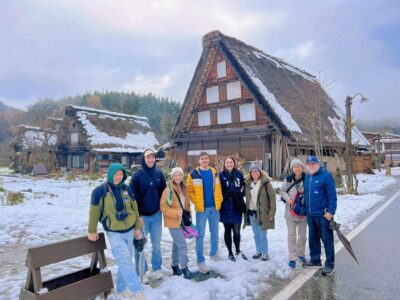
Kanazawa: World Heritage Shirakawa-go Morning Guided Tour
Read our review →
Tokyo: Imperial Palace Japanese History Walking Tour
Read our review →
Hiroshima Historical Walking Tour – Why A-Bomb was Dropped
Read our review →Browse the lists this tour appears in