Review · KYOTO
Kyoto Gion: 2-Hour Geisha Culture & History Walking Tour
Gion’s appeal is not just the chance to spot a geisha. It is the way a good guide helps you read the district: the quiet alleys, carefully maintained wooden houses, shrine customs, and clues to how geisha culture works. This two-hour walking tour covers a lot, from Hanamikoji Street to the Kamogawa River and Gion Shirakawa.
I like two things here. First, the guides, including Soyo, Uta, Dan, Kenta, Ukyo, Alex, and Naoya, are praised for clear explanations, storytelling, and useful restaurant advice. Second, the route mixes famous photo stops with less crowded lanes and small religious sites. The main drawback is pace: seven stops in two hours means limited time at each place, and there is no scheduled drink stop, which matters on a hot day.
Key points at a glance
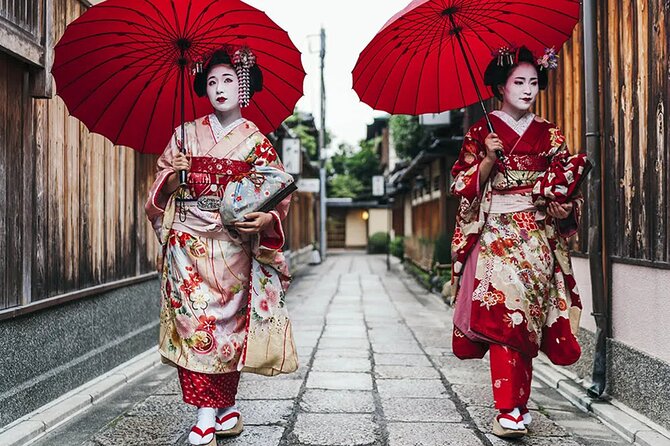
- A geisha lesson, not just a geisha hunt: Learn about the training, dances, hairstyles, and kimono work behind Kyoto’s traditional entertainers.
- Seven varied stops in two hours: The route includes Hanamikoji Street, Yasaka Shrine, Hokan-ji Temple, Pontocho, Gion Shirakawa, and Yasui-Konpiragu.
- Best chance for a sighting around early evening: Some tours run around 5 to 6 p.m., when geisha and maiko may be heading to appointments, but sightings are never promised.
- Small group format: The maximum group size is 15 people, a useful balance between social energy and the chance to hear the guide.
- Good value at $23.88: You receive local interpretation, historical context, directions through a complicated district, and restaurant recommendations without paying admission fees.
- Moderate walking required: Wear comfortable shoes, prepare for weather, and remember that this is an outdoor walking experience.
Why Gion makes more sense with a guide
Gion can look simple at first: attractive streets, old wooden buildings, shrines, and plenty of people taking photographs. The details are easy to miss. A guide can explain why a narrow lane matters, what distinguishes a maiko from a geisha, and how the district changed while preserving its older appearance.
The tour begins near McDonald’s at Shijo-ohashi Bridge, at 105-1 Hashimotocho in Shimogyo Ward. That location is close to public transportation and gives you a clear meeting point before entering the older parts of Kyoto.
This is not a performance or a staged geisha encounter. You walk through working streets where traditional entertainers may be going to appointments. If you see a geisha or maiko, treat the moment with care. Keep out of the way, avoid blocking doorways, and follow the guide’s example.
The route is especially useful if you have already wandered through Gion and felt that the district looked beautiful but confusing. The explanations connect the buildings and customs, so the streets become easier to understand later on your own.
More History Walking Tours in Japan
- Tokyo: Imperial Palace and Shogun Historical Walking Tour
★ 5.0 · 2,251 reviews - Tokyo Castle & Imperial PalaceーShogun Walking Tour
★ 4.7 · 1,068 reviews - Tokyo: Imperial Palace Japanese History Walking Tour
★ 4.9 · 987 reviews
Hanamikoji Street and the world of geisha
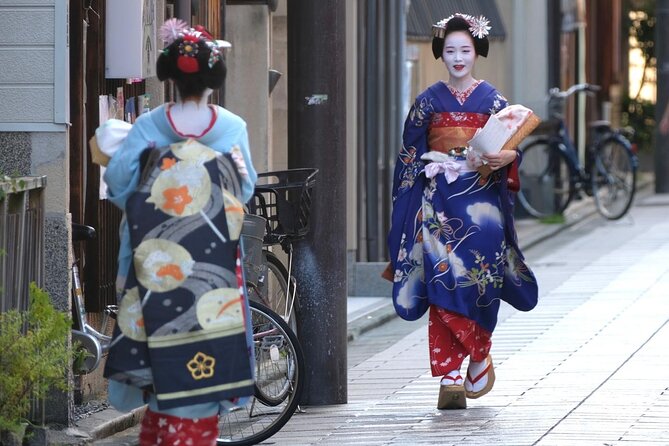
Hanamikoji Street is the natural opening stop. It is one of the best-known roads in Gion and often the place where people hope to catch sight of a geisha. The guide explains the district’s history and the hidden stories tied to the geisha world.
The most useful part is the context. You learn about the demanding training of geisha and maiko, including traditional dance, music, formal movement, hairstyles, and kimono craftsmanship. This helps you see these women as highly trained professionals rather than as costumed figures placed in Kyoto for photographs.
The stop lasts about 15 minutes, so expect an introduction rather than a full lesson. The guide’s storytelling matters here. Uta is noted for an engaging style and strong English, while Dan and Naoya are praised for making historical information easy to follow. Exact guide assignments can change, but the experience depends heavily on who leads your group.
A geisha sighting is possible, especially around early evening, but you should not book this as a guaranteed encounter. The cultural explanation is the dependable part.
Sannenzaka, Ninenzaka, and Kyoto’s famous photo streets
The walk continues toward Sannenzaka and Ninenzaka, two atmospheric streets known for traditional buildings, shops, and steep stone paths. These are among Kyoto’s most photographed areas, and your guide explains the local story about what happens if you fall on the steps.
The rumor is deliberately dramatic, and the guide separates the old saying from fact. That small detail is a good example of why this tour works better than simply following a map. You get the story behind the place, not just a photograph.
These streets can be crowded, so the experience depends on timing and patience. They are attractive, but they are not quiet at every hour. Keep your group together and expect to share the road with other people taking pictures.
The short stop also adds visual variety. Hanamikoji focuses on the geisha district, while Sannenzaka and Ninenzaka show Kyoto’s traditional streetscape. You get a quick look at both the culture and the architecture.
Yasaka Shrine, a thousand years of worship
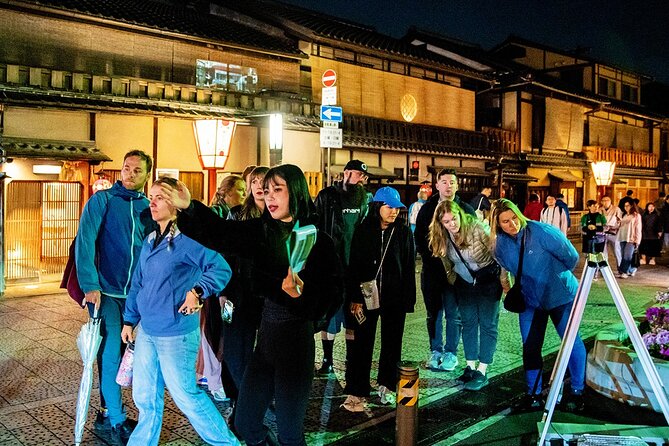
Yasaka Shrine provides a change of mood. The tour allows about 20 minutes here, enough for the guide to explain the shrine and basic Shinto worship without turning the visit into a long formal lecture.
The shrine is described as 1,000 years old, giving you a sense of how far Kyoto’s religious traditions reach. Your guide can also show you how to approach a Shinto site respectfully and explain the role of the shrine in local life.
This is one of the stronger stops for people who want more than geisha stories. Kyoto’s traditional culture is not limited to entertainment districts. Shrines, rituals, architecture, festivals, and daily customs all belong to the same larger picture.
Because admission is free, the tour spends your money on interpretation rather than entrance tickets. That helps keep the $23.88 price reasonable, particularly if you are new to Kyoto and want orientation without committing to a long, expensive excursion.
More Local Culture and Traditions Tours in Japan
- Nara: Half-Day UNESCO Heritage & Local Culture Walking Tour
★ 4.8 · 250 reviews - Tokyo: The Best of Izakaya in Shinjuku Food & Cultural Tour
★ 4.9 · 221 reviews - 2.5 Hour Private History and Culture Tour in Himeji Castle
★ 5.0 · 185 reviews - Kyoto: Nara & Traditional Matcha Experience Bus Tour
★ 4.9 · 185 reviews
Hokan-ji Temple and the classic Kyoto view
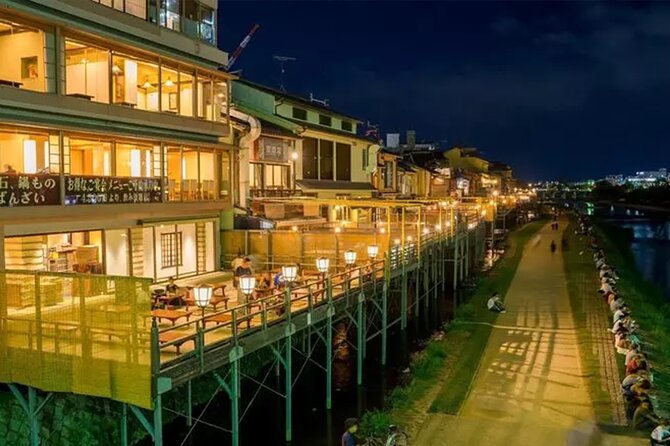
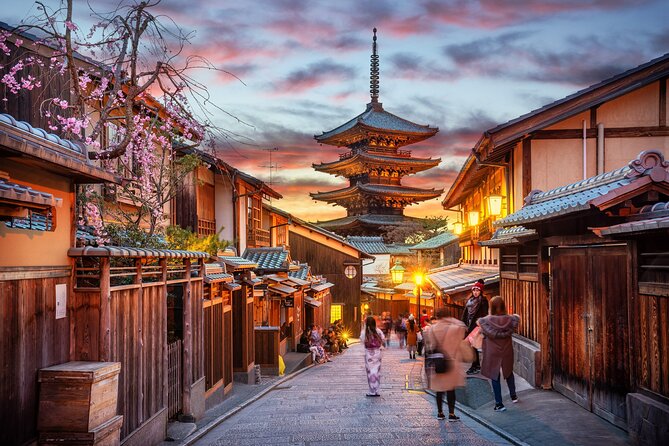
Hokan-ji Temple is scheduled for about 20 minutes and is described as one of Kyoto’s most photogenic locations. Its pagoda and surrounding streets provide the kind of scene many people picture before arriving in the city.
This stop works best when the guide gives you a sense of how the temple fits into the neighborhood. You have time for photographs, but do not expect a lengthy temple visit or a private viewing. The tour is built around outdoor sightseeing and explanation.
If photography matters to you, this is one of the places to keep your camera ready. Still, the route is not designed as a dedicated photo tour. The guide must keep the group moving to reach the later stops, so you may need to choose a few good angles rather than linger at every corner.
Pontocho and the Kamogawa River pause
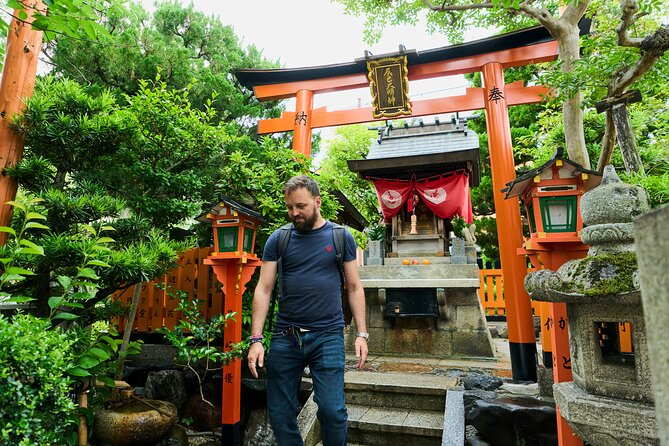
Pontocho is introduced as a historic gourmet street. Its narrow character and restaurant connections make it a useful place to ask your guide where to eat later. Several guides, including Kenta and Ukyo, are praised for offering restaurant suggestions, while other guides point out rooftop bars and dining options.
The advice can be especially useful because Pontocho is easy to browse but harder to judge quickly. A local guide can help you understand the area and decide where to return after the tour.
The route also includes a local relaxation spot by the Kamogawa River. This gives the walk a brief change from lanes and old buildings. You may find it a pleasant place to slow down, listen to the guide, and see how Kyoto residents use the river area.
There is no promised refreshment stop, however. One guide-led walk was described as difficult in hot weather because no drinks were included. Bring water, especially during summer or on a warm evening. The two-hour length is manageable for most people, but heat can make the same route feel much longer.
Gion Shirakawa and Edo-period townhouses
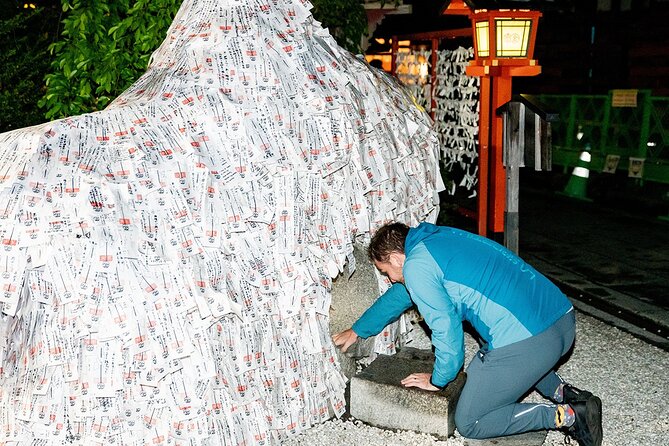
Gion Shirakawa is one of the most atmospheric parts of the route. Here, the focus shifts to old wooden townhouses and the visual character of the district. The guide explains what you are seeing and why these buildings matter.
This is where the walk’s quieter side becomes most valuable. Gion is famous, but not every worthwhile street is crowded or heavily advertised. Smaller lanes and preserved houses give you a better sense of the neighborhood’s older form.
The tour allows about 20 minutes at Gion Shirakawa. That is enough to take in the setting and ask questions, though not enough for a detailed architectural study. If you want a slow, silent photography walk, this group tour may feel brisk. If you want a clear introduction with stories attached to the buildings, the timing is sensible.
Please remember that the old houses are part of a living neighborhood. The right approach is to admire the streets without entering private spaces or treating residents as scenery.
Yasui-Konpiragu and Shinto practice
The final named stop is Yasui-Konpiragu, where the guide introduces Shinto worship. The visit lasts about 15 minutes and rounds out the religious side of the tour.
After hearing about geisha culture, old homes, food streets, and Kyoto’s famous views, this stop brings the focus back to personal belief and ritual. It gives you another chance to ask how to behave at a shrine and what the local customs mean.
The activity ends back at the original meeting point. That is practical if you want to continue into central Kyoto for dinner, return to your accommodation by public transportation, or revisit one of the streets after dark.
What the guides add to the experience
The strongest feature of this walk is the human explanation. Guides such as Soyo and Uta are praised for warmth and clear teaching. Dan is described as a strong storyteller, while Naoya is noted for patience, helpful photographs, and calm assistance when someone arrived late after taking the wrong bus. Alex is praised for keeping an international group together and engaged.
Those details matter because a walking tour can easily become a list of dates and names. Here, the better guides turn the route into a conversation about how maiko become geisha, why old buildings remain important, and where to eat afterward.
English ability is specifically noted in several comments, including Uta’s particularly polished English. You should still expect the quality and personality to vary somewhat because guide assignments change. The maximum group size is 15, which keeps the walk fairly manageable without making it a private tour.
Is $23.88 good value?
At $23.88 per person, this is a low-cost way to get a structured introduction to one of Kyoto’s most confusing and culturally important districts. There are no admission charges at the listed stops, so the value comes from the guide’s time, local knowledge, route planning, and explanations.
I think the price works best for a first visit to Kyoto. You receive a useful orientation in two hours, then you can return to the streets that interested you most. The restaurant and bar suggestions add value if you use the tour to plan the rest of your evening.
The price does not buy a private experience, guaranteed geisha sighting, meal, drink, or long stop at every attraction. If you want a slow architectural tour or an in-depth temple visit, choose a longer specialist walk. If you want a friendly, affordable introduction to Gion, the cost is fair.
Timing, walking, and practical planning
The tour lasts about two hours and requires moderate physical fitness. You should expect continuous walking through streets and lanes, with stops at shrines, temples, and photo points. Comfortable shoes are a must.
Early evening appears to be the most useful time if seeing a geisha is important to you. A start around 5 to 6 p.m. may improve your chance, while also giving you attractive light for photographs. This is only a practical tip, not a promise.
Weather matters. The experience requires good weather and may be moved or refunded if conditions are poor. Free cancellation is available until 24 hours before the start time. Cancellations or changes within 24 hours are not refunded.
A mobile ticket makes arrival simple, and the starting point is near public transportation. Give yourself enough time to find McDonald’s at Shijo-ohashi Bridge rather than arriving at the last minute. The activity returns to the meeting point, so you do not need to plan a separate pickup.
Who should book this Gion walk?
I would choose this tour if you want a short introduction to geisha culture, traditional Kyoto streets, shrines, and local dining advice. It suits first-time visitors, couples, solo walkers, and anyone who wants the district to make more sense before exploring alone.
It is also a good choice if you have only one free evening. The route covers a surprising number of landmarks without asking you to spend half a day on a single subject.
You may want something else if you dislike walking, need frequent breaks, want guaranteed access to a geisha performance, or prefer to spend 20 minutes at one temple instead of visiting several places briefly. Hot weather is another reason to think carefully and bring water.
FAQ
How long does the Kyoto Gion walking tour last?
The tour lasts approximately two hours.
Where does the tour begin?
It begins at McDonald’s near Shijo-ohashi Bridge, at 105-1 Hashimotocho, Shimogyo Ward, Kyoto 600-8011, Japan.
Where does the tour end?
The activity ends back at the original meeting point.
Can I definitely see a geisha?
No. You may have a chance to see a real geisha or maiko, but a sighting is not guaranteed.
How large is the group?
The tour has a maximum of 15 people.
Is the tour suitable for everyone physically?
You should have a moderate level of physical fitness because the experience involves walking through streets, lanes, temple areas, and shrine grounds.
What happens if the weather is poor?
If the activity is canceled because of poor weather, you will be offered a different date or a full refund. You can also cancel for a full refund up to 24 hours before the start time.
Should you book it?
Book it if you want good cultural context at a modest price, especially on a first Kyoto visit. The mix of geisha history, old townhouses, shrines, temples, river views, and restaurant advice gives you more than a simple photo walk.
Set your expectations correctly. You are not buying a guaranteed geisha encounter or a slow private tour. You are buying two hours of guided orientation, and at $23.88, that is a sensible way to get your bearings in Gion before exploring it on your own.
More Two-Hour Tours in Japan
- 2-Hour Gettysburg Battlefield Guided History Bus Tour with a National Park Guide
★ 4.5 · 2,201 reviews - 2 Hour LoDo Historic Walking Tour in Denver
★ 5.0 · 1,106 reviews - 2-Hour Historical Walking Tour from Dublin
★ 5.0 · 875 reviews - Historical 2-Hour Guided Walking Tour of Dublin
★ 4.7 · 865 reviews
Latest history tours reviewed in Japan
- Authentic Sapporo: Nijo Market Seafood Lunch & History Tour★ 4.8 · 20 reviews
- Asakusa: 3.5-hour Big-picture History Walk★ 4.7 · 39 reviews
- Asakusa: A Big-picture History Walk to Know Japan★ 4.6 · 77 reviews
- 2.5-Hour Nagoya Tour: Castle History, Local Food & City View★ 4.5 · 36 reviews
- 1-Day Tour from Nagoya: Hiking the Historic Nakasendo Trail★ 4.9 · 34 reviews
- From Tokyo: Nikko World Heritage Sight Full Day Private Tour★ 4.9 · 127 reviews
- From Tokyo: Nikko World Heritage Site Private Full-Day Trip★ 4.9 · 243 reviews
- Tokyo: Nikko World Heritage Private Day Trip Hotel Pick-up★ 4.8 · 145 reviews
Kyoto History Tours, compared.
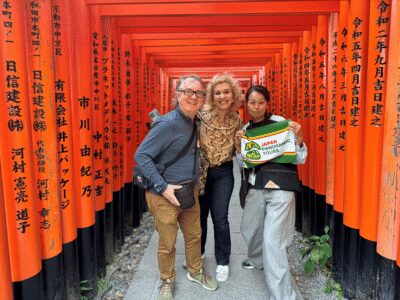
Kyoto: Fushimi Inari, Kinkakuji, Bamboo Grove 1 Day Bus Tour
Read our review →
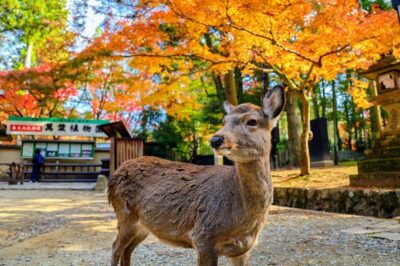
Kyoto: Nara & Traditional Matcha Experience Bus Tour
Read our review →