
Review · TOKYO
From Tokyo: Nikko World Heritage Sight Full Day Private Tour
Nikko gives you Japan in two strong flavors: ornate religious buildings tucked into tall forest, then open mountain scenery around Lake Chuzenji and Kegon Falls. This private day tour covers both without making you figure out a string of trains, buses, and mountain connections.
I like the hotel pickup and private van, especially for families, older visitors, and groups carrying day bags. I also like the flexible guiding. Guides such as Mirza and Imran have adjusted the timing, added Kanmangafuchi Abyss when requested, helped with strollers, and changed plans when rain or wind closed an attraction.
The catch is simple: Tokyo to Nikko takes about two hours each way, so this is a long day with plenty of road time. The advertised highlights also mention Edo Wonderland, but it does not appear in the timed route provided, so confirm the final stops before booking.
Key points to know before booking
- Toshogu Shrine packs serious detail into a short visit: Look for the Yomeimon Gate and the famous sleeping cat carving.
- The private van saves effort: A group of up to six can move between sites that are spread across central Nikko and the mountain area.
- Kanmangafuchi Abyss is a useful flexible stop: Its riverside path and row of Jizo statues offer a quieter break from the main shrine district.
- Akechidaira depends on the weather: Wind or poor conditions can close the ropeway, as happened on one winter outing.
- The best timing is early: Several groups left Tokyo around 7 a.m. and had a better chance of seeing the major sights before crowds thickened.
- Budget for extras: Food, drinks, souvenirs, optional activities, and likely entrance fees are not part of the stated tour price.
Why Nikko works as a day trip from Tokyo
Nikko is far enough from Tokyo to feel like a change of scene, yet close enough for a demanding day trip. The road journey takes about two hours each way, and the tour lasts roughly 10 hours from pickup to return.
That travel time is the main tradeoff. You will not have the slow, unplanned rhythm of an overnight stay, but you can see the shrine district and the high country in one outing. A private vehicle matters here because the main attractions do not all sit within easy walking distance. It also lets you leave bags in the van and avoid working out each transfer.
The price is $362 per group of up to six. For six people, that is about $60 per person before entrance fees and food. For two people, it is a much higher per-person cost, but you are paying for door-to-door transport, a private group, highway taxes, Wi-Fi, air conditioning, and a guide who can shape the day around your interests.
I would compare this with the cost and hassle of arranging separate transport for a group. The value improves sharply with four to six people. Solo visitors or couples who are comfortable with public transport may find the private option less economical.
More Private History Tours in Japan
- From Tokyo: Nikko World Heritage Site Private Full-Day Trip
★ 4.9 · 243 reviews - 2.5 Hour Private History and Culture Tour in Himeji Castle
★ 5.0 · 185 reviews - Tokyo: Nikko World Heritage Private Day Trip Hotel Pick-up
★ 4.8 · 145 reviews
Starting early from your Tokyo hotel
Pickup and drop-off are available at hotels in Tokyo and Nikko. You provide the hotel name and address, then wait in the lobby 10 minutes before the scheduled time. The stated tour duration includes the pickup period, and the driver will not wait more than 60 minutes after the arranged pickup time.
An early start is worth requesting. Several outings began around 7 a.m., which allowed time for the full route and helped avoid holiday crowds. One useful suggestion from the experience is to ask about a 6:30 a.m. departure during the autumn color season or national holidays, if available.
The van is presented as a comfortable, air-conditioned vehicle with Wi-Fi. That is not a minor perk here. The drive to Nikko and back can take four hours in total, and a clean, comfortable vehicle makes the day much easier on children and older family members.
Guides named in the bookings include Mirza, Imran, Musa, Kashif, Cheema, and Mizra. Mirza and Imran receive especially strong praise for safe driving, clear explanations, flexibility, and helping with photos. The exact guide depends on availability, so treat those names as examples rather than a guaranteed assignment.
Shinkyo Bridge and the first look at Nikko
Shinkyo Bridge is usually the first sightseeing stop. The red wooden bridge crosses the Daiya River and marks the entrance to Nikko’s shrine and temple area.
You get about 30 minutes here for photos, a short walk, and an introduction to the area. The bridge is especially attractive with autumn color, snow, or fresh greenery behind it. It is a quick stop, not a long riverside outing, so use the time for the bridge view and the surrounding setting.
This is also a sensible place to get your bearings. Nikko is not one compact monument. Its sacred buildings, river paths, and high mountain sights are spread out, and the guide can explain how the pieces fit together before you begin the more detailed shrine visits.
Toshogu Shrine, where every surface asks for a closer look
Toshogu is the main cultural reason to come to Nikko. It honors Tokugawa Ieyasu, founder of the Tokugawa shogunate, and sits among tall trees that soften the scale of its decorated gates and halls.
The tour gives time at the Toshogu Art Museum and Toshogu itself, with about 30 minutes listed for each stop. That is enough for a guided introduction and key sights, but it is not a leisurely study of every building. If you love architecture, tell your guide early that you want more time here.
Look closely at the Yomeimon Gate, known for its fine carving and strong color. The sleeping cat sculpture is another small detail that many people enjoy finding. Toshogu rewards patient eyes more than a quick checklist. The carvings can blur together if you rush, so ask the guide to point out the most important features.
The forest setting changes the mood. This is not simply a collection of ornate structures in an urban plaza. The trees, stone approaches, and quiet corners give the shrine a ceremonial feel, even when the entrance area is busy.
One practical point: the route through a shrine complex may not circle back to the starting point. If you see a souvenir or craft item you really want, do not assume you will pass the same shop again. Also bring cash for entry costs and purchases, since one visitor specifically advised carrying cash for site admissions.
More UNESCO World Heritage Tours in Japan
- World Heritage Shirakawa-go and Experience Tours from Kanazawa
★ 5.0 · 4,049 reviews - World Heritage Kyoto & Nara Uji Authentic Matcha Experience
★ 5.0 · 1,573 reviews - Kanazawa: World Heritage Shirakawa-go Morning Guided Tour
★ 4.9 · 988 reviews - Hiroshima Peace (Heiwa) Walking Tour at World Heritage Sites
★ 5.0 · 872 reviews
Futarasan Shrine and the meeting of Shinto and Buddhism
Nikko Futarasan Shrine receives about 30 minutes in the listed schedule. It is another important sacred site in the district and gives the visit a useful contrast with Toshogu.
The buildings and grounds are less about one famous carving and more about the wider religious setting. Your guide can help explain the way Shinto and Buddhist traditions have shared space in Nikko over the centuries. One visitor particularly valued the explanation of religious fusion and the changing relationship between the two traditions.
Thirty minutes will feel short if you want to inspect every corner. Still, it works as part of a day that also includes mountains and waterfalls. If your priority is religious architecture over natural scenery, ask whether the schedule can shift toward the shrine district.
Kanmangafuchi Abyss, a quieter walk beside the river
Kanmangafuchi Abyss is one of the best reasons to use a private tour. It is easy to value a quieter path after the decorated shrine grounds and busy photo stops.
A forested riverside route is lined with more than 70 Jizo statues. These figures are associated with the spirits of children and travelers, and their repeated forms create a reflective, slightly mysterious walk. The path continues toward Jiunji Hondo Temple, a small temple that feels removed from the main sightseeing flow.
The amount of time here is not fixed in the provided schedule, which is good news. A guide can add it when there is room, as Mirza did for one group that specifically wanted to see it. The path does require walking on uneven ground, so comfortable shoes are essential.
This stop also shows the strength of a private itinerary. If the ropeway closes, the weather turns, or you want a calmer hour, your guide may be able to replace or adjust a stop. That flexibility is more useful than a rigid list of attractions.
Lake Chuzenji and the move into the mountains
After the central shrines, the tour heads toward Lake Chuzenji, at the foot of Mount Nantai. The drive takes you into Nikko’s mountain area, where the feeling changes from historic center to open highland scenery.
The schedule allows about 90 minutes for a photo stop, a walk, and guided sightseeing. That is a healthy amount of time for the lake. You can look over the water, take photographs, and enjoy a slower pause before the waterfall.
Lake Chuzenji was formed by volcanic activity and is known for clear water and mountain surroundings. Autumn brings strong color to the trees, while winter can bring snow and ice. Summer can be hot and humid, so take water, sunscreen, and a hat.
The lake is also where weather and road conditions begin to matter more. Dress for the forecast rather than Tokyo’s conditions. A mild morning in the city can become cold near the water or at the ropeway viewpoint.
Akechidaira Ropeway and the best wide view
The Akechidaira Ropeway is scheduled for about 45 minutes, including the ride, guided time, and free time. From the observation area, you can look toward Mount Nantai, Lake Chuzenji, and Kegon Falls.
This is the place for the broad view after the close-up details of Toshogu. On a clear day, the combination of mountain, lake, and waterfall gives you the full scale of Nikko National Park.
Do not treat the ropeway as guaranteed. Wind and bad weather can close it, and one group found it shut because of strong wind. A good guide should have alternatives, but the exact substitute depends on the day. Kanmangafuchi Abyss and the Imperial Villa were used as additional stops for one group when the ropeway could not run.
If the ropeway is open, keep the visit focused. The timing is enough for the ascent, viewpoint, and photos, but not for a long hike. If your group includes someone with limited mobility, discuss the route in advance because some areas may not be accessible.
Kegon Falls, a strong finish to the natural side of Nikko
Kegon Falls drops 97 meters into a rocky gorge and is one of Japan’s best-known waterfalls. The viewing area gives you a direct look at the falling water, and the sound carries through the gorge.
The itinerary allows about an hour here, with free time and tea or coffee tasting listed. The falls change with the season. Winter can produce striking ice formations, while autumn brings color around the gorge. Rain can make the water look more forceful, though it can also reduce distant visibility.
This stop is close to Lake Chuzenji, so it works naturally as the final major sight before the return drive. Walking is limited compared with a full trail outing, but you still need comfortable shoes and should take care on wet or icy surfaces.
Do not count on a full meal here. Food and drinks are generally not included, so plan to buy lunch or snacks separately and ask the guide for suitable places. One guide offered several dining choices, which is helpful when the day’s timing depends on road conditions and crowd levels.
What the private format does best
The best feature of this tour is not simply the list of sights. It is the ability to adjust the day.
A guide can allow more time at Toshogu, add Kanmangafuchi Abyss, suggest a meal stop, or change course when rain affects the mountain views. Families have found the format useful with a one-year-old, four-year-old, and seven-year-old, while another guide helped a visitor using a wheelchair and crutches by adapting the route and working around the crowds.
That does not make every path fully accessible. Nikko has steps, slopes, uneven surfaces, and sites that may not suit every mobility level. Contact the provider with your needs before booking rather than assuming the private van solves every access problem.
The photo help is another small but useful touch. Guides have taken photos and videos at scenic points, which means you do not have to choose between standing in the view and holding the camera. Keep your expectations practical: photography assistance is included, but the tour is not described as a professional photo shoot.
The experience is offered in Arabic, English, and Hindi. The exact depth of historical explanation can vary by guide, but the strongest outings pair safe driving with clear background information and a relaxed pace.
What to pack and what to budget
Bring comfortable walking shoes, a hat, sunscreen, water, and a camera. Add warm layers in winter and rain protection when the forecast is unsettled.
Smoking is not allowed. The ropeway may close in bad weather, and some paths may not work for people with mobility impairments.
The $362 price covers a private group of up to six, hotel pickup and drop-off, luxury transport, Wi-Fi, air conditioning, highway tax, and guided sightseeing. It does not cover meals, snacks, souvenirs, insurance, or optional activities such as boat rentals and special workshops.
The supplied highlights also mention Edo Wonderland, traditional craft workshops, and performances. However, the timed route lists Shinkyo Bridge, the Toshogu area, Futarasan Shrine, Lake Chuzenji, Akechidaira, and Kegon Falls, but not Edo Wonderland. Confirm whether it can be included, substituted, or is part of a different version of the outing. You cannot sensibly fit every listed attraction into 10 hours without making some stops very brief.
Free cancellation is available up to 24 hours before departure, and reserve-now, pay-later booking is offered. The tour is not suitable for people over 95 according to the supplied conditions.
Who should book this Nikko day tour?
I would choose this tour for a family, small group, or anyone who values convenience over the lowest possible price. It is particularly useful if you want both Toshogu and the mountain sights, since the private van links places that are awkward to combine on foot.
It also fits visitors who want a guide to handle navigation, explain the history, take photos, and adjust the schedule. Early pickup is important during autumn, holidays, and other busy periods.
I would think twice if you are a couple on a tight budget, prefer long independent visits at each temple, or dislike spending two hours each way in a vehicle. In that case, public transport and an overnight stay may offer a calmer experience.
Should you book it?
Book this private Nikko tour if your priority is seeing the major cultural and natural sights in one day with minimal transport planning. The strongest value comes with four to six people, and an early departure gives the itinerary a better chance of working well.
Before paying, confirm the pickup time, guide language, entrance fees, and whether Edo Wonderland is actually included. If the ropeway closes, judge the tour by its flexibility: a good replacement plan, such as Kanmangafuchi Abyss or another cultural stop, can still make the long journey worthwhile.
FAQ
How long is the tour from Tokyo?
The experience lasts approximately 10 hours, including pickup and drop-off. The drive from Tokyo to Nikko takes about two hours each way.
How many people can join the private tour?
The price covers a private group of up to six people.
What languages are available for the live guide?
Live guiding is available in Arabic, English, and Hindi.
Is hotel pickup included?
Yes. Hotel pickup and drop-off are available in Tokyo and Nikko. You provide the hotel name and address and wait in the lobby 10 minutes before pickup.
Can the Akechidaira Ropeway close?
Yes. The ropeway may close because of wind or other poor weather conditions. Some outings have replaced it with other Nikko sights when it was shut.
Are meals and entrance fees included?
Food and drinks are not included. Optional activities and souvenirs are also excluded. You should budget separately for entrance fees and carry cash, as advised in the tour information.
More Full-Day Tours in Japan
- Ninh Binh Heritage Full Day Tour with Buffet Lunch and Limousine
★ 5.0 · 2,692 reviews - Bali: Tanah Lot UNESCO World Heritage Sites Full-Day Tour
★ 4.7 · 1,947 reviews - UNESCO’s Ayutthaya Historical Park: Full-Day Tour from Bangkok
★ 4.5 · 1,559 reviews - Full-Day Aruba History and Must-See Landmarks Tour
★ 4.5 · 1,497 reviews
Latest history tours reviewed in Japan
- Authentic Sapporo: Nijo Market Seafood Lunch & History Tour★ 4.8 · 20 reviews
- Asakusa: 3.5-hour Big-picture History Walk★ 4.7 · 39 reviews
- Asakusa: A Big-picture History Walk to Know Japan★ 4.6 · 77 reviews
- 2.5-Hour Nagoya Tour: Castle History, Local Food & City View★ 4.5 · 36 reviews
- 1-Day Tour from Nagoya: Hiking the Historic Nakasendo Trail★ 4.9 · 34 reviews
- Tokyo: Nikko World Heritage Private Day Trip Hotel Pick-up★ 4.8 · 145 reviews
- 2.5 Hour Private History and Culture Tour in Himeji Castle★ 5.0 · 185 reviews
- From Tokyo: Nikko World Heritage Site Private Full-Day Trip★ 4.9 · 243 reviews
Tokyo History Tours, compared.
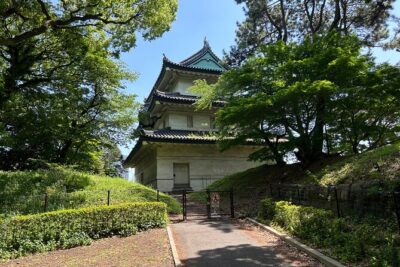
Tokyo: Imperial Palace and Shogun Historical Walking Tour
Read our review →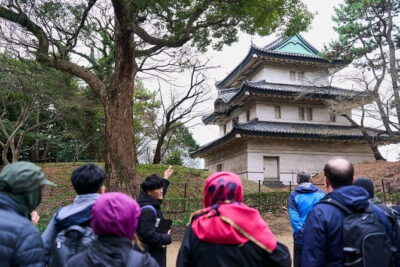
Tokyo Castle & Imperial PalaceーShogun Walking Tour
Read our review →
Tokyo: Imperial Palace Japanese History Walking Tour
Read our review →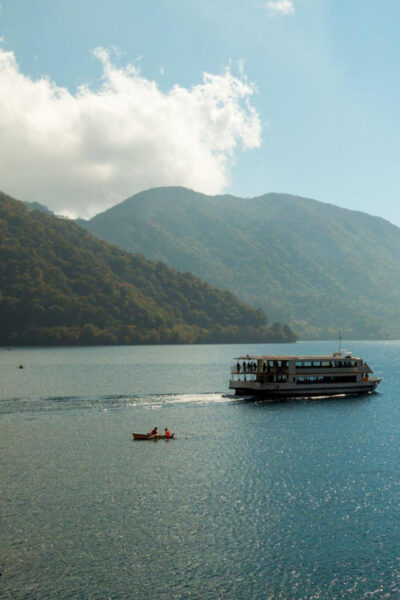
From Tokyo: Nikko World Heritage Site Private Full-Day Trip
Read our review →
Tokyo: The Best of Izakaya in Shinjuku Food & Cultural Tour
Read our review →
Tokyo: Nikko World Heritage Private Day Trip Hotel Pick-up
Read our review →
Asakusa: A Big-picture History Walk to Know Japan
Read our review →
Tokyo: 3-Hour Bike/E-Bike Tour of the City’s Hidden Gems
Read our review →Browse the lists this tour appears in