
Review · TOKYO
Tokyo: 3-Hour Bike/E-Bike Tour of the City’s Hidden Gems
Tokyo is easier to understand from a bike seat. In three hours, you travel from Zojo-ji and Tokyo Tower to Shibuya, covering about 18 kilometers and seeing far more than you could on foot. The route mixes major sights with shopping streets, quieter stretches, and useful city orientation.
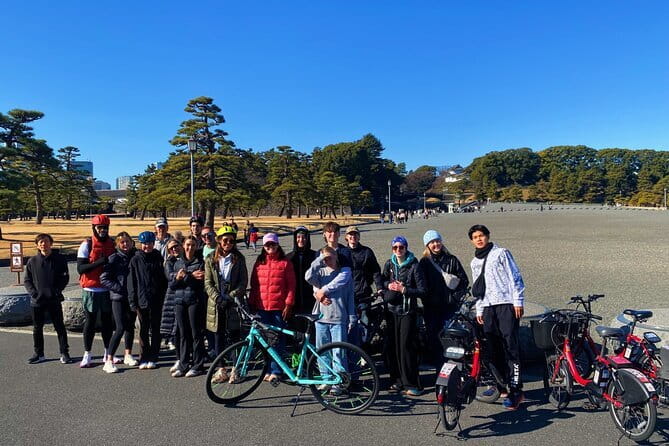
I like the small group size, limited to seven people, and the way the route links very different parts of central Tokyo. I also like the choice of a standard bike or e-bike, especially in Tokyo’s summer heat. The main consideration is that this is a real ride in city traffic, and some people find it physically demanding even with electric assistance.
The title promises hidden spots, but many stops are famous landmarks, including Tokyo Station, the Imperial Palace, and Shibuya Crossing. That is not a problem if you want a fast, active introduction to Tokyo, but you should be comfortable riding around cars and pedestrians.
Key points to know before you book
- You cover 18 kilometers in three hours, making this a useful way to get your bearings early in a Tokyo visit.
- The route links Tokyo Tower, the Imperial Palace, Tokyo Station, Aoyama, Harajuku, and Shibuya, with a finish near Yoyogi Park.
- E-bikes are worth considering in hot or humid weather, and on the hills between central Tokyo neighborhoods.
- Groups are capped at seven people, so the guide can answer questions and manage the pace more easily.
- Helmets are not included and cost ¥1,000 to rent. Bring cash if you want one.
- The $59.45 price is fair for a three-hour guided city tour, particularly if you value transport between far-flung sights rather than a long stop at one attraction.
Why a bike is a smart way to see central Tokyo
Tokyo can feel vast on a subway map. The Imperial Palace sits several kilometers from Tokyo Tower, and Shibuya is well west of both. You can reach each place by train, but the ride often gives you a better sense of how the neighborhoods connect.
This tour uses that advantage well. You move through several districts under your own power, stopping for photographs and short explanations instead of spending much of the morning underground. I would treat it as a city orientation with exercise, not as a museum-style history tour.
The ride is described as suitable for people with a moderate fitness level. That matters. You will not pedal continuously for three hours, but you will climb some hills, ride in warm conditions, and keep moving through traffic and pedestrian areas. One person reported that the regular bikes lagged behind on climbs, while others found the e-bike made the route easy in the heat.
The electric option is especially useful if you are not a regular cyclist. It can also help older riders or anyone recovering from a long flight. Still, bike sizes and condition may vary, so ask about the available bike when you book if you are tall or need a particular fit.
More History Bike, Segway and Tuk-Tuk Tours in Japan
- Historical Kyoto E-Bike Tour
★ 5.0 · 181 reviews - Sakurajima Century Lava Climb Journey with E-bike
★ 5.0 · 54 reviews - Nara: Bike Tour in Ancient Capital UNESCO World Heritage
★ 5.0 · 43 reviews
Starting at Zojo-ji beneath Tokyo Tower
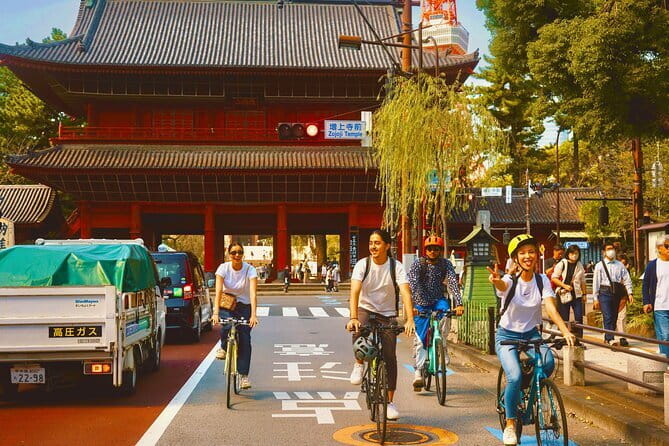
The meeting point is in Shiba Park, near Zojo-ji, in Minato City. This is a sensible beginning because you get a classic Tokyo image right away: the temple grounds with Tokyo Tower rising behind them.
You have about 15 minutes at Zojo-ji. That is enough for photographs and a quick look around, though not enough for a slow temple visit. If the temple is open for interior access during your visit, you may be able to see inside, but that is not guaranteed.
Zojo-ji gives the tour an early change of pace. Tokyo Tower represents modern city ambition, while the temple provides a calmer religious setting. The guide may use the stop to explain Japanese culture and local history, but the amount of detail depends on the guide and the questions you ask.
Show, Naoki, Kosei, Miguel, Rinto, and other guides have led this experience. The strongest part of the guiding is the personal contact. A group of seven or fewer gives you a reasonable chance to ask about customs, neighborhoods, or places to eat later in your trip.
Imperial Palace gates and Tokyo Station
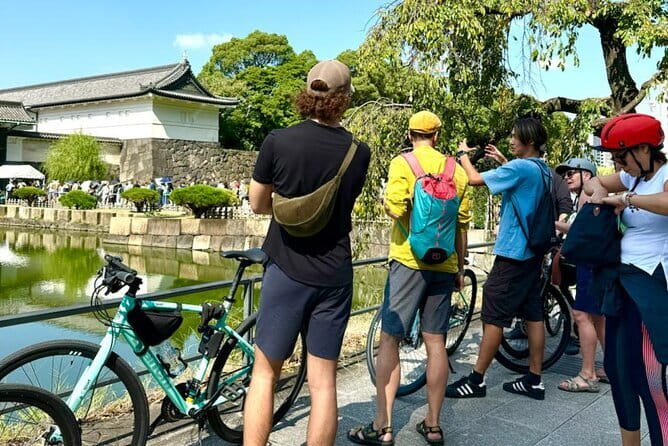
The next section shifts from religious Tokyo to the city’s political and architectural center. You see the Imperial Palace entrance and the guards, then continue to the Otemon Gate, one of the main historic entrances to the palace grounds.
The Imperial Palace stop lasts about 10 minutes, followed by another 10 minutes at Otemon Gate. These are photo stops, not an extended palace visit. You will not be touring the Emperor’s residence, and the palace interiors are not part of the experience.
Otemon Gate is worth the pause because its traditional gate structure contrasts with the office towers nearby. Tokyo does this contrast constantly, but seeing it while moving through the city helps you notice it in a way that a subway ride does not.
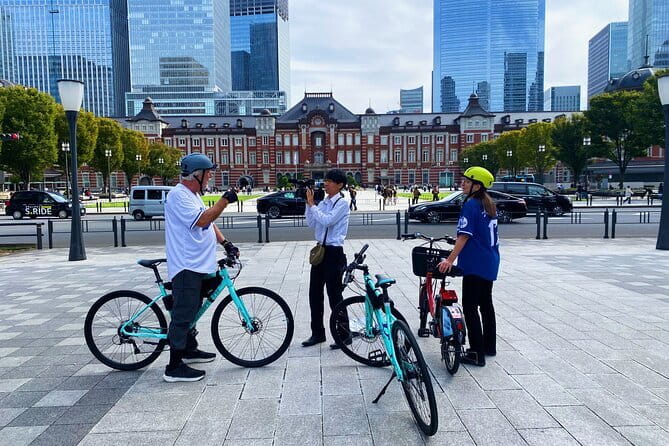
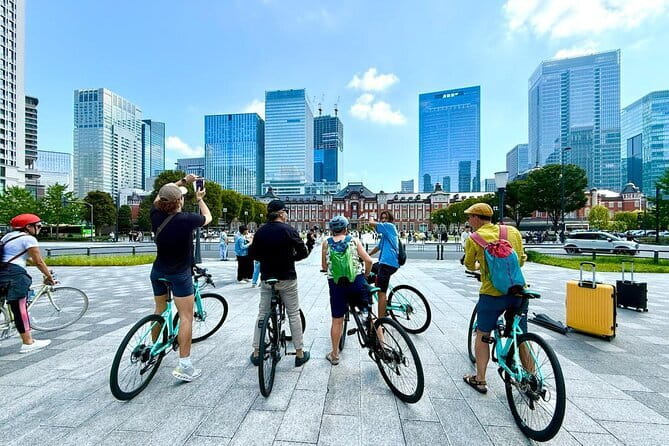
Tokyo Station follows, with about 10 minutes at Marunouchi Station Square. The red-brick facade dates from 1914 and gives the station a grand historic face, even though the building serves one of the world’s busiest transport systems.
This is one place where the hidden-spots label stretches a little. Tokyo Station and the Imperial Palace are central sights, not secrets. Still, the route lets you see them efficiently without building your day around separate train trips.
Akasaka Palace and the Olympic Stadium

Akasaka Palace is a short five-minute stop. Originally built as a royal villa, it now serves as a state guesthouse. The attraction is the building’s formal architecture and its role in Japan’s modern government and diplomatic life.
Admission is not included. The tour does not promise an interior visit, so think of this as an exterior look and a chance to hear context from your guide. Five minutes is brief, but it keeps the ride moving.
The route then reaches Japan National Stadium, used for the 2020 Tokyo Olympic and Paralympic Games. You have about 15 minutes here, giving you time to see the site and take photographs.
This stop adds recent history to a route otherwise focused on temples, palace gates, and older city buildings. It also marks the transition toward Aoyama, Harajuku, and Shibuya. The tour keeps showing you Tokyo in layers rather than presenting only the old or only the new.
Same old streets, another chapter:
- Kyoto: Fushimi Inari, Kinkakuji, Bamboo Grove 1 Day Bus Tour
★ 4.8 · 4,316 reviews - World Heritage Shirakawa-go and Experience Tours from Kanazawa
★ 5.0 · 4,049 reviews - Tokyo: Imperial Palace and Shogun Historical Walking Tour
★ 5.0 · 2,251 reviews - World Heritage Kyoto & Nara Uji Authentic Matcha Experience
★ 5.0 · 1,573 reviews
Aoyama, Cat Street, and the approach to Shibuya
Aoyama receives only about five minutes, but the ride through the area is part of the appeal. This is a district of high-end fashion, polished buildings, and unusual modern architecture. You get a quick look rather than time for shopping.
Shibuya Cat Street is another short stop. It is known for fashion brands, vintage shops, and a different feel from the large commercial roads nearby. The tour gives you a snapshot of the area without asking you to spend the rest of the afternoon in stores.
The timing here is useful if your goal is orientation. You can return later to shop or eat, now knowing how Aoyama, Cat Street, Harajuku, and Shibuya relate to one another. It is less useful if you want a detailed fashion tour or a long stop at each neighborhood.
Riding through Shibuya Crossing
Shibuya Crossing is the grand finale. The itinerary allows about five minutes and includes cycling through the famous crossing area.
This is a busy part of the ride, and you should take the safety advice seriously. One person described the experience as a wild bike ride and stressed the need to feel comfortable around traffic and pedestrians. Guides direct the group, but you remain responsible for controlling your bike and following instructions.
The crossing is more fun when you already understand its setting. After riding through quieter streets and seeing the city change district by district, you arrive at one of Tokyo’s most recognizable urban scenes. It makes a strong ending, though it is not a leisurely photo session.
The tour ends in Jinnan, near Yoyogi Park and Harajuku Station. The finish is about a five-minute walk from Yoyogi Park and roughly 10 minutes from Shibuya Station. You can continue exploring, eat in the area, or use the finish as a jumping-off point for the rest of your day.
How the guides shape the experience

The route is only half the tour. The guide determines how much history, culture, and practical advice you get at each stop.
Show is praised for explaining local history and answering questions. Naoki has led solo riders and has also been noted for safe directions and useful background. Kosei has kept groups going on hot days, while Miguel has been described as friendly and well informed. Rinto has focused on explaining the route and stopping for water breaks.
You should not expect a full lecture at every sight. The information is generally light enough to keep the ride moving, with more detail when you ask. That is a good fit if you prefer conversation and practical explanations to a long scripted talk.
The small group helps. A solo rider may receive a very personal experience, while a family or couple can ask questions without competing with a large crowd. If your group arrives late, contact with the guide matters. One guide waited for late arrivals caused by a taxi problem, but you should still plan to reach the meeting point early.
Headsets are not provided. At quiet stops, that is no issue. Near traffic, crowds, or busy intersections, you may need to move close to the guide to hear clearly. This is a minor weakness for anyone who wants every historical detail.
Standard bike or e-bike?
The e-bike is the practical choice for many people. Tokyo’s heat and humidity can drain your energy, and the route includes hills. Several riders found the electric assistance made the tour far more comfortable, while others on standard bikes managed without it.
A regular bike may suit you if you cycle often and want more exercise. An e-bike is better if you want to save energy for the sights, are not used to Tokyo’s climate, or have concerns about keeping up.
The tour includes the bicycle, a small pouch attached to the bike for your phone, wallet, or keys, and bike insurance. Raincoats are supplied on rainy days.
Helmets are not included. Rental costs ¥1,000, payable in cash on the day. A child seat costs ¥3,000, and you must contact the operator at least two days in advance and bring cash. The supplied information indicates that bike options may have different prices, so confirm the exact cost of your chosen bike before booking.
Physical demands, weather, and safety
This is not a sightseeing bus with a few steps between stops. You will ride on city streets, climb hills, brake near pedestrians, and stay alert at intersections. Even riders using e-bikes have described the experience as moderately demanding.
Sunday can be a particularly pleasant day for cycling because some streets may be closed to cars. Conditions change, so do not assume every Sunday will have the same road restrictions.
Good weather is required. If poor weather causes cancellation, you are offered another date or a full refund. Free cancellation is available until 24 hours before the start time. Within 24 hours, refunds and changes are not accepted.
Wear clothing suited to exercise and bring water, even though the guide may schedule breaks. In hot weather, the e-bike can make the difference between enjoying the ride and spending the final hour simply trying to keep up.
Is $59.45 a good value?
At $59.45 per person, the tour sits in a reasonable range for a three-hour guided experience in central Tokyo. You are paying for a bike, insurance, an English or Japanese speaking guide, and a route that covers a large part of the city.
The value is strongest if you have only a short time in Tokyo or want an overview before exploring on your own. You see nine major areas and landmarks, including places that would take much longer to connect on foot.
The price is less attractive if you want long visits inside attractions. Admission to Akasaka Palace is not included, food and drinks are not included, and most stops last only five to 15 minutes. This is a moving city tour, not a series of formal site visits.
For many people, the cost of the e-bike option will be worthwhile if it is available at a higher rate. Confirm that price before committing. The alternative is spending the tour tired and wishing you had chosen assistance.
Who should book this Tokyo bike tour?
I would choose this experience if you want to cover a lot of central Tokyo in one morning or afternoon and do not mind trading depth for range. It suits active couples, solo riders, families with older children, and anyone who wants a quick sense of how Tokyo’s neighborhoods fit together.
It is also a good choice for people who enjoy asking questions. Guides can provide cultural context and recommendations, and the small group makes conversation easier.
I would be cautious if you dislike riding near traffic, have limited cycling ability, or want a slow visit at each landmark. The ride is manageable for many people, but it is not effortless. If you are unsure, choose the e-bike and ask about the bike size.
Should you book it?
Book this tour if you want a fast, active introduction to Tokyo and like the idea of moving from temple grounds to palace gates, modern shopping districts, and Shibuya in one outing. The route covers a lot, the group is small, and the guides add useful local context.
Skip it if you want deep interior visits, a quiet pace, or a tour devoted mainly to lesser-known places. Despite the title, several stops are Tokyo classics. For the right rider, though, the combination of distance, landmarks, exercise, and guide interaction makes the $59.45 price a sensible use of three hours.
FAQ
How long is the Tokyo bike tour?
The tour lasts approximately three hours.
How far do you ride?
The route covers about 18 kilometers.
What landmarks are included?
Stops include Zojo-ji, the Imperial Palace entrance, Tokyo Station, Otemon Gate, Akasaka Palace, Japan National Stadium, Aoyama Street, Shibuya Cat Street, and Shibuya Crossing.
Where does the tour start?
It starts at Shiba Park BLD in Minato City, Tokyo, near Zojo-ji and Tokyo Tower.
Where does the tour end?
It ends in Jinnan, near Yoyogi Park and Harajuku Station. The finish is about a five-minute walk from Yoyogi Park and a 10-minute walk from Shibuya Station.
How large is the group?
The maximum group size is seven people.
Is an e-bike available?
The experience offers a bike or e-bike. Bike options may have different prices, so confirm the cost of your selected option before booking.
Is a helmet included?
No. Helmet rental costs ¥1,000, and you should bring cash if you want one.
Is a child seat available?
Yes. A child seat costs ¥3,000. You must contact the operator at least two days before the tour and bring cash on the tour date.
What happens if the weather is poor?
The experience requires good weather. If it is canceled because of poor weather, you are offered a different date or a full refund.
More Three-Hour Tours in Japan
- Berlin: 3-Hour World Heritage Cruise to Potsdam
★ 4.5 · 1,569 reviews - Edinburgh: 3-Hour Historical Walking Tour in Italian
★ 4.7 · 734 reviews - 3-Hour Porto Jewish Heritage Walking Tour with Local Guide
★ 4.5 · 396 reviews - 3-Hour Atlanta Beltline Food, Street Art and History Tour
★ 5.0 · 345 reviews
Latest history tours reviewed in Japan
- Authentic Sapporo: Nijo Market Seafood Lunch & History Tour★ 4.8 · 20 reviews
- Asakusa: A Big-picture History Walk to Know Japan★ 4.6 · 77 reviews
- Asakusa: 3.5-hour Big-picture History Walk★ 4.7 · 39 reviews
- 2.5-Hour Nagoya Tour: Castle History, Local Food & City View★ 4.5 · 36 reviews
- 1-Day Tour from Nagoya: Hiking the Historic Nakasendo Trail★ 4.9 · 34 reviews
- 2.5 Hour Private History and Culture Tour in Himeji Castle★ 5.0 · 185 reviews
- From Tokyo: Nikko World Heritage Sight Full Day Private Tour★ 4.9 · 127 reviews
- From Tokyo: Nikko World Heritage Site Private Full-Day Trip★ 4.9 · 243 reviews
Tokyo History Tours, compared.
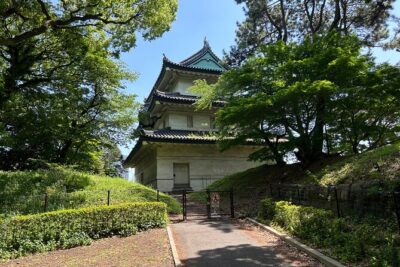
Tokyo: Imperial Palace and Shogun Historical Walking Tour
Read our review →
Tokyo Castle & Imperial PalaceーShogun Walking Tour
Read our review →
Tokyo: Imperial Palace Japanese History Walking Tour
Read our review →
From Tokyo: Nikko World Heritage Site Private Full-Day Trip
Read our review →
Tokyo: The Best of Izakaya in Shinjuku Food & Cultural Tour
Read our review →
Tokyo: Nikko World Heritage Private Day Trip Hotel Pick-up
Read our review →From Tokyo: Nikko World Heritage Sight Full Day Private Tour
Read our review →
Asakusa: A Big-picture History Walk to Know Japan
Read our review →Browse the lists this tour appears in