
Review · JAPAN
1-Day Tour from Nagoya: Hiking the Historic Nakasendo Trail
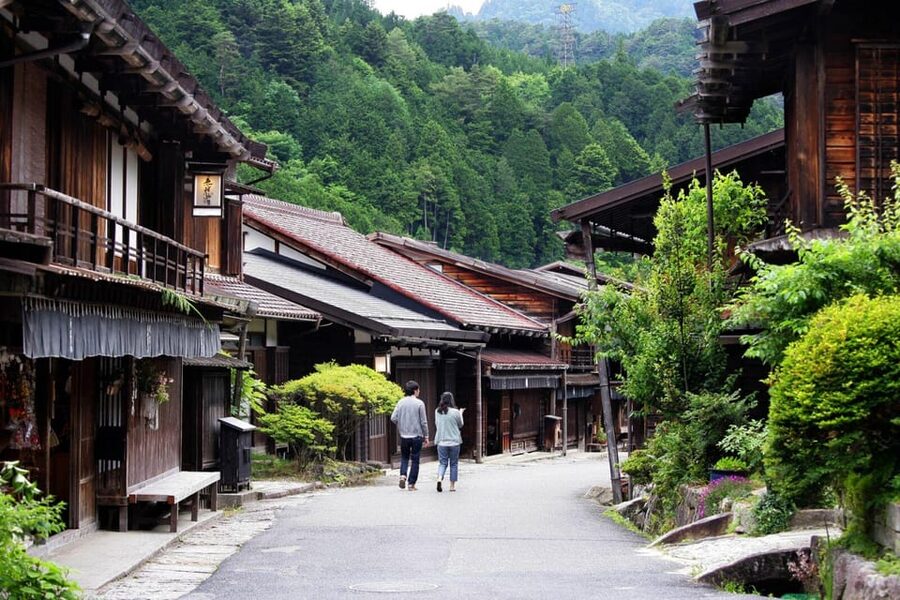
The best part of this day is the change of pace. You leave modern Nagoya behind, enter the old post town of Tsumago, and then walk an 8 km stretch of the Nakasendo through forest, beside streams, and over quiet mountain paths before reaching Magome. It feels like rural Japan rather than a quick city excursion.
I like two things in particular: the small group limit of 14, which allows the guide to adjust the pace, and the mix of culture and walking. Guides including Kim, Mir, Paula, and others have been praised for making the history easy to follow. The main drawback is simple: eight kilometers, hills, mud, and slippery rocks require proper shoes and reasonable fitness.
Key points
- Tsumago is the cultural opening act: Walk through a carefully preserved post town and enter historic buildings before setting off.
- The 8 km trail is the real attraction: Expect forest paths, small waterfalls, clear streams, elevation changes, and possible muddy patches.
- Magome gives you a gentle finish: Browse craft shops, sample local food, and enjoy free time after the hike.
- The ride takes time: The journey from Nagoya is about two hours each way, with a bathroom stop on the way out.
- Lunch is your responsibility: Buy a bento box or other food in advance and carry it for a trail meal.
- The non-hiking option changes the day: You can explore both towns without walking between them, with free time in Tsumago and Magome.
From Nagoya Station to the Nakasendo
Your day begins at 9:30 a.m. beneath the silver clock at Nagoya Station. This meeting point is inside the station, near the Taiko-Dori exit and outside the Shinkansen gates. If you arrive by bullet train, the clock should be directly ahead as you leave the gates. Coming from the Sakura-Dori side, walk across the station toward Taiko-Dori.
Nagoya Station is large and can be confusing, so arrive early. Look for the guide holding a Snow Monkey Resorts tour sign. You do not want to begin a rural walking day by sprinting through the station with a backpack.
The bus ride to the Nakasendo takes about two hours. That is a substantial part of an eight-hour tour, but it is also what makes this outing practical from Nagoya. Reaching Tsumago and Magome independently takes planning, transfers, and careful timing. Here, transport, the guide, and the return journey are handled for you.
The bus is described as comfortable, and the group is capped at 14 people. That matters on a walking tour. A guide can answer questions, keep an eye on the pace, and make small adjustments more easily than on a large coach excursion. The drive is still long, so bring water and be prepared to spend a few hours seated before the hike begins.
More Day Trips in Japan:
- Kyoto: Fushimi Inari, Kinkakuji, Bamboo Grove 1 Day Bus Tour
★ 4.8 · 4,316 reviews - Miyajima Half-day Trip Historical Walking Tour
★ 5.0 · 284 reviews - From Tokyo: Nikko World Heritage Site Private Full-Day Trip
★ 4.9 · 243 reviews
Tsumago, a post town kept in old form
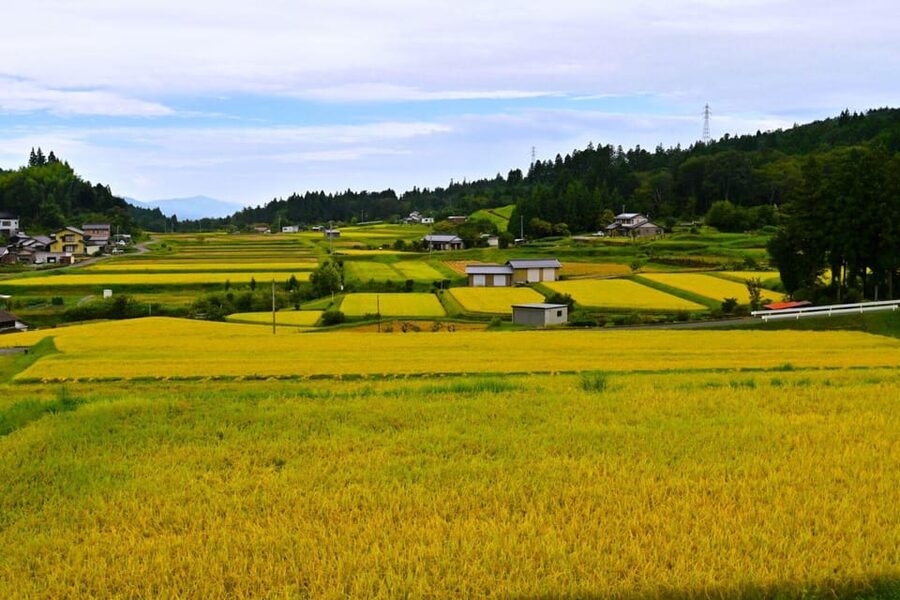
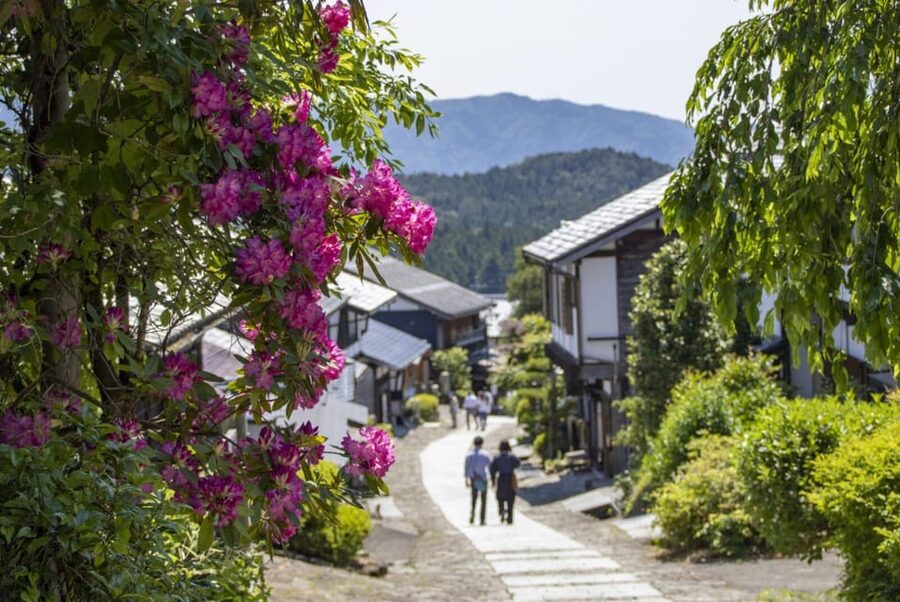
Tsumago-juku is your first proper stop. The guide spends about 45 minutes showing you the town and explaining what life was like along the Nakasendo during the Edo period. This road once linked Kyoto and Edo, now Tokyo, and its post towns served people making the long journey between them.
Tsumago’s value is not just visual. The preserved streets, wooden buildings, and historic interiors give you a sense of how the road functioned. You are not simply looking at an old street from a distance. You have a chance to enter historic buildings and hear how residents and passing travelers used these stopping places.
This is also the best point in the day to pay attention to the guide’s explanation. Once you reach the trail, the setting becomes quieter and more natural, but the post-town story gives the walk a human context. The road was not built as a hiking route for visitors. It was a working route used by people, goods, officials, and pilgrims.
The town is compact, so 45 minutes is enough for an introduction without using up the walking time. Still, you will probably want to linger. Tsumago is often described as quieter and less commercial than Magome, which makes it a strong first stop.
Eight kilometers through forest and mountain country
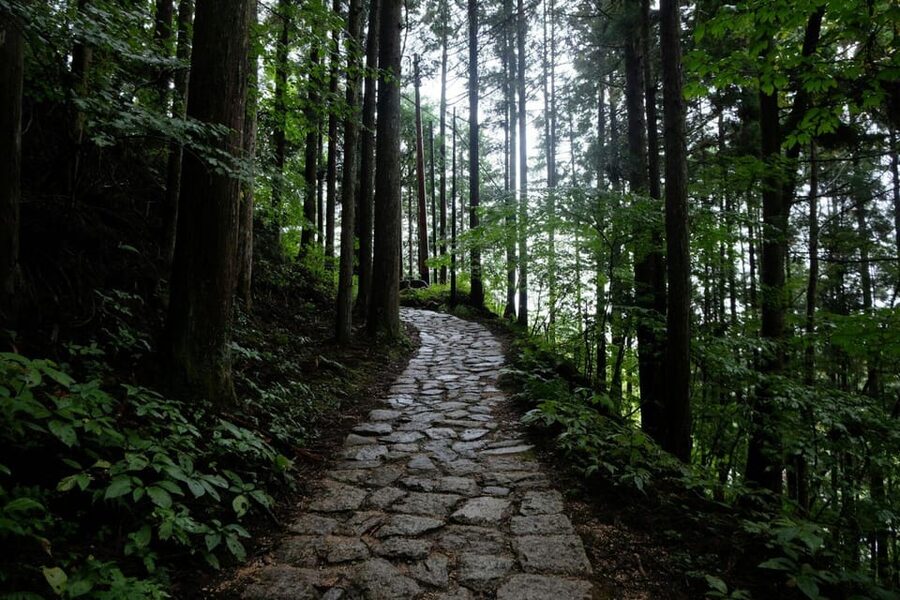
The hike from Tsumago to Magome takes roughly three hours within the tour schedule. The distance is 8 km, and the path includes noticeable climbs, downhill sections, mud, and slippery rocks. It is not presented as an extreme hike, but it is not a flat stroll either.
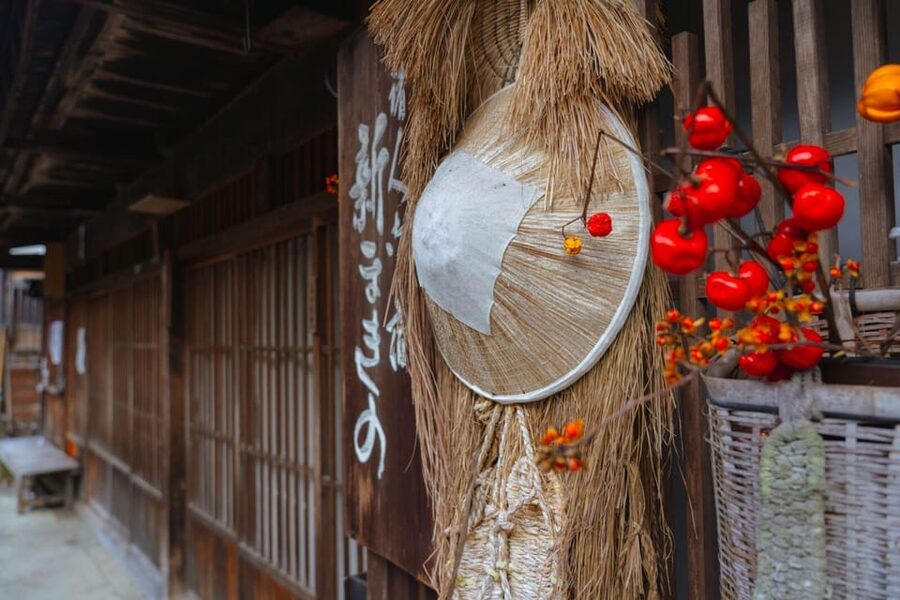
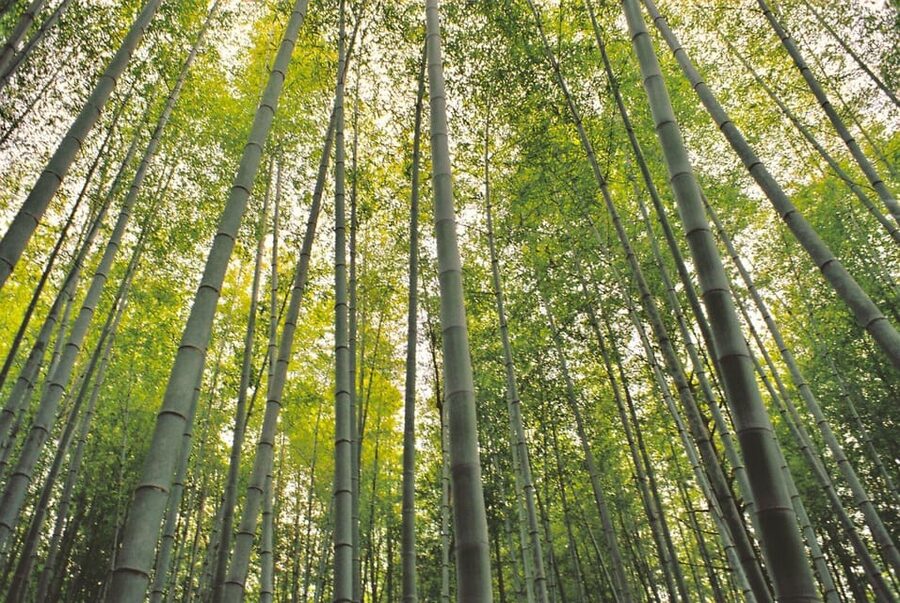
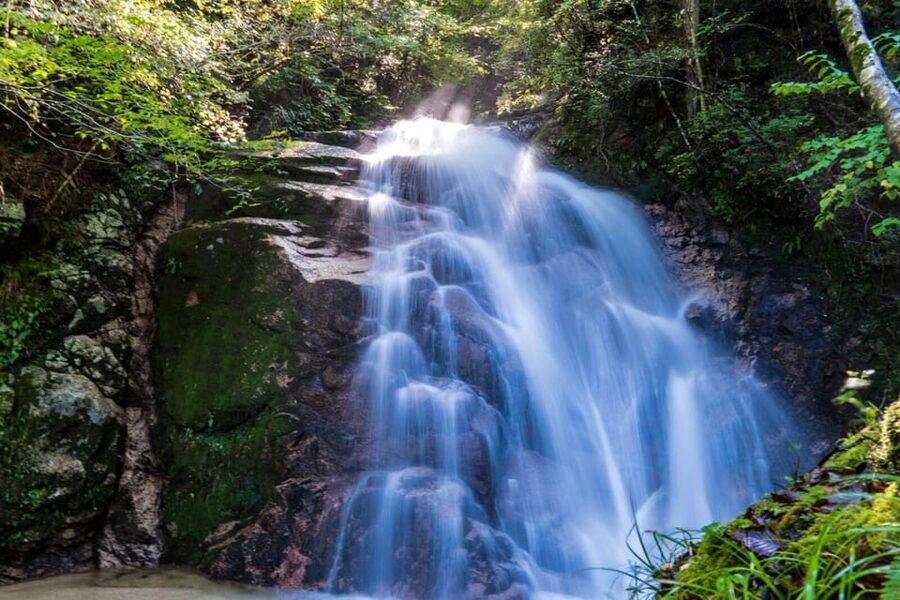
You can expect a changing mix of forest, mountain views, clear streams, small waterfalls, and quiet stretches of trail. The route gives you a close look at rural Japan, far from the high-rise streets and train stations of Nagoya. In spring, summer, autumn, or cooler weather, the character of the walk will change with the season.
There are also trail bells, a detail that adds a little drama to the route. One person mentioned hoping to see black bears and being grateful for the bells, though no bears appeared. That is not a promise of wildlife, of course. It is simply a reminder that this is a real mountain route, not a paved park walk.
The guide sets the tone. Kim has been praised for clear explanations and practical help, while Mir was described as bringing a student’s interest in Japanese history to the walk. Paula and Kim were also singled out as friendly guides who helped make the route fun and easy to follow. Guides can change, so book this for the route and structure first, not for a particular named guide.
A useful feature is the pace. The tour is designed for a group, but the guide can respond to the people present. One couple in their mid to late sixties found the pace manageable because the guide slowed down when needed. That does not make the trail easy for everyone, but it suggests the walk is handled with some flexibility rather than as a race.
I would wear sturdy walking shoes or hiking boots with good grip. Sneakers may be fine in dry conditions, but the information specifically warns about mud and slippery rocks. Bring water, sun protection, and clothing suited to the forecast. Summer can reach 35 degrees Celsius or higher with heavy humidity, which makes the same 8 km much harder than it might feel in spring or autumn.
Lunch on the trail, not at a restaurant
Lunch is not included, and options along the walking section are limited. Buy a bento box or other food before the tour starts and carry it with you. Time is set aside to eat on the trail.
This arrangement has both a benefit and a cost. A packed lunch keeps the day moving and lets you eat in a quiet setting rather than spend precious time searching for an open restaurant. The drawback is that you must plan ahead. Do not assume you can buy a full meal after leaving Nagoya or once you are deep in the forest.
You may want a lunch that travels well and is easy to eat outdoors. Water is equally important, particularly in summer. The tour does include a bathroom stop during the drive to the trail, but there is no reason to start the hike unprepared.
More History Tours in Japan:
- World Heritage Shirakawa-go and Experience Tours from Kanazawa
★ 5.0 · 4,049 reviews - Tokyo: Imperial Palace and Shogun Historical Walking Tour
★ 5.0 · 2,251 reviews - World Heritage Kyoto & Nara Uji Authentic Matcha Experience
★ 5.0 · 1,573 reviews - Kyoto Gion: 2-Hour Geisha Culture & History Walking Tour
★ 5.0 · 1,186 reviews
Magome, the rewarding finish
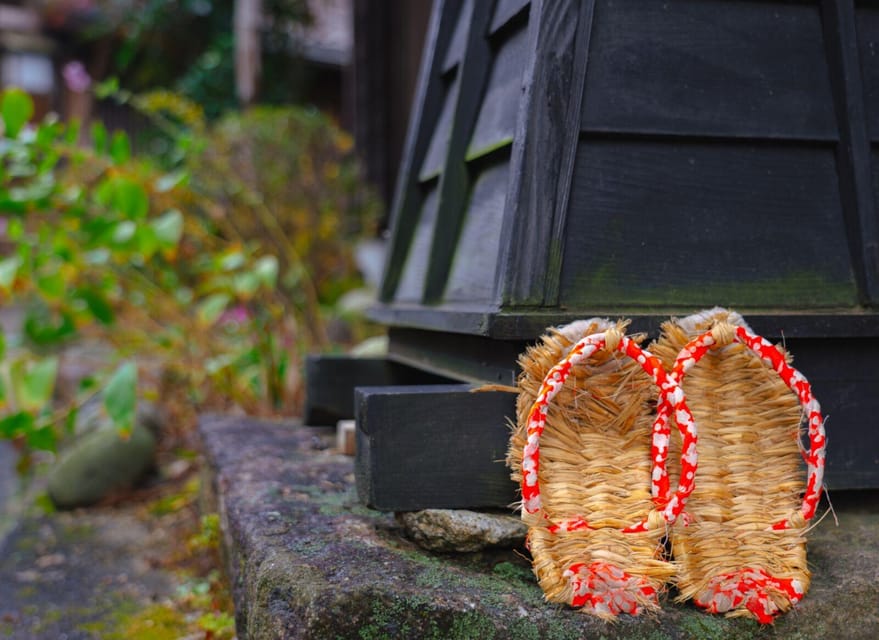
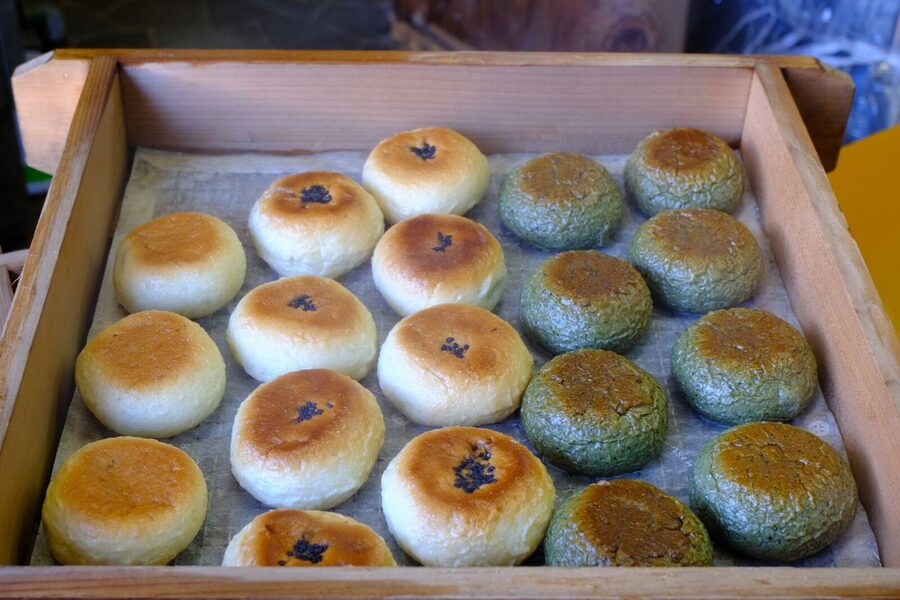
After the forest walk, you reach Magome-juku. The town has a more commercial feel than Tsumago, but it remains atmospheric, with old wooden buildings, craft shops, local food, and views across the valley. The schedule allows about 45 minutes for a guided visit and free time.
This is a pleasant way to finish an active day. You can browse handmade souvenirs, sample regional specialties, or simply take photographs and let your legs recover. The short free-time window means you will need to choose. It is enough for a snack, a few shops, and a quick look around, but not a long, leisurely meal and a full town exploration.
The contrast between the two towns is useful. Tsumago gives you a quieter, more preserved introduction. Magome offers more opportunities to buy something or stop for food. Seeing both in one day makes the trip more satisfying than visiting only one post town, especially because the hike connects them in the way the old road once did.
The route can also be walked in the opposite direction by other arrangements, but this tour travels from Tsumago to Magome. One group found that moving against the main flow of visitors helped keep the villages quieter. Crowd levels can change, but the direction and timing may work in your favor.
What the $189 price really covers
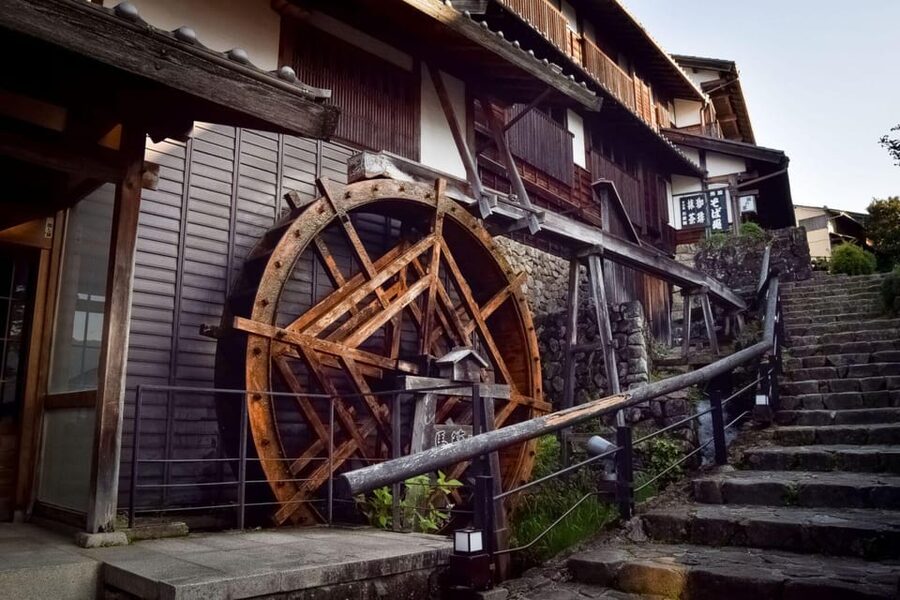
At $189 per person, this is not the cheapest way to see two historic villages. The price makes more sense when you count the long-distance round-trip transport from Nagoya, an English, Spanish, or French-speaking guide, and the small group setting.
You are paying for convenience as much as for admission or sightseeing. The bus removes the need to arrange several connections into the Kiso Valley. The guide adds context in Tsumago and along the trail. The driver brings you back to Nagoya after a day when you may not want to manage another train and bus combination.
The value is strongest if you want to hike the historic road but do not want to plan the logistics yourself. It is weaker if you only want to photograph Tsumago and Magome, since a non-hiking option is available and independent transport may suit a confident planner.
The transport has received especially strong marks, and the driver has been praised for smooth, courteous driving. That matters after three hours on foot. A comfortable ride home is a practical luxury, not a minor detail.
Who should choose the non-hiking option
The non-hiking version begins at the same Nagoya meeting point and follows the group to Tsumago. The guide leads a town tour and explains the old road and Edo-era life. Afterward, non-hikers receive about an hour to explore Tsumago independently while the hiking group continues.
The bus then takes the non-hikers to Magome, where they have time for lunch, regional food, shopping, and self-guided sightseeing. They meet the guide and hikers at 4:30 p.m. for the return ride.
This is the better choice for anyone who cannot comfortably walk more than 8 km, has mobility concerns, or simply wants a slower day. It is also recommended for families with small children. One family managed the trail with a two-year-old using a baby carrier, but the official guidance says the main tour is not suitable for small children because of the distance. I would take that warning seriously.
An ankle injury was handled by changing the day toward more time in Tsumago and Magome, including a traditional lunch. That suggests some practical flexibility may be possible, but you should select the non-hiking option in advance if you already know you need a gentler schedule.
Timing, weather, and what to carry
This is an eight-hour day, with a 9:30 a.m. departure and an expected return to Nagoya after the Magome visit and roughly 1.5 hours on the bus. The schedule leaves little room for a slow start, so wear your walking shoes from the station.
Pack:
- A bento box or other lunch
- Water
- Sturdy shoes or boots
- Light, breathable clothing in summer
- Sun protection
- A small bag that is comfortable to carry
The trail has elevation changes, so even experienced city walkers should think about their condition before booking. Rain can make rocks and soil more slippery. Summer heat and humidity can also turn a moderate walk into a tiring one. Check the forecast and dress for the actual conditions.
The tour offers free cancellation up to 24 hours before departure, and you can reserve now and pay later. Those terms are useful when your Japan itinerary is still shifting, but they do not change the physical demands of the walk.
Should you book this Nakasendo day tour?
I would book it if you want a real walking day with historical meaning, not just a photo stop in two attractive old towns. The strongest feature is the connection between Tsumago and Magome on foot. You see the post towns, then travel the road and forest that link them.
It is also a good choice if you are staying in Nagoya and want an easy way to reach rural Japan without handling the transport yourself. The small group, multilingual guide options, and comfortable bus add genuine value.
I would choose the non-hiking option if you have mobility limits, a young child, an injury, or doubts about completing eight kilometers with hills. And I would skip the main hiking tour if you dislike long bus rides, outdoor lunches, or changing trail conditions.
For fit walkers who want a quieter side of Japan, this is one of the more rewarding day trips from Nagoya. Bring lunch, wear proper shoes, and leave room in your schedule for the old road to move at its own pace.
FAQ
Where does the tour meet in Nagoya?
The meeting point is at the base of the silver clock tower inside Nagoya Station, outside the Shinkansen gates and near the Taiko-Dori exit.
What time does the tour begin?
The guide meets the group at 9:30 a.m.
How long is the Nakasendo hike?
The walking section from Tsumago to Magome is 8 km and takes about three hours within the tour schedule.
Is lunch included?
No. You should buy a bento box or other food before the tour and bring it with you. Time is provided to eat along the trail.
How long is the bus ride from Nagoya?
The drive to the trail takes about two hours. The return drive from the Magome area to Nagoya takes about 1.5 hours.
What languages are available?
The tour offers English, Spanish, and French-speaking guides.
Is the tour suitable for small children?
The main hiking tour is not considered suitable for small children because of the long walking distance. A non-hiking option is available and is recommended for families with small children.
Can I join without hiking?
Yes. Select the non-hiking Nakasendo option when booking. You will visit Tsumago, have free time there, continue by bus to Magome, and meet the hiking group again at 4:30 p.m.
Latest history tours reviewed in Japan
- Authentic Sapporo: Nijo Market Seafood Lunch & History Tour★ 4.8 · 20 reviews
- Asakusa: 3.5-hour Big-picture History Walk★ 4.7 · 39 reviews
- Asakusa: A Big-picture History Walk to Know Japan★ 4.6 · 77 reviews
- 2.5-Hour Nagoya Tour: Castle History, Local Food & City View★ 4.5 · 36 reviews
- Tokyo: Nikko World Heritage Private Day Trip Hotel Pick-up★ 4.8 · 145 reviews
- 2.5 Hour Private History and Culture Tour in Himeji Castle★ 5.0 · 185 reviews
- From Tokyo: Nikko World Heritage Sight Full Day Private Tour★ 4.9 · 127 reviews
- From Tokyo: Nikko World Heritage Site Private Full-Day Trip★ 4.9 · 243 reviews
Japan History Tours, compared.

Kyoto: Fushimi Inari, Kinkakuji, Bamboo Grove 1 Day Bus Tour
Read our review →
World Heritage Shirakawa-go and Experience Tours from Kanazawa
Read our review →
Tokyo: Imperial Palace and Shogun Historical Walking Tour
Read our review →
World Heritage Kyoto & Nara Uji Authentic Matcha Experience
Read our review →
Kyoto Gion: 2-Hour Geisha Culture & History Walking Tour
Read our review →
Tokyo Castle & Imperial PalaceーShogun Walking Tour
Read our review →
Kanazawa: World Heritage Shirakawa-go Morning Guided Tour
Read our review →
Tokyo: Imperial Palace Japanese History Walking Tour
Read our review →Browse the lists this tour appears in