
Review · JAPAN
World Heritage Kyoto & Nara Uji Authentic Matcha Experience
Nara’s deer, Todai-ji’s enormous Buddha, and Uji’s centuries-old tea culture give this day a satisfying range. I like the smart mix of major sights and hands-on culture, and I like that guides such as Nanami, Yuta, Mai, and At-Chan leave room for personal exploring instead of talking nonstop. The one catch is the pace: you will walk hills, stairs, and long stretches between the coach and historic sites.
The air-conditioned coach, onboard WiFi, included temple admissions, and optional Japanese lunch make this a practical choice at $129.25. I also appreciate the clear focus on famous places, but this is a full 8.5-hour group day, not a slow wander through Nara or Uji.
Key points to know before booking
- The day combines two destinations: Nara’s temples and deer come first, followed by Uji’s Byodoin Temple, tea culture, and matcha sweets.
- The matcha session is hands-on: You prepare your own bowl and learn the traditional way to drink it at a tea shop with more than 500 years of tradition.
- The guide can make or break the day: English-speaking guides including Nanami, Yuta, Mai, At-Chan, Ciel, Den, and Harry have been singled out for clear explanations and good group management.
- Lunch is optional: Choose the Japanese set meal for an easier day, and request a vegetarian meal at least two days ahead.
- Expect plenty of walking: The tour includes hills, stairs, and walks of more than 15 minutes between some coach parking areas and sights.
- The meeting point is strict: Be at Tully’s Coffee on the first floor of Kyoto Avanti by 7:50 am, since late arrivals cannot join midway.
Why this Kyoto to Nara and Uji day works
This tour solves a common Kyoto problem: Nara and Uji are close enough to visit, but arranging both in one day takes planning. Here, a coach handles the transfers while a guide explains what you are seeing and keeps the group moving.
You leave from Kyoto Avanti at 7:50 am and return there at the end of the day. The coach holds up to 38 people, so this is not an intimate private outing, but the size helps keep the cost at $129.25 while covering several admission fees and a long route.
I see the value in the structure. Todai-ji and Byodoin Temple admissions are included, as is the matcha-making session. WiFi, air conditioning, and multilingual audio guidance in English, Spanish, French, Italian, German, Portuguese, and Ukrainian add useful support during the longer drives.
The tradeoff is time. You get a strong first look at Nara and Uji, not an unhurried visit to either place. If this is your only day in the area, the coverage is useful. If you already have several days in Kyoto and prefer lingering over small streets, gardens, or temple details, a slower independent plan may suit you better.
More UNESCO World Heritage Tours in Japan
- World Heritage Shirakawa-go and Experience Tours from Kanazawa
★ 5.0 · 4,049 reviews - Kanazawa: World Heritage Shirakawa-go Morning Guided Tour
★ 4.9 · 988 reviews - Hiroshima Peace (Heiwa) Walking Tour at World Heritage Sites
★ 5.0 · 872 reviews
Kasuga Taisha and Nara Park: a lively start
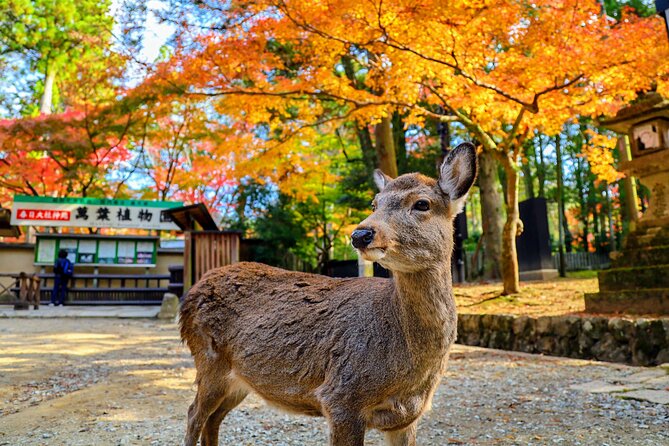
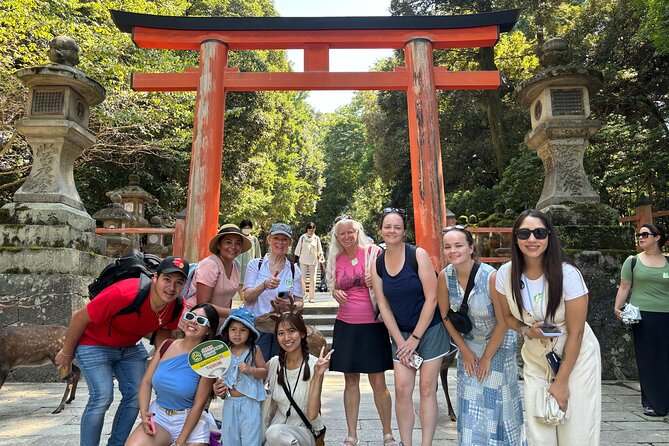
Kasuga Taisha is the first major stop, with about 30 minutes at Nara’s best-known shrine. The visit gives you a quick look at one of Nara’s most important religious sites before the day turns toward the deer and Todai-ji.
Thirty minutes is enough for an introduction, photographs, and a short walk, but not enough for a detailed shrine visit. Keep that in mind if you are hoping to explore every path or spend time studying the lanterns and buildings.
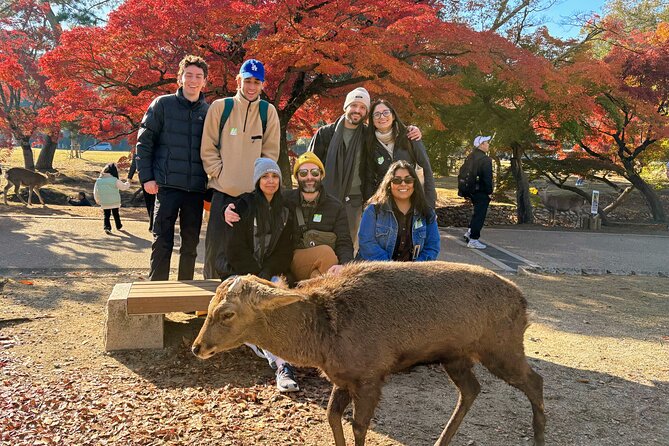
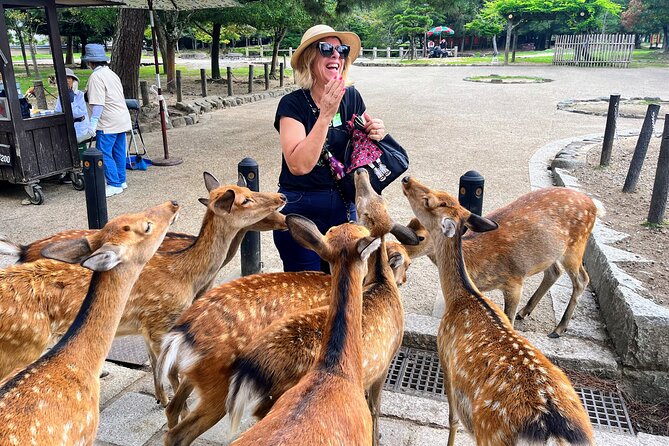
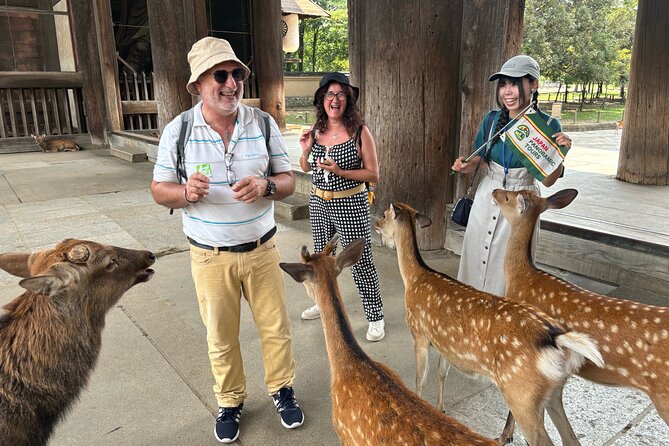
Next comes Nara Park, where about 1,400 deer live around the broad parkland. This is one of the day’s most memorable encounters, especially if you have children or enjoy close-up animal moments.
You can buy deer crackers separately if you want to feed them. The deer often bow for food, but they can also give a firm pinch with their mouths when you hold crackers and stop feeding. Keep food moving, follow the guide’s advice, and watch your clothing and belongings.
The scheduled park visit is about 30 minutes. That is enough to meet the deer and take photographs, though you will not have unlimited time to roam the full park. The deer are not simply a photo prop, either. Their presence is tied to Nara’s long religious tradition, which gives this stop more meaning than a standard animal encounter.
Nandaimon and Todai-ji: the visual high point
A brief stop at Nandaimon, Todai-ji’s Great South Gate, gives you a look at one of the finest examples of traditional Japanese architecture on the route. Five minutes is very short, so treat it as a photo and orientation stop rather than a full visit.
Todai-ji receives about 40 minutes. Admission is included, and the temple houses the Great Buddha inside one of the world’s largest wooden buildings. The scale is the point. Even with limited time, the building and statue create a strong sense of arrival.
Your guide will give historical and cultural context, then you will have some time to look around. Several guides have been praised for striking the right balance between explanations and independent time, so the experience should not feel like one long lecture.
The practical issue is the walk. Coaches cannot pull up beside every historic building, and one detailed account warned of walks longer than 15 minutes between parking and the actual sights. Add the heat and humidity of summer, and Todai-ji can feel demanding for anyone with limited stamina.
Heijo Palace and the road through Nara
The route also passes Heijo Palace, the palace site associated with Nara’s World Heritage setting. The information provided does not give a separate visit length or promise a full palace tour, so you should think of this as part of the coach route unless your guide confirms otherwise.
The same applies to Fushimi Castle, which is passed on the way from Kyoto. These glimpses help connect the day’s places, but they are not the same as scheduled sightseeing stops.
This is one reason the tour works best for a first visit. You get an overview of several important locations without having to decode train connections, bus routes, temple entry lines, or parking arrangements. You will also need to accept that some places receive only a short visit.
Same old streets, another chapter:
- Kyoto: Fushimi Inari, Kinkakuji, Bamboo Grove 1 Day Bus Tour
★ 4.8 · 4,316 reviews - Tokyo: Imperial Palace and Shogun Historical Walking Tour
★ 5.0 · 2,251 reviews - Kyoto Gion: 2-Hour Geisha Culture & History Walking Tour
★ 5.0 · 1,186 reviews - Tokyo Castle & Imperial PalaceーShogun Walking Tour
★ 4.7 · 1,068 reviews
Lunch beside the Uji River
The optional Japanese set meal is served at a restaurant along the Uji River and takes about 50 minutes. I would choose it if you want a simple, organized midday break rather than spending precious time searching for food.
Past descriptions of the meal highlight an artistic presentation and traditional dishes. The exact restaurant can change for operational reasons, so you should not book this expecting one fixed menu or dining room.
A vegetarian meal is available, but you need to request it in the booking notes at least two days before the tour. Last-minute bookings receive the regular meal, so dietary planning matters.
If lunch is not selected, food and drinks are not included. The tour information does not promise a separate replacement stop, so plan to bring some water and snacks unless you know you will purchase food along the way.
Byodoin Temple and Uji’s tea tradition
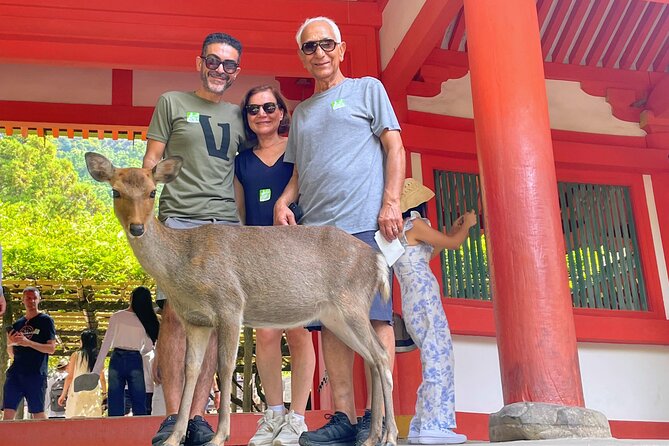
Uji changes the mood of the afternoon. This town is closely linked with Japanese tea, and the day’s second major sight is Byodoin Temple, famous for its Phoenix Hall, which appears on the Japanese 10-yen coin.
Admission is included, and the scheduled visit lasts about 40 minutes. The Phoenix Hall is the main draw, but allow time for the approach and the surrounding temple grounds. The schedule gives you a meaningful look without turning the visit into a full afternoon at the temple.
Uji is also a useful counterpoint to Nara. Nara centers on ancient temples, shrines, and deer. Uji adds tea, river scenery, and a more focused look at a Japanese craft tradition. You get variety without changing hotels or arranging another day trip.
The itinerary order can change because of traffic, weather, or local operating conditions. That flexibility may put Byodoin before lunch or shift the timing of the tea session. It is sensible to keep the evening after the tour open.
Making matcha at a historic tea shop
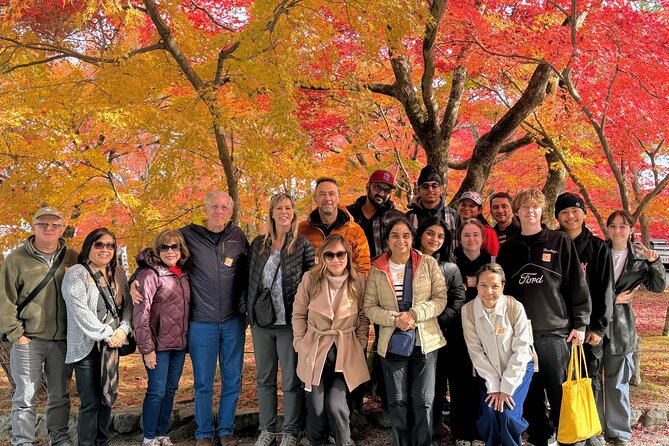
The matcha-making session is the most distinctive part of the day. At a tea shop with more than 500 years of tradition, you prepare your own bowl of matcha and learn the proper traditional way to drink it.
This is not described as a formal, extended tea ceremony. It is a practical introduction in which you take part, which makes it easier to understand the care behind the powder, whisking, and presentation.
Several guide accounts identify this as a favorite part of the route. The atmosphere also depends on the person leading the session. One guide, Ciel, received praise for making the tea stop especially enjoyable, while the shop owner was described as humorous and welcoming.
Afterward, you have about 30 minutes around Byodoin Omotesando to taste matcha sweets and browse. This is a good place to buy tea-flavored treats and small gifts, but remember that purchases are your own expense.
The combination works well: first see Uji’s famous temple, then learn about tea, then sample the flavors along the approach street. It gives the town a clear identity rather than treating it as just another temple stop.
What the guides add to the day
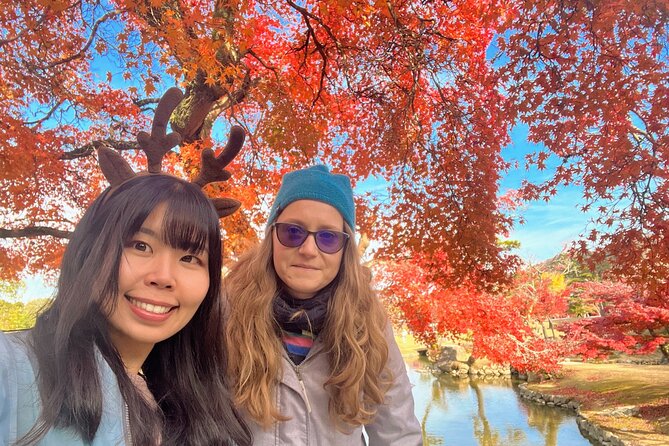
The English-speaking guide is central to this experience. Strong guides including Nanami, Yuta, Mai, At-Chan, Den, Ciel, Keigo, Sakura, and Harry have been praised for history, cultural explanation, patience, and group control.
Nanami is especially well regarded for lively explanations and careful attention to people who need help. Yuta has been praised for clear communication, useful recommendations, and giving enough free time. At-Chan is noted for combining historical information with Japanese language and cultural details.
That does not mean every moment will be perfect. One serious complaint described a solo participant becoming separated from the group at the first stop. The information provided also says late arrivals cannot be accommodated, so keep your guide’s meeting instructions close and confirm the return point before walking away.
The onboard audio system gives you another way to follow along, with several language choices. It cannot replace personal questions, but it is helpful during drive time or when the group is spread out.
Comfort, walking, and group pace
The air-conditioned coach is an important part of the value. Nara and Uji involve several transfers, and having a reserved seat between stops is easier than managing public transport throughout a long day. WiFi is included, though you should not rely on it for every practical need.
This is a moderate-fitness outing. You will walk through temple and shrine grounds, deal with stairs and hills, and cover distances between parking areas and sights. A hot or humid day can make the schedule feel much harder.
I would be cautious about booking this for anyone who cannot walk long distances. One person over 80 found the amount of walking difficult despite enjoying the sights and guide. Families can manage it, and a four-year-old was reported to have enjoyed the deer and matcha activities, but every family should judge its own pace.
The coach can carry up to 38 people. That keeps the price reasonable, but it also means you should expect a shared schedule and limited flexibility. The guides generally provide breaks and free time, yet the group still has to leave together.
Is $129.25 a fair price?
At $129.25 per person, the price is reasonable if you want to see Nara and Uji in one organized day. You are paying for transport, an English-speaking guide, Todai-ji admission, Byodoin admission, the matcha activity, and optional lunch.
The value is strongest for a first-time visit or a short stay in Kyoto. Independent transport may cost less in tickets alone, but you would need to plan the route, manage transfers, find the temples, arrange lunch, and fit the tea activity into the day.
The price is less compelling if you only want Nara, already know Uji well, or dislike group schedules. You will not have the freedom to extend your time with the deer, spend hours at Todai-ji, or stop whenever a street catches your eye.
The 4.9 rating from more than 1,500 ratings and the 99 percent recommendation figure suggest a strong overall record, but I would still read the physical demands carefully. The most common praise goes to the guides, the variety of stops, the lunch, and the matcha session. The main concern is not the attractions. It is the long day and the amount of walking.
Booking details that matter
You meet at Tully’s Coffee on the first floor of Kyoto Avanti, near Kyoto Station, at 7:50 am. There is no hotel pickup or drop-off, and the tour ends back at the same meeting point.
Arrive early. The operator says late arrivals will not be entertained, and joining midway is not feasible. This is especially important because the coach then heads out toward Nara.
Mobile tickets are accepted, and confirmation is provided at booking. Free cancellation is available up to 24 hours before the start time. Changes or cancellations inside that window are not accepted for a refund.
Weather, traffic, or suspended operations can change the order or remove a stop. An alternative place or compensation gift may be offered, but the information states that there will be no refund for such changes. Keep this in mind if one particular temple is the entire reason you are booking.
Should you book this Nara and Uji day?
I would book it if you want an efficient first look at two important places, prefer an English-speaking guide, and value having transport and admissions arranged. The deer, Todai-ji, Byodoin, lunch, and hands-on matcha give you a broad day with plenty of variety.
I would skip it if you want a quiet, flexible day, have limited mobility, or already plan to spend separate days in Nara and Uji. The best reason to choose this tour is its coverage, not its leisurely pace.
For most first-time visitors with one free day, the combination is strong. Arrive early, wear comfortable shoes, carry water, request vegetarian lunch in advance if needed, and keep a close eye on the group after every stop.
FAQ
Where does the tour start?
It starts at Tully’s Coffee on the first floor of Kyoto Avanti, at 31 Higashikujō Nishisannōchō in Kyoto’s Minami Ward.
What time should I arrive?
The stated start time is 7:50 am. Late arrivals cannot join, so you should arrive before the meeting time.
Where does the tour end?
The activity ends back at the original meeting point at Kyoto Avanti.
Is hotel pickup included?
No. Hotel pickup and drop-off are not included, and the operator does not provide extra pickup or drop-off service.
How long is the tour?
The tour lasts approximately 8 hours and 30 minutes.
Is lunch included?
Lunch is included only if you select that option. The meal is a traditional Japanese set meal served at a restaurant near the Uji River.
Can I request a vegetarian lunch?
Yes. Vegetarian arrangements can be made if you request them at least two days before the tour date.
What languages are available?
A professional English-speaking guide leads the tour. Multilingual audio guidance is also available on the coach in English, Spanish, French, Italian, German, Portuguese, and Ukrainian.
How much walking is involved?
The tour includes walking, stairs, and hills at the different sites. It is not recommended for people who cannot walk long distances.
What is included in the price?
The price includes an air-conditioned vehicle, onboard WiFi, multilingual audio guidance, an English-speaking guide, admission to Todai-ji and Byodoin Temple, and the matcha-making experience. Lunch is included only when selected.
Can I cancel for a full refund?
Yes, if you cancel at least 24 hours before the experience start time. Cancellations or changes made less than 24 hours in advance are not refundable.
Latest history tours reviewed in Japan
- Authentic Sapporo: Nijo Market Seafood Lunch & History Tour★ 4.8 · 20 reviews
- Asakusa: 3.5-hour Big-picture History Walk★ 4.7 · 39 reviews
- Asakusa: A Big-picture History Walk to Know Japan★ 4.6 · 77 reviews
- 2.5-Hour Nagoya Tour: Castle History, Local Food & City View★ 4.5 · 36 reviews
- 1-Day Tour from Nagoya: Hiking the Historic Nakasendo Trail★ 4.9 · 34 reviews
- Tokyo: Nikko World Heritage Private Day Trip Hotel Pick-up★ 4.8 · 145 reviews
- 2.5 Hour Private History and Culture Tour in Himeji Castle★ 5.0 · 185 reviews
- From Tokyo: Nikko World Heritage Sight Full Day Private Tour★ 4.9 · 127 reviews
Japan History Tours, compared.
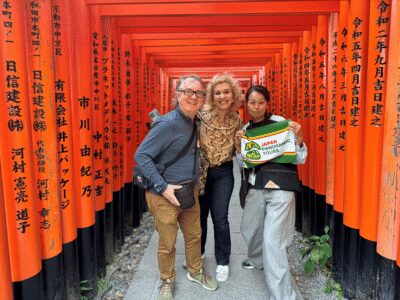
Kyoto: Fushimi Inari, Kinkakuji, Bamboo Grove 1 Day Bus Tour
Read our review →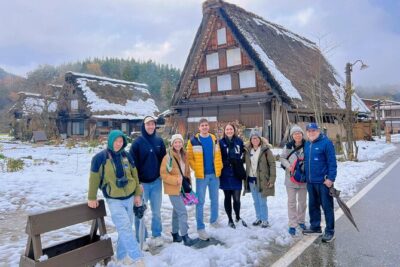
World Heritage Shirakawa-go and Experience Tours from Kanazawa
Read our review →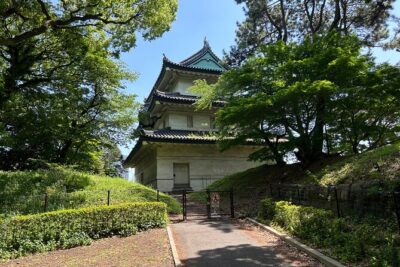
Tokyo: Imperial Palace and Shogun Historical Walking Tour
Read our review →
Kyoto Gion: 2-Hour Geisha Culture & History Walking Tour
Read our review →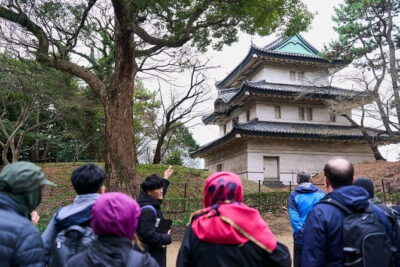
Tokyo Castle & Imperial PalaceーShogun Walking Tour
Read our review →
Kanazawa: World Heritage Shirakawa-go Morning Guided Tour
Read our review →
Tokyo: Imperial Palace Japanese History Walking Tour
Read our review →
Hiroshima Historical Walking Tour – Why A-Bomb was Dropped
Read our review →Browse the lists this tour appears in