
Review · TOKYO
Tokyo Castle & Imperial PalaceーShogun Walking Tour
Edo Castle was once the largest castle in Japan. Today, its moats, stone walls, gates, gardens, and foundations sit at the center of modern Tokyo, with the Imperial Palace occupying the former stronghold. This two-hour walk helps you see the huge site as a working center of power rather than just a pleasant park.
I like the small group of up to 10 people, which makes it easier to hear explanations and ask questions. I also like the way the tour links samurai rule with the present-day imperial system, instead of treating the Edo period as an isolated chapter. The main drawback is simple: you spend much of the two hours outside, and the tour moves across a large area in a fairly short time.
Key points to know before you book
- Edo Castle was built for defense: Moats, gates, stone walls, and layered entry points make more sense with a guide explaining how they worked together.
- The East Gardens give the tour its calm finish: Expect seasonal plants, old trees, a koi pond, and remnants of the former castle.
- Guides make a real difference: Anju, Fuma, Tomo, Yuka, Keiko, Koyo, and Kosei are among the guides praised for clear explanations, good pacing, and friendly conversation.
- The meeting point is easy to identify: Meet outside Starbucks Coffee Kōkyo Gaien Wadakura Fountain Park Store, where a guide holds a Local Guide Stars sign.
- The price is modest for a guided visit: At $23 per person, you pay mainly for context and orientation, not for an expensive attraction ticket.
- English is the only tour language: Japanese language support is not provided.
Why Edo Castle is more than a palace photo stop
Tokyo can feel modern at street level, but the Imperial Palace grounds preserve the outline of an older power center. Edo Castle was the seat of the shogun, the military ruler who governed Japan during the long peaceful period of the Edo era. The castle was not simply a grand residence. It was a carefully planned defense system and the heart of political life.
Your guide explains how much larger the original castle complex was than the surviving grounds suggest. That is one of the most useful parts of the walk. Without help, you may see a moat, a gate, or a stone wall as an attractive old feature. With the right explanation, you can picture retainers, officials, guards, and visitors moving through a controlled series of spaces.
The tour also connects Edo Castle to the development of Tokyo. The city grew around the shogun’s seat, and the castle’s location still shapes the center of the capital. You get a practical sense of how military power, government, and urban growth came together.
The imperial story continues into the present. The Imperial Palace is now the residence of Japan’s emperor, and the tour considers how the imperial system has lasted for about 2,600 years. You will not see every part of the palace residence, but you will learn how the current institution relates to the older site.
More Castle and Palace History Tours in Japan
- Tokyo: Imperial Palace and Shogun Historical Walking Tour
★ 5.0 · 2,251 reviews - Tokyo: Imperial Palace Japanese History Walking Tour
★ 4.9 · 987 reviews - Tokyo Castle & Imperial PalaceーShogun Walking Tour
★ 5.0 · 724 reviews
Starting at Wadakura Fountain Park
The tour begins in front of Starbucks Coffee Kōkyo Gaien Wadakura Fountain Park Store at 3-1 Kōkyo Gaien, Chiyoda City. Look for the guide holding a Local Guide Stars sign. This is a useful meeting point because you have a clear landmark and a place nearby to buy a drink before setting off.
Arrive ready to walk. The route is outdoors and includes several stops across the palace grounds. You may want to use the restroom and adjust your clothing before the tour begins, since the two-hour schedule leaves little time for delays.
The small group format matters here. A group of 10 or fewer is large enough to give the walk some social energy, yet small enough for a guide to answer individual questions. Several guides are praised for keeping the pace relaxed while still covering a lot of history. That balance is especially helpful at a site with so many walls, gates, and garden paths.
Sakurada Tatsumi Yagura: the first lesson in defense

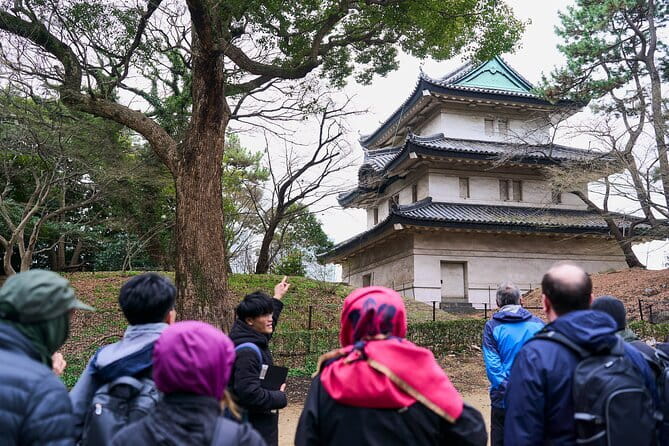
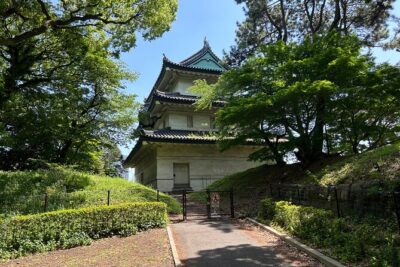
The first major stop is Sakurada Tatsumi Yagura, a traditional corner turret. You have about five minutes here for a photo stop and introduction. The turret gives you an early look at the castle’s defensive design, and your guide begins explaining how structures like this helped protect the inner grounds.
Five minutes is not long, so think of this as a visual opening rather than a full architectural study. The value comes from the explanation. You learn to look for the relationship between a turret, the moat, nearby walls, and the route an approaching visitor would have taken.
This is also a good point to begin asking questions. The guides are not limited to a memorized speech. Several are described as patient and willing to explain details about how the castle was built and how its defenses were layered.
Ote-Mon Gate and the controlled approach
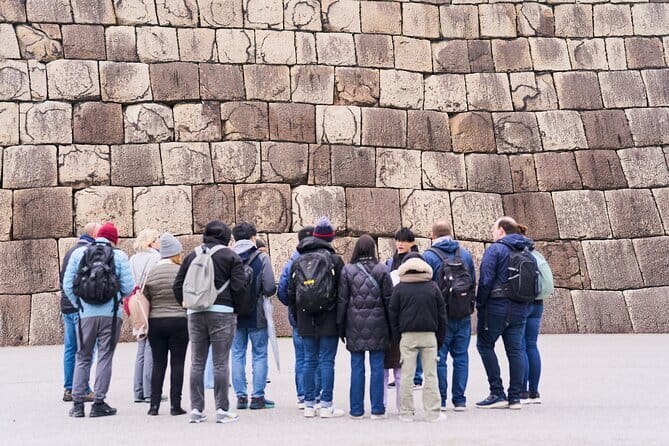
Ote-Mon Gate receives about 15 minutes, giving you more time to understand how people entered the castle. Gates at a major Japanese castle were not casual openings in a wall. They forced visitors through carefully managed turns and checkpoints, making a direct attack difficult.
Your guide points out features you could easily walk past, including the relationship between the gate, stonework, and surrounding defenses. This is where the tour’s focus on samurai power becomes concrete. The shogun’s authority was supported by an organized system of movement, surveillance, and protection.
The gate is also one of the stronger photo stops. Bring a camera, but listen before rushing through your pictures. A good explanation changes what you notice in the frame. Instead of photographing an old entrance in isolation, you start to see a piece of a much larger defensive machine.
More History Walking Tours in Japan
- Kyoto Gion: 2-Hour Geisha Culture & History Walking Tour
★ 5.0 · 1,186 reviews - Hiroshima Historical Walking Tour – Why A-Bomb was Dropped
★ 4.8 · 893 reviews - Hiroshima Peace (Heiwa) Walking Tour at World Heritage Sites
★ 5.0 · 872 reviews - Miyajima Half-day Trip Historical Walking Tour
★ 5.0 · 284 reviews
The Imperial Palace and the continuing imperial system
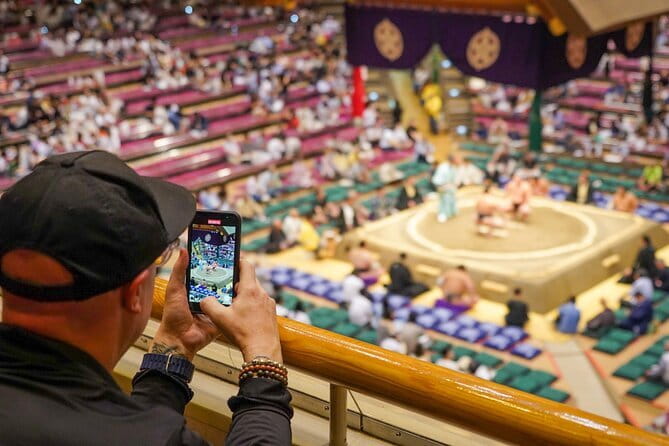
The Imperial Palace stop lasts about 20 minutes. Here, the tour shifts from the shogun’s military government to the imperial institution that occupies the site today.
You learn about the contrast between the Edo period and modern Japan, along with the long survival of the imperial system. This part should appeal to anyone interested in how political institutions change while retaining older symbols and traditions. The guide also helps place the current palace within the older castle complex.
Do not expect a full interior palace visit. The tour focuses on the grounds and views available along the route. The benefit is seeing the palace in context, with the castle walls, moats, gardens, and former working spaces around it.
The guides often add present-day comparisons. Kosei, for example, was praised for connecting Japanese culture with international experience, which can help make old customs easier to understand. Other guides, including Anju and Keiko, are noted for explaining the palace grounds in a warm, accessible way.
Ninomaru Garden and the quieter side of Tokyo
Ninomaru Garden receives about 15 minutes. This is a welcome change from the formal gates and massive defenses. The garden shows another side of the former castle, one shaped by careful planting, water, seasonal color, and controlled views.
You may encounter special koi and trees from different parts of Japan. These details give the garden a wider cultural meaning. It is not merely a decorative green space. It reflects the way gardens were used to display taste, regional variety, and an ordered relationship with nature.
I like this part because it slows the tour down. The walk is still guided, but you get more time to notice the pond, trees, and changing textures of the grounds. Several guides use small quizzes or fun facts to keep the group involved without turning the visit into a classroom lecture.
If you are hoping for a long garden visit with plenty of time for quiet sitting, 15 minutes may feel brief. The tour is designed to show you several key parts of the palace grounds, not to linger at one garden.
Edo Castle ruins and the scale of the old complex
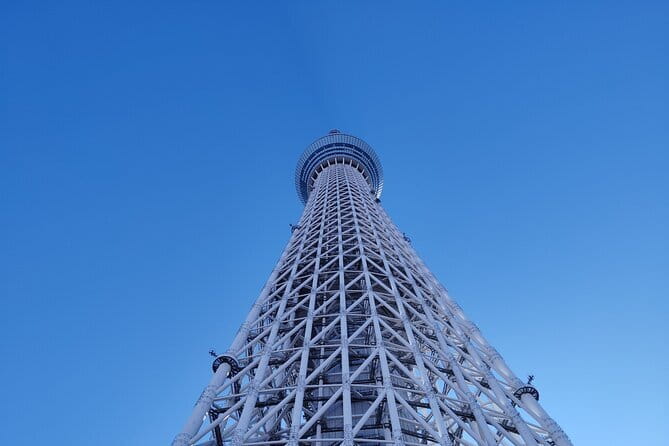
The Edo Castle ruins receive about 10 minutes. What remains is fragmentary, but that is exactly why a guide helps. The ruins do not always announce their importance. Foundations and stone platforms can look modest beside modern Tokyo until you understand what once occupied the site.
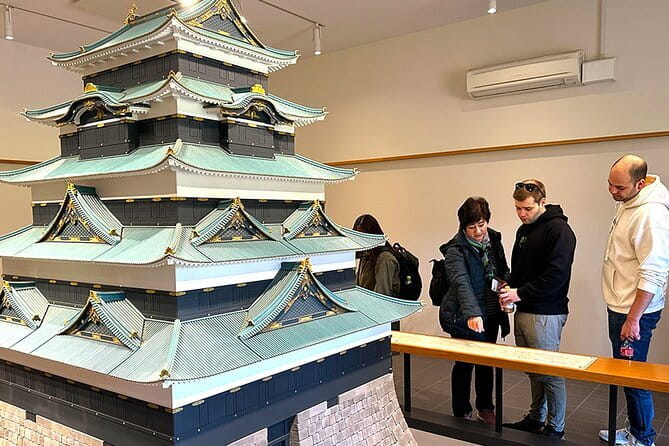
Your guide helps you picture the missing structures and explains how the castle functioned. You may also view a miniature structure of the former palace, which gives you a clearer idea of the buildings that are no longer standing.
This is one of the strongest history stops for people who have watched a samurai drama or read about the Edo period. The tour does not simply repeat fictional images. It explains how the castle operated as a political center and why its defenses helped support roughly 260 years of peace under samurai rule.
The short stop means you should not expect a detailed archaeological tour. Instead, treat it as a key piece of the larger story. The castle survives through fragments, and the guide supplies the missing scale.
Imperial Palace East Gardens: the best place to linger
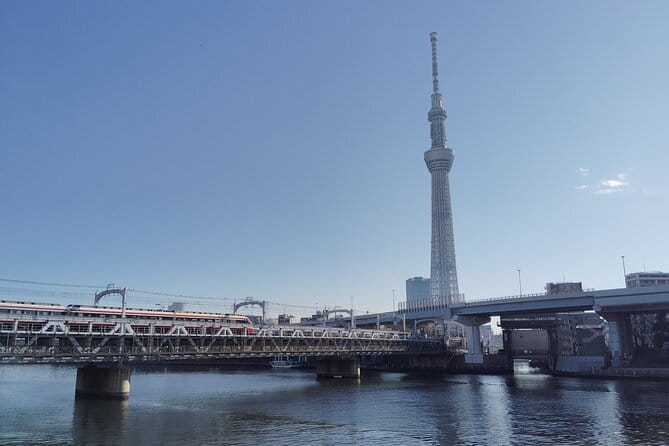
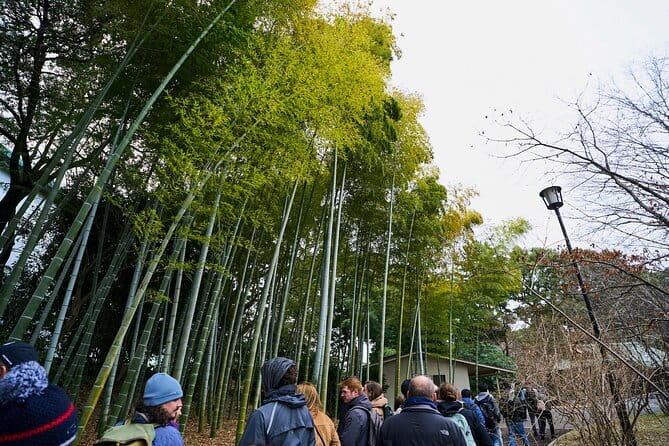
The East Gardens receive about 20 minutes and provide the tour’s most relaxed stretch. Here you can see seasonal gardens, ancient stone walls, trees from across Japan, and special koi. The mix of living plants and castle remains gives the grounds their strongest sense of continuity.
This is also where the route offers some of its best photo opportunities. Bring a camera and allow yourself to look beyond the most obvious view. A wall, tree, or pond may carry more meaning after the guide explains its place in the former castle.
The gardens are open and spacious, so this part can feel like a calm pause in central Tokyo. You do not need to leave the city to find a quieter setting. At the same time, remember that the tour is still moving on a schedule. You will see the gardens, but you will not have unlimited free time to explore every path.
At the end, the group returns to the Starbucks meeting point. That makes the tour easy to fit into a morning or afternoon plan near central Tokyo.
What the guides add to the walk
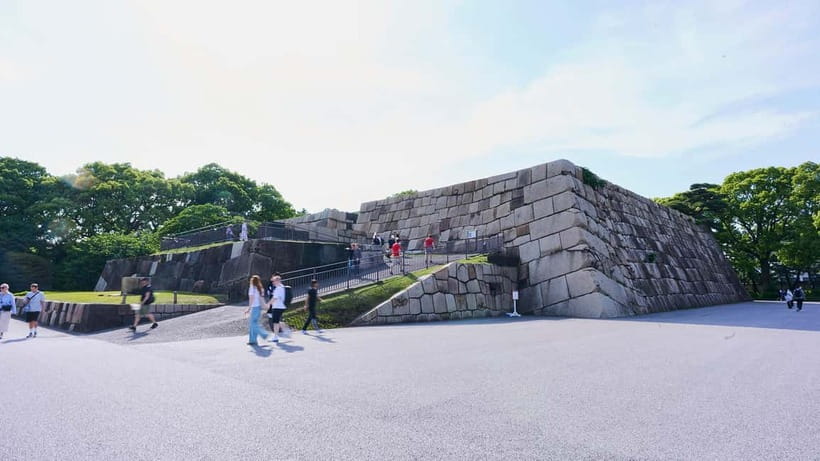
The strongest feature of this experience is the human explanation. The site has plenty to see, but a self-guided visit can leave you unsure which details matter. The guides point out structures, explain the defensive layers, and connect the castle to Japanese political history.
Anju is repeatedly praised for clear explanations, patience, and enthusiasm, especially when discussing the Edo period and the imperial family. Fuma is known for friendly delivery, fun facts, and useful recommendations for the rest of your Tokyo visit. Tomo is praised for keeping a good pace and engaging with questions.
Yuka, Keiko, Koyo, Ai, Mai, Nana, Kazuki, and Kosei also receive strong praise for clear English, warmth, and storytelling. Guide assignments can change, so do not book expecting one particular person. The pattern is still useful: this is a tour built around approachable local guides rather than a formal lecture.
English is the only language offered. If you need Japanese support, this is not the right choice. If you are comfortable with English history explanations, the small group allows a more conversational visit.
Is $23 good value?
At $23 per person, the tour is reasonably priced for a two-hour guided walk in central Tokyo. The palace grounds and East Gardens are the main attractions, and the price is not mainly paying for elaborate transport or an expensive admission package.
That makes the value depend on how much context you want. If you already know the layout of Edo Castle, the samurai government, and the imperial system, you may prefer to walk independently. If those subjects are new to you, the guide can change the entire visit by explaining what you are seeing.
One useful way to judge the price is to consider the size of the site. The palace grounds cover a lot of space, and many details are easy to miss. A guide saves you from simply wandering among attractive walls and gardens without understanding their purpose.
The tour also offers free cancellation up to 24 hours before the start and a reserve now, pay later option. Those policies make it easier to fit the walk into a changing Tokyo schedule.
Practical advice for a comfortable visit
Wear shoes suitable for walking and dress for the forecast. Much of the route is outside, and the experience can feel very different in hot sun, rain, or cool wind. Bring water and a camera, but do not bring knives or alcohol because there is a security check when entering the Imperial Palace grounds.
Wheelchairs are available for use within the Imperial Palace grounds. Some slopes and sections still require walking or going down on foot, so check your own mobility needs before booking.
The tour is not a strenuous hike, but the schedule is active. You move between seven sightseeing areas in two hours, with only short periods at some stops. If you want a very slow garden stroll, this may feel brisk. If you want a focused overview before exploring more of Tokyo on your own, the pace works well.
Who should book this Tokyo palace walk?
I would choose this tour if you are interested in samurai culture, the Edo period, Japanese castles, or the imperial family. It is also a good first-day activity because it gives you a clearer sense of Tokyo’s political center and helps explain why the city developed where it did.
It suits solo visitors and couples who want some conversation during sightseeing. Families with older children may also find the gates, moats, castle defenses, koi, and short quizzes easier to enjoy than a long museum visit.
I would be less likely to recommend it to someone who wants palace interiors, a lengthy garden visit, or a tour in Japanese. You also need to accept the outdoor setting and the compact schedule.
Should you book the Tokyo Castle and Imperial Palace Shogun Walking Tour?
Book it if you want the Imperial Palace grounds to make sense. At $23, the main value is not simply entering a garden. It is learning how Edo Castle worked, how samurai rule shaped Tokyo, and how the imperial story continues on the same site.
The best reason to go is the combination of defenses, ruins, gardens, and a guide who can connect them. The main caution is the limited time. You will get a well-organized introduction, not an exhaustive exploration.
For most first-time visitors interested in Japanese history, I consider it a good use of two hours. Bring weather-ready clothing, listen closely at the gates and ruins, and save a little time at the end for the East Gardens.
FAQ
How long does the Tokyo Castle and Imperial Palace tour last?
The tour lasts two hours and returns to the Starbucks Coffee Kōkyo Gaien Wadakura Fountain Park Store meeting point.
What language is the tour conducted in?
The tour is conducted in English only. Japanese language support is not available.
How large is the tour group?
The group is limited to 10 participants.
Where is the meeting point?
Meet in front of Starbucks Coffee Kōkyo Gaien Wadakura Fountain Park Store at 3-1 Kōkyo Gaien, Chiyoda City, Tokyo. The guide holds a Local Guide Stars sign.
What places do you visit?
The route includes Sakurada Tatsumi Yagura, Ote-Mon Gate, the Tokyo Imperial Palace grounds, Ninomaru Garden, Edo Castle ruins, and the Imperial Palace East Gardens.
Is there a security check?
Yes. There is a security check when entering the Imperial Palace. Do not bring knives or alcohol.
What should I wear?
A large part of the tour takes place outdoors, so dress for the weather on the day. Comfortable walking shoes are also a sensible choice.
Can wheelchair users take this tour?
Wheelchairs are available and can be used within the Imperial Palace grounds. Some slopes and areas require guests to walk or go down on foot.
Latest history tours reviewed in Japan
- Authentic Sapporo: Nijo Market Seafood Lunch & History Tour★ 4.8 · 20 reviews
- Asakusa: A Big-picture History Walk to Know Japan★ 4.6 · 77 reviews
- Asakusa: 3.5-hour Big-picture History Walk★ 4.7 · 39 reviews
- 2.5-Hour Nagoya Tour: Castle History, Local Food & City View★ 4.5 · 36 reviews
- 1-Day Tour from Nagoya: Hiking the Historic Nakasendo Trail★ 4.9 · 34 reviews
- From Tokyo: Nikko World Heritage Sight Full Day Private Tour★ 4.9 · 127 reviews
- From Tokyo: Nikko World Heritage Site Private Full-Day Trip★ 4.9 · 243 reviews
- Tokyo: Nikko World Heritage Private Day Trip Hotel Pick-up★ 4.8 · 145 reviews
Tokyo History Tours, compared.
Tokyo: Imperial Palace and Shogun Historical Walking Tour
Read our review →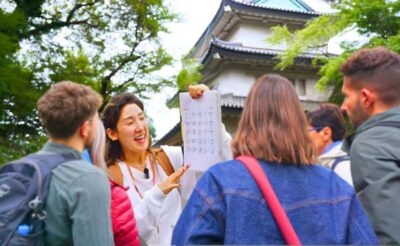
Tokyo: Imperial Palace Japanese History Walking Tour
Read our review →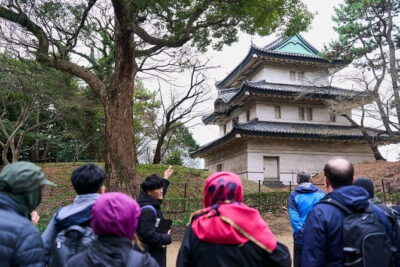
Tokyo Castle & Imperial PalaceーShogun Walking Tour
Read our review →
From Tokyo: Nikko World Heritage Site Private Full-Day Trip
Read our review →
Tokyo: The Best of Izakaya in Shinjuku Food & Cultural Tour
Read our review →
Tokyo: Nikko World Heritage Private Day Trip Hotel Pick-up
Read our review →From Tokyo: Nikko World Heritage Sight Full Day Private Tour
Read our review →
Asakusa: A Big-picture History Walk to Know Japan
Read our review →Browse the lists this tour appears in