
Review · JAPAN
2.5-Hour Nagoya Tour: Castle History, Local Food & City View
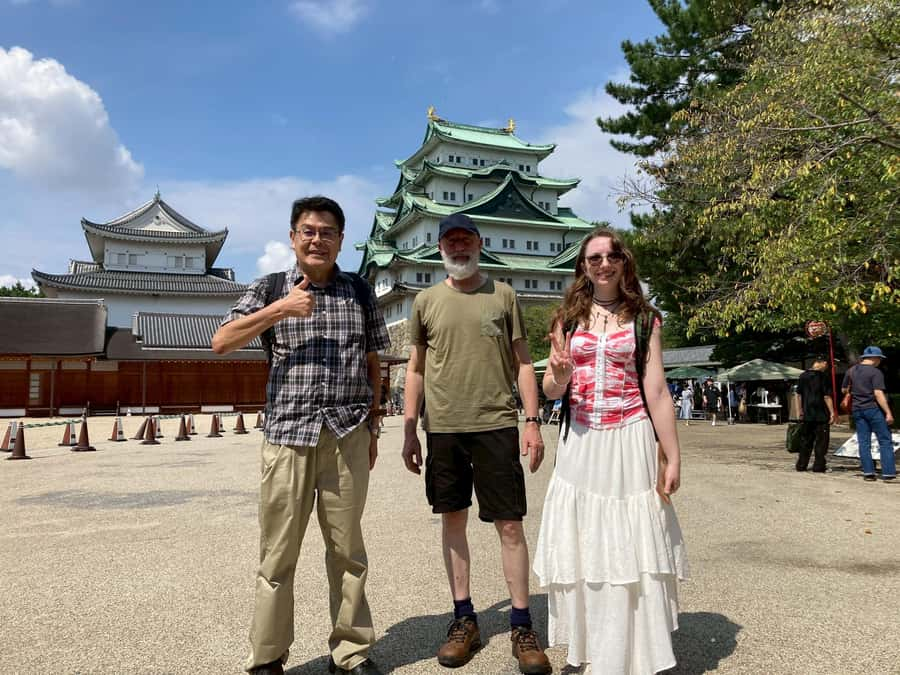
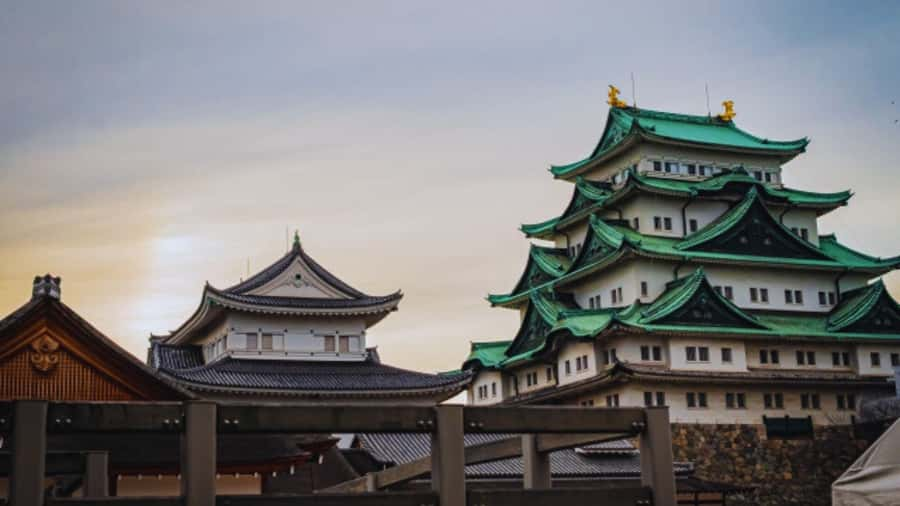
Nagoya Castle is the star here, with samurai-era design, broad stone walls, the calm Ninomaru Garden, and the ornate Honmaru Palace. The tour turns a quick castle visit into a useful lesson in Nagoya’s past and present, then adds a taste of the city at Kinshachi Yokocho.
I like the efficient 2.5-hour format, especially if you are in Nagoya for one day or arriving by cruise ship. I also like the English-speaking guides, who explain the cultural meaning behind what you see rather than simply pointing out buildings. The main drawback is that food and drinks cost extra, and the pace may feel brisk if you want a slow, solo visit.
Key points at a glance
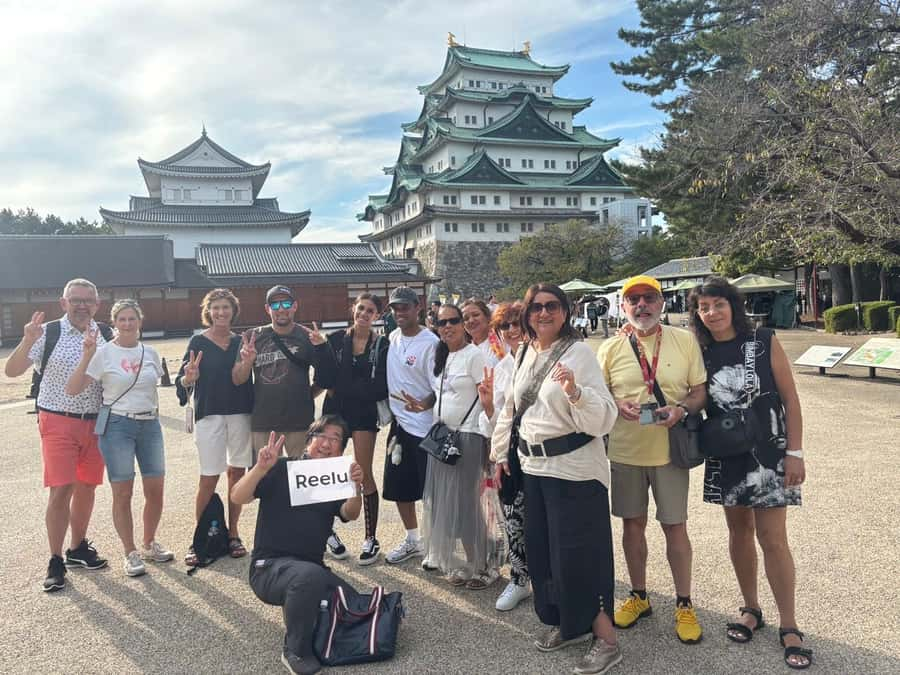
- Nagoya Castle takes up about 90 minutes, giving you time for the East Gate, Ninomaru Garden, stone walls, and Honmaru Palace.
- Honmaru Palace is the visual high point, with traditional sliding screen paintings and carefully presented interiors.
- Kinshachi Yokocho adds local flavor, with Nagoya dishes, street food, traditional-style buildings, and souvenir shops.
- Guides bring different strengths, including Toshi’s local sake suggestion, Mariko’s careful timekeeping, and Ray’s willingness to adjust to questions.
- The tour costs $41 per person, including castle admission but not food, drinks, or transport to the meeting point.
- Comfortable shoes matter, since this is a walking tour with outdoor sections and time spent moving around the castle grounds.
Why this short Nagoya tour works
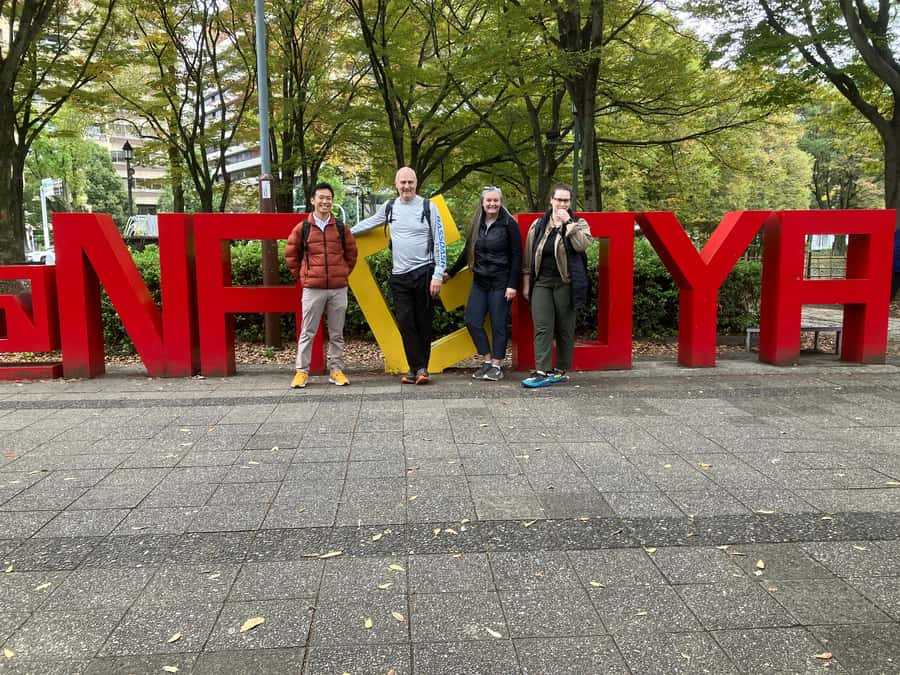
Nagoya can be easy to underestimate. It is a major Japanese city, but its best-known sights are spread across different parts of the urban area. If you have limited time, planning a castle visit, finding local food, and understanding what you are seeing can take more effort than expected.
This tour handles two useful pieces in one outing: Nagoya Castle and Kinshachi Yokocho. You get a substantial cultural stop followed by a short food-focused break. I like that balance. The castle gives you context, while the food quarter shows how that history connects with present-day Nagoya.
The time commitment is roughly 150 minutes, although the listed duration can range from 150 minutes to three hours depending on the selected departure. That makes it a sensible choice for a short city stop, a cruise day, or a first visit when you want an introduction without giving up an entire afternoon.
At $41 per person, the price is reasonable if you value explanation and organization. Admission to Nagoya Castle is included, and you have an English-speaking guide for the main visit. It is less attractive if you prefer to wander alone or plan to spend several hours studying every room and garden at your own pace.
More Castle and Palace History Tours in Japan
- Tokyo: Imperial Palace and Shogun Historical Walking Tour
★ 5.0 · 2,251 reviews - Tokyo Castle & Imperial PalaceーShogun Walking Tour
★ 4.7 · 1,068 reviews - Tokyo: Imperial Palace Japanese History Walking Tour
★ 4.9 · 987 reviews
Entering Nagoya Castle through the East Gate
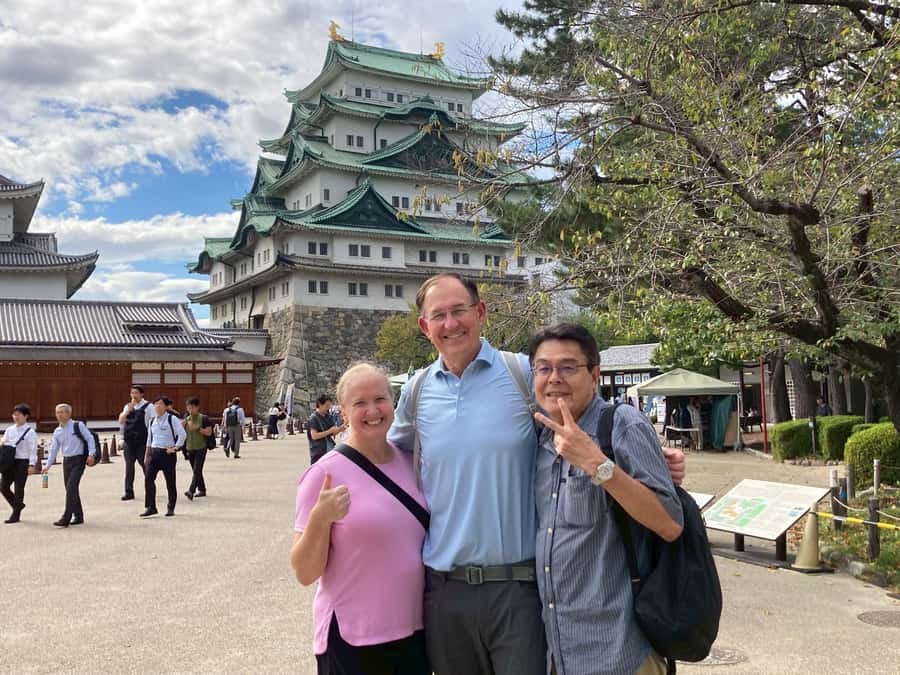
The visit begins at the East Gate, then moves into Nagoya Castle for about an hour and a half. This is the part of the outing where the guide adds the most value. A castle can look impressive without making much sense, especially when you do not know what was rebuilt, how the spaces were used, or why certain architectural details matter.
Your guide explains the castle’s connection to samurai culture and the period that shaped Nagoya. The information is presented as a walking conversation, with time for questions. Several guides have been singled out for this approach. Toshi explained the wider historical and cultural setting instead of handing out a string of dates. Kanna answered questions throughout the walk, while Mariko kept the group oriented and on schedule.
That last point matters. A 90-minute castle visit can disappear quickly if you stop at every feature without a plan. A guide helps you see the main areas without spending too long in one place. Charles, one of the participants, particularly valued being shown parts outside the usual path, which suggests that the experience is not limited to a basic point-and-name circuit.
You should still expect some walking and standing. The tour is not designed as a slow, private architectural study. If you want time for careful photography in every room, you may need to return on your own after the guided visit, if your schedule allows.
Ninomaru Garden and the castle grounds
Ninomaru Garden offers a change of pace from the more formal architecture. Its peaceful setting gives you room to notice the castle grounds as a designed environment, not just a collection of walls and buildings.
The garden also helps break up the tour. After hearing about samurai life and castle construction, you move through a quieter outdoor space before continuing to the palace. I appreciate this rhythm because it keeps the visit from becoming a nonstop lecture.
The traditional stone walls are another important part of the grounds. They are easy to overlook when the palace receives most of the attention, but they show the practical side of castle design. Your guide can connect the walls and grounds to the castle’s defensive purpose and its place in samurai-era culture, based on the information provided during the walk.
Bring a camera, but remember that sunny weather can make the open sections hot or bright. Sunscreen is recommended, and comfortable shoes are more important than stylish ones. The route is short by sightseeing standards, yet the castle grounds still require you to walk between areas.
Inside Honmaru Palace
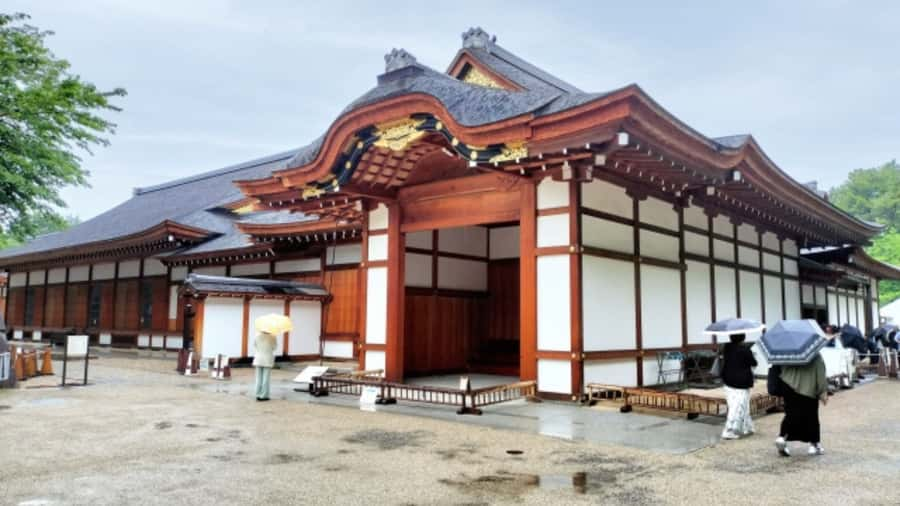
Honmaru Palace is likely to be the most memorable stop for anyone interested in Japanese interiors. The tour includes access to the palace, where you can see traditional sliding screen paintings and carefully presented rooms.
This is where the guide’s explanation helps you look beyond surface beauty. The paintings and room layouts are not just decoration. They point to the formality of palace life and the relationship between architecture, status, and ceremony. The tour description promises an in-depth cultural explanation, and the strongest comments about the guides focus on this kind of context.
You may find yourself moving between indoor and outdoor areas, so dress for changing conditions. The supplied information does not give details about seating, accessibility, or the exact size of each group, so I would not book this assuming a private or especially slow-paced visit.
A good guide also leaves room for questions. That has been a consistent strength among the named guides. Toshi was praised for taking time with small questions, and Risa was described as making the experience both informative and enjoyable. If you want to understand the meaning behind what you are seeing, rather than simply photograph it, this portion should justify the guided format.
Same old streets, another chapter:
- Kyoto: Fushimi Inari, Kinkakuji, Bamboo Grove 1 Day Bus Tour
★ 4.8 · 4,316 reviews - World Heritage Shirakawa-go and Experience Tours from Kanazawa
★ 5.0 · 4,049 reviews - World Heritage Kyoto & Nara Uji Authentic Matcha Experience
★ 5.0 · 1,573 reviews - Kyoto Gion: 2-Hour Geisha Culture & History Walking Tour
★ 5.0 · 1,186 reviews
Kinshachi Yokocho and Nagoya’s local food
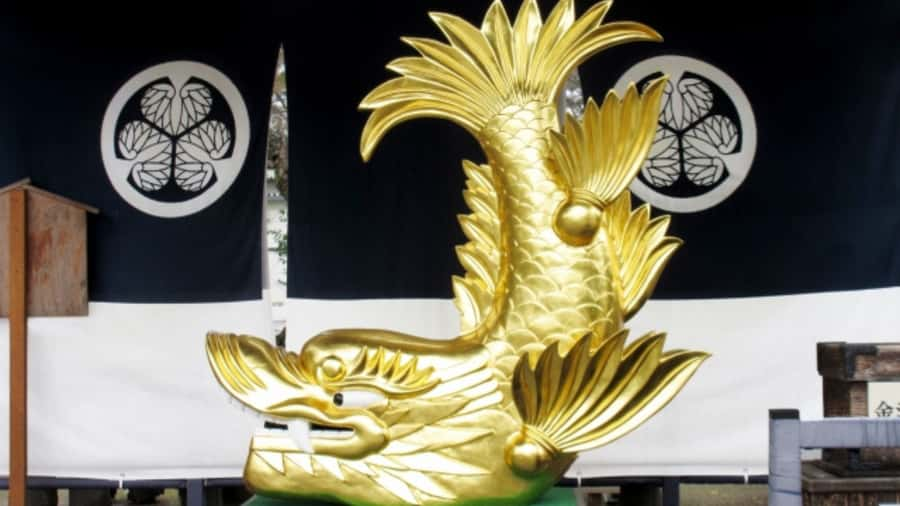
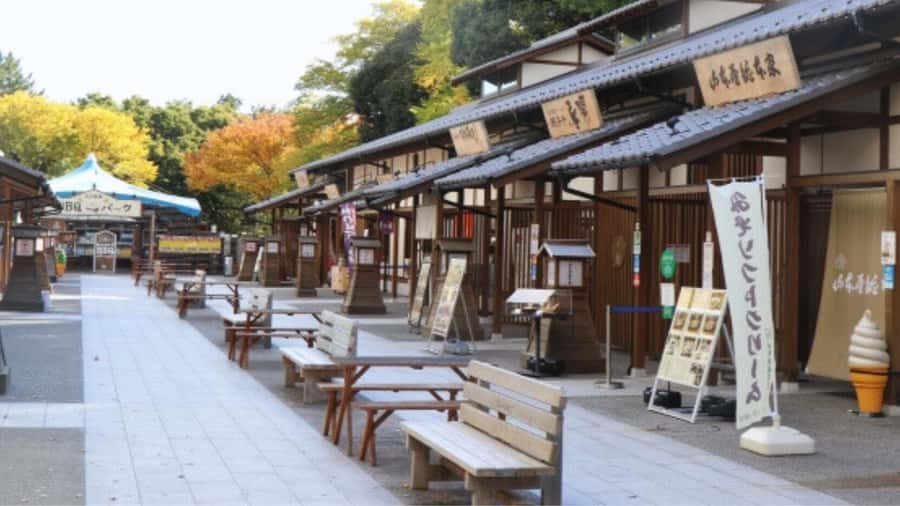
After the castle, the tour moves to Kinshachi Yokocho for about 30 minutes. This area near Nagoya Castle has traditional-style buildings, food stalls or restaurants, and souvenir shops. It is not a full meal stop included in the price. Instead, your guide introduces Nagoya’s local dishes and explains the food culture while you browse.
That distinction is important. You should budget separately if you want to eat or buy something. The 30-minute break is enough to look around and perhaps choose a snack, but it is not presented as a long sit-down dining experience.
I like the food stop because it gives you a practical next step after the tour. You do not just hear that Nagoya has its own local dishes. You see where to find them and can decide what appeals to you. The guide may also point you toward other local choices. Ray was praised for sharing useful recommendations, and Toshi offered a suggestion for a less touristy place to taste sake.
The food area also gives the outing a more local feel. You are browsing shops and dining options in a setting designed around Nagoya’s culinary identity, rather than ending at the castle gate and leaving you to work out lunch alone.
Still, half an hour goes quickly. If you want to sample several dishes, shop carefully, and take photos, you may need to return later. Treat Kinshachi Yokocho as an introduction and orientation, not a complete food tour.
The guides make the difference
The strongest feature of this experience is the human guidance. The advertised language is English, and the available feedback gives a useful picture of the guide team.
Toshi received especially strong praise for explaining history and culture in a personal way, answering small questions, and sharing a local sake tip. Mariko was valued for keeping the group organized, on time, and aware of where it was going. Kanna was noted for answering questions throughout the walk, while Ray was described as informative, accommodating, and generous with local recommendations.
Other names include Risa and Shu. Risa was described as insightful and fun, while Shu made the experience feel relaxed and educational. These comments suggest a guide-led experience that depends partly on who is assigned, but the pattern is encouraging: clear explanations, friendliness, patience, and practical local advice.
The overall score is 4.5 out of 5 from 36 ratings. That is a strong result, but you should still keep the format in mind. This is a shared walking tour, not a private historian-led visit. The guide can answer questions and adjust the conversation to some degree, but the group must keep moving to cover both main stops.
Price, timing, and meeting points
At $41 per person, the tour offers solid value for a short introduction to Nagoya. The fee includes guided access to Nagoya Castle, Ninomaru Garden, and Honmaru Palace, as well as the castle admission fee. Those included features matter because you are paying not only for an escort, but also for explanations at the city’s main historic sight.
Food, drinks, personal purchases, and transportation to and from the meeting point are not included. You should allow extra money for anything you want at Kinshachi Yokocho and check the meeting details carefully before setting out.
There are two possible starting location options listed: Nagoya Monument and Nagoya Port Building, written in the booking details as 名古屋港ポートビル. The meeting point can vary based on the option you choose. The supplied coordinates are 35.18241330124308, 136.90480732801836, but I would still rely on the confirmed details for your selected departure rather than assuming every departure begins at the same place.
The finish is listed as 名古屋港ポートビル. Because the start and finish information varies by option, this is one detail to confirm before booking, especially if you have a ship departure, train connection, or fixed lunch reservation.
Free cancellation is available up to 24 hours before the tour for a full refund. You can also reserve now and pay later, which helps if your Nagoya schedule is still changing.
Who should book this experience
I would choose this tour if you want a clear first look at Nagoya without spending a full day planning your route. It suits cruise passengers, first-time visitors, and anyone who wants castle history followed by a quick introduction to local food.
It is also a good fit if English explanations matter to you. The guides have been praised for making difficult historical and cultural ideas easy to follow, and several have taken time to answer questions rather than rushing through a prepared script.
Families and older visitors should consider the walking involved and the need for comfortable shoes. The information provided does not specify accessibility arrangements, so anyone with mobility concerns should confirm suitability before booking.
I would skip it if your main goal is a long food crawl, extended photography, or a private visit at your own pace. The food stop is brief, and the castle schedule is organized around seeing several key places within about 90 minutes.
Final verdict: a smart short introduction to Nagoya
I recommend this tour for the right kind of day. You get Nagoya Castle’s major cultural sights, a guide who can explain what you are seeing, and a short stop where you can learn what to eat next. The $41 price is fair because castle admission and guiding are included, though your food and transport budget will need to sit on top of it.
Book it if you want structure, history, and a practical food orientation in one compact outing. Skip it only if you have plenty of time and would rather explore the castle and Kinshachi Yokocho separately at a slower pace.
FAQ
How long does the Nagoya Castle and food tour last?
The tour lasts approximately 2.5 hours, or 150 minutes. Availability information lists possible durations from 150 minutes to three hours, so check the selected departure details.
What places are included?
The tour includes Nagoya Castle, Ninomaru Garden, Honmaru Palace, and Kinshachi Yokocho.
How much time is spent at Nagoya Castle?
The planned castle visit lasts about 1.5 hours. This includes time for sightseeing and guided explanations.
How long is the stop at Kinshachi Yokocho?
The planned stop at Kinshachi Yokocho lasts about 30 minutes. You can browse food options, street food, and souvenir shops during this time.
Is castle admission included?
Yes. Admission to Nagoya Castle is included in the tour price.
Are food and drinks included?
No. Food and drinks are not included, so you should pay separately for anything you choose to eat or drink at Kinshachi Yokocho.
What language is the tour offered in?
The tour is offered with a live English-speaking guide.
What should I bring?
Bring comfortable shoes and a camera. Sunscreen is also recommended on sunny days.
Can I cancel for a full refund?
Yes. You can cancel up to 24 hours in advance for a full refund. The tour also offers a reserve-now, pay-later option.
Latest history tours reviewed in Japan
- Authentic Sapporo: Nijo Market Seafood Lunch & History Tour★ 4.8 · 20 reviews
- Asakusa: 3.5-hour Big-picture History Walk★ 4.7 · 39 reviews
- Asakusa: A Big-picture History Walk to Know Japan★ 4.6 · 77 reviews
- 1-Day Tour from Nagoya: Hiking the Historic Nakasendo Trail★ 4.9 · 34 reviews
- Tokyo: Nikko World Heritage Private Day Trip Hotel Pick-up★ 4.8 · 145 reviews
- 2.5 Hour Private History and Culture Tour in Himeji Castle★ 5.0 · 185 reviews
- From Tokyo: Nikko World Heritage Sight Full Day Private Tour★ 4.9 · 127 reviews
- From Tokyo: Nikko World Heritage Site Private Full-Day Trip★ 4.9 · 243 reviews
Japan History Tours, compared.
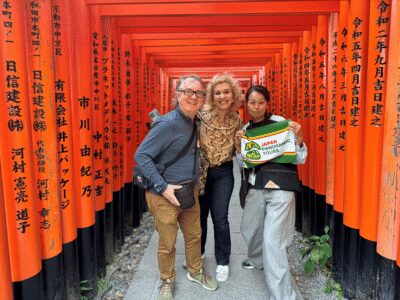
Kyoto: Fushimi Inari, Kinkakuji, Bamboo Grove 1 Day Bus Tour
Read our review →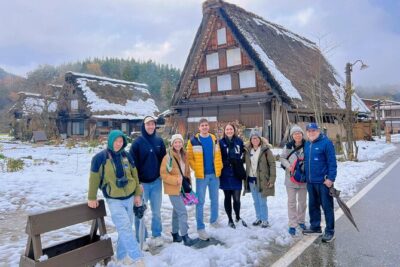
World Heritage Shirakawa-go and Experience Tours from Kanazawa
Read our review →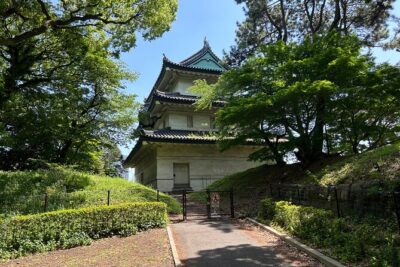
Tokyo: Imperial Palace and Shogun Historical Walking Tour
Read our review →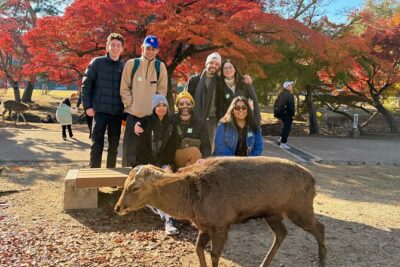
World Heritage Kyoto & Nara Uji Authentic Matcha Experience
Read our review →
Kyoto Gion: 2-Hour Geisha Culture & History Walking Tour
Read our review →
Tokyo Castle & Imperial PalaceーShogun Walking Tour
Read our review →
Kanazawa: World Heritage Shirakawa-go Morning Guided Tour
Read our review →
Tokyo: Imperial Palace Japanese History Walking Tour
Read our review →Browse the lists this tour appears in