
Review · CHARLESTON
Hidden Alleyways and Historic Sites Small-Group Walking Tour
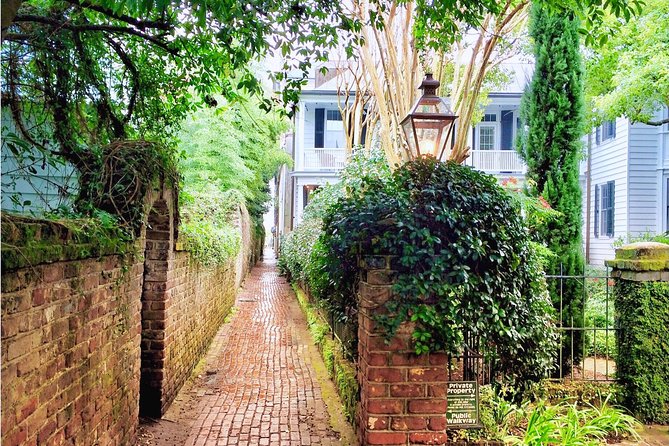
Charleston’s best stories often sit just beyond the main street. This two-hour walking tour leads you through narrow lanes, tucked-away passages, and residential corners that are easy to miss when you are busy photographing Rainbow Row. You begin at the Old Exchange and Provost Dungeon, then loop through South of Broad and the French Quarter before returning near the start.
I like two things right away. First, the small group, capped at 13 people, gives you a better chance to hear the guide and ask questions. Second, the tour mixes famous sights with overlooked alleys, so you get both the Charleston postcard and the less polished, more local-feeling streets. The main drawback is that the tour does not enter buildings, including the Old Exchange, and the route can vary by guide.
Key points to know
- Four to six alleys: Expect several lanes and passages, though Philadelphia Alley is only one possible stop.
- A compact historic walk: The route covers South of Broad and the French Quarter and ends near the starting point.
- Strong local guides: Dennis, Duggar, Evans, Al, Mark Jones, and others are praised for storytelling, local knowledge, and personal attention.
- Architecture plus anecdotes: You will see Rainbow Row, St. Philip’s Episcopal Church, the Heyward-Washington House, and other landmarks while hearing Revolutionary and Civil War stories.
- Good value at $34: For two hours with a licensed guide and a small group, the price is reasonable, especially early in your stay.
- Plan for weather: It runs in all weather conditions, so wear walking shoes, carry water, and dress for the forecast.
Why Charleston’s alleys are worth your morning
Charleston’s grand streets are easy to find. The small lanes are not always so obvious. Some barely look like streets at all, which is precisely why a guide helps. You may pass one on your own and assume it leads nowhere, while the tour uses it to explain how people moved through the old city and how its residential quarters developed.
I like this approach because it slows you down. Instead of racing from one landmark to the next, you pause at a gate, a church, a row of houses, or a narrow passage and hear the story tied to that place. The walk is not only about pretty buildings. It also covers the people, conflicts, and political events that shaped Charleston from the colonial era through the Revolutionary and Civil War periods.
The tour is educational, but it is not presented as a formal lecture. Guides such as Dennis and Duggar are praised for keeping the tone warm and conversational. Evans Byrd is known for adding plant and garden knowledge to the city stories, while Al Mixson is praised for his architectural insight and obvious affection for Charleston. Mark Jones is also noted for combining detailed history with an entertaining delivery.
Since guides and routes vary, your experience will not be identical to someone else’s. That is worth knowing before you book. The consistent promise is the format: a licensed local guide, a small group, several alleyways, and major sights in the historic center.
More History Walking Tours in Charleston
- Historic Charleston Guided Sightseeing Walking Tour
★ 5.0 · 6,216 reviews - Charleston historical walking tour with a Professor of History at The Citadel
★ 5.0 · 1,284 reviews - Charleston: Old Walled City Historical Walking Tour
★ 4.7 · 705 reviews
Starting beside the Old Exchange and Provost Dungeon
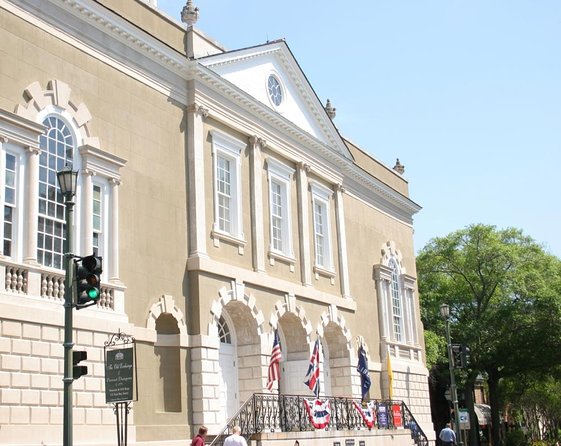
The meeting point is the north side of the Old Exchange and Provost Dungeon at 122 East Bay Street. This colonial building has a 300-year history connected with pirates, patriots, and presidents, making it a fitting place to begin.
You do not go inside the building, and admission is not included. That distinction matters. If you want to tour the dungeon interiors, you would need to arrange that separately. Here, the building serves as a point of reference and an opening chapter for the walk.
The first stop lasts about 10 minutes. That short introduction gives the guide time to explain the setting and outline the older Charleston around you. It also lets you settle into the group before the route turns into the quieter streets.
I recommend arriving ready to walk rather than treating this as a series of quick photo stops. The experience is built around listening while standing outdoors, moving at an easy pace, and stopping often enough to take in details.
South of Broad, where the route becomes quieter
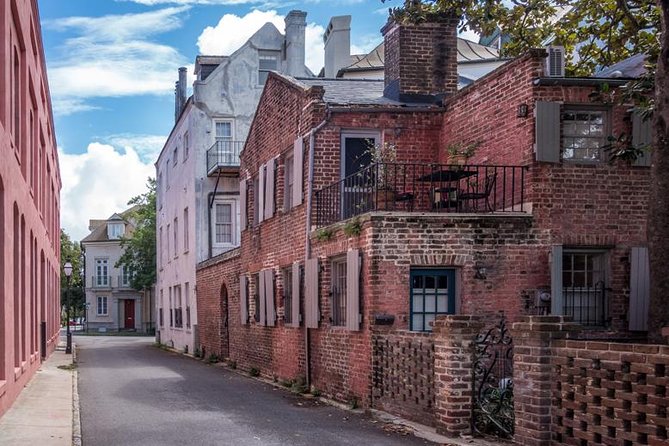
The South of Broad section takes about 30 minutes and includes several alleyways and points of interest in the residential part of the historic district. This is one of the most useful parts of the tour because it shifts your attention away from the broad streets and toward the intimate lanes behind them.
The exact alleys depend on the guide and the day. You can expect roughly four to six alleys across the full tour, but no fixed promise is made that every group will visit the same ones. That flexibility can work in your favor, since the guide may choose lanes that fit the group, the pace, or local conditions.
You will also hear about the homes and gardens in this part of town. Some participants have especially enjoyed seeing private gardens and overlooked corners that they would not have noticed alone. Keep in mind that these remain residential areas. You are walking through living neighborhoods, not an open-air museum, so respectful behavior matters.
The guide’s storytelling makes a real difference here. A dry list of dates would not do much for a lane you might otherwise walk past. A good guide explains why the space mattered, who used it, and how the neighborhood changed. Duggar is praised for making personal connections with each person in the group, while Bruce is noted for his perspective as a multigenerational Charlestonian.
Rainbow Row and the famous Charleston view
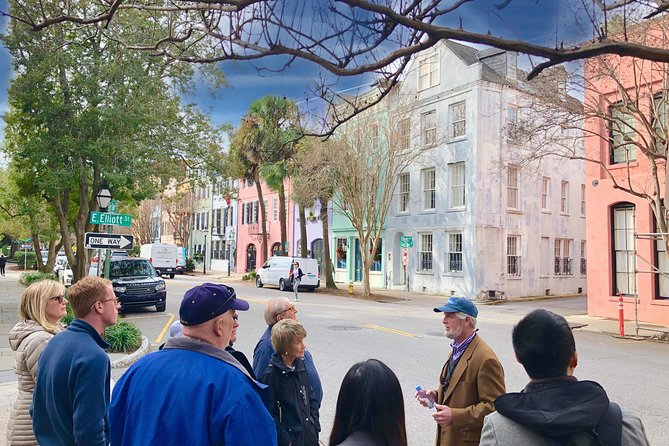
Rainbow Row is one of the tour’s more recognizable stops. The long cluster of Georgian row houses is among Charleston’s most photographed sights, and it gives you a chance to connect the city’s architectural style with the stories you have just heard in the side streets.
You spend about 10 minutes here. That is enough for an explanation and photographs, but not enough for a full architectural study. You do not enter any of the buildings, and admission is not included because the stop is viewed from outside.
I appreciate Rainbow Row being part of an alley-focused tour. You get the famous sight without allowing it to dominate the entire experience. If you only want the classic Charleston photographs, you can find Rainbow Row on your own. The tour earns its price by placing it within a wider route that includes less obvious places and historical context.
This is also a good point to remember that the tour is not a private garden visit or a house museum tour. You may see gates, gardens, and historic facades from public areas, but access inside buildings is not part of the experience.
More History Walking Tours in the USA
- Historic Charleston Walking Tour: Rainbow Row, Churches, and More
★ 5.0 · 691 reviews - Charleston: History and Architecture Guided Walking Tour
★ 4.8 · 349 reviews - Semi-private SMALL group Historic Walking Tours w/certified guide
★ 5.0 · 224 reviews - Charleston walking tour with a Citadel history professor
★ 5.0 · 105 reviews
The French Quarter and stories beyond the postcard
The French Quarter section takes about 30 minutes and includes more points of interest and several alleyways. It gives the walk a different feel from South of Broad, though the supplied details do not promise a specific set of lanes or buildings for every departure.
St. Philip’s Episcopal Church and the Heyward-Washington House museum are among the named sights along the wider route. You view these places from outside rather than touring their interiors. The guide uses them to discuss Charleston’s built environment and the events tied to the city.
This is where a strong guide can turn a pleasant walk into a useful introduction to Charleston. Dennis is repeatedly praised for combining clear historical information with humor and an easy manner. Evans is praised for adding facts about plants and trees, which can help you notice details beyond facades and dates. Duggar is described as enthusiastic, open to questions, and deeply connected to the neighborhood.
The tour also has room for small human moments. One guide has been praised for pointing out plants and pausing for friendly dog encounters. Those details may sound minor, but they can make a two-hour walk feel less like a classroom and more like an introduction to a real neighborhood.
Philadelphia Alley and the limits of a fixed itinerary
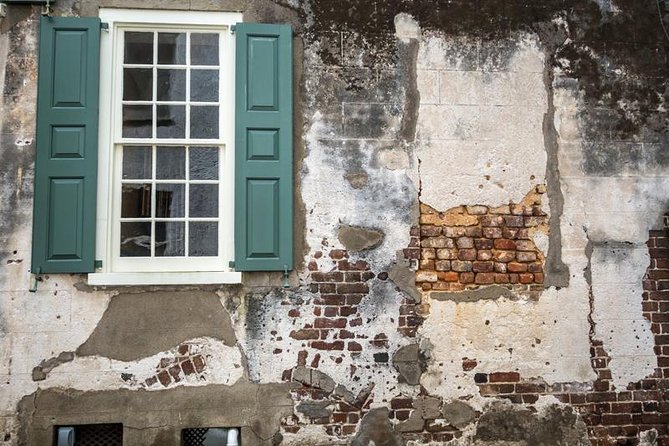
Philadelphia Alley is included as one possible alleyway stop, not as a guarantee for every group. The total expectation is four to six lanes or passages, with the exact choices left to the guide.
That flexible setup is useful if you want to see places you would not find by following a standard sightseeing map. It also creates a small uncertainty: if Philadelphia Alley is the one place you most want to photograph, you should not assume it will be on your route. Ask at the start if it is important to you.
The tour ends back at or near the original meeting point. The return loop makes it convenient to continue sightseeing in central Charleston, and several participants have found the walk helpful for getting their bearings at the start of a stay. I would book it on your first full day if possible, then revisit the lanes and landmarks that caught your eye.
What the guides add to the experience
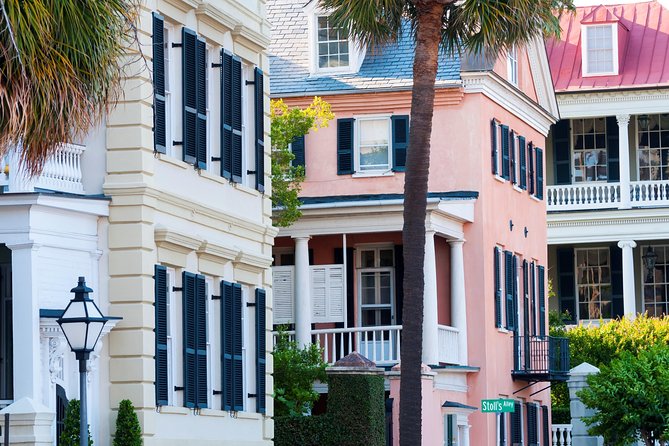
The clearest strength of this tour is its guide team. Dennis is praised for being personable, funny, and full of useful facts. Duggar is praised for his storytelling, enthusiasm, and ability to make individual connections. Evans Byrd brings both local history and horticultural knowledge, while Al Mixson is noted for architecture and a love of the city. Mark Jones is described as informed, passionate, and entertaining.
Those names may help if the booking system lets you choose a guide, but guide selection is not guaranteed in the information provided. The tour’s quality depends heavily on who leads your group and how they handle questions.
I also appreciate that the format allows for more than one version of Charleston. Some guides focus on unsung figures, neighborhood life, plants, or architecture. Others may place more weight on major political and military events. That range can make the experience personal, but it also means you should listen critically and ask questions when a subject matters to you.
One important caution concerns historical coverage. At least one participant found the explanations too narrow, with little attention to Indigenous people and slavery and a stronger emphasis on Confederate history. That is a fair concern in a city whose past includes colonial settlement, enslavement, resistance, war, and major social change. The tour may offer a useful overview, but I would not rely on it as your only source for Charleston’s full story. Ask direct questions and pair the walk with a museum or site that treats slavery and Indigenous history in greater depth.
Is $34 a fair price?
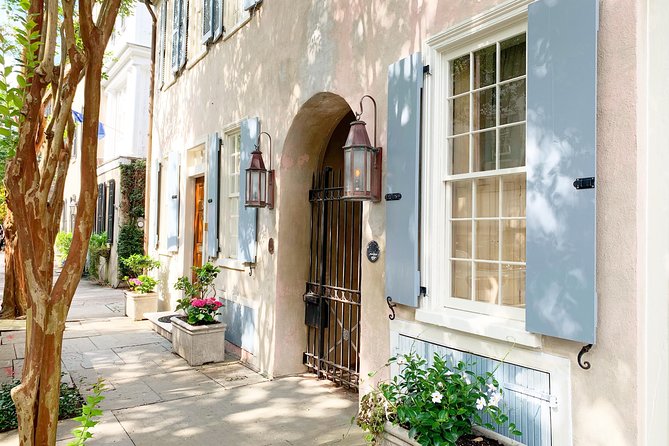
At $34 per person, I consider this a solid value for a two-hour guided walk. You are paying for a licensed local guide, a group limited to 13 people, and a route that combines major landmarks with places you might miss on your own.
The value is strongest if you are new to Charleston. A good guide can help you understand the city’s layout, point out details you would overlook, and give you ideas for places to revisit. The cost is also modest compared with a private tour.
The price is less compelling if you only want entry into historic buildings. No interior admissions are included, and the Old Exchange, Heyward-Washington House, and other buildings are viewed from outside. If house museums are your main interest, you will need separate tickets and more time.
The tour is booked an average of 18 days ahead, so I would not leave it until the final morning of your trip. The 98 percent recommendation rate and 4.9 rating from 2,335 reviews suggest strong consistency, but the varied guide assignments and route choices still make it wise to reserve early if your schedule is tight.
Practical advice for the two-hour walk
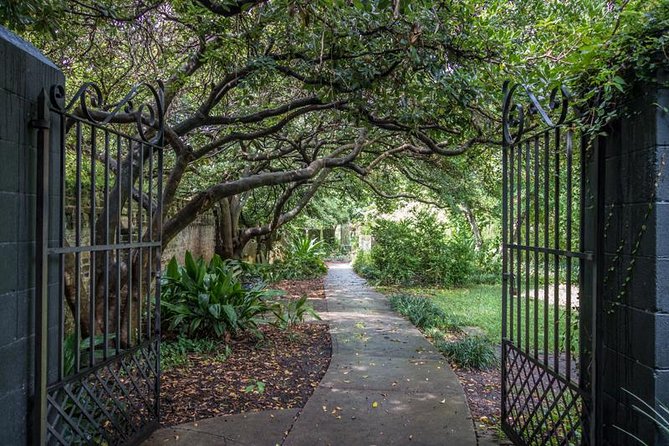
Wear comfortable shoes. Charleston’s historic center is best seen on foot, and the tour includes repeated stops, turns, and movement through narrow lanes. Bring a water bottle, especially in warm weather.
The tour operates in all weather conditions, so check the forecast and dress with purpose. Rain, heat, or cold can change how much you enjoy an outdoor walk. If poor weather forces a cancellation, you are offered another date or a full refund, but normal cancellations must be made at least 24 hours before the start time for a full refund.
Children must be accompanied by an adult. Service animals are allowed, the meeting point is near public transportation, and most people can participate. The group maximum of 13 is small enough for personal attention without the cost of a private tour.
I would also avoid scheduling a tight appointment immediately afterward. Most walks finish in about two hours, but one account describes the tour running roughly 20 minutes over. That may be welcome if the guide is telling a good story, but it matters if you have a lunch reservation or another timed activity.
Who should book this Charleston walk?
I would recommend it to first-time visitors who want a clear introduction to Charleston before exploring alone. It also suits people who enjoy architecture, local anecdotes, residential streets, and a moderate amount of walking.
History fans should book it with one qualification: ask questions about the parts of Charleston’s past that matter most to you, especially Indigenous history, slavery, and the Civil War. The walk can open doors to those subjects, but the coverage may depend on the guide.
I would skip it if you strongly prefer indoor attractions, fixed itineraries, or guaranteed access to historic houses. This is an outdoor orientation walk, not a museum tour.
Should you book it?
Yes, if you want a friendly, reasonably priced introduction to Charleston’s old center with more substance than a simple photo walk. The combination of South of Broad, the French Quarter, Rainbow Row, and several less obvious lanes gives you a useful first look at the city.
Book early, wear practical shoes, and treat the guide as your starting point rather than your only source of historical context. If you can request Dennis, Duggar, Evans, Al, or Mark Jones, those guides have earned especially strong praise for storytelling and local insight. Just remember that the exact guide and route may vary, and no buildings are entered.
FAQ
How long does the Charleston alleyway tour last?
The tour lasts about two hours, though it may occasionally run longer depending on the guide and pace.
Where does the tour begin?
It begins at the north side of the Old Exchange and Provost Dungeon, at 122 East Bay Street in Charleston.
Where does the tour end?
The activity ends back at the meeting point.
Does the tour go inside the Old Exchange or other buildings?
No. The tour views the Old Exchange, Rainbow Row, the Heyward-Washington House, and other sites from outside. Building admission is not included.
How many alleyways will I see?
You can generally expect to visit four to six different alleys or lanes. The exact stops vary by guide, and Philadelphia Alley is one possible stop rather than a guaranteed one.
What is the group size?
The tour has a maximum of 13 participants, allowing for a small-group experience.
What happens if I need to cancel?
You receive a full refund if you cancel at least 24 hours before the start time. Cancellations or changes made less than 24 hours in advance are not refunded. If poor weather or an insufficient number of participants causes cancellation, you are offered another date or a full refund.
More Small-Group History Tours in Charleston
- London Small Group Tour of Historical Pubs
★ 5.0 · 10,422 reviews - Boston: Freedom Trail History Small Group Walking Tour
★ 5.0 · 6,450 reviews - Madrid Tapas & Taverns Small Group Food & History Tour
★ 5.0 · 2,664 reviews - New Orleans Small-Group Haunted History Carriage Tour
★ 4.5 · 2,289 reviews
Latest history tours reviewed in Charleston
- Charleston:Evening Haunted History Horse-Drawn Carriage Tour★ 4.7 · 38 reviews
- Charleston: Sip History Cocktail Making Class w Drinks Incl.★ 4.8 · 28 reviews
- Charleston walking tour with a Citadel history professor★ 5.0 · 105 reviews
- Take a History Tour with an actual Historian – Cooper!★ 4.8 · 61 reviews
- Charleston: Historic City Tour & Magnolia Plantation Combo★ 4.4 · 187 reviews
- Charleston: History and Architecture Guided Walking Tour★ 4.8 · 349 reviews
- Charleston: Historic City Tour and Harbor Cruise★ 4.5 · 260 reviews
- Charleston: Historic Downtown Food Tour★ 4.7 · 67 reviews
Charleston History Tours, compared.
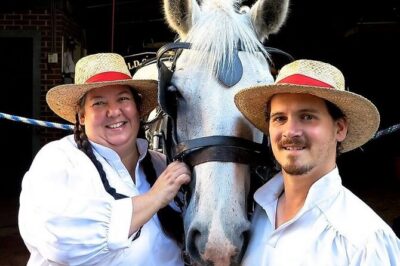
Charleston’s Old South Carriage Historic Horse & Carriage Tour
Read our review →
Historic Charleston Guided Sightseeing Walking Tour
Read our review →
Charleston Horse-Drawn Carriage Tour: Explore Historic Charleston
Read our review →
Charleston Harbor History Day-Time or Sunset Boat Cruise
Read our review →
Charleston: Daytime or Sunset Historic Harbor Cruise
Read our review →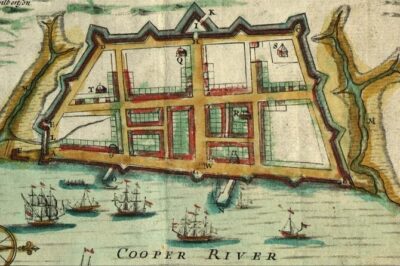
Charleston historical walking tour with a Professor of History at The Citadel
Read our review →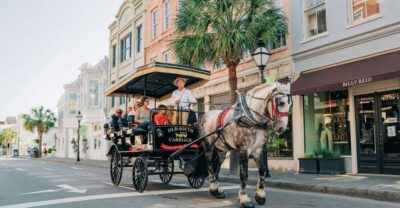
Charleston: Historical Downtown Tour by Horse-drawn Carriage
Read our review →
Undiscovered Charleston: Half Day Food, Wine & History Tour with Cooking Class
Read our review →Browse the lists this tour appears in