
Review · BOSTON
Boston: Freedom Trail History Small Group Walking Tour
Boston’s Freedom Trail is most useful when someone explains how the city’s churches, graveyards, meetinghouses, and streets fed the American Revolution. This 2.5-hour walking tour follows all 16 official landmarks, from Boston Common to Copp’s Hill Terrace, with special attention to the tense years from 1760 to 1775.
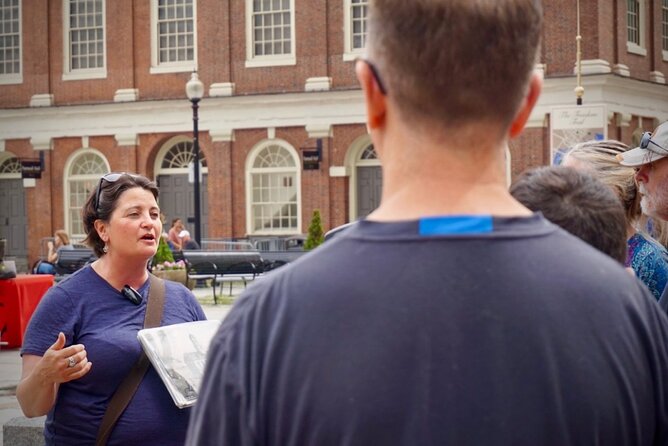
I like the small group size, capped at 16 people, and the way the guides build the story in time order. Guides such as Jon, Maura, Mark, Alejandro, and Maz have earned praise for clear storytelling, lively answers, and a real feel for Boston’s past.
The tradeoff is simple: you see the buildings from the outside, not inside. You also spend most of 2.5 hours on your feet, and Boston’s winter wind can be fierce. Plan your shoes and clothing with care.
Key points to know before you book
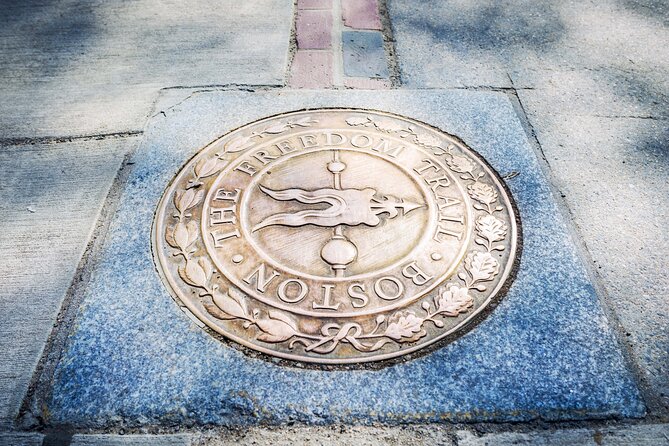
- All 16 Freedom Trail landmarks: The route covers the full official trail, including Boston Common, Granary Burying Ground, Faneuil Hall, Paul Revere’s home, and Copp’s Hill.
- A chronological history lesson: The guide focuses on the years leading to the Revolution, helping you connect separate sites into one unfolding story.
- Small groups capped at 16: You can ask questions without shouting across a crowd, and the guide can respond to the group more easily.
- No interior admissions included: The tour is about the outdoor route and storytelling. You can return afterward to visit selected churches and meetinghouses.
- A useful first-day activity: The route cuts through central Boston and the North End, giving you both historical context and a practical introduction to the city.
- Expect steady walking: The route is wheelchair and stroller accessible, but you should be comfortable standing and walking for extended periods.
Why this Freedom Trail walk works so well
The Freedom Trail is easy to follow on your own, but the individual stops can feel disconnected without context. A graveyard is just a graveyard until you understand who is buried there. A church becomes more interesting when you learn how its congregation shaped Boston politics or helped spread news of the British military presence.
This tour gives you that connecting thread. The guide focuses on the period from 1760 to 1775, when disputes over taxation, military occupation, representation, and local control pushed Boston toward open conflict. You are not simply checking off landmarks. You are watching pressure build from one stop to the next.
I especially like the chronological approach. Strong guides such as Jon have been praised for keeping the story in order, while Maura and Maz are known for using vivid storytelling rather than delivering a dry list of dates. The result should work well for a first visit, but it can also add useful detail if you already know the basic Revolution story.
The price is $35.10 per person. That is a fair fee for a 2.5-hour guided walk with a maximum of 16 people, especially in a city where a good explanation can save you time and help you notice details you might otherwise miss. You are paying for the guide’s preparation and interpretation, not for admission to buildings.
More History Walking Tours in Boston
- Boston: Freedom Trail History Small Group Walking Tour
★ 4.9 · 1,590 reviews - Boston Pizza Lovers Food and History Walking Food Tour
★ 4.5 · 1,082 reviews - Boston History Tour: Scenic Walk Through Time & Landmarks
★ 5.0 · 627 reviews
Starting at the Boston Foundation Monument
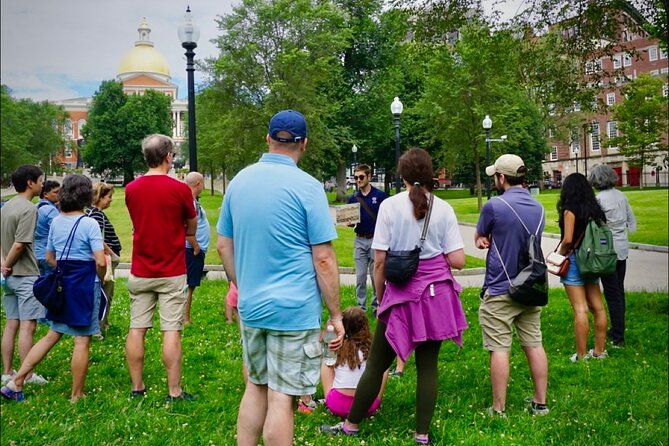
The meeting point is the Boston Foundation Monument inside Boston Common, near the park’s northern boundary and opposite 50 Beacon Street. This is a sensible place to begin because the monument introduces Boston’s early colonial story before the tour turns toward the Revolution.
The granite memorial includes a bronze relief showing two men shaking hands, representing the arrival of the Puritans in 1630. From here, the group moves into Boston Common, the oldest public land in the Americas and once a communal grazing pasture.
Boston Common is not just a pleasant green space. It helps explain the physical shape of old Boston. Public land, burial grounds, meeting places, and narrow streets all played different roles in the city’s civic life. Your guide also points out the Massachusetts State House, completed in 1798, and its famous nickname, the Hub of the Solar System.
You will spend about 20 minutes in and around Boston Common. This opening section gives the guide room to explain the city before the group reaches the more familiar Revolutionary sites.
Granary Burying Ground and Boston’s early leaders
The next major stop is Granary Burying Ground, Boston’s third-oldest burying ground. It is the final resting place of several important figures from Revolutionary Boston, making it one of the most meaningful stops on the route.
The guide can help you understand the graveyard as part of the city’s political world, not just a collection of old stones. Burial sites here connect to the people who shaped Boston’s public life, including figures associated with the struggle against British rule.
The route also passes King’s Chapel, the first Church of England in Puritan Boston, and the city’s oldest burying ground. These stops show the religious divisions of colonial Boston and remind you that the city was never politically or socially uniform.
You do not enter the churches on this tour. That is one of the main limitations to keep in mind. If you want to see the interiors, plan a return visit. Old South Meeting House and Old North Church offer discounted admission with a Hub Town Tour ticket, and King’s Chapel is expected to offer the same discount soon. Confirm the current arrangements when you book or arrive.
Benjamin Franklin, Boston Latin School, and civic power
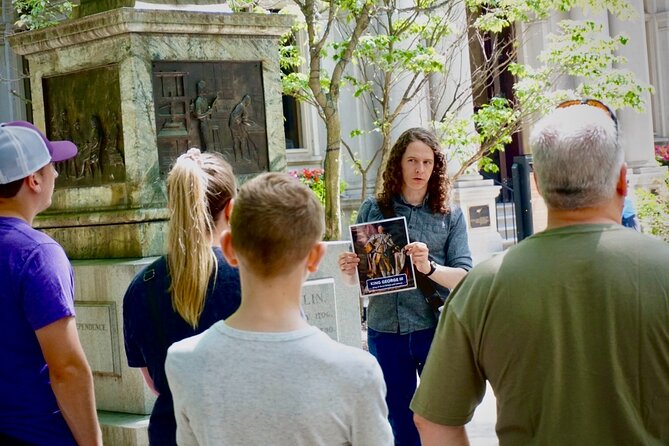
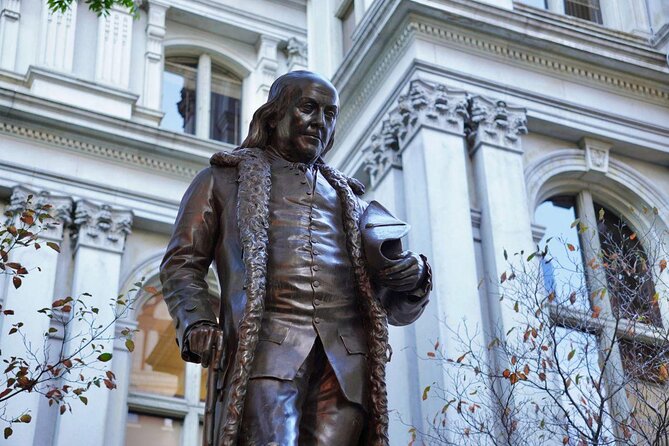
The statue of Benjamin Franklin marks the former site of Boston Latin School, founded in 1635 and often described as the oldest public school in the Americas. This is a compact stop, but it opens a larger question: who had access to education and public influence in colonial Boston?
Franklin was born in Boston and became a printer, writer, scientist, diplomat, and political leader. The statue and school site provide a natural chance to discuss the city’s culture of printing, debate, and public argument.
The route then passes several places tied to Boston’s civic and commercial life. These include the center of Boston politics for more than a century and the former publishing house of Ticknor & Fields. The tour also reaches a Congregationalist meetinghouse linked to the Boston Tea Party.
At this point, the walk begins to show how religious buildings, publishing businesses, political meetings, and street protests overlapped. Boston’s Revolution was not created in one famous moment. It grew through arguments repeated in meetinghouses, newspapers, taverns, and public spaces.
More History Walking Tours in the USA
- Beacon Hill Boston History + Photo Walking Tour (SMALL Group)
★ 5.0 · 163 reviews - Boston: 2-Hour Historic Walking Tour
★ 4.7 · 88 reviews - Boston: Historic Pubs Walking & Ferry, Food & Drink Tour
★ 4.9 · 56 reviews - Boston: Seafood Tasting & Historical Walking Tour
★ 5.0 · 28 reviews
The Boston Massacre Site and the road to rebellion
The Boston Massacre Site is one of the most important stops on the tour. On March 5, 1770, British soldiers killed five Bostonians here. The event became a powerful political tool for those opposing British authority.
This is where a good guide matters. The site itself is marked in the middle of a modern city, so it takes explanation to picture the colonial street and understand why the incident carried such force. You can expect the guide to discuss the political use of the event, the tension between troops and residents, and the way competing accounts shaped public opinion.
The route also passes the former colonial capitol of Massachusetts Bay Colony, completed in 1713 and regarded as Boston’s oldest public building. This stop helps balance the story. The Revolution was not only a street struggle. It was also a fight over institutions, law, taxation, and the authority of elected bodies.
A well-told account here should leave you with a more careful view of the period. The Boston Massacre was both a human tragedy and a piece of political messaging, and the tour gives you a chance to see how those two facts fit together.
Faneuil Hall and the Cradle of Liberty
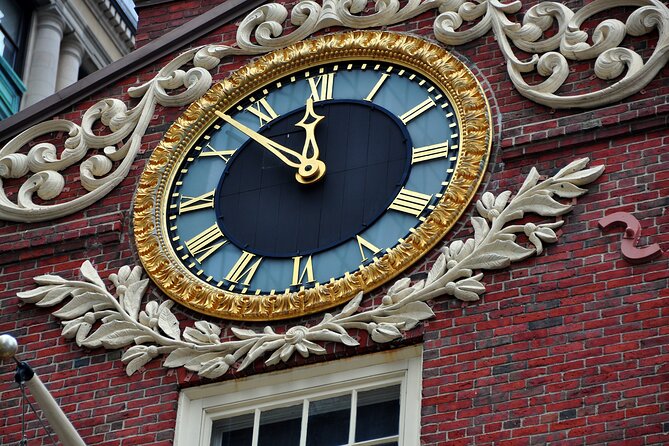
Faneuil Hall was completed in 1742 and hosted Boston town meetings. Its nickname, the Cradle of Liberty, reflects its role as a place where residents argued about public affairs and resistance to British policies.
The hall remains a busy part of central Boston, with Faneuil Hall Marketplace nearby. That modern activity can make it harder to picture the colonial setting, but the guide helps restore the building’s civic importance.
This is also a good place to ask questions. The small group format makes it easier to pause for clarification about the town meetings, the role of merchants, or the difference between protest and open rebellion.
The tour passes the historic building containing the United States’ oldest restaurant, established in 1826. You are not dining there as part of the experience, but the stop adds another layer to the neighborhood’s long public life. If you want lunch or dinner afterward, Faneuil Hall and the North End provide plenty of nearby choices.
North Square, Paul Revere, and the North End
North Square marks the transition from central Boston into the North End. It is a historic public square and one of the more atmospheric parts of the walk, with a stronger neighborhood feel than the broad spaces near Boston Common.
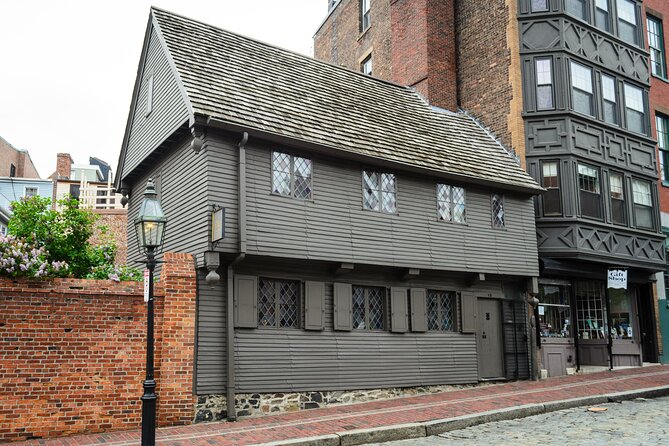
The Paul Revere House is here. Built around 1680, it is the oldest structure in downtown Boston and the former home of Paul Revere. The tour explains Revere’s place in the story of the Revolution, but admission inside the house is not included.
That distinction matters. If Paul Revere is a major reason you are visiting Boston, you may want to return for the interior visit and additional interpretation. On the walking tour, you get the setting and the story without spending time inside, which helps the group cover the entire trail within the scheduled period.
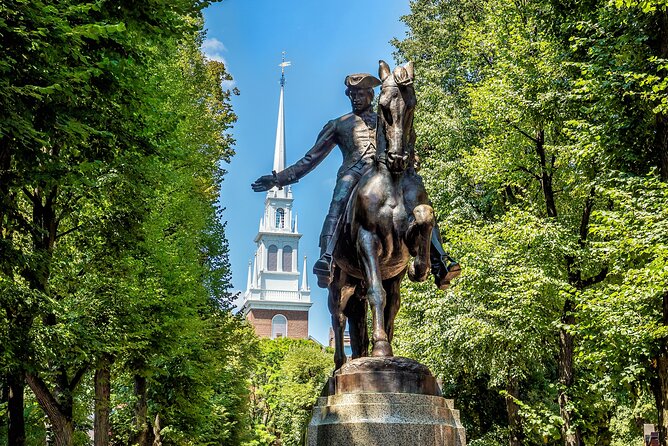
The Paul Revere Statue sits nearby in a pedestrian-only area honoring the famous midnight ride of 1775. This is a natural place for the guide to explain what Revere actually did, how the alarm system worked, and why later retellings helped turn the ride into a national legend.
The North End is also a practical place to continue your day. The tour ends close to Hanover Street, where you will find Italian restaurants, pastry shops, pizza, and other food options. The endpoint is useful if you want to turn the history walk into an evening meal.
Old North Church and the final walk to Copp’s Hill
The route continues past Old North Church, Boston’s oldest church. It is famous for the signal lanterns associated with Paul Revere’s midnight ride. Again, the tour views the building from outside, so plan separate time if you want to enter.
The walk also passes the second-oldest burying ground in Boston before reaching Copp’s Hill Terrace. This final section brings the story back to the city’s religious, political, and military tensions.
Copp’s Hill Terrace is a strong ending point. From here, you can look across the Charles River toward the U.S.S. Constitution and Bunker Hill Monument. The monument recalls the 1775 battle, one of the first major clashes of the Revolution.
The ending also gives you a useful sense of Boston’s geography. You have crossed from Boston Common through the old civic center and into the North End, finishing with views toward Charlestown and two major Revolutionary landmarks that are not included in this tour.
Charlestown is specifically excluded, so do not expect to visit Bunker Hill Monument or the U.S.S. Constitution during this walk. You can use the view to plan a separate visit.
What the 16-person format means in practice
A maximum of 16 people is a meaningful advantage on a walking tour. The guide can usually keep the group together more easily, and you have a better chance to hear explanations and ask questions.
The small group also supports the tour’s strongest feature: conversation. Several guides, including Krista, Cal, Kiera, Nick, Will, Miles, and Amelia, have been praised for answering questions and making the history feel alive. The guide you receive will vary, but the format gives that person room to respond rather than simply recite a script.
Expect the walk to last about 2.5 hours. You need a moderate level of fitness because there is extended standing and walking. The route is wheelchair and stroller accessible, and service animals are allowed, but anyone who has trouble standing for long periods should think carefully before booking.
Weather matters. Recent winter departures have included freezing temperatures, wind, and cold sidewalks. Guides may use available indoor or covered spaces for short warm-up breaks, but this is still an outdoor walking tour. Wear warm layers in winter and comfortable shoes in every season.
Who should book this Boston tour?
I would choose this walk for a first visit to Boston, especially if you want the Freedom Trail explained rather than simply followed. It is also a strong pick for history fans who enjoy political debate, famous personalities, and the small details behind well-known events.
Families can do well here if older children are comfortable walking and listening for 2.5 hours. A family with children aged 11 and 14 completed the walk successfully, but younger children may find the amount of historical explanation demanding.
You might prefer a different plan if your main goal is to enter historic buildings, spend time in museums, or visit Charlestown. This tour does not include interior admissions, the U.S.S. Constitution, or Bunker Hill Monument.
Book at least a few weeks ahead if your schedule is fixed. The tour is often reserved about 22 days in advance, suggesting that popular dates can fill. You may cancel for a full refund up to 24 hours before the start time. Poor weather or failure to reach the minimum group size can lead to a rescheduled experience or full refund.
Should you book the Freedom Trail History Small Group Walking Tour?
Book it if you want the full 16-stop route, a guide who can explain the connections between sites, and a manageable group rather than a large crowd. At $35.10, the cost is reasonable for 2.5 hours of focused local history and city orientation.
Skip it if you dislike long periods outdoors or want to tour the interiors of Boston’s churches and historic homes as part of the same booking. For most first-time visitors, though, this is a practical way to get your bearings and understand why Boston’s streets mattered before and during the American Revolution.
FAQ
Where does the tour begin?
The tour begins at the Boston Foundation Monument inside Boston Common, near the park’s northern boundary and opposite 50 Beacon Street, Boston, MA 02108.
Where does the tour end?
The tour ends at Copp’s Hill Terrace at 520 Commercial Street in Boston’s North End.
How long does the tour last?
The walking tour lasts approximately 2 hours and 30 minutes.
How many people can join the tour?
The group is limited to a maximum of 16 people.
Does the tour visit all 16 Freedom Trail landmarks?
Yes. The tour includes all 16 official historic landmarks on the Freedom Trail.
Are admissions to historic buildings included?
No. Admission inside museums, churches, and historic buildings is not included.
Is the tour wheelchair and stroller accessible?
Yes. The experience is wheelchair and stroller accessible. It also allows service animals.
What happens if I need to cancel?
You can receive a full refund if you cancel at least 24 hours before the experience start time. Cancellations or changes within 24 hours are not refunded. If poor weather or insufficient bookings causes the tour to be canceled, you will be offered another date or a full refund.
More Small-Group History Tours in Boston
- Boston Freedom Trail History Pub Crawl Small-Group Tour
★ 5.0 · 996 reviews
Latest history tours reviewed in Boston
- Boston: Underground Railroad History Tour of Beacon Hill★ 4.9 · 38 reviews
- Boston: Ultimate Historic Food & Drink Tour★ 4.7 · 20 reviews
- Boston: Historic Pubs Walking & Ferry, Food & Drink Tour★ 4.9 · 56 reviews
- Boston History & Highlights Tour: From Revolution to Today★ 4.8 · 178 reviews
- Boston: Seafood Tasting & Historical Walking Tour★ 5.0 · 28 reviews
- Boston: Haunted Pub Crawl of Historic Pubs and Taverns★ 4.6 · 127 reviews
- Boston: History & Haunts Guided Ghost Tour★ 4.3 · 154 reviews
- Boston: 2-Hour Historic Walking Tour★ 4.7 · 88 reviews
Boston History Tours, compared.
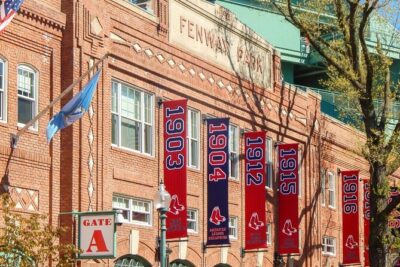
Tour of Historic Fenway Park, America’s Most Beloved Ballpark
Read our review →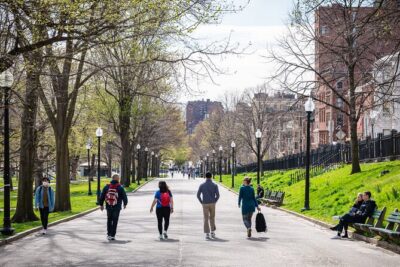
Boston Food & History: Pizza, North End & Freedom Trail
Read our review →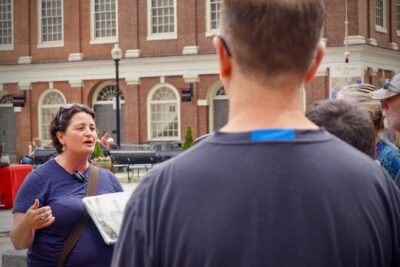
Boston: Freedom Trail History Small Group Walking Tour
Read our review →
City Cruises Boston Historic Sightseeing Harbor Cruise
Read our review →
Boston Pizza Lovers Food and History Walking Food Tour
Read our review →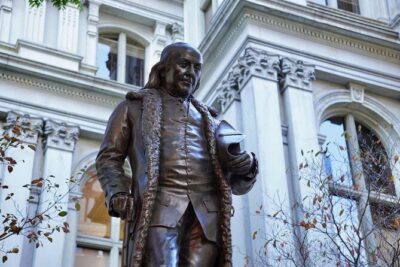
Boston Freedom Trail History Pub Crawl Small-Group Tour
Read our review →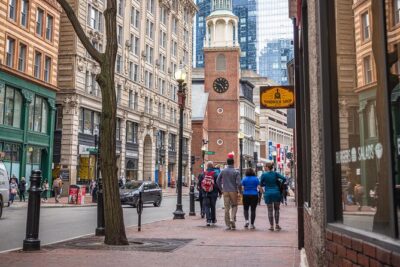
Boston History Tour: Scenic Walk Through Time & Landmarks
Read our review →
Boston History & Highlights Tour: From Revolution to Today
Read our review →Browse the lists this tour appears in