
Review · CHARLESTON
Charleston: Historic City Tour & Magnolia Plantation Combo
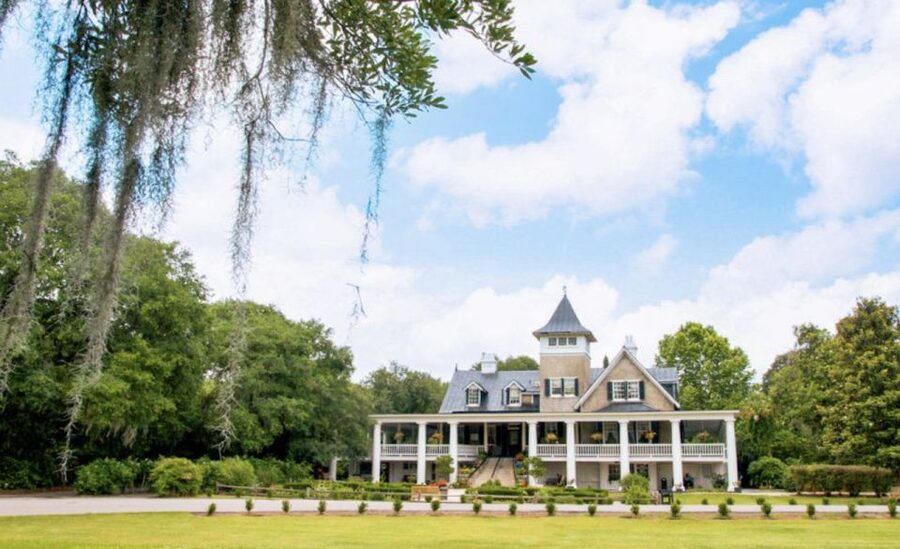
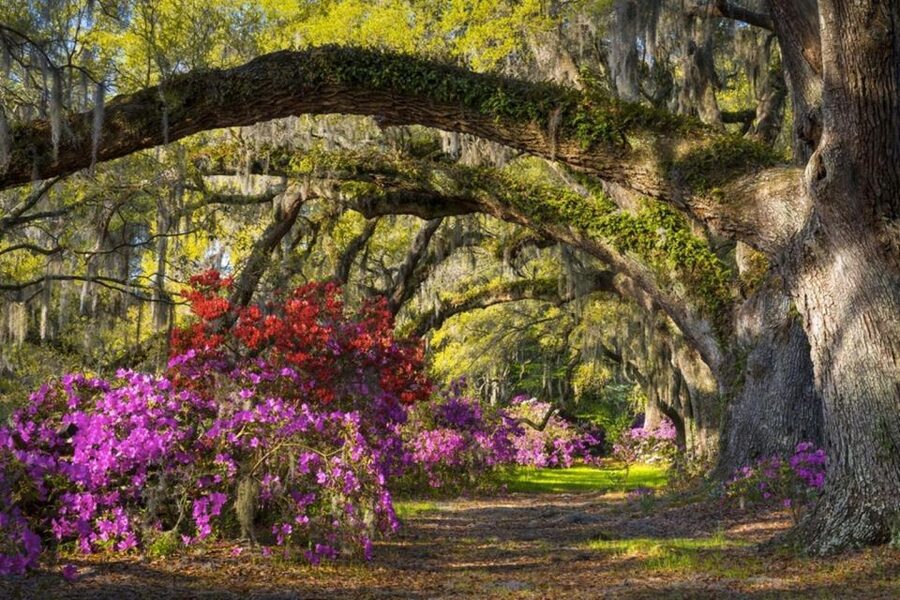
Magnolia Plantation is the heart of this outing. Its winding Romantic gardens, Spanish moss, and Audubon swamp gardens offer a wilder feel than a neatly clipped formal park, while the nature tram gives you a fair chance to spot alligators, turtles, egrets, and herons. I especially like the nearly 600-acre setting and the chance to pair plants and wildlife with a guided house visit.
The Charleston portion helps you get your bearings fast. I like seeing The Battery Sea Wall, Rainbow Row, the Four Corners of Law, old churches, and the Old Market Area in one sitting, especially with local stories from guides such as John and Scott. The main drawback is the schedule: the plantation can take most of the day, and you may switch vehicles before the city tour.
Key points to know before booking

- Magnolia’s gardens feel natural rather than heavily manicured, with paths, Spanish moss, swamp scenery, and seasonal flowers.
- The 30-minute nature tram passes through Audubon swamp gardens, where you can watch for alligators, turtles, egrets, and herons.
- The historic city tour covers more than 100 sights from a climate-controlled vehicle in about 90 minutes.
- The two tour sections may not use the same bus or guide, so allow time for a transfer in Charleston.
- The $110 price is reasonable for a non-driver, since admission, plantation transportation, and the city tour are bundled together.
- Heat, mosquitoes, and limited free time matter, so bring comfortable shoes, a camera, and water for the plantation portion.
Why Magnolia Plantation makes this combo worthwhile
This is not simply a garden visit followed by a quick drive around town. Magnolia Plantation connects Charleston’s colonial past, the Drayton family’s long ownership, and the region’s coastal plant life in one stop.
The property dates to 1676, when South Carolina was still a British colony. The Drayton family has owned it for 12 generations, and the gardens have been open to the public since 1870. That makes Magnolia one of America’s earliest public gardens and one of the country’s first tourist attractions.
I find the garden experience more interesting because it does not feel like a single polished display bed. Paths lead through a broad property where flowers, wetlands, trees, and Spanish moss share the same setting. One area may feel carefully planted, while the next opens toward swamp and wildlife.
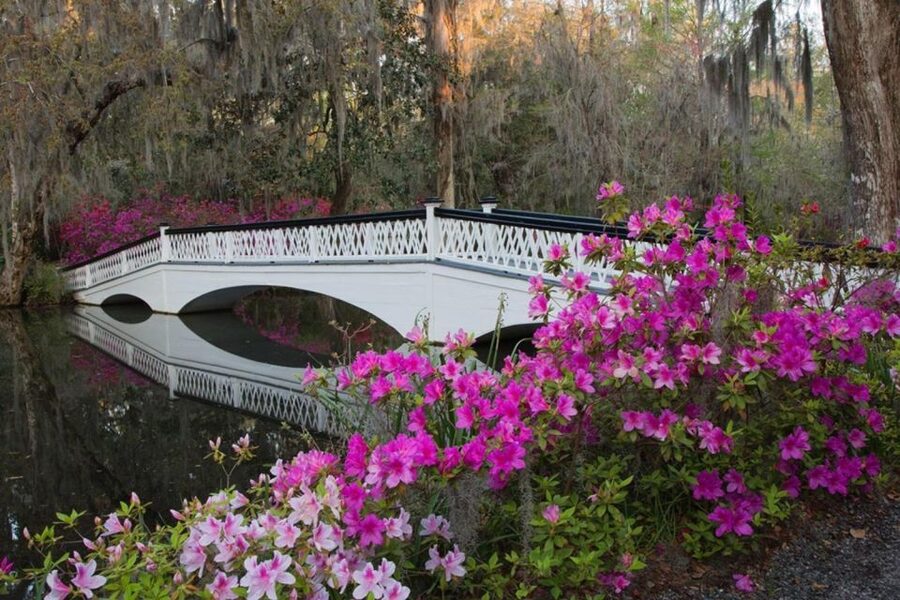
The gardens are known as America’s last large-scale Romantic garden. You do not need to be a serious gardener to enjoy the design. The appeal is the changing pace: flowers and paths near the main garden, then darker water and moss-covered trees around the swamp areas.
The plantation has a strong seasonal element. Spring brings especially attractive blooms, but the setting remains worth seeing at other times because the trees, water, and wildlife carry much of the experience. Bring a camera, but leave room in your plan for simply walking and looking.
More History Tours in Charleston:
- Charleston’s Old South Carriage Historic Horse & Carriage Tour
★ 5.0 · 10,023 reviews - Historic Charleston Guided Sightseeing Walking Tour
★ 5.0 · 6,216 reviews - Charleston Horse-Drawn Carriage Tour: Explore Historic Charleston
★ 5.0 · 3,561 reviews
What you do at the plantation
Your day begins at the Charleston Visitor Center on Meeting Street, where you board a climate-controlled vehicle. The ride to Magnolia gives the guide time to frame the area’s history and explain what to expect.
Guides have been one of the strongest parts of the experience. John has been praised for combining facts, humor, and practical advice, including restaurant suggestions. Scott has also been noted for speaking clearly enough for passengers in the back and sharing local details during both legs of the drive.
At Magnolia, the driver may drop you at the entrance while you explore independently. This is an important point: the transportation guide is not necessarily your personal guide through every part of the plantation. Magnolia has its own staff and guides for the house and other activities.
That arrangement gives you freedom, but it can also feel confusing at first. Pay close attention to the pickup time and meeting instructions. The property is large, and it is easy to spend longer on a garden path than planned.
The 30-minute narrated nature tram is a useful way to cover ground. It travels through the Audubon swamp gardens, where you might see alligators, turtles, egrets, and herons. Wildlife is never guaranteed, but this section adds something a standard garden walk cannot provide.
The tram can feel rushed if you want to stop and study every view. Think of it as an introduction to the wider property rather than a complete exploration. If you have mobility concerns or prefer a slower pace, the tram also reduces the amount of ground you need to cover on foot.
The 30-minute Magnolia Plantation Home tour adds a human layer to the gardens. The house is historically interesting, though some visitors find it less impressive than the grounds. The house guide is separate from the transportation guide, and the quality of the explanation can make a real difference. The plantation’s house staff have been praised for knowing their material well.
Some additional plantation activities may require separate tickets or more time. One person chose the slave quarters tour and found it especially worthwhile, while another skipped a cabin tour because there was not enough time. If the history of enslavement is central to your visit, ask about the available options as soon as you arrive and check whether your schedule allows them.
That point matters. A plantation visit should not be treated as only a pretty garden stop. Magnolia’s beauty exists alongside the labor and slavery that shaped the plantation economy. The available tours do not all cover the same material, so you should not assume the basic house visit tells the whole story.
The Charleston city tour in 90 minutes
After Magnolia, you return to Charleston for the city portion. The city tour lasts about 1.5 hours and uses a climate-controlled vehicle, a welcome break after time outdoors.
The route takes in more than 100 historic and modern landmarks. You see major sights rather than stopping at each one, so this is best viewed as an overview. I like this format early in a Charleston visit because it shows you how the main areas fit together before you explore on foot.
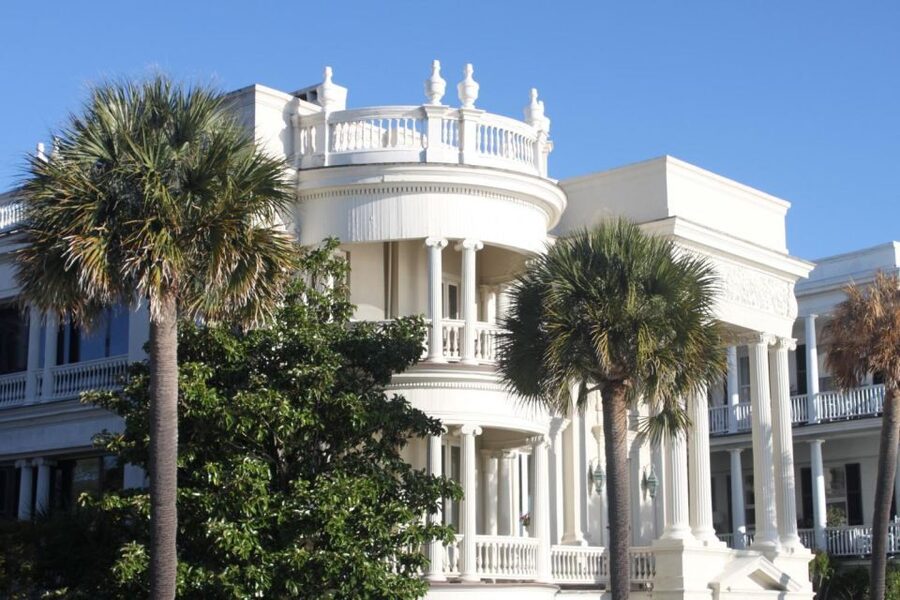
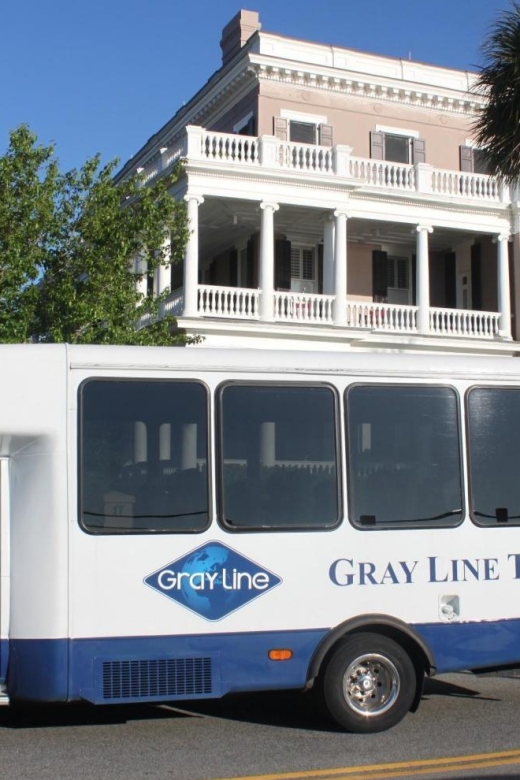
The Battery Sea Wall is one of the key moments. This waterfront edge offers views toward Charleston Harbor and gives you a sense of the city’s coastal setting. Rainbow Row provides the postcard-famous row of colorful historic homes, while the Old Market Area brings you into one of the city’s best-known historic districts.
You also pass the Four Corners of Law, historic churches, old markets, historic homes, and picturesque neighborhoods. The guide’s stories and anecdotes are what turn the route from a checklist into a useful introduction.
Still, do not book this city section expecting a slow walking tour. You see many sights from the vehicle, but the time is short. If you want interior visits, long photo stops, or detailed architectural study, plan separate time in Charleston.
The city tour’s timing can also be affected by traffic and the length of the plantation visit. A few people have arrived back later than expected or felt pressed for time before the city portion. I would avoid booking a fixed dinner reservation immediately afterward. A 7 p.m. reservation or later gives you a safer buffer, especially in hot weather.
The vehicle change is the main planning issue

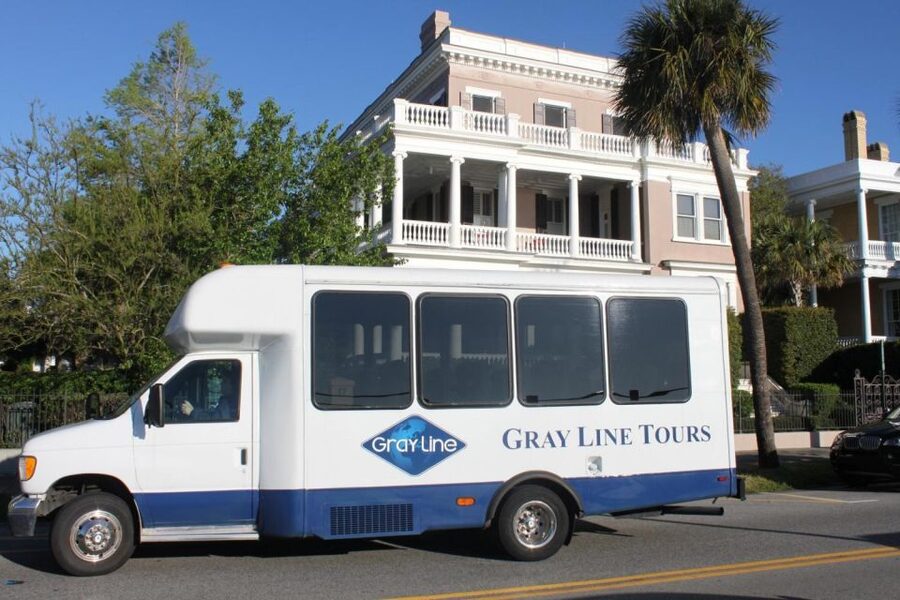
The wording of this combo can make it sound like one continuous tour with one bus and one guide. In practice, the plantation and city sections may operate as two separate tours. You may return to the original meeting area and then board another vehicle for Charleston.
That is not a major problem when you know it in advance. It becomes frustrating only when you expect to stay with the same group. The vehicles may also differ in size, although the plantation transport is described as a small group service limited to six participants, while past operation has included van-type vehicles of around 20 passengers.
The small-group format is a plus for the ride to Magnolia. You can hear the guide more easily, and the experience feels less like being moved through town in a crowd. The city vehicle may be larger, so the atmosphere can change between sections.
Arrive at the Charleston Visitor Center 15 minutes before departure. The meeting point is 375 Meeting Street. Hotel pickup and drop-off are not included, so you need to make your own way there.
The transportation is climate-controlled, which matters during Charleston’s hot and humid months. Tours operate rain or shine, so light rain should not automatically stop your plans. The plantation, however, is still an outdoor visit. Comfortable clothes, sturdy shoes, and a camera are sensible choices.
Food and drinks are not allowed in the vehicle. This is worth planning around because the plantation portion can stretch for several hours, and food service may not be available immediately when you arrive. Bring water for use before or after the ride, and confirm the current food arrangements rather than relying on a quick snack stop.
Mosquitoes are another practical concern. Bug spray is a smart addition, especially around the swamp gardens and in warm weather. The combination of sun, humidity, walking, and waiting can make the day feel longer than the six-hour description suggests.
Same old streets, another chapter:
- Charleston Harbor History Day-Time or Sunset Boat Cruise
★ 4.5 · 2,788 reviews - Hidden Alleyways and Historic Sites Small-Group Walking Tour
★ 5.0 · 2,335 reviews - Charleston: Daytime or Sunset Historic Harbor Cruise
★ 4.5 · 1,352 reviews - Charleston historical walking tour with a Professor of History at The Citadel
★ 5.0 · 1,284 reviews
Is $110 a fair price?

At $110 per person, this is a solid package for someone who does not want to rent a car or organize Magnolia Plantation independently. The price includes transportation, Magnolia admission, the plantation visit, and a guided Charleston overview.
You are paying for convenience as much as sightseeing. The driver handles the route to Magnolia, you do not have to navigate the large property yourself, and the city tour brings the major landmarks into one compact circuit.
The value is best if you plan to see both Magnolia and Charleston in a single day. Paying separately for transportation to the plantation and then arranging a city tour could cost more, though the exact difference depends on your choices.
The tradeoff is control. A private visit gives you more freedom to linger in the gardens, add plantation activities, stop for lunch when you want, or return to a favorite area. This combo gives you a set schedule and less room for wandering.
I would also factor in what you want from the city tour. If you need a quick orientation, it is useful. If your main aim is a detailed study of Charleston’s houses and architecture, spend another half-day walking after the tour or choose a longer city-focused experience.
Who will enjoy this six-hour day?
This tour suits first-time visitors who want a broad introduction without driving. It is also a good choice if your Charleston stay is short and you want to see both a major plantation and the historic center.
Families may like the mix of transport, gardens, wildlife, and city sights. The nature tram can make Magnolia easier for children than a long walk through the grounds, and one family particularly enjoyed the petting zoo. Still, the heat and length of the day can test younger children, so pack carefully and keep your expectations realistic.
It works well for people who enjoy gardens but also want history. Magnolia is not only a floral display, and Charleston is not only a string of pretty houses. The combination gives you nature, architecture, local stories, and difficult plantation history in one outing.
It is less suited to anyone who dislikes fixed schedules. You will need to watch the time at Magnolia, return for pickup, and possibly change vehicles before the city tour. Visitors who want a relaxed lunch, a full plantation program, or a long independent walk may feel hurried.
The tour also deserves thought from anyone with limited stamina. There are outdoor paths, heat, and time on your feet. The climate-controlled vehicle and nature tram help, but the day still includes a large property and a city circuit.
My practical plan for booking and using the day
I would schedule this near the start of a Charleston stay. The city portion gives you a useful map of the main districts, while the plantation visit introduces a different side of the region. You can then return to the Battery, Rainbow Row, churches, and markets on foot later.
Wear shoes that can handle uneven garden paths. Choose light, comfortable clothing, and take sun and insects seriously. A camera is worth bringing, particularly for the Spanish moss, swamp views, and flowers.
Build in extra time after the official six hours. The city portion is listed as 1.5 hours, but the plantation visit, return ride, vehicle change, and traffic can shift the finish. I would not pair this with a tightly timed dinner, theater booking, or another attraction.
If plantation history matters to you, ask directly about the house tour and any slave quarters or cabin options when you arrive. The standard schedule may not leave enough time for every ticketed activity. You may need to choose between a fuller garden visit and an additional history tour.
Finally, listen carefully to the pickup instructions. The main difficulty is not finding the sights. It is knowing which vehicle returns for you and where the city portion begins.
Should you book the Magnolia Plantation and Charleston combo?
Book it if you want an efficient first look at Charleston and Magnolia, prefer not to drive, and accept a busy schedule. The gardens, wildlife tram, house tour, and historic city sights make the $110 cost reasonable for a bundled day.
Skip it if you want to explore Magnolia at your own pace, need a leisurely meal, or want a detailed city walking tour. In that case, separate visits will give you more control.
For most first-time visitors with limited time, I think this is a useful introduction. Just treat it as an overview, not the final word on Charleston or plantation history, and plan a little breathing room around the schedule.
FAQ

How long does the tour last?
The full experience lasts about six hours. The Charleston city portion lasts 1.5 hours, while the rest of the time includes transportation and the Magnolia Plantation visit.
Where does the tour meet?
You meet at the Charleston Visitor Center, 375 Meeting Street, Charleston, South Carolina 29403. Arrive 15 minutes before departure.
Is transportation included?
Yes. Transportation by climate-controlled bus or vehicle is included, along with admission to Magnolia Plantation and the 1.5-hour guided Charleston tour.
Is hotel pickup included?
No. Hotel pickup and drop-off are not included, so you must reach the Charleston Visitor Center yourself.
What can I see at Magnolia Plantation?
You can visit the Romantic gardens, take a 30-minute narrated nature tram through the Audubon swamp gardens, and take a 30-minute Magnolia Plantation Home tour. You might see alligators, turtles, egrets, and herons.
Does one guide lead both parts of the tour?
Not necessarily. The plantation and city sections may use different vehicles and guides. Guides named John and Scott have led some departures, but a specific guide cannot be guaranteed.
Are food and drinks allowed in the vehicle?
No. Food and drinks are not allowed in the vehicle. You should plan ahead because the plantation portion can take several hours.
What should I bring?
Bring a camera, comfortable clothing, and comfortable shoes. Bug spray and water are also sensible for the outdoor plantation visit, particularly in warm weather.
Does the tour run in bad weather?
Yes. Tours operate rain or shine. Consider clothing and footwear suitable for outdoor paths and changing weather.
Latest history tours reviewed in Charleston
- Charleston:Evening Haunted History Horse-Drawn Carriage Tour★ 4.7 · 38 reviews
- Charleston: Sip History Cocktail Making Class w Drinks Incl.★ 4.8 · 28 reviews
- Charleston walking tour with a Citadel history professor★ 5.0 · 105 reviews
- Take a History Tour with an actual Historian – Cooper!★ 4.8 · 61 reviews
- Charleston: Historic City Tour and Harbor Cruise★ 4.5 · 260 reviews
- Charleston: Historic Downtown Food Tour★ 4.7 · 67 reviews
- Charleston: History and Architecture Guided Walking Tour★ 4.8 · 349 reviews
- Charleston: Boone Hall & Historic City Tour Combo★ 4.6 · 100 reviews
Charleston History Tours, compared.

Charleston’s Old South Carriage Historic Horse & Carriage Tour
Read our review →
Historic Charleston Guided Sightseeing Walking Tour
Read our review →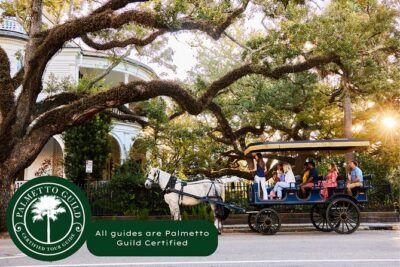
Charleston Horse-Drawn Carriage Tour: Explore Historic Charleston
Read our review →
Charleston Harbor History Day-Time or Sunset Boat Cruise
Read our review →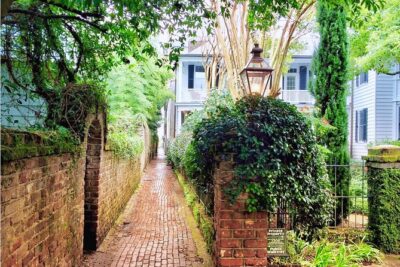
Hidden Alleyways and Historic Sites Small-Group Walking Tour
Read our review →
Charleston: Daytime or Sunset Historic Harbor Cruise
Read our review →
Charleston historical walking tour with a Professor of History at The Citadel
Read our review →
Charleston: Historical Downtown Tour by Horse-drawn Carriage
Read our review →Browse the lists this tour appears in