

Review · CHARLESTON
Charleston walking tour with a Citadel history professor
Charleston’s past comes alive in its old alleys and graveyards, where a skilled guide can connect a weathered building or quiet churchyard to the people and events that shaped the city. Eric Lager, a Citadel history professor with nearly two decades in college teaching and public history, leads this three-hour walk through the historic district.
I like the small group limit of 12 and the way the tour joins architecture, religion, politics, military affairs, and everyday life. I also like that Eric encourages questions and explains not only what you are seeing, but why Charleston’s buildings and streets look the way they do.
The main consideration is the length. Three hours on foot can feel long in heat or rain, and this tour is not suitable for wheelchair users. Wear good shoes, bring water, and remember that the walk goes on unless conditions become unsafe.
Key points to know before you book
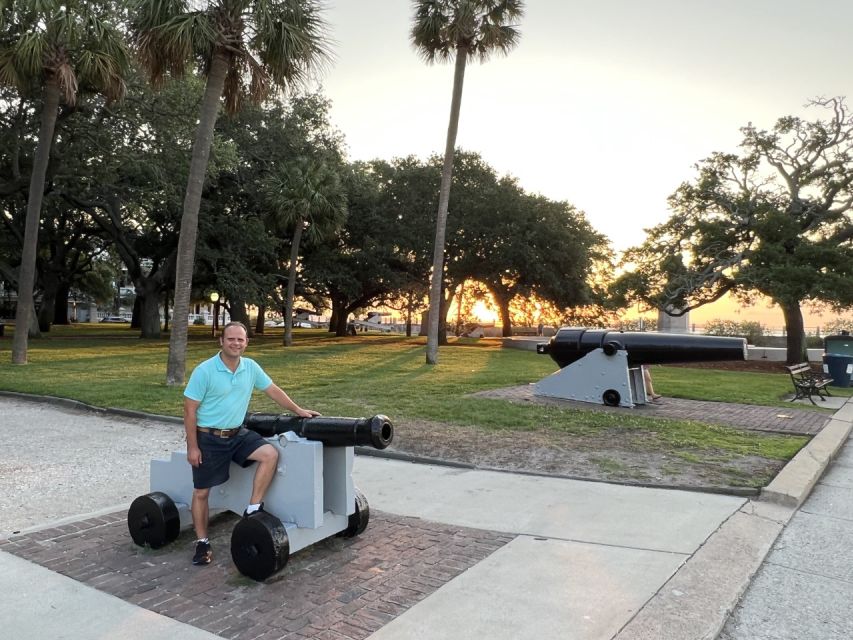
- Citadel professor as guide: Eric Lager teaches and researches South Carolina history, with a focus on the Colonial Era, American Revolution, Antebellum Era, and Civil War.
- Small-group format: The group is capped at 12, making it easier to hear, ask questions, and speak with the guide.
- Charleston beyond the postcard: The route includes old alleys, graveyards, churches, theaters, Washington Park, and the Four Corners of Law.
- Three hours of context: This is not a quick orientation walk. Expect dates, names, architecture, cultural influences, and stories of famous and infamous Charlestonians.
- Easy pace, serious content: The walk is designed for conversation and questions, but you will still spend much of the time outdoors on foot.
- Good value for history fans: At $40 per person, the tour costs more than a basic overview but offers a specialist guide and a longer, smaller-group experience.
Starting at 108 Meeting Street
The meeting point is at 108 Meeting Street, beside the brick wall on the sidewalk. Look for the building with four small white Ionic Greek columns. It now houses a graphic design center for the city and is not open to the public.
The location is directly across from Hibernian Hall and the pink Mills House Hotel. Plan a little extra time to find the spot, especially if you are unfamiliar with Charleston’s compact historic center.
There are no restrooms at the meeting point. You can use the facilities at the Mills House Hotel, so take care of that before the walk begins. This is a small but useful detail, since three hours outdoors is a long time to go without a break.
The tour does not include hotel pickup. You make your own way to Meeting Street and remain on foot for the experience. That works well in central Charleston, where walking is often the easiest way to move between historic sites.
More History Walking Tours in Charleston
- Historic Charleston Guided Sightseeing Walking Tour
★ 5.0 · 6,216 reviews - Hidden Alleyways and Historic Sites Small-Group Walking Tour
★ 5.0 · 2,335 reviews - Charleston historical walking tour with a Professor of History at The Citadel
★ 5.0 · 1,284 reviews
Why Eric Lager changes the experience
A walking tour rises or falls on the guide, and this one is built around Eric Lager’s background. He has nearly 20 years of combined experience in college teaching and public history, and he holds advanced degrees in South Carolina history.
That background matters because Charleston can easily become a string of pretty façades and familiar legends. Eric’s approach adds the causes behind the appearance of the city. You learn how religious, political, military, cultural, and economic forces affected the streets and buildings around you.
You can expect him to speak without relying on note cards, maintain a clear speaking voice, and welcome questions along the way. His humor keeps a long history lesson from becoming stiff, but the subject is treated with proper seriousness.
The small group makes this teaching style work. A group of 12 or fewer is easier to hear than a crowd of 20, and you can ask about a detail before the tour has moved on. Several people who have taken the walk describe the chance to interact with Eric as one of its strongest features.
This also means the experience is not a scripted sightseeing loop. The main themes remain in place, but questions can shape the conversation. If you enjoy asking why a building was designed a certain way or how one event affected another, you will get more from this walk than someone who prefers a silent, tightly timed route.
Colonial Charleston in streets, churches, and alleys

The tour looks at Charleston from its founding in 1670 to the present. That broad time span gives Eric room to show how the city changed rather than treating the Colonial Era as an isolated chapter.
The old alleys are especially useful for this kind of tour. They offer a less polished view of the city and help you picture how people moved through Charleston in earlier periods. The route also includes graveyards, where names, dates, and family connections can turn a quiet stop into a lesson about the city’s social and religious life.
You will visit the French Huguenot Church, an important reminder that Charleston’s early population included varied religious communities. The church is not simply a photo stop. It gives Eric a place to discuss religious influence and the people who helped shape the colony.
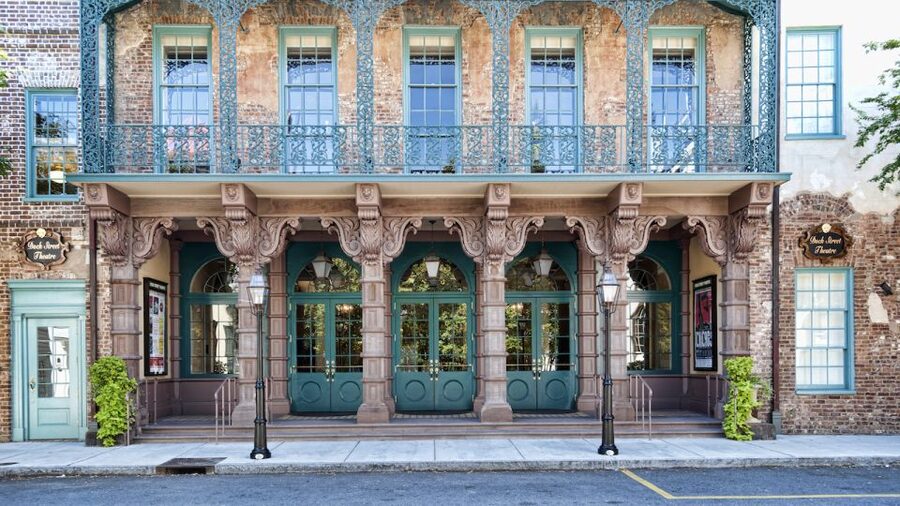
The Dock Street Theater adds another side of city life. Its presence points toward Charleston’s long connection with performance and public culture. As with the other stops, the value is in the story around the building, not just in seeing its exterior.
You should not expect admission to house museums or other paid interiors. Entry fees are not included, and the route is primarily an outdoor walking experience. That keeps the $40 price focused on the guide and the interpretation rather than on museum tickets.
The Four Corners of Law and Washington Park
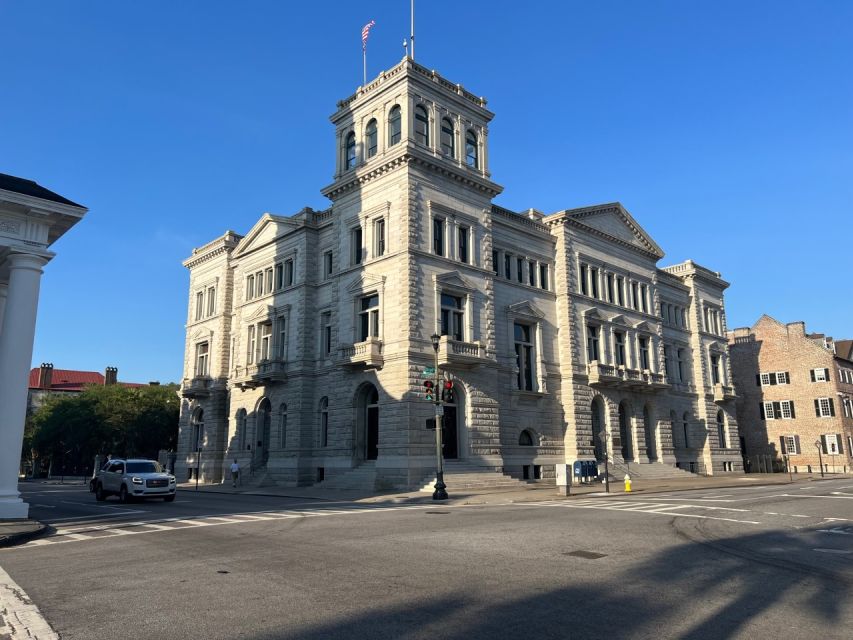
The Four Corners of Law is one of the tour’s useful landmarks because it brings several parts of civic life together in one place. Eric uses the area to explain how Charleston’s legal and political institutions developed and how the city’s public buildings relate to one another.
Washington Park provides another pause in the route. A park can look like a simple green space when you pass through on your own, but with historical context it becomes part of the city’s public story. You will hear about the people and events connected to Charleston’s development, not just receive a list of dates.
These stops help balance the tour. Churches and graveyards reveal faith and family. The theater points toward culture. Public buildings and the park open a window onto government, law, and civic identity.
I like this mix because it prevents the walk from becoming only an architecture tour or only a military history lecture. Eric’s specialty includes the Revolution, the Antebellum Era, and the Civil War, but the walk also considers religion, design, and daily life.
More History Walking Tours in the USA
- Charleston: Old Walled City Historical Walking Tour
★ 4.7 · 705 reviews - Historic Charleston Walking Tour: Rainbow Row, Churches, and More
★ 5.0 · 691 reviews - Charleston: History and Architecture Guided Walking Tour
★ 4.8 · 349 reviews - Semi-private SMALL group Historic Walking Tours w/certified guide
★ 5.0 · 224 reviews
Architecture that explains how people lived
Charleston’s houses are easy to admire and easy to misunderstand. Their porches, windows, orientation, and narrow shapes can seem decorative until someone explains the practical reasons behind them.
Eric pays attention to those details. You will hear how buildings were designed and why certain features made sense in Charleston’s climate and social setting. The architecture becomes evidence, not background scenery.
This is one of the clearest benefits of taking the walk early in your visit. Afterward, you can stroll through the historic district and notice details you might otherwise miss. A doorway or side porch can remind you of a point Eric made, giving the rest of your Charleston sightseeing more meaning.
The tour also connects architecture with cultural influences. The design of the city reflects more than one tradition, and Eric places those influences within the larger story of South Carolina and the United States.
Do not expect a formal architecture course. The walk covers a great deal of ground, so the building discussions are part of a wider historical narrative. Still, if you care about why Charleston looks the way it does, these explanations add real value.
Stories of famous and infamous Charlestonians
Dates alone rarely make a city memorable. Eric uses stories about the people connected to Charleston to give the past a human scale.
Some stories concern famous figures. Others involve less admirable characters or episodes that complicate the city’s polished image. That balance is important. Charleston’s past includes achievement, ambition, conflict, faith, wealth, oppression, war, and sharp social divisions.
The tour is designed to show the city through the lens of its past, not to present a single flattering version of it. Eric’s focus on context helps you see how local events fit into American history.
You will also have room to ask about people or periods that interest you. If you are especially drawn to the Revolution, the Civil War, religious history, or architecture, bring questions. The small group format makes a conversation possible in a way that is harder on a large commercial walk.
One practical note: this is a history-heavy experience. If you want mostly food stops, shopping, ghost stories, or casual photo opportunities, another Charleston tour may suit you better. This walk asks you to listen and think while you walk.
What three hours feels like on foot

The advertised duration is three hours, though past walks have sometimes run closer to two and a half hours or slightly longer depending on the group. You should plan your morning or afternoon around the full time rather than schedule a tight activity immediately afterward.
The pace is generally described as easy, with time to stop, listen, and ask questions. Even so, Charleston’s weather can make a major difference. The tour runs rain or shine unless conditions are unsafe, so check the forecast and dress sensibly.
Wear comfortable shoes. The route includes streets, sidewalks, alleys, and graveyards, and you will spend the entire experience outdoors. Bring water, particularly during warm weather.
There is no food or drink included. That is not a serious flaw, but it means you should eat before the tour or plan a stop afterward. A three-hour history walk can leave you ready for lunch.
Pets are not allowed, though assistance dogs are permitted. The tour is not suitable for wheelchair users, so anyone with mobility concerns should consider the route and meeting arrangements carefully before booking.
Is $40 a fair price?
At $40 per person, this is not the cheapest way to walk around Charleston. You can explore the streets on your own for free, and basic group tours may cost less.
The comparison is not quite fair, though. Here you are paying for three hours with a specialist guide, a group capped at 12, and a route that adds historical meaning to places you could otherwise pass without noticing. The price also covers the chance to ask questions and adjust the discussion to your interests.
I consider it good value if history is a main reason for your visit. It is especially worthwhile if you want more than a list of dates or a quick introduction to the historic district.
The value is lower if you are unlikely to enjoy a long talk outdoors or if you mainly want to see interiors. House museum admission is not included, and the walk does not provide transportation, food, or drinks.
Book early if your schedule is fixed. The small group size means there are fewer places than on large city walks, and people who want this kind of specialist guide may have limited choices on popular dates.
Who should take this Charleston walk?
I would recommend it to first-time visitors who want a strong introduction to the historic district, especially if they plan to spend several days in the city. The tour gives you a framework for later independent sightseeing.
It also suits repeat visitors. Several people who live in or near Charleston have taken the walk to learn more about the place they already know. That makes sense because Eric focuses on details, context, architecture, and stories that are easy to miss on a normal stroll.
History students, teachers, Civil War enthusiasts, architecture fans, and curious adults will find plenty to hold their attention. The walk also works for couples and small family groups who prefer conversation over a large crowd.
I would think twice if you have difficulty standing or walking for three hours, dislike rain-or-shine activities, or want a tour centered on restaurants and shopping. The content is the point here.
Booking details that matter
You can cancel up to 24 hours before the start for a full refund. A reserve-now, pay-later option is also available, which can help if your Charleston plans are still shifting.
The tour is in English and uses a live guide. Only the guide and history professor guide are included. Hotel pickup, food, drinks, and entry into house museums are not included.
Meet at the brick wall outside 108 Meeting Street, across from Hibernian Hall and the Mills House Hotel. Since the building itself is closed to the public, do not wait for someone inside. Find the guide on the sidewalk.
Should you book it?
Book this walk if you want Charleston explained by a trained historian rather than simply pointed out. Eric Lager’s academic background, clear teaching style, humor, and attention to architecture give the tour more substance than a basic city orientation.
The best reasons to choose it are the small group, the chance to ask questions, and the mix of colonial, religious, political, architectural, and military history. The main tradeoffs are the three-hour walking time, outdoor conditions, lack of included museum entry, and limited accessibility.
If this is your first Charleston visit, I would place it near the start of your stay. You will recognize more during the rest of your time in the city, and the historic district will look less like a collection of handsome buildings and more like a place shaped by real people and difficult events.
FAQ
How long is the Charleston walking tour?
The tour lasts three hours. Past walks have sometimes lasted about two and a half hours, but you should allow the full advertised time.
Who leads the tour?
Eric Lager leads the walk. He is a Citadel history professor with nearly 20 years of combined college teaching and public history experience.
What historical periods does Eric specialize in?
His specialties include the Colonial Era, the American Revolution, the Antebellum Era, and the Civil War. The walk covers Charleston from its founding in 1670 to the present.
What sites are included?
The route includes old alleys, graveyards, the Dock Street Theater, the French Huguenot Church, the Four Corners of Law, and Washington Park. The exact order of stops is not specified.
How large is the group?
The group is guaranteed to have no more than 12 people. This allows more direct conversation and makes it easier to hear the guide.
Is food or drink included?
No. Food and drinks are not included, so bring water and plan any meal before or after the walk.
Are house museum tickets included?
No. Entry into house museums is not included in the $40 price.
Where do I meet the guide?
Meet along the brick wall on the sidewalk outside 108 Meeting Street. The building has four small white Ionic Greek columns and is across from Hibernian Hall and the pink Mills House Hotel.
Can I take the tour in bad weather?
The tour operates rain or shine unless conditions are unsafe. Wear suitable clothing and comfortable shoes, and bring water.
More Castle and Palace History Tours in Charleston
- Edinburgh: Edinburgh Castle Guided History Tour with Tickets
★ 4.8 · 9,933 reviews - Madrid Essential: Historic Center, Plaza Mayor & Royal Palace
★ 5.0 · 6,416 reviews - Venice’s Best: Basilica, Doge’s Palace, Gondola & History Gallery
★ 4.5 · 2,478 reviews - Tokyo: Imperial Palace and Shogun Historical Walking Tour
★ 5.0 · 2,251 reviews
Latest history tours reviewed in Charleston
- Charleston:Evening Haunted History Horse-Drawn Carriage Tour★ 4.7 · 38 reviews
- Charleston: Sip History Cocktail Making Class w Drinks Incl.★ 4.8 · 28 reviews
- Take a History Tour with an actual Historian – Cooper!★ 4.8 · 61 reviews
- Charleston: Historic City Tour & Magnolia Plantation Combo★ 4.4 · 187 reviews
- Charleston: Historic City Tour and Harbor Cruise★ 4.5 · 260 reviews
- Charleston: Historic Downtown Food Tour★ 4.7 · 67 reviews
- Charleston: History and Architecture Guided Walking Tour★ 4.8 · 349 reviews
- Charleston: Boone Hall & Historic City Tour Combo★ 4.6 · 100 reviews
Charleston History Tours, compared.

Charleston’s Old South Carriage Historic Horse & Carriage Tour
Read our review →
Historic Charleston Guided Sightseeing Walking Tour
Read our review →
Charleston Horse-Drawn Carriage Tour: Explore Historic Charleston
Read our review →
Charleston Harbor History Day-Time or Sunset Boat Cruise
Read our review →
Hidden Alleyways and Historic Sites Small-Group Walking Tour
Read our review →
Charleston: Daytime or Sunset Historic Harbor Cruise
Read our review →
Charleston historical walking tour with a Professor of History at The Citadel
Read our review →
Charleston: Historical Downtown Tour by Horse-drawn Carriage
Read our review →Browse the lists this tour appears in