
Review · CHARLESTON
Take a History Tour with an actual Historian – Cooper!
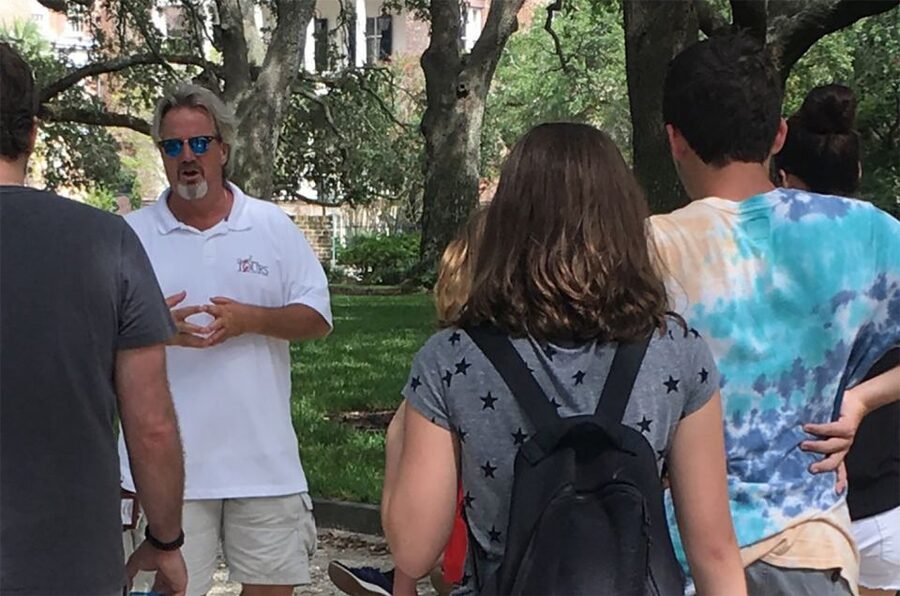
Charleston makes a fine walking tour city, but this one begins before the first step. Cooper, a PhD historian and history teacher, asks what interests you most, then shapes the discussion around your group. You get more than dates and pretty buildings. You get the reasons Charleston became Charleston.
I like the harbor-first approach, because it explains the city’s geography and trade before you wander into its streets. I also like the honest treatment of slavery, including the difference between rural and urban slavery and the difficult story of free people of color who owned enslaved people. The main consideration is the pace: 150 minutes on foot, in sun or rain, with no waiting for late arrivals.
Key points at a glance
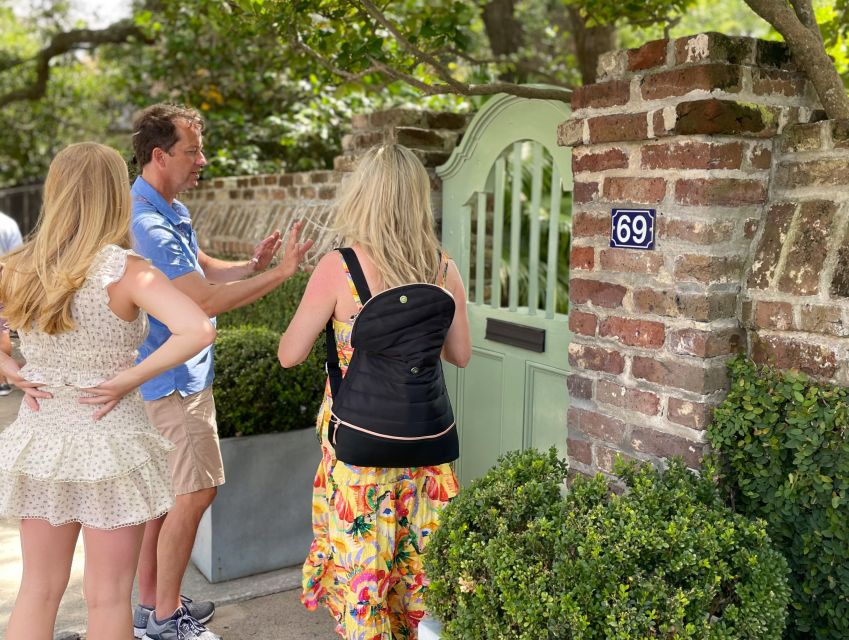
- A historian leads the walk: Cooper teaches history and uses conversation to focus the tour on your interests.
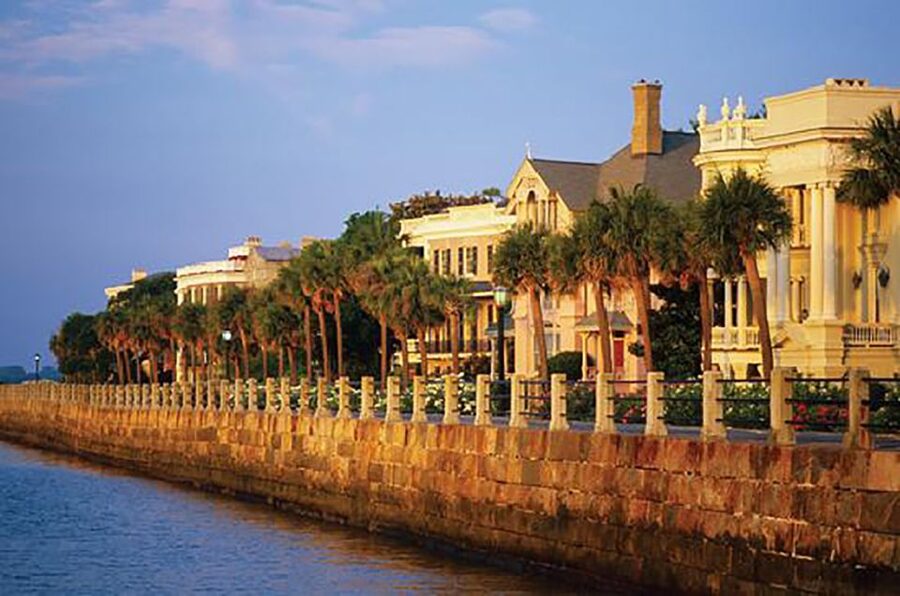
- The original seawall anchors the story: You walk along Charleston’s 1680 seawall, one of the South’s oldest surviving structures of its kind.
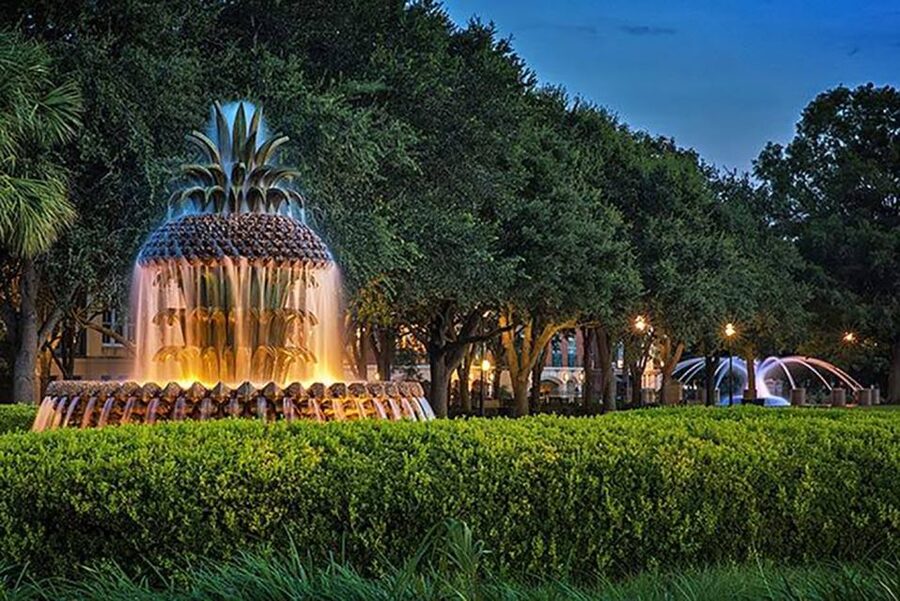
- The Pineapple Fountain gets its real story: The tour looks beyond the familiar photo stop at Waterfront Park.
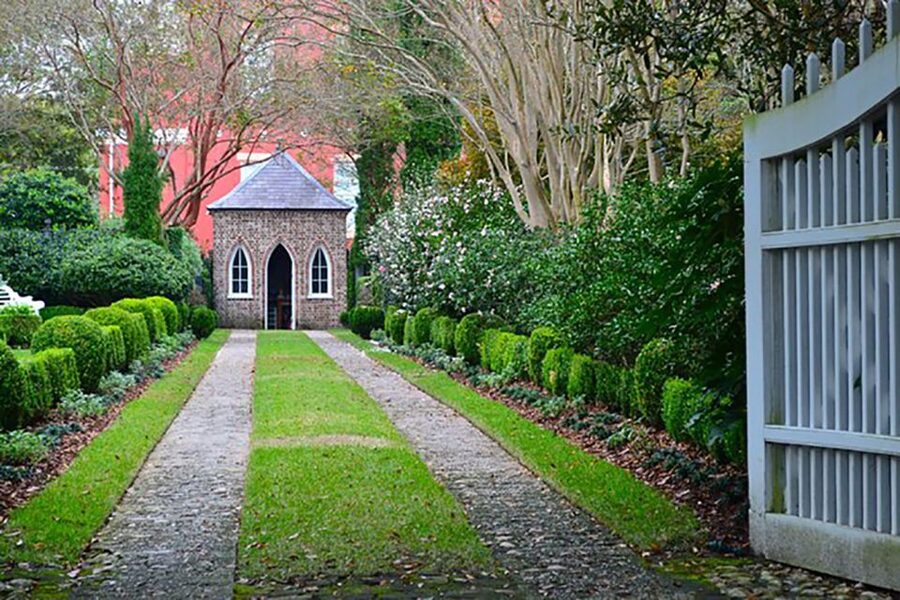
- Colonial Charleston comes into view: Expect White Point Gardens, Meeting Street homes, churches, courtyards, and the former walled city.
- Social history gets proper attention: Slavery, free people of color, trade, law, and urban life all form part of the account.
- The tour costs $45: That is fair value if you want interpretation and conversation, not just a roll call of landmarks.
Why the opening conversation matters
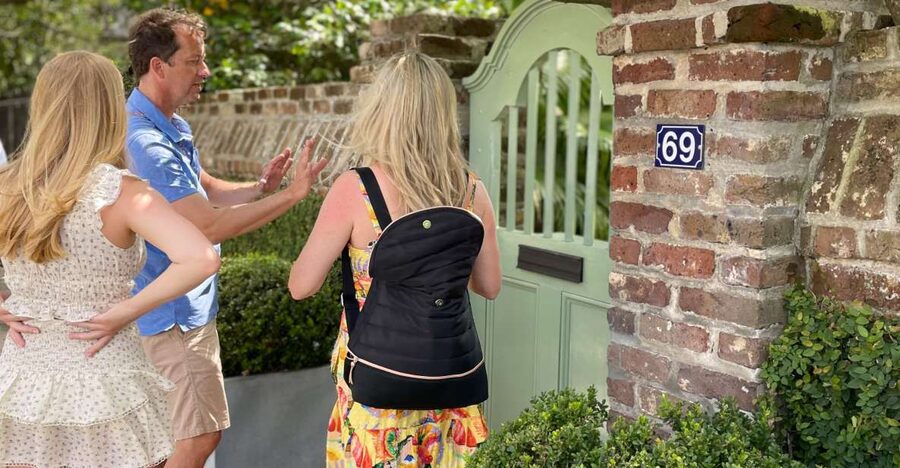
Many city walks begin with a guide talking and a group listening. This one reverses the order. Cooper starts by asking what you find interesting about the past, which gives the group a voice before the route takes shape.
That small change affects the whole experience. If you care about architecture, politics, trade, religion, slavery, or everyday city life, you have a chance to signal it early. The walk still follows its main route, but the stories can lean toward the subjects that matter most to you.
I find this useful in Charleston because the city offers too many possible stories at once. A grand house can tell you about style and wealth, but also about labor, law, family, trade, and social rank. Without context, you see a handsome building. With context, you begin to understand why it looks that way and who made its life possible.
The approach also suits families with older children and teenagers. One family described how two teenage girls kept talking about the tour for the rest of their trip. That is a good sign for anyone worried that a history walk will feel like a classroom lesson in the open air.
More History Tours in Charleston:
- Charleston’s Old South Carriage Historic Horse & Carriage Tour
★ 5.0 · 10,023 reviews - Historic Charleston Guided Sightseeing Walking Tour
★ 5.0 · 6,216 reviews - Charleston Horse-Drawn Carriage Tour: Explore Historic Charleston
★ 5.0 · 3,561 reviews
Starting at the harbor, where Charleston took shape
The meeting point is directly across from the Harbor View Inn at Waterfront Park, under the street sign for Concord and Vendue Range. Look for the Chucktown Tours logo.
The first subject is Charleston Harbor. This is not just a scenic opening. The harbor lets Cooper explain the city’s economy and physical setting before you get lost among houses and churches.
You learn how the coast helped Charleston grow as a major colonial port. The discussion reaches back to the city’s beginnings under King Charles I, the Carolina settlement, and Charles Towne, founded under King Charles II. Those names can sound like distant textbook material, but the harbor gives them a practical setting. Trade, access, shipping, and coastal position become visible rather than abstract.
This is one of the tour’s strongest choices. Charleston’s past is easier to understand when you first see the water that helped make the city important. The view connects ambition and opportunity to a real place.
It also creates a useful frame for later stops. When you see old homes, defensive works, or commercial streets, you already have a sense of the city’s role in regional and overseas trade. The tour is not simply moving from point A to point B. It is showing you how each part fitted into a growing port.
Walking the 1680 seawall
The route then follows Charleston’s original seawall, built in 1680. It is one of the oldest surviving structures of its kind in the South, and it gives the walk a physical starting point in the city’s early years.
You are not only looking at the harbor. Cooper points out small details that can be easy to miss, including architectural traces, old defenses, and signs of the city’s many changes. Charleston has been altered and rebuilt across roughly 350 years, so the street can hold several periods at once.
That is where an expert guide earns the $45 price. You could walk along the waterfront by yourself, but you might not know which stones, angles, or building details carry historical meaning. The guide’s job is to make those clues readable.
Waterfront Park also includes the Pineapple Fountain, one of Charleston’s most photographed sights. The tour promises the real story behind it, rather than treating it as a simple photo stop. That matters because famous symbols often collect easy explanations that leave out their actual place in the city’s story.
The waterfront section is likely to be especially enjoyable for first-time visitors. You get attractive views, but you also learn why the harbor mattered. If you have already seen Charleston several times, the overlooked details may be the part that changes your view.
White Point Gardens and the city’s defenses
From the waterfront, the walk reaches White Point Gardens. This green public space is treated as more than a pleasant place to sit beneath the trees. Cooper explains its role in Charleston’s defense and daily life over time.
That combination is important. Cities are not only shaped by wars and famous leaders. They are also shaped by public spaces, routine movement, gathering places, and the way residents use a location after its original purpose changes.
The tour links the gardens to Charleston’s wider story of defense, settlement, and civic life. You see how the city’s edge functioned in earlier periods, then how the same area became part of ordinary urban life.
This is also a good point to notice the practical nature of the walk. You are outside for the full 150 minutes, and the tour runs rain or shine. Wear comfortable shoes and plan for weather. Street parking in Charleston is limited to two hours, except on Sundays and holidays when street parking is free, so do not assume a parked car will cover the full tour.
Same old streets, another chapter:
- Charleston Harbor History Day-Time or Sunset Boat Cruise
★ 4.5 · 2,788 reviews - Hidden Alleyways and Historic Sites Small-Group Walking Tour
★ 5.0 · 2,335 reviews - Charleston: Daytime or Sunset Historic Harbor Cruise
★ 4.5 · 1,352 reviews - Charleston historical walking tour with a Professor of History at The Citadel
★ 5.0 · 1,284 reviews
Meeting Street homes and colonial architecture
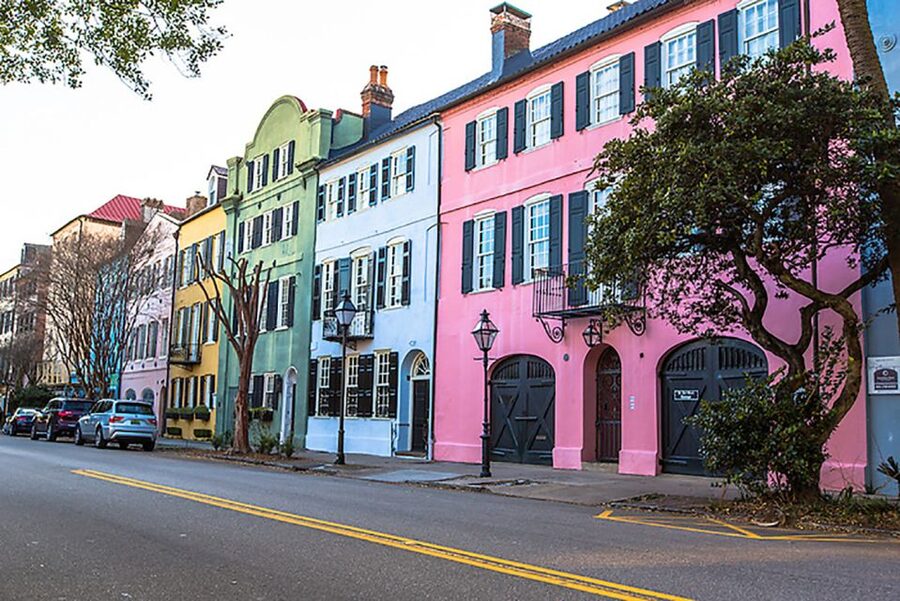
Moving up Meeting Street, you see elegant colonial homes and learn why they look the way they do. The focus is not only on decoration. Architecture becomes evidence of Charleston’s economy, social order, climate, and changing population.
I like this approach because it keeps the houses from becoming a parade of façades. A guide can point out a doorway, a layout, or a detail that reflects the people who built, owned, worked in, or passed through these homes. The tour’s larger question is how Charleston developed across three centuries.
You may also hear about figures and places that connect the grand story to recognizable modern life. One past group stood on steps associated with George Washington and saw the childhood home of Stephen Colbert. Those details give the walk a few memorable hooks without replacing the larger history.
The route includes streets dating back to the early 1700s. You will pass historic churches and hidden courtyards, with Cooper explaining how religious life, social connections, and urban growth affected the city. The exact emphasis can shift based on the opening discussion, so your experience may not match another group point for point.
That flexibility is a benefit, but it also means this is not a tightly scripted attraction with a fixed list of stops. If you want every landmark covered in a precise order, ask about the route at the beginning. If you prefer a conversation that follows your interests, the format should suit you well.
Charleston’s original walled city
One of the later parts of the walk looks at the location of Charleston’s original walled city. The walls themselves are not presented as a dramatic preserved fortress. Instead, the point is to help you recognize the footprint of the early settlement within the modern street plan.
This kind of stop rewards attention. You may be standing among ordinary streets, churches, courtyards, and old buildings, yet the guide helps you picture the smaller, more defensive city that came before the larger Charleston you see today.
The tour repeatedly connects places to broader questions of identity, resilience, innovation, and power. That can make the route feel more like a continuing argument than a string of isolated facts. Charleston changed because people made choices, laws shifted, trade expanded, communities struggled, and the city adapted.
For me, this is where the tour’s title matters. You are not simply hiring someone who has memorized a list of dates. You are getting a teacher who explains cause and effect, then gives you room to ask questions.
A serious look at slavery and social class
The tour addresses slavery directly and with context. That includes the difference between rural and urban slavery, Charleston’s distinctive laws, and the complicated position of free people of color who owned enslaved people.
This is difficult material, and it should be. A responsible history tour should not turn slavery into a dramatic aside or soften the city’s economic foundations. At the same time, the goal here is clarity rather than shock. The discussion places slavery within Charleston’s laws, trade, social structure, and daily life.
The urban and rural distinction is particularly useful. Slavery did not look identical in every setting, and Charleston’s port-city character created social conditions that differed from plantation areas. Learning that difference can help you avoid treating the entire region’s past as one simple story.
The mention of free people of color who owned slaves also points to the uncomfortable contradictions of the period. History rarely gives you clean categories. A good guide should explain those tensions without pretending they are easy to resolve.
If you want a tour that stays only with architecture and picturesque streets, this may feel heavier than expected. I see that as a strength for most adults, but it is worth knowing in advance. The material requires attention and maturity, which is one reason the tour is not suitable for children under 10.
What Cooper’s guiding style adds
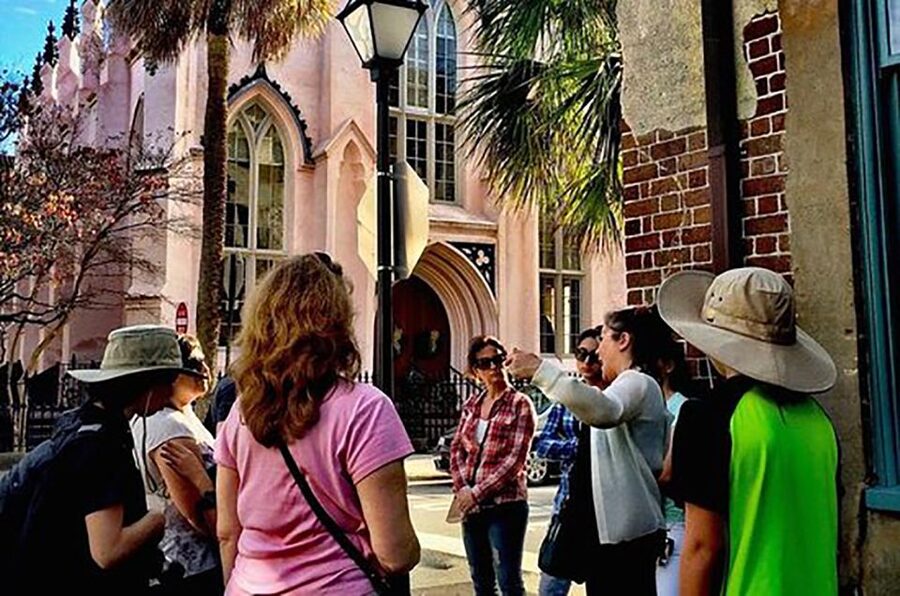
The strongest pattern in the feedback is Cooper’s ability to combine facts, humor, and conversation. People describe him as entertaining, charismatic, easy to understand, and good at answering questions.
That style matters during a long walking tour. A guide can know a great deal and still lose a group through a string of dates. Cooper’s method appears to favor real-life context, memorable stories, and personal comments that keep the material moving.
You can expect a down-to-earth tone rather than a formal lecture. The goal is to make Charleston understandable and memorable, not to show off academic credentials. His PhD and teaching background provide the foundation, while the humor keeps the walk from feeling stiff.
Names in past bookings have occasionally been recorded differently, but the listed guide is Cooper. If the guide’s identity matters to your booking, confirm it when reserving.
Is $45 good value for 150 minutes?
At $45 per person, the tour costs more than a basic self-guided walk and less than many private sightseeing experiences. The value depends on what you want from Charleston.
You are paying for 150 minutes with a historian, a flexible opening conversation, interpretation of buildings and public spaces, and a serious account of the city’s social past. You are not paying for entry to a house museum, a boat ride, or transport between sites.
I consider that fair value if you want the city to make sense. The route covers the harbor, seawall, Waterfront Park, White Point Gardens, Meeting Street, colonial streets, churches, courtyards, and the old walled-city area. You also get answers to questions as they arise, which a guidebook cannot provide in the same way.
The value is lower if you dislike long walks, want an audio guide you can follow at your own speed, or prefer a tour built around a single attraction. It is also less suitable if your group includes young children or anyone with mobility impairments.
Practical details before you book
The tour is in English and lasts 150 minutes. It runs rain or shine, so check the forecast and dress for the conditions rather than assuming Charleston will provide perfect walking weather.
Arrive early at the Concord and Vendue Range meeting point. The group cannot wait for latecomers, and the starting conversation is part of the experience, not spare time before the real tour begins.
Street parking lasts only two hours on normal days. Since the tour runs for two and a half hours, use another parking plan or arrive by a method that does not leave you racing back to a meter. On Sundays and holidays, all street parking is free.
You can cancel up to 24 hours before the tour for a full refund, and you can reserve now and pay later. Those terms are useful if your Charleston schedule is still shifting.
Who should take this Charleston history walk?
I would choose this for a first day in Charleston. The harbor opening gives you the city’s basic geography, while the later walk introduces the main historic district and offers ideas for what to explore afterward.
It also suits repeat visitors. Several stops may be familiar, but the explanations of the seawall, Pineapple Fountain, architecture, city defenses, and social history can give old views a new meaning.
History fans will get the most from it, especially if they enjoy asking questions. The conversation-led format also works for families with older children and teenagers, provided they can manage the walking and serious subject matter.
I would skip it if you need step-free access, cannot walk for 150 minutes, have children under 10, or want a very short orientation. Charleston’s streets and weather are part of the deal.
Should you book it?
Book this tour if you want Charleston explained by a teacher rather than simply pointed out by a guide. Cooper’s strongest qualities are his command of the subject, his humor, and his willingness to shape the discussion around your interests.
The best reason to go is the combination of place and context. You see the harbor, original seawall, public gardens, colonial homes, churches, courtyards, and old city boundaries while learning how trade, law, slavery, defense, and social life shaped them.
Skip it only if a long outdoor walk or serious history is not your style. For most adults and older children who want more than pretty streets, $45 buys a useful, engaging introduction to Charleston.
FAQ
How long does the Charleston history tour last?
The tour lasts 150 minutes, or two and a half hours.
How much does the tour cost?
The price is $45 per person.
Who leads the tour?
Cooper leads the tour. He is a PhD historian who teaches history.
Where is the meeting point?
Meet directly across from the Harbor View Inn at Waterfront Park, under the street sign for Concord and Vendue Range. Look for someone wearing or carrying the Chucktown Tours logo.
What language is the tour in?
The live tour guide speaks English, and English is the listed tour language.
What places does the tour cover?
The walk includes Charleston Harbor, the original seawall, Waterfront Park, the Pineapple Fountain, White Point Gardens, Meeting Street, colonial streets, historic churches, courtyards, and the location of Charleston’s original walled city.
Does the tour discuss slavery?
Yes. The tour addresses slavery with context, including rural and urban slavery, Charleston’s laws, and the complicated history of free people of color who owned enslaved people.
Can children join the tour?
Children under 10 are not permitted. The tour is intended for older children and adults who can manage the walking and historical discussion.
What happens if it rains?
The tour runs rain or shine. Plan clothing and footwear for the weather.
Can I cancel or pay later?
You can cancel up to 24 hours in advance for a full refund. You can also reserve your place and pay later.
Latest history tours reviewed in Charleston
- Charleston:Evening Haunted History Horse-Drawn Carriage Tour★ 4.7 · 38 reviews
- Charleston: Sip History Cocktail Making Class w Drinks Incl.★ 4.8 · 28 reviews
- Charleston walking tour with a Citadel history professor★ 5.0 · 105 reviews
- Charleston: Historic City Tour & Magnolia Plantation Combo★ 4.4 · 187 reviews
- Charleston: Historic City Tour and Harbor Cruise★ 4.5 · 260 reviews
- Charleston: Historic Downtown Food Tour★ 4.7 · 67 reviews
- Charleston: History and Architecture Guided Walking Tour★ 4.8 · 349 reviews
- Charleston: Boone Hall & Historic City Tour Combo★ 4.6 · 100 reviews
Charleston History Tours, compared.

Charleston’s Old South Carriage Historic Horse & Carriage Tour
Read our review →
Historic Charleston Guided Sightseeing Walking Tour
Read our review →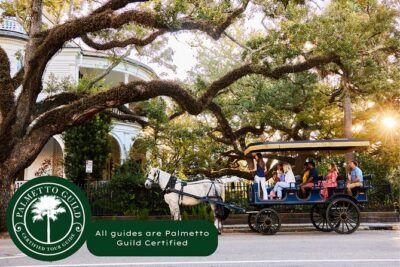
Charleston Horse-Drawn Carriage Tour: Explore Historic Charleston
Read our review →
Charleston Harbor History Day-Time or Sunset Boat Cruise
Read our review →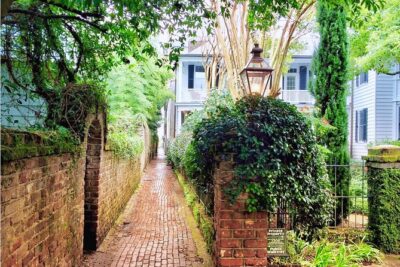
Hidden Alleyways and Historic Sites Small-Group Walking Tour
Read our review →
Charleston: Daytime or Sunset Historic Harbor Cruise
Read our review →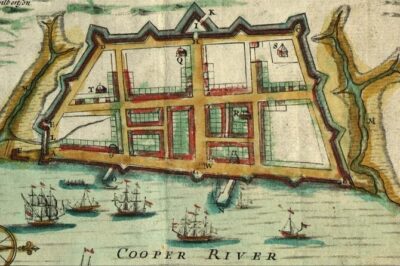
Charleston historical walking tour with a Professor of History at The Citadel
Read our review →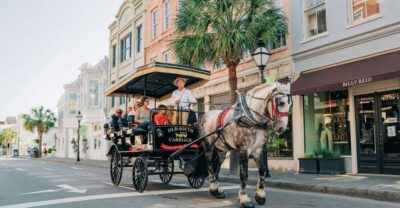
Charleston: Historical Downtown Tour by Horse-drawn Carriage
Read our review →Browse the lists this tour appears in