
Review · CHARLESTON
Undiscovered Charleston: Half Day Food, Wine & History Tour with Cooking Class
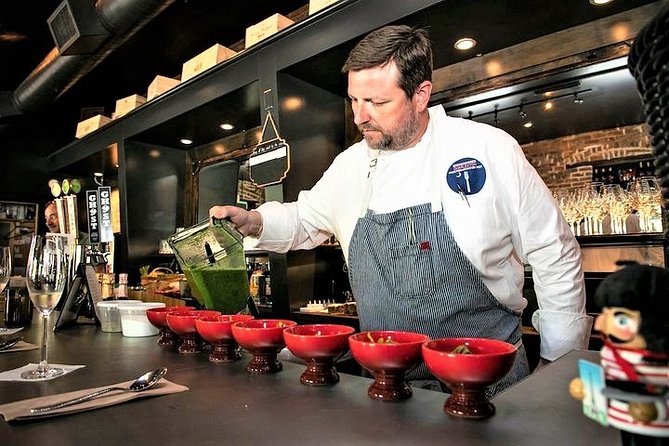
Charleston’s food story is the main event here. Chef Forrest Parker leads you through the historic district, then turns the morning into a cooking lesson and three-course lunch at Bistro Au Vin. You learn how enslaved cooks, local crops, and cultural exchange shaped dishes still served across the Lowcountry.
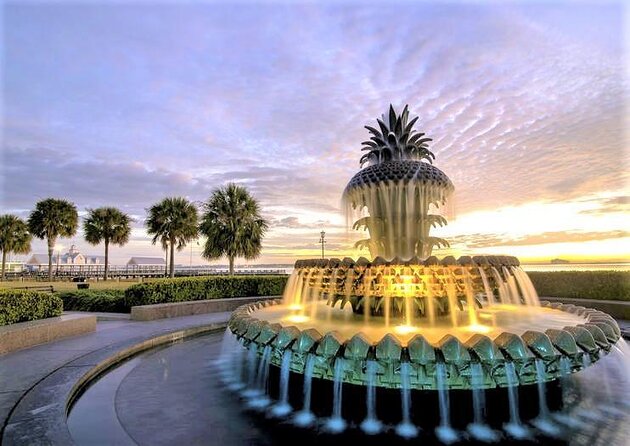
I like the chef-led walking tour, which gives familiar sights such as the Pineapple Fountain and Rainbow Row a food-based context. I also like the small-group format, with no more than 11 people, and the practical gift of recipes you can use at home.
The main consideration is the weather. You walk for about 90 minutes, so heat or rain can affect the first half. The tour can adjust its order when conditions turn bad, but you still need a moderate level of fitness and comfortable walking shoes.
Key Points Before You Book
- Chef Forrest Parker leads the entire experience: He is your guide, cooking instructor, and lunch chef.
- Food and history are treated as one subject: The walk explains how Lowcountry ingredients and Charleston’s past shaped one another.
- The route includes both icons and quieter corners: You visit the Pineapple Fountain and Rainbow Row, along with lesser-known places tied to local food stories.
- Lunch is more than a tasting stop: Parker demonstrates three recipes, then serves the dishes with wine pairings.
- You receive recipes to take home: The class continues after Charleston, giving you a way to recreate parts of the meal.
- Plan for a compact group and a 9 a.m. start: The experience lasts about four hours and begins at the Pineapple Fountain.
Why This Charleston Tour Feels Different
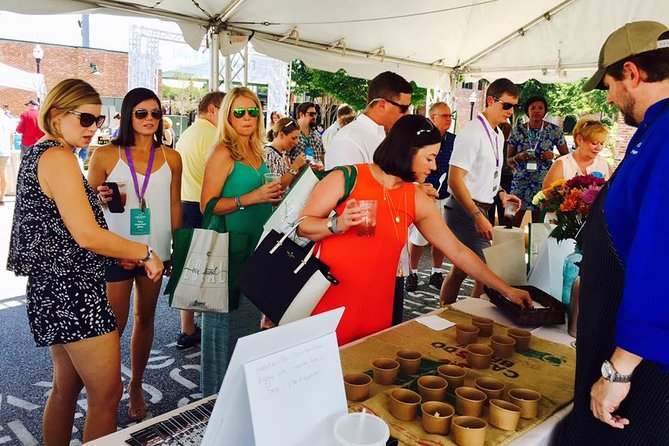
Many Charleston food walks move from one restaurant or sample to the next. This one takes a slower, more connected route. You first learn how the city developed, then sit down with the chef who has been explaining those food traditions.
That order matters. Shrimp and grits, for example, mean more when you understand the local ingredients, labor, and cultural influences behind the dish. Parker’s approach links the plate to the place instead of treating Lowcountry cooking as a collection of attractive menu items.
The experience also avoids the usual split between sightseeing and lunch. You are not simply visiting historic Charleston in the morning and eating somewhere later. The walk explains the meal you are about to have.
Parker’s style is lively and direct. His storytelling includes humor, architecture, culture, and difficult parts of Charleston’s past. That last point is important. This is not a polished-only version of the city, and you should expect honest discussion alongside the lighter stories.
More Cooking Classes in Charleston:
- Florence Cooking Course with Historic Local Market Visit
★ 4.5 · 151 reviews - Cooking Class in a Historic Home in the Heart of Brindisi
★ 4.7 · 28 reviews
Starting at the Pineapple Fountain
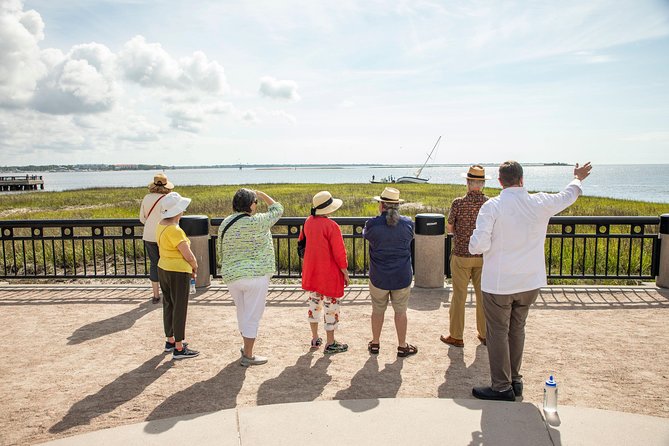
Meet at the Pineapple Fountain in Waterfront Park at 9 a.m. The location is easy to identify, and the park gives you a clear starting point near the historic district.
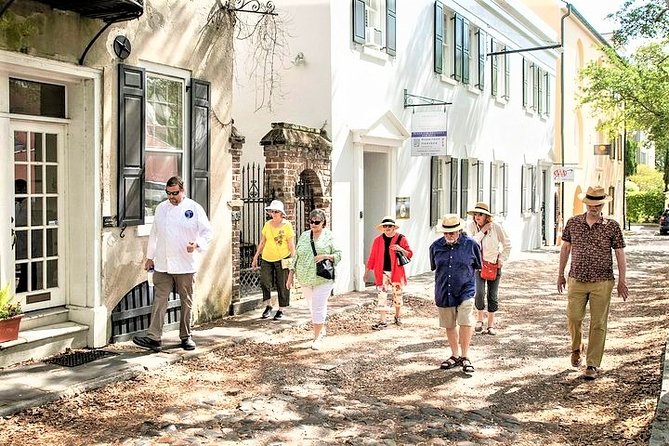
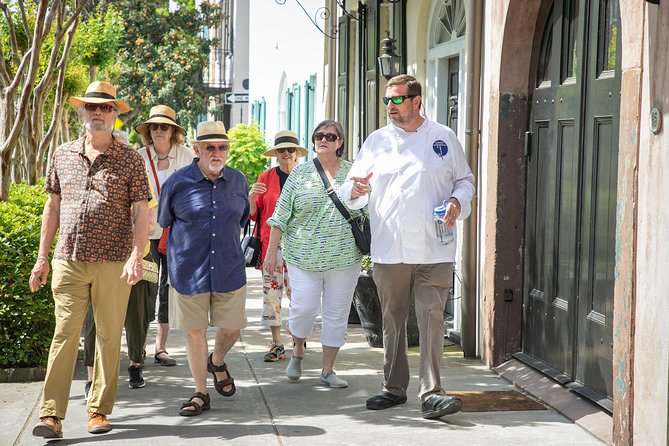
From there, Parker leads a 90-minute walk through central Charleston. The route includes well-known sights, but the purpose is not to check off landmarks. The chef uses buildings, streets, and old commercial spaces to explain how food moved through the city and how Charleston’s culture took shape.
You may hear about ingredients tied to the Lowcountry, the crops that supported the region, and the people whose cooking traditions influenced local menus. The important detail is that food is not treated as a side note. It becomes a way to understand power, trade, work, migration, and daily life.
The walking pace is described as leisurely, but this remains an outdoor city tour. Charleston’s heat, humidity, and uneven historic streets can make 90 minutes feel longer than it sounds. Wear supportive shoes and bring weather protection. The moderate fitness requirement is worth taking seriously, especially if you have trouble walking for an hour and a half.
Rainbow Row and Charleston’s Familiar Sights
Rainbow Row is one of the city’s most recognizable stretches of historic buildings. It is also a place where a guide can help you look past the colorful facades and consider the people, businesses, and changing uses connected to old Charleston.
Parker includes sights like this without making the tour feel like a standard architecture walk. His focus is the connection between the built city and its food culture. You may pause for architectural details, then hear how a street or building fits into Charleston’s broader story.
That mix suits first-time visitors who want to see major landmarks but do not want a basic photo stop. It also works for returning visitors. You may know Rainbow Row already, yet still gain something from a new angle on the city.
The route also reaches lesser-known locations. One especially meaningful thread concerns an enslaved chef whose recipe continues to influence local menus. Details such as this give the food a human context and help you understand that Charleston cuisine did not come from a single famous kitchen or a single cultural source.
The Food Story Behind Lowcountry Cuisine
The strongest part of the tour is its subject matter. Lowcountry cuisine is often reduced to shrimp and grits, rice dishes, seafood, or heavy Southern comfort food. Parker gives you a wider view by showing how ingredients, technique, and history meet.
The tour explores the influence of local crops and the people who grew, prepared, and adapted them. It also addresses the complicated relationship between wealth, slavery, domestic labor, and fine cooking in Charleston. That makes the meal more meaningful, but it also means the tour is not only light entertainment.
You should expect a guide who uses humor but does not avoid hard facts. Several comments about the experience point to Parker’s warmth, wit, and willingness to tell difficult truths. That balance is a good fit if you want Charleston presented with charm and honesty.
The food discussion also has practical value. You will hear about recipes and cooking methods before watching them used at lunch. For anyone who cooks at home, the walk sets up the demonstration in a useful way.
More Workshops and Classes in Charleston:
- Charleston: Sip History Cocktail Making Class w Drinks Incl.
★ 4.8 · 28 reviews - Dubai Evening Heritage Safari by Vintage G Class Al Marmoom Oasis
★ 5.0 · 1,500 reviews - Amsterdam: 3-Course Meal in Historic 1st Class Waiting Rooms
★ 4.5 · 292 reviews - Crafting Heritage Batik Painting Workshops
★ 5.0 · 164 reviews
A Three-Course Demonstration at Bistro Au Vin
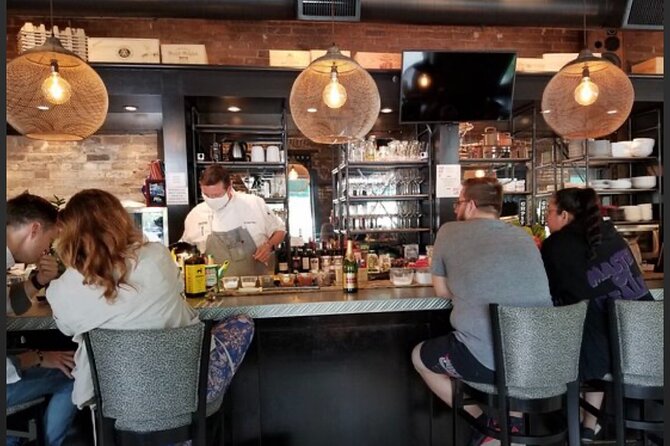
After the walk, the group moves to Bistro Au Vin for the cooking portion. The setting changes from public streets to a more relaxed meal environment, giving you a chance to sit down and take in what you have learned.
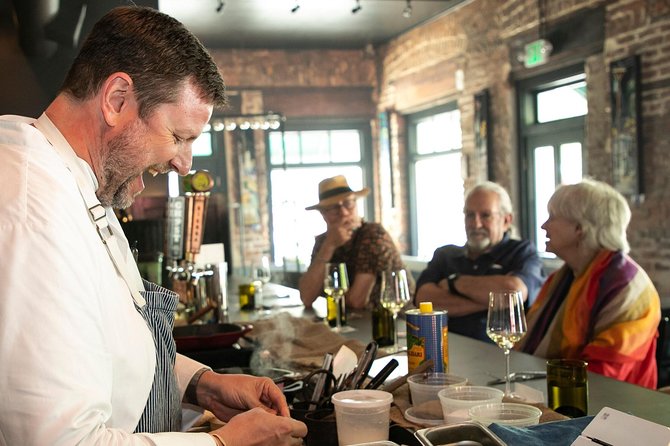
Parker demonstrates three recipes based on Lowcountry classics and heritage regional ingredients. The available information does not promise a fixed menu for every date, so you should treat specific dishes as seasonal or subject to change. Shrimp and grits has appeared as a favorite, and other dishes have included gazpacho, but do not book expecting a particular plate unless the operator confirms it.
The demonstration is designed to be interactive in the useful sense. Parker explains how to prepare the food, discusses the ingredients, and shows techniques he has developed over more than two decades of cooking. You are not merely watching a finished plate arrive.
Then you eat the dishes he has prepared. The meal is served as three courses, with wine tasting pours selected to match each recipe. If you do not want alcohol, Charleston sweet tea and filtered water are available, along with coffee or tea.
Additional wine can be bought separately. The included pours are enough to support the meal, but wine enthusiasts may want to budget for extra purchases.
Why the Meal Adds Real Value
A chef-prepared three-course lunch with wine pairings can make this experience cost more than a basic walking tour. Since no tour price is provided here, I cannot tell you if it is the cheapest food activity in Charleston. I can tell you what you are paying for: a guided walk, a cooking demonstration, a full lunch, wine, a small group, and recipes to take home.
That package has strong value if you would otherwise book a historic tour and a restaurant meal separately. It saves you from arranging two activities and gives the food a clear connection to the morning’s stories.
The value is also strongest for people who enjoy conversation and explanation. If you want to eat quickly and move on, a standard restaurant may suit you better. If you want to understand why a dish belongs in Charleston, the extra time and guide attention make sense.
The intimate group size helps here. With a maximum of 11 people, you have a better chance to hear the demonstration and ask questions than you would in a large cooking show. It also makes the lunch feel more social without turning into a crowded event.
Food Allergies and Dietary Requests
Food planning matters on this tour because Parker regularly handles meat, shellfish, eggs, dairy, nuts, and gluten. Common dietary needs can be accommodated, including vegetarian, vegan, pescatarian, dairy-free, nut-free, and celiac-friendly requests, but you must provide advance notice.
Do not wait until the morning of the tour. This is not a restaurant with an unlimited menu and a separate preparation line. Parker needs time to prepare a suitable version of the meal, so message the operator directly when booking if you have an allergy, aversion, or special diet.
That advance step is especially important for shellfish allergies. Lowcountry cooking often features seafood, yet the experience can make reasonable adjustments when informed ahead of time. The safest plan is to state the allergy clearly and ask what can be prepared for your date.
Weather, Timing, and Group Size
The tour begins at 9 a.m. and lasts about four hours. It ends back at the meeting point near the Pineapple Fountain, so plan the rest of your day with that return location in mind.
The walking section normally comes first, followed by lunch and the demonstration. In poor weather, the order may change. On one especially wet day, the group began with lunch and walked after conditions improved, while umbrellas were provided. That flexibility is useful, but it does not guarantee a dry or fully unchanged itinerary.
The experience requires good weather and may be canceled if conditions are poor. You can then choose another date or receive a full refund. The same option applies if the minimum number of participants is not reached.
Free cancellation is available up to 24 hours before the start time. Inside that window, the payment is not refunded and changes are not accepted. Keep the cutoff in mind if your Charleston plans are uncertain.
Service animals are allowed, and the meeting point is near public transportation. The activity is intended for people age 21 and older, except for older teenagers traveling with parents.
Who Will Enjoy This Experience Most
I would choose this tour for a first Charleston visit if food is one of your main reasons for coming. It gives you a useful orientation to the historic center while introducing the city through its cooking traditions.
It also suits repeat visitors who have already seen the main streets. The lesser-known stops and food-focused stories offer a new way to read familiar places.
Couples, small groups of friends, and families celebrating a birthday can all fit comfortably into the format. The meal creates a natural occasion, and the generous hospitality described by participants makes it feel more personal than a standard group excursion.
Home cooks will get extra value from the demonstration and recipe copies. You may not reproduce Parker’s meal exactly, but you leave with written guidance and a better understanding of the methods behind it.
I would think twice if you dislike walking, avoid group activities, or want a purely restaurant-based food tour. The history portion is not filler. It takes 90 minutes and asks you to pay attention to Charleston’s past before lunch begins.
Should You Book Undiscovered Charleston?
Book it if you want your Charleston meal to explain the city, not just feed you. Chef Forrest Parker combines a historic district walk, candid storytelling, cooking instruction, wine, and a three-course lunch in one compact morning.
The best reason to choose it is the connection between the two halves. You see the city, hear how its food culture developed, then taste recipes that reflect those stories. That is more useful than a string of unrelated samples.
Book early if you need dietary adjustments or are visiting during a busy period. Tell the operator about allergies in advance, arrive ready for 90 minutes on foot, and keep an eye on the forecast.
If those conditions suit you, this is a strong pick for an authentic, food-centered introduction to Charleston.
FAQ
How long does the Charleston food and history tour last?
The experience lasts approximately four hours. About 90 minutes are spent walking through Charleston’s historic district, followed by the cooking demonstration and lunch.
Where does the tour begin?
It begins at the Pineapple Fountain, 1 Vendue Range, Charleston, South Carolina 29401. The activity ends back at the same meeting point.
What time does the tour start?
The scheduled start time is 9 a.m.
Is lunch included?
Yes. Chef Forrest Parker demonstrates three recipes and serves a three-course lunch prepared with Lowcountry ingredients. Wine tasting pours are paired with the courses.
Can I attend without drinking alcohol?
Yes. Charleston sweet tea, filtered water, coffee, and tea are available for anyone who does not want wine.
Can dietary restrictions be accommodated?
Common dietary needs, including vegetarian, vegan, pescatarian, dairy-free, nut-free, and celiac-friendly requests, can be accommodated when arranged in advance. Contact the operator directly before the tour.
What is the cancellation policy?
You can cancel at least 24 hours before the start time for a full refund. Cancellations or changes made less than 24 hours before the start time are not accepted for a refund. Weather or minimum-participant cancellations offer a different date or a full refund.
Latest history tours reviewed in Charleston
- Charleston:Evening Haunted History Horse-Drawn Carriage Tour★ 4.7 · 38 reviews
- Charleston: Sip History Cocktail Making Class w Drinks Incl.★ 4.8 · 28 reviews
- Charleston walking tour with a Citadel history professor★ 5.0 · 105 reviews
- Take a History Tour with an actual Historian – Cooper!★ 4.8 · 61 reviews
- Charleston: Historic City Tour & Magnolia Plantation Combo★ 4.4 · 187 reviews
- Charleston: Historic City Tour and Harbor Cruise★ 4.5 · 260 reviews
- Charleston: Historic Downtown Food Tour★ 4.7 · 67 reviews
- Charleston: History and Architecture Guided Walking Tour★ 4.8 · 349 reviews
Charleston History Tours, compared.
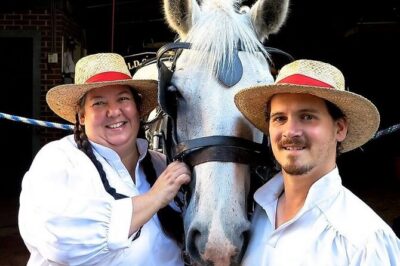
Charleston’s Old South Carriage Historic Horse & Carriage Tour
Read our review →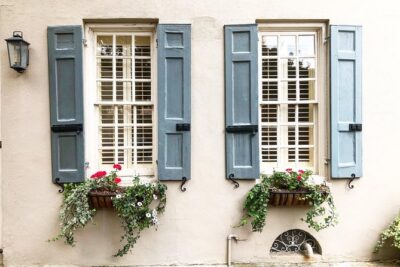
Historic Charleston Guided Sightseeing Walking Tour
Read our review →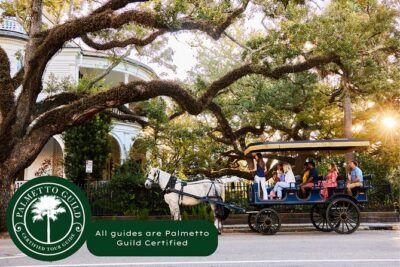
Charleston Horse-Drawn Carriage Tour: Explore Historic Charleston
Read our review →
Charleston Harbor History Day-Time or Sunset Boat Cruise
Read our review →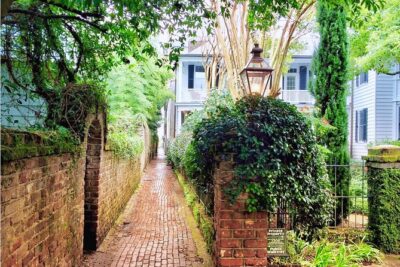
Hidden Alleyways and Historic Sites Small-Group Walking Tour
Read our review →
Charleston: Daytime or Sunset Historic Harbor Cruise
Read our review →
Charleston historical walking tour with a Professor of History at The Citadel
Read our review →
Charleston: Historical Downtown Tour by Horse-drawn Carriage
Read our review →Browse the lists this tour appears in