
Review · TANZANIA
Arusha Guided Walking City Tour, Culture, Lifestyle & History
Arusha’s story is best understood from street level, where colonial buildings, government offices, gemstone shops, markets, and ordinary city life sit close together. This tour brings those pieces into one half-day outing, with guide Israel especially praised for his clear English, warm manner, and detailed explanations of Tanzanian history.
I like the mix of serious history and everyday culture. You get the Old Boma Museum and Tanzanite Experience, then move on to colorful markets, local shopping, and the Cultural Heritage Centre. The main consideration is that this is not always a pure walking tour. Depending on the day, you may use a car or tuk-tuk between stops and walk only part of each route.
Key things to know before you go
- The Old Boma explains Arusha’s past: See the former German fort and exhibitions on human evolution, city history, ecology, and wildlife photography.
- Tanzanite gets more than a sales pitch: Learn how the blue-violet stone is mined, cut, polished, and sold.
- Israel is a strong guide when available: He is praised for clear English, local knowledge, and making busy streets easier to handle.
- Markets add real city flavor: Shop for Maasai fabrics, jewelry, sandals, bags, blankets, and other souvenirs.
- The tour mixes walking and short rides: Hotel pickup is offered near central Arusha, and some groups use a car or tuk-tuk.
- Budget extra for the museum and shopping: The Old Boma admission is $6 per adult, and purchases, food, drinks, and tips cost more.
Why this Arusha tour is worth your morning
At $26 per person, this is a reasonably priced way to get your bearings in Arusha before a safari or mountain trek. You are not paying only for a sequence of photo stops. The guide connects the places, explains what you are seeing, and helps you move through markets and city streets with more confidence.
The tour generally takes about four hours, though the stated guided time can range from two and a half to six hours. That wide range suggests you should allow some flexibility. A quick group may finish sooner, while a smaller group with many questions may spend longer at the museum, markets, or art centre.
The experience can accommodate up to 19 people. That is small enough to keep the group together, but it is not a private tour by default. If you want long conversations at every stop, a smaller group will be more comfortable. If you mainly want an organized introduction to the city, the group format keeps the price low.
Hotel pickup and drop-off are offered for hotels near the city centre. One recent outing began with a hotel meeting and a tuk-tuk ride to the first sight. That detail matters because the name suggests a fully pedestrian tour, but the actual format can include short vehicle transfers. You still walk through key parts of town, but you should wear comfortable shoes without assuming you will be walking nonstop.
More Local Culture and Traditions Tours in the world:
- Amsterdam Food and Cultural Tour with Tastings
★ 5.0 · 4,315 reviews - Sevilla Food Tour: Tapas, Wine, History & Traditions
★ 5.0 · 3,468 reviews - Tromsø: Reindeer Camp and Sami Cultural Tour with Lunch
★ 4.7 · 3,326 reviews
The Old Boma Museum and Arusha’s early chapters
The Old Boma is the tour’s strongest history stop. Built by the Germans during the colonial period as a fort, it is described as the oldest building in Arusha. Today it houses the National Natural History Museum and several exhibitions.
The human evolution display uses replica fossils, tools, and information about an ancient footprint found in East Africa. This gives you useful context for the wider northern Tanzania region, especially if you are also visiting archaeological or wildlife sites. It is a good reminder that Arusha is not simply a starting point for safari vehicles. The city sits within a part of East Africa central to the study of human origins.
Another display covers the history of the Boma and the city from 1884 to 1919. The dates place the building in the period of German colonial rule and make the structure more than an old photo backdrop. Your guide can help tie the building to the city’s changing political role.
An ecology and wildlife photography exhibition rounds out the museum visit. It is a sensible first stop because it links urban Arusha to the natural areas that draw many people to Tanzania.
Allow about 45 minutes here. Admission is not included, so budget $6 per adult. That extra fee is modest, but you should know about it before arriving. If you have limited interest in museum displays, this is the stop where you might feel the schedule moving slowly. If you want historical context, it is one of the most useful parts of the morning.
Tanzanite, from mine to polished stone
The Tanzanite Experience offers a different kind of local history. Tanzania is the only known source of tanzanite, a blue and violet gemstone prized for its unusual color and limited origin. The tour explains why the stone is considered extremely rare, then follows the work involved in mining, cutting, and polishing it.
This stop is more useful when you treat it as an explanation of an industry, not just a jewelry shop. You can learn about the challenges of mining, the skills needed to shape the stone, and the stories and beliefs attached to it. That makes the visit worthwhile even if you have no plan to buy.
The museum visit lasts about 30 minutes and admission is included. A shop is attached, with stones and jewelry ranging from about $100 to $3,000 and beyond. Prices depend on the piece, so do not feel pressured to purchase simply because the shop is part of the visit. You can enjoy the explanation and browse without spending anything.
If you are considering a purchase, bring patience and ask questions. The stated prices cover a wide range, and the tour does not promise that every item will suit every budget. The important point is that the stop gives you a better idea of what you are looking at before you decide.
Arusha Clock Tower and the city center
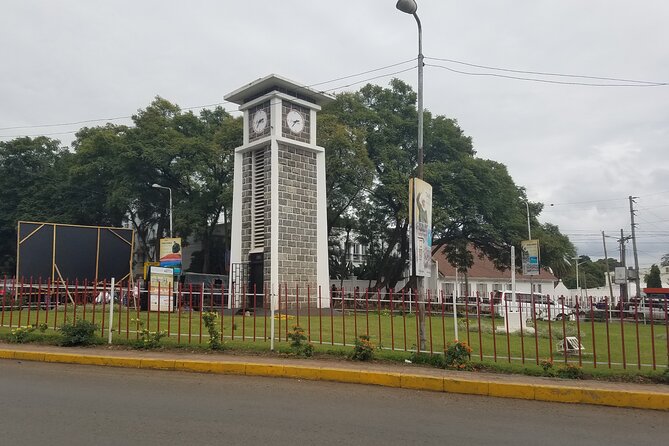
The Clock Tower is a short stop, about 15 minutes, but it helps you understand how the centre of Arusha works. It is widely used as a meeting point and is linked to Galanos, a Greek millionaire who came to Tanganyika in the early twentieth century.
The tower is also connected with the popular claim that it sits between Cairo and Cape Town and marks a central point between Tanzania, Kenya, and Uganda. Treat that as part of the tower’s local story rather than a reason to build your whole day around the monument. The value here is orientation. You are in a central place where people meet, move, shop, and pass through town.
After the clock tower, the route continues toward one of the older hotels and schools built during the colonial period. The stop is brief, so do not expect a long architectural tour. Instead, use it as a bridge between the formal history of the Boma and the practical daily life seen in central Arusha.
More History Walking Tours in the world:
- History and Hauntings of Salem Guided Walking Tour
★ 5.0 · 14,564 reviews - Lisbon: History, Stories and Lifestyle Walking Tour
★ 4.8 · 10,902 reviews - Boston: Freedom Trail History Small Group Walking Tour
★ 5.0 · 6,450 reviews - Historic Charleston Guided Sightseeing Walking Tour
★ 5.0 · 6,216 reviews
The Maasai market for fabrics and small gifts
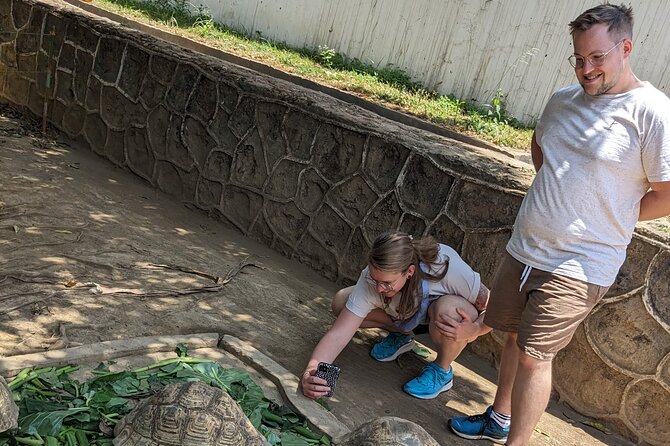
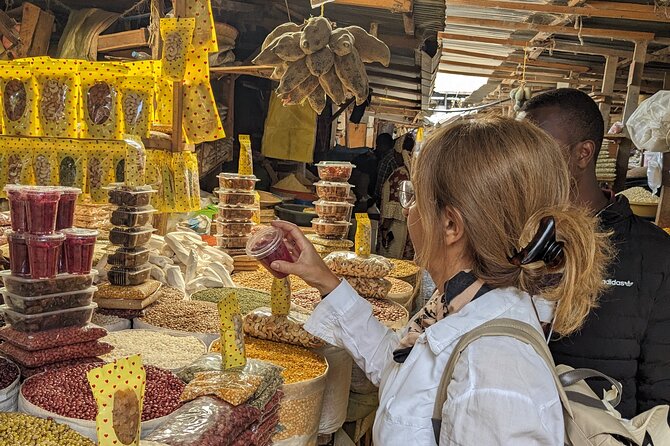
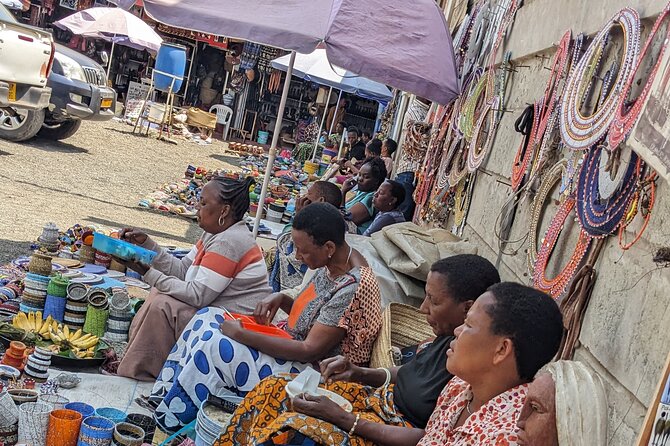
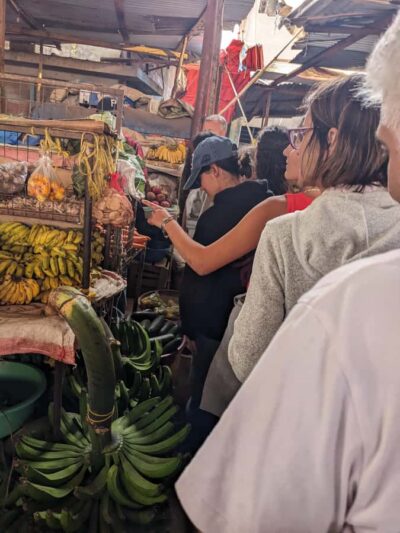
The Maasai Market Curios and Crafts is where the tour becomes more hands-on. You may find African pots and pans, safari shirts, fabric clothing, Tanzania jerseys, Maasai shoes and sandals, necklaces, jewelry, bags, blankets, and artwork.
I like this stop because it gives you a chance to see the types of objects visitors commonly associate with Tanzania while also showing how local shopping works. The market is a better place for browsing than for rushing through with a camera. Look at the fabrics, compare items, and ask your guide about styles or prices when you need help.
The planned visit is about 25 minutes. That is enough for an introduction and a few purchases, but not enough for a slow, extended shopping session. Bring cash. Money for souvenirs is not included, and the tour specifically advises you to carry cash for purchases.
A guide can make a real difference here, particularly if you are not used to busy open-air markets. The guide can help you stay oriented and make the setting feel less hectic. Still, you should set your own budget before you arrive. The bright colors and low-priced small items can make it easy to buy more than you intended.
Cultural Heritage Centre and African art

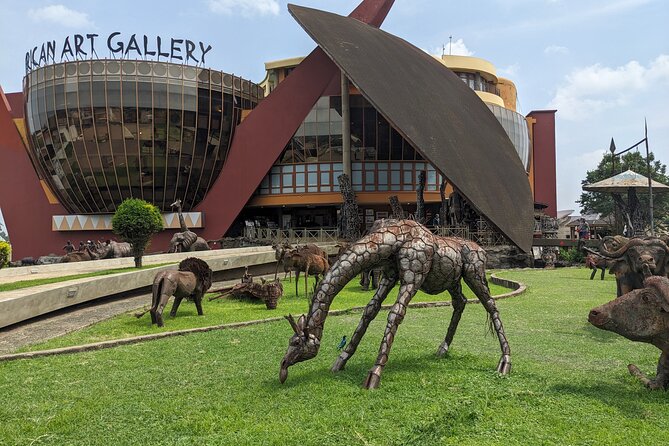
The Cultural Heritage Centre is the largest art-focused stop on the route. It is described as one of the biggest art galleries in Africa, with work from Tanzania and other African countries. You can see sculpture, paintings, crafts, and other forms of art, then browse an adjacent shop.
The centre gives the tour a calmer, more organized place to think about the objects you have seen at the Maasai market. The market is mainly about street-level buying and bargaining. The gallery lets you look at African art in a more formal setting, with time to compare styles and materials.
The visit lasts about 40 minutes. Admission is included, which makes it a good value within a $26 tour. You can browse the shop if you want another souvenir, but nothing requires you to buy.
This stop suits people who want more than the usual postcard view of Tanzania. It also helps if you are trying to choose a meaningful gift. You can see a wider range of work than you might find in a quick market visit, though you should still ask about prices before committing to a purchase.
What the guide adds to the experience
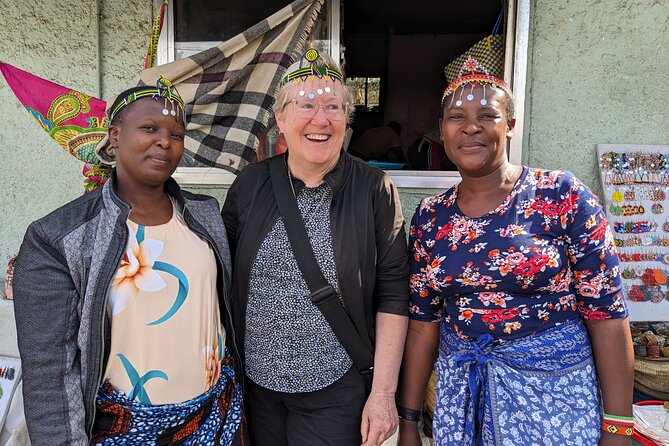
A walking city tour succeeds or fails on the guide. Here, Israel receives repeated praise for his English, clear speaking voice, friendliness, and ability to explain the city without making the history hard to follow. He is also described as energetic, proud of Tanzania, and comfortable guiding a solo woman through busy streets and markets.
Those details matter. Arusha can feel hectic when you first arrive, especially if you are between safari arrangements, airport transfers, and hotel check-ins. A guide who can explain where you are and help you move through crowded areas adds practical value beyond the facts.
Israel is not guaranteed for every departure, so you should treat him as the best-known guide associated with the experience rather than a promise. The important feature is the use of a professional local guide. Local context is what turns a clock tower, old building, or market stall into something worth your time.
The guide is also useful when you want to ask direct questions about culture and daily life. The tour is designed to show traditional and cultural parts of Arusha, not only famous monuments. That makes it a good choice if you want an introduction before exploring on your own.
Walking, transfers, timing, and group size
Despite its name, this is a mixed walking and transport experience. Some groups walk between nearby sites, while others use a car or tuk-tuk for parts of the route. Hotel pickup and drop-off are available near the city centre, which can save you the trouble of arranging transport to the first stop.
The stated duration is approximately four hours. Individual stops total about two and a half hours, leaving time for movement, explanations, and possible delays. Since the full guided time may range from two and a half to six hours, keep the rest of your schedule loose.
You should wear comfortable walking shoes and bring cash. Food and drinks are not included, and the tour does not cover accommodation or activities added after the city tour. Tips are optional and depend on your satisfaction.
The maximum group size is 19. Most people can participate, and the experience is near public transportation. No special access details are provided, so if you have mobility concerns, ask before booking. The walking portions, market surfaces, and vehicle transfers may affect how comfortable the day feels.
Who should book this Arusha city tour?
I would choose this tour if you have a free half-day in Arusha and want the city explained by someone local. It suits first-time visitors, safari customers with time before or after their wildlife trip, solo visitors who want a guide, and anyone interested in history, markets, gemstones, and art.
It is also a good fit if you like variety. In four hours, you move from a German colonial fort to human evolution displays, then to tanzanite, a city landmark, market stalls, and African art. Few single stops provide that range.
You may want something else if your main goal is a long, uninterrupted walk through residential streets or a private shopping trip. This route is structured around named attractions, and some movement may be by vehicle. Likewise, people who dislike souvenir shops may find the tanzanite and market stops less appealing, though neither requires you to buy.
At $26, the value is strongest when you visit most of the included places and make use of the guide’s explanations. The included tanzanite museum and Cultural Heritage Centre help keep the cost reasonable. Add the $6 Old Boma fee, personal spending, drinks, and a possible tip when working out your actual budget.
Should you book it?
Book this Arusha tour if you want a practical introduction to the city with a strong mix of history, culture, shopping, and local explanation. Israel is a particularly good guide to request if available, based on his clear communication and easy manner.
The main caution is simple: expect a half-day city sampler, not a continuous four-hour walk. If that suits your plans, the Old Boma, tanzanite display, markets, and Cultural Heritage Centre give you a useful first look at Arusha for a fair price. Free cancellation is available up to 24 hours before the start time, which gives you some flexibility if your schedule changes.
FAQ
How long does the Arusha city tour take?
The tour is usually described as approximately four hours. The guided time may range from two and a half to six hours, depending on the day and the pace of the group.
Is hotel pickup available?
Yes. Pickup and drop-off are offered for hotels near the city centre. Some groups may use a car or tuk-tuk to reach the first stop or move between locations.
Is the Old Boma Museum admission included?
No. Admission to the Natural History Museum in the Old Boma costs $6 per adult and is paid separately.
Is the Tanzanite Experience included?
Yes. Admission to the Tanzanite museum is included. The attached shop sells gemstones and jewelry, but any purchase is your responsibility.
How large can the group be?
The maximum group size is 19 people. Most people can participate, and the tour is near public transportation.
What happens if I need to cancel?
You can receive a full refund if you cancel at least 24 hours before the experience start time. Cancellations or changes made less than 24 hours before the start time are not refunded.
Latest history tours reviewed in the world
- From Athens: Ancient Olympia Full-Day Private Tour★ 4.8 · 22 reviews
- From Athens: Explore Ancient Corinth & Charming Nafplion★ 4.6 · 102 reviews
- From Athens: Explore Ancient Greece 4-Day Tour★ 4.7 · 73 reviews
- From Albufeira: Wine Tasting & Historic Silves Tour★ 4.9 · 421 reviews
- From Albufeira: Historical Algarve Region Tour★ 4.7 · 585 reviews
- From Alexandria: Full-Day Guided Tour of Historical Sights★ 4.5 · 54 reviews
- Franklin: Ghost Tour in Historic Franklin★ 4.8 · 65 reviews
- Freiburg: Exciting City Tour with sightseeing and history★ 4.3 · 103 reviews
Tanzania History Tours, compared.
Zanzibar: Stone Town Historical Cultural Walking Guided Tour
Read our review →
Stone Town’s Hidden History: Private Guided Walking Tour
Read our review →
Arusha; Walking City Tour History, Culture & Lifestyle
Read our review →Zanzibar Stone Town Tour: Explore Rich History and Hidden Wonders
Read our review →Browse the lists this tour appears in