
Review · TANZANIA
Stone Town’s Hidden History: Private Guided Walking Tour
Stone Town is best understood on foot, one narrow lane at a time. This private tour brings you through a maze of limestone buildings, market streets, ornate Zanzibar doors, and sites tied to the island’s African, Arab, Indian, Persian, and European past. I like the way the guide can shape the walk around your interests, and I like that the tour shows daily life as well as major sights.
The private format is a real advantage if you want to stop for photos, ask plenty of questions, or avoid a fixed group pace. Guides including Abdalla, Cosmo, Amina, Issa, and Muhammad have earned praise for clear explanations and a friendly manner. The main drawback is the heat: Stone Town’s lanes can feel tiring by late morning, and several attractions require extra payment.
Key points at a glance
- Walk through a living historic district: More than 2,000 limestone buildings fill an area about the size of 14 football fields.
- See major landmarks in one route: The Old Fort, House of Wonders, former slave market site, Palace Museum area, Hamamni Baths, and cathedrals are all part of the sightseeing circuit.
- Follow local life, not just monuments: Darajani Bazaar, coffee spots, craft stalls, Jaw’s Corner, and everyday shopping streets show how Stone Town works today.
- Choose your best time: Morning is cooler, while a 4:30 pm start adds sunset light and a night-market stop.
- Expect a flexible guide: The route can focus more on architecture, culture, food, shopping, or history.
- Budget for optional admissions: Entry to the Freddie Mercury Museum, Anglican Cathedral, and Hamamni Baths is not normally included.
Why Stone Town makes a good walking tour
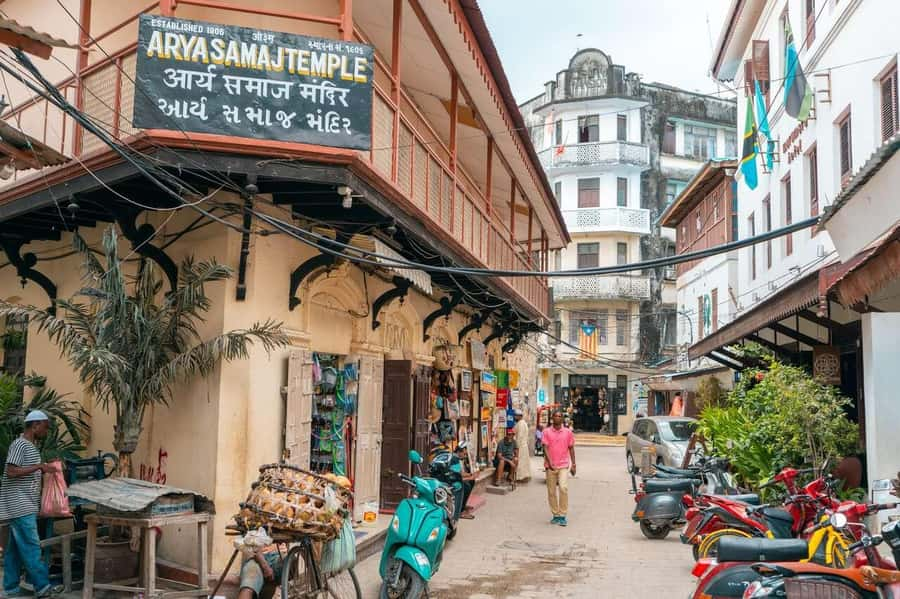
Stone Town is compact, but it is not simple. Its streets twist between old houses, shopfronts, mosques, markets, courtyards, and small passages. A map helps, but a local guide gives the buildings meaning. Without one, you may notice a carved door or a crumbling facade without understanding what it says about the people who lived there.
The town has more than 2,000 limestone buildings and is home to roughly 18,000 people. That combination matters. You are not walking through a preserved museum district with no daily life. You pass people buying food, drinking coffee, moving goods, opening shops, and using the same streets that visitors come to photograph.
I especially like the cultural mix. African, Arab, Indian, Persian, and European influences appear in the architecture, food, religious buildings, language, and trade traditions. The guide’s job is to connect those pieces without turning the walk into a list of dates.
The tour has a 4.6 rating from 94 reviews, and the strongest praise centers on the guides’ flexibility, clear English, and ability to explain local culture. That is important here. Stone Town rewards questions, and the private format gives you room to ask them.
More History Walking Tours in the world:
- History and Hauntings of Salem Guided Walking Tour
★ 5.0 · 14,564 reviews - Lisbon: History, Stories and Lifestyle Walking Tour
★ 4.8 · 10,902 reviews - Boston: Freedom Trail History Small Group Walking Tour
★ 5.0 · 6,450 reviews
Meeting at the Old Fort and setting the pace
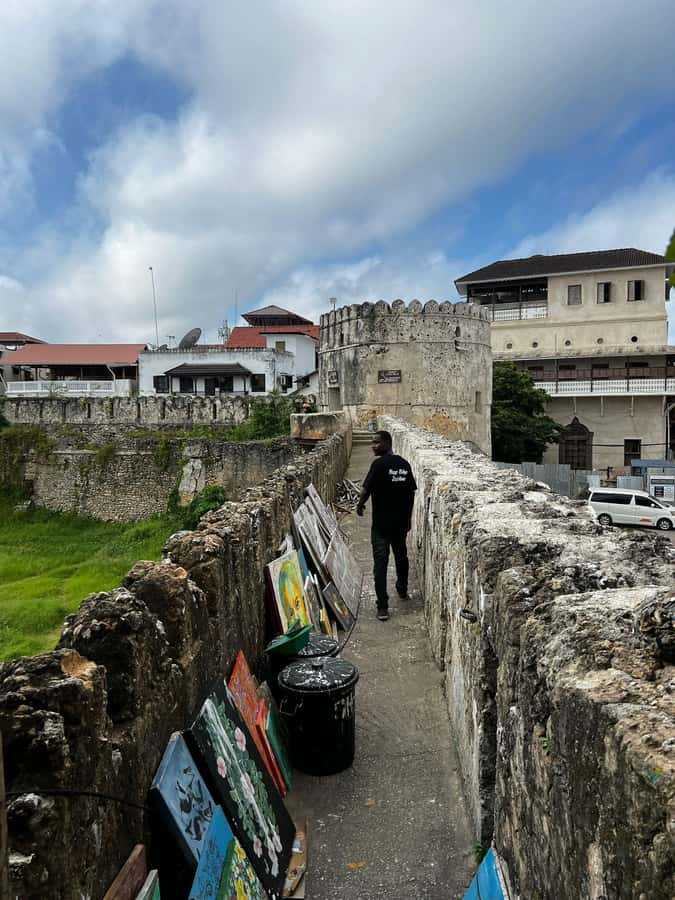
The standard meeting point is in front of the Old Fort, near Forodhani Gardens. If you select pickup, you wait in your hotel lobby about 10 minutes before the scheduled time and look for the guide or driver wearing a Happy Bikes shirt, hat, or cap.
The walk itself usually lasts about 2.5 hours, though the available duration ranges from two to four hours. That gives you some control. A shorter version can cover the main sights if you have a boat trip, meal, or hotel checkout. A longer version allows more time for photos, markets, optional interiors, and questions.
I would tell your guide at the start what matters most. You can ask for more architecture, culture, shopping, food, or history. Previous tours have been adjusted from three hours to two without losing the main highlights, and guides have also made extra stops for specific interests.
The tour includes hotel pickup and drop-off when selected, two 500 ml bottles of water, a city map, taxes, and surcharges. The exact pickup arrangement depends on the option you book, so check it carefully rather than assuming every booking includes transport.
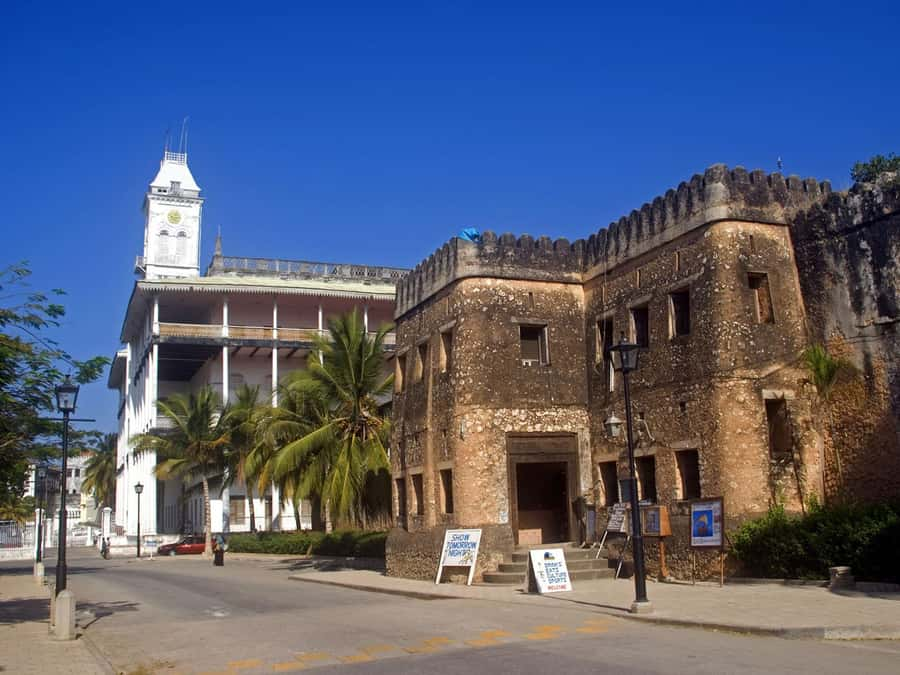
The Old Fort and Forodhani Gardens
Beginning near the Old Fort puts you in one of Stone Town’s most useful orientation points. The fort is a major landmark and one of the suggested drop-off points, so it works well at both ends of the walk.
From here, you are close to Forodhani Gardens and the seafront. The evening option is especially appealing because the light softens late in the day, and the nearby food activity becomes more noticeable after sunset. The 4:30 pm start is recommended if you want sunset views or a taste of the night market atmosphere.
The Old Fort itself is not the only reason to start here. It places you close to the old commercial center, making it easier to move from open space into the tight lanes of the town. Bring comfortable shoes. Stone surfaces can be uneven, and you will spend most of the time walking rather than riding.
Carved doors, limestone lanes, and layered architecture
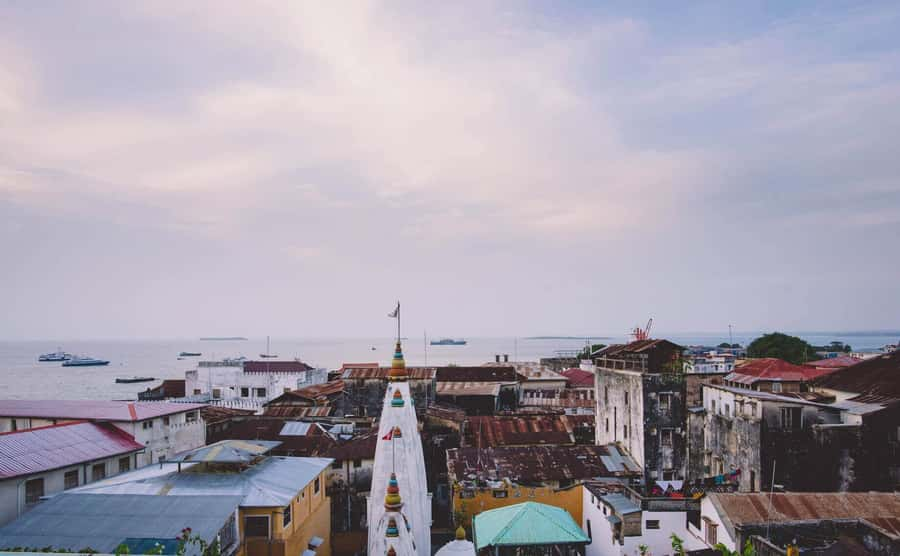
Stone Town’s doors are among its most memorable details. Some are decorated with carved patterns and metal studs, while others have a more restrained design. Your guide can explain how architecture reflects the owners, the era, and the town’s trading links.
This is where a private tour earns its price. You can stop without holding up a large group, take pictures, and ask why one building looks different from the next. The narrow streets also make it easy to lose your sense of direction, so the guide helps you connect separate lanes into a clear picture of the town.
Do not expect every building to be polished. Parts of Stone Town show age, weather, and neglect. That is part of the experience, but it can disappoint anyone expecting a fully restored historic quarter. The tour is more rewarding if you treat the town as a lived-in place rather than a perfectly preserved display.
More Private History Tours in the world:
- Private Historical Walking Tour of York
★ 5.0 · 1,324 reviews - Private Guided Historic Electric Cart Tour of St. Augustine
★ 5.0 · 1,194 reviews - Istanbul: Acemoglu Historical Turkish Bath w/Private Options
★ 4.6 · 1,190 reviews - From Cairo: Private Full-Day Tour of Historical Alexandria
★ 4.1 · 1,155 reviews
The former slave market and Anglican Cathedral

The former slave market site is one of the most important and difficult stops. The Anglican Cathedral was built on the site of the old slave market, making the visit a direct way to understand Zanzibar’s role in the East African slave trade.
This part of the walk deserves time and attention. It is not simply another photo stop. The guide explains the site’s past, and you can expect a more serious tone than at the markets or doors. One booking experience included admission to the former slave market area, but the general tour information lists entry fees for the Anglican Cathedral and related museums as optional. Confirm what is included when you book.
I would not rush this stop. If you want a fuller visit inside the cathedral or museum area, allow extra time and budget for admission. If your walk is limited to two hours, tell the guide that this site matters to you before the route begins.
Darajani Bazaar, coffee, and everyday shopping
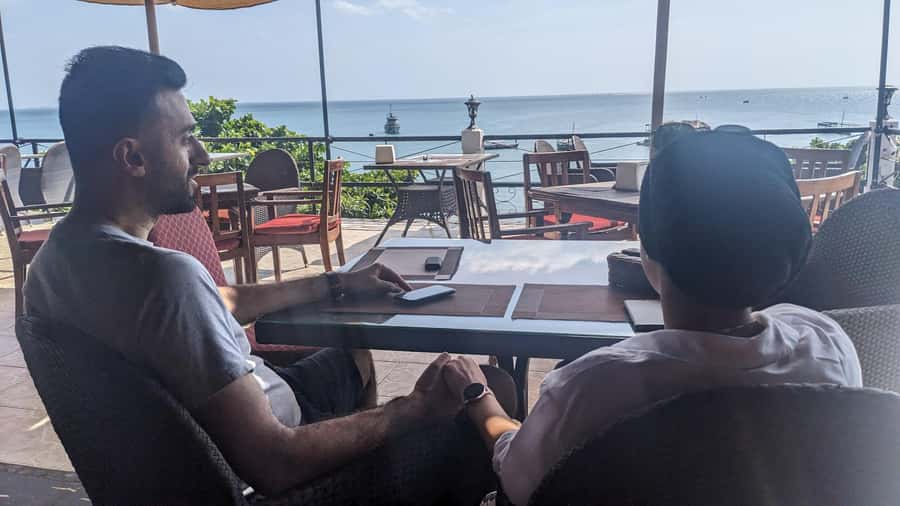
Darajani Bazaar gives you a different view of Stone Town. This is where local shopping takes place, and the sights, sounds, and smells can be more immediate than those around the major monuments.
The route may include food and arts-and-crafts markets, a coffee-filled bazaar, colorful market streets, and the shops used for everyday needs. I like this part because it keeps the tour from becoming a procession of old buildings. You see how the town functions now, not only how it looked in the past.
This is also the place to stay alert with your belongings and keep your bag small. Large luggage is not allowed on the tour, and a compact day bag is easier in tight lanes. Food and soft drinks are optional and cost extra. Personal purchases are also your responsibility, so carry cash if you hope to buy crafts or small items.
The market can feel crowded, warm, and noisy. That is part of its value, but it may be tiring if you dislike busy shopping areas. You can ask the guide for shade or a slower pace. One particularly useful detail from past outings is that guides have paused in shaded spots to explain the town when the heat became intense.
House of Wonders, Palace Museum, and Hamamni Baths
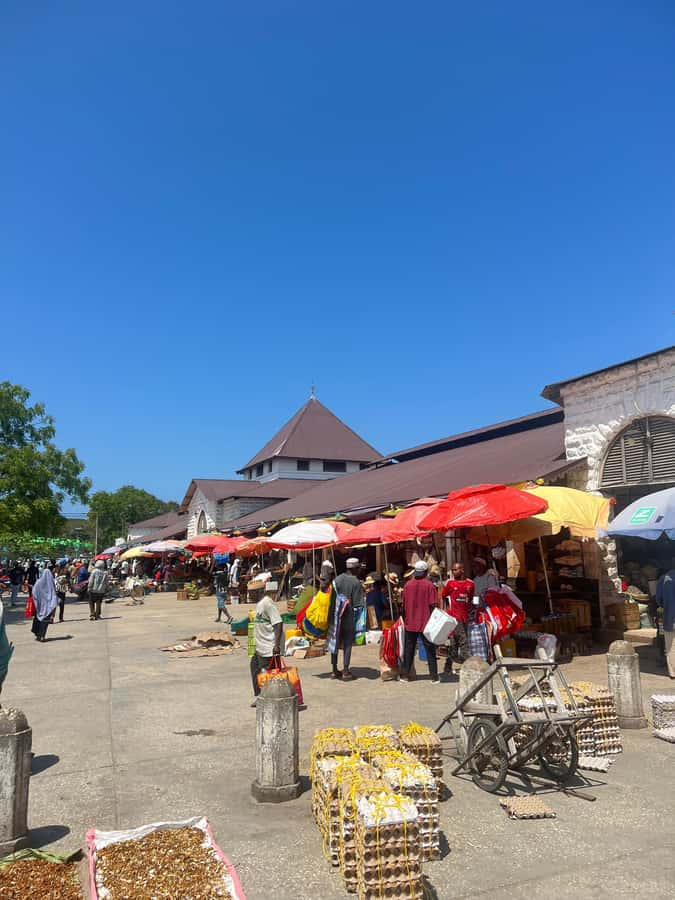
The House of Wonders is one of Stone Town’s best-known buildings. It is currently under renovation, so treat it as an exterior landmark unless access has changed by the time you visit. Your guide can still explain its place in the town’s story and point out its architectural importance.
The Palace Museum area adds another layer, focusing on Zanzibar’s former rulers and court life. The itinerary can also include Hamamni Baths and Hamamni Baths Street. These sites help show how public life, domestic life, and royal life fitted together in the old town.
The Hamamni Baths require an optional entry fee. If you want to go inside, make that clear at the beginning so the timing works. Otherwise, you can still see the street and hear about the baths without paying for admission.
A practical point: the more interiors you add, the less time remains for markets and lanes. I prefer to choose one or two paid sites rather than trying to enter everything during a short walk.
Catholic Cathedral, Freddy Mercury, and Jaw’s Corner
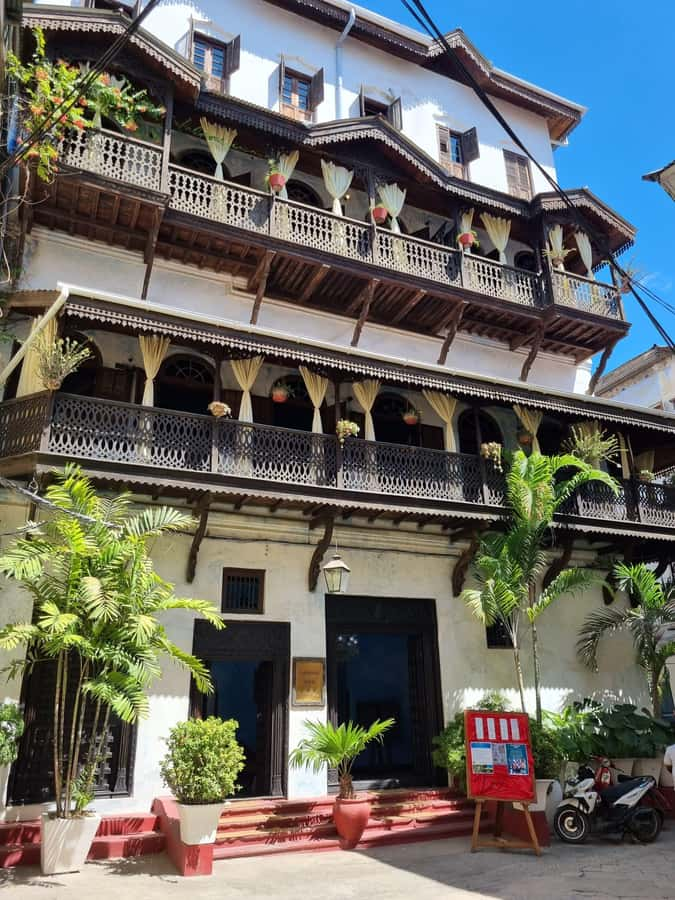
The Catholic Cathedral is another sign of Stone Town’s varied religious and cultural background. Along with the Anglican Cathedral, it shows that the town’s identity cannot be reduced to a single tradition.
The tour can also pass Freddy Mercury’s former home and include the Freddie Mercury Museum as an optional paid visit. His connection to Zanzibar adds a modern cultural note to a route otherwise focused on older buildings and trade. If you are a fan, ask how much time is available before deciding on museum entry.
Jaw’s Corner offers another look at public social life. The stop is useful because the tour is not only about grand buildings. Small gathering places, coffee, conversation, and street activity help explain how people use Stone Town after work and during the evening.
You may also visit a secret garden or other quieter corners selected by the guide. Because the route is custom-made, the exact order and mix of stops can change.
Sunset and the night market option
The evening route is the best choice if you want atmosphere rather than cooler temperatures alone. Start at 4:30 pm for sunset views, softer light on the limestone buildings, and a chance to see the night market activity near Forodhani Gardens.
The tradeoff is heat earlier in the walk and less daylight for some architectural details. If your priority is photography of doors and facades, a morning start may work better. If you want sunset and evening food activity, accept that the tour may feel warmer and that some interiors may not fit into the schedule.
Morning is the safest choice for anyone sensitive to heat. Several past outings worked better when started early, and one guide provided a cold drink during a particularly hot walk. Water is included, but I would still bring sunglasses, cash, and an umbrella if rain is possible.
Guides, languages, and the private format

Happy Bikes Zanzibar provides guides in English, French, German, Italian, Spanish, and Swahili. The named guides connected with especially strong experiences include Abdalla, Abdullah, Cosmo, Amina, Issa, Hashir, Muhammad, and Munaa.
The guide matters more than the exact route. Stone Town’s buildings are interesting, but the stories make the walk useful. Guides have been praised for explaining architecture, answering many questions, checking on comfort, and changing the focus to match personal interests.
Private or small-group choices are available. A private walk costs more than joining a large group, but the listed price of $30 per person is reasonable if you value individual attention, pickup, water, and flexibility. For a couple or small party, the cost can be a good way to get an orientation at the start of a longer stay.
The experience is best suited to people who enjoy walking, asking questions, and looking closely at ordinary streets. It is less suitable if you need frequent seating, dislike heat, or want a fully vehicle-based tour. The booking information also lists the tour as unsuitable for pregnant women.
What to bring and how to dress
Wear comfortable walking shoes. You will cover narrow streets, markets, and historic areas on foot, and sandals with poor support may become uncomfortable.
Bring:
- A camera
- Sunglasses
- Cash for optional admissions, food, and personal purchases
- Light, respectful clothing suited to local customs
- An umbrella if rain is forecast
Dress appropriately for Zanzibar’s culture and traditions. This matters most around religious buildings and historic sites. Large bags and luggage are not allowed, so leave suitcases at your hotel.
The tour runs rain or shine. A shower may slow the route, but it does not automatically cancel the walk. Keep your plans flexible and take weather seriously when choosing morning or afternoon timing.
Is $30 good value?
At $30 per person, this is a strong value for a private introduction to Stone Town, especially when pickup and drop-off are included in your chosen option. You also receive water and a city map, and the guide can adjust the route instead of giving every group the same fixed speech.
The price does not cover all attraction admissions, food, soft drinks, or shopping. That is normal for a walking tour, but you should budget for the Freddie Mercury Museum, Anglican Cathedral, and Hamamni Baths if you want to go inside.
The biggest value is time saved. Stone Town is compact, yet its lanes can be confusing. A good guide helps you see the major sights, understand the cultural mix, and find the market areas without spending your first day wandering in circles.
You can cancel up to 24 hours ahead for a full refund, and the reserve-now, pay-later option keeps your plans flexible. Check the available starting times before booking, especially if you want the 4:30 pm sunset route.
Should you book this Stone Town walk?
Book it if you want a practical first look at Stone Town, prefer a local guide to a self-guided stroll, or have only a few hours before moving on. It is also a good choice for solo visitors who want hotel pickup, a clear meeting arrangement, and a guide who can adjust the pace.
Choose a morning start if heat is your main concern. Choose 4:30 pm if sunset, the night market, and evening street life matter more. Tell the guide your priorities before setting off, especially if you want the former slave market, museum interiors, shopping, or architecture to receive extra time.
I would book this tour as an orientation rather than a final word on Stone Town. It gives you the town’s structure and stories, then leaves you free to return to the places that caught your attention. At $30 per person, that is a sensible way to begin a Zanzibar stay.
FAQ
Where does the tour meet?
The usual meeting point is in front of the Old Fort, near Forodhani Gardens.
Is hotel pickup available?
Pickup and drop-off are included when you select an option that offers them. Wait in your hotel lobby 10 minutes before the scheduled time and look for the guide or driver wearing a Happy Bikes shirt, hat, or cap.
How long does the tour last?
The tour duration ranges from two to four hours. The main walking portion is listed as about 2.5 hours, depending on the option and route.
What time should I choose for sunset?
Book the 4:30 pm start for sunset views and the evening night market atmosphere.
Which languages are available?
Guides are available in English, French, German, Italian, Spanish, and Swahili.
Are attraction entry fees included?
Entry fees for the Freddie Mercury Museum, Anglican Cathedral, and Hamamni Baths are listed as optional and are not normally included. Confirm the exact arrangement when booking.
What is included in the price?
The tour includes a private local guide, pickup and drop-off when selected, two 500 ml bottles of water, a city map, taxes, and surcharges.
What should I bring?
Bring a camera, sunglasses, comfortable shoes, and cash. Dress respectfully for local customs, and take an umbrella if rain is expected. Large bags and luggage are not allowed.
Latest history tours reviewed in the world
- From Athens: Explore Ancient Greece 4-Day Tour★ 4.7 · 73 reviews
- From Athens: Ancient Olympia Full-Day Private Tour★ 4.8 · 22 reviews
- From Athens: Explore Ancient Corinth & Charming Nafplion★ 4.6 · 102 reviews
- From Albufeira: Wine Tasting & Historic Silves Tour★ 4.9 · 421 reviews
- From Albufeira: Historical Algarve Region Tour★ 4.7 · 585 reviews
- From Alexandria: Full-Day Guided Tour of Historical Sights★ 4.5 · 54 reviews
- Franklin: Ghost Tour in Historic Franklin★ 4.8 · 65 reviews
- Freiburg: Exciting City Tour with sightseeing and history★ 4.3 · 103 reviews
Tanzania History Tours, compared.

Zanzibar: Stone Town Historical Cultural Walking Guided Tour
Read our review →
Arusha Guided Walking City Tour, Culture, Lifestyle & History
Read our review →

Zanzibar Stone Town Tour: Explore Rich History and Hidden Wonders
Read our review →Browse the lists this tour appears in