

Review · TANZANIA
Zanzibar: Stone Town Historical Cultural Walking Guided Tour
Stone Town’s best stories are tucked into its narrow lanes, where a mosque, church, and Hindu temple can sit close together and old stone houses open onto busy market streets. This walking tour gives you a useful first look at Zanzibar’s oldest city while a local guide explains how trade, religion, colonial rule, and slavery shaped it.
I like the chance to see major sights such as the Old Fort and former slave market without having to plan a route through the maze. I also like the local touch: guides such as Ali, known as Diamond, Haidara, Ammar, and Abdalla have been praised for clear explanations, friendly conversation, and showing side streets you might miss alone.
The main drawback is the heat and the flexible timing. Some people finish in about two hours, while the full experience can take up to five hours, and construction or weather may close or change a stop. If you want a precise museum-by-museum schedule, this is not that kind of tour.
Key things to know before you book
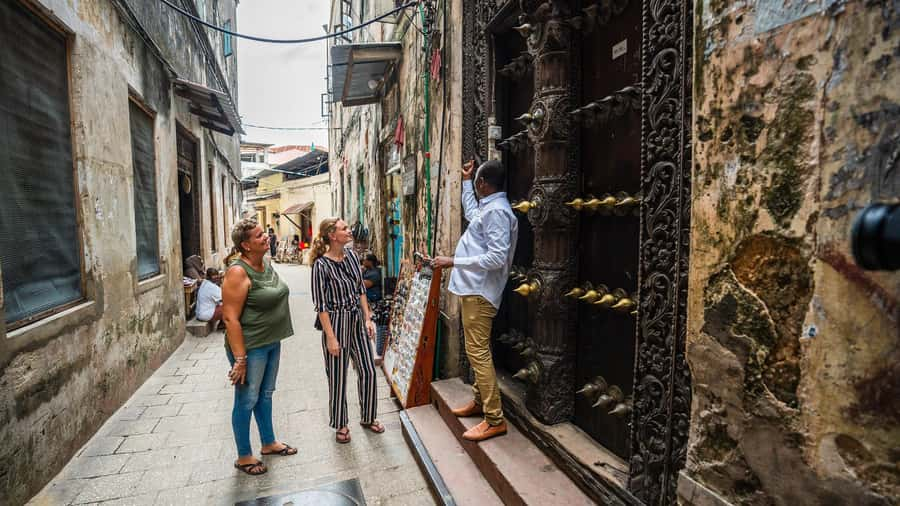
- Stone Town is best understood on foot: The lanes, carved doors, markets, and everyday street life are the main attraction.
- The former slave market is an important stop: Entry is included, and you should allow time for the exhibition rather than rushing through it.
- Guides bring different strengths: Ali, Diamond, Haidara, Ammar, Naseer, and Abdalla are among the guides praised for history, English, patience, and good local conversation.
- The tour can be short or extended: Many people complete the main route in roughly two hours, but the stated duration is two to five hours.
- Hotel transport depends on your chosen option: Pickup and drop-off can be arranged, including a transfer option from outside Stone Town.
- Come ready for sun, humidity, and walking: A relaxed pace helps, especially in the market lanes and during warm afternoons.
Why Stone Town works best with a guide
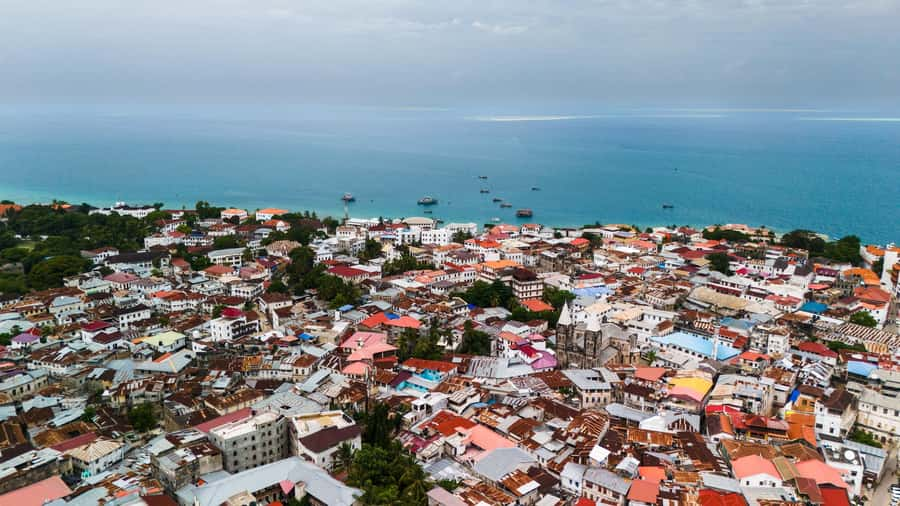
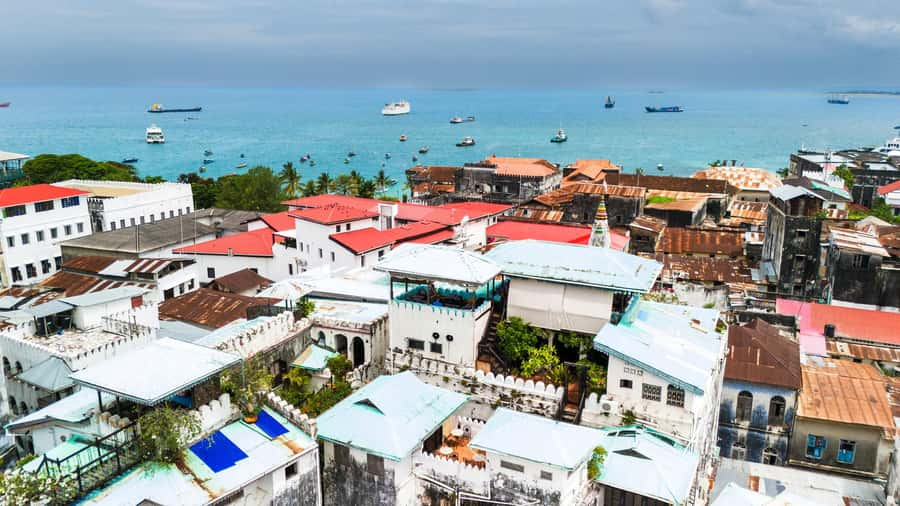
Stone Town is compact, but it is not simple. Its old quarter is a web of lanes that can look similar at first glance. A guide gives those walls and doorways a place in the larger story instead of leaving you with a series of attractive photographs.
The town became a World Heritage Site in 2000. Its identity grew from contact between African communities and traders, settlers, and rulers connected with Arabia, India, Persia, and Europe. You will see that mixture in the buildings and places of worship, but also in food, language, commerce, and family life.
I find the human scale of this tour especially useful. You are not sealed inside a vehicle while someone points at monuments through a window. You walk past shops, local homes, market stalls, and small side streets. The guide can answer questions as they arise and adjust the pace to your interests.
That local connection matters here. The most useful guides do more than recite dates. Ali, also called Diamond, has been praised for mixing historical explanation with humor and easy conversation. Haidara has been singled out for sharing the perspective of someone born and raised in Stone Town. Guides such as Ammar, Naseer, Abdalla, and Hassan have also been praised for clear English, patience, and personal attention.
Your guide will not necessarily be one of these people, so I would treat the names as examples of the style you can hope for, not a guarantee. The operator assigns the guide.
More Local Culture and Traditions Tours in the world:
- Amsterdam Food and Cultural Tour with Tastings
★ 5.0 · 4,315 reviews - Sevilla Food Tour: Tapas, Wine, History & Traditions
★ 5.0 · 3,468 reviews - Tromsø: Reindeer Camp and Sami Cultural Tour with Lunch
★ 4.7 · 3,326 reviews
Beginning with pickup and the ride into town
If you select a pickup option, you meet the driver at your hotel reception five minutes before departure. The safari vehicles carry the Beach & Safari Holidays logo, which makes the vehicle easier to identify. Hotel pickup and drop-off are included only when you choose the relevant transfer option.
The activity information gives Stone Town as the main pickup area and also offers a transfer-from-anywhere choice for people staying outside town. A pickup from Nungwi has been described as punctual and easy, but you should allow for a longer day if you are staying well away from Stone Town.
The listed itinerary includes a van ride of about an hour. The exact time depends on where you are staying, traffic, and the day’s arrangements. If you are lodging in Stone Town, you may spend much less time in the vehicle and more time walking.
The driver returns you to your hotel after the walking portion when that service is part of your booking. This is useful after several hours on foot, especially if the heat has taken some energy out of you.
Old Fort, the first major landmark

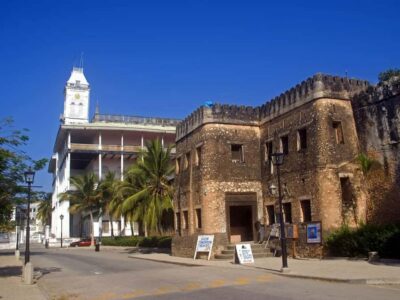
The Old Fort is one of the natural anchors of a Stone Town walk. You stop for photographs and a guided visit, with the guide placing the fort within the town’s changing political story.
The thick walls and central position make it easy to understand why this building mattered. It is not simply another old structure to tick off. It helps you see Stone Town as a place shaped by trade, defense, and competing powers.
I would listen closely here rather than spending the entire stop taking pictures. The fort is a useful introduction to the way the town developed, and it gives you landmarks to recognize later as you move through the lanes.
The fort may also be used for cultural events and local activity, though the tour description does not promise a particular event during your visit. The stop itself is included in the guided route, but weather and local conditions can affect the order or length of the visit.
The former slave market and Anglican Cathedral

The visit to the former slave market is the most serious part of the day. The entry ticket is included, and the site explains Zanzibar’s role in the historic slave trade and the suffering connected with it.
You should not rush this stop. One person who took the tour found the slavery exhibition worth allowing extra time for, and that is sound advice. The subject can be difficult, but avoiding it would leave out a central part of Stone Town’s past.
The nearby Anglican Cathedral adds another layer to the story. Its presence reflects the later campaign against the slave trade and the changing religious and political forces on the island. Your guide can help connect the site to the wider trade routes that linked East Africa with Arabia, India, and Europe.
This is also where a guide’s manner matters. A good explanation should give context without turning the site into a grim curiosity. You can ask questions about how the trade worked, how it affected local communities, and how abolition changed the town.
The stop may feel more emotional than the fort or market. That is not a flaw, but you should know what you are signing up for. This tour treats Stone Town as a real city with painful chapters, not just a photogenic old quarter.
More History Walking Tours in the world:
- History and Hauntings of Salem Guided Walking Tour
★ 5.0 · 14,564 reviews - Lisbon: History, Stories and Lifestyle Walking Tour
★ 4.8 · 10,902 reviews - Boston: Freedom Trail History Small Group Walking Tour
★ 5.0 · 6,450 reviews - Historic Charleston Guided Sightseeing Walking Tour
★ 5.0 · 6,216 reviews
Freddie Mercury Museum and modern Stone Town
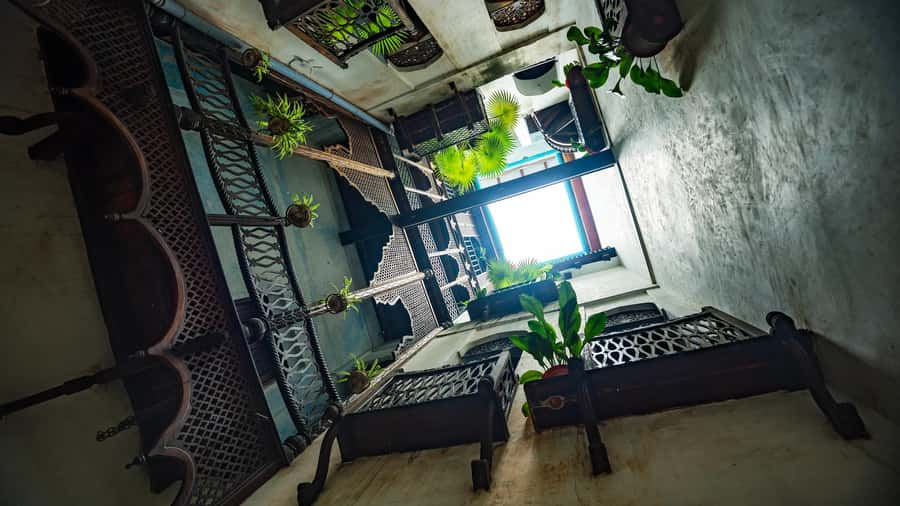
The Freddie Mercury Museum adds a more recent and personal note to the route. Freddie Mercury was born in Zanzibar, and the museum connects his early life to the island’s place in popular culture.
The stop includes a visit, photographs, and guided explanation. Admission details beyond the included slave market ticket are not specified, so I would confirm what is covered when you book if entering the museum is especially important to you.
This part of the tour works well because it keeps Stone Town from becoming only a lesson about forts and colonial buildings. You get a link to a global musical figure, then continue through streets where ordinary local life carries on around the historic sites.
A review of the route described the Freddie Mercury Museum and the memories of Stone Town as major highlights. I can understand why. The museum gives the old city a modern human face, though your enjoyment will depend on how interested you are in Mercury and the museum’s presentation.
Darajani Market and the everyday city
Darajani Market is where the walking tour becomes most sensory. You move through stalls and shopping areas, with the guide helping you read the scene rather than simply pass through it.
The market is a good place to watch local commerce at close range. You may see food, household goods, spices, and souvenirs, though the exact selection changes. The tour includes shopping time, but purchases are your responsibility.
One detail that has stayed with me from the experience is the sugar cane drink. It gave one visitor a memorable taste of local life, and it is the kind of small, unplanned moment that can make a walking tour feel more personal.
You may also find suggestions for food spots and places to return later. One guide helped a visitor identify local eating options for the afternoon, while another showed a local area after first checking that the visitor was comfortable. That is a useful sign of a guide who pays attention to your interests and sense of comfort.
The market can be crowded, warm, and noisy. Keep your belongings secure and stay close enough to hear your guide. If you prefer quiet monuments, this will be the least relaxed section. If you want to see how Stone Town functions today, it is one of the most worthwhile stops.
Palace Museum, doors, and the side streets

The Palace Museum is listed among the popular Stone Town sights associated with the tour, though the day’s exact stops can change. The same applies to individual buildings and photo points. Construction has sometimes made impressive buildings unavailable, so do not book this expecting every interior to be open.
The greatest value of the walk is often between the named landmarks. Your guide can point out carved doors, old stone houses, mosques, churches, and temples as you pass. These details show the blend of Arabic, African, Indian, and European influence more clearly than a simple list of dates.
I would give yourself permission to slow down. The lanes are not a race, and the best questions often come when you notice something small: a door design, a religious symbol, a shop’s goods, or the way homes and businesses share the same narrow street.
The route is flexible, so one guide may spend more time on architecture while another focuses on slavery, trade, or modern life. That variation can be helpful if you tell your guide what interests you. It can also mean that two people describe slightly different versions of the tour.
How long the walk takes
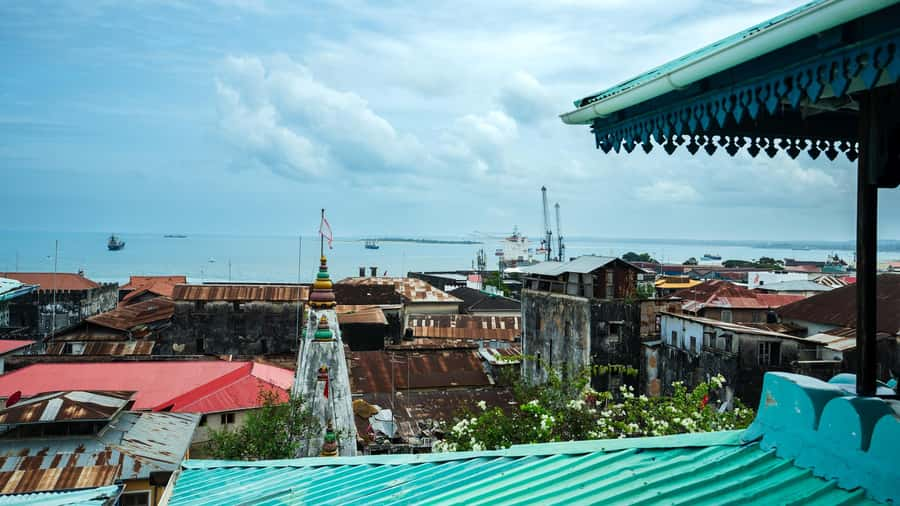
The official duration is two to five hours. That is a wide range, but the short end makes sense for a focused introduction to the main sights. Several people completed a useful Stone Town overview in about two hours.
A longer version leaves more room for the former slave market exhibition, shopping, questions, photographs, and side streets. It may also include more time at the market or additional stops if conditions allow.
Morning and afternoon departures are available. I would choose morning if you dislike strong heat or want more energy for walking. An afternoon start may suit you if you are arriving from a beach hotel later in the day, though humidity and rain can affect comfort.
The itinerary and stops can change with weather and the day’s conditions. Rain did not necessarily prevent the walk, but it can alter the pace and access to certain buildings. Wear shoes that handle uneven streets and bring water. The tour information does not list a meal, so plan to eat before or after the activity.
Price and overall value at $21
At $21 per person, this is a strong-value introduction to Stone Town, especially if you want both a guide and the former slave market entry ticket. You are paying for local explanation, route planning, and the chance to ask questions, not only transport between monuments.
The value improves if you are staying outside Stone Town and choose the transfer option. A driver collects you, waits through the town visit, and returns you to your hotel. The total day will be longer because of the ride, but that convenience can save you the work of arranging separate transport.
The value is less clear if you already know Stone Town well or want long interior visits at every museum. This is mainly a walking overview, not a specialist architecture tour or a full museum program.
Private groups are available. If you can choose that format, it should make it easier to set the pace and ask more questions, though the supplied details do not state the exact private-group surcharge. The standard experience can still work well for a solo visitor, couple, or small party because the guides are described as attentive and willing to adapt.
Who should book this Stone Town walk
I would recommend it for a first visit, particularly if you are staying at a beach resort and want a grounded introduction to the island beyond the sand. It suits people who enjoy history, street scenes, markets, photography, and conversation with a local guide.
It also works well for solo visitors. One booking was made for a mother traveling alone, and the company handled communication and care well. That does not remove the need for normal travel awareness, but it suggests the pickup and guiding service can be reassuring.
Families with older children may appreciate the variety of stops, though the slavery site requires some thought about age and sensitivity. The market, fort, museum, and local streets provide more variety than a single historic building.
I would not choose it if you dislike walking, heat, flexible plans, or serious historical subjects. You may also want another arrangement if Palace Museum access or a specific building is your main reason for visiting, since construction and daily conditions can change the route.
Practical details that make the day easier
Wear light clothing that is respectful around religious buildings and bring water. The information does not set out a detailed dress code, but Stone Town includes mosques, churches, and temples, so modest clothing is a sensible choice.
Keep your schedule loose. The guide may spend longer on a question, a market stop, or the slavery exhibition. Rain, heat, or construction can change the order of the route.
Tell the guide what you want early. If you care most about architecture, ask for more doors and buildings. If you want history, request more context about trade and slavery. If shopping matters, allow time at Darajani Market.
The tour is offered with an English-speaking guide. Free cancellation is available up to 24 hours before departure, and you can reserve now and pay later. Starting times vary, so check availability for the date you want.
Should you book it?
Book this tour if you want a well-priced first look at Stone Town with local context, a driver option, and a serious visit to the former slave market. The strongest part is the combination of major landmarks and ordinary streets, especially when your guide shares personal knowledge rather than rushing through a script.
Go in expecting a flexible walking tour, not a fixed museum schedule. Choose a private group if you want more control, select morning for a cooler start, and leave room for the market and slavery exhibition. At $21, it is an easy recommendation for first-time visitors who want Stone Town to make sense before exploring it on their own.
FAQ
Where does the Stone Town historical walking tour take place?
The tour takes place in Stone Town, Zanzibar, in Tanzania’s Unguja South Region. The walking section covers historic streets, landmarks, markets, and cultural sites.
What sights are included?
The route includes Stone Town streets, the Old Fort, the former slave market and Anglican Cathedral, the Freddie Mercury Museum, and Darajani Market. The Palace Museum is also listed among the popular Stone Town sights, but stops can change.
Is hotel pickup included?
Hotel pickup and drop-off are included only if you choose the relevant transfer option. Pickup is arranged at your hotel reception, and you should be ready five minutes before departure.
How long does the tour last?
The stated duration is two to five hours. A focused tour may take about two hours, while a longer visit allows more time for the former slave market, shopping, questions, and additional walking.
Is the former slave market entry ticket included?
Yes. The slave market entry ticket is included in the activity.
What language does the guide speak?
The live tour guide speaks English.
Can I cancel or pay later?
You can cancel up to 24 hours in advance for a full refund. You can also reserve now and pay later, which lets you keep your plans flexible.
Latest history tours reviewed in the world
- From Athens: Ancient Olympia Full-Day Private Tour★ 4.8 · 22 reviews
- From Athens: Explore Ancient Corinth & Charming Nafplion★ 4.6 · 102 reviews
- From Athens: Explore Ancient Greece 4-Day Tour★ 4.7 · 73 reviews
- From Albufeira: Wine Tasting & Historic Silves Tour★ 4.9 · 421 reviews
- From Albufeira: Historical Algarve Region Tour★ 4.7 · 585 reviews
- From Alexandria: Full-Day Guided Tour of Historical Sights★ 4.5 · 54 reviews
- Franklin: Ghost Tour in Historic Franklin★ 4.8 · 65 reviews
- Freiburg: Exciting City Tour with sightseeing and history★ 4.3 · 103 reviews
Tanzania History Tours, compared.

Arusha Guided Walking City Tour, Culture, Lifestyle & History
Read our review →
Stone Town’s Hidden History: Private Guided Walking Tour
Read our review →
Zanzibar Stone Town Tour: Explore Rich History and Hidden Wonders
Read our review →Browse the lists this tour appears in