
Review · TANZANIA
Arusha; Walking City Tour History, Culture & Lifestyle
Arusha reveals itself best on foot, between its museums, markets, government buildings, and ordinary streets. This tour moves from a former German fortress to the Central Food Market, with stops at the Tanzanite Experience and the African Art Gallery along the way.
I like the mix of formal sights and daily life. You get history, art, politics, food, and local conversation in one outing. I also like the guides’ flexibility. Israel, Daudi, Innocent, and John are repeatedly praised for answering questions, adjusting the pace, and helping with practical matters such as SIM cards.
The main consideration is walking. You may spend four and a half hours on your feet, and the full experience can run longer if you linger over food, shopping, or conversation. The Natural History Museum entrance fee, food, drinks, and purchases cost extra.
Key points to know before you book
- The Central Food Market is a major highlight: Expect colorful produce, spices, food stalls, and a close look at Arusha’s daily routine.
- The tour connects famous sights with ordinary streets: You will see the Clock Tower, AICC, the East African Community Headquarters, and local neighborhoods on foot.
- Guides shape the day around your interests: Israel, Daudi, Innocent, Jackson, and John are among the guides praised for warmth, humor, and flexibility.
- Tanzanite gets more than a passing mention: The Tanzanite Experience explains the stone’s story and allows time for shopping if you want to buy.
- Budget about $34 or more per person: The $28 tour price excludes the Natural History Museum entrance fee, food, drinks, and personal purchases.
- Hotel pickup has a distance limit: Pickup and drop-off are included for hotels near the center, while farther locations require an extra charge.
Why walking is the right way to meet Arusha
Arusha is often treated as a place to sleep before a safari. That is a mistake. The city is the practical and political heart of northern Tanzania, and a walk gives you a better feel for it than a quick drive between hotel and airport.
This experience is not just a checklist of sights. You move through the city at street level, where you can notice shops, food, traffic, signs, clothing, and the pace of local life. Your guide provides the thread that connects those details to Tanzania’s past and present.
The tour has a listed price of $28 per person. That is a fair deal if you want a guided introduction rather than paying for separate museum visits and trying to make sense of the city alone. The value comes from the conversation and the route as much as from the included stops.
The advertised duration is four to eight hours, with the main city walk described as about four and a half hours. That wide range matters. A brisk group may finish sooner, while a private or flexible outing can stretch into most of the day, especially if you stop for food or shop for crafts.
More Local Culture and Traditions Tours in the world:
- Amsterdam Food and Cultural Tour with Tastings
★ 5.0 · 4,315 reviews - Sevilla Food Tour: Tapas, Wine, History & Traditions
★ 5.0 · 3,468 reviews - Tromsø: Reindeer Camp and Sami Cultural Tour with Lunch
★ 4.7 · 3,326 reviews
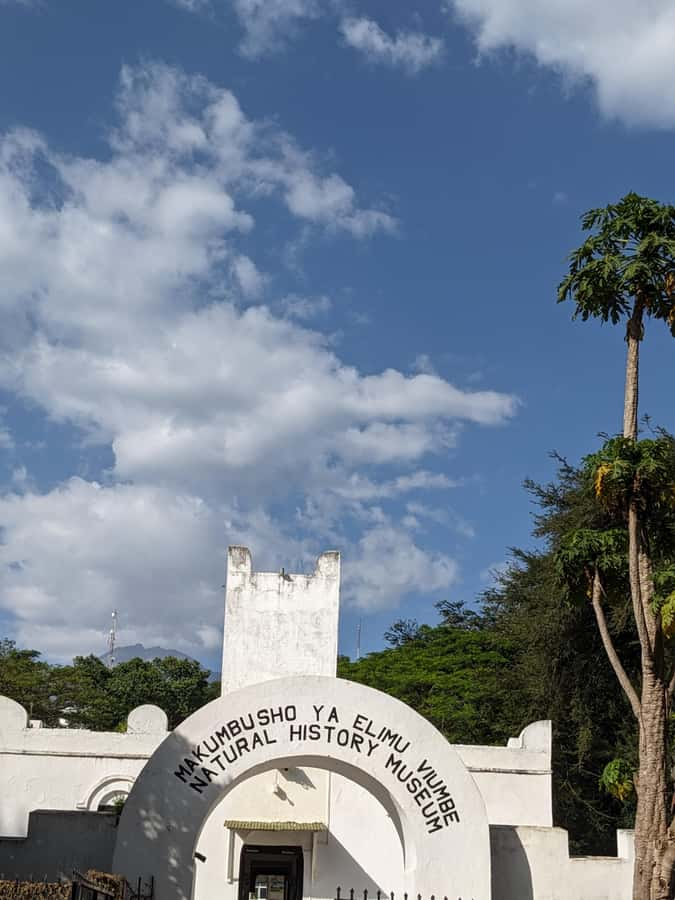
Starting at the Natural History Museum
The Natural History Museum occupies a colonial-era German fortress, giving your first stop a physical connection to Tanzania’s colonial past. Inside, you can learn about human evolution, local wildlife, and the area’s earlier history.
The entrance fee is not included. Adults pay $6, so add that to the advertised tour price when working out your budget. It is a small extra, but knowing about it prevents confusion at the start.
I like this opening because it gives the rest of the walk some context. You are not simply looking at buildings and markets. You begin with the forces that shaped the region, then step outside to see how Arusha functions today.
Museum time can vary, so ask your guide how long the group will spend inside. If you are especially interested in archaeology, wildlife, or colonial history, this is a good place to tell the guide what you want to explore. The tour is flexible enough for questions, but a longer museum visit may reduce time elsewhere.
Government buildings, AICC, and the city’s public face
From the museum, the route continues through the governmental district. Along the way, you pass the East African Community Headquarters, Mount Meru Hospital, and the Arusha International Conference Centre, usually known as AICC.
These stops help explain why Arusha matters beyond tourism. The East African Community brings regional cooperation into the city, while AICC hosts major meetings and diplomatic events. Mount Meru Hospital gives you a reminder that Arusha is also a working city serving local residents, not simply a base for safari companies.
The guide’s commentary is important here. A building can look ordinary if you do not know what happens inside it. With context, the walk becomes a lesson in regional politics, public services, and Tanzania’s place in East Africa.
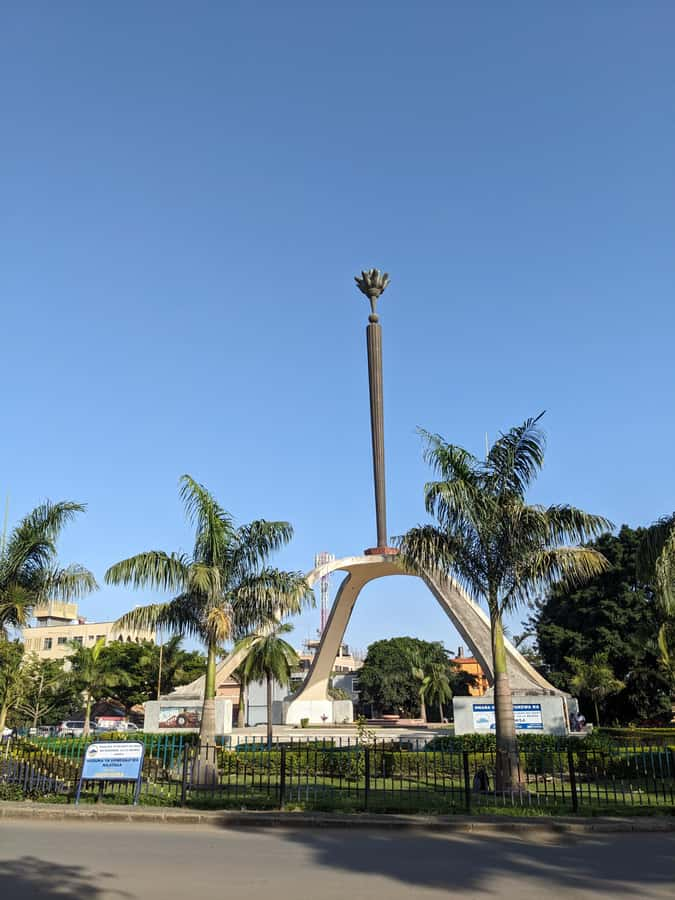
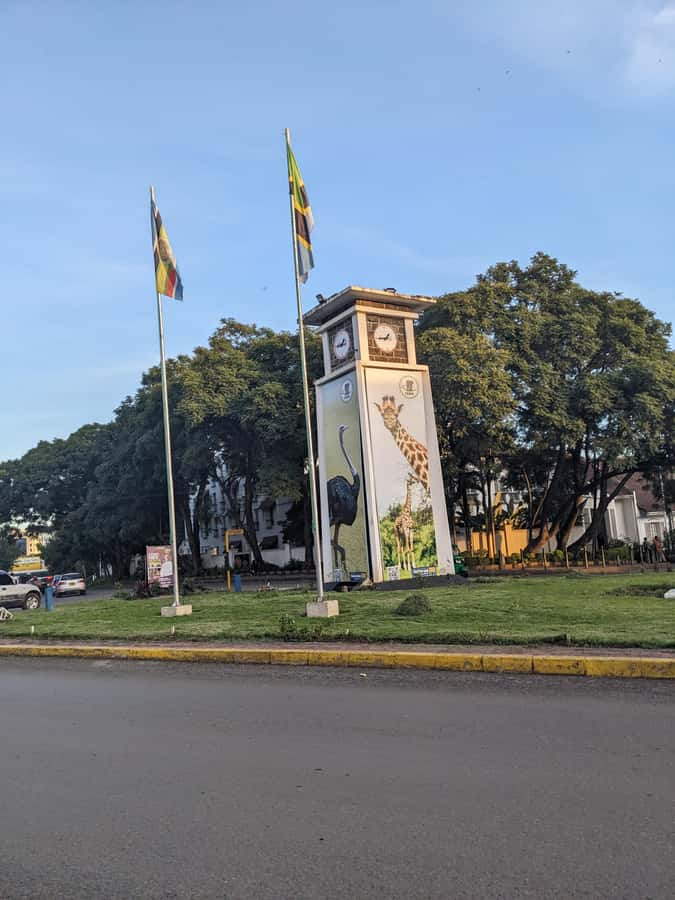
You will also pass the Arusha Clock Tower, one of the city’s best-known landmarks. It is often described as the midpoint between Cairo and Cape Town, a detail that makes the tower more than a useful meeting spot. It reflects Arusha’s position on a major north-south route through the continent.
Tanzanite and the business of a rare stone
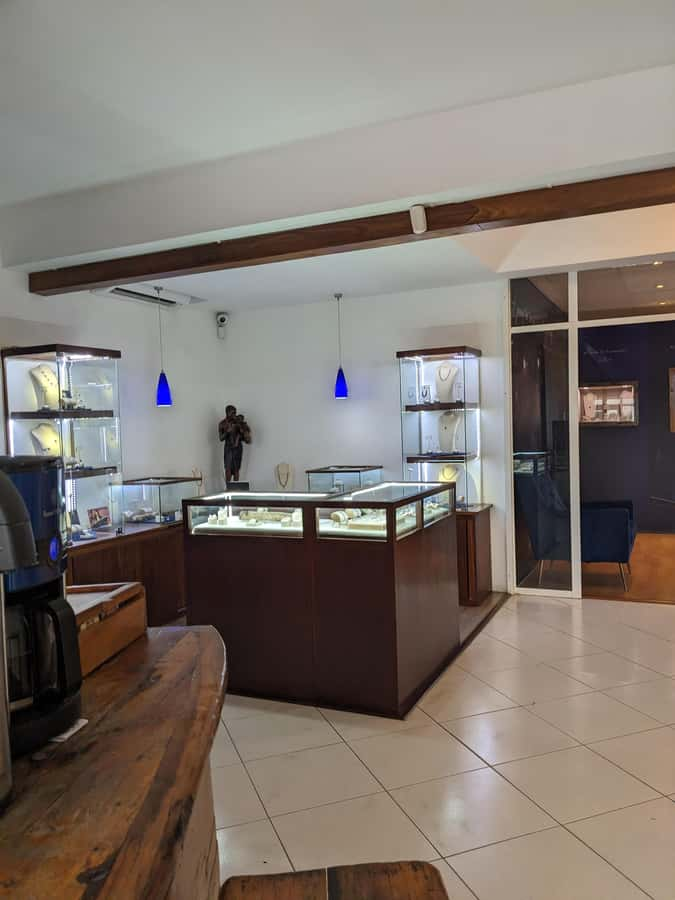
The Tanzanite Experience Museum focuses on Tanzania’s famous blue-purple stone. The visit covers the stone’s story, its connection to the country, and the reasons it has become a major part of Arusha’s tourist economy.
You can shop after learning about it, but you do not have to buy anything. That distinction is useful. You can treat the stop as a museum visit, compare prices, or decide that a purchase is not for you.
The itinerary includes the Tanzanite Experience, but personal spending does not. If you are considering jewelry, set a firm budget and take your time. Ask questions about the stone and the purchase before committing. The guide can hold the group while you shop, which is helpful if one person in your party wants to browse and another does not.
One practical point: a shopping stop changes the rhythm of a walking tour. It may be welcome if you want a meaningful souvenir, but less appealing if you prefer an uninterrupted history walk. Tell your guide early if you want to keep shopping brief.
More History Walking Tours in the world:
- History and Hauntings of Salem Guided Walking Tour
★ 5.0 · 14,564 reviews - Lisbon: History, Stories and Lifestyle Walking Tour
★ 4.8 · 10,902 reviews - Boston: Freedom Trail History Small Group Walking Tour
★ 5.0 · 6,450 reviews - Historic Charleston Guided Sightseeing Walking Tour
★ 5.0 · 6,216 reviews
Maasai Market crafts and souvenir time
The Maasai Market is the place to look at traditional crafts, jewelry, textiles, and other souvenirs. It is a lively stop, but it can also be the most sales-focused part of the day.
I would treat the market as a chance to see how local craftwork is presented and sold, not as a reason to rush into a purchase. Compare items, ask about materials, and remember that you can simply look. The tour provider can hold purchases while you continue walking, which saves you from carrying bags all afternoon.
The market also gives your guide a chance to explain cultural designs and local buying habits. Ask questions rather than assuming every item has the same meaning or origin. A good guide can help you understand what you are seeing and make the stop more than a standard souvenir break.
One past participant found the brief gift-shop stops less appealing, although they did not spoil the experience. That is a useful warning for independent-minded shoppers. If retail stops are not your thing, say so politely. The guide can usually keep the focus on the city and culture.
The Central Food Market, where Arusha gets practical
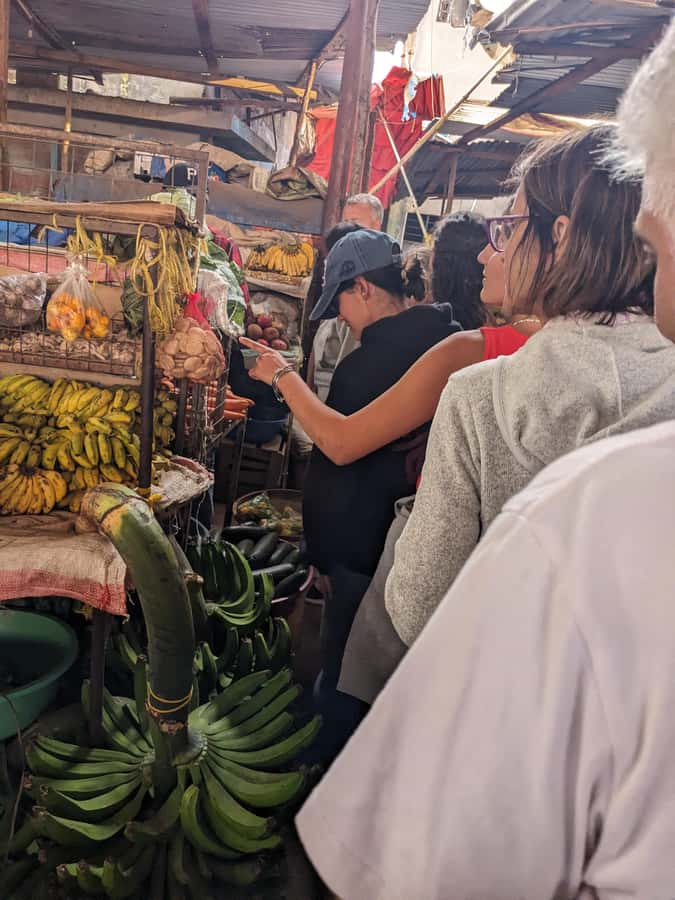
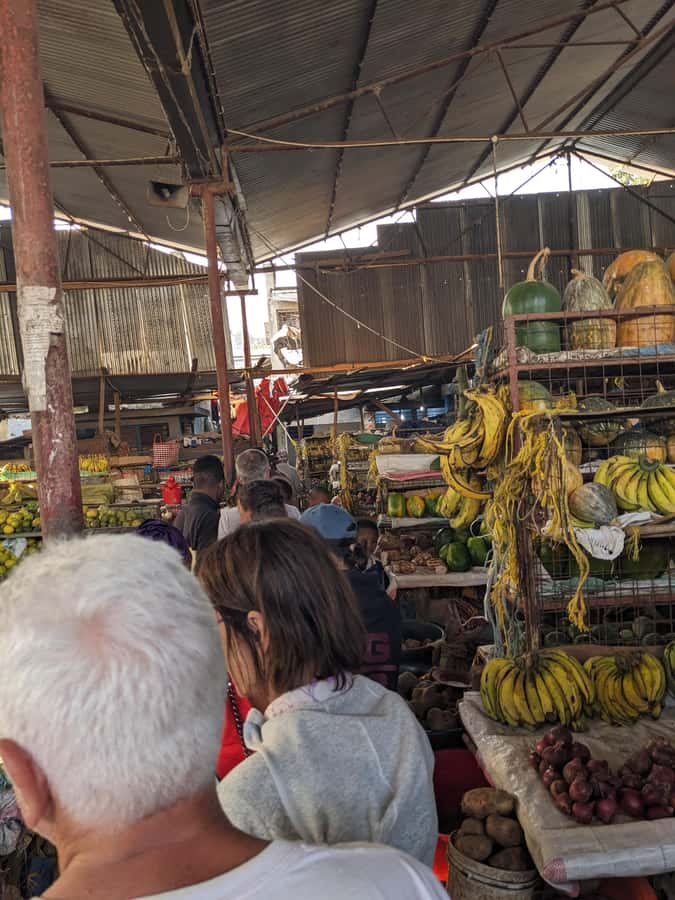
For many people, the Central Food Market is the best part of the tour. This is where the city feels most immediate. You see produce, spices, smells, colors, vendors, and the steady business of buying food.
A guide makes this stop easier and more useful. You can ask what unfamiliar fruits are called, how ingredients are used, and which foods are common in Tanzanian homes. The market is not presented as a staged performance. It is a working place, so be alert, respectful, and aware of your belongings.
Some guides arrange time to try local food. One particularly successful outing included a local lunch after the market, with the guide joining the meal. Food is not included in the tour price, so bring cash if you want to eat or sample something along the route.
I recommend keeping an open mind but using ordinary caution. If you have allergies or dietary restrictions, explain them clearly before eating. Bottled water is also sensible, since the walk and warm weather can make you thirsty.
The market is valuable because it changes how you see the rest of Arusha. Afterward, restaurants, shops, and food stalls are easier to understand. You have seen where ingredients enter the city and how people shop for them.
African art at the Cultural Heritage Centre
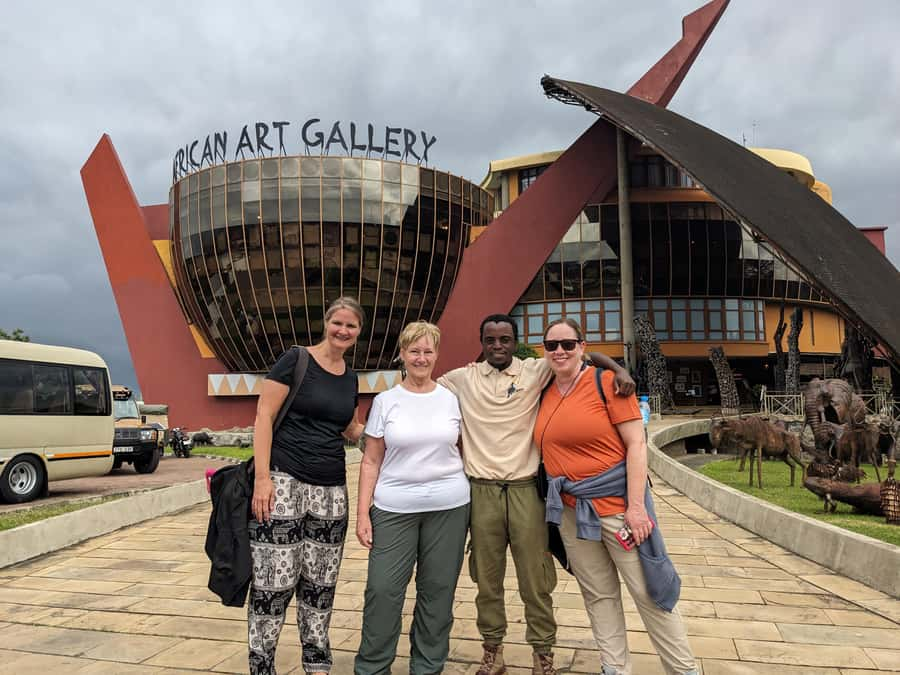
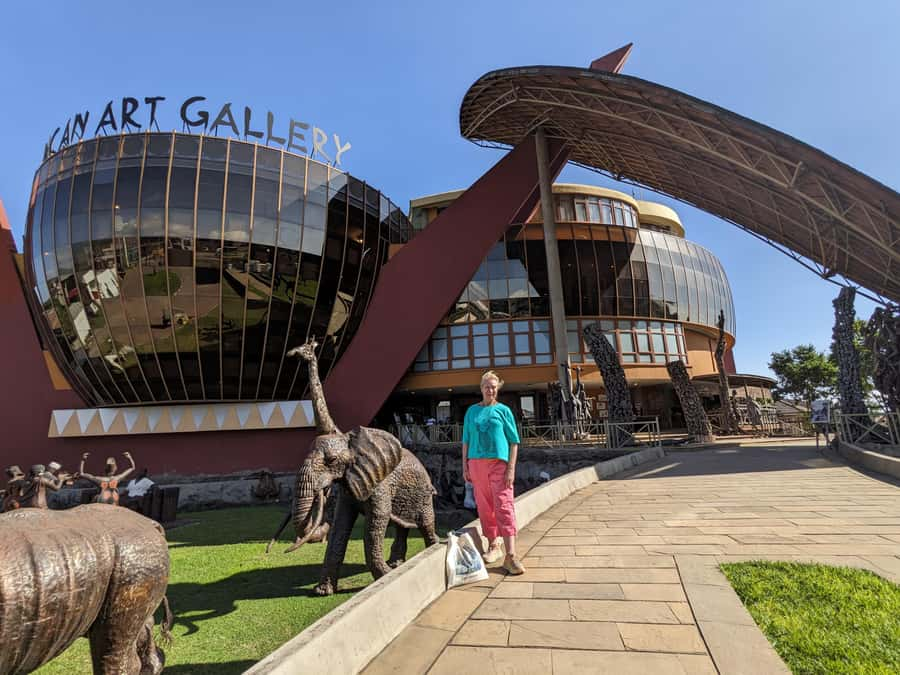
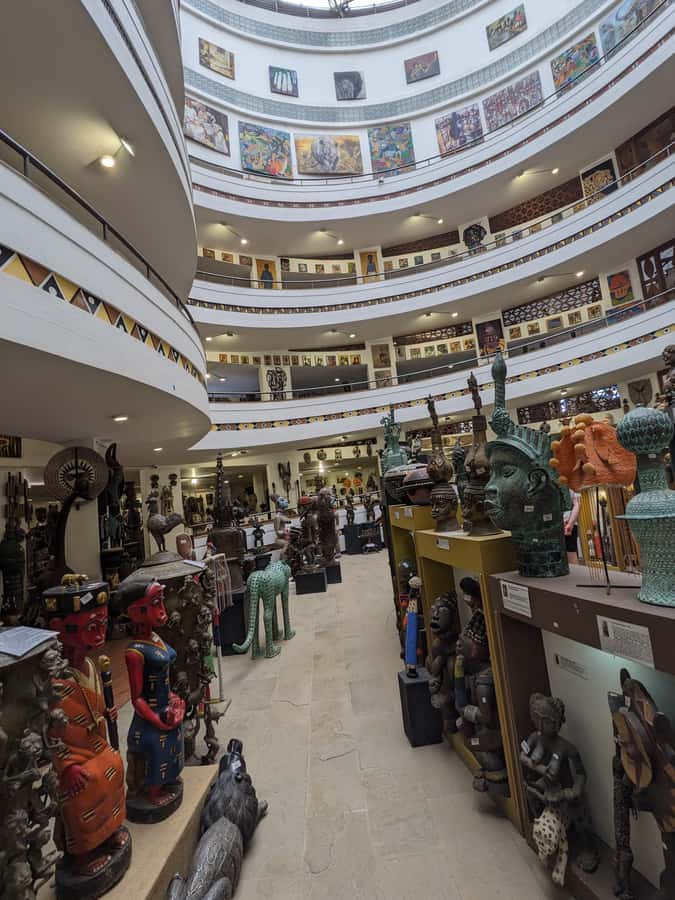
The final cultural stop is the African Art Gallery and Cultural Heritage Centre. The collection includes a large range of African art, and the scale can feel overwhelming if you try to examine everything closely.
Give yourself time to look, but do not expect a short stop to cover the full collection. Ask the guide to point out pieces or themes that connect with what you saw earlier in the day. That can make the gallery feel less like a large shop and more like a place to understand African artistic traditions.
The centre may also include opportunities to buy art and crafts. As with the Tanzanite stop, you can browse without purchasing. Prices and quality can vary, so look carefully and ask questions before spending.
This is a strong ending because it brings together history, culture, and commerce. You have seen the city’s public buildings, tasted or inspected its food culture, and now encounter art in a setting aimed at both education and sales.
What the guides add to the experience
The guides are the clearest strength of this tour. Israel is praised for his humor, broad knowledge of Tanzania, and willingness to spend extra time with a group. Daudi is described as friendly, clear, and especially good at answering questions. Innocent is noted for shaping the walk around personal interests.
Other guides named in the feedback include Jackson and John. John is praised for interacting easily with local people and covering the Natural History Museum, Tanzanite Experience, food market, and art gallery. Jackson is described as a strong choice for seeing everyday Arusha and meeting local people.
That range of names suggests you may not receive one specific guide unless you request one and the provider confirms availability. The important point is the guiding style: expect conversation, local explanation, and some flexibility rather than a rigid script.
The guides have also helped with practical problems. One person received assistance with a SIM card, while another received support with an issue that came up later in a trip. Those favors are not formal inclusions, so do not book the tour expecting personal errands. Still, they show the kind of local contact that can make a first day in Arusha easier.
Solo visitors and families can both fit this outing. A solo woman described feeling safe throughout her walk, and a family with small children appreciated the guide’s flexibility. The tour is not suitable for wheelchair users, people with mobility impairments, or pregnant women, and the amount of walking may be tiring for young children.
Price, pickup, and what to bring
At $28 per person, the tour offers solid value if you want several cultural stops and a guide in one package. Add $6 for the Natural History Museum, plus anything you spend on lunch, drinks, Tanzanite, art, or crafts.
Pickup and drop-off are included for hotels near the city centre. The information gives several distance limits, including about 3 kilometers, 4 kilometers, and 5 kilometers, so confirm the exact charge before booking if your hotel is farther out. Private transport can also be arranged for an additional cost.
Wear comfortable shoes and clothing suitable for the weather. Bring water, sunscreen, a sun hat, a camera, and cash. The cash matters for food, museum admission, and small purchases.
The booking terms are flexible: you can cancel up to 24 hours ahead for a full refund, and reserve now while paying later. The live guiding language is English.
Is this Arusha walk worth booking?
Book this tour if you want to understand Arusha before or after a safari, prefer walking to sitting in a vehicle, and enjoy asking questions. It is particularly useful on your first day, when you want help with the city, or on your final day, when you have a few hours before departure.
Choose it with realistic expectations. This is not a quiet museum-only excursion, and it is not a luxury food tour. You will walk through active streets, encounter shopping opportunities, and need to manage heat, traffic, and changing pavement.
I would book it for the mix of the Central Food Market, local streets, museums, and guide-led conversation. If you want the best value, tell your guide what matters most to you at the start. Ask for more market time, less shopping, extra history, or a food stop. That small conversation can turn a standard city walk into a day that fits you.
FAQ
How much does the Arusha Walking City Tour cost?
The listed price is $28 per person. The Natural History Museum entrance fee, listed as $6 per adult, is extra. Food, drinks, souvenirs, and other personal expenses are also not included.
How long does the tour last?
The advertised duration is four to eight hours. The main city visit is described as about four and a half hours, but the pace and selected options can affect the total time.
What places are included?
The route includes the Natural History Museum, Tanzanite Experience Museum, Maasai Market, Central Food Market, African Art Gallery, and Cultural Heritage Centre. It also passes landmarks such as the Clock Tower, AICC, Mount Meru Hospital, and the East African Community Headquarters.
Is hotel pickup included?
Pickup and drop-off are included for hotels near Arusha city centre. Hotels farther away may require an additional charge. Confirm the fee with the provider after booking.
Is the tour conducted in English?
Yes. The listed live tour language is English.
Can I buy Tanzanite during the tour?
Yes. The Tanzanite Experience includes time to learn about the stone and shop if you wish. Any purchase is your own expense.
Can I buy souvenirs at the Maasai Market?
Yes. The market offers crafts, jewelry, textiles, and other souvenirs. Purchases are not included in the tour price.
Is food included?
No. Food and drinks are not included. You can bring cash if you want to eat or try local food during the day.
What should I bring?
Bring comfortable shoes, a sun hat, sunscreen, water, a camera, and cash. Wear clothing suitable for the weather.
Is the tour suitable for everyone?
The tour is not suitable for pregnant women, people with mobility impairments, or wheelchair users. You should also be prepared for a moderate amount of walking.
Latest history tours reviewed in the world
- From Athens: Ancient Olympia Full-Day Private Tour★ 4.8 · 22 reviews
- From Athens: Explore Ancient Corinth & Charming Nafplion★ 4.6 · 102 reviews
- From Athens: Explore Ancient Greece 4-Day Tour★ 4.7 · 73 reviews
- From Albufeira: Wine Tasting & Historic Silves Tour★ 4.9 · 421 reviews
- From Albufeira: Historical Algarve Region Tour★ 4.7 · 585 reviews
- From Alexandria: Full-Day Guided Tour of Historical Sights★ 4.5 · 54 reviews
- Franklin: Ghost Tour in Historic Franklin★ 4.8 · 65 reviews
- Freiburg: Exciting City Tour with sightseeing and history★ 4.3 · 103 reviews
Tanzania History Tours, compared.
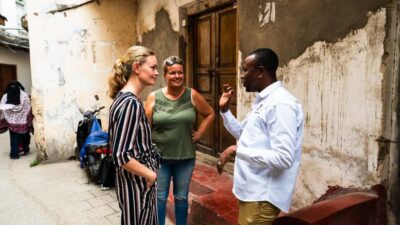
Zanzibar: Stone Town Historical Cultural Walking Guided Tour
Read our review →
Arusha Guided Walking City Tour, Culture, Lifestyle & History
Read our review →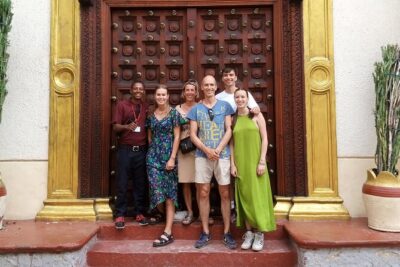
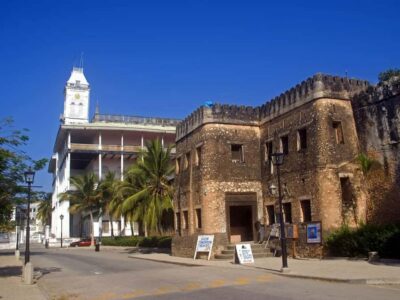
Stone Town’s Hidden History: Private Guided Walking Tour
Read our review →
Zanzibar Stone Town Tour: Explore Rich History and Hidden Wonders
Read our review →Browse the lists this tour appears in