
Review · SEVILLE
Sevilla Food Tour: Tapas, Wine, History & Traditions
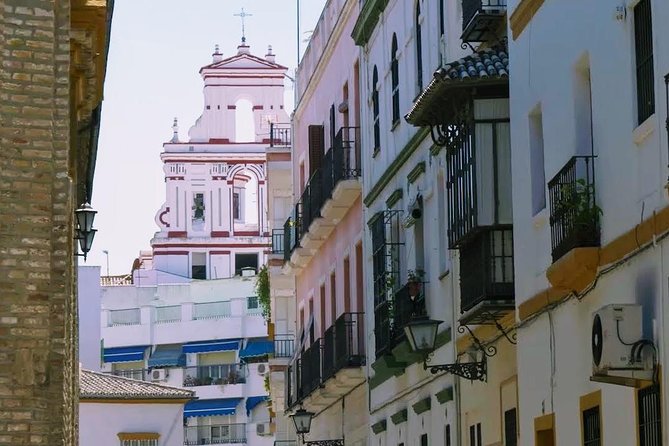
Seville’s best food lesson happens one small bar at a time. This 3.5-hour walking tour links old taverns, local dishes, wine, flamenco dress, and neighborhood history, so you get much more than a plate of tapas. It begins near the Setas de Sevilla and ends in Santa Cruz, with food along the way.
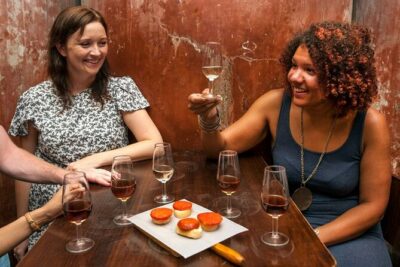
I like the small maximum group of 12, which makes it easier to hear your guide and share a table. I also like the way the route mixes familiar dishes with local specialties such as chicharrones, carrillada, espinacas with chickpeas, PX wine, and pestiños. The main consideration is that food quality and portion size can vary by stop, and the menu leans heavily toward meat, bread, and wine.
Key points at a glance
- Four food and drink stops: Expect tapas and local drinks in traditional bars, with tastings intended to replace lunch or dinner.
- A walking route through old Seville: The tour connects Encarnación, Alfalfa, the historic center, Santa Maria la Blanca, and Santa Cruz.
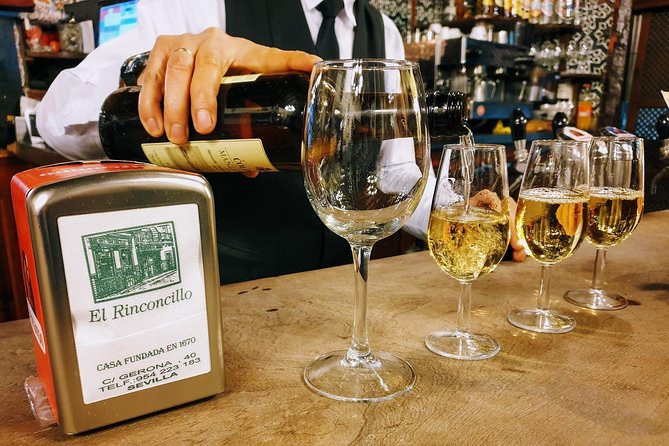
- Four wines included: Beer and soft drinks are available instead, and the exact choices can change.
- Guides make the difference: Alejandro, Pilar, Ella, Jeff, Sasha, Stephanie, Agata, Dorota, and others have led this experience.
- Local culture beyond food: You may discuss flamenco dress, Betis football, neighborhood customs, and Seville’s bar traditions.
- Dietary limits matter: The tour is not recommended for people with celiac disease or vegans, and you should report other restrictions before going.
Why this Seville food tour works
The smart idea here is the route. You do not sit in one restaurant and receive a parade of dishes with little sense of place. Instead, you walk between several local bars, eat what each place does best, and see how food fits into daily life in Seville.
That makes the tour useful early in your stay. You get a quick introduction to the old center, learn how local tapas customs work, and collect ideas for the rest of your visit. Several guides have also sent participants a list of the bars, dishes, and drinks served after the tour, which is handy when you want to return on your own.
The experience has a 4.9 rating from 3,468 reviews, with 98 percent recommending it. The most consistent praise goes to the guides. Alejandro is noted for connecting food with Seville’s past, Pilar for turning the group into sherry fans, Jeff for thoughtful recommendations and strong food knowledge, and Stephanie for explaining what to order and where to go later.
That said, the guide cannot control every part of the meal. One report found the food salty, greasy, and smaller than expected compared with other tapas in Seville. Another found the food only average but still enjoyed the evening because of the company and the guide. I would book this for the complete mix of food, culture, and orientation, not as a guarantee that every tapa will be your favorite.
More Local Culture and Traditions Tours in Spain
- Taste of Malaga Tour : Tapas, History and Local Customs
★ 5.0 · 758 reviews - San Sebastian E-bike trour: Basque History and Cultural.
★ 5.0 · 367 reviews - Málaga: 2h Walking Historical Tour–Art, Culture and Legends
★ 4.9 · 341 reviews
Meeting at the Setas de Sevilla
The tour begins at the white 18th-century public fountain in Plaza de la Encarnación, beside Metropol Parasol, commonly called the Setas de Sevilla. The meeting spot is in the old center and near public transportation, but allow a little extra time to find the fountain in the busy plaza.
The Setas provide an easy landmark. This huge wooden structure is one of Seville’s most recognizable modern sights, while the fountain gives the group a precise place to gather. Your guide will introduce the route before leading you into the nearby streets.
There is no private transportation. That is part of the point. You walk the entire route, and the final stop is on Calle Santa María la Blanca in the Santa Cruz area. Wear comfortable shoes and expect cobbled streets, short pauses, and several standing or shared-table meals.
First bites at Los Soportales
The first food stop is Los Soportales, where you taste typical Andalusian fare such as chicharrones and a montadito. Chicharrones are seasoned pork, while a montadito is a small sandwich, often filled with meat or other savory ingredients.
The food is served with Cruzcampo beer straight from the barrel or a wine of your choice. This opening stop gives you the basic rhythm of a Sevillian bar: small food, a local drink, quick conversation, and no need for a formal dining room.
This stop may be especially helpful if you have never ordered tapas in Spain. Your guide can explain what the dishes are and how the local bar scene works. Portions here are part of a larger meal, not a full first course, so do not judge the evening by the size of this one plate.
Flamenco dress at Plaza del Pan
After the first tasting, the group pauses at Plaza del Pan, also known as Plaza Jesús de la Pasión. The stop includes a look at a flamenco dress shop and the traditional traje de flamenca worn during Feria and other local celebrations.
This is a short five-minute pause, but it adds useful context. Food in Seville does not sit apart from the city’s festivals, music, clothes, and social life. The flamenco dress is an instantly recognizable symbol of Andalusia, and seeing it in a working shop gives the walking route a local focus rather than making it only a restaurant crawl.
Do not expect a full flamenco performance here. It is a brief cultural stop between tastings, best treated as a visual introduction to one of Seville’s major traditions.
More Food and History Tours in Spain:
- Madrid Historic Centre Food Tour with Authentic Tapas & Wines
★ 5.0 · 814 reviews - Private: Madrid Historic Centre Food Tour with 10+ Authentic
★ 5.0 · 97 reviews - Barcelona Tapas Tour, Taverns, History & Local Culture
★ 5.0 · 25 reviews - Victoria Guided Food and History Tour
★ 5.0 · 2,015 reviews
A small tavern in Alfalfa
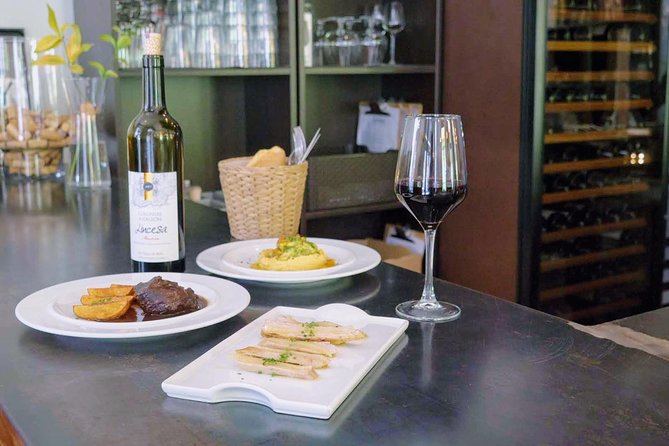
The Alfalfa stop lasts about 40 minutes and takes place in a local favorite with a rustic feel. The menu may include tostas, montaditos, and regional wines. These are small pieces of bread or sandwiches topped with savory ingredients, and they fit the informal bar style that defines much of Seville’s dining culture.
Alfalfa is a good place for the route because its narrow streets and lively squares show another side of the old center. You are not simply moving from tourist sight to tourist sight. You are walking through an area where shops, bars, and everyday local life share the same streets.
The exact stop can change with the season and the partner bar’s availability. That flexibility is practical, but it also means your food experience may not be identical to someone else’s. If you have your heart set on one particular dish, ask your guide what is being served that evening.
Walking through Seville’s old center
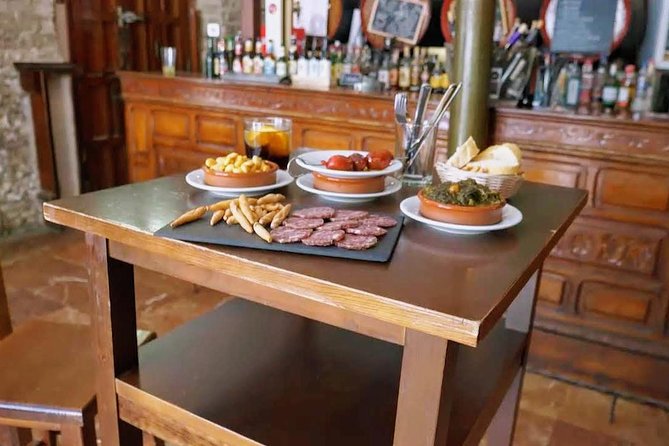
A short walk through the historic center follows. The listed walking time is about 10 minutes, though the full route naturally includes walking between all the stops.
This is where the tour earns part of its price. The guide can connect the dishes you have just eaten with the streets around you, rather than giving you food facts in isolation. Several guides, including Alejandro, Dorota, Katerina, and Ella, have been praised for explaining Seville’s customs, daily life, and past as they move through the city.
The route also helps you get your bearings. If this is your first evening in Seville, you will pass through areas you may want to revisit for independent meals later. Stephanie, in particular, has been praised for giving practical advice about what to order and where to go during the rest of a stay.
Grandma-style cooking near Santa Maria la Blanca
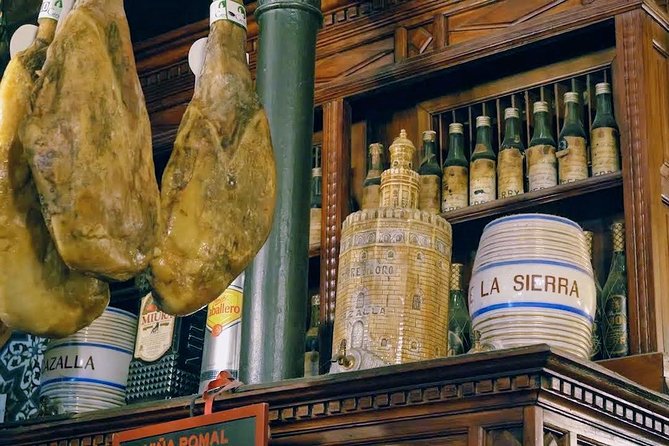
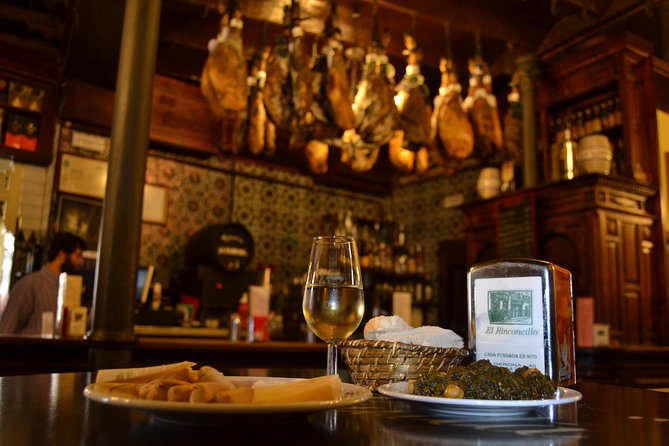
The next major food stop is near Iglesia de Santa Maria la Blanca. This classic neighborhood bar focuses on home-style cooking, with slow-cooked carrillada and espinacas with chickpeas among the featured dishes.
Carrillada is usually a tender, slow-braised cut of meat. Espinacas con garbanzos, spinach with chickpeas, is one of Seville’s better-known traditional dishes and gives the meal a meat-free option, though it is not a vegan guarantee. These dishes feel more substantial than the opening bites and help explain why the tour is described as enough for lunch or dinner.
This stop also brings in Seville’s strong football culture. You may hear about Real Betis and the city’s oldest Betis supporters’ club. You do not need to follow football to enjoy the conversation, but it is a useful reminder that local food bars are social places, not just eating stops.
The menu can change with seasonality and availability. If you have a serious dietary restriction, tell the provider in advance, then confirm with the guide at the start.
Finishing in Santa Cruz with meatballs, sweets, and PX
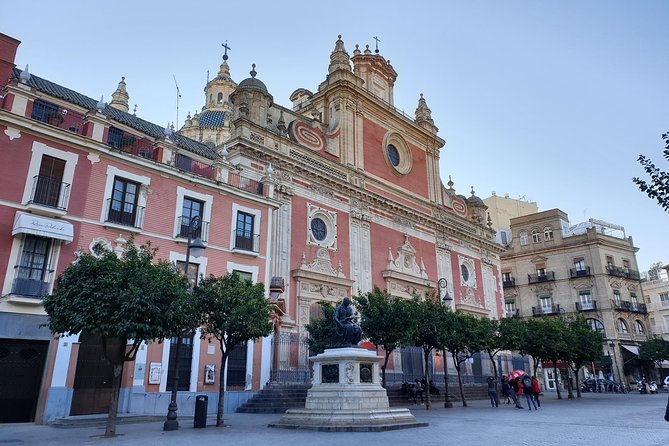
The final stop takes place in the Santa Cruz neighborhood, in a family-owned tavern housed in a traditional Sevillian home with an interior patio. The setting should be one of the most atmospheric parts of the route, since Santa Cruz is the former Jewish quarter and one of Seville’s most visited historic areas.
The food may include albóndigas, local meatballs, followed by pestiños and a glass of PX. Pestiños are traditional pastries, often associated with holidays and festivals. PX, short for Pedro Ximénez, is a sweet style of Spanish wine that works well as a dessert drink.
This last stop gives the tour a proper ending. You move from savory snacks and beer or wine to slow-cooked dishes, then finish with something sweet. The final address is on Calle Santa María la Blanca, so you can continue exploring Santa Cruz afterward or walk back toward other parts of the center.
What you actually eat and drink
The food is traditional rather than designed for cautious eaters. Depending on the route and the day, you might encounter chicharrones, a pringá sandwich, red tuna with almonds, marinated cazón fish, Spanish omelet with whisky sauce, salchichón, other cold cuts, cheese from Ronda, meatballs, and pestiños.
That is a broad spread of Andalusian flavors. You get pork, fish, cheese, eggs, chickpeas, slow-cooked meat, bread, sweets, and regional wine. Some dishes may be salty or rich, so pace yourself and use the walking time between stops.
Four wines are included in the tour details, with beer or soft drinks available as alternatives. The food and drinks are meant to form a full lunch or dinner, though the exact dishes and pairings may change. If you prefer less alcohol, say so early. You are not required to drink wine at every stop.
Is the $83.44 price fair?
At $83.44 per person, this is not the cheapest way to eat tapas in Seville. You could order small plates independently for less, especially if you avoid several drinks. The price pays for more than the food, though.
You are also paying for a local guide, four included wines or alternative drinks, a route through several bars, and enough food for a main meal. A maximum group of 12 is another advantage. The guide can answer questions, manage the stops, and help the group order without the confusion that often comes with a large tour.
Value depends on your priorities. If you mainly want the biggest portions for the lowest cost, dine independently. If you want a social evening, local context, and an easy introduction to Seville’s food customs, the price is reasonable.
The biggest value may come from the advice you receive for later meals. Guides such as Jeff, Katerina, Ella, and Stephanie have provided suggestions for bars, restaurants, flamenco, and local activities beyond the tour itself.
Who should book, and who should skip it?
I would book this tour during the first one or two days of a Seville visit. You learn the layout of the center, see how tapas bars operate, and gather practical ideas before making the rest of your dining plans.
It suits couples, solo visitors, friends, and people who enjoy meeting a small group over shared plates. It is also a good fit if you want history and culture mixed into your meal rather than a guide who only names each dish.
Vegetarians may find suitable food, but you must explain your needs before the tour. One vegetarian participant had good alternatives, yet the standard menu includes plenty of pork, meat, fish, cheese, and bread. The tour is not recommended for vegans, and it is not suitable for people with celiac disease because of the risk of gluten cross-contamination.
People who want a quiet, private dinner should choose a restaurant instead. This is a moving group meal with several bar stops, local conversation, and a fair amount of alcohol unless you request alternatives.
Practical details before you reserve
The tour lasts about three hours and 30 minutes and is offered in English. Confirmation is provided at booking, and most people can participate, but you should expect to walk through old streets and stand at some stops.
The group can include up to 12 people. That is small enough for direct contact with the guide, but it is still a shared experience, not a private tour.
Free cancellation is available up to 24 hours before the start time for a full refund. Cancellations or changes within 24 hours are not refunded or accepted. The tour also requires a minimum number of participants. If that minimum is not reached, the provider offers another date or experience, or a full refund.
Should you book the Seville Food Tour?
Book it if you want a guided introduction to Seville through food, streets, and local customs. The strongest part is the human side of the experience: guides such as Alejandro, Pilar, Jeff, Ella, Sasha, Dorota, and Stephanie bring history, ordering tips, and personal energy to a route that could otherwise be just a list of bars.
Go in expecting traditional, sometimes heavy food and changing stops. Do not book it solely for gourmet precision or large portions. Book it to learn how Seville eats, meet other people over tapas, taste regional drinks, and finish the night better prepared to explore the city on your own.
FAQ
Where does the Seville food tour begin?
It begins at the white 18th-century public fountain in Plaza de la Encarnación, beside Metropol Parasol, also called the Setas de Sevilla.
Where does the tour end?
The tour ends on Calle Santa María la Blanca in the Santa Cruz area of Seville.
How long does the experience last?
The tour lasts approximately three hours and 30 minutes.
How many people can join the tour?
The maximum group size is 12 participants.
What drinks are included?
Four wines are included. Beer or soft drinks are available as alternatives.
Is the food enough for a full meal?
The included tastings are intended to provide enough food for lunch or dinner.
Is the tour suitable for vegetarians?
Vegetarians may find suitable tapas, but you must report dietary restrictions before the tour. The standard menu includes meat, fish, dairy, and bread.
Is the tour suitable for vegans or people with celiac disease?
The tour is not recommended for vegans. It is also not recommended for people with celiac disease because of the risk of gluten cross-contamination.
Can I cancel for a refund?
You can cancel at least 24 hours before the start time for a full refund. Cancellations within 24 hours are not refunded.
Latest history tours reviewed in Spain
- Barcelona Historic Guided Tour★ 4.8 · 24 reviews
- Essential Madrid: Walking Tour of the Historic Center★ 4.7 · 58 reviews
- Discover the fascinating Alcazaba: History and unique views★ 4.8 · 30 reviews
- Cordoba: Segway Tour historic center★ 4.5 · 21 reviews
- Private Jewish Heritage Journey by Barcelona Dreaming★ 4.8 · 383 reviews
- Cartagena: Ancient Roman Walking Tour with Entry Tickets★ 4.5 · 89 reviews
- Caceres: Highlights, History and Jewish Quarter Walking Tour★ 4.7 · 20 reviews
- Bilbao Historical Tour in small group★ 4.7 · 52 reviews
Seville History Tours, compared.
Ultimate Seville Tapas, Wine & History Small Group Tour
Read our review →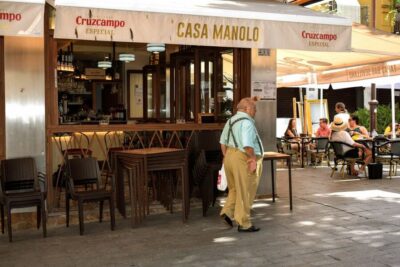
Seville: Tapas, Taverns, and History Walking Tour
Read our review →
Seville Evening Historical Tour with Haunted History
Read our review →Browse the lists this tour appears in