
Review · BARCELONA
Barcelona: The Spanish Civil War Historical Walking Tour
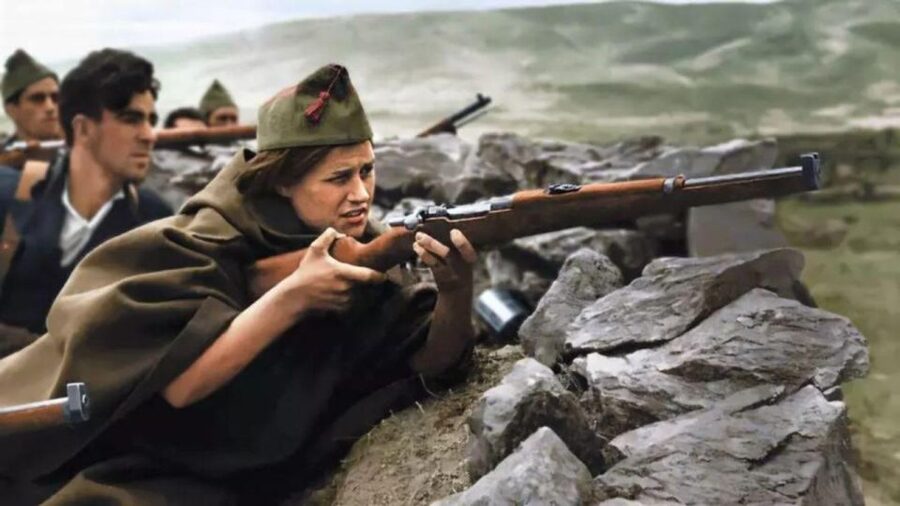
Barcelona’s old town has plenty of pretty stone, polished plazas, and postcard views. This walk asks you to look again. Behind the tourist facade are streets tied to street fighting, political revolt, fascist bombing, and the long silence that followed Franco’s victory. You’ll visit places connected with George Orwell’s Homage to Catalonia while sorting out the many groups that fought over Spain’s future.
I like two things here. First, the guide uses the city itself as the classroom, with photographs and clear explanations rather than a string of dates. Second, the tour connects the war to the dictatorship that lasted 36 years, and to Spain’s difficult debate over historical memory today. The main drawback is the subject: it is serious, political, and sometimes grim. You also spend much of the 2.5 hours standing, even though the walking is gentle.
Key points to know before you book
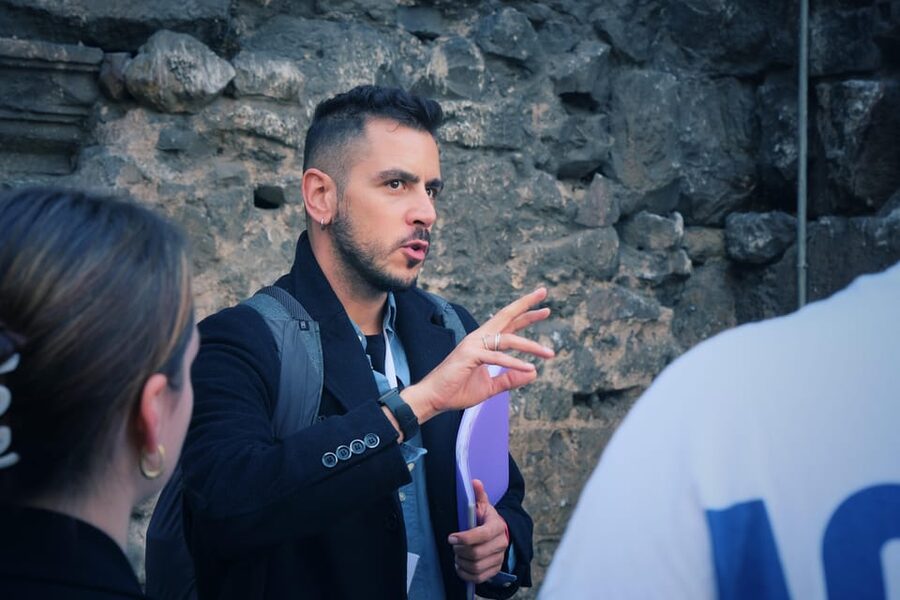
- The route begins at Plaça de Catalunya: Meet outside Foot Locker, where your guide carries a white umbrella.
- Barcelona’s old town is the main classroom: The walk finishes near Barcelona city hall in the Gothic Quarter.
- The factions are explained clearly: You’ll sort out fascists, Republicans, anarchists, labor groups, the Catholic Church, and foreign powers.
- George Orwell’s Barcelona comes into view: The route includes places linked to events described in Homage to Catalonia.
- The guides bring visual help: Pictures support the explanations, especially when the political story gets tangled.
- Plan for standing and weather: The tour runs rain or shine, and wireless audio may cost an extra €1 per person.
Why this Barcelona walk feels different
Most first visits to Barcelona focus on Gaudí, Roman ruins, markets, and the grand streets of the Eixample. Those sights matter, but they do not explain the political struggle that shaped modern Catalonia and Spain.
This tour takes you into the old town, where the physical setting still matters. Narrow streets make the conflict easier to picture. A square, government building, church, or corner can become part of a story about power, protest, religion, or repression. You are not simply looking at old buildings. You are learning how ordinary streets became political territory.
The tour also covers the period before the war. That matters because the Civil War did not appear from nowhere. Your guide explains the pressures behind the conflict, including industrialization in Barcelona, social divisions, political movements, labor organizations, and the competing visions of Spain held by different groups.
I appreciate this wider frame. Without it, the war becomes a confusing list of battles and names. With it, you can better understand why Barcelona became such an important center of labor politics, anarchism, revolution, and resistance.
More History Walking Tours in Barcelona
- Barcelona: Tapas Walking Tour with Food, Wine, and History
★ 4.8 · 4,261 reviews - Barcelona Tapas Walking Tour: Food, Wine & History
★ 4.5 · 1,928 reviews - Barcelona: Dark History Night Walking Tour
★ 4.8 · 344 reviews
Starting at Plaça de Catalunya
The meeting point is on the sidewalk in front of Foot Locker at Plaça de Catalunya. Your guide should be easy to spot with a white umbrella. Give yourself time to find the correct side of the square because Plaça de Catalunya is large, busy, and surrounded by several major streets.
The location works well for a walking tour. It sits between the newer city and the old town, so the route can move quickly from modern Barcelona into the historic center. You should arrive ready to listen, not just walk. The first part sets out the political background, and the story becomes easier to follow if you pay attention from the start.
The tour is offered in English. Guides have included Javier, Yannis, Chrisa, Filipa, Henrieta, Evan, and others. The experience can vary slightly with the person leading it, but the strongest pattern is clear: the guides explain difficult material in an accessible way and leave room for questions.
A wireless guiding system is typically used, depending on the guide. It costs an extra €1 per person, payable by card or cash at the start. That small charge can be useful in noisy streets, especially if the group is spread out.
Making sense of the factions
The Spanish Civil War is difficult to explain because the conflict contained several struggles at once. It was a fight over government, class, religion, regional identity, economic power, and the future of Europe.
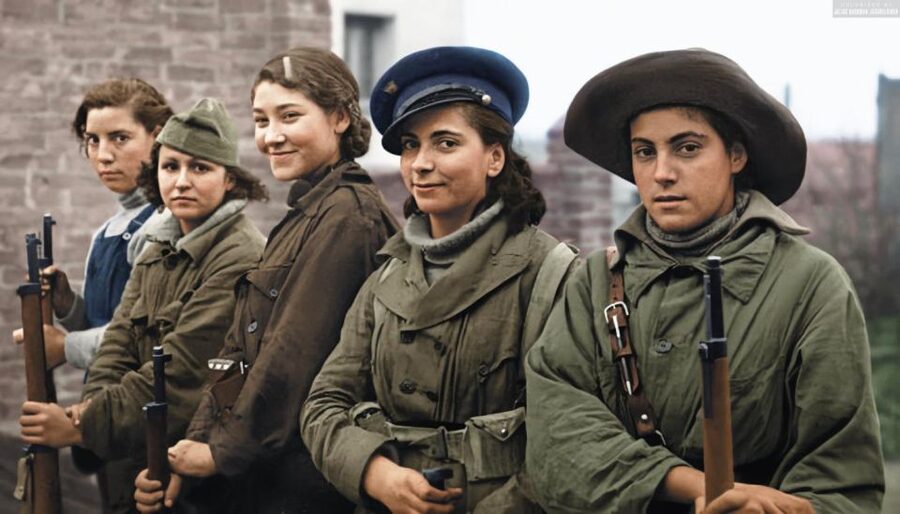
Your guide works through the main sides and political ideas. You’ll hear about the forces loyal to the Republican government, fascist and conservative forces led by Francisco Franco, anarchists, labor movements, communists, socialists, and other groups whose alliances shifted during the war.
The tour also addresses the role of Hitler and Mussolini, who supported Franco, and the International Brigades, whose foreign volunteers came to fight for the Republican cause. The Western democracies’ response is another important part of the story. The conflict was international in its meaning, even though the fighting took place in Spain.
This section requires concentration. The political labels can blur together, especially if you know little about the subject. Guides such as Chrisa and Evan have been praised for explaining the factions in a clear, orderly way. Still, I would not treat this as a light sightseeing walk. Read a short primer beforehand if you have time. Even a basic grasp of Republican and Nationalist forces will help.
The tour is not built around praising one side. It explains what different groups wanted and why their supporters acted as they did. That does not make every action morally equal, but it gives you the setting needed to understand the conflict.
Barcelona’s street fighting and wartime scars
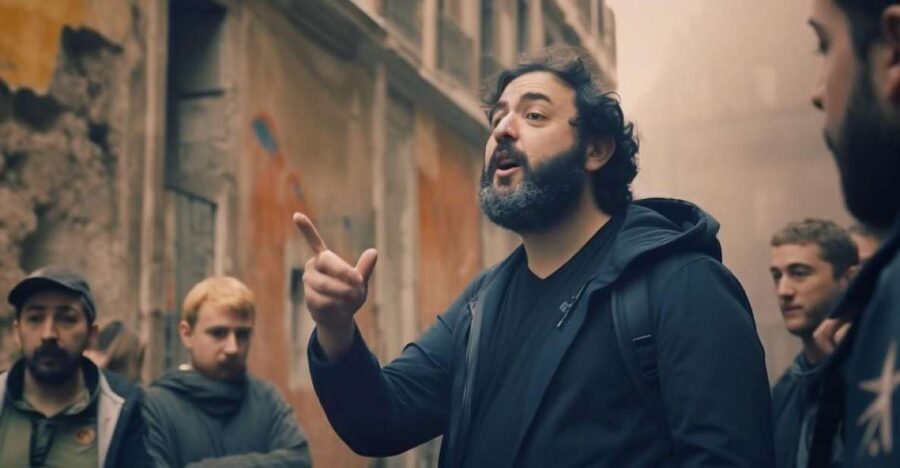
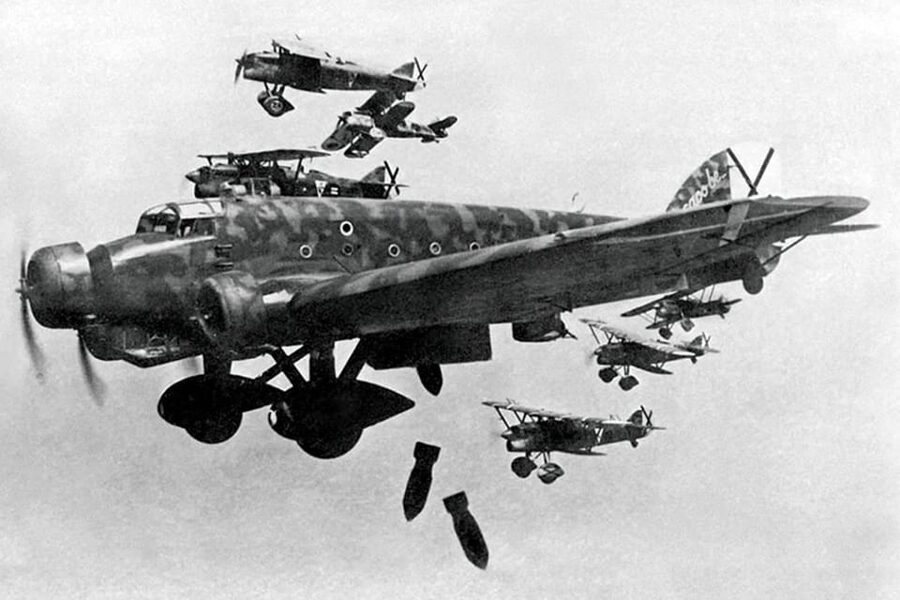
Barcelona experienced major political turmoil during the war, including fighting in the streets and bombing from fascist forces. The old town is where the tour makes those events feel close rather than abstract.
You will stop at places where the guide can connect the present streets to wartime events. The precise stops may vary, but the method stays practical: stand in a real location, look at an old photograph, and compare it with what is still visible today.
This is one of the tour’s best features. Barcelona has few official museums or memorials devoted to the Civil War, so the city itself carries much of the evidence. Some scars are physical. Others are found in political divisions, family memories, missing public markers, and the way the period was discussed, or avoided, after Franco’s victory.
The route is not a hard hike. You walk a little, stop while the guide explains a site, then move on. One useful point for anyone concerned about stamina: you are not walking continuously for two and a half hours. You are standing for much of the time, though, so comfortable shoes remain a good idea.
More History Walking Tours in Spain
- Barcelona 1.5h Private Old Town, Gothic & Ramblas Walking Tour
★ 5.0 · 318 reviews - Barcelona Historical Walking Tour: Gothic Quarter and El Born
★ 5.0 · 217 reviews - Barcelona Dark History Night Walking Tour With Drinks
★ 5.0 · 153 reviews - Barcelona El Raval Dark History Walking Tour
★ 5.0 · 70 reviews
Seeing Orwell’s Barcelona
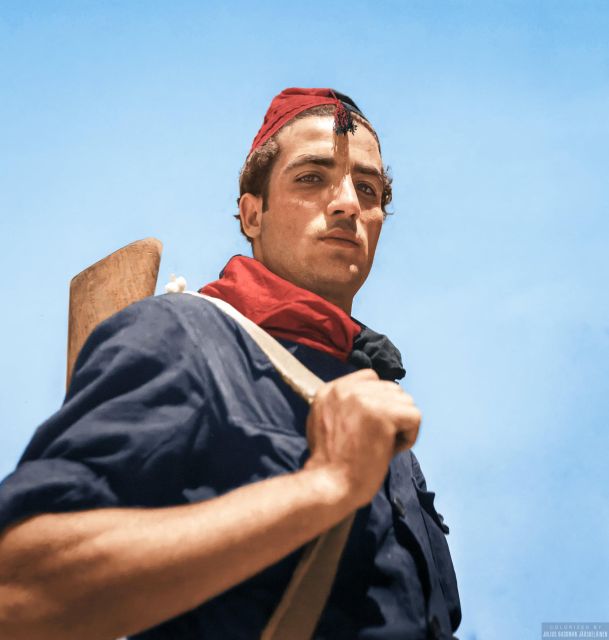
George Orwell’s Homage to Catalonia is one of the best-known personal accounts of the Spanish Civil War. Orwell came to Barcelona as a foreign volunteer and wrote about the city’s political tension, street fighting, and internal conflict among groups that had initially opposed Franco.
The tour visits places linked to the Barcelona described in his book. This gives literary travelers a strong reason to book, but you do not need to have read Orwell to follow the walk. The guide provides the setting and explains why Barcelona became so important to his account.
For readers who have studied the war, these locations add a useful sense of place. For newcomers, they help turn an unfamiliar story into something visible. I like this bridge between literature and local history. It also shows why the Civil War was not simply a contest between two armies. Political divisions inside the Republican side became a major part of Barcelona’s experience.
The role of religion, women, and ordinary people
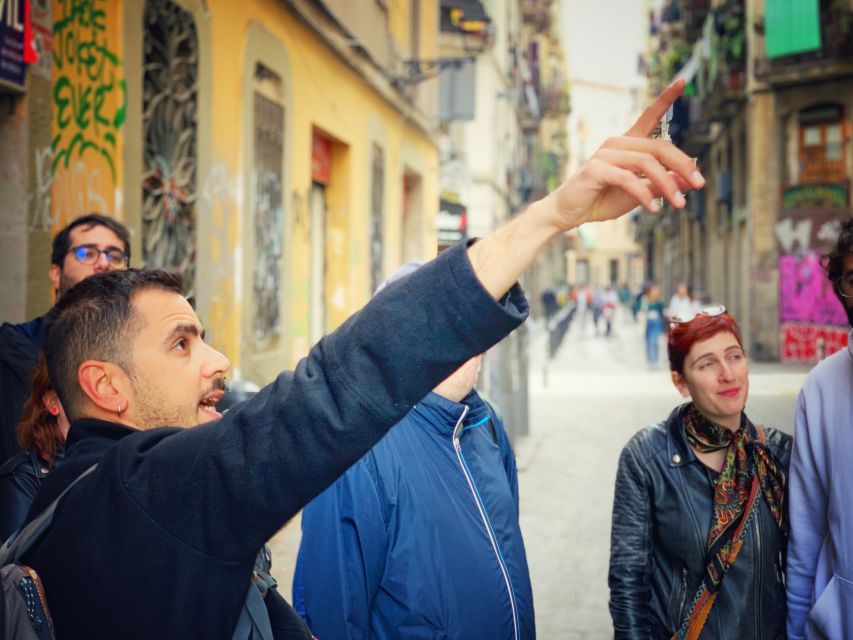
The tour goes beyond famous military and political leaders. It examines the role of the Catholic Church and the way religion shaped loyalties during the conflict and dictatorship.
It also gives attention to women and movements such as Mujeres Libres. That is an important addition because a war tour can easily become a parade of male politicians, generals, and foreign leaders. Looking at women’s political activity and daily experiences gives you a better sense of how broad the social conflict was.
The strongest guides bring the story back to ordinary people. You learn not only what major leaders decided, but how political change affected daily life in Barcelona. That human scale keeps the tour from becoming a lecture filled with names.
Guides have also connected the war to present-day Spanish politics and the ongoing question of how Spain remembers the period. The dictatorship ended less than 50 years ago, so this is not remote history. For many families and communities, it remains part of living memory.
Franco’s dictatorship and the years after 1939
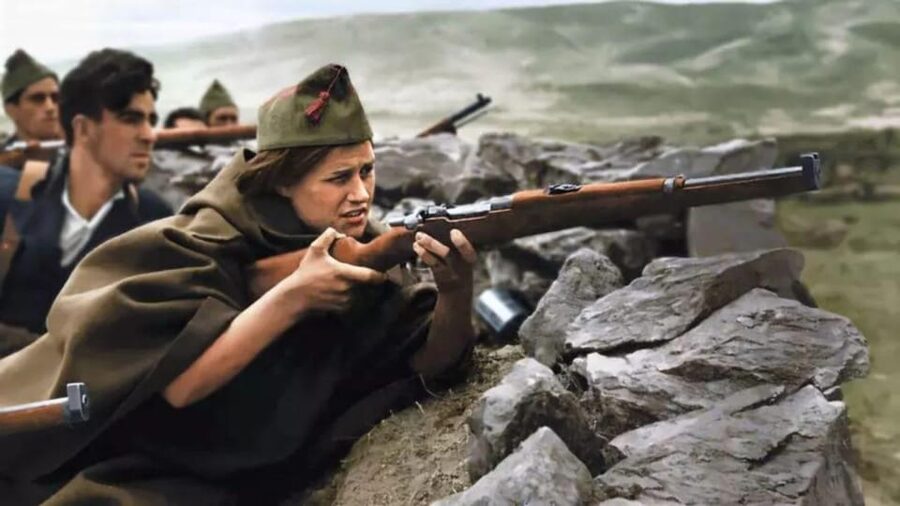
The tour does not stop when the fighting ends. Franco’s victory led to a military dictatorship that lasted 36 years, and the postwar period is essential to understanding Spain today.
Your guide explains the legacy of Franco’s rule, including the long effect of censorship, political repression, and silence around the conflict. The exact emphasis can depend on the guide, but the walk aims to show how the dictatorship shaped public memory as well as political life.
This is where the tour becomes especially useful for a first-time visitor. Barcelona can appear carefree and modern, yet its recent past is not far away. The old town’s streets have hosted protest, repression, religious ceremony, political organizing, and tourism, often within the same compact area.
You will also hear about how Spain deals with this history now. The lack of prominent official memorials makes the guide’s role more important. A good explanation can supply context that a casual walk through the Gothic Quarter cannot.
The guiding style and visual material
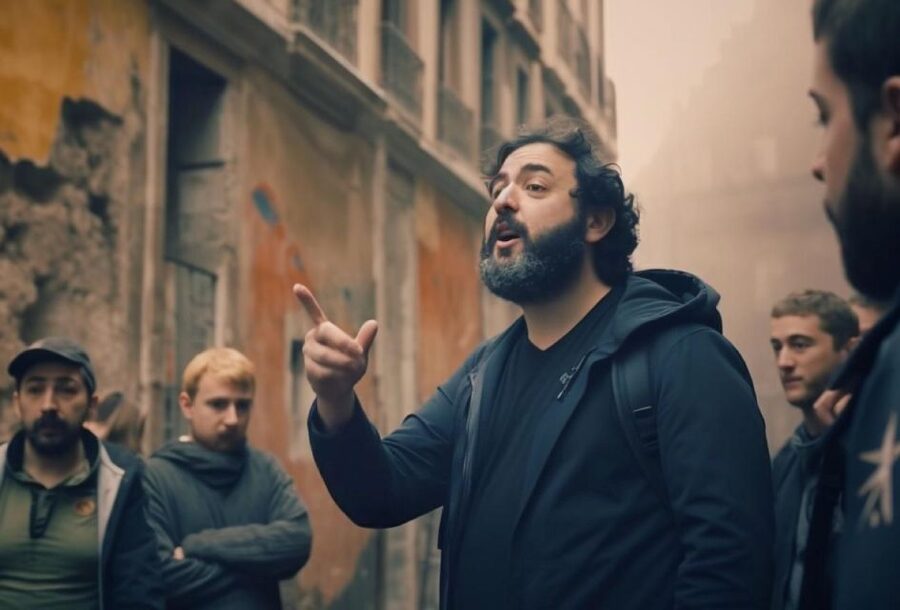
The guides are the main reason to choose this experience. Javier, Yannis, Chrisa, Filipa, Henrieta, and Evan have each led sessions described as clear, passionate, and easy to follow. They use photographs and other visual material to show how places looked during the war and to support the spoken explanation.
That visual help is not decoration. It makes a major difference when the current streets have changed or when the historical event is difficult to picture. You can compare the old image with the present setting while the guide explains what happened.
The best part of the format is the chance to ask questions. Several guides make a point of checking that the group is following the story, and they explain wider issues when someone wants more context. If you prefer a silent stroll, this is not the right tour. If you enjoy discussion, it should suit you well.
The optional audio equipment can also help. Barcelona’s old town is not always quiet, and hearing the guide clearly is important when political details are being explained.
Is $46 a fair price?
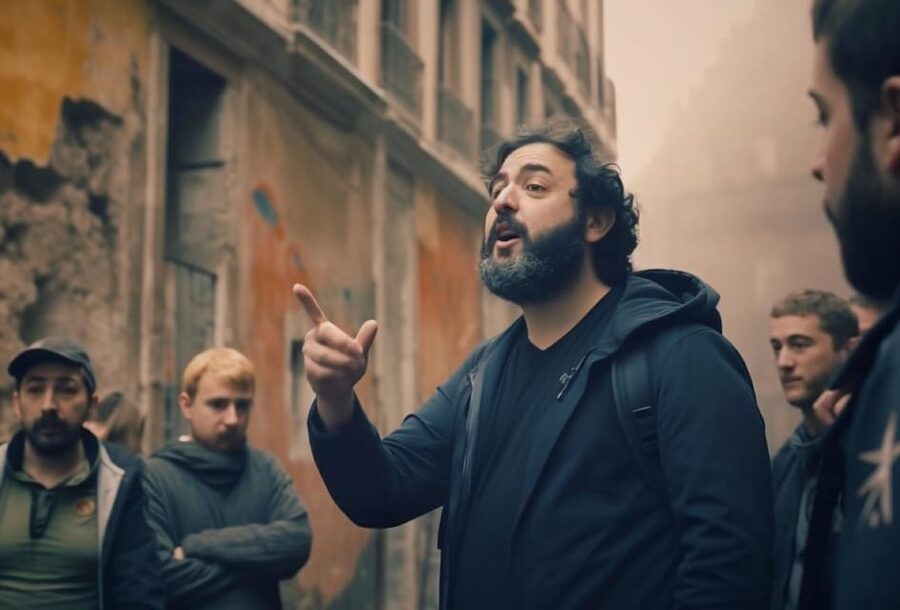
At $46 per person, this is not the cheapest way to walk through Barcelona. You are paying for a specialist subject, an English-speaking guide, visual material, and two and a half hours of interpretation in places that offer little official signage about the war.
I think the price is fair if you have a real interest in modern Spanish history or want context beyond the standard sights. It also offers good value early in your visit because the story can change how you see other parts of Barcelona afterward.
The value is weaker if you want famous monuments, interiors, or a broad introduction to Barcelona. This is not a substitute for a general city tour. It is a focused history walk, and its success depends heavily on your interest in politics, war, dictatorship, and memory.
The private-group option may suit families or friends who want more time for questions. A standard group should work well for most people, especially since the guides make an effort to keep the material understandable.
Who should take this tour?
I would choose this walk if you:
- Have read Homage to Catalonia or want to visit its Barcelona settings
- Care about modern European history, fascism, anarchism, or labor politics
- Want to understand Catalonia beyond food, architecture, and nightlife
- Prefer a thoughtful walking tour to a quick list of photo stops
- Are curious about how Spain remembers the Franco period
- Want a focused activity that does not require long-distance walking
I would think twice if you are traveling with very young children. Children are allowed, but the subject matter includes war, political violence, and dictatorship, and it is not advised for them.
The route is wheelchair accessible, but you should still confirm the practical details when booking if you have specific mobility needs. The tour takes place rain or shine. Bring weather protection, and on a cold day wear extra layers because you will be outside and standing.
Practical tips for getting the most from the walk
Arrive early at Plaça de Catalunya and look for the white umbrella outside Foot Locker. The meeting point is simple once you are there, but the square itself can be confusing if you arrive at the last minute.
Wear comfortable shoes, though you do not need serious walking gear. The pace is more of a stroll with frequent stops. Your bigger concern is standing, not distance.
Bring water and dress for the forecast. Food and drinks are not included, and there is no hotel pickup or drop-off. The tour ends near Barcelona city hall in the Gothic Quarter, a useful location for continuing your day on foot.
I also suggest reading a short overview of the Civil War before you go. It is not required, and the guides explain the basics, but a little preparation will help you follow the changing alliances. Afterward, leave time to think about what you heard. This is the sort of tour that can send you back to your hotel looking for a book.
Should you book it?
Book this tour if you want Barcelona’s recent past explained through real streets rather than presented as a distant textbook subject. The route is manageable, the guides make a tangled story easier to follow, and the links to Orwell, fascist bombing, anarchist politics, the Catholic Church, and Franco’s dictatorship give the walk real substance.
Skip it if you want a relaxed architecture tour or if war and political history are not your idea of a holiday activity. For everyone else, especially history enthusiasts and curious first-time visitors, $46 buys a serious and unusual look at the city. Bring an open mind, comfortable shoes, and a willingness to stand still while Barcelona’s stones do some of the talking.
FAQ
How long does the Spanish Civil War walking tour last?
The tour lasts about 2.5 hours.
Where does the tour meet?
It meets on the sidewalk in front of the Foot Locker at Plaça de Catalunya. The guide carries a white umbrella.
Where does the tour finish?
The walk ends in the middle of the Gothic Quarter, near Barcelona city hall.
What language is the tour in?
The live tour guide speaks English. An English audio guide may also be available.
Is the tour wheelchair accessible?
Yes, the activity is listed as wheelchair accessible.
Does the tour operate in bad weather?
Yes. The tour takes place rain or shine, so bring suitable clothing.
Is hotel pickup included?
No. Hotel pickup and drop-off are not included.
Are food and drinks included?
No. Food and drinks are not included.
Is there an extra charge for audio equipment?
Wireless guiding systems are typically used, depending on the guide. When used, there is an extra charge of €1 per person, payable by card or cash at the start.
Can children join the tour?
Children are allowed to join, but the tour is not advised for children because it deals with politics, war, and dictatorship.
More Battlefield and Military History Tours in Barcelona
- 2-Hour Gettysburg Battlefield Guided History Bus Tour with a National Park Guide
★ 4.5 · 2,201 reviews - Prague Communism History and Nuclear Bunker Tour
★ 5.0 · 1,742 reviews - Guided Savannah Civil War History Walking Tour
★ 5.0 · 492 reviews - Ghost Tour: History and Haunts – Family Friendly – Best in Gettysburg
★ 4.5 · 378 reviews
Latest history tours reviewed in Barcelona
- Barcelona Historic Guided Tour★ 4.8 · 24 reviews
- Private Jewish Heritage Journey by Barcelona Dreaming★ 4.8 · 383 reviews
- Barcelona Tapas Tour, Taverns, History & Local Culture★ 5.0 · 25 reviews
- Barcelona: Market, Tasty Tapas/Food and Gothic History Tour★ 4.7 · 48 reviews
- Barcelona Historical 3-Hour Bike Tour★ 4.7 · 222 reviews
- Barcelona & Chocolate Amatller History and Culture + Activity and Tasting★ 4.9 · 173 reviews
- Barcelona: 3-Hour Sips, Sites & Bites Food & History Tour★ 4.8 · 33 reviews
- Barcelona: Cemetery Tour – Gothic Graves & Local History★ 4.9 · 33 reviews
Barcelona History Tours, compared.

Barcelona: Tapas Walking Tour with Food, Wine, and History
Read our review →
Barcelona: 2.5-Hour Bike or E-Bike Historical Tour
Read our review →
Barcelona Erotic Museum – Explore Art, History & Fun
Read our review →
Private Jewish Heritage Journey by Barcelona Dreaming
Read our review →
Tarragona and Sitges Small Group Tour – Roman History & Culture
Read our review →
Barcelona 1.5h Private Old Town, Gothic & Ramblas Walking Tour
Read our review →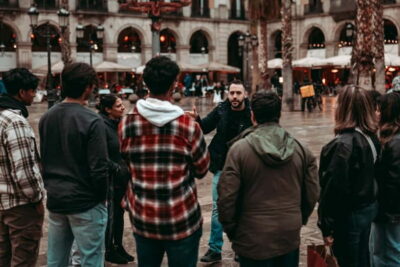
Barcelona: Tipsy Tapas & History Tour in the Gothic Quarter
Read our review →Browse the lists this tour appears in