
Review · CHARLESTON
Charleston: Old Walled City Historical Walking Tour
Charleston’s past is written into its cobblestone streets, churchyards, and painted colonial homes. This two-hour walk connects the pretty sights with the harder chapters: piracy, plantation wealth, epidemics, fires, hurricanes, sieges, bombardments, and the earthquake that shook the city.
I like the local point of view, especially when guides such as Al, Bruce, and Eric share personal memories alongside older history. I also like the route’s variety: you move from the French Quarter to the waterfront, then through streets lined with churches and historic houses. The main drawback is simple: you cover a lot of ground in two hours, and a fast-speaking guide or heavy heat can make it hard to absorb every detail.
Key points to know before you go
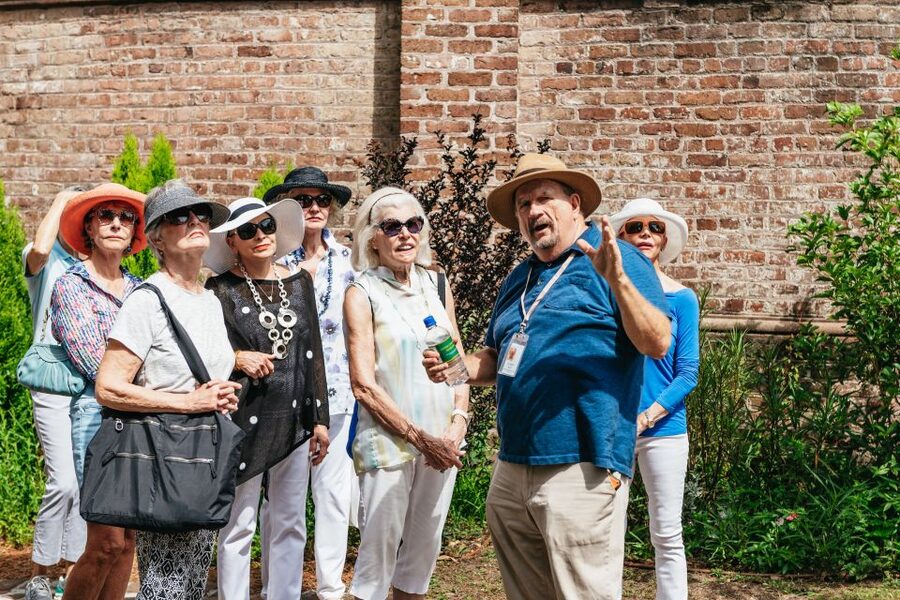
- A seventh-generation Charlestonian may lead your walk, bringing family connections and local stories to the city’s past.
- The route mixes major sights and small details, from Rainbow Row and Waterfront Park to tombstone symbols and old public buildings.
- Charleston’s difficult history is part of the tour, including slavery, plantation wealth, war, epidemics, and natural disasters.
- The walk is rated 4.7 out of 5 from 705 reviews, with repeated praise for Al, Bruce, Eric, and other engaging guides.
- The $30 price is fair for a focused introduction, especially if this is your first time in Charleston.
- Wear good walking shoes and bring water, sunscreen, and weather-appropriate clothing.
Why this walk is a strong first look at Charleston
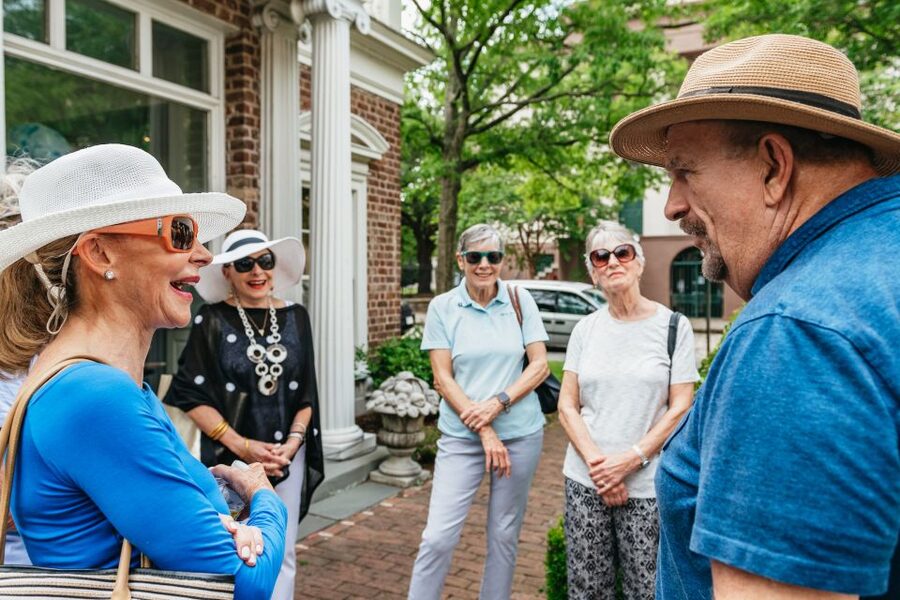
I would put this tour near the start of a Charleston visit. It gives you a useful map of the old center, points out buildings you might otherwise pass without noticing, and explains why the city looks the way it does.
The tour begins at Shop Historic Charleston, on the sidewalk at the corner of Meeting Street and Chalmers Street. Chalmers is the cobblestone street, so take care as you arrive. From there, your guide leads you into the old walled city, described on the tour as the only English walled city in North America.
That claim is part of the tour’s historical framing, but the larger point is easier to see on foot. Charleston’s old center is compact enough for walking, yet full of layers. Colonial houses sit near churches, public buildings, shops, graveyards, and streets shaped by trade and war.
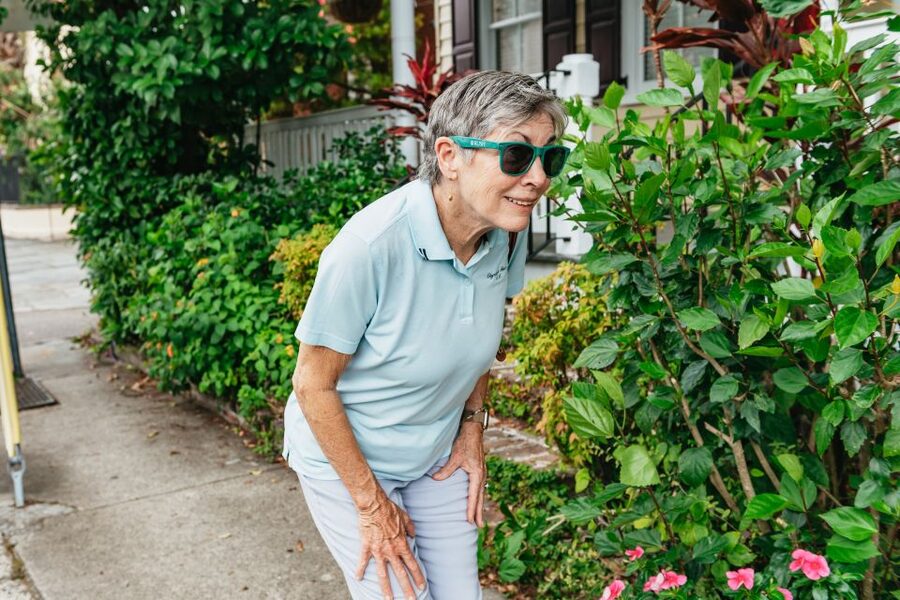
The guides are the heart of the experience. Al is repeatedly praised for his humor, energy, and command of Charleston’s past. Bruce is described as a seventh-generation Charlestonian with plenty of personal insight. Eric is especially good at linking architecture, dates, local stories, and the interests of people in the group. Guides have also included Alfie, Kent, Bob, Judi, and others, so the exact personality and pace can vary.
That variation matters. One guide may focus more on architecture. Another may spend more time on family stories, famous residents, or the city’s disasters. The common thread is a local, conversational approach rather than a silent march from one photo stop to the next.
More History Walking Tours in Charleston
- Historic Charleston Guided Sightseeing Walking Tour
★ 5.0 · 6,216 reviews - Hidden Alleyways and Historic Sites Small-Group Walking Tour
★ 5.0 · 2,335 reviews - Charleston historical walking tour with a Professor of History at The Citadel
★ 5.0 · 1,284 reviews
French Quarter streets and Charleston’s early growth
The first substantial section takes about 50 minutes in the French Quarter. This is where the tour settles into its rhythm, moving among colorful precolonial and postcolonial homes, churches, storefronts, and public buildings.
You will hear about Charleston’s colonial beginnings and its rapid growth. The city’s story is not just one of gracious houses and pretty façades. Trade, shipping, piracy, plantation wealth, and the rice economy helped shape its fortunes. The guide explains how the rise of rice planters changed the city and created the wealth behind many grand buildings.
This is also a good place to pay attention to architecture. You may see how homes, churches, and civic buildings reflect different periods of Charleston’s development. The value here is not only learning dates. It is understanding why a street looks the way it does and who had the money or power to build it.
The tour also brings up the people who lived in these houses. Several guides have been praised for adding stories about famous residents and for connecting historic figures to the modern city. That kind of detail keeps the walk from becoming a list of construction dates.
The French Quarter portion is likely the busiest part of the route in terms of information. One visitor found the amount of material almost too much and wished the guide had spoken more slowly. If you have hearing difficulty, stay near the guide and ask for a louder, slower delivery. One person specifically found that a guide’s voice sometimes faded at the end of an explanation.
Dock Street Theatre and the meaning of old buildings

The stop at Dock Street Theatre lasts about 15 minutes. You visit the site, pause for photographs, and hear how it fits into Charleston’s cultural and civic story.
The building is useful as a reminder that Charleston’s history is not only about war and commerce. Theater, public gatherings, and city life also shaped the old center. Your guide gives the stop meaning through stories and local context rather than treating it as a quick exterior photograph.
This is typical of the tour. You are not promised entry into every building, and many stops are sightseeing points from the street. That keeps the walk moving, but it also means the experience depends on the guide’s storytelling. A strong guide can make a façade or doorway interesting. A weaker explanation would leave you with little more than a photograph.
The Old Exchange and Provost Dungeon
The Old Exchange and Provost Dungeon receives roughly 12 minutes. This is one of the tour’s most striking stops because it connects Charleston’s polished public image with its harsher past.
The guide explains the building’s role and the dungeon’s place in the city’s story. You may hear about conflict, imprisonment, war, and the people who passed through Charleston during unsettled periods. The stop helps you see that the city’s old streets were used for more than commerce and ceremony.
This is also where the tour’s broad time span becomes useful. Charleston’s story moves from colonial roots to piracy, plantation wealth, military threats, and later disasters. The guide is constantly connecting events, showing how one period affected the next.
More History Walking Tours in the USA
- Historic Charleston Walking Tour: Rainbow Row, Churches, and More
★ 5.0 · 691 reviews - Charleston: History and Architecture Guided Walking Tour
★ 4.8 · 349 reviews - Semi-private SMALL group Historic Walking Tours w/certified guide
★ 5.0 · 224 reviews - Charleston walking tour with a Citadel history professor
★ 5.0 · 105 reviews
Waterfront Park and the city’s exposure to disaster
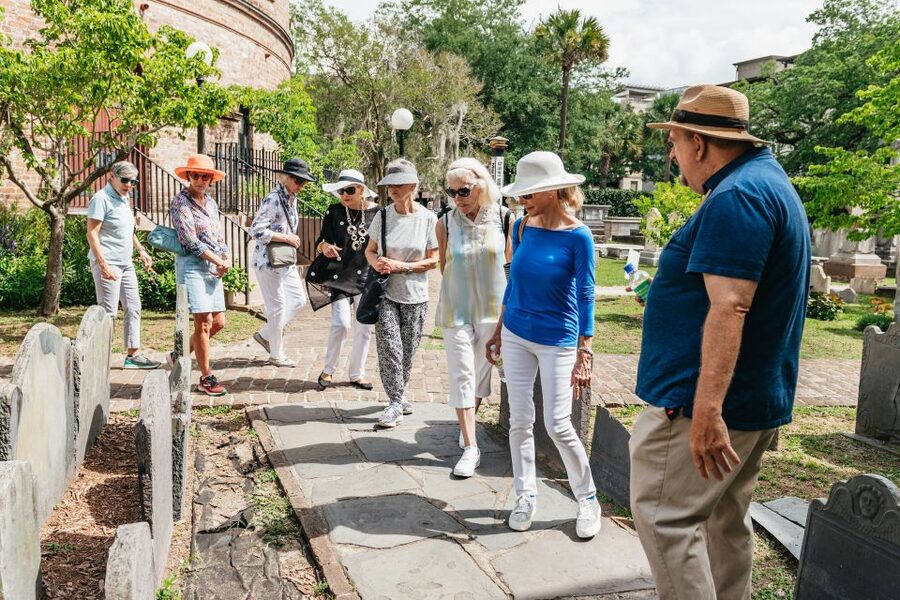
The walk continues to Waterfront Park for about 15 minutes. This is one of the easier places to appreciate the city’s setting and its vulnerability.
Along the waterfront, your guide discusses the disasters that repeatedly damaged Charleston. The list is long: seven major fires, hurricanes, epidemics, sieges, bombardments, and a devastating earthquake. These events are not treated as side notes. They explain why Charleston’s built environment has changed, why rebuilding mattered, and how residents repeatedly responded to danger.
Waterfront Park also gives you a scenic pause after the denser streets of the French Quarter. You get views along the way and a chance to reset before the route continues. Still, do not expect a long rest stop. The tour remains a walking tour, and the clock keeps moving.
In warm weather, this section can feel exposed. Choose light clothing, use sunscreen, and carry water. A guide may choose a shaded route when possible, as one guide did, but weather protection is ultimately your responsibility.
Rainbow Row and the city’s postcard side
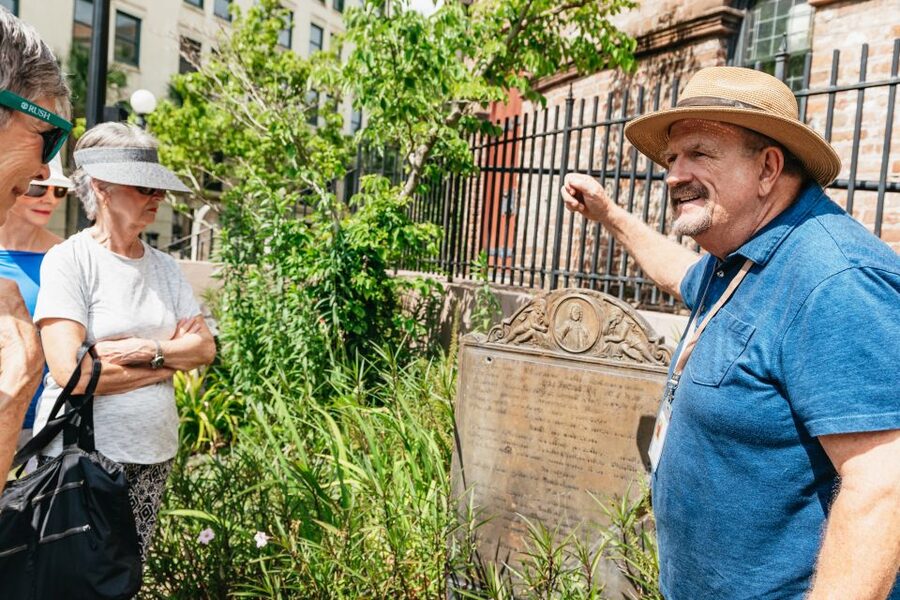
Rainbow Row takes only about seven minutes, but it is one of the most recognizable photo stops. The row of colorful buildings gives you the Charleston image many people expect before arriving.
The tour is useful here because it places the pretty view in a wider setting. You see the colorful façades, but you also learn about the street and the city that produced them. It is a quick stop, so do not expect a long architectural lecture. Think of it as a compact visual highlight within a broader historical walk.
This is a good example of the tour’s balance. You get the classic sights, but they are surrounded by more complicated subjects. The city is not reduced to pastel houses and church steeples.
Colonial homes, churchyards, and the clues on tombstones
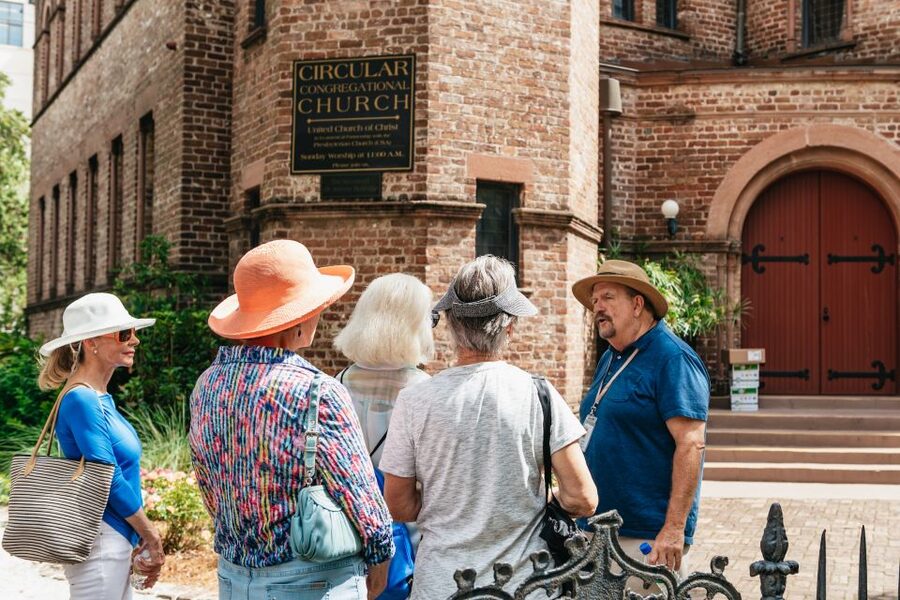
The brief stop at the Heyward-Washington House lasts about five minutes. Even a short pause can be useful because historic homes help show how Charleston’s prosperous residents lived and how the city’s social structure looked.
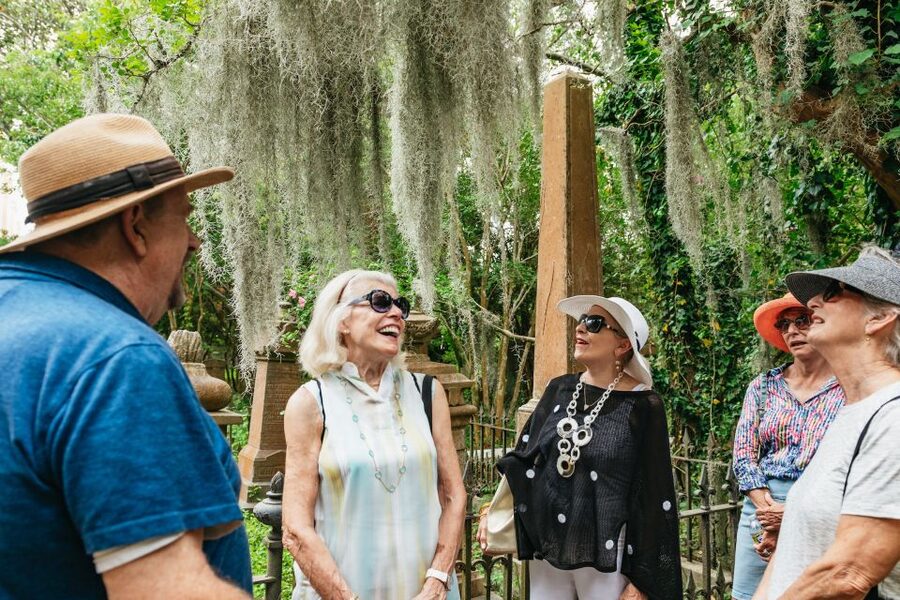
The tour also takes you near churchyards and old tombstones. Your guide may explain the ancient symbols carved into the stones, turning a quick look at a cemetery into a lesson in belief, status, family, and mortality.
This is one of the strongest reasons to walk with a guide. On your own, you might notice a weathered marker but miss the meaning of its symbols. You might admire a house but never learn which period it represents or who lived there.
St. Michael’s Episcopal Church and the final city view
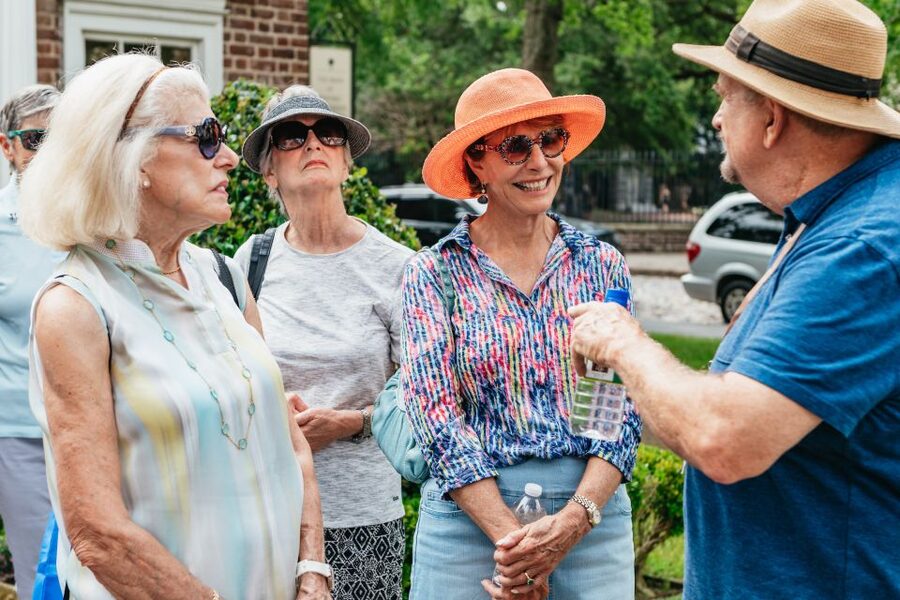
St. Michael’s Episcopal Church is scheduled for about 12 minutes. Its presence adds another layer to the architectural story and shows how churches shaped Charleston’s streets and public life.
The tour ends back at Shop Historic Charleston after a final sightseeing section in Charleston’s historic center. By then, you should have a better sense of the old city’s shape and a list of places you may want to revisit at your own pace.
Do not expect a museum-style visit with long interior stops. The emphasis is on the streets, the buildings, and the guide’s explanation. That makes it a good choice if you want orientation and context before exploring independently.
The guides make the difference
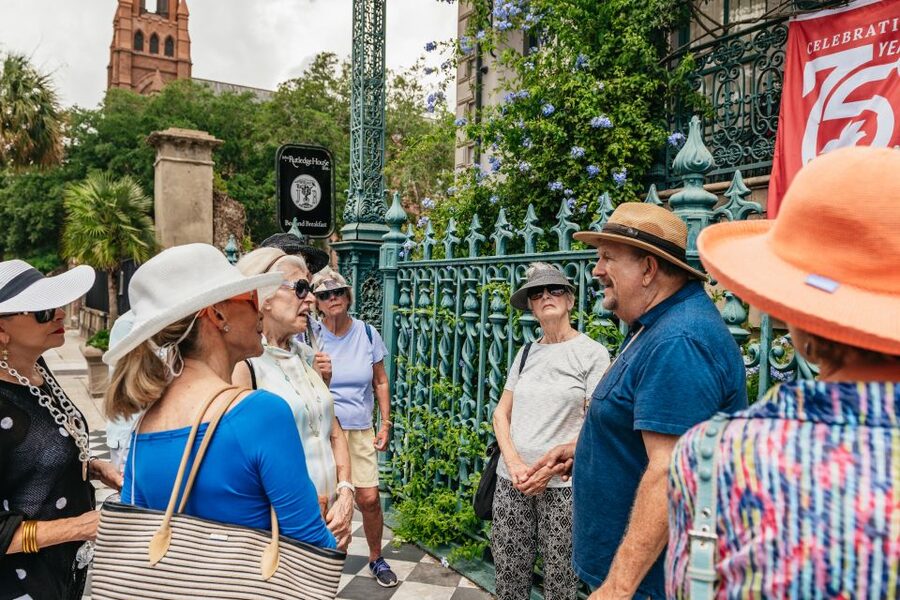
The clearest pattern in the feedback is the quality of the guides. Al is praised as enthusiastic, funny, and full of local information. Bruce receives similar praise, with particular attention to his Charleston roots. Eric is often described as engaging, conversational, and strong on architecture and history.
Alfie has guided tours since 1982 and is a native Charlestonian. Another guide tailored the route to the group’s interests, answered questions patiently, and handled a group traveling with children. Eric also adjusted the route to accommodate a wheelchair, showing that some flexibility is possible.
That does not mean every walk will feel identical. Guide assignments can change, and each person has a different speaking style. Most people will appreciate the energy, but the amount of information can be intense. If you prefer a quiet, slow stroll with only a few facts, this may feel busy.
Group size can vary too. One tour had only two people and felt almost private, while another group of eight found the size ideal. The activity information does not promise a fixed group size, so you should book for the subject and route, not for a guaranteed intimate format.
Is $30 a fair price?
At $30 per person, the tour offers reasonable value if you want a guided introduction to Charleston’s historic center. You get two hours with a professional English-speaking guide and a route that covers several major sights without requiring a vehicle.
The value is highest when your guide is willing to answer questions and add local detail. Several guides have done exactly that, including restaurant suggestions, stories about residents, and personal memories of growing up in Charleston. If you are new to the city, that practical context can save you from wandering without a plan.
The price is less appealing if you already know Charleston well or prefer to examine each site at your own pace. The itinerary is full, and most stops are short. You will see a lot, but you will not spend long inside each place.
Who should book this walk?
I recommend it for first-time visitors, history fans, architecture enthusiasts, and anyone who wants to understand Charleston before exploring alone. It also suits travelers who like a guide with humor and personality rather than a formal lecture.
Families can enjoy it, though younger children may find two hours of historical explanation tiring. One guide was especially patient with children, but the tour still involves substantial walking and regular listening.
People using wheelchairs or who have limited stamina should ask about the current route when booking. A guide has adapted the walk for a wheelchair, but the route includes cobblestones and a substantial amount of walking. Comfortable shoes are essential for everyone.
Practical advice for a better walk
Arrive at the corner of Meeting Street and Chalmers Street with water and sunscreen. Wear weather-appropriate clothing, since much of the experience takes place outdoors.
Try to stay close enough to hear clearly, especially during street-side explanations. If the guide speaks quickly or softly, ask for a repeat. The tour contains many names, dates, and stories, so you will retain more if you focus on the broad connections rather than trying to memorize everything.
Book it early in your Charleston stay. The route gives you a useful sense of direction, and your guide may help you decide which streets, buildings, or restaurants deserve another look later.
Should you book the Old Walled City Historical Walking Tour?
Yes, if you want a lively two-hour introduction to Charleston that combines architecture, local stories, and difficult history. The repeated praise for guides such as Al, Bruce, Eric, and Alfie is justified by the way they bring personality and local memory to the route.
Book with realistic expectations. You will walk steadily, hear a great deal, and spend most of the time outdoors. If you want a slow visit inside historic buildings, choose a museum tour instead. If you want to understand the old city quickly and see why its streets matter, this $30 walk is a smart start.
FAQ
How long does the Charleston Old Walled City Historical Walking Tour last?
The tour lasts two hours.
Where does the tour meet?
Meet on the sidewalk at the corner of Meeting Street and Chalmers Street, the cobblestone street.
What language is the tour in?
The live tour guide speaks English.
What sights are included?
The route includes the French Quarter, Dock Street Theatre, the Old Exchange and Provost Dungeon, Waterfront Park, Rainbow Row, the Heyward-Washington House, and St. Michael’s Episcopal Church.
Is this a walking-heavy activity?
Yes. The tour involves a substantial amount of walking through Charleston’s historic center.
What should I bring?
Bring comfortable shoes, sunscreen, water, and clothing suited to the weather.
Does the tour discuss Charleston’s difficult history?
Yes. The guide covers colonial roots, piracy, the rise of rice planters, fires, hurricanes, epidemics, sieges, bombardments, and a devastating earthquake.
Can I cancel the tour for a refund?
You can cancel up to 24 hours in advance for a full refund. You can also reserve your place and pay later.
Latest history tours reviewed in Charleston
- Charleston:Evening Haunted History Horse-Drawn Carriage Tour★ 4.7 · 38 reviews
- Charleston: Sip History Cocktail Making Class w Drinks Incl.★ 4.8 · 28 reviews
- Charleston walking tour with a Citadel history professor★ 5.0 · 105 reviews
- Charleston: Historic City Tour & Magnolia Plantation Combo★ 4.4 · 187 reviews
- Take a History Tour with an actual Historian – Cooper!★ 4.8 · 61 reviews
- Charleston: Historic City Tour and Harbor Cruise★ 4.5 · 260 reviews
- Charleston: Historic Downtown Food Tour★ 4.7 · 67 reviews
- Charleston: History and Architecture Guided Walking Tour★ 4.8 · 349 reviews
Charleston History Tours, compared.

Charleston’s Old South Carriage Historic Horse & Carriage Tour
Read our review →
Historic Charleston Guided Sightseeing Walking Tour
Read our review →
Charleston Horse-Drawn Carriage Tour: Explore Historic Charleston
Read our review →
Charleston Harbor History Day-Time or Sunset Boat Cruise
Read our review →
Hidden Alleyways and Historic Sites Small-Group Walking Tour
Read our review →
Charleston: Daytime or Sunset Historic Harbor Cruise
Read our review →
Charleston historical walking tour with a Professor of History at The Citadel
Read our review →
Charleston: Historical Downtown Tour by Horse-drawn Carriage
Read our review →Browse the lists this tour appears in