

Review · CHARLESTON
Charleston: Boone Hall & Historic City Tour Combo
Boone Hall Plantation is the heart of this outing, and its value comes from showing more than a grand house and pretty grounds. You can look at the brick quarters where enslaved people lived, hear about Gullah culture, walk among old roses, and then return to Charleston for landmarks such as Rainbow Row and the Battery. I like the air-conditioned coach, especially for the ride between the city and Boone Hall, and I like having several plantation presentations to choose from.
The main drawback is time. With the plantation visit and a 90-minute city tour packed into 270 minutes, you may have to pick your priorities. Several visitors found Boone Hall a little rushed, especially when trying to fit in the house, slave cabins, Gullah presentation, gardens, and other activities.
Key points at a glance
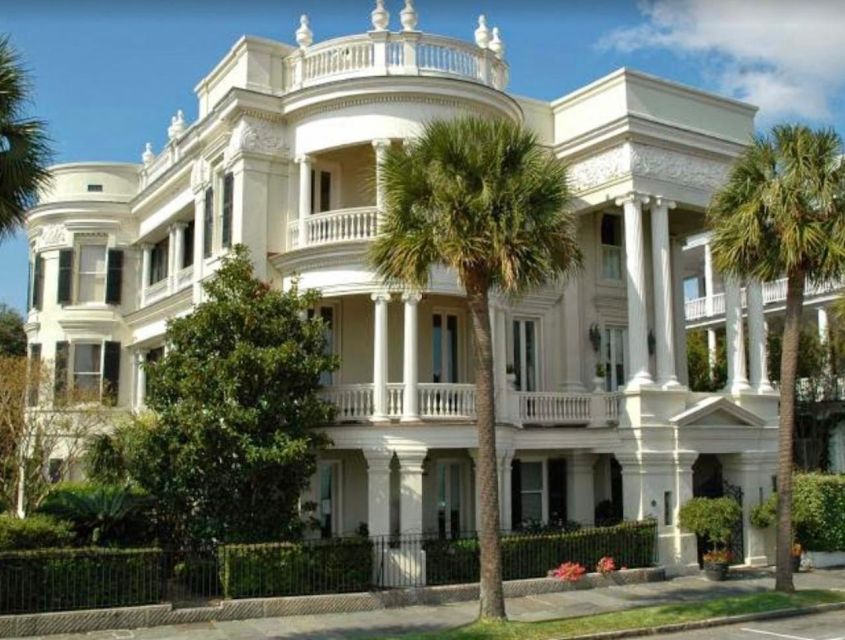
- Boone Hall’s brick quarters: See some of the only original enslaved people’s living quarters still standing at the plantation.
- A choice of presentations: Spend time with the house tour, gardens, Slave Street and History presentation, or Exploring the Gullah Culture program.
- A 90-minute Charleston circuit: Pass the Battery Sea Wall, Rainbow Row, historic churches, old markets, and the Four Corners of Law.
- Strong guide commentary: Guides including Vicki, Alan, Scott, and Bicki add local stories during both the driving portions and scheduled tours.
- A practical half-day format: The $87 price combines transportation, plantation admission, and a guided city tour without requiring you to arrange separate transport.
- A tight schedule: You gain broad coverage, but you will not have unlimited time to explore Boone Hall at your own pace.
Why combine Boone Hall with Charleston?

Charleston and Boone Hall offer two different ways to read the Lowcountry. The city tour introduces streets, churches, homes, seawalls, and civic buildings. Boone Hall gives you a place where the plantation system, the lives of enslaved people, architecture, gardens, and Gullah culture can be discussed together.
I like that the day does not stop at the main house. A plantation visit focused only on an elegant facade can leave out the people who built and maintained the estate. Here, you can choose the Slave Street and History presentation, see the brick living quarters, and hear what daily life was like for the enslaved people who lived and worked at Boone Hall.
The Gullah presentation adds another important layer. It addresses the culture developed by African people brought into slavery, rather than treating the plantation as a frozen relic. If cultural history matters to you, this may be the most distinctive part of the visit.
The city portion works as a useful counterpoint. Charleston’s streets are filled with visible reminders of wealth, law, religion, and trade. A guide can connect those buildings and neighborhoods to the broader story of the city while you ride in comfort.
More History Tours in Charleston:
- Charleston’s Old South Carriage Historic Horse & Carriage Tour
★ 5.0 · 10,023 reviews - Historic Charleston Guided Sightseeing Walking Tour
★ 5.0 · 6,216 reviews - Charleston Horse-Drawn Carriage Tour: Explore Historic Charleston
★ 5.0 · 3,561 reviews
The coach ride from Charleston to Boone Hall
You meet the bus directly behind the Visitors Center and Charleston Museum. There is no hotel pickup or drop-off, so plan to reach that meeting point on your own and check in at the buses.
The ride is in a climate-controlled coach, a welcome feature in Charleston’s heat and humidity. You are not responsible for driving, parking, or finding Boone Hall, and the guide can point out parts of the area as you go. Vicki, who has led this portion, has been especially useful for explaining what you can fit into your plantation time and how to plan your visit.
The drive itself is not the main attraction, but it is not dead time either. One guide kept the trip interesting by talking about the area and the neighborhoods along the route. That kind of commentary helps you see more than a road between two points.
Traffic can affect the schedule. One departure arrived about 30 minutes late because of traffic, so do not plan a tight appointment immediately after the tour. The buses operate rain or shine, and food and drinks are not allowed inside the vehicle.
Boone Hall’s main house and grounds
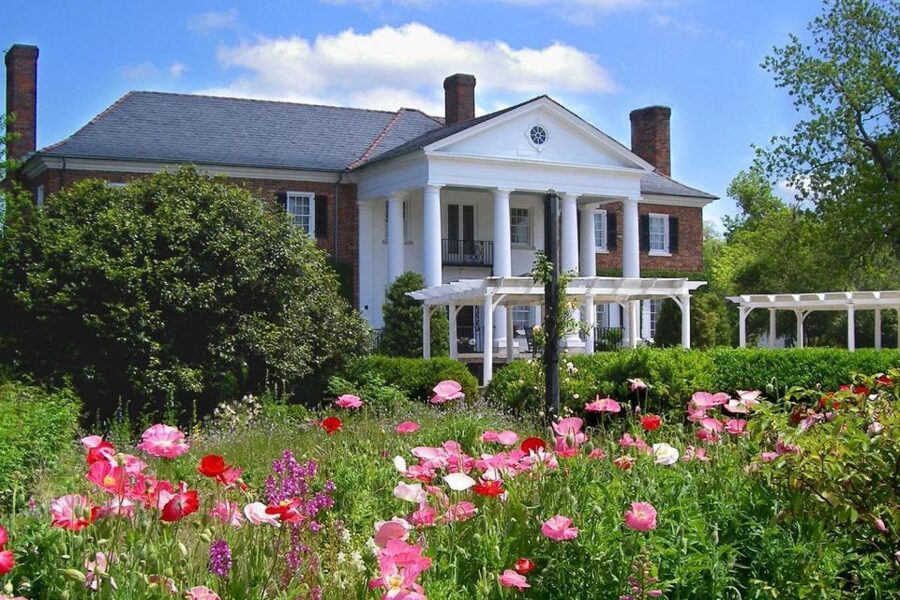
At Boone Hall, the scheduled house introduction lasts about 30 minutes. The tour begins on the front porch, with a guide in historical dress explaining the plantation’s development and its succession of owners since 1681.
The house is only one part of the visit. After the guided introduction, you have free time to select additional activities, depending on the day’s timing and available presentations. That flexibility is useful, but it also creates the main challenge: you need to decide quickly.
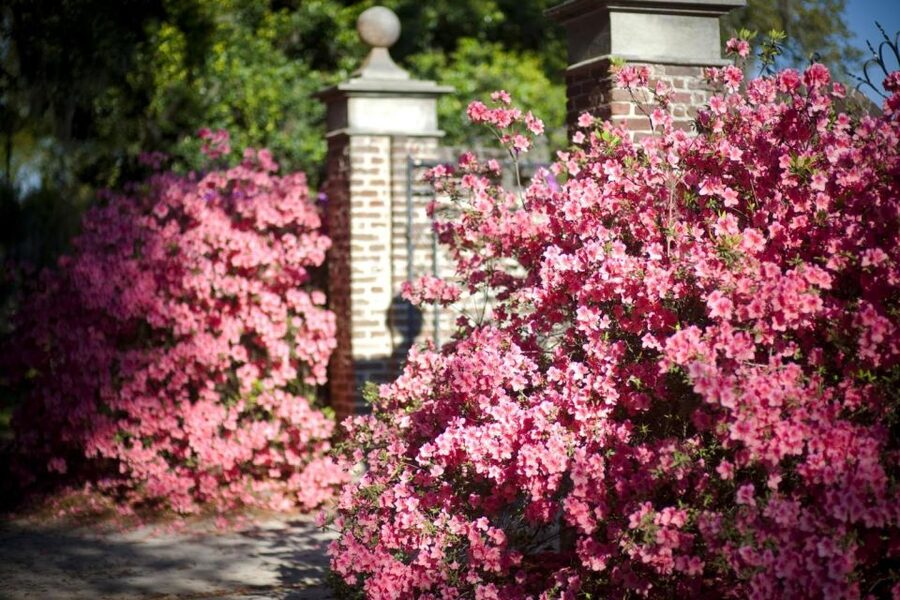
The gardens are a good choice if you enjoy plants, design, and a slower walk. You can see antique rose varieties that are more than 100 years old. The gardens give you a break from the coach and the guided commentary, though you may need to give up another presentation to spend enough time there.
The grounds are beautiful, but do not assume you can see everything in a relaxed fashion. One person who took the house tour and slave cabins had little time left for the trolley or the rest of the estate. Another felt that three hours still was not enough for all the available activities. If you want every option, this combination may feel more like an introduction than a full Boone Hall visit.
The Slave Street and History presentation
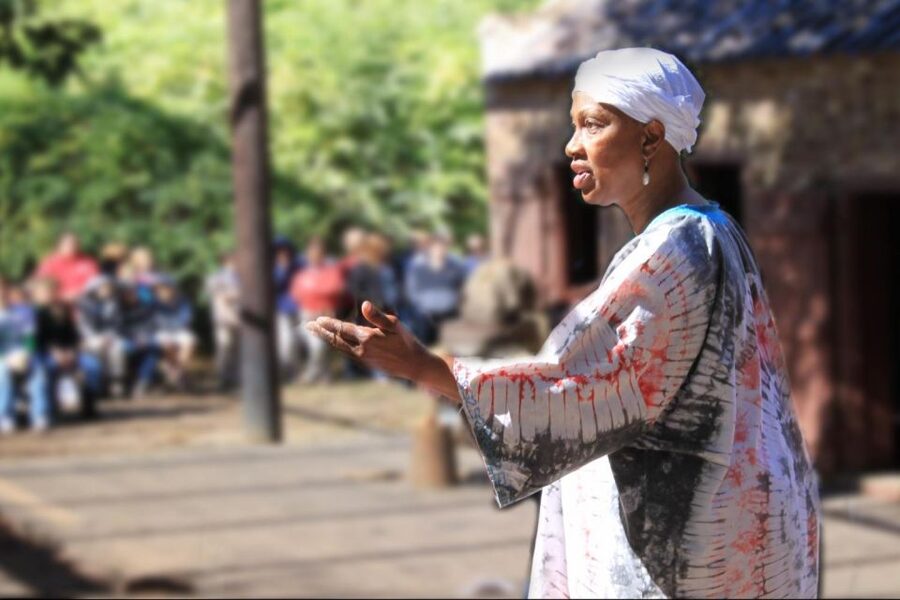
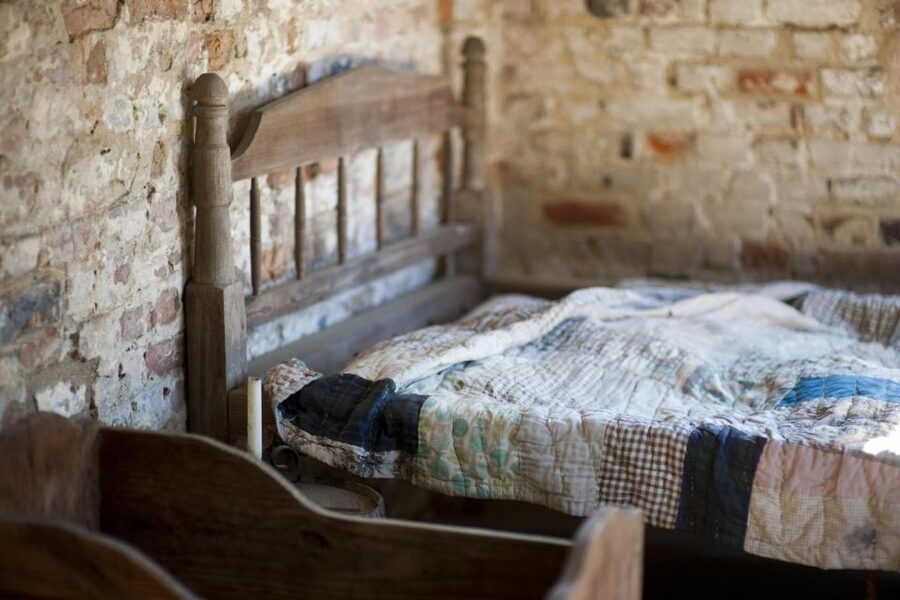
For many people, the most important stop at Boone Hall is the area connected with enslaved people. The Slave Street and History presentation shows the living quarters, historic objects, and working conditions connected with the people who lived on the plantation.
The brick construction matters. These are described as some of the only original slave houses still standing in the state’s Lowcountry because they were built of brick. You can see the buildings directly instead of hearing about plantation slavery only in general terms.
This part of the visit also helps correct the balance created by the main house. The large residence and formal gardens tell one story about plantation owners. The quarters and historical presentation direct your attention to the labor, restrictions, and lives of the enslaved people whose work made the estate possible.
Give this presentation priority if you have limited time. The house and gardens are easy to appreciate visually, but the Slave Street program supplies the context that makes the entire visit more meaningful. You should also expect the subject to be serious. It is not simply an architectural stop.
Same old streets, another chapter:
- Charleston Harbor History Day-Time or Sunset Boat Cruise
★ 4.5 · 2,788 reviews - Hidden Alleyways and Historic Sites Small-Group Walking Tour
★ 5.0 · 2,335 reviews - Charleston: Daytime or Sunset Historic Harbor Cruise
★ 4.5 · 1,352 reviews - Charleston historical walking tour with a Professor of History at The Citadel
★ 5.0 · 1,284 reviews
The Gullah culture presentation
The Exploring the Gullah Culture presentation focuses on the culture developed by African people brought to the Lowcountry. Boone Hall describes this as a live presentation, and it gives the plantation visit a cultural focus beyond its buildings and grounds.
I would choose this if you want to understand how African traditions and experiences continued in the region. It is also a practical choice for anyone who has already seen plenty of historic houses and wants a presentation centered on living culture.
The Gullah program was a highlight for one visitor, along with the grounds. Still, you need to watch the clock. The house tour, enslaved quarters, Gullah presentation, gardens, and trolley can compete for the same block of free time. Ask your plantation guide what is running first, then choose rather than trying to do everything.
Charleston’s 90-minute historic tour
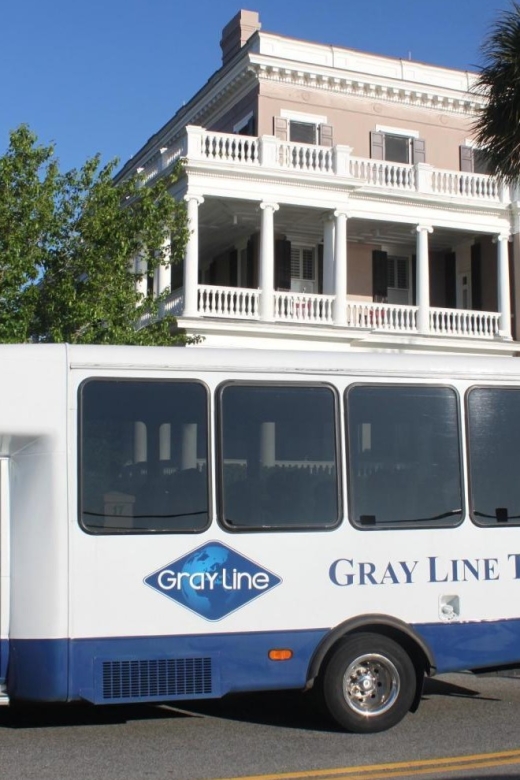
After Boone Hall, you return to the city for a 90-minute guided tour. This is mainly a riding tour, not a walking tour with long stops. You see a wide range of landmarks from the coach while the guide explains the city’s past and points out details along the route.
The city portion includes:
- Historic homes
- The Battery Sea Wall
- The Four Corners of Law
- Rainbow Row
- Historic churches
- Old markets
- Picturesque neighborhoods
The Battery Sea Wall gives you one of Charleston’s best-known waterfront views, while Rainbow Row offers a concentrated look at the city’s colorful historic houses. The Four Corners of Law brings together buildings tied to government, religion, and justice, making it a useful stop for understanding how Charleston organized public life.
Historic churches and old markets add variety. You are not just looking at private homes, but at places linked to worship, commerce, and civic life. The guide’s stories and anecdotes are important here because a moving bus cannot give you long time to study every building.
Alan has led the city portion with a careful driving style and plenty of historical detail. Another guide gave useful suggestions about Charleston restaurants, which can help if this is your first day in town. Guide quality can vary in tone, though. One person found a city guide somewhat gruff at first and occasionally hard to understand, even while finding the information worthwhile.
What you can and cannot see from the bus
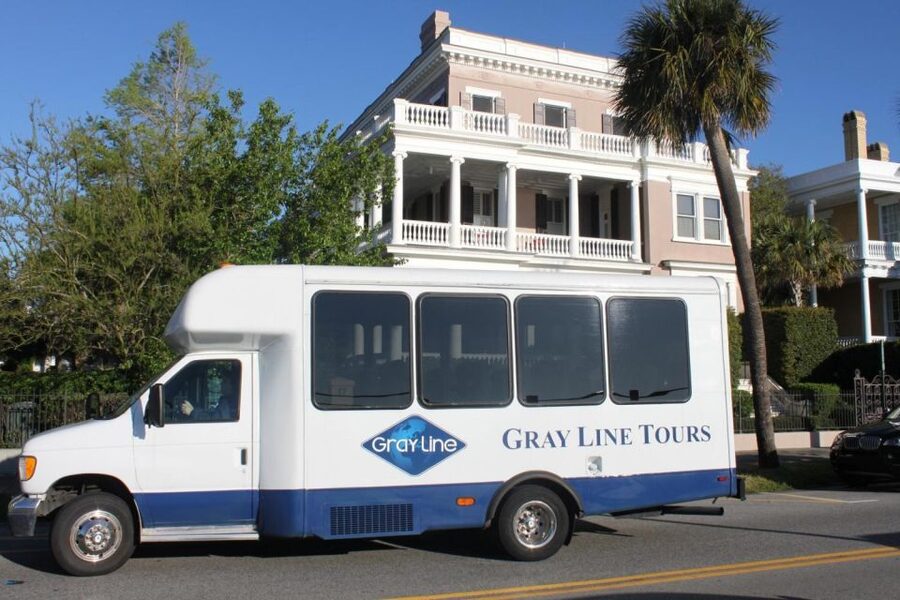
The coach is a strength for covering ground, but it limits your time on foot. One person wished for the chance to get off the bus during the city tour. That is a fair concern if you want photographs, a closer look at buildings, or time along the Battery.
Think of the Charleston portion as an orientation tour. It helps you identify areas to revisit later, rather than replacing a full walking tour. If you have another day in Charleston, you can return to Rainbow Row, the Battery, churches, and historic streets at your own pace.
The format works especially well for first-time visitors, older people, families, or anyone who wants to see many parts of the city without spending the whole day walking. It is less suited to you if your main goal is detailed interior visits or long photo stops.
Is $87 a good value?

At $87 per person, this is a reasonable way to combine two major sightseeing experiences. The price includes admission to Boone Hall, transportation by air-conditioned coach, and a 90-minute guided Charleston tour.
The value is strongest if you do not have a car. You avoid the effort of arranging transportation to Boone Hall, and the guide provides commentary during the journey. You also get a broad first look at Charleston without paying separately for a city sightseeing circuit.
The price is less compelling if you already have transport and want a full day at Boone Hall. In that case, the fixed schedule may feel restrictive, especially if you want to attend every presentation, walk the gardens slowly, and explore the estate beyond the main stops.
I would also factor in the cost of your time. The total duration is listed as 270 minutes, or four and a half hours, but the plantation portion can feel tight because Boone Hall offers several separate activities. You are paying for range and convenience, not unlimited time at one site.
Who should book this tour?
This combination suits you if you want a guided introduction to Charleston and Boone Hall in the same half-day. It is a good fit for first-time visitors, people without a rental car, and anyone who prefers a coach to navigating unfamiliar roads.
History-minded visitors should choose the Slave Street and History presentation. People interested in Lowcountry culture should make the Gullah presentation a priority. Garden lovers may prefer the rose gardens, while architecture fans will likely want the house and historic Charleston homes.
Families and mixed-interest groups can also benefit from the choices. One person can focus on the house, another on the gardens, and another on the Gullah program, though the schedule may prevent everyone from doing every activity.
You should think twice if you dislike fixed itineraries or want lots of time on foot. The city tour has limited opportunities to get off the bus, and Boone Hall’s many options can leave you feeling hurried.
Practical advice before you go
Wear comfortable shoes and clothing. You will spend time moving around the plantation, even though the coach handles the longer transfers. Bring a camera, but keep expectations realistic for city photography because many sights are viewed from the bus.
Arrive at the bus meeting point behind the Visitors Center and Charleston Museum with enough time to check in. Since hotel pickup is not included, allow time to reach the departure point.
Do not bring food or drinks into the vehicle, and sharp objects and weapons are prohibited. The tour runs in rainy weather, so a forecast with clouds or showers does not automatically mean cancellation.
Free cancellation is available up to two hours before departure for a full refund. Check the available starting times when booking, since the exact schedule is not provided here.
FAQ
How long does the Charleston and Boone Hall tour last?
The total duration is 270 minutes, or about four and a half hours.
What is included in the price?
The $87 price includes admission to Boone Hall Plantation and a 90-minute guided tour of historic Charleston.
Is hotel pickup included?
No. You must check in at the buses directly behind the Visitors Center and Charleston Museum.
What language is the tour in?
The live tour guide and presentations are in English.
Can I choose what to do at Boone Hall?
Yes. You can use your free time for options such as the house tour, garden tour, Slave Street and History presentation, and Exploring the Gullah Culture presentation. Time may not allow you to do everything.
Does the Charleston city tour include stops where I can get off the bus?
The provided details describe a guided 90-minute riding tour. They do not promise regular hop-off stops, so expect to see many landmarks from the coach.
What happens if it rains?
The tour operates rain or shine. Wear suitable clothing and comfortable shoes.
Should you book it?
Book this tour if you want efficient coverage, solid historical commentary, and a simple way to pair Boone Hall with Charleston’s best-known sights. I especially recommend it if you do not have a car or if you are visiting Charleston for the first time.
Choose the plantation presentation carefully. The Slave Street and History program gives the visit essential context, while the Gullah presentation offers the most distinctive cultural angle. If gardens or architecture matter more to you, choose those instead, but do not expect enough time for every option.
Skip this combo if you want a leisurely plantation day or a walking-focused city tour. For most people, though, $87 buys a useful and well-organized introduction to two very different sides of Charleston, with the tradeoff of a busy schedule.
Latest history tours reviewed in Charleston
- Charleston:Evening Haunted History Horse-Drawn Carriage Tour★ 4.7 · 38 reviews
- Charleston: Sip History Cocktail Making Class w Drinks Incl.★ 4.8 · 28 reviews
- Charleston walking tour with a Citadel history professor★ 5.0 · 105 reviews
- Take a History Tour with an actual Historian – Cooper!★ 4.8 · 61 reviews
- Charleston: Historic City Tour & Magnolia Plantation Combo★ 4.4 · 187 reviews
- Charleston: Historic City Tour and Harbor Cruise★ 4.5 · 260 reviews
- Charleston: Historic Downtown Food Tour★ 4.7 · 67 reviews
- Charleston: History and Architecture Guided Walking Tour★ 4.8 · 349 reviews
Charleston History Tours, compared.

Charleston’s Old South Carriage Historic Horse & Carriage Tour
Read our review →
Historic Charleston Guided Sightseeing Walking Tour
Read our review →
Charleston Horse-Drawn Carriage Tour: Explore Historic Charleston
Read our review →
Charleston Harbor History Day-Time or Sunset Boat Cruise
Read our review →
Hidden Alleyways and Historic Sites Small-Group Walking Tour
Read our review →
Charleston: Daytime or Sunset Historic Harbor Cruise
Read our review →
Charleston historical walking tour with a Professor of History at The Citadel
Read our review →
Charleston: Historical Downtown Tour by Horse-drawn Carriage
Read our review →Browse the lists this tour appears in