
Review · YORK
Private Historical Walking Tour of York
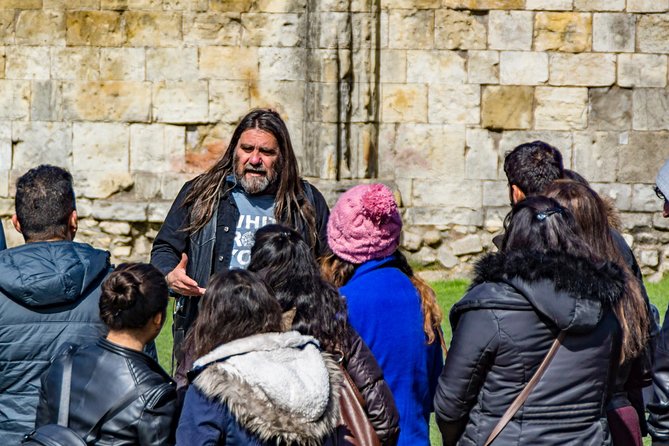
York is easiest to understand on foot, and this private walk gives you the city’s long story in one sitting. You move from the Minster and royal power to an old abbey, the Shambles, and the grim episodes linked with Clifford’s Tower. The best guides, including Alan, Karen, Chris, Sean, and David, bring facts to life with stories, humor, and local advice.
I like the private format, since your group can focus on the periods that interest you, from Roman and Viking York to Henry VIII and Guy Fawkes. I also like the central starting point and useful finish, with the walk beginning near York Minster and ending close to Clifford’s Tower and the Castle Museum.
The main caution is that the experience depends heavily on the guide and the style you prefer. Most feedback is glowing, but one poor account described a guide who was hard to understand and allowed others to join, while another found the presentation too much like a lecture and not conversational enough.
Key points at a glance
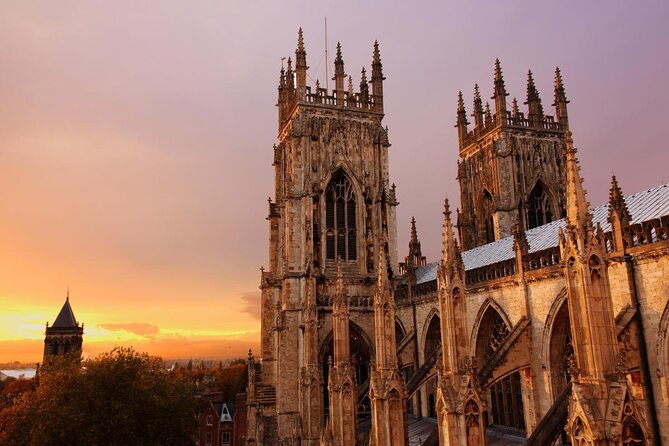
- York’s major story in two to three hours: Follow the city through religious, royal, medieval, and darker chapters.
- A genuinely private booking: The advertised price of $195.60 covers up to 15 people, so the value improves sharply with a larger group.
- A strong first-day activity: The route helps you get your bearings before exploring York on your own.
- Personal interests can shape the walk: Ask for more Roman, Viking, Tudor, architectural, or local detail.
- A practical central route: Start opposite York Minster, with central hotel pickup available, and finish near Clifford’s Tower.
- Good for mixed ages: One group with two 80-year-olds managed the pace and distance, but sensible shoes and moderate fitness still matter.
Why a private walk works so well in York
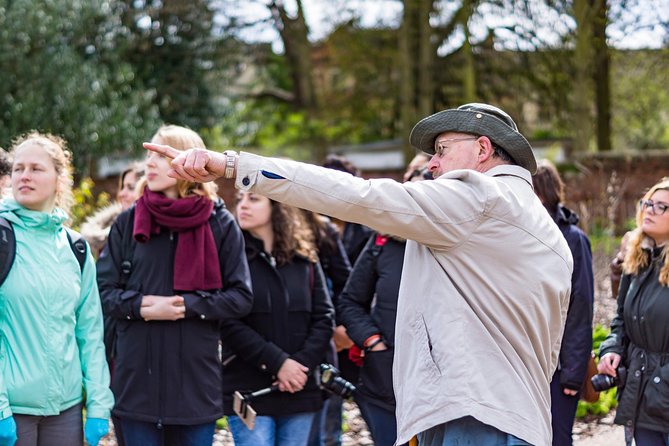
York can feel like several cities layered on top of one another. A cathedral town, a Roman settlement, a Viking centre, a medieval trading city, and a royal stronghold all occupy the same compact centre. If you simply wander, you will see attractive buildings and narrow lanes, but you may miss how the pieces fit together.
That is where this tour earns its keep. Your guide can explain why a building matters, then connect it to the people and events that shaped the city. You are not just looking at old stone. You are following power, religion, trade, punishment, and daily life through the streets.
The private arrangement is especially useful for families and small groups with mixed interests. You can ask for more detail on the Tudor period, spend extra time on stories connected with kings, or keep moving if the younger members of your party lose patience with medieval politics.
At $195.60 for up to 15 people, this is not a cheap solo activity. For one person or a couple, the cost is high. For a family or group of six to 15, it becomes a reasonable way to hire a personal guide for several hours, particularly when you compare it with paying separate per-person prices for a large group tour.
The advertised success rate is strong, with a 4.9 rating from 1,324 ratings and 97 percent of customers recommending the experience. That points to a dependable product overall, but the different comments also show why the individual guide matters.
More History Walking Tours in the UK
- A History of Terror – Belfast City Centre Walking Tour
★ 5.0 · 2,883 reviews - Edinburgh: Old Town History and Tales Walking Tour
★ 4.8 · 2,361 reviews - Old Town Walking Tour History and Tales in Edinburgh
★ 5.0 · 2,168 reviews
Starting beside York Minster
The usual meeting point is at 36 Precentor’s Court, opposite the West Entrance of York Minster, near Bennett’s tea rooms. You can also arrange a meeting at another convenient point within walking distance of the city centre, and pickup is available from central hotels.
Beginning here makes good sense. The Minster is one of York’s clearest landmarks, and your guide talks through its story from its founding to the present day. You should expect more than a quick photograph from the outside. The focus is on how the building developed and what it has meant to York over time.
This first stop also gives you an early sense of the guide’s style. Some guides, such as Chris, are praised for weaving different eras into a single story. Others, such as Karen, are particularly good at showing personal pride in the city. If you want an interactive walk, say so at the start and ask questions early.
The tour does not include food, drinks, or entry fees listed separately, so treat the Minster discussion as an exterior and historical introduction unless your guide tells you otherwise. If entering the Minster is important to you, ask about that before booking.
Royal stories and the building tied to kings
Another stop focuses on a historic building with links to Henry VIII and other kings. The supplied details do not name the building, so you should ask your guide to clarify the exact site and how much time will be spent there.
This part of the route matters because York was not merely a church city or a market town. Royal authority shaped its buildings, officials, religion, and punishments. Henry VIII’s connection also opens the door to the Reformation, the break with Rome, and the changes that affected religious houses across England.
A good guide can make this section more than a list of monarchs. Listen for the practical effects of royal decisions: who controlled property, how religious institutions changed, and what happened to buildings once their original purpose disappeared.
If you have a particular interest in Tudor England, tell your guide. The private format gives you a better chance of getting more Henry VIII and less time on subjects that do not interest your group.
The abbey and the disappearance of a religious world
The abbey stop follows the institution from its founding through to the present day. This is one of the most useful historical contrasts in York. You see how a religious site began, how it operated, and how its role changed over time.
An abbey can look like a picturesque ruin if you do not know what you are seeing. With explanation, the remaining walls and spaces become evidence of a working community, changing royal policy, and the loss of religious houses during the Tudor period.
The guide’s storytelling matters here. The strongest accounts of this experience describe a walk filled with detail that makes each part of the city easier to picture. You should expect names, dates, and events, but also an explanation of how the site fitted into York’s wider life.
This may be one of the more talk-heavy sections. If your group prefers questions and discussion over a formal presentation, make that clear. One family found the guide’s delivery too much like a scripted lecture, even while praising the range of information. That is a fair warning for anyone seeking an informal conversation rather than a lesson.
More Private History Tours in the UK
- Private Group: Historical Pub Walking Tour of London
★ 5.0 · 660 reviews - London: Private Landmark Tour with Professional Photographer
★ 4.7 · 91 reviews - Private Rock n Roll History Tour of London in an Iconic Black Cab
★ 5.0 · 65 reviews - American Heritage in London 4 Hour Private Tour in a Black Cab
★ 5.0 · 64 reviews
Walking the Shambles with a story attached
The route includes a walk down a historic street, and one review specifically highlights the Shambles. This is the sort of place that benefits from a guide because its appearance is only part of the story.
The narrow street is easy to photograph, but the useful details are the meanings behind its shape, trade, names, and old expressions. The walk can also help explain how medieval streets worked, rather than leaving you with a pretty lane and no context.
Your guide may point out small details you would otherwise pass without noticing. This is where a flexible private tour can beat a fixed group route. You can stop for a question, ask about a building, or return later with a better sense of what you are looking at.
The Shambles can be crowded at busy times, and a walking tour cannot control the flow of people in the street. Keep your group together and expect to pause in tight spaces. Comfortable footwear is important throughout the tour, not only here.
A historic building with several lives
The itinerary also includes a detailed look at another building, covering its founding and the uses it has had over the years. Because the exact name is not supplied, do not book this tour expecting a guaranteed interior visit or a specific museum stop without checking first.
This kind of stop adds depth to the route. York’s buildings often change purpose as the city changes around them. A structure may begin with one use, be adapted by later owners or authorities, and acquire a new role in modern York.
For you, the value is in seeing the city as a place that kept changing. The tour is not only about famous monuments. It also explains how old buildings survived, shifted purpose, and remained part of daily city life.
Ask your guide to point out what is original, what was altered, and what is known from records rather than appearance. That simple question can turn a quick stop into a useful lesson in reading historic architecture.
Clifford’s Tower and York’s darker chapters
The walk ends at Clifford’s Tower on Tower Street, close to the Castle Museum. The guide covers York Castle, the tower’s role as its centrepiece, and the events that took place there.
This is a strong ending because it shifts the tone from grand religious and royal buildings to authority, imprisonment, conflict, and tragedy. York Castle was not just a defensive site. It was tied to the exercise of law and power, and its history includes painful episodes that deserve a careful explanation.
Ending here also gives you a practical choice. You can continue to the Castle Museum, explore the surrounding area, or use your new sense of direction to return toward the centre. The tour itself does not include food, drinks, or stated admission to attractions, so plan separately if you want to go inside the museum or tower.
The finish is also convenient if this is your first activity in York. You are close to major sights, and you can spend the rest of the day revisiting places that caught your attention.
The guides and the style you can expect
Several guide names appear in the feedback: Alan, Karen, Chris, Sean, and David of White Rose Tours. The descriptions give you a useful sense of the range. Alan is praised for his local knowledge, flexibility, and ability to arrange a last-minute tour at an unusual hour. Karen is described as engaging and proud of York. Chris is noted for depth, humor, and theatrical flair. Sean is praised as a strong storyteller, and David is described as someone who shaped the walk around personal interests.
That variety is a plus, but it also means your experience may not feel identical from one booking to the next. One guide may give you a lively historical performance. Another may deliver a more direct, lecture-like account.
At the start, tell your guide what you want. You might say that you prefer questions, that you want the Roman and Viking periods covered, or that you care more about local customs than royal politics. You can also ask for pub, cocktail bar, or church-music suggestions. One guide helped a group with local ideas, including attending Evensong at the Minster.
The private setting should make this conversation possible. If you remain silent, you may receive a polished overview. If you ask questions, you have a better chance of getting the tailored experience promised by the format.
Timing, walking effort, and weather
The stated duration is approximately two to three hours. Several strong accounts describe a tour lasting close to or beyond two hours, with one group saying it ran just short of three hours while covering the major historic sites.
This is a walking tour, not a casual standing talk. You need moderate physical fitness, sensible footwear, and clothing suited to the weather. It operates in all weather conditions, so rain can affect comfort even if it does not cancel the activity.
One group included two people aged 80 who managed the pace and distance. That is encouraging, but it is not a promise that every group will find the route easy. If anyone in your party needs regular pauses, say so before the walk begins.
Children must be accompanied by an adult. The private format is helpful for families because you can manage your own pace more easily than in a large public group.
Who should book this York walk?
I would recommend it most strongly for first-time visitors who want a clear introduction before exploring independently. It is also a good fit for families, history fans, and groups that want to ask questions without holding up strangers.
You will get the most value if your party includes at least four or five people, since the $195.60 charge covers up to 15. Solo visitors and couples should compare the price with other guided options before committing.
This is less suitable if you want a quiet stroll with little commentary, guaranteed interior access to attractions, or a highly specialized archaeological tour. It also may not suit someone who dislikes a formal storytelling style.
Should you book the Private Historical Walking Tour of York?
Book it if you want York’s main story explained in one focused walk, especially on your first day. The route links the Minster, royal power, the abbey, the Shambles, historic buildings, and Clifford’s Tower, giving you a useful map of the city in both geography and time.
I would book it for a group, request a conversational guide, and arrive ready with two or three subjects you care about. I would also confirm the exact building stops and ask about the expected pace if mobility is a concern.
The strong overall rating is deserved by the many accounts of engaging guides, rich detail, flexible arrangements, and memorable storytelling. Just remember that this is a guide-led experience, so the person leading your walk will shape the day. For most groups seeking an informative introduction to York, that is a worthwhile trade.
FAQ
How much does the private York walking tour cost?
The price is $195.60 per group, for a group of up to 15 people.
How long does the tour last?
The tour lasts approximately two to three hours.
Where does the tour begin?
The usual meeting point is 36 Precentor’s Court, York YO1 7EH, opposite the West Entrance of York Minster, near Bennett’s tea rooms.
Is hotel pickup available?
Yes. Pickup is offered from central hotels, and the guide can also meet your group at a convenient location within walking distance of York city centre.
Where does the tour end?
The walk ends at Clifford’s Tower on Tower Street, close to the Castle Museum.
What sights are covered?
The tour covers York Minster, a historic building connected with Henry VIII and other kings, an abbey, a historic street including the Shambles, another historic building, York Castle, and Clifford’s Tower.
Is the tour private?
Yes. Only your group participates in the private activity, with a maximum group size of 15 people.
What should I wear and bring?
The tour operates in all weather conditions, so dress appropriately and wear sensible footwear. Food and drinks are not included.
Latest history tours reviewed in the UK
- Falmouth: Vibrant Historical Walking Tour (award-winning)★ 4.9 · 75 reviews
- Edinburgh: Small-Group History of Whisky Tour with Tasting★ 4.8 · 138 reviews
- Edinburgh: Old Town History Walking Tour★ 4.9 · 528 reviews
- Edinburgh’s Dark History Walking Tour★ 4.9 · 55 reviews
- Edinburgh: Multi-Sensory Small-Group Historic Vaults Tour★ 4.6 · 596 reviews
- Edinburgh: Pubs and History Guided Walking Tour with Beer★ 4.8 · 254 reviews
- Edinburgh: Multi-Sensory Old Town Historical Walking Tour★ 4.6 · 290 reviews
- Edinburgh: History Lovers Old Town Walking Tour★ 4.9 · 56 reviews
York History Tours, compared.
Shadows of York: Ghost Walk and Horrible History.
Read our review →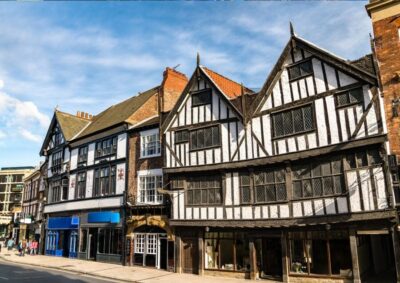
York: Witches and History Old Town Walking Tour
Read our review →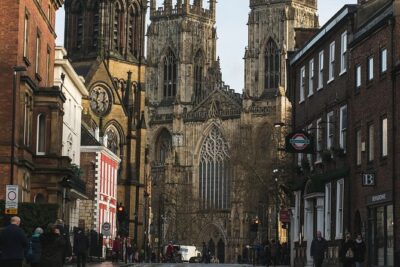
Browse the lists this tour appears in