
Review · COLOMBIA
Historical Shared Tour Salsa, Graffiti & Resistance in Cali
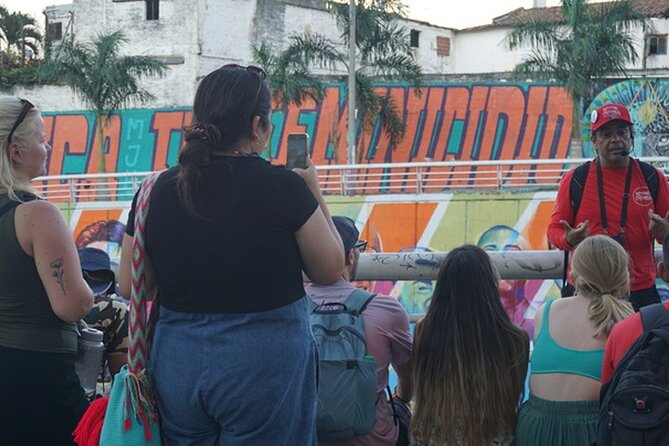
Cali tells its story through salsa, murals, and public life, and this three-hour walk brings those threads together better than a standard city sightseeing tour. You move from the Jairo Varela plaza through central streets, cultural buildings, painted walls, and salsa districts before finishing at Cimarrón Salsa Bar.
I like two things in particular: the tour gives you useful background on how salsa shaped Cali, and it treats graffiti and music as forms of popular resistance, not just decoration. Guides such as Cristian, Christian, and Juliana also add dance steps, instruments, and practical nightlife advice. The main drawback is the pace: ten stops in about three hours means most places receive a short visit rather than a long look.
Key points before you book
- Ten central Cali stops in about three hours: The route links plazas, cultural buildings, street art, viewpoints, and salsa venues.
- Salsa taught as living culture: You may learn basic dance steps, play instruments, and hear how music shaped local identity.
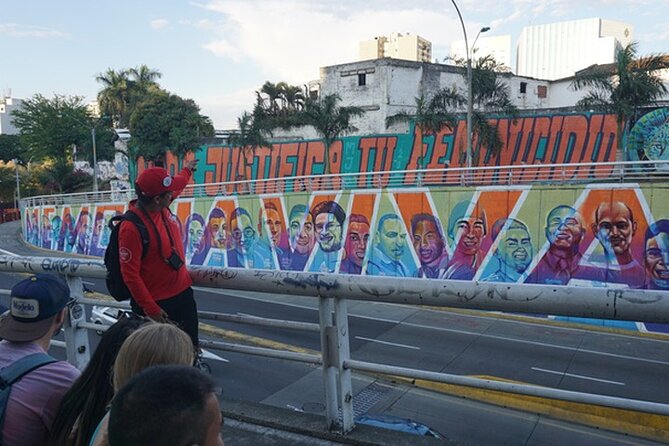
- Graffiti with a social purpose: The murals connect art with community expression, resistance, and popular culture.
- A Spanish-language walking tour: The included guide is certified and explains Cali’s salsa story in Spanish.
- A useful finish at Cimarrón Salsa Bar: You end with recommendations for salsa clubs and possible discounts from partner businesses.
- A low price with one booking detail to check: The listed cost is $14 per person, though Beyond Colombia also operates free walking tours when booked directly.
Why this Cali walk is more than a salsa lesson
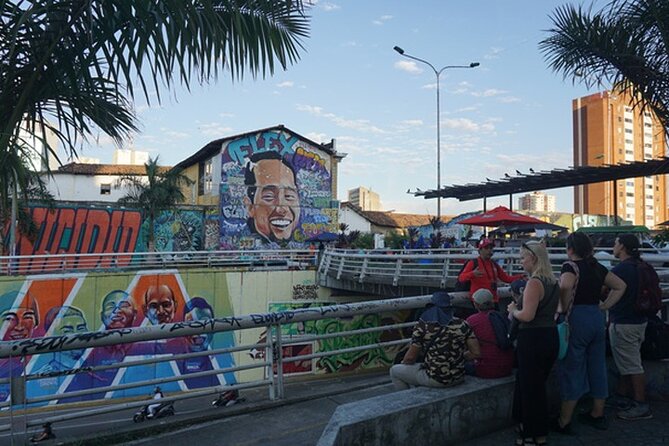
The title promises salsa, graffiti, and resistance, and the route does cover all three. But the real value comes from connecting them.
Cali is not presented only as a city where you can dance at night. You learn how music, public art, and neighborhood identity work together. A mural becomes more than a colorful wall. A plaza becomes more than an open space. A salsa bar becomes part of a wider story about pride, memory, and local expression.
That approach makes the tour useful even if you do not dance. You can enjoy the music and street scenes without needing prior steps. If you already like salsa, the walk gives you context for the clubs and musicians you may encounter later.
The guides are a large part of the experience. Cristian is especially good at keeping the history active, adding dance instruction and instruments rather than asking you to listen to a long lecture. Christian has also been praised for his energy and for making city history enjoyable. Juliana brings a warm approach to the walking route and its salsa focus.
Since the official service is in Spanish, you should be comfortable following explanations in that language. The tour is capped at 30 people, which is a manageable size, though a full group may make it harder to hear or gather around murals.
More WWII and D-Day Tours in the world:
- Vienna: World War II Historical Walking Tour
★ 4.8 · 1,772 reviews - Zagreb: City & History Walking Tour & WW2 Tunnels
★ 4.9 · 1,202 reviews - Pearl Harbor History Remembered Tour from Ko Olina
★ 5.0 · 1,009 reviews
Starting at Plazoleta Jairo Varela
The walk begins at Plazoleta Jairo Varela, also called Plazoleta de la Caleñidad. This is an appropriate meeting point because Jairo Varela is one of Cali’s best-known salsa composers.
Murals around the plaza celebrate his life and work, giving you an immediate introduction to the city’s musical pride. Your guide uses the setting to explain the Caleña salsa tradition and why music is so closely tied to local identity.
I like starting here because you get a clear theme before the route becomes more varied. You are not simply looking at a series of unrelated sights. The opening plaza gives the rest of the walk a musical frame.
The stop lasts about 18 minutes and has no admission fee. Expect a short orientation rather than a full museum visit.
Parque de las Piedras and the social side of salsa
At Parque de las Piedras, the focus shifts from one famous composer to the public spaces where people gather. Fountains, sculptures, open areas, and murals make this a natural place to discuss salsa as a shared activity.
Your guide may explain how music moves beyond clubs and into everyday life. The park also reflects Cali’s cultural mix, so this is a good point to connect salsa with the city’s broader popular culture.
The setting gives you a small break from close street walking. Still, the stop is only about 18 minutes, so do not expect time to sit for long or study every sculpture. Think of it as a focused explanation in a public square.
Instituto Departamental de Bellas Artes
The Departmental Institute of Fine Arts provides a different view of Cali’s creative life. The building is associated with exhibitions in painting, sculpture, and photography, and the tour links those forms with music.
This stop matters because it keeps the experience from becoming a string of salsa references. Cali’s art scene includes galleries, performance, photography, public murals, and music. The guide helps place street art within that wider setting.
The supplied route does not promise entry into a specific exhibition, so your experience here may depend on what is open and available at the time. Allow roughly 18 minutes.
More History Tours in the world:
- New York City: American Museum of Natural History Ticket
★ 4.5 · 15,447 reviews - History and Hauntings of Salem Guided Walking Tour
★ 5.0 · 14,564 reviews - Colosseum: Underground and Ancient Rome Tour
★ 4.7 · 12,691 reviews - Lisbon: History, Stories and Lifestyle Walking Tour
★ 4.8 · 10,902 reviews
La Curva del Boulevard: murals, food, and nightlife
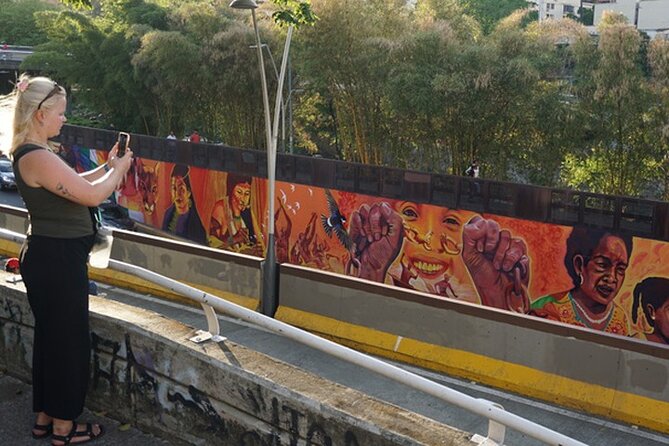
La Curva del Boulevard introduces the part of Cali many people are eager to find: nightlife and food. The area has dining options, typical dishes, and murals painted across building fronts.
This is a useful point to plan your evening. The tour does not include food, so you will pay separately if you stop for a dish. You can use the guide’s recommendations to decide where to eat later, or simply note the streets you want to revisit.
The benefit here is practical. You see how food, public art, and nightlife sit together instead of treating them as separate sightseeing categories. The limitation is time. An 18-minute stop is enough for an introduction, not a full meal.
Edificio Boulevard del Río Emcali and the city view
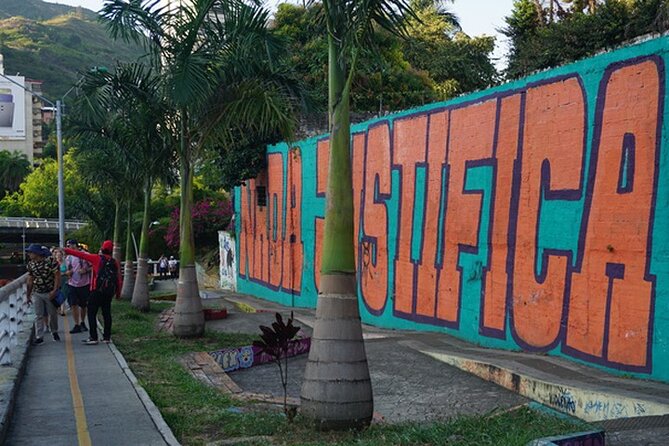
The Emcali building brings in modern architecture and urban growth. From its viewpoint, you can see the city and the Cali River, giving the walking tour a broader visual pause.
After several stops focused on murals, music, and street-level culture, this view helps you understand the city in physical terms. It is also a welcome change of rhythm. You are no longer looking only at individual artworks or facades.
The viewpoint is one of the route’s more useful photo opportunities, but keep expectations reasonable. The tour gives you a city view, not a long sightseeing session with time for detailed photography.
Calle del Sabor, where the route finds its rhythm
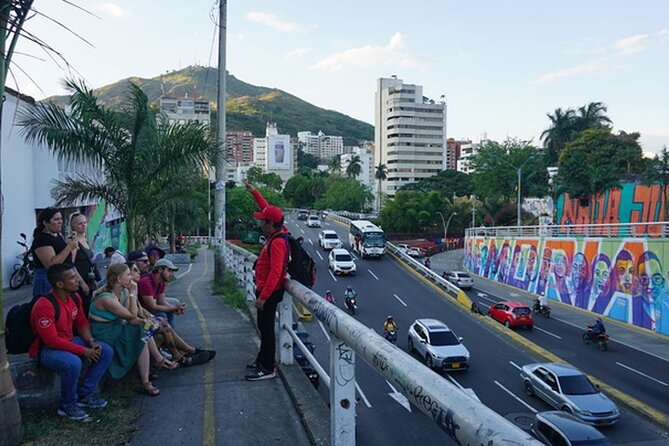
Calle del Sabor is the musical center of the walk. Bars, restaurants, themed shops, and wall murals focus on musicians, dancers, and Caleña popular culture.
This is where the tour’s themes come together most clearly. You can see how salsa functions as entertainment, business, public identity, and a reason for people to gather. The guide may also offer recommendations for salsa venues that suit different evenings.
If you want to return after the tour, pay attention to the practical advice. The included recommendations are one of the strongest reasons to take a guided walk instead of wandering without context.
Again, food and drinks are not included. You will need to budget separately for anything you order.
Beneficencia del Valle del Cauca and cultural memory
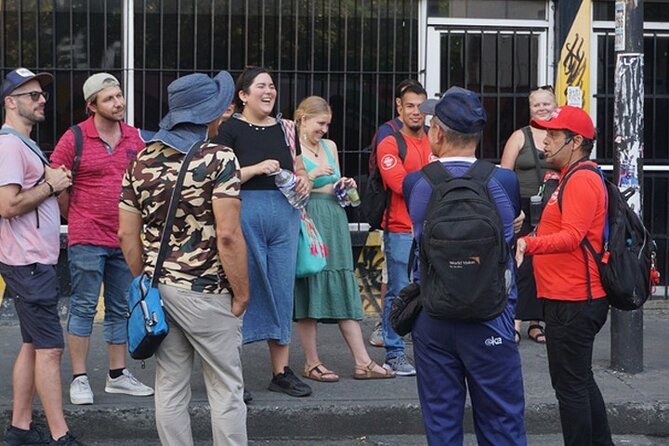
The historic Beneficencia del Valle del Cauca building adds an older architectural note to the route. Its colonial design now houses cultural spaces, with exhibitions, music presentations, and events tied to Cali’s heritage.
This stop helps show that the city’s cultural life is not limited to newer murals or nightlife streets. Older buildings can become places where local identity is presented and maintained.
The description promises cultural spaces rather than a guaranteed interior tour. If access is limited on the day, your guide can still use the building as a point of reference. Plan on another short stop of about 18 minutes.
Calle de la Escopeta and Cali’s painted streets
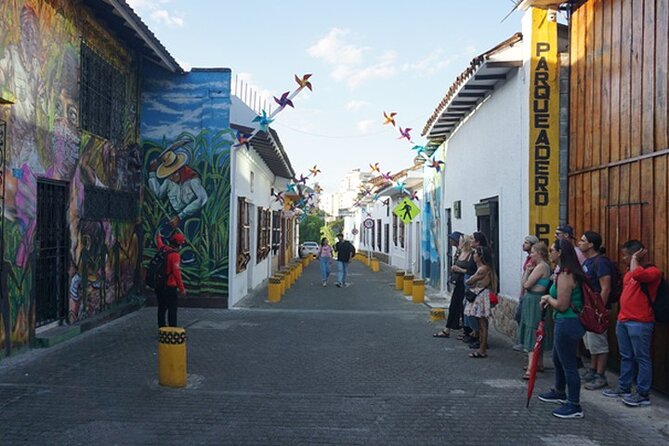
Calle de la Escopeta is one of the clearest street-art stops. Its facades are covered with colorful murals, turning the street into an open-air gallery.
Here, the guide explains how local artists use walls to express creativity and community concerns. This is also where the resistance theme becomes easier to see. Public art can honor musicians, record neighborhood stories, challenge official narratives, and give people a visible voice.
The quality of a street-art stop depends partly on your guide. A wall is easy to photograph but harder to understand without context. Cristian’s explanations about music, art, and unarmed resistance are especially useful for making the murals feel connected to real social issues.
Do not expect every mural to remain unchanged. Street art evolves, and new work may appear over older paint.
Túnel Mundialista and football culture
The Mundialista Tunnel adds football to the cultural mix. Murals celebrate the sport and local life, creating a colorful passage that works as a meeting place for fans.
This stop is a reminder that Cali’s public identity is not built around salsa alone. Football, music, and neighborhood pride share the same walls and public spaces.
The tunnel is another brief visit, but its enclosed setting changes the feel of the walk. It also gives you a chance to see how local artists use infrastructure as a public canvas.
Finishing at Cimarrón Salsa Bar
The route ends at Cimarrón Salsa Bar, described as a cult venue where you can dance late, hear live music, and watch dance performances.
Ending at a salsa bar makes sense. You finish with a real place to continue the evening instead of simply receiving a list of recommendations and heading back to your hotel. Drinks and any cover charges are not included, so ask your guide about current arrangements before ordering.
The final stop is also a practical handoff from sightseeing to nightlife. You can stay, return later, or use the guide’s suggestions to compare other salsa clubs. One useful detail from the experience is that partner businesses may offer benefits or discounts, although you should confirm the exact offer during the tour.
What the $14 price really buys you
At $14 per person, this is good value if you want history, art, and nightlife advice in one outing. All ten stops are free to enter, so your payment mainly covers the guide’s time, route planning, explanations, and local recommendations.
You are also paying for interpretation. Anyone can walk past a mural or plaza. The guide adds the links between the composer Jairo Varela, salsa venues, street art, cultural buildings, and public resistance.
There is one pricing point worth checking. Beyond Colombia also operates free walking tours when booked directly, with tipping as the usual model. If you book this $14 version through a third-party platform, compare the direct booking option first and confirm what service is included. The paid booking may still appeal if you prefer a fixed reservation and clear confirmation.
Food, drinks, souvenirs, and any nightlife spending are extra. Keep that in mind when comparing the total cost of your evening.
Practical details for a smoother walk
The starting point is Plazoleta Jairo Varela, at Avenida 2 Norte in Granada. The tour ends at Cimarrón Salsa Bar on Calle 4 in the Normandia Sebastian de Belalcazar area, so you do not return to the starting point.
The route is near public transportation, and most people can take part. Service animals are allowed. The group can reach 30 people, so arrive ready to stay close to the guide and listen carefully at busy public stops.
The walk lasts about three hours. Since each listed stop receives around 18 minutes, the schedule is active. Wear comfortable walking shoes and avoid planning a large meal during the route. The tour requires suitable weather. If poor weather cancels it, you are offered another date or a full refund. Cancellation is free up to 24 hours before the start time, but late cancellations and changes are not refunded or accepted.
The tour is commonly booked around 15 days ahead. That does not guarantee every date will sell out, but it is a sensible reason to reserve before your Cali trip is underway.
Who should book this experience
I would recommend it to first-time visitors who want a useful introduction to Cali without spending the day inside museums. It also suits salsa fans who want background before visiting clubs, and curious walkers who prefer street art and local stories to formal sightseeing.
You do not need to be a dancer. The dance steps are an added feature, not a test. The same is true of the instruments and music discussion. You can join in lightly or simply watch.
The tour may be less suitable if you want long museum visits, a dedicated food tour, or a quiet private experience. Ten stops and a group of up to 30 create a lively, fairly quick outing. Also consider the Spanish-language format before booking.
Should you book the Salsa, Graffiti and Resistance tour?
Book it if you want Cali explained through the things you can see and hear on the street: salsa, murals, public squares, food districts, football art, and nightlife. The strongest parts are the guide-led connections between music and social expression, the chance to learn basic steps, and the useful recommendations for later.
Skip it if you prefer a slower architectural tour or need a fully English-language experience. For most visitors who want an active first look at Cali, $14 is a fair price, provided you compare it with the provider’s direct free-walking-tour option. Start early in your trip, then use the final recommendations to choose where to eat and dance afterward.
FAQ
How long does the Salsa, Graffiti and Resistance tour last?
The tour lasts approximately three hours.
Where does the tour begin?
It begins at Plazoleta Jairo Varela, also called Plazoleta de la Caleñidad, on Avenida 2 Norte in Granada, Cali.
Where does the tour end?
The tour ends at Cimarrón Salsa Bar on Calle 4 in the Normandia Sebastian de Belalcazar area of Cali.
How much does the tour cost?
The listed price is $14 per person.
Is food or drink included?
No. Food, drinks, and souvenirs are not included in the tour price.
What language is the tour offered in?
The included certified guide provides the tour in Spanish.
How large can the group be?
The tour has a maximum group size of 30 people.
Can I cancel for a full refund?
Yes. You can cancel at least 24 hours before the start time for a full refund. Cancellations or changes made less than 24 hours before the start time are not accepted for a refund.
Latest history tours reviewed in the world
- From Athens: Ancient Olympia Full-Day Private Tour★ 4.8 · 22 reviews
- From Athens: Explore Ancient Corinth & Charming Nafplion★ 4.6 · 102 reviews
- From Athens: Explore Ancient Greece 4-Day Tour★ 4.7 · 73 reviews
- From Albufeira: Wine Tasting & Historic Silves Tour★ 4.9 · 421 reviews
- From Albufeira: Historical Algarve Region Tour★ 4.7 · 585 reviews
- From Alexandria: Full-Day Guided Tour of Historical Sights★ 4.5 · 54 reviews
- Franklin: Ghost Tour in Historic Franklin★ 4.8 · 65 reviews
- Freiburg: Exciting City Tour with sightseeing and history★ 4.3 · 103 reviews
Colombia History Tours, compared.
Cartagena: Historic Center and Getsemaní Shared Walking Tour
Read our review →
Shared Medellín Downtown Tour with Wireless Audio
Read our review →
Browse the lists this tour appears in