
Review · COLOMBIA
Shared Tour Cali’s Historical Downtown
Cali’s historic center is not just a parade of old churches. It is where Spanish foundations, African traditions, Indigenous heritage, salsa, football, protest, and Pacific-coast flavor meet. I like that this $13 walking tour explains those connections instead of treating the city as a string of photo stops. I also like the clear look at both salsa’s rise and the damage caused by drug trafficking.
The main catch is the distance. You may walk about 7 kilometers over 150 minutes, with the outing sometimes running closer to three hours. That is a lot of pavement in Cali’s heat, so comfortable shoes, water, and rain protection matter.
Key points before you book
- La Merced sets the starting point: Begin in front of the Museo Arqueológico La Merced, where red Beyond Colombia umbrellas identify the group.
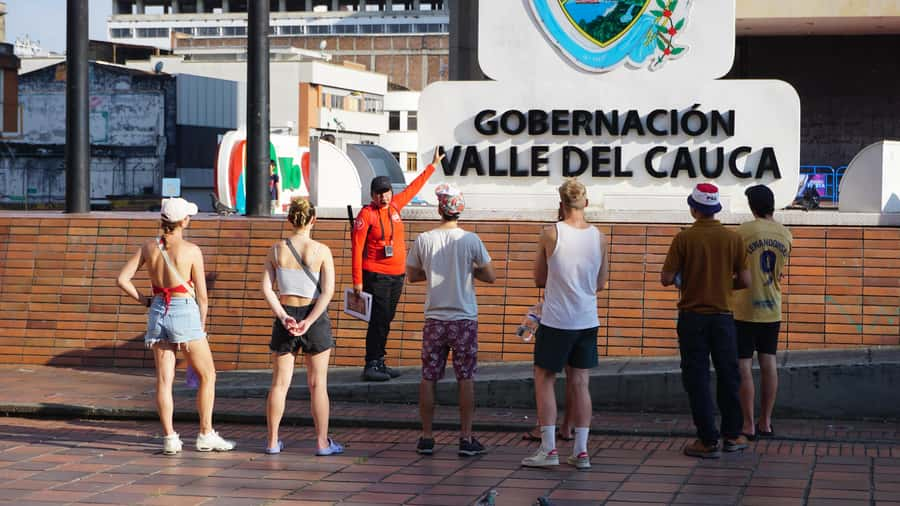
- The route links major landmarks: See the Ermita, San Francisco Square, Cayzedo Square, the River Boulevard, Jairo Varela, Puente Ortiz, and several theaters and churches.
- Cali’s African heritage gets proper attention: Hear how African communities shaped local food, music, dance, language, and the songs of the Pacific.
- Salsa is placed in its social setting: The story includes football, La Feria de Cali, the growth of salsa, and the effects of cartel-era drug trafficking.
- The tour does not avoid recent conflict: Social revolts during and after the pandemic form part of the city’s modern story.
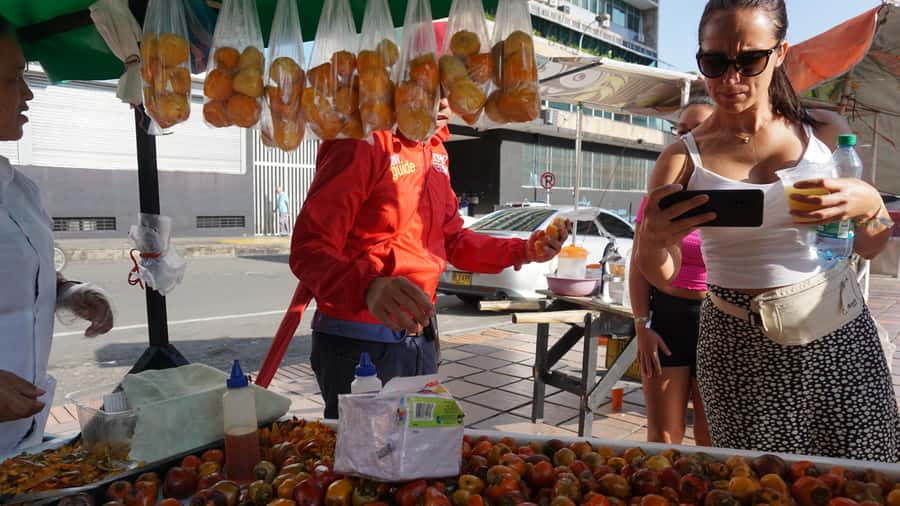
- The pace is active and the price is low: You get an English-speaking local guide, a chontaduro tasting when available, and neighborhood recommendations for about $13.
Start at La Merced, where Cali’s story begins
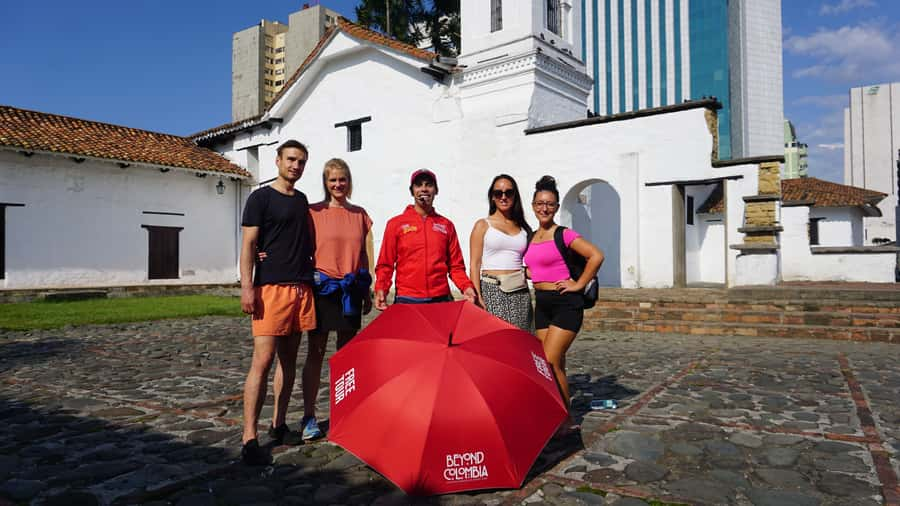
Meet the guide in front of the Museo Arqueológico La Merced, marked by Beyond Colombia’s red umbrellas. This is a useful meeting point because the La Merced area helps explain the early Spanish foundation of Santiago de Cali and the layers of history that followed.
You will not begin with a long museum visit or an included interior tour. Instead, the guide uses the church and nearby archaeological setting to frame the city’s origins. That distinction matters. This is an outdoor history walk, not a ticketed museum circuit, so you should expect context, stories, and exterior viewing rather than extended time inside each building.
The opening section also introduces El Valle, the fertile geographical region around Cali. The region matters because its agriculture, river systems, and position between the Andes and the Pacific helped shape the city’s economy and population. The guide connects that setting to present-day food, movement, and cultural exchange.
I like this approach because it gives you a way to read the rest of the route. A church is not only a church. A square is not only an open space. Each place becomes part of a longer story about land, labor, migration, and power.
More History Tours in the world:
- New York City: American Museum of Natural History Ticket
★ 4.5 · 15,447 reviews - History and Hauntings of Salem Guided Walking Tour
★ 5.0 · 14,564 reviews - Colosseum: Underground and Ancient Rome Tour
★ 4.7 · 12,691 reviews
La Merced and the Calima Gold Museum
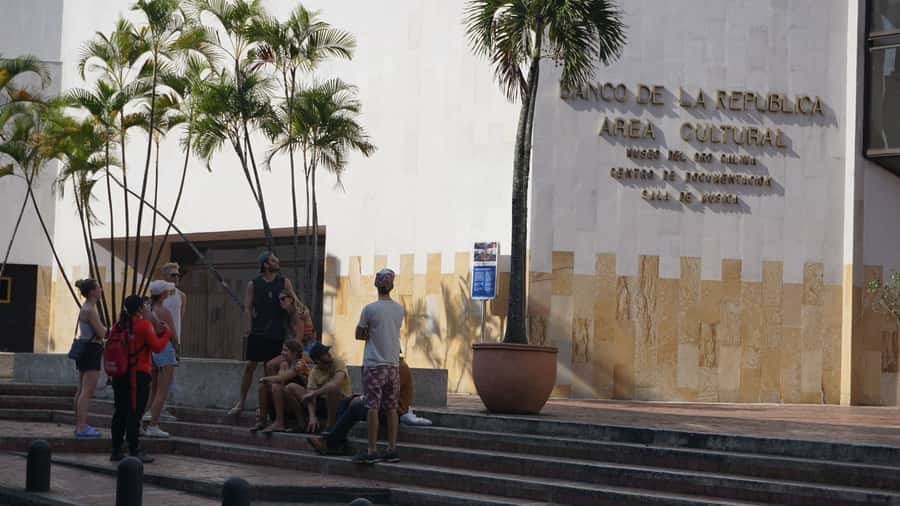
The route moves from the colonial starting point toward the Museo Arqueológico La Merced and the Calima Gold Museum area. The Calima connection adds an Indigenous layer to a tour that later focuses heavily on African and Spanish influences.
Do not expect an included museum entrance. Tickets and admissions are not part of the outing, and the route is designed around sightseeing from public areas. If you want to study the museum collections in detail, plan a separate visit. The walking tour gives you the historical setting and helps you understand why pre-Columbian cultures belong in the story of modern Cali.
This is one of the tour’s useful habits: it avoids pretending that the city began with the colonial period. Cali’s identity comes from several ethnic and cultural groups, and the guide works to show how those strands developed rather than placing one tradition above the others.
The cultural discussion continues with gastronomy and local speech. You may hear about ingredients, expressions, and Pacific songs that reveal how culture changes as people move and adapt. The included chontaduro tasting, when available, gives you a small but concrete taste of that story. Availability is not guaranteed, so treat it as a bonus rather than a reason to book.
San Francisco Square and the old civic center
From La Merced, the walk crosses some of Cali’s key public spaces, including San Francisco Square. Squares are important here because they connect religious buildings, government, commerce, and public gatherings. Your guide uses them to explain how the city’s social life moved beyond private homes and churches.
This section should appeal to you if you prefer history with a human scale. Instead of memorizing dates, you get a sense of how public space reflects political change. The guide may discuss civil wars, discrimination, resistance, and the changing role of the city center.
The experience promises an accurate and objective account without taking sides. That does not mean every subject will feel neutral or easy. Cali’s history includes violence, inequality, and social unrest, and a serious tour needs to address those subjects plainly. The value is in hearing them placed within the city itself, not separated into an abstract lecture.
The route also passes cultural buildings tied to literature, cinema, and theater. Cali’s identity is not limited to dancing. Writers, performers, filmmakers, and stage artists have helped define how the city sees itself and how it presents itself to the wider country.
The River Boulevard and Puente Ortiz
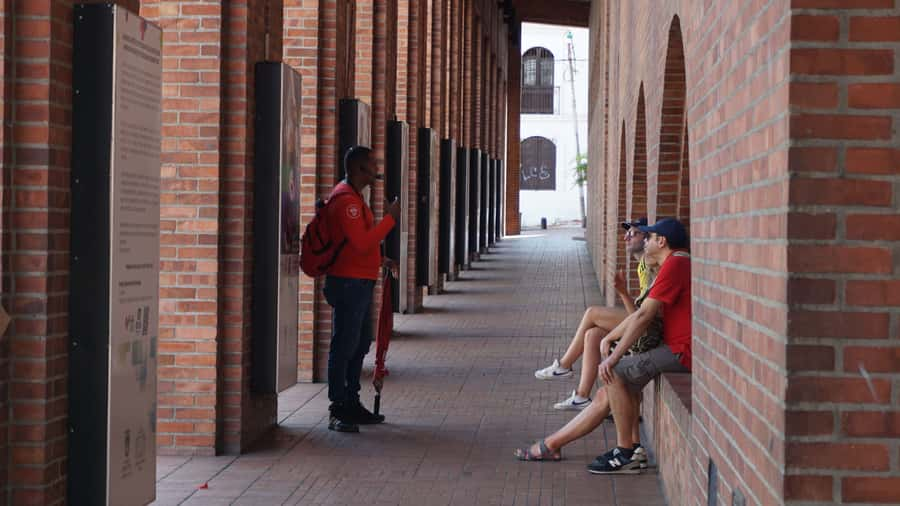
The River Boulevard is one of the route’s most recognizable public spaces. It gives the walk a change of rhythm after the older church and square settings. You will pass along a modern civic corridor while the guide connects it to the city’s development and current public life.
Puente Ortiz adds another architectural and historical marker. Bridges are practical, but they also show how a city crosses natural barriers and links districts. Here, the guide can connect the river, transportation, urban growth, and the changing face of central Cali.
This part of the walk is also useful for orientation. If you are staying in or near the center, the boulevard and bridge help you understand how several landmarks fit together. You are not being driven from one sight to another. You walk between them, which makes the city’s scale more real but also demands stamina.
The route covers about 7 kilometers. That figure deserves more attention than it usually gets in tour descriptions. Two and a half hours of walking with stops can feel easy for an active visitor and tiring for anyone unused to long city walks. The guide includes resting stops, but you should still wear supportive shoes and carry water.
Same old streets, another chapter:
- Lisbon: History, Stories and Lifestyle Walking Tour
★ 4.8 · 10,902 reviews - London Small Group Tour of Historical Pubs
★ 5.0 · 10,422 reviews - Prague: Oldtown, Medieval Underground & Dungeon History Tour
★ 4.3 · 10,277 reviews - Charleston’s Old South Carriage Historic Horse & Carriage Tour
★ 5.0 · 10,023 reviews
Cayzedo Square and Cali’s architectural symbols
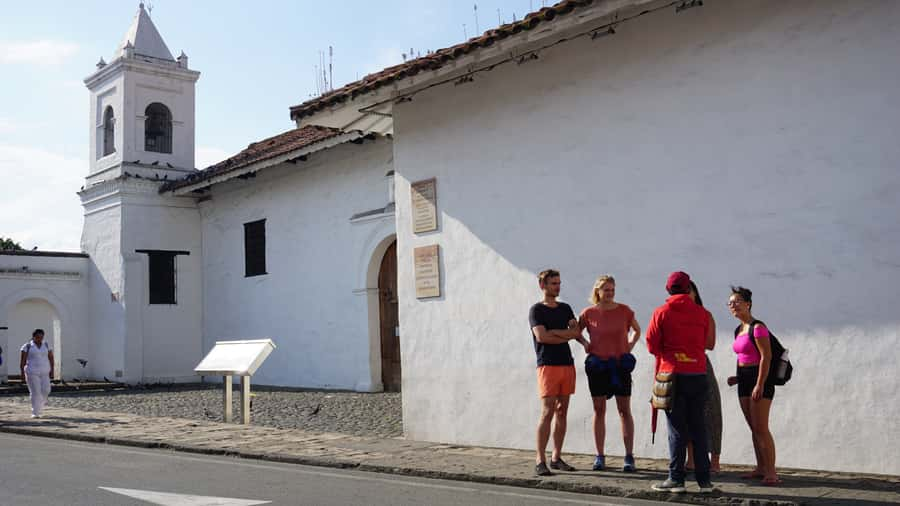
Cayzedo Square is one of the main civic spaces on the route. It helps explain the formal center of the city and offers a chance to pause among several important buildings. The nearby architecture includes St. Peter’s Cathedral, the Municipal Theater, and the Jorge Isaacs Theater.
These buildings let the tour shift from political history to cultural ambition. The theaters point to Cali’s literary and performing arts traditions, while the cathedral and civic structures show the authority of religious and government institutions. You will see the city’s different voices sharing the same central space.
The theater stops are especially useful if you want more than a salsa-only picture of Cali. The tour presents culture as something that changes through literature, cinema, theater, music, and dance. That wider frame helps explain why Cali can be both a major salsa city and a place with strong artistic life beyond the dance floor.
The guide will not take you through every building as an included visit. Think of the route as an introduction that helps you decide which places deserve a return visit. For a first afternoon in the center, that is a sensible use of time.
The Ermita and Jairo Varela
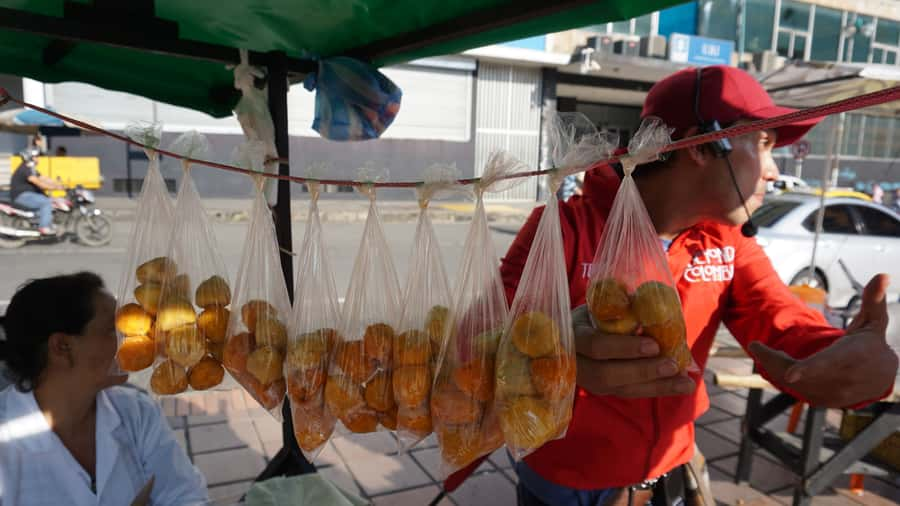
The Ermita is one of Cali’s best-known architectural icons and a key exterior stop. Its appearance gives the walking route a memorable visual point, but the guide’s explanation matters as much as the photograph. You will hear how major buildings fit into the city’s religious, civic, and cultural development.
Jairo Varela adds a very different kind of landmark. Associated with Cali’s salsa identity, the site helps explain why the city is often called the world capital of salsa. The tour does not treat salsa as a decorative soundtrack. It looks at how the movement grew, how music entered daily life, and how La Feria de Cali helped turn salsa into a major public expression.
This is where the tour’s balance works well. You get the fun parts, including music, dance, and local enthusiasm, but you also hear about the difficult setting in which salsa expanded. The cartel era affected daily life and the city’s public image. A useful tour should not present salsa and drug trafficking as the same thing, but it should explain how both shaped the way Cali was seen and experienced.
If music interests you, this may be the most rewarding section. Guides such as Lem have been praised for bringing real enthusiasm for salsa, while Christian and Cristian are known for keeping the group involved and energetic. Guide assignments can change, so you cannot book a specific personality unless the provider confirms it.
Culture, food, and the African influence
One of the strongest parts of the experience is its treatment of African heritage. The tour explains how African people and their descendants shaped Cali through food, rhythm, dance, language, and Pacific-coast traditions.
That subject is not treated as a side note. It is part of the city’s core identity. The guide connects African cultural influence to everyday choices, from what you eat to how music is performed and how local expressions sound.
The chontaduro tasting, when available, supports this section with a physical example. You should not expect a meal, and food or drinks beyond that possible tasting are not included. Still, the connection between a local ingredient and a broader cultural story makes the small sample worthwhile.
You also receive suggestions for local places to eat, buy coffee, and shop for souvenirs. These recommendations can be useful after the tour, particularly because you will already have heard some context about Cali’s food culture. The experience does not include lunch or a full food crawl, so budget separately if you want to continue eating through the city.
The difficult chapters: cartels, discrimination, and protest
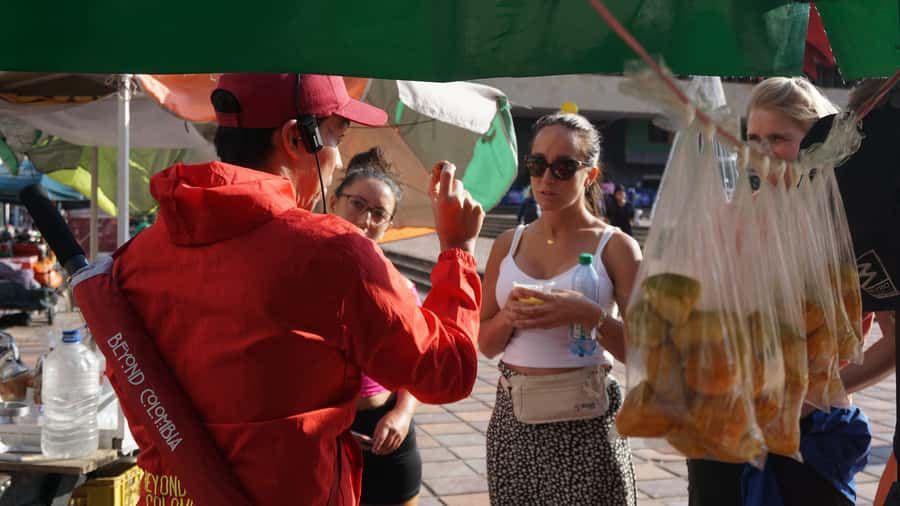
The tour’s most serious material covers civil wars, discrimination, drug trafficking, and social revolts during and after the pandemic. This section gives you a more honest view of Cali than a route focused only on colonial buildings and salsa.
The cartel discussion is especially important. Cali’s reputation abroad has often been shaped by drug trafficking, but the subject is more complicated than a crime story. The guide explains its impact and consequences in daily life while also showing that the city’s culture, music, and communities cannot be reduced to that period.
The modern protest material brings the story into the present. You will hear about revolutionary behavior, resistance movements, and the social tensions that came into view during and after the pandemic. The subject may feel heavy beside the music and architecture, but that contrast is intentional. It shows why a city’s culture often grows from struggle as well as celebration.
Bring an open mind. The tour promises not to take sides, but objectivity does not mean avoiding difficult facts. If you want only cheerful sightseeing, this may feel too serious. If you want a fuller picture of Cali, it is one of the reasons to choose this route.
What the guides add to the walk
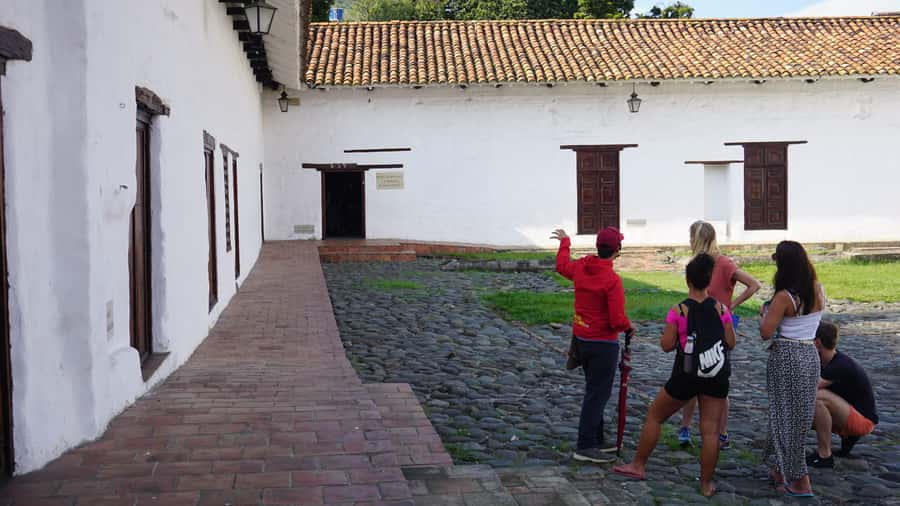
The guide can make or break a history walk, and this experience has several strong names associated with it. Christian and Cristian receive repeated praise for energy, clear explanations, and an engaging style. Fernando is known for being friendly, interactive, and attentive to the group. Juliana brings the perspective of a Cali resident and speaks English well. Lem adds a clear love of salsa, while Adriana Alvarez has also led the route successfully.
Those details matter because the tour covers a lot of ground and a wide range of subjects. A flat delivery would make the churches, theaters, protests, and music history blur together. The best guides keep the group moving while making room for questions and local tips.
The company describes the tour as shared, not private. You will meet other people and should not expect a guide dedicated only to your party. Party groups are not allowed, and audio recording is not permitted. The group format keeps the price low, but it means you may have less flexibility than on a private walk.
Price, timing, and practical comfort
At $13 per person, this is strong value if you want an introduction to central Cali. You receive an English-speaking local guide, historical explanation, exterior sightseeing at essential landmarks, possible chontaduro tasting, and practical suggestions for food, coffee, and shopping.
The main value is not the number of buildings. It is the way the route connects them. You get a usable framework for understanding why Cali is called the Sultana del Valle, how its ethnic groups shaped local culture, and why salsa sits beside social conflict in the city’s story.
The stated duration is 150 minutes, while the description also says approximately three hours. Plan for the longer figure so you are not rushing to your next appointment. Start times vary, so check availability when booking.
Wear comfortable clothes and shoes. Bring water and an umbrella or rainproof coat because Cali’s weather can change. Keep your belongings close in crowded areas. Transportation to the meeting point, food, drinks, souvenirs, and paid entrances are not included.
Free cancellation is available up to 24 hours before the start, and you can reserve now and pay later. The experience is not suitable for people over 70, according to the stated conditions, and the distance may also be a concern for anyone with limited mobility.
Who should book this Cali walk?
I would choose this tour early in a Cali visit if you want local context before exploring salsa clubs, markets, museums, or restaurants on your own. It suits active visitors who enjoy walking and want history tied to real streets and public spaces.
You should book it if you want:
- A first orientation to Cali’s historic center
- An English-language guide with local cultural context
- A serious look at Afro-Colombian heritage and social change
- A balanced explanation of salsa, football, La Feria de Cali, and cartel-era effects
- Practical food, coffee, and shopping suggestions after the walk
I would think twice if you dislike long walks, hot weather, difficult political subjects, or shared groups. You also should not book it expecting a food tour, interior access to every building, or a private guide.
FAQ
How long does the Shared Tour Cali’s Historical Downtown last?
The stated duration is 150 minutes, or about two and a half hours. The description also says the outing may last approximately three hours, so allow extra time.
Where does the tour meet?
Meet in front of the Museo Arqueológico La Merced. Look for the Beyond Colombia team with red umbrellas.
What language is the tour offered in?
The tour is offered in English with a live guide.
How much walking is involved?
You will walk about 7 kilometers, with resting stops along the way. Comfortable shoes and water are recommended.
Is food included?
A chontaduro tasting is included when available. Other food, drinks, lunch, and souvenirs are not included.
Can I cancel the booking?
Yes. You can cancel up to 24 hours in advance for a full refund. You can also reserve now and pay later.
Should you book it?
Book this walk if you want Cali explained as a living city rather than a collection of old buildings and salsa slogans. The strongest parts are the African cultural history, the connection between music and social change, and the willingness to discuss cartel violence, discrimination, and protest alongside theaters, churches, and public squares.
At $13, it offers plenty for the price. Just prepare for a serious, active outing of up to three hours. Bring water, wear good shoes, and leave room afterward for the food, coffee, or salsa plans suggested by your guide.
Latest history tours reviewed in the world
- From Athens: Explore Ancient Corinth & Charming Nafplion★ 4.6 · 102 reviews
- From Athens: Explore Ancient Greece 4-Day Tour★ 4.7 · 73 reviews
- From Athens: Ancient Olympia Full-Day Private Tour★ 4.8 · 22 reviews
- From Albufeira: Wine Tasting & Historic Silves Tour★ 4.9 · 421 reviews
- From Albufeira: Historical Algarve Region Tour★ 4.7 · 585 reviews
- From Alexandria: Full-Day Guided Tour of Historical Sights★ 4.5 · 54 reviews
- Franklin: Ghost Tour in Historic Franklin★ 4.8 · 65 reviews
- Freiburg: Exciting City Tour with sightseeing and history★ 4.3 · 103 reviews
Colombia History Tours, compared.
Cartagena: Historic Center and Getsemaní Shared Walking Tour
Read our review →
Shared Medellín Downtown Tour with Wireless Audio
Read our review →
Historical Shared Tour Salsa, Graffiti & Resistance in Cali
Read our review →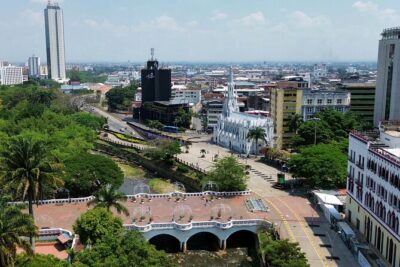
Browse the lists this tour appears in