
Review · BUDAPEST
Budapest: Communist History Tour with House of Terror Option
Budapest’s Communist past is easier to understand when you see it on the streets where it unfolded. This two-hour tour links Parliament, memorials, Liberty Square, Cardinal Mindszenty’s exile windows, Cold War defenses, and sites tied to the 1956 uprising before taking you into one of two very different museums. The contrast between public monuments and private memories gives the subject real weight.
I like the small groups of no more than 10 and the strong local guiding. Guides including Alexandra, Flora, Bea, Noémi, and Kati have been praised for clear explanations, personal stories, and patience with questions. I also like the choice between the playful Budapest Retro Center and the much darker House of Terror Museum.
The main point to check before booking is the museum option. The Retro Center is light and interactive, while the House of Terror covers torture, deportation, prison cells, and political violence. Also, the total activity is advertised as two hours, so museum time and walking time are limited.
Key points at a glance
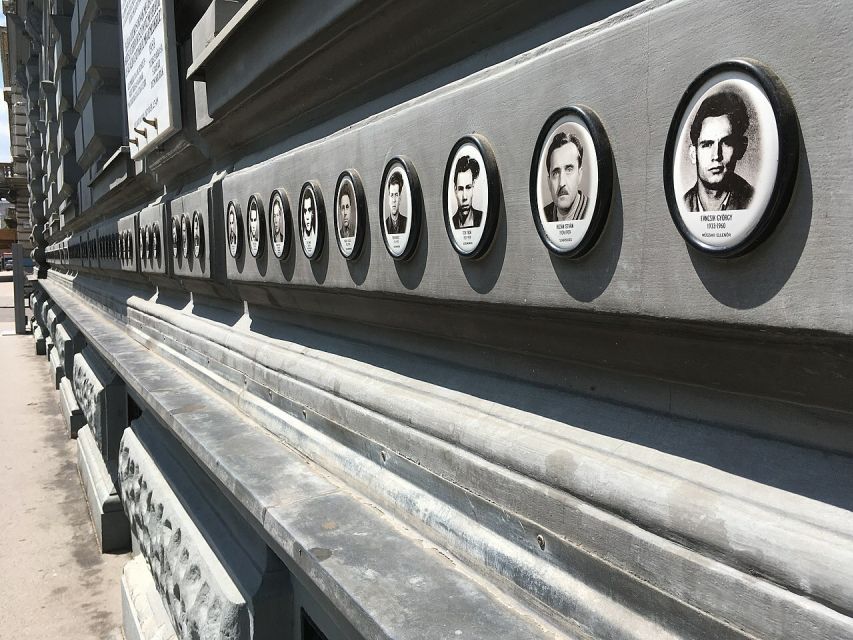
- Begin beside the Hungarian Parliament: See monuments connected with the victims of dictatorship and start with the political heart of modern Hungary.
- Walk through Liberty Square: Visit the Soviet Liberation Memorial, one of Budapest’s last Communist monuments still in its original place.
- Look into Cold War infrastructure: The route includes the ventilation channels of a secret underground nuclear bunker.
- Choose your ending carefully: The morning option goes to the Budapest Retro Center, while the afternoon option includes the House of Terror Museum.
- Expect a personal, question-friendly guide: Small groups allow guides such as Alexandra, Flora, and Bea to adjust the discussion to your interests.
- Prepare for difficult material: The House of Terror includes interrogation rooms, torture cells, deportations, labor camps, and political trials.
Seeing Communist Budapest from Parliament to Liberty Square
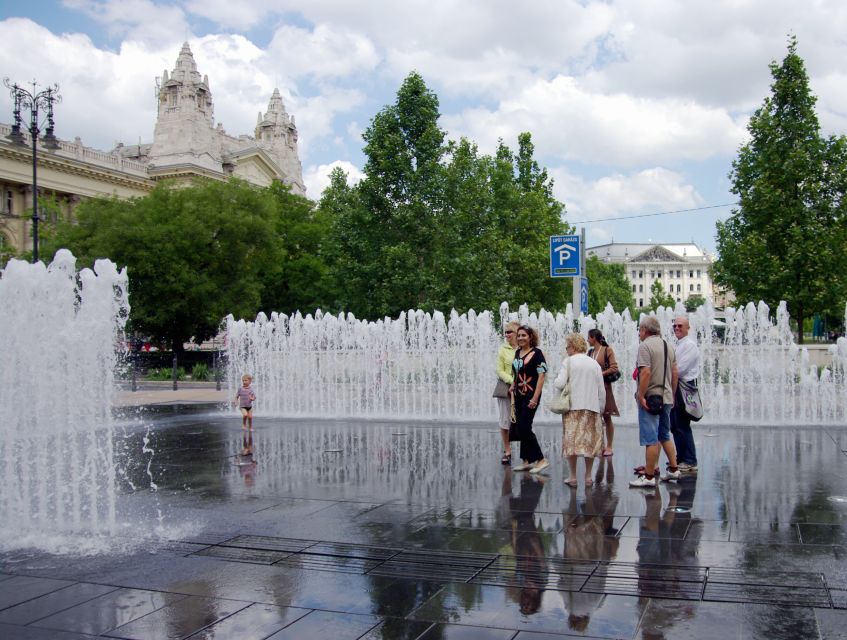
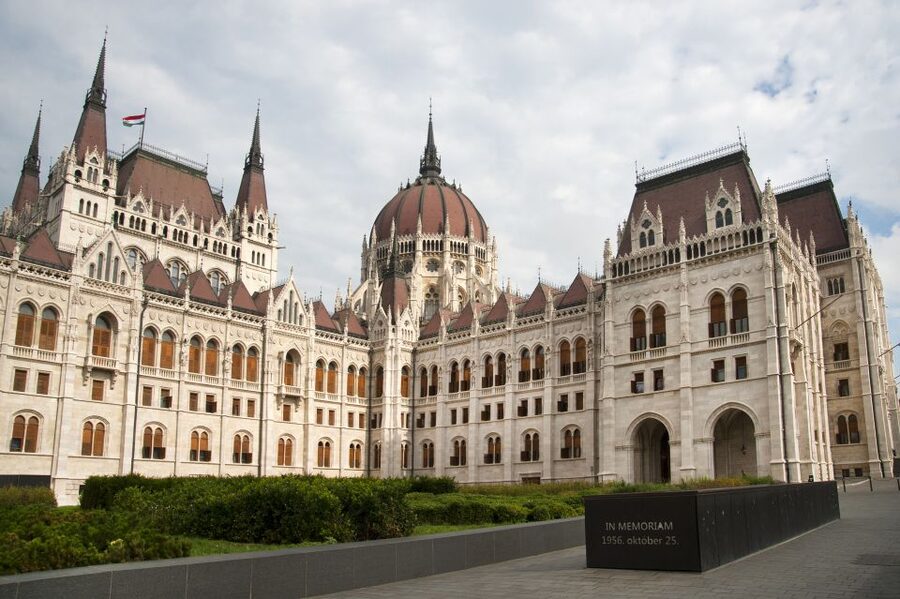
The tour opens at the Hungarian Parliament, one of Budapest’s most impressive buildings and a fitting place to discuss power, protest, and national identity. You are not simply looking at grand architecture. The guide uses the area to explain how Hungary spent 45 years under Communist rule and Soviet military occupation.
That opening context matters. Without it, the later stops can feel like scattered monuments. With it, the walk becomes a short history lesson built around real places: the symbols of the regime, the people who opposed it, and the public memory left behind after 1989.
The route continues toward Liberty Square, where you see the Soviet Liberation Memorial. It remains in its original location and is described as the last Communist monument of its kind still standing in the city. That makes it an especially useful stop for understanding how Budapest handles its past. The monument is not tucked away in a museum. It remains part of the ordinary city scene.
Your guide can also point out the windows associated with Cardinal József Mindszenty, the anti-Communist Catholic Church leader who spent years in exile there. This is one of the tour’s more human details. A window sounds modest beside Parliament or a grand memorial, but it helps show how political pressure reached into individual lives.
More Cold War and Communism Tours in the world:
- Prague: Communism History and Nuclear Bunker Guided Tour
★ 4.7 · 2,417 reviews - Prague Communism History and Nuclear Bunker Tour
★ 5.0 · 1,742 reviews - Bucharest: Communism and History Guided City Walking Tour
★ 4.9 · 918 reviews
The bunker, the 1956 uprising, and the practical value of a walking guide
One of the most unusual parts of the route is the look at ventilation channels connected with a secret underground nuclear bunker built during the Cold War. You should not expect a full bunker visit based on the information provided. The point is the visible infrastructure and the story behind it, a reminder that Cold War fear was built into the city as well as into government policy.
The walk also covers places tied to Hungary’s anti-Soviet revolution of 1956. Your guide explains what happened and what followed, connecting the uprising to the wider Soviet system and to the later end of Communism in 1989.
This is where a guide adds real value. Dates and names are easy enough to read in a book, but the tour shows you how the events relate to the streets around you. Guides such as Kati, Veronika, Alexandra, and Bea have been praised for answering detailed questions and, in some cases, adding family memories of growing up under the Communist system.
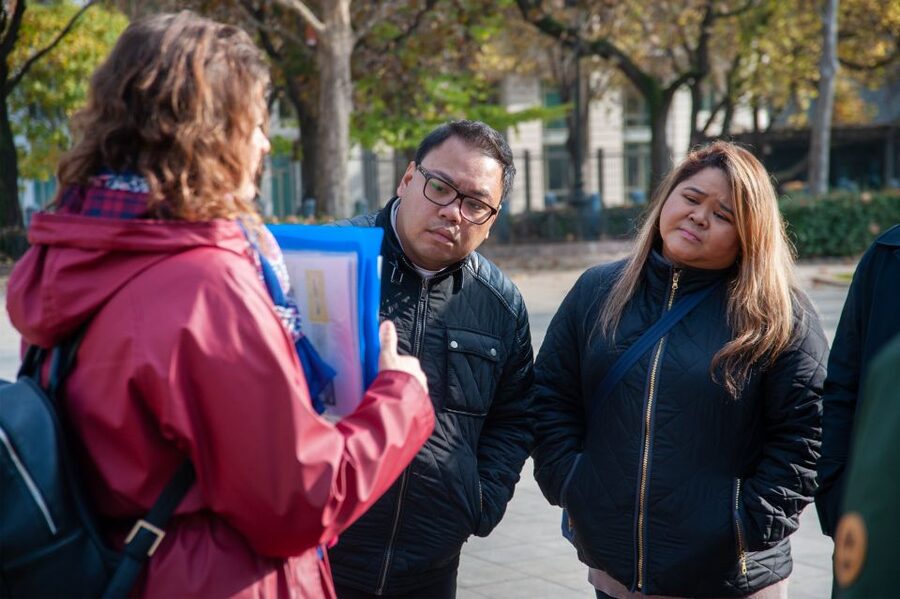
The pace appears to suit a serious history walk rather than a rushed photo stop. One guest specifically described having time to stop, take pictures, and absorb what was being explained. Another noted that the guide waited for people using walking aids before continuing the discussion. Still, this is a walking tour, and one person who was ill found it hard to keep up. If you are not feeling well, consider that before booking.
The morning choice: Budapest Retro Center
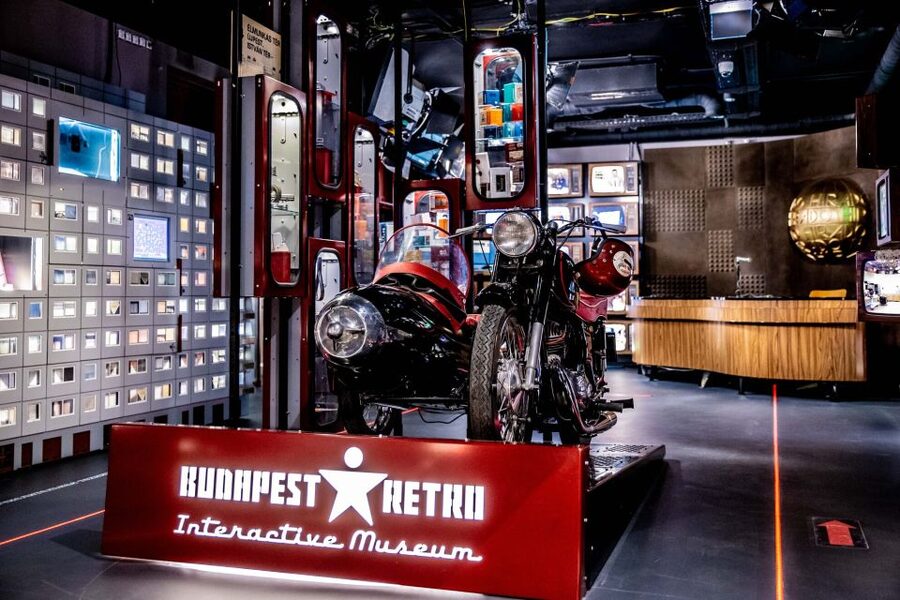
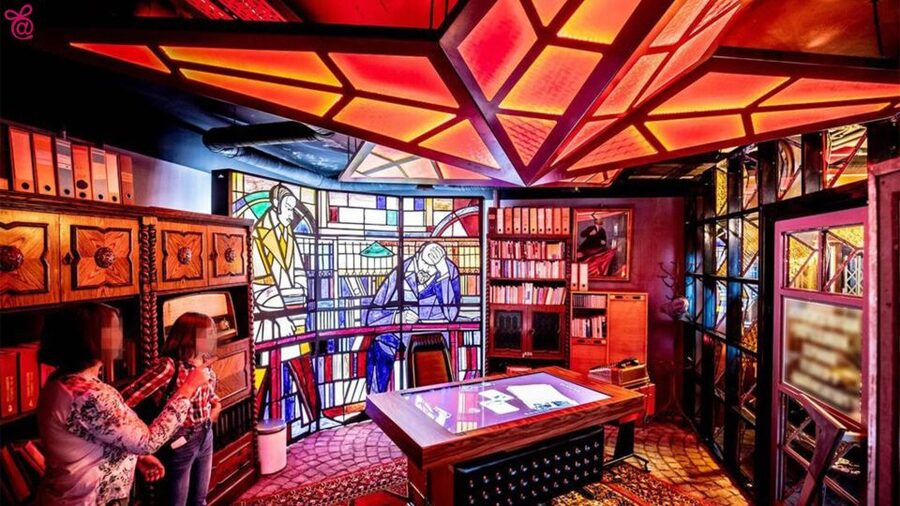
Select the morning option and the walking portion is followed by a one-hour guided visit to the Budapest Retro Center. The mood changes sharply here. Instead of focusing on prison cells and political terror, the museum recreates everyday life from the 1960s through the 1980s.
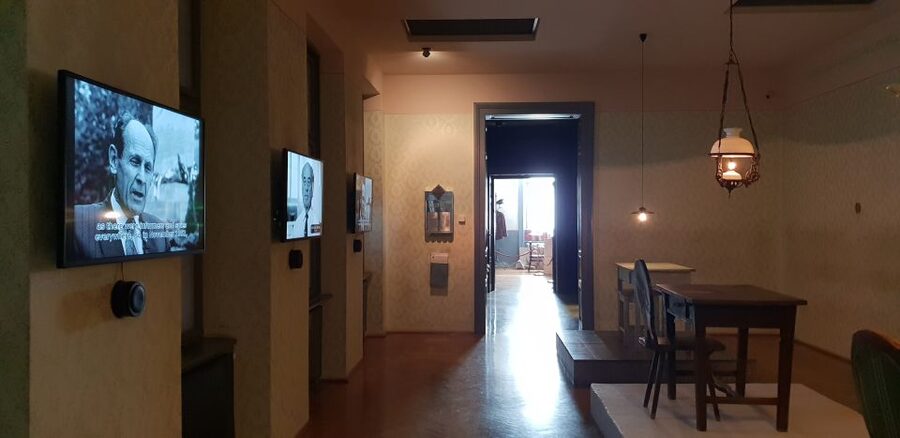
The collection spreads across three floors. It includes street scenes, period vehicles, Soviet-Hungarian space-flight material, home interiors, and thousands of objects from daily life. The displays are arranged in a playful, interactive way. You can dress as a Communist-era comrade or try presenting a television news broadcast from the period.
I would choose this option if you want social history, family-friendly fun, or a gentler way to understand how people actually lived under the system. Political history often concentrates on leaders and uprisings. A recreated kitchen, car, television studio, or household object can show the ordinary side of an era more clearly.
The Retro Center also gives the tour a useful change of tone. The Communist period was oppressive, but it was not experienced only through dramatic political events. People worked, raised children, watched television, traveled in limited ways, and made do with what was available. This museum helps you see that everyday side.
The trade-off is emotional and historical depth. If your main goal is to understand state violence, interrogation, and political repression, the House of Terror option will likely be more fitting. The Retro Center is informative and entertaining, but it is not designed to deliver the same shock.
The afternoon choice: House of Terror Museum
The afternoon route offers an additional ticket to the House of Terror Museum. The supplied details describe the museum visit as self-guided with the ticket option, while a separate booking choice provides a guided visit inside the museum. Read the exact option name carefully when reserving, since the level of guide involvement changes.
The museum occupies the former headquarters of the AVO State Protection Police, Hungary’s local version of the Soviet security service. The building itself is central to the experience. You are not looking at a neutral gallery. You are entering a place associated with interrogation, imprisonment, and political control.
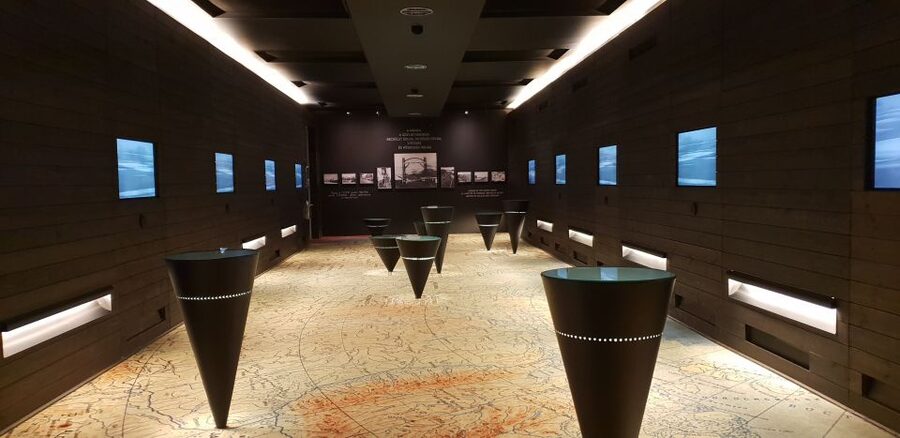
The exhibits cover the period from World War II and Nazi rule through the Soviet occupation and Communist dictatorship. You see material about the economy and daily life of the 1950s, along with interrogation and torture cells, the office of the feared director, mass deportations, labor camps, and political trials.
The museum also follows the 1956 revolution and its consequences, then traces the eventual end of Communism in 1989. That broad timeline helps place the Hungarian experience in order. You see how one dictatorship gave way to another form of control, and how resistance continued despite the risks.
This is difficult material, and I would not treat the House of Terror as a casual stop between cafés. The experience can be haunting and emotional, especially if your family has Hungarian connections or lived through the period. A guide can help you understand what you are seeing, but the museum still asks you to process painful evidence at your own pace.
The strongest advice here is simple: choose this option because you want serious political history, not because the name sounds dramatic. The subject includes torture and mass suffering. If that is not right for your mood or your group, select the Retro Center instead.
More History Tours in the world:
- New York City: American Museum of Natural History Ticket
★ 4.5 · 15,447 reviews - History and Hauntings of Salem Guided Walking Tour
★ 5.0 · 14,564 reviews - Colosseum: Underground and Ancient Rome Tour
★ 4.7 · 12,691 reviews - Lisbon: History, Stories and Lifestyle Walking Tour
★ 4.8 · 10,902 reviews
Why the guide matters more than the ticket
The museum admission is useful, but the guide is the heart of this experience. The most praised guides are repeatedly described as clear, enthusiastic, patient, and able to explain a complicated subject in plain English.
Alexandra has been singled out for careful pacing, strong preparation, and detailed answers. Flora has been praised for combining expertise with compassion, especially when the subject became personal for someone with Hungarian family roots. Bea has been appreciated for sharing first-hand memories of life under Communism and for offering practical suggestions about other Budapest sights and places to eat.
Noémi has been described as passionate and willing to extend a museum visit so the group could see more of the important exhibits. Kati has connected Hungarian history with American involvement, which may be useful if you want a wider Cold War context. One guide even handled a small family group in both English and Hungarian.
You should still remember that the guide is an independent professional, not a museum employee. Do not search for your ticket at the museum ticket office. The guide provides it. This small detail can save confusion at the entrance.
The group size is limited to 10, though some departures have been much smaller. A few people ended up with what felt like a private tour, giving them more time to ask questions. That is a real advantage for a topic with many names, dates, and competing memories.
Value at $58: what you are actually paying for
At $58 per person, this is not the cheapest way to see a Budapest museum. The value comes from combining a guided city walk, historical interpretation, and admission to one museum in a small group.
If you choose the Retro Center, you receive a one-hour guided museum visit after the Communist-themed walk. If you choose the House of Terror option, you get admission to a major museum devoted to the period, with the possibility of selecting a guided museum visit as a separate option.
I think the price makes the most sense for first-time visitors who want a framework before visiting either museum. The walk connects the exhibits to Budapest itself, and the guide can answer questions that wall text may not address. It is also useful for anyone studying Communism, the Cold War, or the 1956 revolution.
The value is less clear if you already know Hungarian history well and prefer to explore museums alone. In that case, the short walking portion may feel more useful than the museum ticket. The House of Terror can also require time and emotional attention beyond the advertised two-hour activity.
Reserve and pay later is available, and cancellation is free up to 24 hours before the start time. Those terms help if your Budapest schedule is still shifting, but the key decision remains the choice of museum.
Timing, meeting points, and what to bring
The experience lasts two hours, and morning and afternoon walking tours share the same first section. Meeting points vary by the option you book, so check the confirmation rather than assuming every departure begins in the same place.
The tour is in English and uses a small group of up to 10 people. Wear comfortable shoes and allow yourself enough time to follow the walking route. The information provided does not give a detailed accessibility plan, so contact the provider if you need specific assistance.
Bring questions. This subject benefits from conversation, and guides have been praised for adapting to different levels of background knowledge. If you have family connections to Hungary, you may want to mention them at the start. Guides have shown care when the history becomes personal.
For the House of Terror, prepare emotionally as well as practically. For the Retro Center, bring a sense of curiosity about ordinary objects and daily routines. These are not interchangeable endings, and selecting the right one will shape your whole afternoon or morning.
Who should book this Budapest Communist history tour?
I would recommend it to you if you want more than a general city tour. It suits history students, Cold War enthusiasts, people with Hungarian family roots, and anyone trying to understand present-day Hungary through the events of the 20th century.
It is also a good choice for families with older children or teenagers who are studying Communism. One parent booked it because a daughter was learning about the subject at school, and the format helped turn classroom history into real places and stories.
Choose the Budapest Retro Center if you prefer everyday life, vehicles, homes, television, and interactive displays. Choose the House of Terror if you want a serious account of political repression and can handle disturbing material.
I would skip it if you want a relaxed sightseeing walk with little discussion of politics. I would also think twice if your mobility or health makes a steady walking tour difficult, since the route may be demanding even though guides try to keep the group together.
Should you book it?
Yes, if you want a focused, human explanation of Hungary’s Communist period and value a guide who can connect monuments, street corners, family memories, and museum exhibits. The strongest reason to book is the local perspective. Guides such as Alexandra, Flora, Bea, and Noémi have made the complicated subject understandable without reducing it to a list of dates.
Choose the morning Retro Center option for a lighter, more playful ending. Choose the afternoon House of Terror option for a confronting look at dictatorship, prison, and resistance. At $58, the tour is worthwhile when you want context and conversation, not just admission to a museum.
FAQ
How long does the Communist history tour last?
The activity is listed as two hours. The morning option includes the walking tour and a one-hour guided visit to the Budapest Retro Center.
What language is the tour offered in?
The live tour guide speaks English.
How large is the group?
The group is limited to 10 participants. Some departures may be smaller.
Where does the tour begin?
The meeting point varies according to the option you book. Check your booking details for the correct location.
What places are covered on the walking tour?
The route begins at the Hungarian Parliament and continues to monuments, Liberty Square, the Soviet Liberation Memorial, the windows associated with Cardinal Mindszenty, Cold War bunker ventilation channels, and sites connected with the 1956 revolution.
What is the morning museum option?
The morning option includes a guided visit to the Budapest Retro Center. It presents street scenes, vehicles, Soviet-Hungarian space-flight material, period home interiors, and objects from the 1960s through the 1980s.
What is the House of Terror option?
The House of Terror option includes a ticket to the former headquarters of the AVO State Protection Police. Exhibits cover Nazi rule, Soviet occupation, the 1950s, interrogation, torture, deportations, labor camps, political trials, the 1956 revolution, and the end of Communism.
Is the museum tour provided by the museum?
No. The guide is an independent professional and is not employed by the museum.
How do I collect my museum ticket?
Do not look for the ticket at the museum ticket office. Your tour guide provides it.
Can I cancel the booking?
You can cancel up to 24 hours in advance for a full refund. Reserve now and pay later is also available.
Latest history tours reviewed in the world
- From Athens: Ancient Olympia Full-Day Private Tour★ 4.8 · 22 reviews
- From Athens: Explore Ancient Corinth & Charming Nafplion★ 4.6 · 102 reviews
- From Athens: Explore Ancient Greece 4-Day Tour★ 4.7 · 73 reviews
- From Albufeira: Wine Tasting & Historic Silves Tour★ 4.9 · 421 reviews
- From Albufeira: Historical Algarve Region Tour★ 4.7 · 585 reviews
- From Alexandria: Full-Day Guided Tour of Historical Sights★ 4.5 · 54 reviews
- Franklin: Ghost Tour in Historic Franklin★ 4.8 · 65 reviews
- Freiburg: Exciting City Tour with sightseeing and history★ 4.3 · 103 reviews
Budapest History Tours, compared.


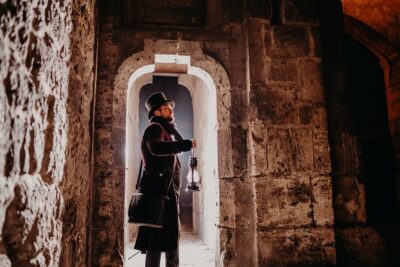
Buda Castle District Dark History, Legends and Vampire Night Tour
Read our review →
BloodThirsty Hungary: Walking tour & Dark Historical Stories
Read our review →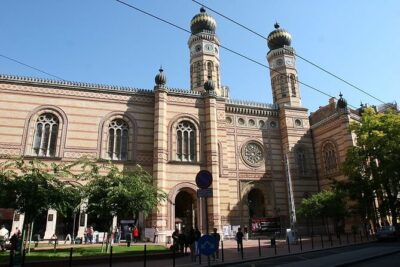
Budapest Jewish Heritage Memorial Walking Tour & Synagogue Entry
Read our review →
Budapest Paddle Steamer Danube Cruise with Tokaj & Audio Guide
Read our review →
Budapest: Jewish History Guided Walking Tour with Historian
Read our review →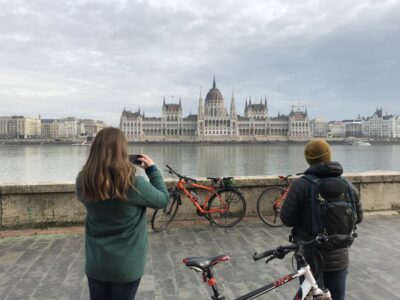
Budapest: Historic Downtown Bicycle Ride with Scenic Views
Read our review →Browse the lists this tour appears in