
Review · SPLIT
Split History and Gastro Small-Group Tour with Food and Drinks
Split’s best introduction may be a walk where the food keeps arriving. This three-hour tour threads through Diocletian’s Palace and Split’s old town, stopping for market bites, seafood, pasta, wine, liqueur, and gelato. You meet your guide outside the palace by looking for an orange spoon, then eat your way toward the Riva.
I like the smart mix of sightseeing and supper, especially for a first evening in Split. I also like the small group limit of 12, which gives guides such as Ana, Hani, Ela, Kristina, and Doris room to answer questions and keep the pace relaxed. The main caution is that seafood features heavily, and the afternoon version changes the market stop because the Green Market is closed later in the day.
Key points at a glance
- Three hours, four areas: The route links the Green Market, Narodni trg, Marmontova Ulica, and Trumbićeva obala.
- A full Croatian tasting: Expect cured meats, cheese, bread, seafood, pasta, black risotto, wine, liqueur, and gelato.
- Small groups matter: The maximum is 12 people, with several accounts describing groups of three to six.
- Morning and afternoon differ: Morning tours can include the Green Market. Afternoon tours shift some market foods to local taverns and add octopus stew with gnocchi.
- Strong guide element: Ana, Hani, Ela, Kristina, Doris, Dubravka, and others are praised for warmth, humor, local stories, and food advice.
- Good value for a meal-sized outing: At $139.13 per person, the cost is high for a walk, but more reasonable when you count several food courses, wine, dessert, and a local guide.
Why this is a useful first look at Split
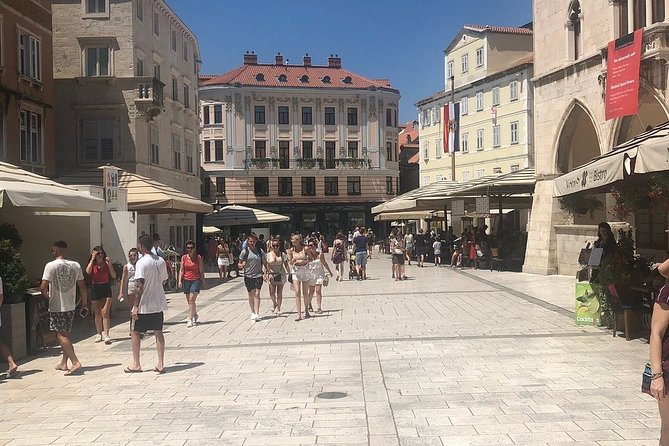
Split can feel confusing at first because the old center is not simply a separate historic quarter. Diocletian’s Palace is woven into daily life, with homes, cafés, shops, squares, and narrow lanes occupying the old Roman structure.
This tour gives you a way to read that setting while eating. You are not asked to spend three hours on a formal monument lecture. Instead, the guide uses the route, the food, and the old streets to explain how Split works.
That balance is one of the tour’s strongest features. Several guides are praised for mixing palace history with stories about Croatian food, olive oil, cured meat, seasonal produce, and ordinary life in Split. Guides named Ana, Hani, Ela, Kristina, Doris, and Dubravka have all been singled out for being friendly, lively, and helpful.
The history portion can vary by guide. Most of the available comments describe the historical explanations as interesting and useful, but one person felt the guide talked more about herself than about the city. If you want a serious archaeological tour with long explanations at every monument, this is not the best match. If you want enough context to understand the streets while enjoying lunch, it fits better.
More Small-Group History Tours in Croatia
- Dubrovnik Old Town: Small-Group Walking Tour With A Local
★ 5.0 · 123 reviews - Dubrovnik: Game of Thrones and History Small Group Tour
★ 5.0 · 76 reviews - History Split Walking Tour in French -Small group
★ 5.0 · 41 reviews
Finding the orange spoon outside Diocletian’s Palace
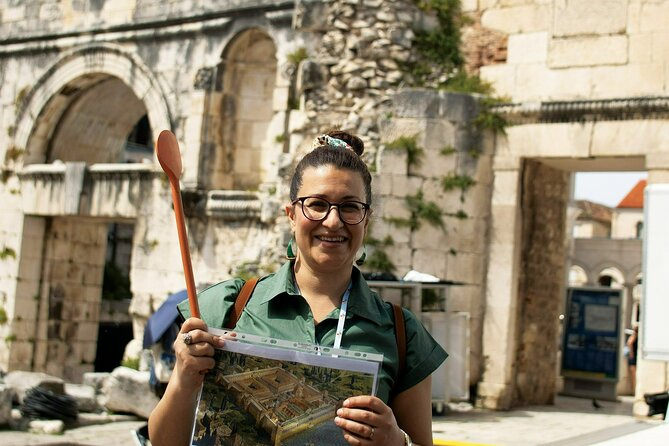
The meeting point is at Hrvojeva 1, outside Diocletian’s Palace. Look for the person holding an orange spoon. That small visual marker is useful in a busy part of town, where palace walls, lanes, and pedestrian traffic can make a meeting point less obvious.
The tour ends at POROS D.O.O. on Marmontova Street, not at the starting point. That matters if you are planning a museum visit, a ferry connection, or dinner afterward. The endpoint is near the Riva promenade, so you finish in a central part of Split rather than being taken back to a hotel.
There is no hotel pickup or drop-off. You should arrive under your own arrangements, and a mobile ticket is accepted. The route is in the old center, near public transportation, but you should still expect a fair amount of walking and standing. The stated fitness level is moderate.
Green Market: Split’s food cupboard
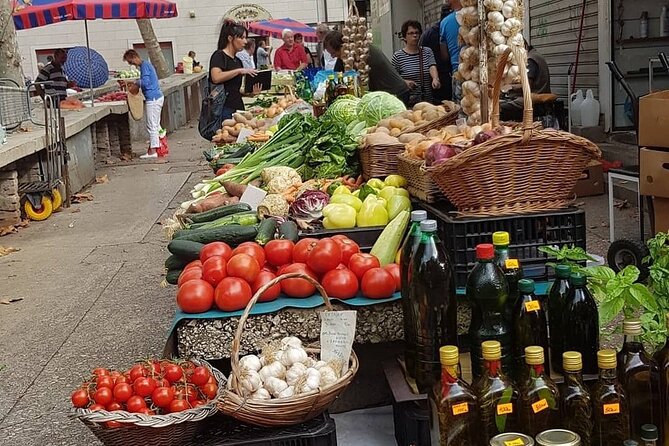
The Green Market is the most local-feeling part of the route. It is described as the belly of Split, and the stop gives you a look at the produce and food traditions that shape the rest of the meal.
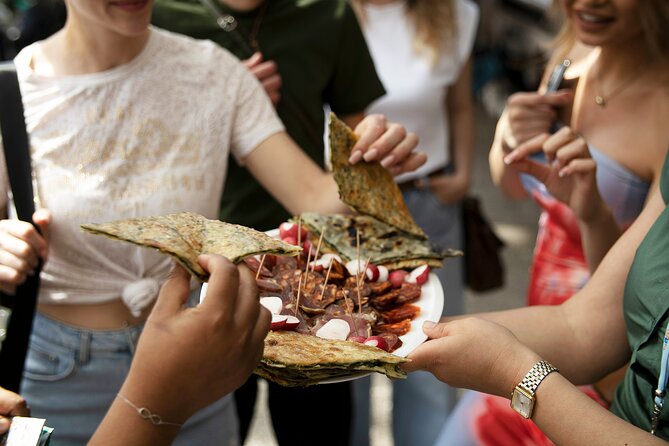
Here, the planned tastes include prosciutto, cheese, traditional bread, and soparnik. Soparnik is a savory Croatian pie, and it gives you something different from the usual cheese and cured-meat board. You also learn about seasonal produce, an important point in Croatian cooking because the ingredients change across spring, summer, and fall.
This is a good place to ask your guide about how foods are made and served. The stop can include explanations of prosciutto and olive oil, subjects that guides have discussed particularly well.
There is one important timing issue. The market is closed in the afternoon, so the afternoon tour does not use the Green Market in the same way. The food is instead served in local taverns, and the afternoon schedule includes octopus stew with gnocchi. If the market itself matters to you, choose the morning option. If you prefer a more traditional sit-down food sequence, the afternoon version may suit you better.
Narodni trg and the medieval center
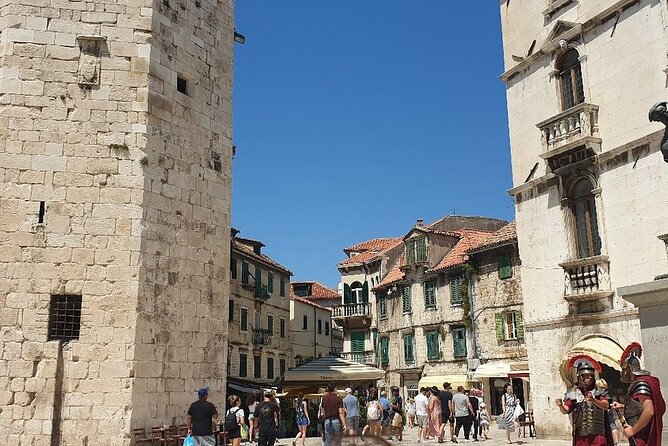
After the market, the route moves through the old town to Narodni trg, Split’s largest medieval square. The stop is short, around 10 minutes, but it helps show how the city changed over time.
The square is noted for its mix of medieval architecture. That makes it a useful contrast with the Roman remains associated with Diocletian’s Palace. You get to see that Split is not one tidy period preserved behind glass. Its streets reflect Roman, medieval, Venetian, French, and modern layers.
Do not expect a full guided visit to every major palace feature. The tour is designed around food, so the historical commentary comes in short sections as you move. That keeps the day lively, though anyone seeking a detailed architectural study may want to book a separate palace tour.
Same old streets, another chapter:
- Dubrovnik Old Town History Walking Tour
★ 5.0 · 1,684 reviews - Dubrovnik: Ancient City Walls & Wars Walking Tour
★ 5.0 · 1,270 reviews - Zagreb: City & History Walking Tour & WW2 Tunnels
★ 4.9 · 1,202 reviews - Walking Tour of Split with a ‘Magister’ of History
★ 5.0 · 1,122 reviews
Marmontova Street, gelato, and the afternoon seafood stop
Marmontova Ulica is a French-style shopping street and home to Split’s largest fish market. The route uses this area for food and for a sweet finish to the main tasting sequence.
Gelato is included on both morning and afternoon tours, along with traditional sweets that may change with the season. The tour ends at the city’s oldest pastry shop, according to the description, where old family recipes shape the sweet course. In practical terms, this is a welcome pause after several savory dishes.
The afternoon tour adds octopus stew with gnocchi and a traditional sweet liqueur in this part of the route. That dish will not suit everyone. One group found the octopus less popular than the other foods, while the rest of the meal went over better. If you are cautious about seafood texture, tell the guide in advance and ask what alternatives are available.
Trumbićeva obala: the longest food stop
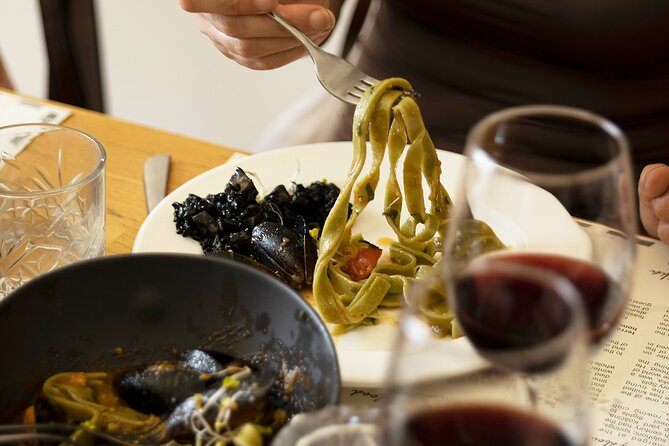
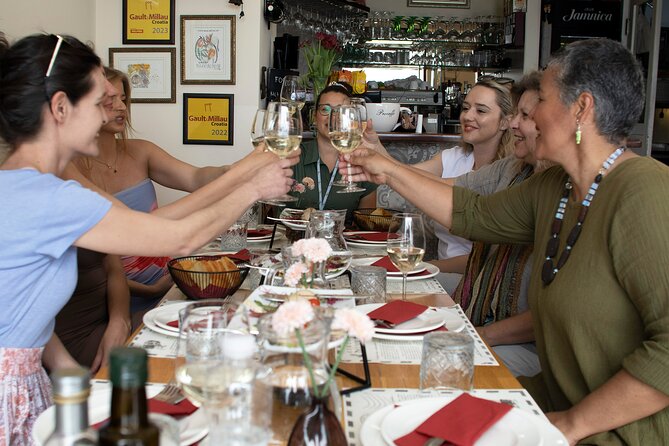
The final food and wine stop takes place along Trumbićeva obala, a promenade lined with local taverns and coffee shops. This stop lasts about 45 minutes, making it the clearest sit-down portion of the experience.
The menu can include tuna pâté, salted and pickled anchovies, black risotto, noodles with truffles, and pasta with mussels and shrimp. White wine is paired with some seafood, while red wine accompanies the heavier pasta and risotto dishes.
The exact foods can vary by season and tour time. The stated menu includes several dishes, but you should think of it as a broad guide rather than a guaranteed plate-by-plate promise. Spring, summer, and fall produce differ, and the provider says ingredients may change.
The portions can be generous. One account describes five different dishes and enough food to feel full, while another calls the portions large and satisfying. This is not a tiny tasting where you leave searching for lunch. For many people, the tour functions as a complete meal, though individual serving sizes depend on the group and the restaurants used.
What you are likely to eat and drink
The food reflects Dalmatian and Mediterranean habits without trying to turn the meal into a formal cooking class. You taste rather than prepare, and the guide supplies the context.
A typical spread may include:
- Cured meat, cheese, traditional bread, and possibly soparnik
- Tuna pâté, anchovies, and other seafood
- Octopus stew with gnocchi on the afternoon tour
- Black risotto
- Pasta with mussels and shrimp
- Noodles with truffles
- Croatian white and red wines
- Traditional liqueur
- Gelato or a seasonal traditional cake
Wine and liqueur are included in the price. The minimum drinking age is 18. Because several glasses are served over three hours, you should treat this as a food-and-drink experience rather than a simple walking tour with one token sample.
The menu is seafood-forward. That is a plus if you want to taste the Adriatic side of Croatian cooking, but it is the main dietary consideration for anyone who prefers meat or vegetarian food. Vegetarian, vegan, and gluten-free options are available if you provide your restrictions or allergies in advance. Ingredients change with the season, so ask your guide what has been arranged when you meet.
The guides make a major difference
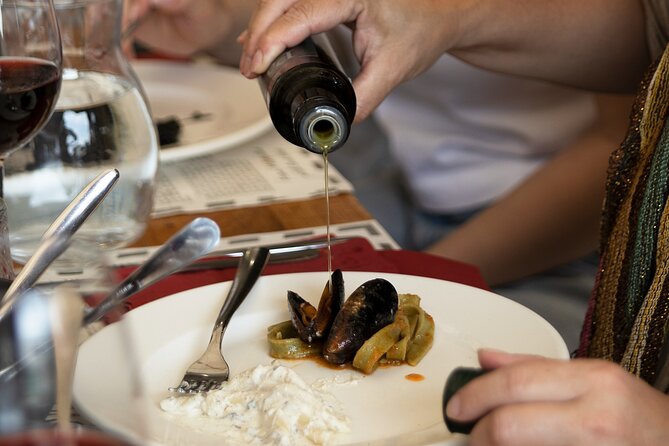
The route is straightforward, but the guide shapes the experience. The strongest accounts describe guides who are warm, funny, energetic, and able to make the food feel personal rather than staged.
Kristina is praised for combining food with history and for making the stops feel like an evening with a local friend. Hani is described as good at mixing cultural details, personal stories, and humor. Ana is praised for being fun, well informed, and attentive to allergies. Ela is noted for keeping the group together in crowded streets and explaining the palace clearly.
Doris is described as both entertaining and helpful with local recommendations. Dubravka receives praise for a relaxed pace and useful palace commentary. These names suggest that the provider has several guides, so you may not know in advance who will lead your departure.
The small group helps here. With no more than 12 people, and sometimes only three to six, you have a better chance to ask about restaurants, Croatian customs, and places to visit after the tour. It also makes shared plates and conversation easier.
Still, guide styles differ. If your guide focuses more on personal stories and food than on monuments, you may find the history lighter than expected. That is not a flaw for everyone, but it is worth knowing before booking.
Is $139.13 a fair price?
At $139.13 per person, this is not a cheap city walk. You are paying for three hours, a guide, several food stops, wine, liqueur, dessert, and the convenience of having the meal arranged across central Split.
The value improves if you would otherwise pay for a substantial seafood lunch or dinner, a gelato stop, and a separate introductory walk around the palace. The experience also removes the guesswork of choosing unfamiliar dishes. You can try black risotto, anchovies, octopus, seafood pasta, and soparnik in one outing rather than ordering full portions one at a time.
The price is harder to justify if you eat little, avoid seafood, or do not drink wine. One person considered it overpriced despite liking the guide, so the cost will depend on how much of the menu you can enjoy.
I would see it as a meal with a guided city walk attached, not as a sightseeing tour with a few snacks. That distinction makes the price easier to judge.
Who should book it?
I would recommend this experience to you if you are visiting Split for the first time and want to get your bearings quickly. It is especially useful on your first evening, when you want a proper meal but do not yet know which Croatian specialties to order.
It also suits cruise passengers. The meeting point is within walking distance of the cruise port, and the three-hour length can fit a port day if your schedule allows enough time to reach the start and return to the ship independently.
Food-focused couples, small groups of friends, and solo visitors who like meeting people will likely enjoy the format. The group is small enough for conversation, and several accounts describe easy interaction among people from different places.
I would choose another activity if you want a detailed archaeological tour, have a strict no-seafood diet, or prefer to control every dish and drink yourself. You can request vegetarian, vegan, or gluten-free food, but the normal menu clearly leans toward seafood.
Practical details before you reserve
The tour is offered in English and uses a mobile ticket. Confirmation is provided when you book. Children must be accompanied by an adult, and service animals are allowed.
Plan for moderate physical activity through the old town. The route includes walking between food stops, time on foot in public squares, and standing at market or restaurant locations. Hotel transportation is not provided.
Free cancellation is available if you cancel at least 24 hours before the local start time. Changes or cancellations inside that window are not accepted for a refund. The experience also requires a minimum number of people, so if the provider cancels because that number is not reached, you are offered another date or experience, or a full refund.
Should you book this Split food tour?
Book it if you want a generous meal, local wine, and a useful first look at Split in one compact outing. The strongest parts are the small group, the range of dishes, the chance to try foods you might skip on a menu, and guides who often add thoughtful local advice.
Choose the morning tour for the Green Market experience. Choose the afternoon tour if octopus stew, liqueur, and a more tavern-based sequence appeal to you. At $139.13, it is a splurge, but a reasonable one for a full food crawl with drinks and a guide. Just arrive hungry, expect plenty of seafood, and do not confuse this with a detailed monument tour.
FAQ
How long does the Split History and Gastro Small-Group Tour last?
The tour lasts approximately three hours.
Where does the tour begin?
It begins at Hrvojeva 1, outside Diocletian’s Palace in Split. Look for a person holding an orange spoon.
Where does the tour end?
It ends at POROS D.O.O. on Marmontova ul. 2, near the Riva promenade.
How many people can join the tour?
The maximum group size is 12 people.
Is the Green Market included on every departure?
No. The Green Market is closed in the afternoon. Afternoon departures offer the market foods in local taverns instead.
What food is included?
Possible foods include prosciutto, cheese, traditional bread, soparnik, seafood, tuna pâté, anchovies, black risotto, seafood pasta, noodles with truffles, octopus stew with gnocchi, and gelato or traditional sweets.
Are wine and liqueur included?
Yes. The tour includes local white and red wines, and liqueur is included on the afternoon tour. The minimum drinking age is 18.
Are vegetarian, vegan, and gluten-free options available?
Yes. Vegetarian, vegan, and gluten-free options are available. You should provide dietary restrictions or food allergies in advance because ingredients change by season.
Is hotel pickup provided?
No. Hotel pickup and drop-off are not included.
Can I cancel for a full refund?
Yes, if you cancel at least 24 hours before the experience starts. Cancellations or changes made less than 24 hours before the start time are not refunded.
Latest history tours reviewed in Croatia
- Experience Split History Walking Tour With Local Historian★ 5.0 · 28 reviews
- Dubrovnik: Small-Group Guided Old Town History Walking Tour★ 4.9 · 37 reviews
- Dubrovnik: Game of Thrones & History Tour★ 4.7 · 72 reviews
- Dubrovnik History and Game of Thrones Locations Tour★ 4.8 · 49 reviews
- Dubrovnik Old Town: Night tour with History, Wine & Bites★ 4.7 · 59 reviews
- Dubrovnik Old Town: Easy paced and accessible History tour★ 4.9 · 20 reviews
- Dubrovnik: Historical Tour with Game of thrones details★ 4.9 · 43 reviews
- Dubrovnik: History and Game of Thrones Walking Tour★ 4.7 · 85 reviews
Split History Tours, compared.
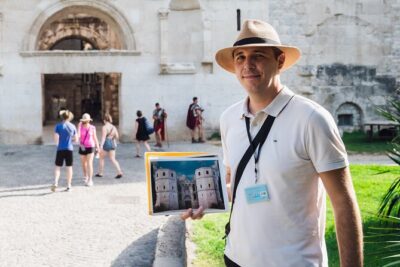
Walking Tour of Split with a ‘Magister’ of History
Read our review →
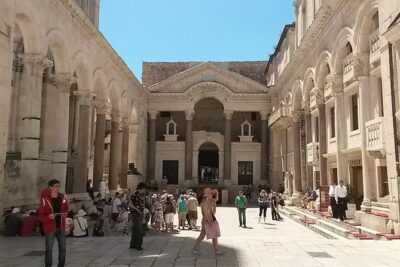
SPLIT-PRIVATE Walking Tour of Diocletian’s Palace & Old Town
Read our review →

Split: Historical Tour of Salona, Klis Fortress and Trogir
Read our review →
History & Cultural Walking Tour of Split and Diocletian’s Palace
Read our review →
Jewish Heritage & Diocletian’s Palace Private Split Tour
Read our review →
History Split Walking Tour in French -Small group
Read our review →Browse the lists this tour appears in