
Review · SPLIT
Split: Historical Tour of Salona, Klis Fortress and Trogir
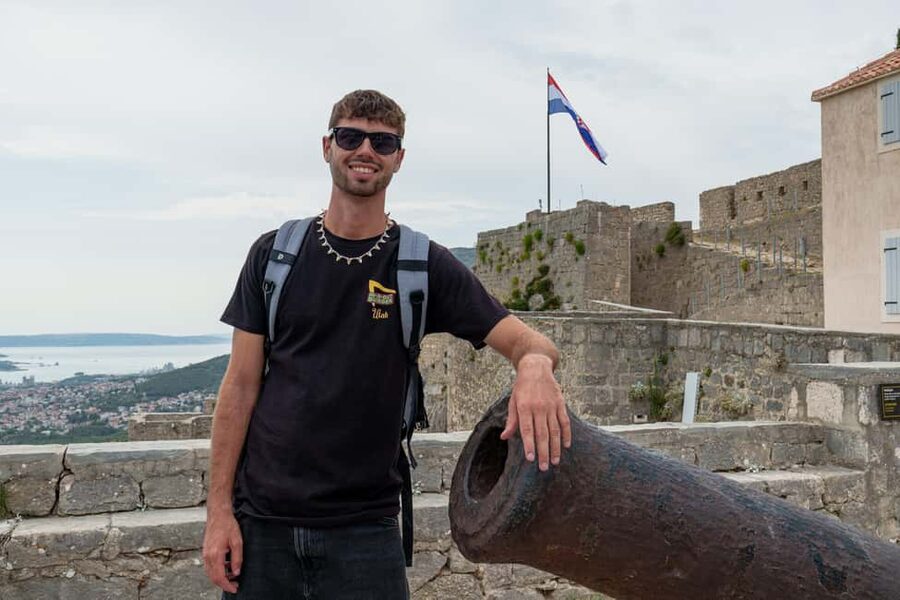
Klis Fortress gives this day trip its big moment: you climb above Split to a stone stronghold with broad views toward the Adriatic and the city below. Before that, you walk through Trogir’s medieval lanes and Roman Salona, then finish with olive oil, figs and other local flavors at Stella Croatica. It is a lot of Dalmatia in one day.
I like the mix of major sights and local food. Trogir and Klis are memorable on their own, while Stella Croatica adds a useful taste of everyday tradition rather than another silent ruin. I also like that the guides, including Darko, Duje and Miron on different departures, bring humor and real historical detail to a packed route.
The tradeoff is time. With Trogir, Salona, Stella Croatica, the Hidden Dalmatia center and Klis Fortress all on the schedule, no stop feels leisurely. There is also no proper lunch break, and entrance fees can add about €20 per person, so this is best for an active day with snacks in your bag.
Key points at a glance
- Klis Fortress is the visual highlight: Expect an uphill walk, uneven ground and wide views over Split and the coast.
- Trogir deserves your attention: The UNESCO-listed island town has a compact old center, but one hour can feel short.
- Salona adds Roman scale: You see the archaeological remains of the former capital of Roman Dalmatia.
- Stella Croatica brings the local flavor: The visit includes culinary tasting, including olive oil and fig-based treats.
- The day is tightly packed: Five stops fit into eight hours, with quick meals or snacks more realistic than a sit-down lunch.
- Budget for optional admissions: Carry cash for Salona, Klis Fortress, Stella Croatica and the Secret Dalmatia Museum.
One day, three very different sides of Dalmatia

This tour works because it connects places that are often visited separately. Trogir shows you a preserved historic town. Salona gives you Roman ruins spread across an archaeological site. Klis puts you in a defensive fortress above the coast. Stella Croatica and the Hidden Dalmatia Visitor Center then shift the focus to food, nature and modern efforts to explain local culture.
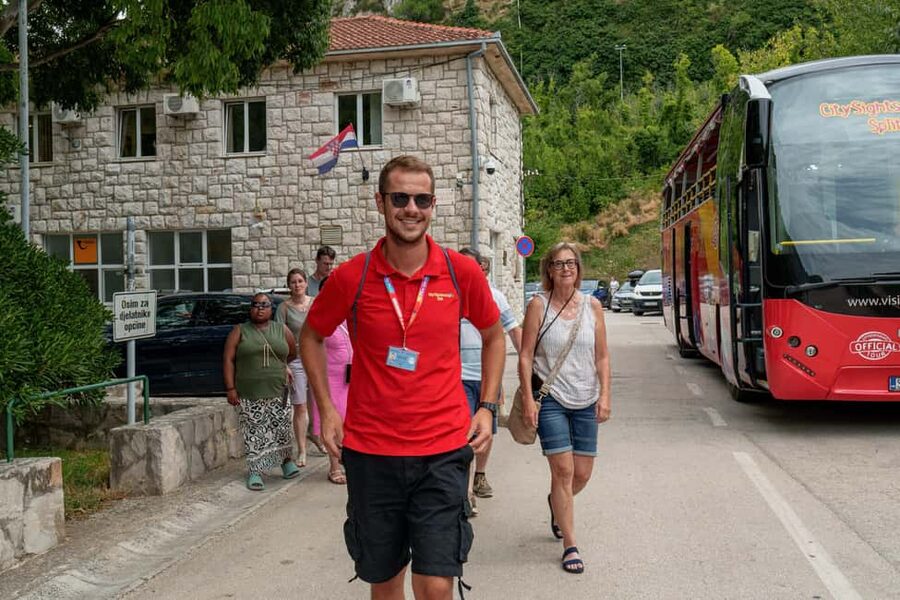
You leave from the Apodos Travel Agency in central Split and return there at the end. Look for the open-top red bus and staff wearing red or white shirts. Round-trip transport is included, so you do not need to arrange separate buses or taxis between the sites.
The tour lasts about eight hours. That sounds generous, but the schedule moves quickly. Trogir and Solin, where Salona is located, receive about an hour each. Stella Croatica gets roughly 105 minutes, the Hidden Dalmatia stop about 30 minutes, and Klis Fortress about an hour. Driving time connects everything.
I would bring water, cash and something easy to eat. Food and drinks are not included, and one especially useful practical detail is that there is no dedicated lunch break. The tasting at Stella Croatica is worthwhile, but it should not be treated as a full meal.
More Castle and Palace History Tours in Croatia
- SPLIT-PRIVATE Walking Tour of Diocletian’s Palace & Old Town
★ 5.0 · 467 reviews - History & Cultural Walking Tour of Split and Diocletian’s Palace
★ 5.0 · 104 reviews - Jewish Heritage & Diocletian’s Palace Private Split Tour
★ 5.0 · 80 reviews
Trogir: a handsome old town in one compact hour
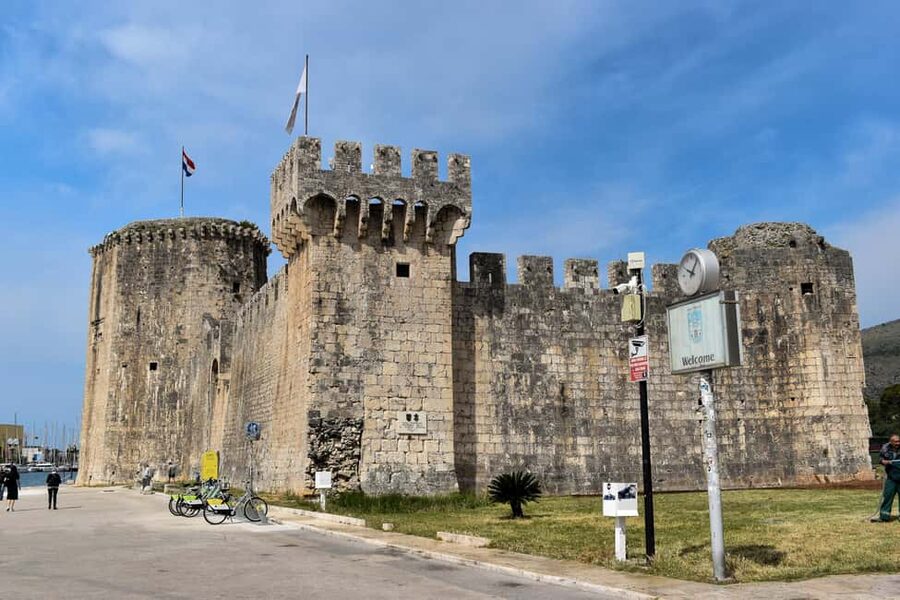
Trogir is the most immediately pleasant stop. Its historic center sits on a small island, reached by bridges, and its narrow lanes open onto squares, stone houses and waterfront views. The town’s Romanesque and Gothic buildings make it easy to see why it has UNESCO World Heritage status.
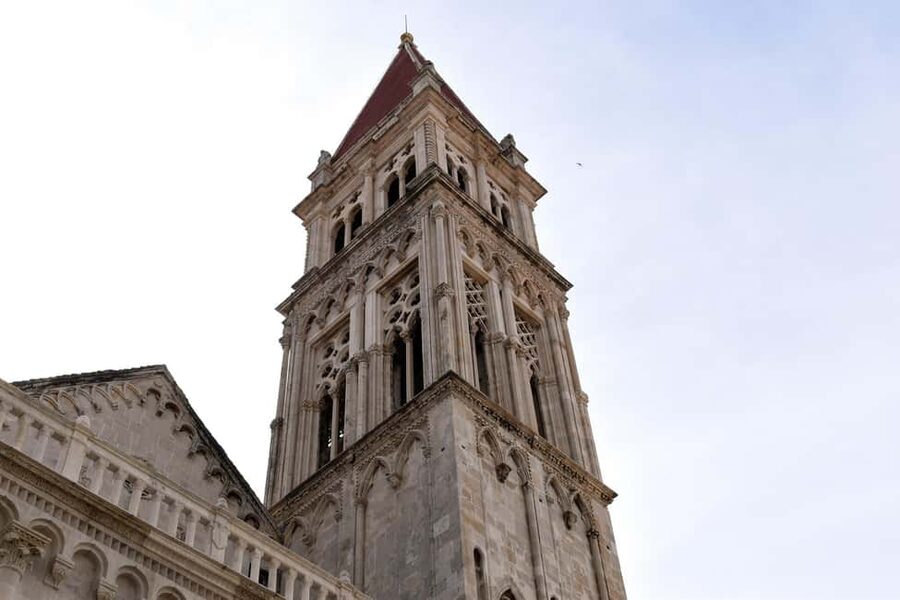
The Cathedral of St. Lawrence is the main sight. Its carved portal and layered architectural style reward a close look, and the surrounding square gives your guide room to explain the rulers and cultures that shaped the town. You are not simply walking past old stone. You are seeing how a small Adriatic town was built around trade, religion and defense.
An hour is enough for an introduction and a guided walk, but not enough for a slow exploration. If you like photographing details, browsing side streets or sitting with a coffee, you may wish this stop were longer. One useful warning: there are no public toilets in Trogir, so use facilities when the opportunity appears elsewhere.
I would pay close attention here, even if you plan to return on your own. Trogir can look like a quick collection of pretty lanes at first, and the guide’s explanation helps you understand what you are seeing. Of all the historic stops, this is the one most likely to leave you wanting more time.
Salona: Roman ruins with room to breathe
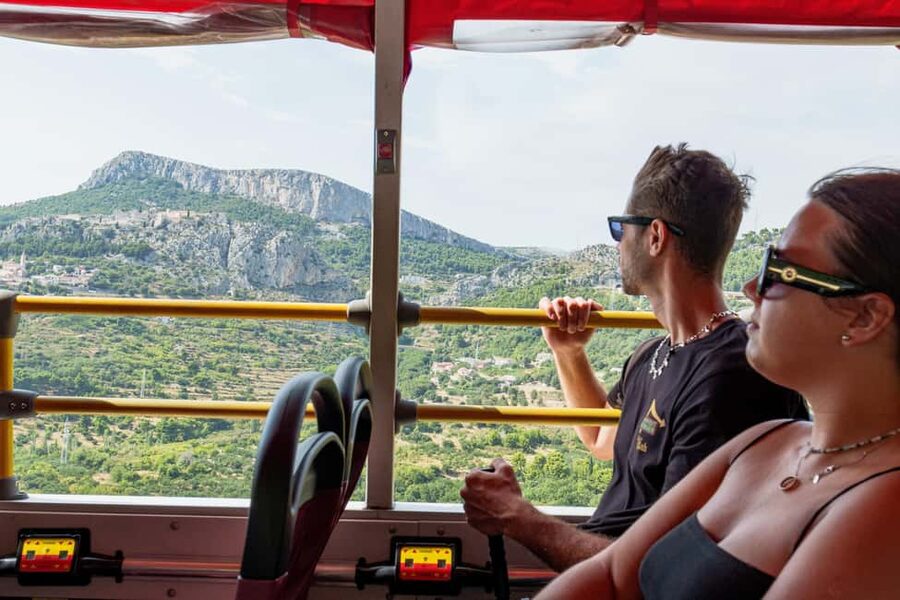
The next historic stop is ancient Salona, near modern Solin. Salona was the capital of the Roman province of Dalmatia, and its remains cover a broader area than the compact streets of Trogir. This is where the tour gives you a sense of Roman urban scale.
You might see the remains of public buildings, walls and an amphitheater, depending on the route and time available. The archaeological site is less polished than a fully reconstructed monument, which is part of its appeal. Broken walls and foundations ask you to picture the city that once functioned here rather than handing you a complete building.
The guide’s storytelling matters at Salona. Without context, the site can feel like scattered stone. With an explanation of its role as the Roman center of Dalmatia, the remains become easier to read. One history-teacher guide was especially appreciated for making the past clear and keeping the group moving without stress.
The scheduled visit is about an hour. That gives you a useful introduction and time to see the main areas, but the site may appeal most to people who enjoy archaeology. If your priority is charming streets and active town life, you may prefer the time in Trogir. If you want Roman remains, Salona is a necessary part of the route.
Admission to the Ancient Salona Archaeological Site is listed at €6, paid in cash on site. Since the tour price is only $28 per person, this extra cost is important when you compare the total value.
Stella Croatica: the best place for a local taste
Stella Croatica gives the day a welcome change of pace. Instead of another historic structure, you get a look at Dalmatian food traditions and products associated with the region. The visit lasts about 105 minutes, making it the longest stop on the schedule.
The tasting includes local produce such as olive oil and figs. Fig cake is one treat worth remembering, especially if you want an edible souvenir. You may also encounter other traditional flavors, but the supplied details do not promise a full meal or a fixed tasting menu, so plan accordingly.
I like this stop because food explains a place in a direct way. Olive oil, dried fruit and garden produce connect the coast and its dry Mediterranean climate to daily life. The estate’s gardens also give you a calmer setting after the archaeological sites and before the climb at Klis.
Do not confuse the tasting with lunch. Food and drinks are listed as not included, and one of the clearest practical issues with this outing is the lack of a proper meal break. Bring a snack, or eat something before departure. If you are hoping to sit down for a long lunch and explore at your own pace, the schedule may feel rushed.
The listed admission for Klis Fortress and Stella Croatica is €9, paid in cash on site. Because the wording groups those two entries together, I would confirm the current charge with the guide before setting out.
Same old streets, another chapter:
- Dubrovnik Old Town History Walking Tour
★ 5.0 · 1,684 reviews - Dubrovnik: Ancient City Walls & Wars Walking Tour
★ 5.0 · 1,270 reviews - Zagreb: City & History Walking Tour & WW2 Tunnels
★ 4.9 · 1,202 reviews - Walking Tour of Split with a ‘Magister’ of History
★ 5.0 · 1,122 reviews
Hidden Dalmatia: a short look at nature and conservation
The 30-minute visit to the Hidden Dalmatia Visitor Center changes the subject from buildings and battles to local ecosystems. Interactive displays explain Dalmatia’s biodiversity, endemic species and conservation work.
This is a useful addition if you want more than monuments. It helps place the archaeological sites in their wider setting and gives families or anyone interested in nature a different way to understand the region. The displays can also offer context that is hard to get from a quick drive through the countryside.
Still, this is the stop most likely to divide opinion. Thirty minutes is brief, and the digital or school-trip feel may not appeal to everyone. If you would rather spend extra time in Trogir, Salona or Stella Croatica, this is the part of the schedule you may consider least essential.
The Secret Dalmatia Museum admission is listed at €5 in cash. The exact naming of this stop varies in the supplied details, with references to a visitor center, museum and a virtual reality experience. Expect a short educational visit with interactive material, but confirm the precise format on your departure.
Klis Fortress: the day’s grand finish

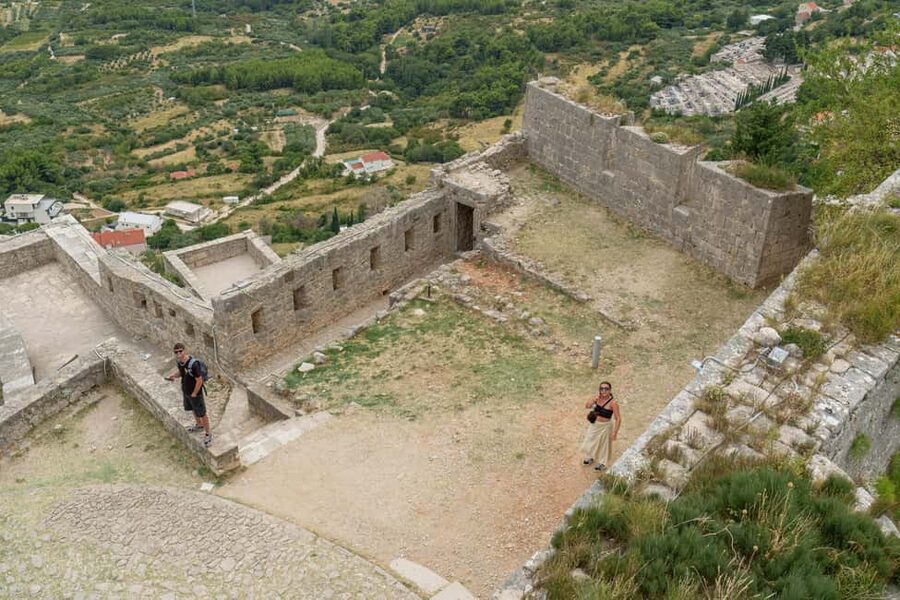
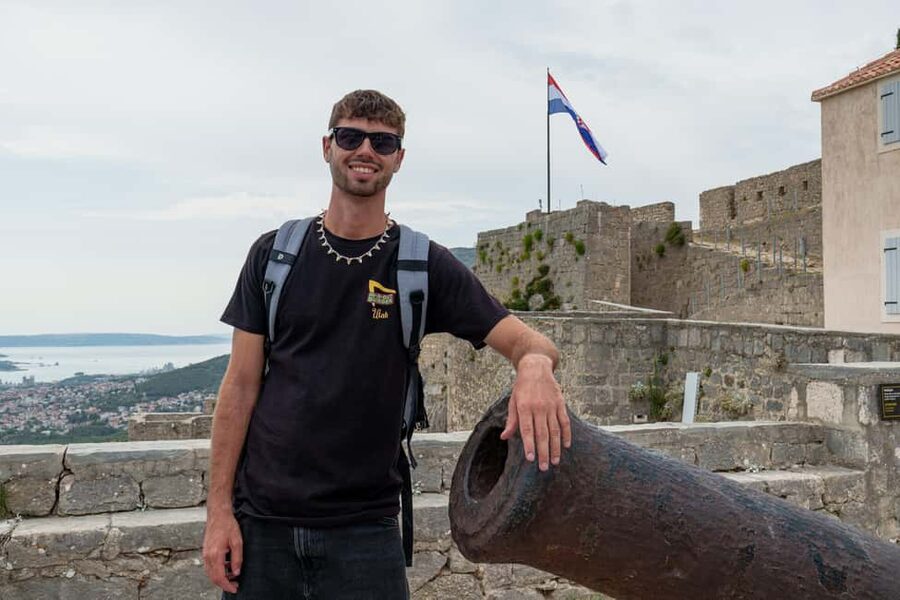
Klis Fortress is the most dramatic stop. Built high above Split, it controlled an important route through the mountains and protected the approaches to the city. Its walls, courtyards, chapel and elevated position give you a strong sense of why this place mattered.
The climb is real. The route includes a steep incline and uneven stone, so sturdy shoes are sensible. The tour is not suitable for people with mobility impairments, wheelchair users or back problems. If hills and rough surfaces are difficult for you, this stop may limit your enjoyment of the whole day.
Once inside, take time to look beyond the masonry. The broad view over Split and the Adriatic is the reward for the uphill walk. The fortress is not just a viewpoint, though. Its position explains the military story, and a good guide can connect the walls to the struggles that shaped Dalmatia.
You receive about an hour here. That is enough to see the main areas and hear the basic story, but not enough for a slow, independent inspection of every corner. The fortress often becomes the moment you remember most clearly, partly because the physical climb makes the arrival feel earned.
Klis admission is included in the listed €9 charge with Stella Croatica. Carry cash, since the optional entrance fees are paid on site.
Guides can shape the entire day
The tour is conducted in English with a live guide. Names attached to different departures include Darko, Duje, Miron and Hana, but you should not assume a particular guide will lead your date. The strongest descriptions of the experience focus on guides who combine clear history with humor and patience.
That matters on a route this full. A guide who keeps explanations focused can make the day feel organized rather than frantic. Guides have also helped with practical matters, including getting a group back to a cruise ship on time when the port schedule was tight.
An English audio guide is also listed, with languages including English, French, Galician, German, Croatian, Italian, Portuguese, Russian and Spanish. The live tour language is English. The audio options may be useful for extra information, but the guide remains the main source of timing and site interpretation.
What the $28 price really covers
At $28 per person, the base price is low for an eight-hour outing with round-trip transport, a live guide and a culinary tasting. You are paying mainly for the route, transportation and organization. That is good value if you want to see several nearby places without renting a car or working out local connections.
The optional admissions change the calculation. The listed charges are:
- Ancient Salona: €6
- Secret Dalmatia Museum or visitor center: €5
- Klis Fortress and Stella Croatica: €9
That brings the listed additions to about €20 per person. Some trip information has cited different totals, including €15 or €19, so treat €20 as a sensible cash budget rather than a guaranteed final amount. Food and drinks are extra too.
At roughly $28 plus up to €20 in admissions, this remains a fair deal for a full day if you value convenience and guidance. It is less attractive if you plan to skip the paid sites or dislike quick stops. The price is strongest for first-time visitors to Split who want a broad introduction in one organized day.
Who will enjoy this route most
I would recommend this tour to you if you want a history-heavy day and prefer having transport arranged. It suits curious first-time visitors, cruise passengers with a full day available, and anyone who wants more than Split’s old center.
It also works well for people who like variety. You move from medieval architecture to Roman archaeology, then to food, nature displays and a fortress. That change of subject keeps the day from feeling like six versions of the same ruin.
You should think twice if you need a slow pace, a full lunch, or step-free access. The schedule is active, the Klis climb is steep, and the route is not suitable for wheelchair users or people with significant mobility or back problems. The listed limits also exclude people over 130 kilograms and people over 95 years old.
Free cancellation is available up to 24 hours before departure, and you can reserve now and pay later. Starting times vary, so check availability before booking.
Should you book this Split day trip?
Book it if you want an efficient overview of Dalmatia’s past, food and scenery, and you are willing to pay the site fees in cash. The best parts are the guide-led context at Salona, the atmosphere of Trogir, the tasting at Stella Croatica and the views from Klis Fortress.
Skip it if you want long, unhurried visits or a proper restaurant lunch. In that case, visit Trogir and Klis separately, or choose a smaller tour with fewer stops. For most active visitors, though, this is a useful and well-priced way to connect four very different sides of the region in one day.
FAQ
Where does the tour start?
The tour starts at the Apodos Travel Agency in Split. Look for an open-top red bus and staff wearing red or white shirts.
Where does the tour finish?
The activity ends back at the same meeting point, the Apodos Travel Agency.
How long does the experience last?
The tour lasts eight hours. Starting times vary, so check availability for your chosen date.
Is transportation included?
Yes. Round-trip transportation from the meeting point is included.
Is a guide included?
Yes. A live English-speaking guide leads the tour. An audio guide is also listed in English, French, Galician, German, Croatian, Italian, Portuguese, Russian and Spanish.
Are entrance fees included?
No. Optional entrance fees are paid in cash on site. The listed amounts are €6 for Ancient Salona, €5 for the Secret Dalmatia Museum, and €9 for Klis Fortress and Stella Croatica.
Is lunch included?
No. Food and drinks are not included. The schedule does not provide a dedicated lunch break, so bring cash and a snack or eat before departure.
Is the culinary tasting included?
Yes. A culinary tasting at Stella Croatica is included, although a full meal is not promised.
Is the tour suitable for wheelchair users?
No. The experience is not suitable for wheelchair users, people with mobility impairments or people with back problems. The climb at Klis Fortress includes an incline.
Latest history tours reviewed in Croatia
- Experience Split History Walking Tour With Local Historian★ 5.0 · 28 reviews
- Dubrovnik: Small-Group Guided Old Town History Walking Tour★ 4.9 · 37 reviews
- Dubrovnik: Game of Thrones & History Tour★ 4.7 · 72 reviews
- Dubrovnik History and Game of Thrones Locations Tour★ 4.8 · 49 reviews
- Dubrovnik Old Town: Night tour with History, Wine & Bites★ 4.7 · 59 reviews
- Dubrovnik: Historical Tour with Game of thrones details★ 4.9 · 43 reviews
- Dubrovnik Old Town: Easy paced and accessible History tour★ 4.9 · 20 reviews
- Dubrovnik: History and Game of Thrones Walking Tour★ 4.7 · 85 reviews
Split History Tours, compared.
Walking Tour of Split with a ‘Magister’ of History
Read our review →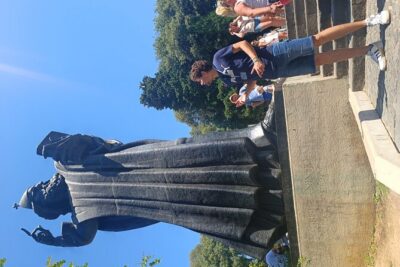
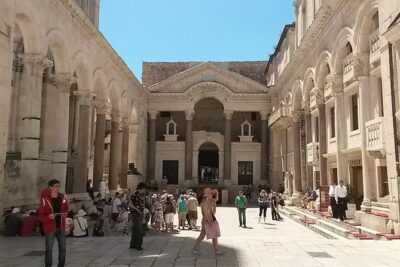
SPLIT-PRIVATE Walking Tour of Diocletian’s Palace & Old Town
Read our review →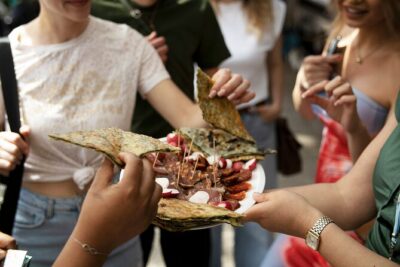
Split History and Gastro Small-Group Tour with Food and Drinks
Read our review →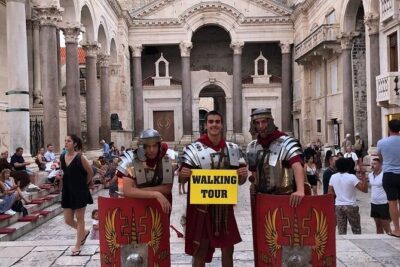
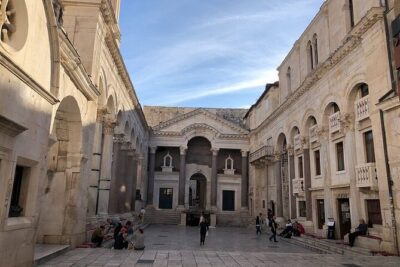
History & Cultural Walking Tour of Split and Diocletian’s Palace
Read our review →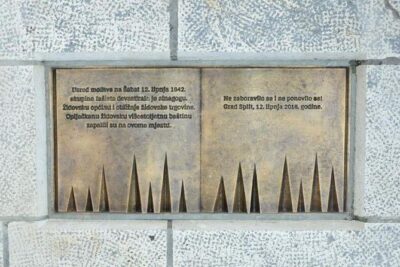
Jewish Heritage & Diocletian’s Palace Private Split Tour
Read our review →
History Split Walking Tour in French -Small group
Read our review →Browse the lists this tour appears in