
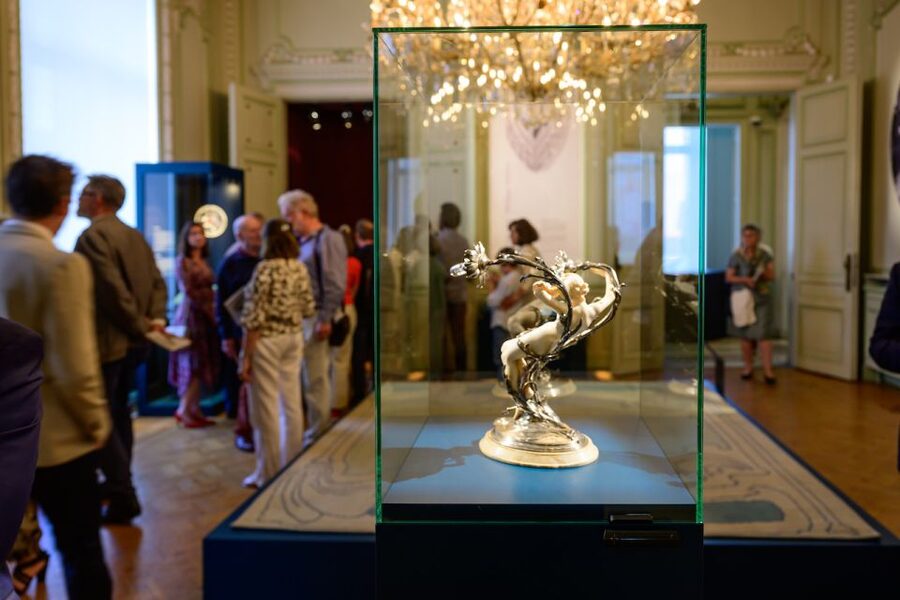
Review · BELGIUM
Brussels: BELvue Belgium History Museum Entry Ticket
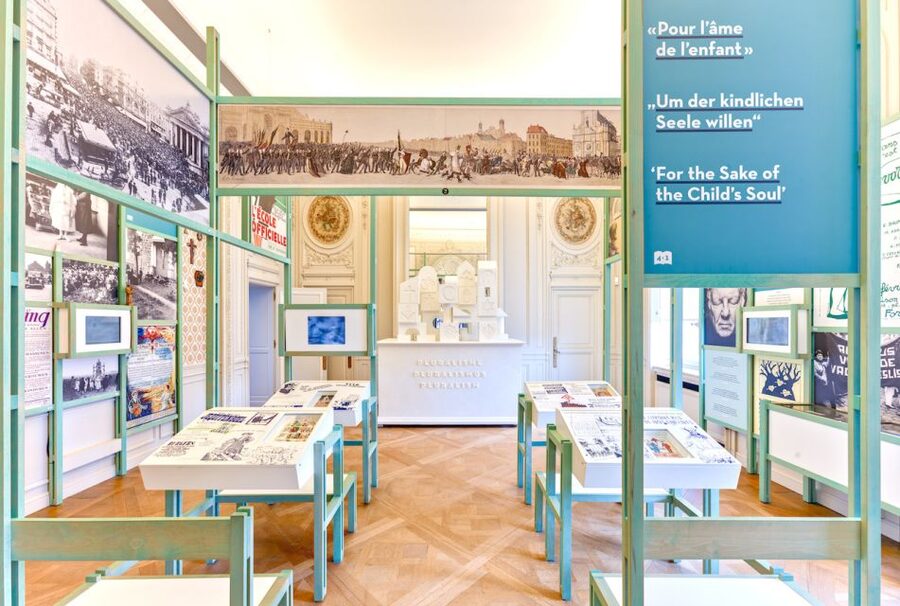
Belgium’s story is told here through everyday life, not just kings and battles. At the BELvue Museum, seven rooms look at democracy, prosperity, solidarity, pluralism, migration, language, and Europe, with videos, charts, news clips, and personal testimony. I like the clear social focus, and I like the gallery of more than 200 objects, where a coffee filter or electric fryer can say as much about Belgium as an official document.
The free mobile audio guide is useful if you want more context without joining a group. The main thing to consider is pace: there is a lot to read and watch, and one area can feel visually crowded if you try to take in every poster, graph, and screen.
Key points to know
- Seven rooms explain modern Belgium: Follow the country through democracy, prosperity, solidarity, pluralism, migration, language, and Europe.
- Everyday objects tell the story: Look for coffee filters, electric fryers, Val Saint-Lambert crystal, and a football signed by the Red Devils.
- The museum sits beside the Royal Palace: It is easy to pair with a walk through Brussels’ royal quarter.
- Use your own phone for the audio guide: Audio is listed in Dutch, English, French, German, and Italian.
- Good for different kinds of visits: You can go alone, with friends, or with children, and the museum provides a visitor booklet.
- Plan time for the details: The displays pack in plenty of material, so a quick glance may not be enough.
Why BELvue is more than a royal museum
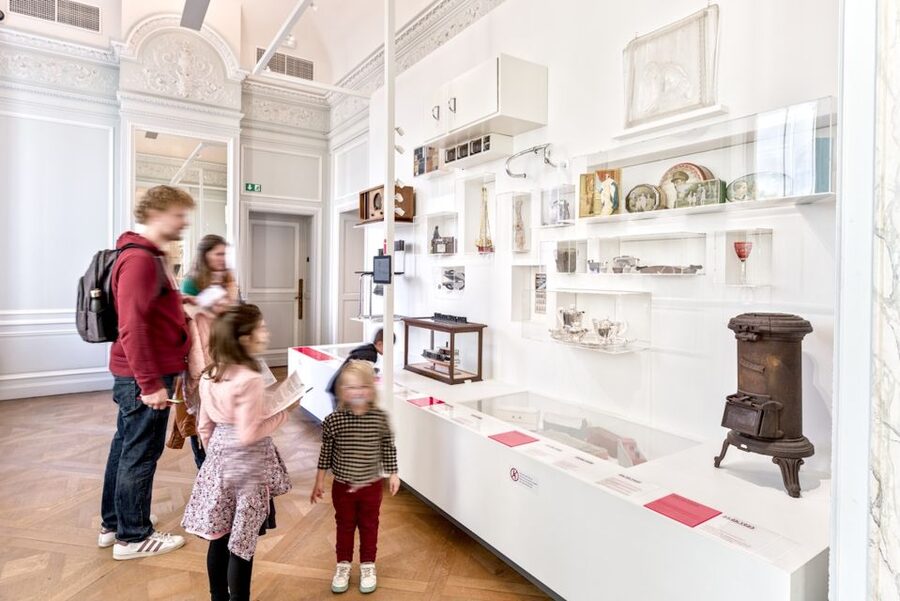
The museum’s position next to the Royal Palace makes it easy to assume that this is mainly a story of monarchs and grand state events. It is not. BELvue uses the palace setting as a doorway into a wider look at how Belgium works and how daily life has changed.
That choice gives the museum a useful angle. You are not asked to remember a long list of dates before the visit becomes interesting. Instead, you see how public life, language, work, social support, migration, and European cooperation shape the country.
I find this approach helpful for a first visit to Belgium. The country can seem small on a map, yet its political structure and language communities are not simple. The seven themes give you a framework for understanding what you see in Brussels, from multilingual signs to the presence of European institutions.
The visit is also self-guided. You can move at your own speed, pause at a video, skip a chart, or spend longer with an object that catches your eye. That flexibility works well if your group has mixed interests.
More Museum and Gallery History Tours in Belgium:
- Brussels: Museum Art & History Entry Ticket
★ 4.5 · 58 reviews - New York City: American Museum of Natural History Ticket
★ 4.5 · 15,447 reviews - Paris: Louvre Museum Entry with History of Mona Lisa
★ 3.9 · 2,823 reviews
Entering beside the Royal Palace
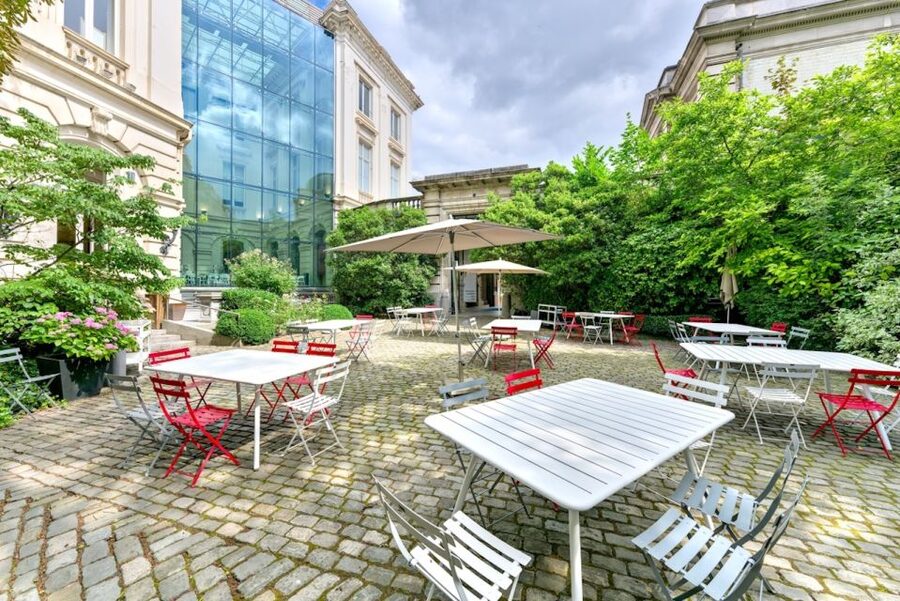
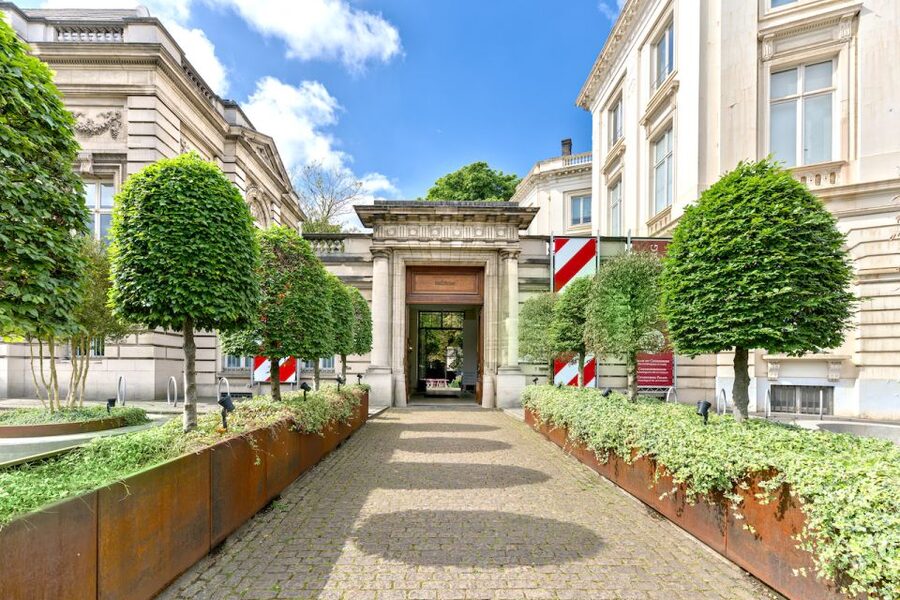
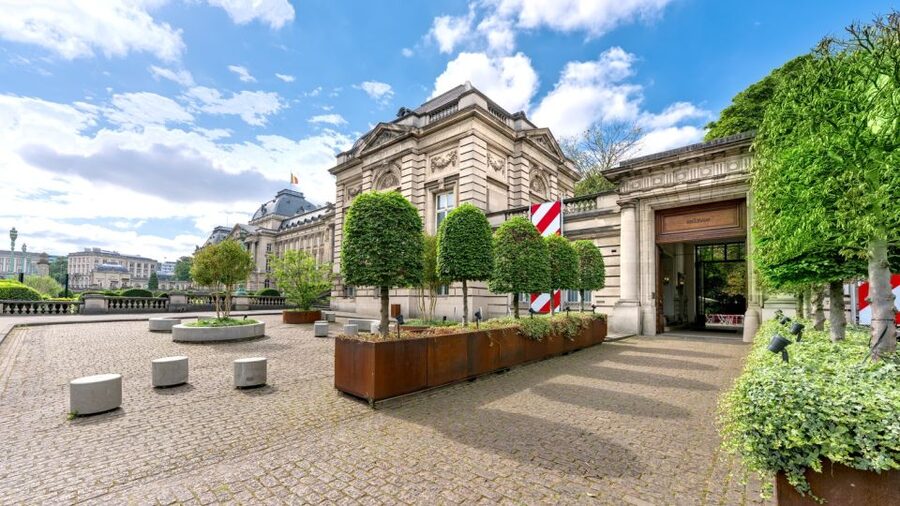
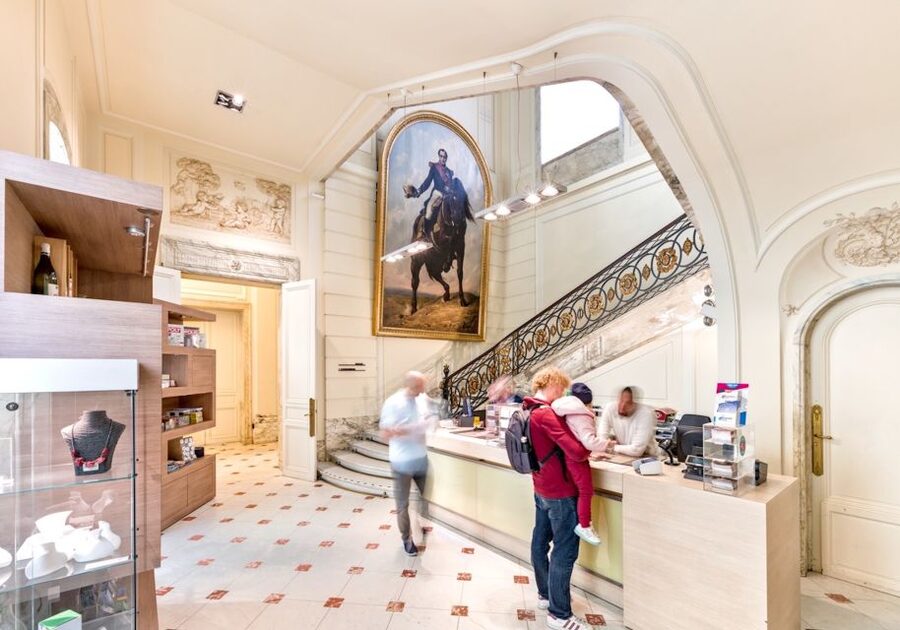
The entrance is next to the Royal Palace, one of the most useful location details when planning your day. You do not need to arrange hotel pickup or meet a guide somewhere across the city. The museum fits neatly into a central Brussels walking route.
Before entering, it helps to know what kind of experience you are choosing. This is a museum visit lasting up to one day on the ticket, not a timed walking tour through Brussels. You are responsible for making your way to the entrance, then exploring the displays on your own.
The visitor information booklet helps you get oriented. The audio guide can be downloaded for free and used on your own mobile phone. The listed languages are Dutch, English, French, German, and Italian, giving most international visitors a practical way to follow the material.
Bring enough phone battery for the audio guide. That is simple advice, but it matters when the tour depends on your own device. If you prefer to read rather than listen, the displays, booklet, videos, and graphics still give you several ways to approach the content.
Seven rooms, seven ways to understand Belgium
The heart of BELvue is arranged around seven themes. Each room adds a different piece to the national story.
Democracy
The democracy room looks at how Belgium is governed and how citizens take part in public life. News clips, posters, charts, and graphs make the topic more immediate than a wall of political dates.
This section should help you connect Belgium’s institutions with what you see in the city. It is especially useful if you want more than a quick picture of Brussels as the home of the European Union. The displays place Belgian public life in its own setting.
You may need to slow down here. Charts and political material can take more effort than the object gallery, especially if you are visiting with young children. The audio guide can help turn the information into a clearer sequence.
More Entry Tickets in Belgium:
- Edinburgh: Edinburgh Castle Guided History Tour with Tickets
★ 4.8 · 9,933 reviews - Taormina: Ancient Theater Skip-the-Line Ticket & Audio Guide
★ 4.5 · 2,412 reviews - Historic Milan Tour with Skip-the-Line Last Supper Ticket
★ 4.5 · 1,976 reviews - American Museum of Natural History Admission Ticket
★ 4.0 · 1,931 reviews
Prosperity
Prosperity brings the story closer to work, money, production, and everyday comfort. The museum’s object collection becomes important here because it shows how broad social change can appear in ordinary homes.
A coffee filter or electric fryer may seem modest beside a royal building. That is exactly the point. Objects linked to cooking, eating, and household routines show how technology and consumer life became part of Belgian identity.
I like this section because it gives you something concrete to remember. You may forget a graph, but you are more likely to recall the electric fryer when you see one later in a Belgian home or shop.
Solidarity
The solidarity room looks at the systems that support people and at the idea of social security. Videos explain the subject in a direct way, while the wider display helps place social protection within Belgian society.
This is one of the sections where the museum moves beyond national symbols. It asks you to think about how a country shares responsibility for health, welfare, and social support. The subject may feel less visually dramatic than the object gallery, but it adds real substance.
If you want a simple way to prepare, listen for the explanation of social security rather than trying to absorb every chart. You can return to the visual material if a particular issue interests you.
Pluralism
Pluralism explores the fact that Belgium contains different communities, views, and ways of life. The word can sound academic, but the museum presents it through public information and personal voices.
The contemporary testimonies are valuable here. Instead of hearing only an official version of Belgium, you get a sense of how social questions affect real people. The museum’s use of spoken testimony also keeps the visit from feeling like a static timeline.
This room is a good reason to use the audio guide. A personal account can add meaning to a poster or chart that might otherwise feel abstract.
Migration
Migration is another theme that helps explain present-day Belgium. The displays link movement between countries with the changing makeup of society.
Do not expect this to be a separate immigration exhibit with a long, detailed chronology. The museum treats migration as one part of the country’s larger development. That keeps the visit focused, though anyone seeking a specialist study of migration will probably want more time elsewhere.
For a first introduction, the room does its job. It encourages you to see Belgium as a society shaped by movement and change, not as a fixed picture of old buildings and national traditions.
Language
Belgium’s languages are central to understanding the country, and the language room gives that subject its own space. This is especially useful in Brussels, where you may hear and see different languages during the same day.
Videos explain the country’s spoken languages and show why language matters in public life. The topic can be difficult to grasp from a casual city visit, so the museum’s charts and recorded material provide helpful structure.
If you are visiting with children, this may be one of the easier themes to discuss together. Ask them to notice the languages they encounter after leaving the museum. That turns the display into something they can spot around Brussels.
Europe
The final theme places Belgium within Europe. It is a natural ending for a museum in Brussels, but the focus remains on Belgium’s role rather than treating the city only as an EU administrative center.
This room helps connect national identity with wider European cooperation. After seeing democracy, social support, migration, and language, you have a better basis for thinking about why Belgium’s European role matters.
The seven themes work best as a group. None needs to carry the whole visit. Together, they offer a broad introduction to the country’s public life and contemporary society.
The gallery of 200 Belgian objects
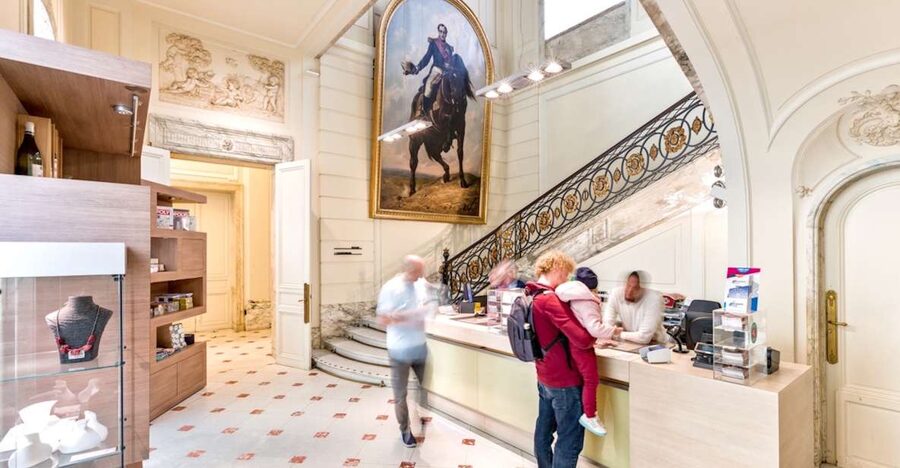
The gallery is likely to be the most instantly approachable part of the museum. More than 200 objects represent the material memory of Belgium, with items linked to domestic life, design, sport, and national habits.
Look for the coffee filters and electric fryer. They are not grand treasures, but they make the collection feel close to home. Val Saint-Lambert crystal vases add a more polished note, showing Belgium’s connection with craftsmanship and decorative design.
Football fans get a clear highlight: a ball signed by the Red Devils. That small object gives the collection a popular, emotional side. It is a reminder that national identity is built from shared passions as well as laws and institutions.
The gallery also gives you a break from text-heavy displays. If you find the charts or political material tiring, spend time with the objects. If you are with children, ask them to choose the item they find strangest or most useful. The museum’s high Belgium content works best when you treat it as a visual treasure hunt rather than a checklist.
There is a possible downside. With more than 200 objects, posters, videos, and graphics, the museum can feel busy. You may not know where to place your eyes first. I suggest choosing a few objects in each area instead of trying to examine everything.
How to use the audio guide well
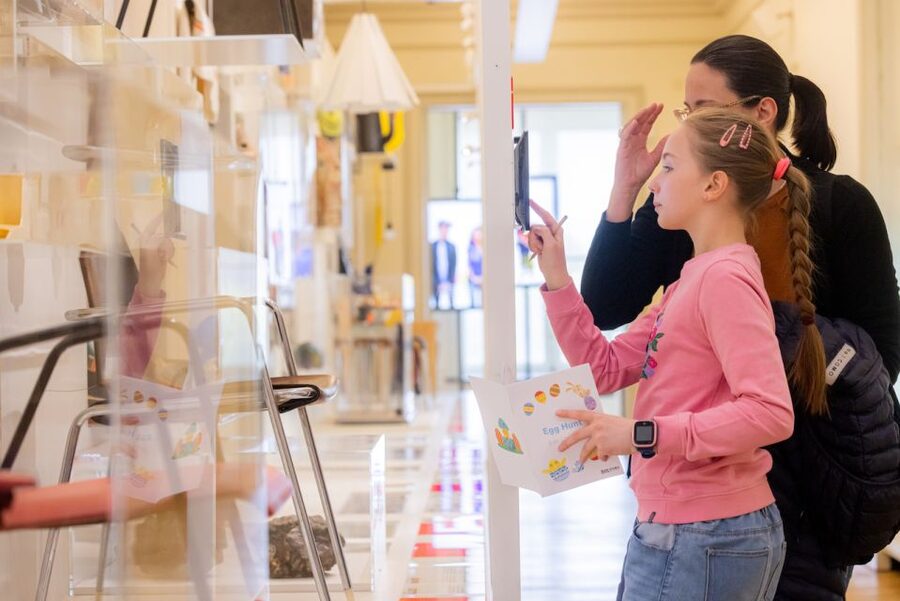
The audio guide is included and designed for your own mobile phone. It is listed in Dutch, English, French, German, and Italian. Since there is no live guide, you control the pace and volume of information.
I would use it selectively. Listen to the introduction and the sections that seem harder to understand, such as language, social security, or Belgium’s political structure. For familiar topics, move on and give your attention to the objects and videos.
This approach keeps the museum from becoming a long listening session. It also gives each person in your group more freedom. One person can listen while another studies a chart or moves ahead.
The free audio guide adds value to a $11 ticket because it gives you context without a separate guiding fee. Just remember that you need your own phone, and the museum does not list a live guide as part of the experience.
Is $11 a fair price?
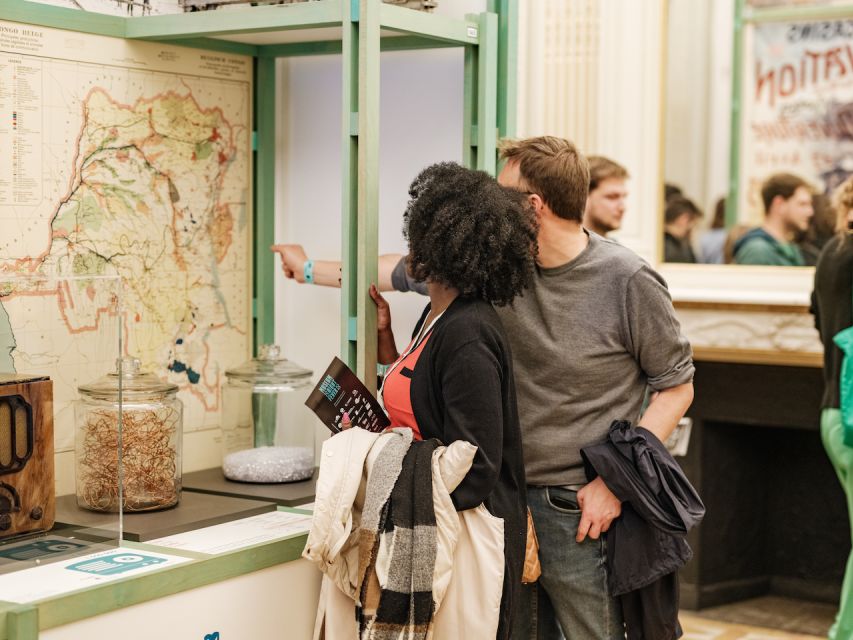
At $11 per person, BELvue is reasonably priced for a full day of access to a central museum, especially if you take time with all seven themes and the gallery. The visitor booklet and audio guide are included, so you are not paying extra for basic orientation.
The value depends on your interest. If you want a quick look at famous paintings or royal rooms, this may not be your best museum choice. If you want to understand Belgium’s society and see objects tied to ordinary life, the ticket offers more than a short photo stop.
The museum also works well as a companion to nearby sightseeing. Since the entrance is beside the Royal Palace, you can combine it with a walk in the surrounding area without arranging transport. That saves both time and planning effort.
The main cost is your attention. You will get more from the ticket if you allow enough time for the videos, testimonies, and object displays. A rushed visit may leave you feeling that there was too much material packed into the rooms.
Who should visit BELvue?
I recommend this museum for first-time visitors who want a basic grasp of Belgium beyond architecture and chocolate. It is also a good choice for anyone curious about language, social security, migration, or how national identity is built through everyday objects.
Families can adapt the visit to suit different ages. Younger children may prefer the signed football, household objects, and short videos. Older children and teenagers can engage with the language and democracy sections.
It also suits solo visitors because there is no fixed group pace. Couples and friends can split up briefly and meet again without missing a guide’s commentary.
You may want to skip it if you strongly dislike museums with charts, political themes, and a lot of written material. One display area can feel long and crowded with information. The experience is more rewarding when you accept that you will not read every word.
The museum is wheelchair accessible. If you plan to arrive with a wheelchair, contact the museum in advance so staff can make the right preparations. Pets are not allowed, although assistance dogs are permitted.
Booking and cancellation details
The ticket is valid for one day, with starting times based on availability. You can reserve now and pay later, which is useful if you are still arranging your Brussels schedule.
Free cancellation is available up to 24 hours in advance for a full refund. No hotel pickup or drop-off is included, and no live guide accompanies the visit.
Should you book the BELvue Museum?
Book it if you want a clear, modern introduction to Belgium and you enjoy museums that connect public issues with ordinary life. The seven themes give you a useful structure, while the 200-plus objects keep the visit from becoming only politics and statistics.
I especially recommend it before spending more time in Brussels. The sections on language, migration, democracy, and Europe can help you read the city with sharper eyes. At $11, the audio guide, booklet, central location, and full-day validity make the price fair.
Skip it if your limited time is reserved for art museums or if you prefer a fast, purely visual attraction. For everyone else, BELvue is a practical way to understand the country behind the postcards, provided you pace yourself and do not try to absorb every display in one sweep.
FAQ
Where is the BELvue Museum entrance?
The entrance is next to the Royal Palace in Brussels.
How long is the BELvue Museum ticket valid?
The ticket is valid for one day. Available starting times depend on the date you select.
What does the BELvue Museum ticket include?
It includes museum entry, a visitor information booklet, and a free downloadable audio guide.
What languages are available for the audio guide?
The audio guide is listed in Dutch, English, French, German, and Italian.
Is a live guide included?
No. The experience includes an audio guide for your own mobile phone, but not a live guide.
Is the museum wheelchair accessible?
Yes, the museum is wheelchair accessible. If you are arriving with a wheelchair, let the museum know in advance so it can make the right preparations.
Are pets allowed inside the museum?
Pets are not allowed. Assistance dogs are permitted.
Can I cancel the ticket for a refund?
Yes. You can cancel up to 24 hours in advance for a full refund.
Latest history tours reviewed in Belgium
- Brussels: Museum Art & History Entry Ticket★ 4.5 · 58 reviews
- Brussels on Foot: Historic Center with a Local Guide in 2 hours★ 4.3 · 36 reviews
- Bruges: History, Chocolate and Beer Walking Tour★ 4.9 · 65 reviews
- Unforgettable Bruges: Sightseeings, History and Tasting.★ 4.3 · 27 reviews
- Bruges: Historical Walking Tour with Food Tasting★ 3.6 · 22 reviews
- Bruges: Nightly Tales and Untold History Walking Tour★ 4.9 · 154 reviews
- Antwerp: Private 3-Hour Historical Sightseeing Walking Tour★ 4.8 · 70 reviews
- Antwerp: Private Historical Highlights Walking Tour★ 4.9 · 36 reviews
Belgium History Tours, compared.
Brussels: Historical Tour with Chocolate & Waffle Tasting
Read our review →
THE Storytelling Tour of Bruges | First Day Must | History & Tips
Read our review →

Private Historical Tour: The Highlights of Bruges
Read our review →
Browse the lists this tour appears in