
Review · NEW YORK CITY
American Museum of Natural History Admission Ticket
New York’s American Museum of Natural History packs 13 billion years of science into a grand Upper West Side building. You can stand beneath a 94-foot blue whale, face a Tyrannosaurus rex skeleton, then move from African mammals to gems, dinosaurs, outer space, and human cultures without leaving the complex.
I like the freedom to arrive at a time that suits you and stay as long as you want. I also like the mix of crowd-pleasers and serious science, which gives children plenty to see while adults keep finding worthwhile displays. The main catch is practical: a third-party voucher may need to be exchanged for a museum ticket, and some people have faced a long line for that step.
Key points before you book

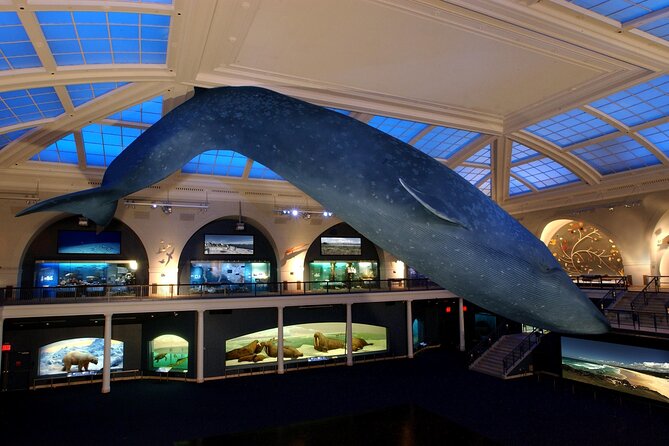
- The blue whale is a must-see: The 94-foot model in Milstein Hall of Ocean Life is one of the museum’s signature sights.
- Four floors require a plan: Three hours gives you a useful visit, but seeing the major halls at an easy pace can take most of a day.
- General admission has limits: Permanent halls, the Rose Center, and the Richard Gilder Center are included, but several popular attractions cost extra.
- The museum suits families well: Children can focus on dinosaurs, animals, space, and familiar movie-linked displays while adults explore more detailed science.
- Bring a paper map: The building is huge, signs can be hard to follow, and it is easy to lose time finding the next hall.
- Check the ticket exchange: A voucher is not always the same as an entry ticket, so allow time at the admission desk.
What your $37 admission covers
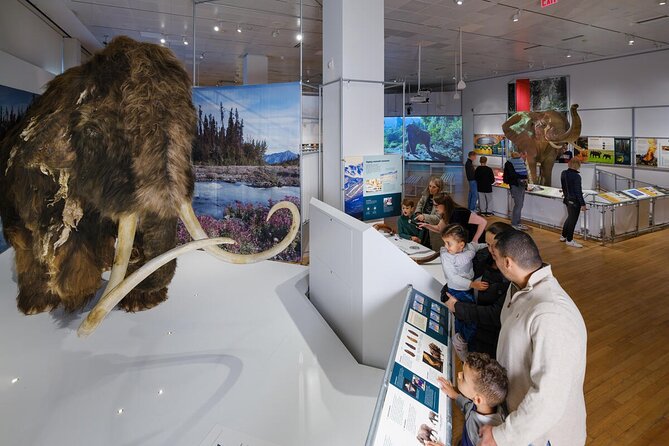
The listed price is $37 per person, which is reasonable if you spend three to four hours inside, and potentially good value if you stay much longer. You receive access to more than 40 permanent exhibition halls, the Rose Center for Earth and Space, and the Richard Gilder Center for Science, Education, and Innovation.
That is a lot of museum for one admission. You are not buying a guided tour with a set route or a named guide. Instead, you get the useful freedom to choose your own pace, skip sections that do not interest you, and return to a favorite hall if time allows.
The value depends on how you use the ticket. If you only have 90 minutes, the building can feel like a costly sprint. If you plan a half-day or full-day outing, the price makes more sense, especially for a family that wants a weather-proof activity with plenty of separate subjects to explore.
Children under three do not pay admission. New York residents have a pay-what-you-wish arrangement for general admission at the museum, so this third-party ticket is mainly worth considering if you are visiting from outside the city and prefer to arrange entry before arriving.
More Museum and Gallery History Tours in the USA
- New York City: American Museum of Natural History Ticket
★ 4.5 · 15,447 reviews - Guided African American History Tour with Reserved Museum Entry
★ 4.5 · 1,180 reviews - Chicago: Field Museum of Natural History Ticket or VIP Tour
★ 4.7 · 717 reviews
Getting to the Upper West Side
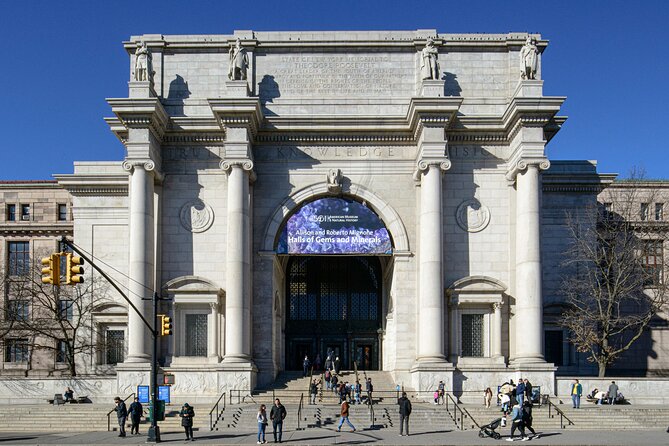
The museum is on the Upper West Side of Manhattan, near Central Park, making it easy to pair with time outdoors. You can treat the museum as the main event, then walk in the park afterward, or use the museum as a useful indoor stop during poor weather.
It is near public transportation, so you do not need a car. The exact journey will depend on where you are staying, but the location works well for a day built around the museum and nearby Central Park.
Give yourself time to arrive at the building, find the correct entrance, and deal with ticket conversion if needed. The museum is popular, and it can become crowded even early in the day. One useful tactic is to arrive near opening time, go first to the display you most want to see, and save less important halls for later.
The ticket exchange can change your arrival
This is the most important practical warning. The voucher supplied with this experience may need to be exchanged for the museum’s actual admission ticket. That means you might still need to join a ticketing line before entering the exhibition halls.
Some bookings have been processed quickly. Others have involved a long wait, including reports of more than an hour and, in one case, a line stretching around the block. That is a serious concern if you are visiting with very young children or have a tightly timed New York itinerary.
I would check the voucher instructions carefully before leaving your hotel. Keep the booking details easy to open on your phone, but do not assume that a QR code alone guarantees immediate entry. If saving time is your top priority, buying directly from the museum may be the simpler choice.
This issue does not erase the value of the museum itself, but it does affect the value of this particular booking method. A low-cost admission becomes less attractive if you lose an hour in a queue before seeing anything.
Start with a map and a short list
The museum is large, spread across four levels, and not always easy to navigate. Pick up a paper map at an entrance, information desk, or membership desk. Mark two or three must-see halls before setting off, then add nearby sections as your energy and time permit.
Trying to see every room in one straight march is tiring. The hard floors and long distances can wear you down, especially with a stroller or small children. A map helps you group nearby exhibits instead of crossing the building repeatedly.
A practical three-hour plan might look like this:
- Begin with the dinosaur halls while everyone is fresh.
- Move to the African mammals and the blue whale.
- Take a break, then choose either space, gems, or the Gilder Center.
- Finish with any family favorite you skipped earlier.
If you have four hours or more, you can add cultural halls, more animal displays, and time for the building’s architectural details. Do not measure success by the number of rooms completed. A few well-chosen halls can make a better day than racing through all 40.
Same old streets, another chapter:
- History and Hauntings of Salem Guided Walking Tour
★ 5.0 · 14,564 reviews - Charleston’s Old South Carriage Historic Horse & Carriage Tour
★ 5.0 · 10,023 reviews - Beneath The Streets Underground History Tour
★ 4.5 · 8,006 reviews - Big Island in a Day: Volcanoes Waterfalls Sightseeing and History
★ 5.0 · 6,569 reviews
Dinosaurs deliver the first big payoff
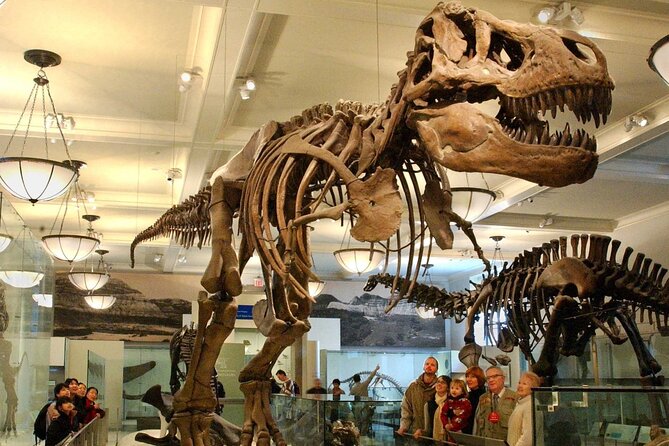
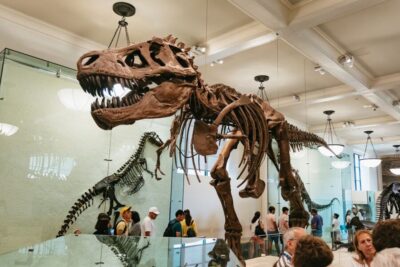
The Hall of Saurischian Dinosaurs contains the Tyrannosaurus rex skeleton, one of the museum’s strongest draws. Dinosaur displays give children an immediate reason to pay attention, but they also provide scale and context that make the science accessible to adults.
The dinosaur sections can become a bottleneck because they are among the first places families want to see. If your children have a single priority, make this hall an early stop. You can then move on before the crowds and fatigue build.
The museum’s dinosaur material is also useful for mixed-age groups. Younger children can focus on size and appearance, while older children and adults can spend more time with the scientific explanations. That split makes the museum easier for families with different interests.
Do check current conditions on the day of your visit. Some halls or displays may be partly closed for refurbishment, and that can change the experience.
African mammals and the famous blue whale
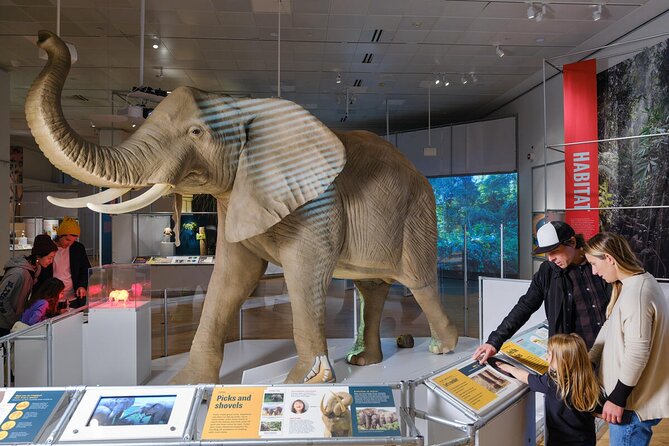
The Akeley Hall of African Mammals features Asian elephants among its major displays. The museum’s animal halls use carefully arranged specimens to show animals in a natural setting, giving you a strong visual contrast with the skeletal displays in the dinosaur galleries.
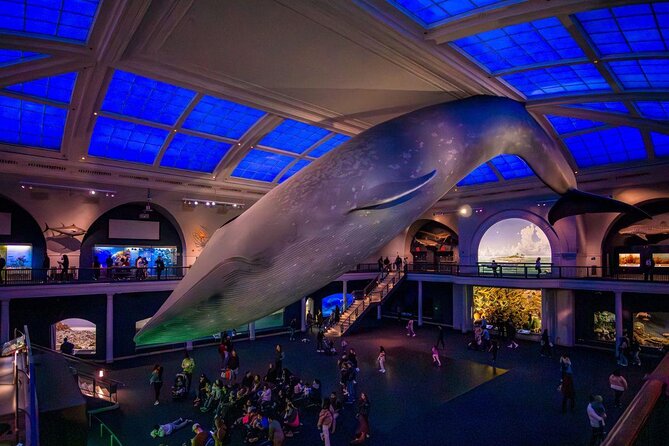
For many people, the highlight is Milstein Hall of Ocean Life and its 94-foot blue whale model. The whale’s size makes the ocean feel enormous in a way that a wall panel cannot. It is also a good hall for families because you can appreciate the main sight quickly, then stay longer for the surrounding marine displays.
These halls give the visit a useful rhythm. Dinosaurs are dramatic and ancient, mammals feel familiar, and the whale shifts your attention to a world most people cannot easily observe firsthand. You can cover all three without needing a separate tour or special reservation.
Space, Earth, and the Gilder Center
General admission includes the Rose Center for Earth and Space. This section broadens the visit beyond animals and fossils, giving you a chance to think about planets, stars, and the long development of the universe.
The scale of the museum’s subject matter is one of its strengths. You can move from a single animal specimen to questions about Earth and the wider universe in the same afternoon. For school-age children, that range can turn a standard sightseeing day into a useful science lesson without feeling like a classroom.
Admission also includes the Richard Gilder Center for Science, Education, and Innovation. Since the museum is so large, these newer or more interactive areas can give your visit a different feel from the traditional display halls. Allow time to see them rather than spending every minute on the best-known dinosaurs and animals.
The Hayden Planetarium Space Show is not included. That distinction matters because families may reasonably assume that all space-related attractions come with general admission. If the planetarium is important to you, confirm the extra ticket requirement before you arrive.
What is not included

General admission covers the permanent exhibition halls, the Rose Center, and the Richard Gilder Center. It does not include:
- Ticketed special exhibitions
- Invisible Worlds
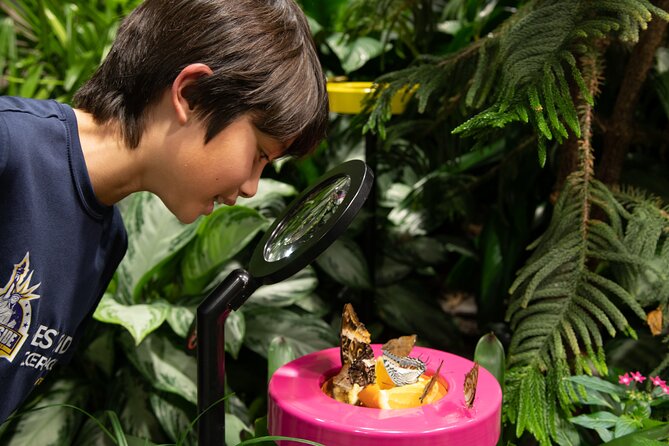
- The butterfly vivarium
- The giant-screen film
- The Hayden Planetarium Space Show
The butterfly vivarium can be a memorable add-on, particularly for children, but it requires separate planning and a separate ticket. The same is true of the planetarium and giant-screen film. Do not build your day around these attractions unless you have confirmed availability and paid for the required admission.
This is also where the $37 price can become less straightforward. The base ticket is good value for a long visit, but your total cost rises if your family wants several extras. Decide in advance which paid additions matter most so you are not making rushed choices inside.
Crowds, comfort, and the pace of the day
The museum can become hot and crowded in its busiest halls. Even an early arrival may turn into a packed visit within 30 minutes, so you should not expect quiet galleries throughout the day.
Crowds affect more than comfort. They slow movement, make it harder to read labels, and can make the building feel even more confusing. Arriving early remains sensible, but a good map and a flexible route matter just as much.
Plan a break. The food court has some gluten-free choices, including gluten-free pizza and brownies, which is helpful for families managing dietary needs. You should still allow time for the break rather than treating food as an afterthought.
The museum works well with strollers and ADA access, but you will still cover a lot of ground. Hard floors and four levels can be tiring. Comfortable shoes, a light day bag, and realistic expectations will improve the experience.
Who will enjoy this most
This admission suits families with children, couples who like museums, adult children traveling together, and anyone who wants a substantial indoor activity in New York. It is especially useful for mixed groups because no one has to follow a fixed tour route.
Children can chase the most recognizable subjects: dinosaurs, elephants, whales, space, and displays connected with Night at the Museum. Staff can help point families toward those familiar sights. Adults can then spend extra time with gems, cultural displays, or scientific material that younger children may skip.
You should think twice if you dislike large museums or have only a short gap in your schedule. The building can feel confusing, and the sheer amount of material makes a rushed visit frustrating. If you want a calm, carefully guided experience with one clear theme, this self-guided admission may not be the best fit.
Cancellation and final planning details
Free cancellation is available if you cancel at least 24 hours before the experience start time. Within 24 hours, the payment is not refunded, and changes are not accepted.
Confirmation is provided at booking. Service animals are allowed, most people can take part, and paper maps are available at museum entrances, information desks, and membership desks. Children under three qualify for free admission.
I would reserve at least three hours, and preferably four if the museum is a major part of your day. Add extra time if you want a paid exhibition, the butterfly vivarium, the film, or the planetarium.
Should you book this admission?
The museum itself is an excellent New York choice. The dinosaurs, giant blue whale, African mammals, Rose Center, and Gilder Center give you enough variety for a full half-day, and children and adults can follow different interests under one roof.
I would book this option if you value flexible timing and plan to stay several hours. I would be cautious if you are buying mainly to skip the line, because the voucher may still need to be exchanged for an admission ticket. If fast entry is essential, compare this $37 option with direct museum admission before paying.
For the best day, arrive early, get a map, choose your priorities, and check which special attractions require extra tickets. With that plan, this is one of New York’s most useful family museums and one of the few places where a dinosaur skeleton, an elephant group, and a blue whale can all fit into the same afternoon.
FAQ
Where is the American Museum of Natural History?
The museum is on the Upper West Side of Manhattan in New York City, near public transportation and Central Park.
How long should I plan to spend inside?
Plan on at least three hours. The museum is large, and seeing the four levels at a comfortable pace can take much of a day.
What does general admission include?
General admission includes more than 40 permanent exhibition halls, the Rose Center for Earth and Space, and the Richard Gilder Center for Science, Education, and Innovation.
Are the planetarium and special exhibitions included?
No. Ticketed exhibitions, Invisible Worlds, the butterfly vivarium, the giant-screen film, and the Hayden Planetarium Space Show are not included in general admission.
Do children under three need a ticket?
No. Children under three qualify for waived admission fees.
Can I get a map inside the museum?
Yes. Paper maps are available at museum entrances, information desks, and membership desks.
Can I cancel for a refund?
Yes, if you cancel at least 24 hours before the experience start time. Cancellations made less than 24 hours before the start time are not refunded.
Latest history tours reviewed in the USA
- Franklin: Ghost Tour in Historic Franklin★ 4.8 · 65 reviews
- Fort Worth: Stockyards History Tour Pub Crawl★ 4.8 · 39 reviews
- Downtown Flagstaff Haunted History Walking Tour★ 4.7 · 46 reviews
- New York City: Flatiron Food, History, and Architecture Tour★ 4.8 · 43 reviews
- Fairbanks: Gold Dredge 8 Historic Train Tour★ 4.7 · 219 reviews
- Fairbanks: Private Mush on the Historic Yukon Quest Trail★ 5.0 · 30 reviews
- Charleston:Evening Haunted History Horse-Drawn Carriage Tour★ 4.7 · 38 reviews
- Philadelphia: Valley Forge National Historical Park Tour★ 4.9 · 39 reviews
New York City History Tours, compared.
New York City: American Museum of Natural History Ticket
Read our review →
Hamilton and Washington Revolutionary Walking Tour
Read our review →
#1 Rated NYC Chinatown Food and History Walking Tour with FNYT
Read our review →
Lower Manhattan Secrets And History Walking Tour
Read our review →
NYC: Central Park Pedicab Tour and Natural History Access
Read our review →
New York City: Flatiron Food, History, and Architecture Tour
Read our review →
NYC: New York City History of Stand-Up Comedy Tour
Read our review →Browse the lists this tour appears in