
Review · BELGIUM
Brussels: Museum Art & History Entry Ticket
The most memorable part of this museum is its enormous sweep: you can move from prehistoric objects to ancient Egypt, then on to Rome, Asian Buddhas, Belgian art, and Art Nouveau under one roof. The model of ancient Rome gives the past a clear shape, while the Egyptian galleries add the expected touch of mystery.
I like the worldwide range and the freedom to visit at your own pace. I also like the easy pairing with Cinquantenaire Park, where you can end the day with a picnic. The main drawback is simple: the collection is so large that a short visit can feel rushed, so you should choose a few sections before entering.
Key points to know before you go
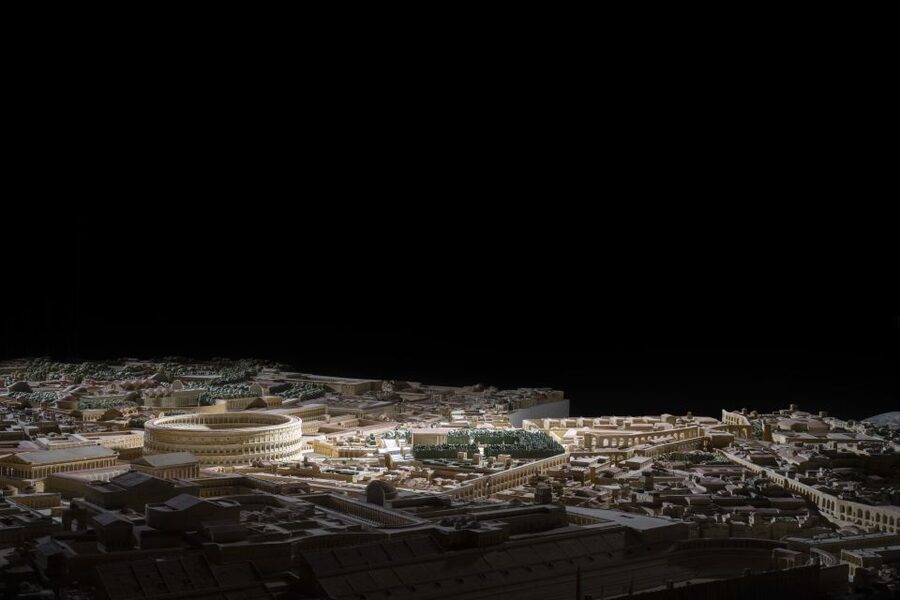
- Ancient Rome in miniature: The model of Roma helps you picture the scale and layout of the imperial city.
- Egyptian mummies: The Egyptian section supplies the museum’s most immediate sense of mystery, including the famous curse theme.
- Four broad collections: Explore ancient history, Belgian and European archaeology, European decorative arts, and cultures from Asia and the Americas.
- A full day for $11: The ticket is valid for one day, making the price strong if you plan to spend several hours inside.
- Parkside location: Cinquantenaire Park gives you an easy outdoor break after the galleries.
- Check the entrance carefully: The door is on the opposite side of the building from Autoworld, not beside it.
A museum that covers human history in one building

Brussels’ Museum Art & History, also called the Royal Museum of Art and History, occupies a grand classical building at Parc du Cinquantenaire. Inside, the displays take you through a long stretch of human creativity and daily life, beginning with the earliest archaeological finds and reaching into the early 20th century.
That range is the museum’s great strength. You are not limited to one country, period, or artistic style. You can look at prehistoric objects, compare ancient Egyptian and Greek cultures, then switch gears with European furniture, Islamic art, Chinese objects, or Indian religious pieces.
I recommend treating the museum as a menu rather than a race. If you try to see every room in one visit, the labels and objects will begin to blur together. Pick two or three main interests, then allow time for the sections that catch you by surprise.
The ticket gives you entry for one day, not a timed guided tour. That matters because you can set your own pace, pause for lunch, or leave for the park and return according to the ticket conditions and opening arrangements available when you book.
More Museum and Gallery History Tours in Belgium:
- Brussels: BELvue Belgium History Museum Entry Ticket
★ 4.6 · 27 reviews - New York City: American Museum of Natural History Ticket
★ 4.5 · 15,447 reviews - Paris: Louvre Museum Entry with History of Mona Lisa
★ 3.9 · 2,823 reviews
Start with prehistory and Belgium’s archaeological past
The national archaeology collection begins before written records. This section helps you see Belgium as more than a modern European capital. It presents objects connected with the people and cultures that lived in this region long before today’s borders existed.
You might find this area less immediately dramatic than the mummies or Roman displays, but it provides useful grounding. Small tools, ornaments, and remains can say a great deal about technology, belief, and ordinary life. I like beginning here because it gives the later galleries a longer timeline.
This is also a good part of the museum for families. Younger children may respond best to the visible objects and the idea of people living thousands of years ago. A February 2026 booking described the museum as impressive for both adults and children, and the broad mix of objects explains why it can work for different ages.
You do not need to spend hours in every archaeological case. Give the section enough time to understand the sequence, then move on when your attention starts to fade.
Egyptian mummies and the museum’s darker side
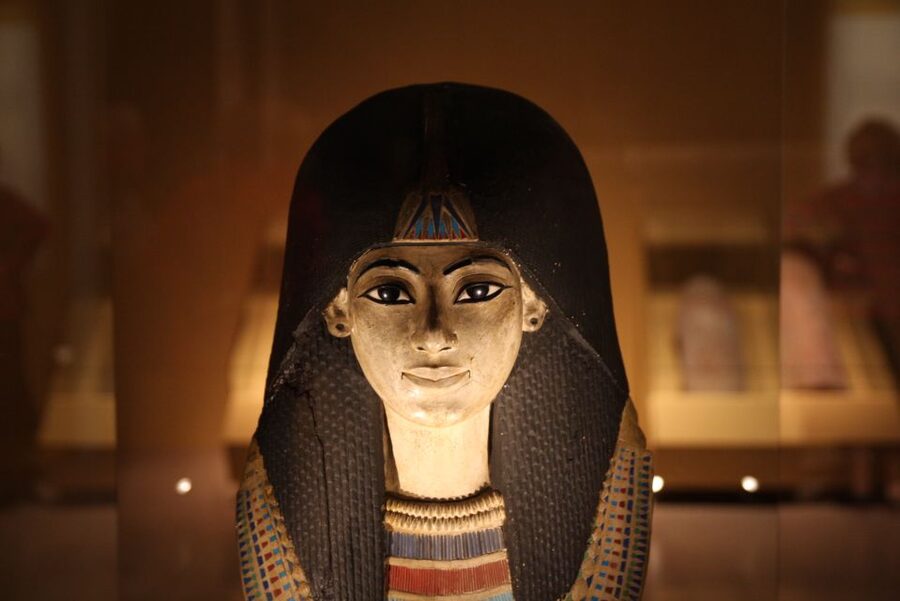
Ancient Egypt supplies the most obvious crowd-puller. The mummy displays connect the museum to the familiar stories of tombs, pharaohs, rituals, and the curse associated with disturbing the dead.
The curse theme is a useful hook, but the Egyptian collection offers more than a spooky moment. Look at how objects relate to burial customs, religion, and the Egyptian view of life after death. Even if you arrive mainly for the mummies, the surrounding material gives them meaning.
This gallery can be particularly effective for children, although the subject may be intense for very young visitors. If you are visiting with a family, you can use the displays to talk about how museums preserve fragile remains and why ancient people placed objects in tombs.
Flash photography is not allowed. Keep your camera settings quiet and follow the room instructions, especially around sensitive objects and darker display areas.
Greece, Rome, and the model of Roma

The ancient history galleries continue through Greece and Rome. This is where the visit shifts from early archaeology to the art, architecture, and political worlds of the Mediterranean.
The model of Roma is one of the most useful objects in the museum because it turns an abstract ancient city into something you can read at a glance. Rome was huge and complicated. A model lets you see how its buildings and districts related to one another instead of viewing each ruin as an isolated object.
I would make this a priority even if you have only a few hours. It gives context to Roman power and urban life, and it is easier for children to understand than a long sequence of small artifacts.
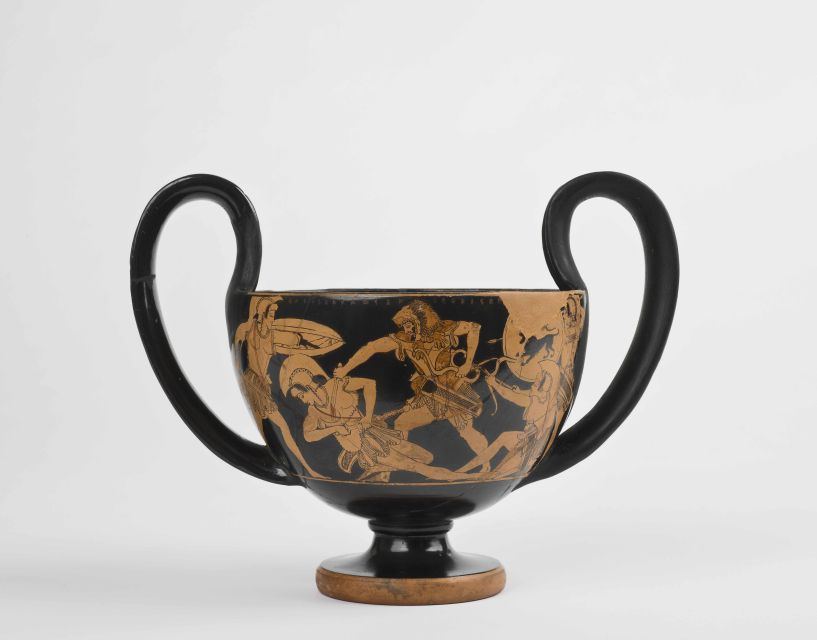
The Greek and Roman sections also provide a natural bridge to the rest of the museum. You can see how artistic ideas, religious images, and decorative forms developed before later cultures adapted them. The museum does not ask you to follow a single national story. It lets you compare civilizations as you move through the rooms.
More Entry Tickets in Belgium:
- Edinburgh: Edinburgh Castle Guided History Tour with Tickets
★ 4.8 · 9,933 reviews - Taormina: Ancient Theater Skip-the-Line Ticket & Audio Guide
★ 4.5 · 2,412 reviews - Historic Milan Tour with Skip-the-Line Last Supper Ticket
★ 4.5 · 1,976 reviews - American Museum of Natural History Admission Ticket
★ 4.0 · 1,931 reviews
European decorative arts from the 10th to 20th centuries
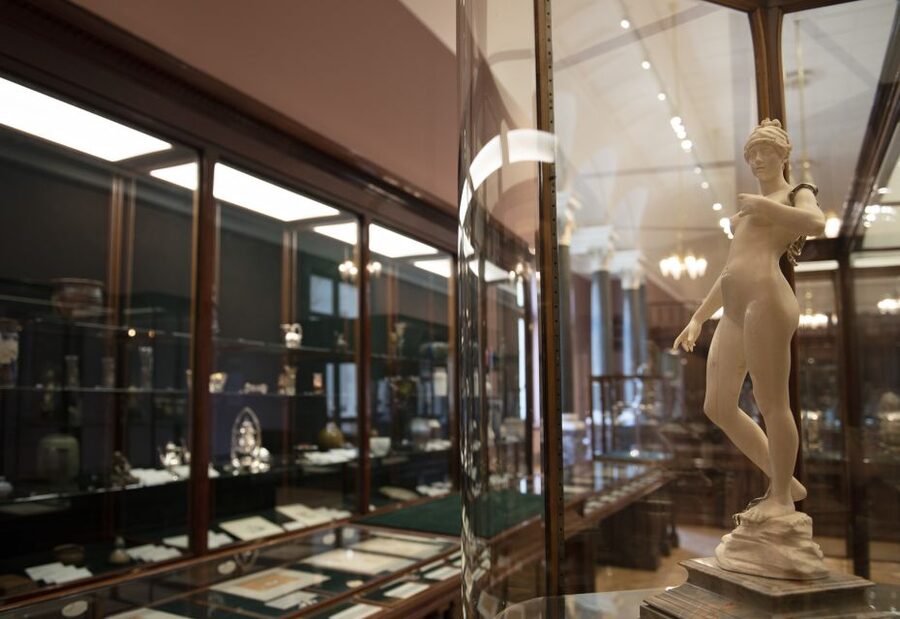
The European decorative arts collection covers roughly a thousand years, from the 10th century through the 20th. This is a large span, and it rewards visitors who enjoy objects made for both use and display.
You can expect a change in mood after the ancient galleries. Instead of focusing mainly on archaeology and ancient religion, these rooms turn attention toward craftsmanship, domestic life, design, and changing taste across Europe.
The collection reaches into Art Nouveau and Art Deco from the early 20th century. Those styles are especially relevant in Brussels, a city closely linked with Art Nouveau architecture. The museum gives you a useful indoor introduction to the decorative side of that period, even if your main interest is city sightseeing.
I like this section for a slower visit. Look closely at materials, patterns, and shapes rather than trying to memorize dates. If you have already spent a long time with the ancient collections, this change can refresh your attention.
Asian art, Islamic works, India, and China
The non-European collections broaden the visit beyond Belgium and the Mediterranean. The galleries include the Islamic world, India, China, and other Asian material, with Buddhas among the objects you can encounter.
These rooms are valuable because they prevent the museum from becoming a simple survey of European history. You get a chance to compare religious imagery, artistic techniques, and ideas about beauty across different cultures.
The word oriental appears in the supplied description, but the collection itself covers several distinct regions and traditions. It is better to think of these galleries as a series of separate cultural areas rather than one single category.
Asian Buddhas may be the most accessible starting point for visitors who do not know the collections well. Their forms are recognizable, but the details vary widely. Take time to compare posture, expression, and decoration. The museum can introduce you to these differences without requiring specialist knowledge.
You should not expect every object to come with a long explanation that makes its meaning instantly clear. If a display interests you, slow down and read its label. If not, continue onward. The freedom to choose is part of the value of a self-guided ticket.
The building and Cinquantenaire Park
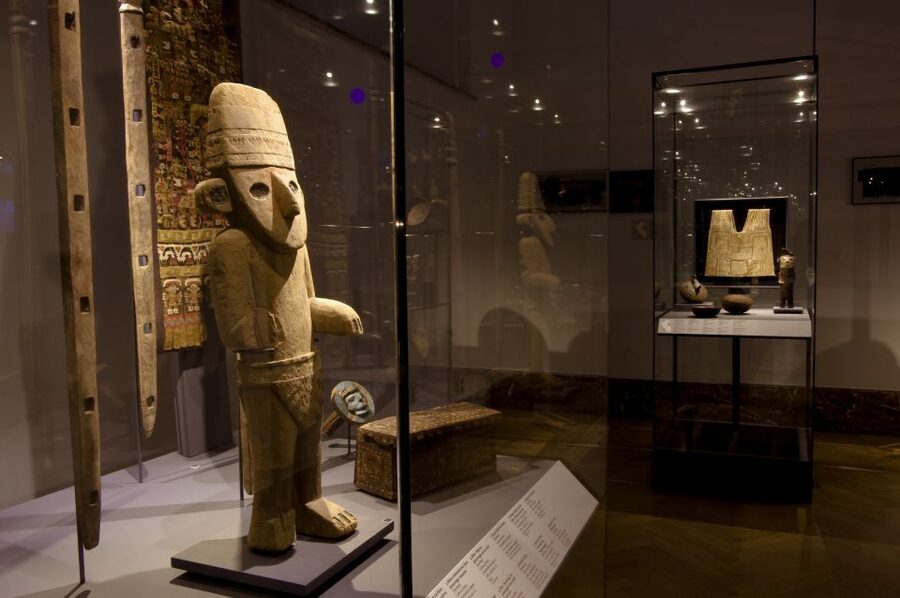
The museum’s setting is part of its appeal. The classical building sits in Parc du Cinquantenaire, giving you a substantial outdoor space before or after the galleries.
A picnic in the park is the obvious finish. The plan works especially well for families and for anyone who needs a break from indoor displays. You can also use the park to reset your attention before returning to the museum, provided your ticket and the day’s entry arrangements allow it.
Do not confuse this museum entrance with Autoworld. The entrance is on the other side of the building, so walk around the corner and follow the museum signs. This small detail can save you an unnecessary lap around the complex.
The location is also handy by public transport. Merode and Schuman are within walking distance, with Schuman listed as the nearest metro station. Bus 22, 27, and 80 stop at Galliërs, while bus 61 and trams 81 and 82 stop at Merode. From Brussels Central Station, use the metro connection to reach the museum.
How much time should you allow?
The ticket is valid for one day, so you have room to shape the visit around your own schedule. The museum covers enough ground for a full day, but you do not need to spend all day inside to make the admission worthwhile.
For a short visit, I would choose the model of Roma, ancient Egypt, and one of the non-European collections. For a longer visit, add prehistoric archaeology, Greece, European decorative arts, and the Art Nouveau and Art Deco material.
The lack of a listed guide means you should expect an independent museum visit rather than a tour with a named expert. That suits you if you prefer quiet concentration and flexible timing. It is less suitable if you want a carefully edited route or live explanations in each room.
The skip-the-ticket-line feature helps at the entrance, though it does not remove the need to navigate a large building. Wheelchair access is available, which makes the ticket practical for visitors who need an accessible museum setting.
Is the $11 ticket good value?
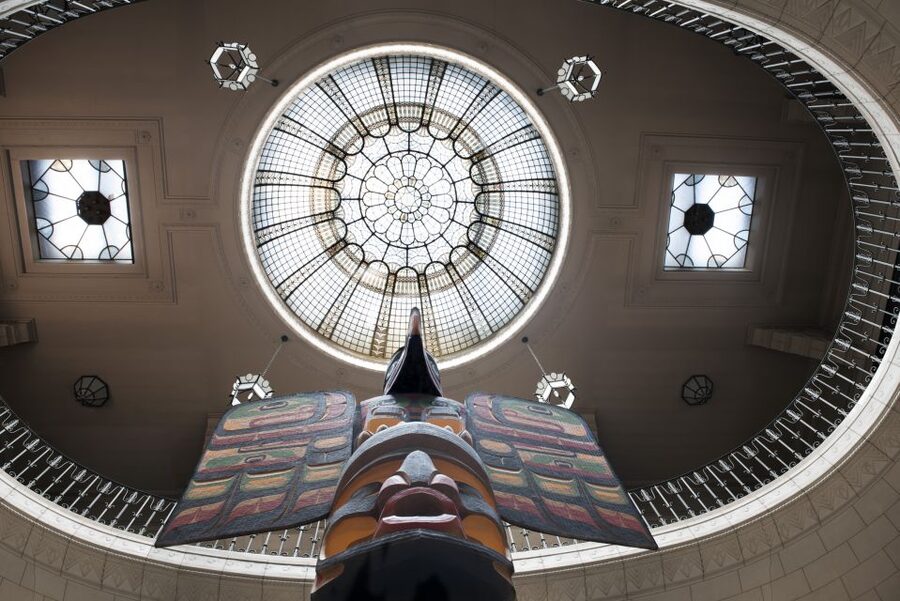
At $11 per person, the admission is good value if you plan to see several departments. A single ticket covers ancient history, national archaeology, European decorative arts, and non-European cultures, rather than one small temporary display.
The value becomes weaker if you only want one object or have less than an hour. In that case, the museum’s size may work against you. You will spend part of your visit finding your way through a large collection instead of getting a focused experience.
Check your existing passes before booking. A Belgian customer with a Museum Pass reported paying 8 euros unnecessarily, so you should confirm what your pass already covers and whether a separate reservation is needed.
The reserve-now-and-pay-later option adds flexibility, and cancellation is available up to 24 hours before the visit for a full refund. Check the available start times when choosing your date, since the ticket is valid for one day but availability still depends on the selected booking details.
Who will enjoy this museum most?
I would recommend it to families, first-time visitors to Brussels, history fans, and anyone who likes comparing cultures under one roof. It is also a smart rainy-day plan, although the park makes it useful in good weather too.
Children may connect with mummies, Roman models, and Buddhas more quickly than with long runs of decorative objects. Teenagers and adults can choose their own sections, which keeps the visit from feeling like a compulsory march through every gallery.
You may want a different experience if you prefer a small museum with one clear subject. This is a large institution, and its range can feel scattered unless you set a route. The museum rewards curiosity more than speed.
Should you book the Museum Art & History ticket?
Book it if you want a flexible, self-guided day covering Egypt, Rome, Belgium, Europe, Asia, and the Americas for a modest price. The model of Roma, Egyptian mummies, and the park setting give you three clear reasons to go.
Skip it if your time in Brussels is very limited or if you already have a pass that includes admission. For most visitors with several hours, though, the ticket offers a useful break from the city streets and a broad look at art and history without requiring a guided schedule.
FAQ
Where is the Museum Art & History located?
It is at Parc du Cinquantenaire in the Brussels Capital Region, inside a classical building.
Is the entrance next to Autoworld?
No. The entrance is on the other side of the building from Autoworld. Walk around the corner and follow the signs.
How long is the ticket valid?
The ticket is valid for one day.
Does the ticket include museum admission?
Yes. Entry tickets are included.
Is the ticket wheelchair accessible?
Yes, the activity is listed as wheelchair accessible.
Can I skip the ticket line?
Yes. The ticket includes skip-the-ticket-line access.
How do I reach the museum by public transport?
The nearest metro station is Schuman. Merode and Schuman train stations are within walking distance. Bus 22, 27, and 80 stop at Galliërs, while bus 61 and trams 81 and 82 stop at Merode.
Is flash photography allowed?
No. Flash photography is not allowed.
Can I cancel the booking?
Yes. You can cancel up to 24 hours in advance for a full refund. You can also reserve now and pay later, keeping your plans flexible.
Latest history tours reviewed in Belgium
- Brussels: BELvue Belgium History Museum Entry Ticket★ 4.6 · 27 reviews
- Brussels on Foot: Historic Center with a Local Guide in 2 hours★ 4.3 · 36 reviews
- Bruges: History, Chocolate and Beer Walking Tour★ 4.9 · 65 reviews
- Unforgettable Bruges: Sightseeings, History and Tasting.★ 4.3 · 27 reviews
- Bruges: Historical Walking Tour with Food Tasting★ 3.6 · 22 reviews
- Bruges: Nightly Tales and Untold History Walking Tour★ 4.9 · 154 reviews
- Antwerp: Private 3-Hour Historical Sightseeing Walking Tour★ 4.8 · 70 reviews
- Antwerp: Private Historical Highlights Walking Tour★ 4.9 · 36 reviews
Belgium History Tours, compared.
Brussels: Historical Tour with Chocolate & Waffle Tasting
Read our review →
THE Storytelling Tour of Bruges | First Day Must | History & Tips
Read our review →

Private Historical Tour: The Highlights of Bruges
Read our review →
Browse the lists this tour appears in