Review · HISTORY WALKING TOURS
Bridgetown: A Guided Walking Tour of The History of a City
Bridgetown’s story comes alive in the places where it happened: beside the Blackwood Screw Dock, under the city’s bridges, along Swan Street, and near the Parliament Buildings. This two-hour walk connects those sites into one clear story, from the city’s name to Barbados becoming independent.
I like the audio headsets, which help you follow the guide even when town noise rises. I also like the practical extras: water, a light snack, and enough time for questions and photographs. The main consideration is the heat. You need comfortable shoes, sun protection, and a willingness to walk outdoors in changing weather.
Key points to know before you go
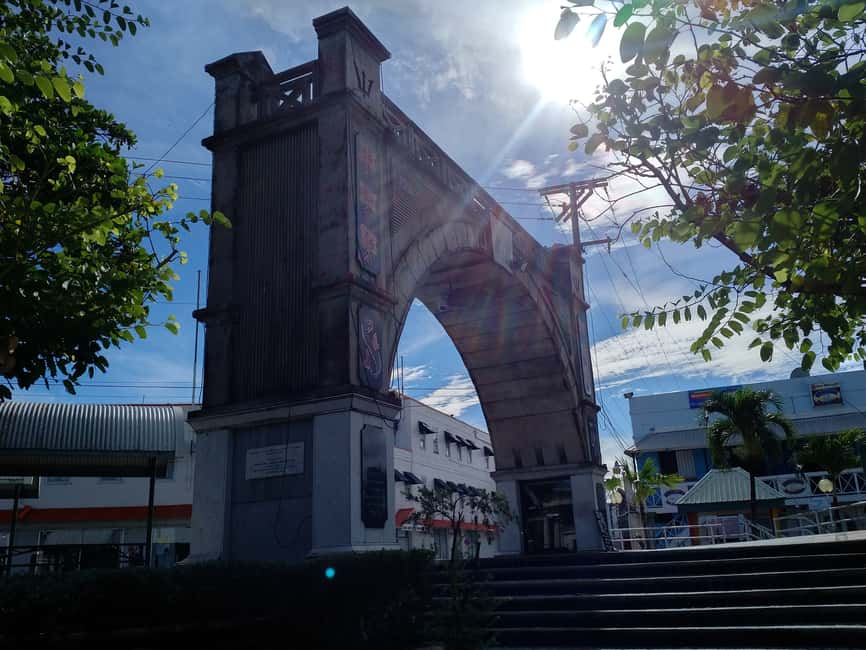
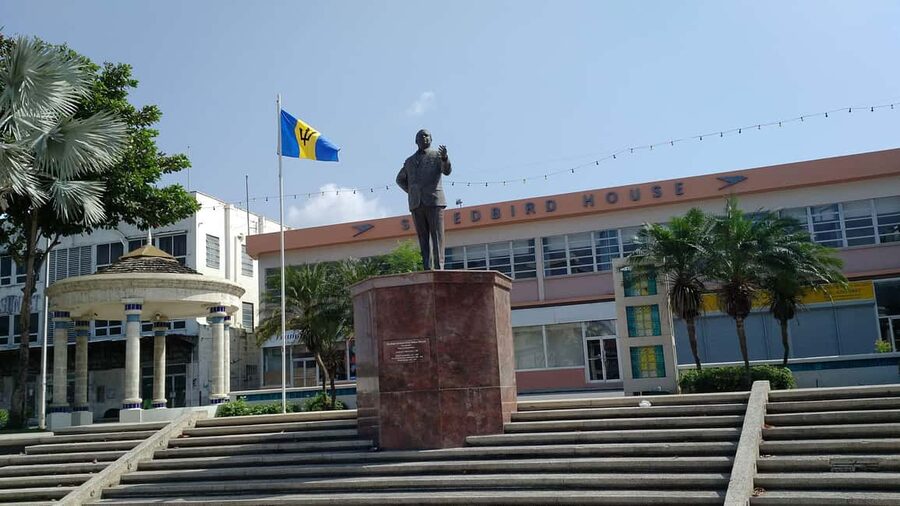
- The route begins at the Errol Barrow Statue: Meet at Independence Square in Bridgetown, near the listed coordinates 13.0957448, -59.6134232.
- The Blackwood Screw Dock is a rare stop: You see the only remaining screw dock of its kind in the world.
- The history reaches beyond grand buildings: The route also addresses slavery, Jewish settlement, war memorials, commerce, rum, and independence.
- Audio equipment makes a real difference: You can hear the guide while walking through active city streets.
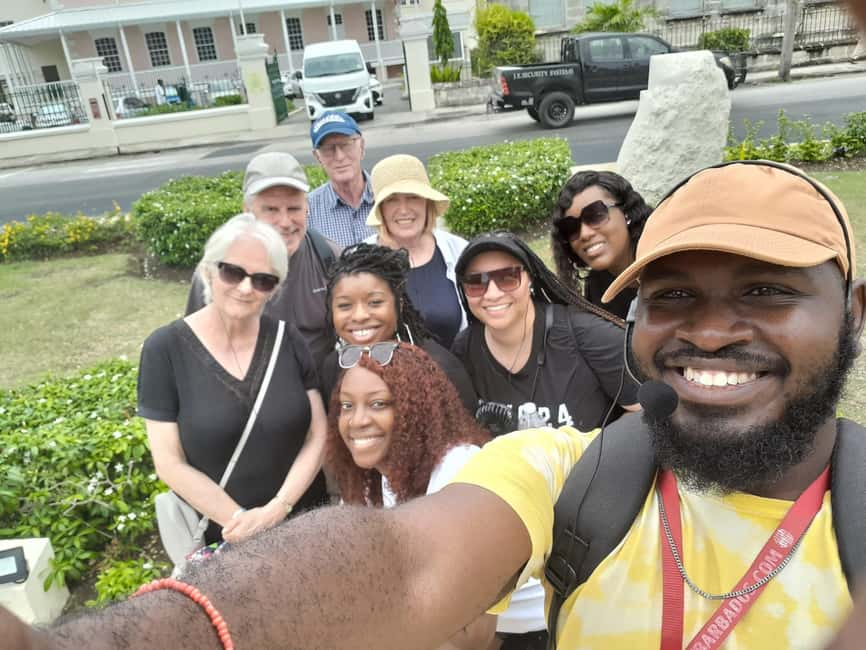
- Guides make the experience personal: Evan, Zachary, Deborah, Frederick, and others are noted for clear explanations, patience, humor, and local insight.
- The pace is manageable: The walk is not described as strenuous, and one group completed it comfortably with parents in their 80s.
Why this walking tour gives Bridgetown a useful shape
Bridgetown can feel like a collection of streets, shops, monuments, and waterfront views if you explore it without context. This tour gives those pieces an order. You begin with the city’s name and finish with independence, so the walk works as a short history lesson tied to real corners of town.
That structure matters. Instead of hearing isolated facts, you see how trade, colonial government, slavery, religion, war, and self-rule affected the same compact city. The guide does not simply point at a building and name it. The aim is to explain what happened there and why the place still matters.
I especially like the way the route includes both proud and painful parts of Barbados’s past. The early discussion of the former burial ground for enslaved people is not a light sightseeing stop, but it gives needed weight to the rest of the tour. You also hear about the men and women who shaped Bridgetown, not just the officials whose names appear on buildings.
The tour costs $25 per person. For two hours with a live guide, audio equipment, and water and a small snack, that is a fair price if you want orientation and historical context in one sitting. It is less useful for you if your main goal is shopping, unstructured photography, or visiting interiors at length.
More History Walking Tours in the world:
- History and Hauntings of Salem Guided Walking Tour
★ 5.0 · 14,564 reviews - Lisbon: History, Stories and Lifestyle Walking Tour
★ 4.8 · 10,902 reviews - Boston: Freedom Trail History Small Group Walking Tour
★ 5.0 · 6,450 reviews
Starting at Independence Square and tracing the city’s name
Your meeting point is the Errol Barrow Statue in Independence Square, Bridgetown. This is a practical central starting place, and the opening explanation uses the square to set the scene before the walking begins in earnest.
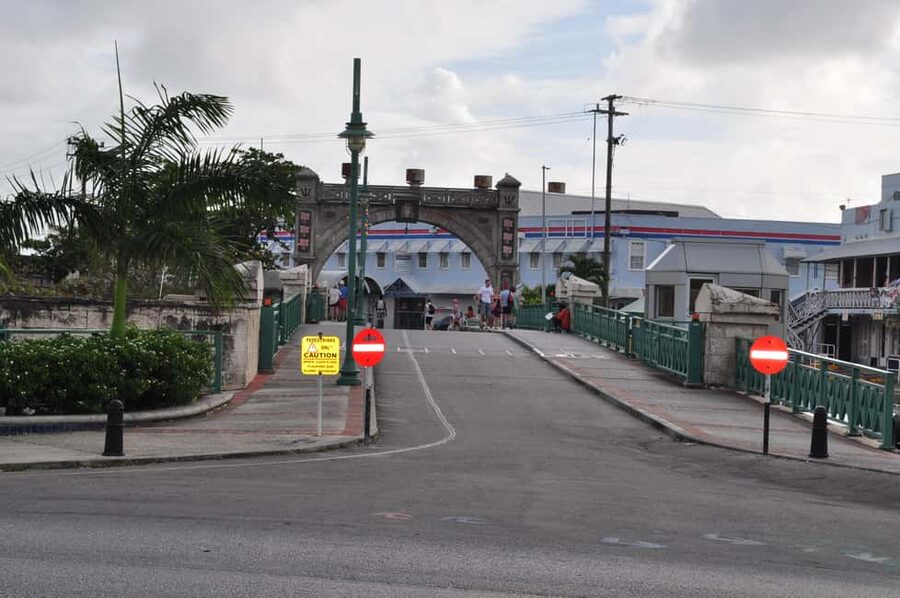
The guide first helps you picture what this part of the city was like before turning to the story of Bridgetown’s name. The city’s identity is tied to its crossing and its arch, so the explanation of the bridges is not just a naming anecdote. It gives you a way to understand why this spot became important.
I find this kind of opening useful because it gives you a mental map early. You are not expected to memorize streets or dates. You are given a simple thread, then the route keeps returning to it as the city’s government, trade, and waterfront come into view.
The meeting point is in St Michael, Bridgetown, although the activity information also identifies the wider location as Christ Church, Barbados. If you are arranging a taxi or walking from another part of town, use the specific Independence Square meeting point rather than relying only on the broader location label.
Remembering the burial ground before the grand buildings
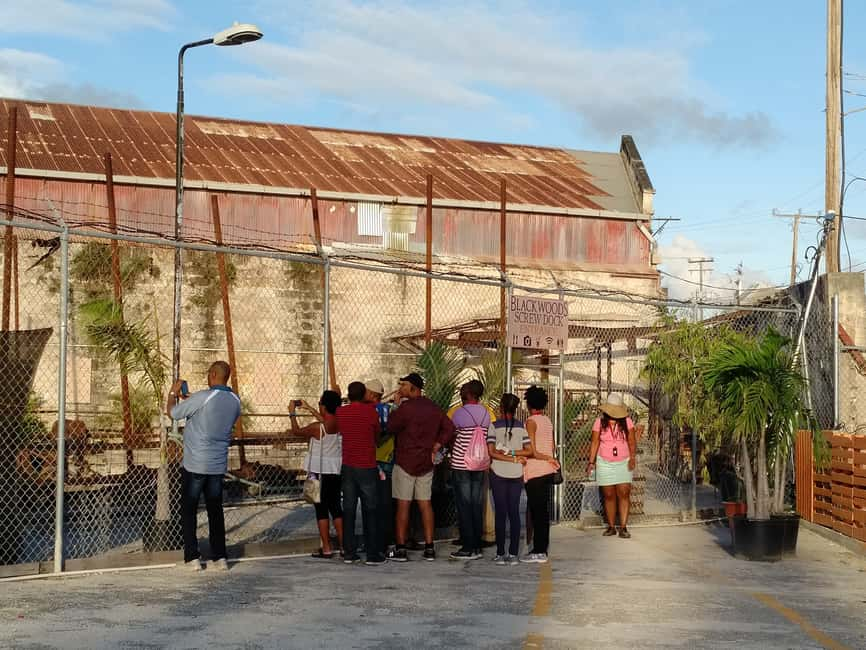
One of the first meaningful stops addresses the unceremonious burial ground associated with enslaved people arriving on the island. This part of the walk is important because it prevents the city’s official buildings from telling the whole story.
You will not get a tour of a preserved cemetery in the usual sense. Instead, the guide uses the site and its history to acknowledge people whose lives and deaths were central to Barbados but were not given the public honor granted to politicians, merchants, or military figures.
I value this inclusion. A short city walk can easily become a parade of attractive architecture and famous names. Here, the route makes room for loss, forced migration, and the human cost behind the island’s economy. Listen closely, and allow the subject the seriousness it deserves.
The Blackwood Screw Dock and Bridgetown’s working waterfront
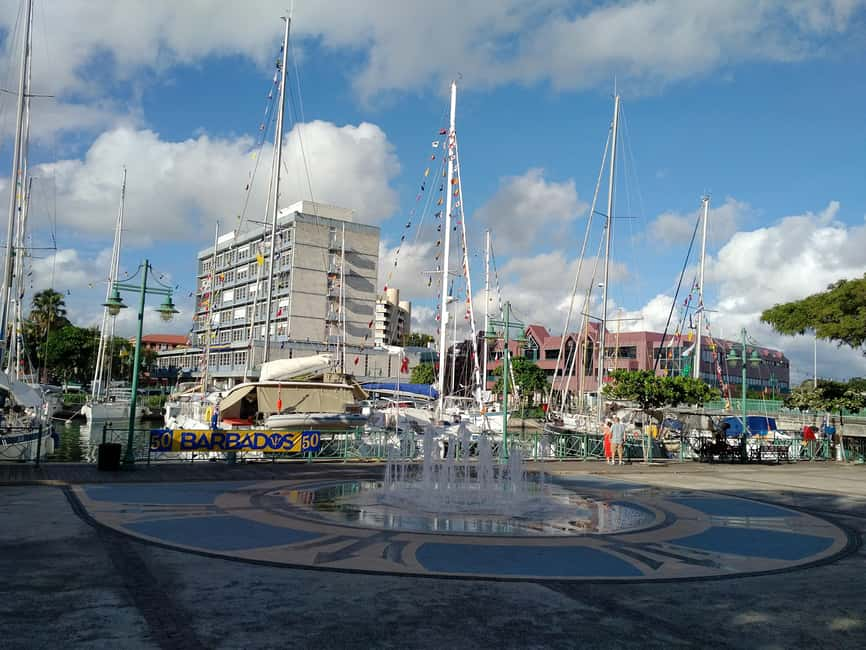
The Blackwood Screw Dock is one of the route’s strongest physical highlights. You see the only remaining screw dock of its kind in the world, a piece of working waterfront history that is easier to appreciate with an explanation of what it did.
A dock like this was built for practical maritime work, not decoration. The guide connects it to ships, repairs, and the commercial life that made Bridgetown important. You get a better sense of the city as a port rather than simply a capital with old buildings.
This stop may appeal most to you if you like engineering, shipping, or overlooked structures. It is also a good reminder that history often survives in working objects and industrial remains, not only in statues and grand facades.
The waterfront section can be hot, and shade may not always be available. One guide, Deborah, was praised for finding shaded places during a hot walk, but you should still bring water and expect sun. Water has been supplied on many tours, yet carrying your own bottle is sensible.
More Guided Tours in the world:
- Edinburgh: Edinburgh Castle Guided History Tour with Tickets
★ 4.8 · 9,933 reviews - Historic Charleston Guided Sightseeing Walking Tour
★ 5.0 · 6,216 reviews - Rome: Colosseum with Arena, Roman Forum and Palatine Guided Tour
★ 4.0 · 5,598 reviews - Venice: St. Mark’s Basilica Guided Tour & VR History Intro
★ 3.9 · 4,880 reviews
Bridges, the fountain, and the everyday work of a capital
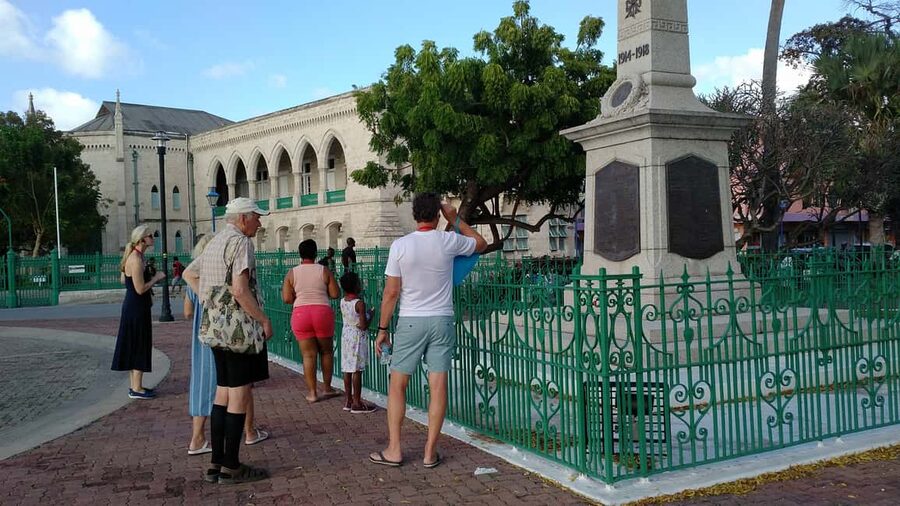
The route visits one of Bridgetown’s two bridges, then turns to the city fountain. These are modest-looking places with useful stories behind them.
The bridge stop returns to the reason Bridgetown got its name and shows how crossing the water shaped movement through the city. The fountain marks an achievement that can sound ordinary today: bringing running water into Bridgetown. That detail gives you a glimpse of how urban life changed through public works.
I like this part because it shifts the focus from dramatic events to daily needs. Clean water, crossings, streets, and commercial access are the systems that make a city function. The guide helps you notice them instead of walking past them.
The route is not a strenuous hike. It is a city walk with frequent stops, explanations, questions, and photo opportunities. Several guides have kept the pace relaxed, and one group with older parents completed it comfortably. Still, pavement, heat, and standing time mean comfortable shoes are essential.
The Cenotaph and Parliament Buildings across the bridge
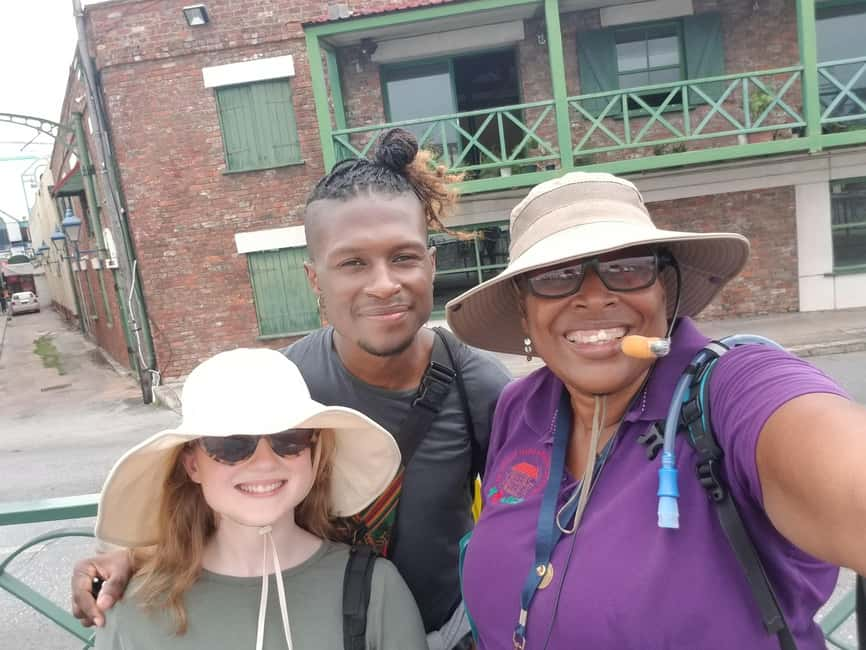
At the Cenotaph, you recognize the sacrifices of the men of the two world wars. This stop adds a military and personal layer to the city’s story. A memorial can look formal and silent, but the guide gives it a human purpose by explaining whom it remembers.
The Parliament Buildings then bring you into the political heart of Bridgetown. The tour explains the history of one of the oldest Parliaments in the Commonwealth still operating, located across the bridge in an imposing setting.
You may not spend extended time inside the buildings, and the value here comes mainly from the exterior setting and the guide’s account. If you want a formal Parliament visit or a detailed architectural tour, this walk is not designed for that. If you want to understand why the buildings matter to Barbados’s political story, the stop works well.
This is also where the tour’s broad time span becomes clear. You are moving from colonial administration and public works toward modern political identity. The guide keeps the story connected rather than treating each building as a separate attraction.
Rum’s beginnings and the people behind the trade
The next section explains the birth of rum. Barbados is closely associated with rum, and the tour presents its origin as part of the island’s wider agricultural and commercial history.
This is not simply a tasting session. The focus is on how rum began and why its arrival mattered. The subject ties together plantation production, trade, labor, and the island’s place in the wider Caribbean economy.
That wider context is useful. A rum reference can easily become a cheerful drink story, but here it sits beside the difficult subjects already raised earlier. You get a more honest picture of how a famous product fits into Barbados’s past.
The route also recognizes Barbados’s Jewish ancestors. This stop broadens the story again, showing that Bridgetown was shaped by communities with different faiths, backgrounds, and roles in commerce. I appreciate that the walk does not reduce the city to a single cultural narrative.
Swan Street and the city’s older commercial life
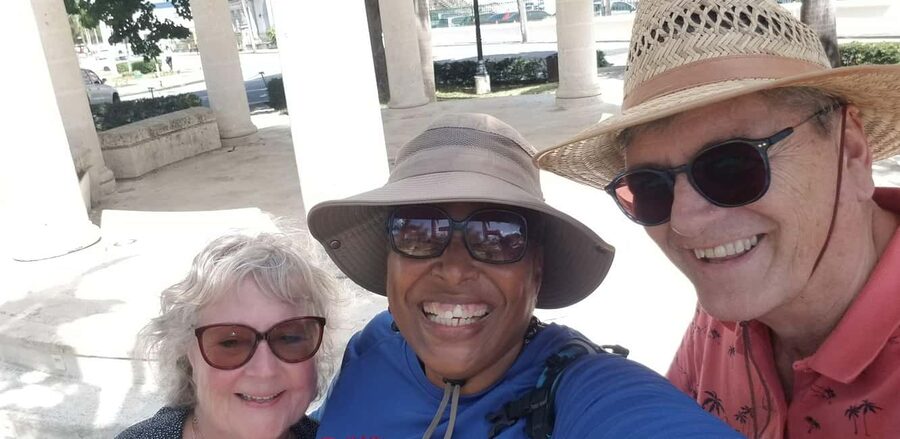
Swan Street brings the tour into Bridgetown’s commercial center. The guide discusses its importance and explores it as the oldest street in the city.
This is a good place to watch the modern city continue around you. Shops and everyday commerce occupy the same urban fabric that earlier generations used for trade. The point is not to admire a preserved museum street. It is to see history living alongside ordinary business.
The route then includes the oldest church and the Town Hall. These stops add religious and civic layers to the walk. The oldest church offers a sense of continuity, while the Town Hall shows how local government operated and how civic life took shape.
You should expect information rather than long interior visits. The activity is built around the guide’s storytelling and the relationship between sites. If you stop at every building for a full architectural inspection, two hours will feel short. If you listen, ask questions, and keep moving, the pace gives you a strong overview.
The Mutual Building and another important commercial street
The magnificent Mutual Building receives its own attention. The guide uses the building to tell more of Bridgetown’s commercial and architectural story, then turns to another street with commercial importance.
This section works best for people who enjoy the details of city buildings. You learn that facades and business districts are records of money, institutions, insurance, trade, and civic ambition. The building is not just something attractive to photograph. It helps explain how Bridgetown grew and how business shaped its center.
The audio equipment is especially useful here. City streets can be noisy, and you do not want to miss an explanation while standing near traffic or other activity. Several guides have used headsets effectively, and this is one of the tour’s practical strengths.
The guides also leave room for questions. Evan, Zachary, Frederick, Deborah, and other guides have been described as easy to understand, friendly, calm, and willing to explain details. Your experience will depend on the individual guide and group, but the format supports conversation instead of a nonstop speech.
The wharf, Spirit Bond, and the walk back to the start
Near the wharf, the tour turns to the Spirit Bond and the life of the waterfront. Bonded warehouses and wharf activity belong to the commercial story of Bridgetown, so this stop helps connect the earlier rum discussion with the movement of goods through the port.
The waterfront is also a change of mood. After political buildings, memorials, churches, and commercial streets, you are back near the water where Bridgetown’s trade made practical sense. The guide brings the pieces together before the final walk.
A boardwalk stroll returns you toward the starting area. The route ends with the story of independence, marking the point when Barbados became independent 50 years before the experience was described. This gives the tour a clear finish instead of simply stopping at the last building.
You might appreciate the boardwalk as a chance to cool down and take photographs, though the weather can affect the experience. If rain or other bad weather interrupts the walk, rescheduling is done where possible. The activity can be affected by inclement weather, so keep that in mind when planning a tight cruise or airport schedule.
Guides, headsets, snacks, and the small practical touches
The guide is the heart of this experience. Evan has led many tours with a calm, friendly manner and a strong command of dates and local stories. Zachary has been especially attentive with questions and has provided water and a small goodie bag. Deborah has been praised for keeping people in shade during hot conditions, while Frederick has made a strong impression through clear and engaging explanations.
You should not assume a particular guide when booking, but the named guides give you a useful idea of the service style. The strongest qualities are clarity, patience, local pride, and a willingness to adjust to questions.
The audio equipment is included and in English. It helps you hear without standing shoulder to shoulder with the guide. That matters on a walking tour in an active city, especially if you are older, hard of hearing, or simply prefer not to strain.
The light snack includes nut products. This is an important food note. If you have a nut allergy, ask about the snack before accepting it. Water and snacks have been appreciated, and the small drawstring bag has sometimes been given to participants to keep.
Who should book this Bridgetown walk?
I would choose this tour early in a Barbados stay because it gives you a useful framework for the capital. You can then return to Swan Street, the waterfront, the Parliament area, or nearby buildings with a better idea of what you are seeing.
It suits you if you like history, city architecture, public memorials, and local stories. It is also a good choice for first-time visitors, couples, families with older children, and older adults who prefer a relaxed walking pace. The frequent stops make it less demanding than a long sightseeing march.
You may want something else if you dislike standing in the heat, prefer air-conditioned attractions, or want extensive time inside museums and buildings. This is an outdoor overview, not a museum tour or a rum tasting.
The English-only format is best for people comfortable following a live guide in English. The tour lasts about two hours, though one group finished the walking portion in roughly 90 minutes and spent extra time chatting. Allow the full two hours, and leave extra time if you have a fixed pickup.
Is this $25 Bridgetown tour worth it?
At $25, I consider it good value for a compact introduction to Bridgetown. You receive a live guide, audio equipment, a planned route through important sites, and a small water and snack provision. More importantly, you get connections between places that would be easy to miss on your own.
I would book it if you want history delivered in plain language and you are happy to walk outdoors. I would skip it if your priority is beaches, shopping, or private transport, or if hot weather makes city walking unpleasant.
Book with comfortable shoes, sun protection, and an open mind about the difficult parts of Barbados’s past. If your schedule allows, take the tour near the start of your visit. It helps you see Bridgetown not as a quick stop between attractions, but as a city shaped by crossings, trade, memory, and independence.
FAQ
Where does the Bridgetown walking tour meet?
The meeting point is the Errol Barrow Statue in Independence Square, Bridgetown, St Michael. The listed coordinates are 13.0957448, -59.6134232.
How long does the tour last?
The scheduled duration is two hours. The walking portion may finish a little earlier, depending on the pace and time spent talking with the guide.
How much does the tour cost?
The price is $25 per person.
What language is the tour in?
The live tour guide and audio guide are in English.
Is an audio headset included?
Yes. Audio equipment is included so you can hear the guide while walking through the city.
What should you bring?
Bring comfortable shoes. Sun protection and your own water are also sensible for an outdoor walk, although water has been provided on many tours.
Is food included?
A light snack is included. It contains nut products, so take care if you have a nut allergy or dietary concern.
Is transportation to the meeting point included?
No. Transportation to and from the assembly point is not included.
Can bad weather affect the tour?
Yes. Inclement weather may affect the experience. Rescheduling is done where possible.
Can I cancel for a full refund?
You can cancel up to 24 hours in advance for a full refund. You can also reserve now and pay later, keeping your plans flexible.
Latest history tours reviewed in the world
- From Athens: Ancient Olympia Full-Day Private Tour★ 4.8 · 22 reviews
- From Athens: Explore Ancient Corinth & Charming Nafplion★ 4.6 · 102 reviews
- From Athens: Explore Ancient Greece 4-Day Tour★ 4.7 · 73 reviews
- From Albufeira: Wine Tasting & Historic Silves Tour★ 4.9 · 421 reviews
- From Albufeira: Historical Algarve Region Tour★ 4.7 · 585 reviews
- From Alexandria: Full-Day Guided Tour of Historical Sights★ 4.5 · 54 reviews
- Franklin: Ghost Tour in Historic Franklin★ 4.8 · 65 reviews
- Freiburg: Exciting City Tour with sightseeing and history★ 4.3 · 103 reviews
History Walking Tours, compared.
History and Hauntings of Salem Guided Walking Tour
Read our review →
Lisbon: History, Stories and Lifestyle Walking Tour
Read our review →
Boston: Freedom Trail History Small Group Walking Tour
Read our review →
Historic Charleston Guided Sightseeing Walking Tour
Read our review →
Barcelona: Tapas Walking Tour with Food, Wine, and History
Read our review →
Savannah History and Haunts Candlelit Ghost Walking Tour
Read our review →