
Review · ITALY
Venice: St. Mark’s Basilica Guided Tour & VR History Intro
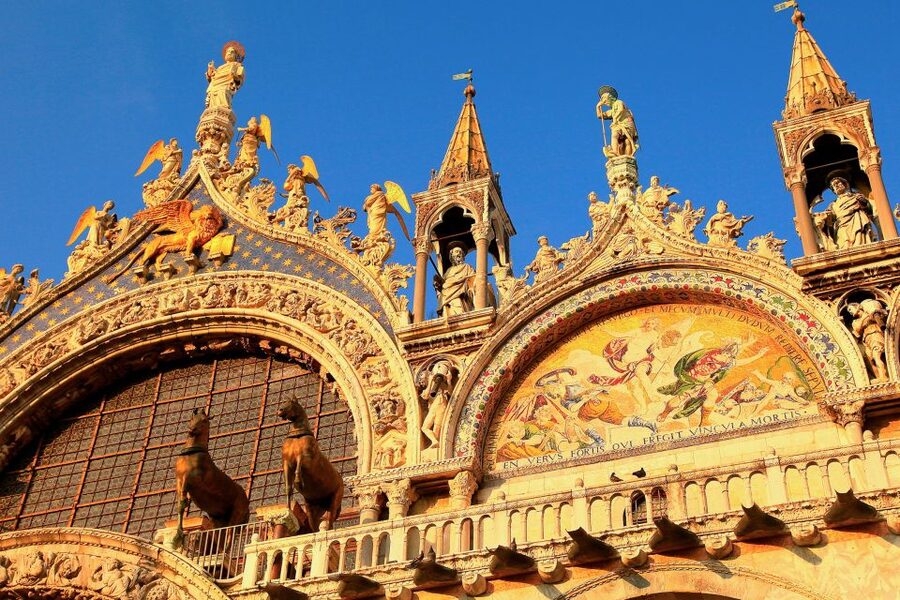
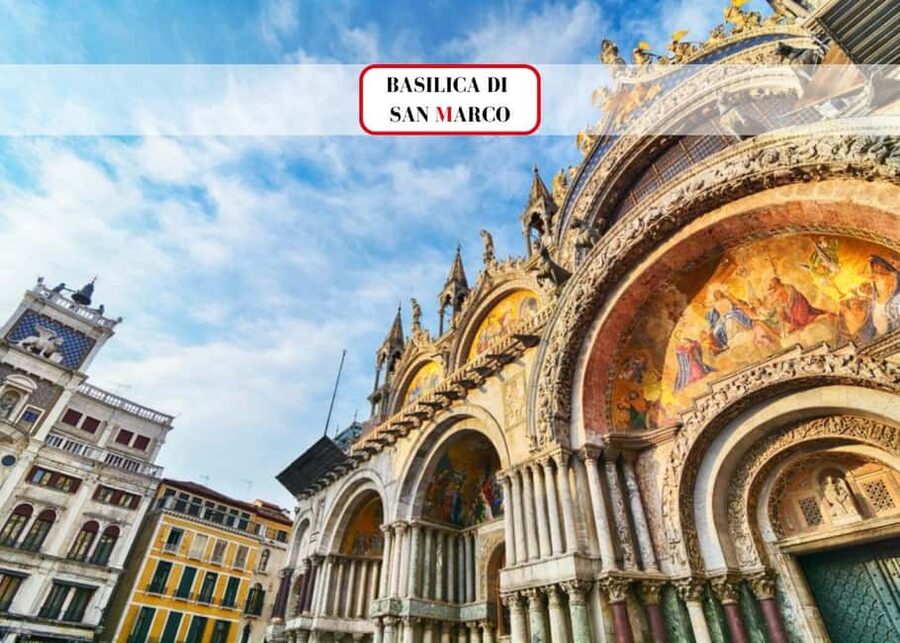
St. Mark’s Basilica is dazzling, but it can also be hard to understand when you simply walk in and stare upward. This experience gives you a short VR introduction to St. Mark’s Square before a guided visit, so the mosaics, domes, and marble floors have some story behind them.
I like the priority entry and the human guide. Guides such as Francesco, Valentina, Elena, and Andrea have been singled out for making the visit lively and clear. I also like that the pass can include Santa Maria della Salute and Torcello Cathedral, giving you more than one Venetian church.
The main catch is that the advertised duration can feel optimistic. You may spend time finding the ticket office, joining the group, and clearing security, and the basic basilica visit does not automatically include every paid area, such as the Pala d’Oro or museum.
Key points to know before booking
- VR comes first: A short virtual reconstruction shows how St. Mark’s Square changed from medieval Venice to the square you see today.
- The guide adds real value: You hear the legends, symbols, and civic stories that are easy to miss on your own.
- Skip the public ticket line: You still pass through security, but the prearranged entrance can save substantial time.
- Three basilicas are available: The pass includes St. Mark’s, Torcello Cathedral, and Santa Maria della Salute, depending on the option selected.
- Dress for a church: Bare shoulders, short shorts, and short skirts can lead to denied entry.
- Download audio before arrival: The audio guide requires a smartphone app, and the basilica may not offer a useful connection for downloading it inside.
Why the VR introduction helps at St. Mark’s Square
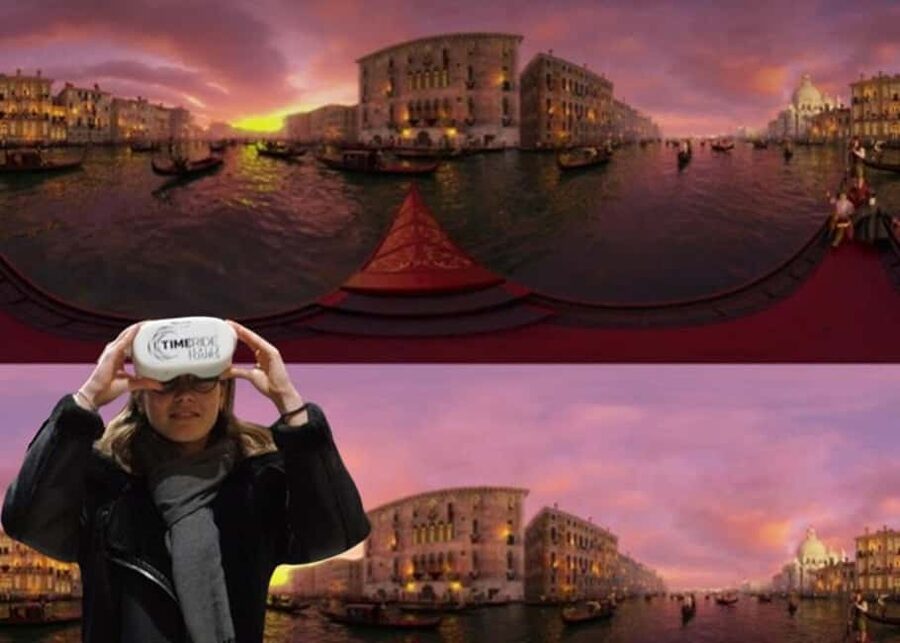
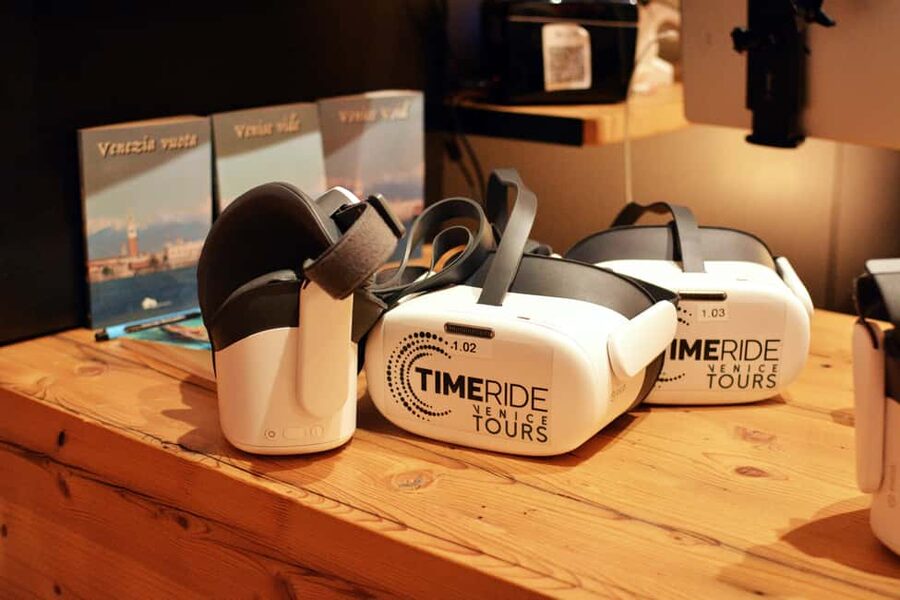
Your visit begins at a History Gallery rather than at the basilica doors. There, a virtual reality presentation takes you through the development of St. Mark’s Square, from its medieval beginnings through the Venetian Republic and into the present day.
This is not just a gadget added to fill time. St. Mark’s Basilica makes more sense once you understand that it was tied closely to the power and identity of Venice. The church was not simply a place for private prayer. It helped express the wealth, ambition, and international connections of the Venetian state.
The VR presentation gives you that setting before you face the building itself. You can see how the square evolved, then compare those earlier views with the real arcades, open pavement, and domes around you. For children and teenagers, this may be the easiest part of the experience to grasp. For adults, it offers a useful visual guide before the architectural details begin to pile up.
The exact handling of the VR portion can vary with the option and meeting arrangements, so do not expect a long museum visit. It is an introduction, not a replacement for the basilica tour. One practical point is worth noting: some people have been unsure where the History Gallery is located. Follow the meeting instructions closely and ask the staff at the office if you are uncertain.
More Architecture and Landmark Tours in Italy
- Venice’s Best: Basilica, Doge’s Palace, Gondola & History Gallery
★ 4.5 · 2,478 reviews - Pantheon Elite Guided Tour – Rome’s Iconic Ancient Temple
★ 5.0 · 1,447 reviews - Venice: The History of St. Mark’s Basilica Tour
★ 4.2 · 986 reviews
Finding the meeting point without losing your morning
Venice rewards wandering, but it is less forgiving when you have a timed entry. The meeting point can change with the option you book, and several people have needed extra time to locate the nearby ticket office.
Give yourself a cushion before the stated start. One useful plan is to arrive early enough to find the office, collect or confirm your entry material, and still reach St. Mark’s Square with the group. The office is described as a short walk from the square, and staff have often helped with directions, maps, and the correct basilica entrance.
This matters because the large line in front of St. Mark’s can be confusing. Much of it may be for security rather than ticket purchase. Priority entry does not mean you skip security, but it can keep you out of the ordinary ticket queue. On busy summer days, that difference is meaningful, especially in hot weather. One person described moving through a long security line at a steady pace, while others entered the reserved lane with little or no wait.
Bring a valid identification document. Security checks require it. Wear comfortable shoes, since the visit includes standing and walking on hard surfaces, and the surrounding square is not a place where you want to hurry in uncomfortable footwear.
Entering St. Mark’s Basilica with a guide
Once inside, the tour focuses on the standard basilica route. Your guide begins with the building’s role in Venice, then draws your attention to the architectural forms and artworks that make the church so unusual.
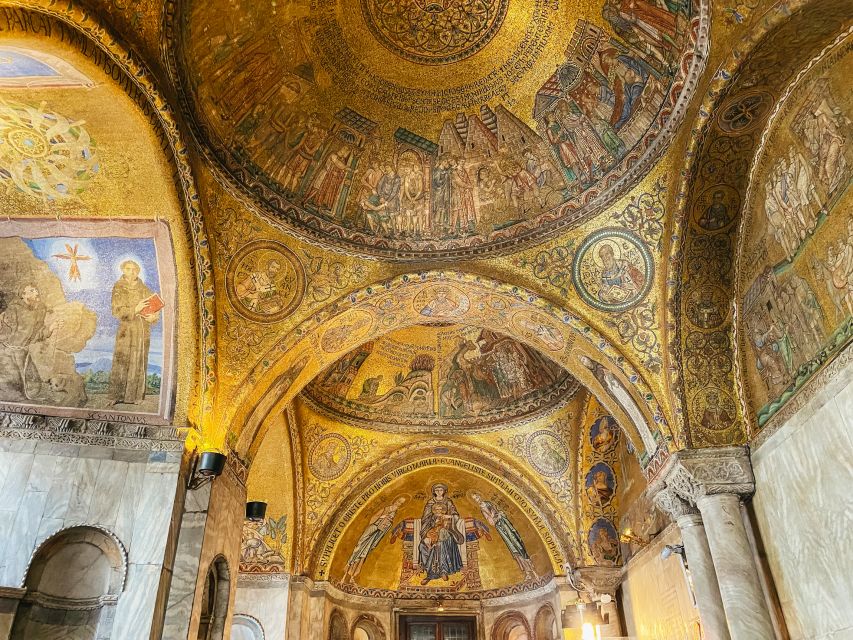
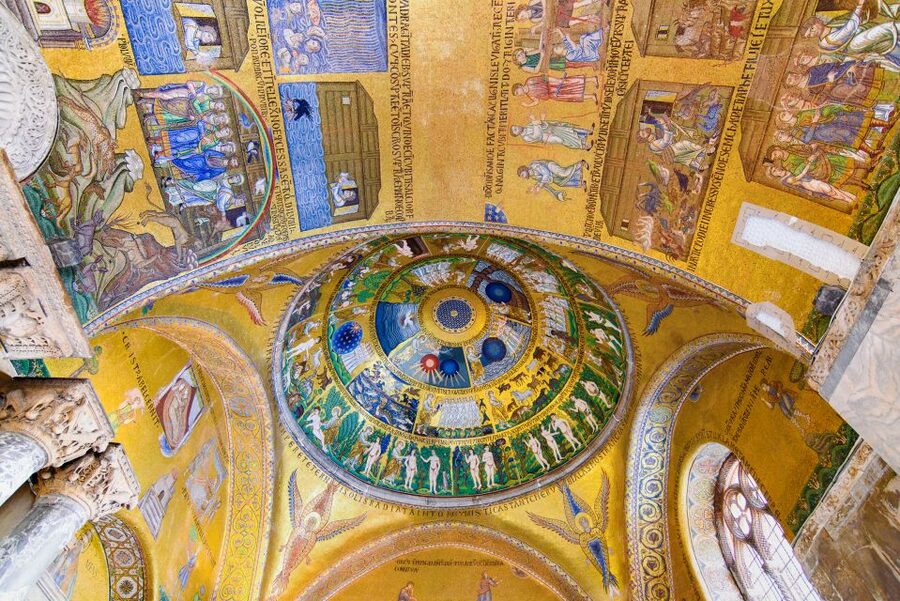
The first sight is often the gold. More than 43,000 square feet of golden mosaic cover the interior surfaces, creating the famous glow that gives the church its character. The gold-ground biblical scenes are not decoration in the casual sense. They were made from small mosaic pieces and arranged to communicate religious stories to people standing below.
Look up, but do not forget the floor. The marble inlay is easy to miss while everyone is watching the domes. Its patterns add another layer to the interior, with stonework that rewards a slower look. A guide can help you shift your attention between the ceiling, walls, floor, and structural details instead of spending the whole visit staring at the most obvious gold.
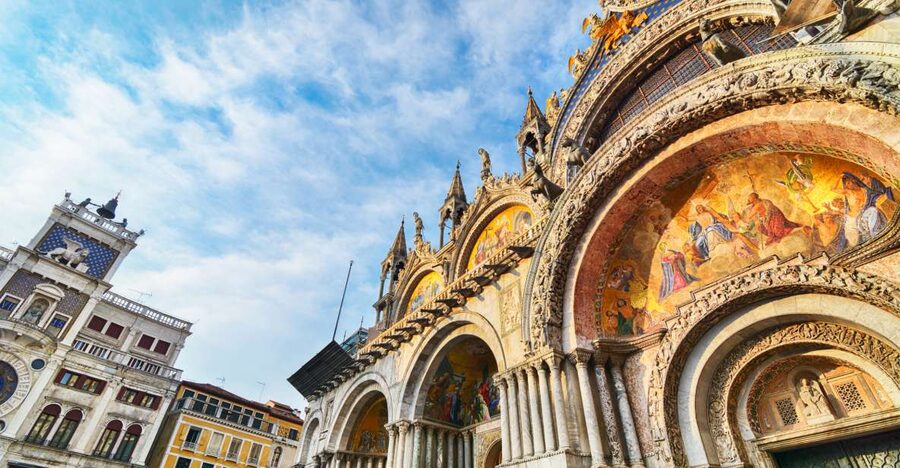
The church has five major domes and a long civic and religious story. Your guide explains legends connected with St. Mark and the way the basilica shaped the square for nearly a thousand years. The best part of this format is the connection between art and place. You are not only told that a mosaic is old or beautiful. You get help understanding why it is in that position and what it meant to Venice.
Guide quality can shape the experience. Francesco has been praised for his energy and command of Venetian history. Valentina has been noted for clear explanations and a polite manner, while Elena has been appreciated for making the stories appealing to teenagers as well as adults. Andrea has also been described as an excellent guide. Names and assignments can change, of course, but the strongest tours here depend on a guide who can explain without rushing.
The group format is not ideal for everyone. If you prefer to stop at every image and set your own pace, you may find the guided portion restrictive. Some booking options use an audio guide instead, which lets you move around independently. That audio material is described as informative and easy to use once downloaded.
What the standard basilica route does not include
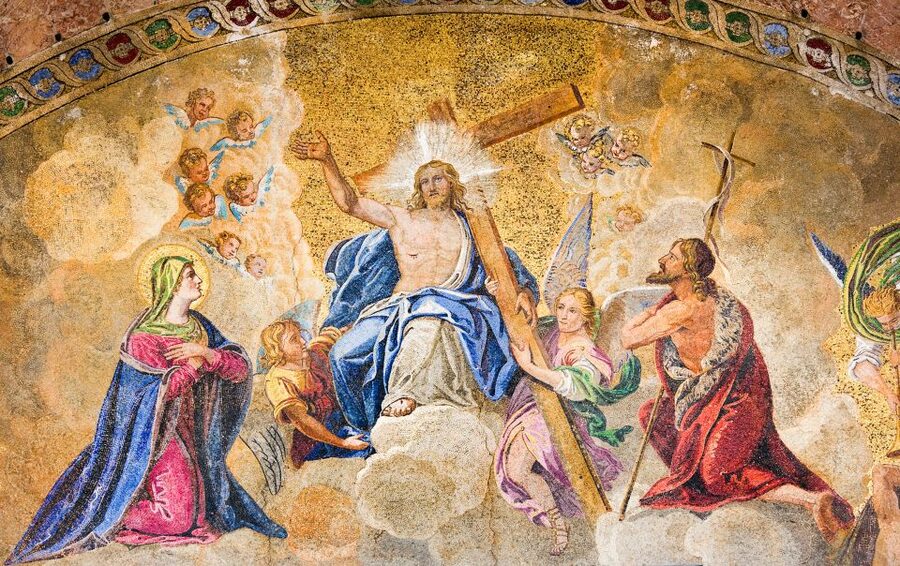
The basilica ticket should not be confused with access to every interior feature. The standard route does not automatically include the main altar area, Pala d’Oro, or museum areas when those require an extra payment.
The Pala d’Oro is especially important to consider. It is a celebrated gold altarpiece and one of the major highlights inside the church. The supplied details note an additional charge of about $5 per person in one instance, while the broader booking information gives a higher official price for options that include Pala d’Oro access. Prices and access can depend on the ticket type, so check exactly what your selected option covers before you pay.
The same applies to the upper areas. A visitor described an extra payment of about 7 Euros for the top, where you may find a small museum, a bathroom, and views over the square. That can be worthwhile if you want a look outward after studying the interior, but it is not part of the basic tour described here.
This is where the $26 price needs a fair reading. The official standard basilica ticket is listed at €12. The rest pays for meeting-point assistance, arranged entry, a guide or host, the VR presentation, audio or radio equipment, and booking costs. If the line is long or you value context, that extra amount can be sensible. If the basilica has no queue when you arrive and you are happy to read or listen on your own, the value is less obvious.
Same old streets, another chapter:
- Colosseum: Underground and Ancient Rome Tour
★ 4.7 · 12,691 reviews - Rome: Colosseum with Arena, Roman Forum and Palatine Guided Tour
★ 4.0 · 5,598 reviews - Colosseum with Arena, Roman Forum and Palatine Hill Guided Tour
★ 4.5 · 3,526 reviews - Colosseum & Ancient Rome with Arena Floor Option I Max 6 People
★ 5.0 · 3,306 reviews
The three-basilica option and what each adds
The pass can give you access to three important churches, but do not assume they sit next to one another or fit naturally into the 45-minute to two-hour guided visit. St. Mark’s is the main scheduled experience. Torcello and Santa Maria della Salute are additional stops to plan around your Venice schedule.
St. Mark’s Basilica
This is the central reason to book. You come for the gold mosaics, five domes, marble floors, legends, and the connection between the church and the Venetian Republic. A guide helps you see the building as a piece of political and religious history rather than as a beautiful but confusing collection of surfaces.
Santa Maria della Salute
Santa Maria della Salute is a major Baroque church at the Grand Canal. It was built as a votive offering after the plague, so its story adds a different period and mood to your understanding of Venice.
Its position overlooking the water also makes it a useful contrast with St. Mark’s. St. Mark’s presents an older Byzantine influence and the ceremonial heart of the city. Santa Maria della Salute gives you a later Baroque statement tied to public thanksgiving and survival.
Torcello Cathedral
The Cathedral of Santa Maria Assunta on Torcello is one of the oldest religious sites in the Venetian Lagoon. Its Byzantine mosaics extend the visual language you begin with at St. Mark’s, but in a very different setting.
If you have time for Torcello, it broadens the experience beyond the packed center of Venice. The pass is valuable here because it links the famous basilica with one of the lagoon’s earliest religious sites. You will need to plan the visit as part of your wider day, since the information provided does not promise that all three churches are visited in one continuous tour.
Guided tour or audio guide?
The booking information allows for either a guided visit or an audio guide, depending on the option. That distinction matters.
Choose the live guide if you want someone to connect the basilica to Venice, answer questions, and point out details as you move. A good guide can keep children engaged and make the legends easier to remember. Several named guides, including Francesco, Valentina, Elena, and Andrea, have received strong praise for clear, entertaining explanations.
Choose the audio guide if you would rather move at your own speed. You can pause, replay, and linger by a mosaic instead of staying with a group. The app supports English, French, German, Italian, and Spanish, while host and guide support is listed in Spanish, English, German, and French.
Download the app before entering. You need a smartphone, and the basilica may not provide a reliable connection for getting the audio material after you arrive. Bring earphones. One practical setup is to use AirPods or similar headphones so you can listen while moving quietly through the church.
There has been some confusion when the booking appeared to promise an audio visit but the ticket holder was placed with a live group. If the format matters to you, confirm it at the meeting office before the tour starts.
Timing, clothing, and access concerns
The listed duration ranges from 45 minutes to two hours, depending on the starting time and option. Treat that as the formal activity length, not a guarantee that you will be inside the basilica for every minute.
The time can include the VR presentation, meeting procedures, walking to the entrance, security, and waiting for the guide. One start at 10:15 did not reach the basilica until about 11:00. That is not necessarily a problem, but it matters if you have a restaurant reservation, train, boat, or another timed attraction afterward.
Church clothing rules are strict. Do not arrive in short shorts, a short skirt, or a bare-shouldered top. Some people have needed to buy extra covering before entering. You will save money and stress by dressing modestly from the start.
This activity is not suitable for wheelchair users or people with mobility impairments. Pets are not allowed. Those limits are important because the route involves security, standing, and movement through an older religious building.
Cancellation is available up to 24 hours ahead with a fee. Read the exact booking conditions for your selected option before committing.
A note about the Doge’s Palace option
The package choices can be confusing. If you select the Doge’s Palace ticket with an audio guide, the St. Mark’s Basilica ticket and the guided tour with the three-basilica pass are not included.
That is a major distinction, not a small upgrade. Check the title and inclusions carefully before booking. Some visitors have preferred to combine St. Mark’s with the Doge’s Palace, and that can be a good pairing, but you need the option that actually contains both attractions.
Who will get the most from this experience?
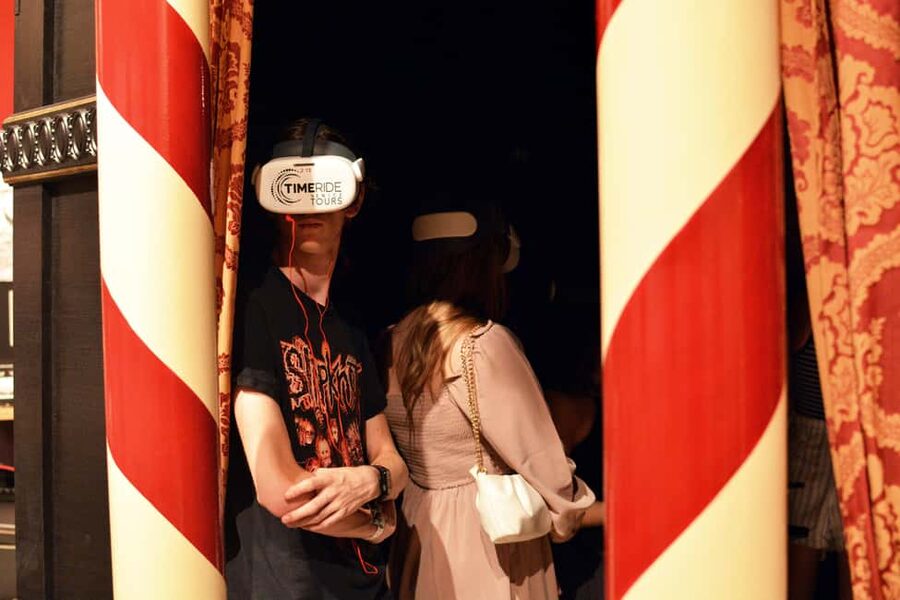
I would choose this for a first visit to Venice when you want the main basilica explained without spending hours planning the details yourself. It suits families, since the VR opening and short guided format can hold a child’s attention better than a long lecture. A nine-year-old has been able to remember much of the visit, which suggests the format can work well for younger visitors when the guide is lively.
It also suits anyone visiting in summer or during a crowded period. The entry service is most useful when the ordinary queue stretches across the square, and security can be uncomfortable in heat or rain.
Independent art lovers may prefer a basic ticket or audio option. You pay extra for the meeting support and live explanations, and that premium is harder to justify when the basilica has little or no queue. If you want the Pala d’Oro, museum, or upper areas, budget for those separately unless your selected ticket clearly includes them.
Should you book the St. Mark’s Basilica tour?
Book it if you want context, priority entry, and a short introduction to Venice’s most famous church. The VR presentation gives you a useful start, and a strong guide can turn the mosaics and legends into a coherent story. The added access to Santa Maria della Salute and Torcello Cathedral makes the pass more appealing if those churches already fit your plans.
Skip it if you are visiting at a quiet time, prefer complete independence, or mainly want the cheapest possible entry. In that case, the €12 standard ticket may be enough, provided you can obtain one and are prepared to explore without the same level of explanation.
For most first-time visitors, I would book the guided option, arrive early, download any audio material in advance, carry identification, and dress for church rules. Just check the exact package, meeting point, and extra areas before paying. That small amount of preparation is what turns a potentially confusing Venice stop into a smooth and worthwhile one.
FAQ
How long does the experience last?
The listed duration is 45 minutes to two hours, depending on the option and starting time. This can include the VR introduction, meeting arrangements, walking to the basilica, security, and the guided visit.
Does the ticket include skip-the-line entry?
Yes. The package includes priority access to St. Mark’s Basilica, but you still need to pass through security. Security lines can remain busy even when the ticket queue is bypassed.
Is the VR experience included?
Yes, the experience includes a virtual reality introduction at the History Gallery about the development of St. Mark’s Square.
Which basilicas can I visit with the pass?
The pass can include St. Mark’s Basilica, Santa Maria della Salute, and the Cathedral of Santa Maria Assunta in Torcello. Check the exact option because the Doge’s Palace package does not include the basilica tour and three-basilica pass.
Is a live guide included?
The standard experience includes a guided visit with a host or guide in Spanish, English, German, or French. Some options use an audio guide instead, with English, French, German, Italian, and Spanish available.
Do I need to download anything?
If your option includes the audio guide, you need to download an app on your smartphone. Download it before entering the basilica, since the connection inside may not be sufficient.
What should I wear to enter St. Mark’s Basilica?
Wear proper church clothing. Short shorts, short skirts, and bare shoulders are not permitted. Comfortable shoes are also recommended.
Latest history tours reviewed in Italy
- Forte di Bard: history tour★ 4.5 · 31 reviews
- Florence Wine &Food: Taste Tuscan Flavors in Historic Cellar★ 4.6 · 31 reviews
- Florence Medici Bike Tour – Cycle Through History and Power★ 4.2 · 23 reviews
- Florence: Medici Family History Tour★ 4.3 · 93 reviews
- Florence: Fashion History Guided Walking Tour & Museum Visit★ 4.2 · 72 reviews
- Essential Florence Walking Tour to discover its history★ 5.0 · 21 reviews
- Discover Herculaneum: A guided tour of the ancient Roman city★ 4.9 · 34 reviews
- Day drinking in Rome – Scandalous Roman History★ 4.8 · 31 reviews
Italy History Tours, compared.
Colosseum: Underground and Ancient Rome Tour
Read our review →
Rome: Colosseum with Arena, Roman Forum and Palatine Guided Tour
Read our review →
Colosseum & Ancient Rome with Arena Floor Option I Max 6 People
Read our review →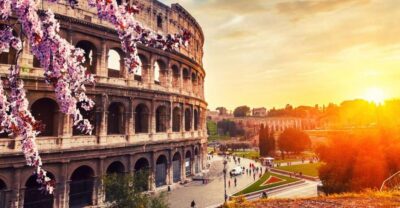
Rome: Colosseum, Ancient Rome Tour or AudioGuided Tour
Read our review →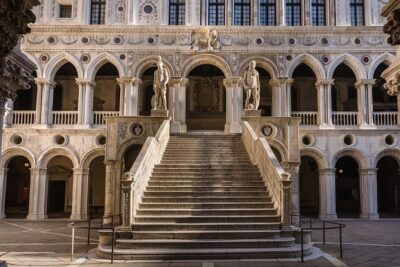
Venice’s Best: Basilica, Doge’s Palace, Gondola & History Gallery
Read our review →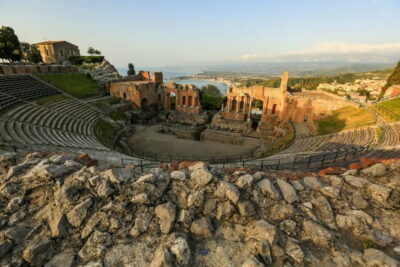
Taormina: Ancient Theater Skip-the-Line Ticket & Audio Guide
Read our review →
Discover the Ancient Ruins of Pompeii: Day Trip from Rome
Read our review →
Historic Milan Tour with Skip-the-Line Last Supper Ticket
Read our review →Browse the lists this tour appears in