
Review · BERLIN
East Berlin Food & History Tour with Eating Europe
East Berlin’s story is easier to understand with a bite in your hand. This three-hour walk links old train stations, former communist neighborhoods, wall art, club zones, and immigrant-run food spots, showing how the district changed from a bleak Cold War outpost into one of Berlin’s most varied food quarters.
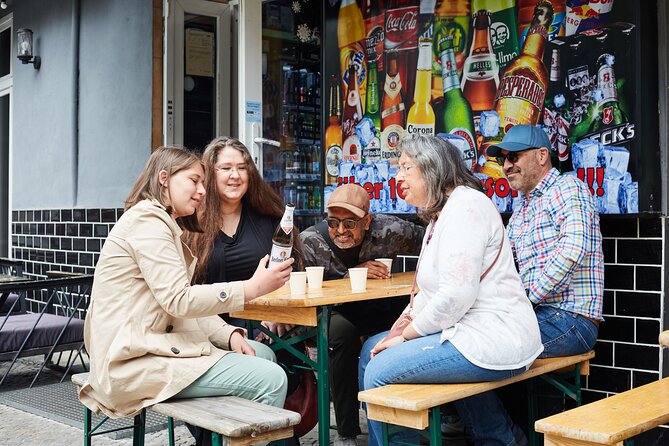
I like the mix of real historical context and small, personal food businesses. I also like that the tastings are not limited to one national cuisine: you get currywurst, Syrian metabal, Vietnamese tacos, döner, Turkish sweets, craft beer, and Club Mate in one compact outing.
The main consideration is pace. You will walk between several stops, and the route is not suitable for wheelchair users or people with mobility impairments. Food stops can also change by season or day, so treat the published menu as a useful guide rather than a fixed promise.
Key points at a glance
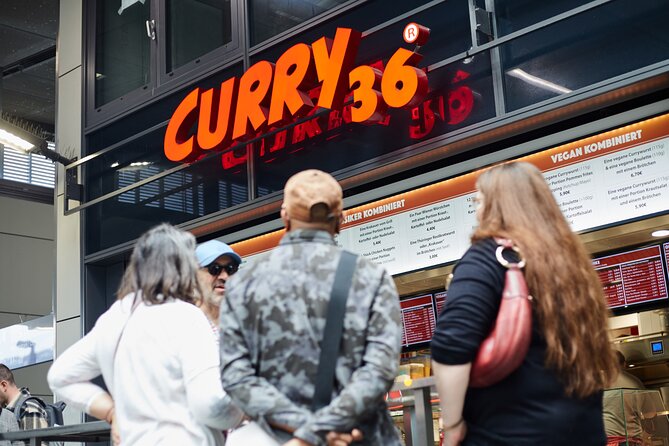
- Currywurst at a train station: Try one of Berlin’s defining street foods in a setting tied to the city’s everyday life.
- Syrian food with a personal story: Taste smoked-aubergine metabal at a family supper club and hear how food traditions reached Berlin.
- Vietnamese and Berlin flavors together: The TyTy chicken tacos offer a modern fusion stop rather than a standard restaurant meal.
- Eight decades of East Berlin: The walk connects communist-era history, the Berlin Wall, street art, immigrant communities, and club areas.
- A full range of tastings: Your food includes currywurst, döner or shawarma, Syrian dip, tacos, caramelised nuts, a Turkish sweet, beer, Club Mate, and water.
- Guides who shape the experience: Clara, Carla, and Anastasia have been praised for explaining both the food and the local history.
East Berlin through food, not just monuments
Many Berlin history walks focus on walls, checkpoints, and grand political events. This one takes a more everyday route. You still get the Cold War setting, but you also see how people eat, work, open businesses, and build community in the city that followed reunification.
That approach matters in East Berlin. Political change did not simply replace one government with another. It altered who lived in the area, what businesses could survive, and how new arrivals shaped local culture. The food gives you a direct way to understand that change.
Your guide leads in English and explains the stops as you go. Recent guides have included Clara, Carla, and Anastasia. The strongest praise for the tour has centered on guides who connect the history of a dish with the personal story of the people serving it. That is more useful than a string of dates delivered without context.
You should expect a social walking tour rather than a formal lecture. The route has food breaks, short explanations, and time to look around. Since the experience lasts three hours, it works well early in a Berlin stay, when you want both an introduction to the city and ideas for later meals.
More History Tours in Berlin:
- Berlin: 3-Hour World Heritage Cruise to Potsdam
★ 4.5 · 1,569 reviews - Berlin: History of the Third Reich Guided Walking Tour
★ 4.7 · 791 reviews - Berlin: Berlin Charité Guided History Tour
★ 4.4 · 660 reviews
Meeting at the station and getting oriented
The meeting point is inside the main hall of the station. Walk toward McDonald’s, then continue to track 8 and take the escalator down to the platform. The guide waits in front of the bakery with a purple Eating Europe bag.
This is a practical meeting point, but give yourself time to find it. Large Berlin stations can be confusing, especially if you are arriving with luggage or using the wrong entrance. Once you reach the platform, the bakery provides a clear landmark.
The station setting also helps establish the tone. Berlin’s rail network is part of the city’s daily rhythm, and a platform is a fitting place to begin a tour about movement, migration, and change. Wear flat shoes. You will be on foot for the whole experience, and some stops may require standing while you eat.
The tour requires at least two paying participants. Children under four can join without a ticket, but their food is not included. Paid tickets with food are available from age four.
Currywurst and the taste of everyday Berlin
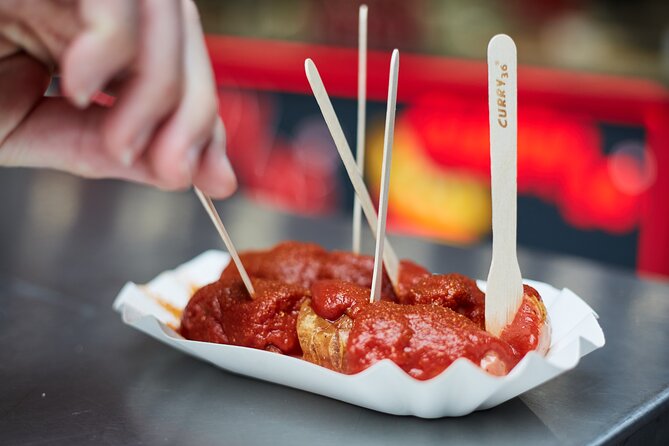
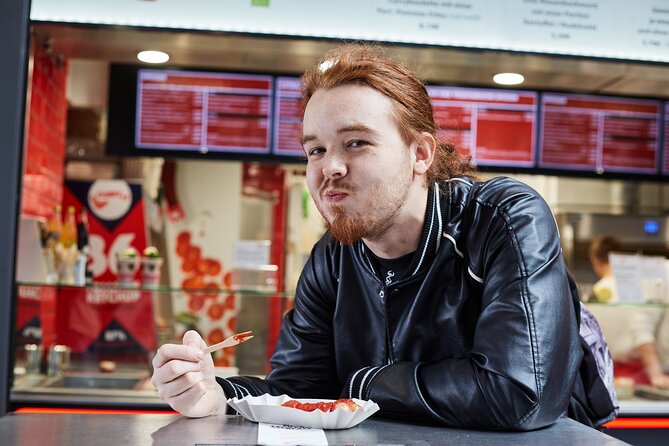
Currywurst is the first big food idea to understand in Berlin. It is simple, filling, quick, and tied to ordinary city life rather than formal dining. Having it at a train station makes sense because this is food designed for people on the move.
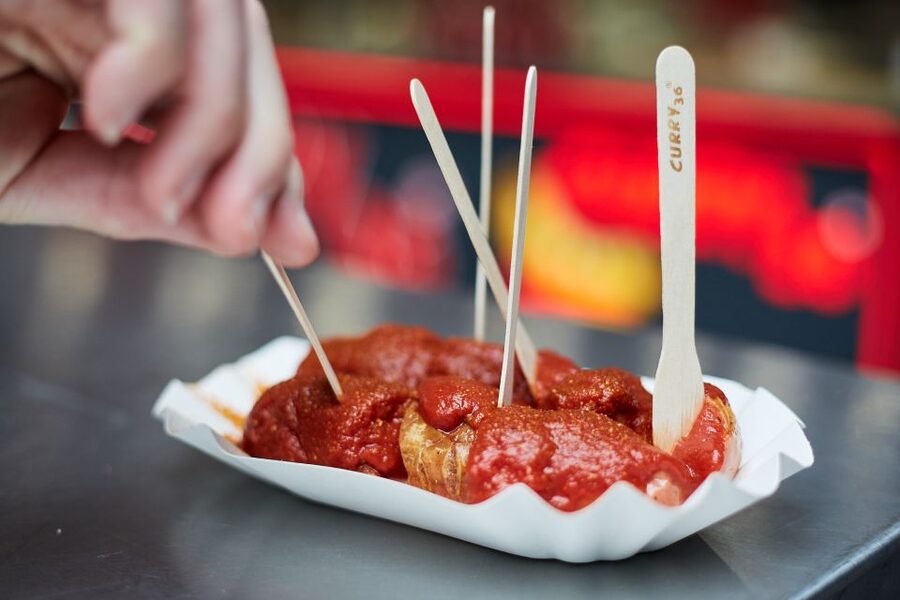
The tour includes a currywurst tasting, described as one of the best served at a station. You can expect the classic combination of sausage, curry sauce, and a casual setting. The point is not just the flavor. Your guide can explain why this dish became such a strong part of Berlin’s identity.
This stop is especially useful if you have never tried currywurst before. You get to taste it in a local context, then decide how it fits your own Berlin food list. It also gives the group an easy first bite before the more unusual stops.
Do not expect a long restaurant meal here. The tour is built around samples, not full plates. That lets you cover more ground, but it also means you should not arrive expecting lunch-sized servings at every stop.
Syrian metabal and the family side of Berlin
The Syrian stop adds a quieter, more personal note. You taste metabal, a dip made with smoked aubergine, tahini, and garlic, at a family supper club. The smoky aubergine gives the dish its main character, while tahini adds body and garlic brings a sharp finish.
The food is only part of what makes this stop useful. You hear stories connected to the family and the place, which helps explain how international food becomes part of Berlin’s local culture. Instead of treating immigrant cuisine as a novelty, the tour connects it to people, work, and family life.
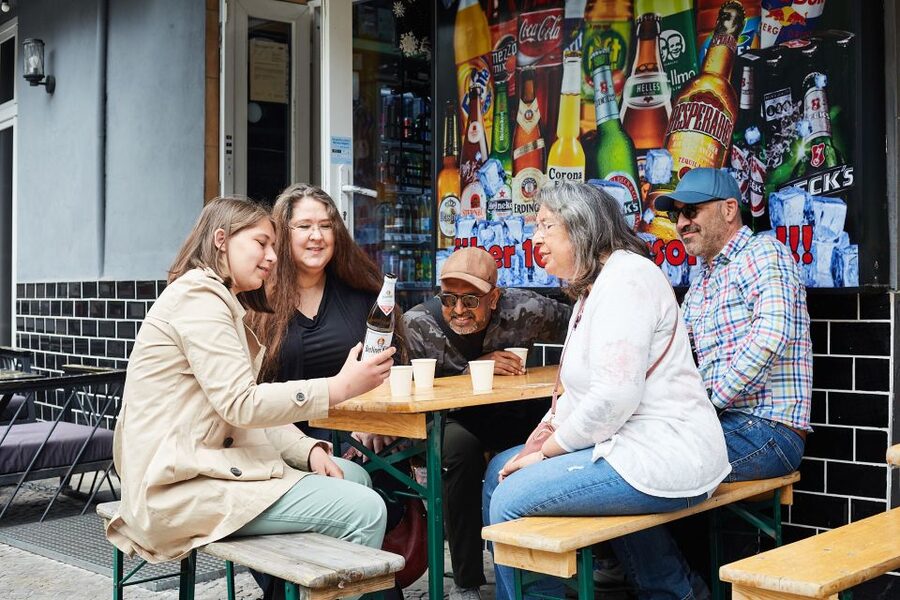
Craft beer is served here, along with water. That pairing is a small but telling Berlin touch: a Syrian dish enjoyed in a German city with a local drink in hand. You also get a chance to slow down after the street-food stops.
The food may be adjusted for the day or season. The tour company asks you to share dietary needs when booking and will do its best to help vegetarians, gluten-free diners, and people with other requirements. Still, this is not suitable for anyone with severe or life-threatening allergies to ingredients found on the tour, and the company does not accept responsibility for food allergies or intolerances.
Same old streets, another chapter:
- Berlin Historical Highlights Walking Tour
★ 4.9 · 657 reviews - Berlin Private Complete History All Day Walking Tour
★ 5.0 · 474 reviews - Berlin: Cold War & Berlin Wall History Guided Bike Tour
★ 4.8 · 422 reviews - Berlin: Historic Boat Sightseeing City Center Tour
★ 4.5 · 415 reviews
Vietnamese chicken tacos and Berlin’s newer food culture
The Vietnamese TyTy tacos are likely to be the most unexpected bite. They combine Vietnamese flavors with local influences in a taco format, showing the sort of cross-cultural cooking that now shapes East Berlin’s food scene.
The included tasting is a Vietnamese chicken taco. It is not presented as a traditional Vietnamese dish or a traditional Mexican taco. Its value is in the combination, and in showing how cooks in Berlin adapt familiar flavors for a mixed audience.
I like this stop because it keeps the tour from becoming a history lesson built only around old recipes. Berlin’s food culture is still changing. A modern fusion dish gives you a sense of the city’s present, while currywurst and döner connect you with established favorites.
As with the other tastings, portions are meant to be shared across a three-hour route. If you have a large appetite, consider eating a light breakfast or planning another meal afterward. The included food is substantial for a tasting tour, but the experience is not designed as a single full lunch.
Döner, shawarma, and the Turkish-German connection
Döner is one of the clearest examples of immigration shaping daily German food. The tour includes a döner kebab or shawarma wrap, along with a Turkish sweet and mixed caramelised nuts.
This stop gives you something familiar to many Berlin visitors, but the setting and explanation add more depth. Döner is not simply a convenient sandwich to grab between sights. It is part of the city’s Turkish-German story and one of Berlin’s best-known food exports.
The wrap makes a useful contrast with the Syrian metabal. Both stops reflect food traditions from the region, but the format and local history differ. You can taste how a dish becomes part of a new city without losing all connection to its origin.
The Turkish sweet closes the savory portion of the route with a sugary finish. The mixed caramelised nuts add another small snack and help round out the tasting list. Since exact stops can vary, the final sweet may not be identical on every date, but the tour promises a Turkish treat.
Wall art, club zones, and the city after communism
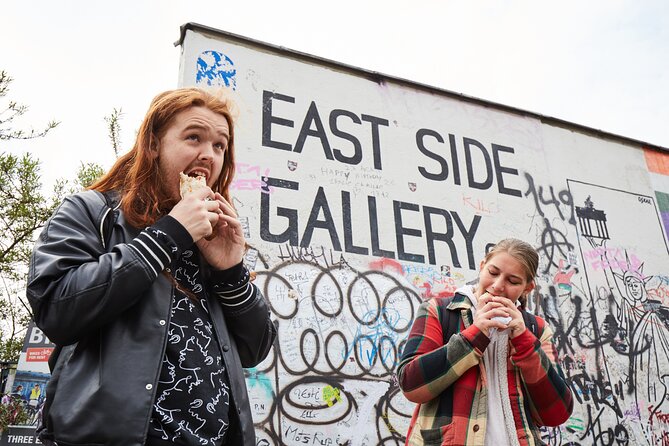
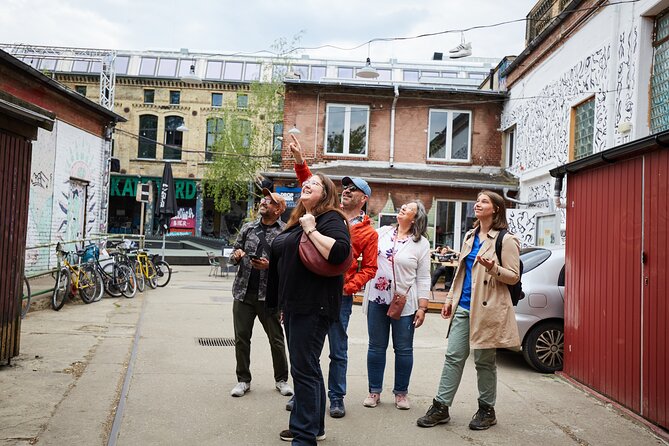
Between food stops, your guide points out key sites, wall art, and club areas. These places help you see the physical remains and cultural aftereffects of East Berlin’s past.
The tour covers about 80 years of Berlin history. That span includes the communist period, the Berlin Wall era, reunification, and the city’s later growth as an international center for food and nightlife. You are not simply walking past painted walls. You are learning how public space changed meaning over time.
Street art is particularly useful here because it shows how Berlin’s walls became places for protest, creativity, identity, and commercial attention. Club zones tell another part of the story. Areas once marked by political division and neglect gained new uses, while the people who made those areas attractive also faced pressure from rising costs and change.
The guide’s role matters most during these walking sections. Clara has been praised for combining local history with food knowledge, while Anastasia was singled out for choosing good stops and explaining the past in an interesting way. Carla has also been noted for sharing personal histories connected to the food places.
You should keep your expectations practical. This is not a dedicated Berlin Wall tour, museum tour, or architecture tour. The history is woven into a food route, so you get an accessible overview rather than a specialist study of every site.
What the food package is worth at $104
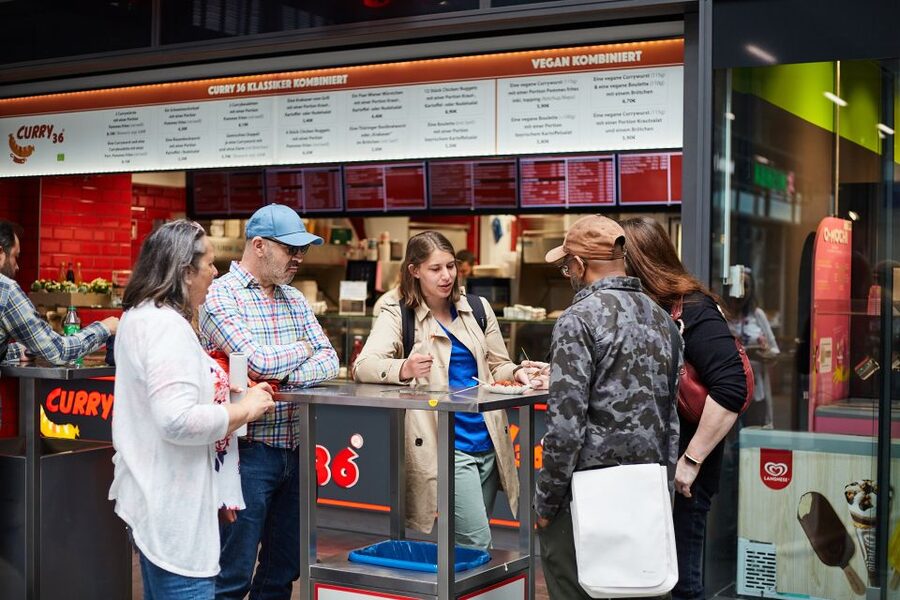
At $104 per person, this is not the cheapest way to eat in Berlin. You could buy currywurst, döner, snacks, and drinks on your own for less. The price makes more sense if you value the guide, the route, and the links between the food and East Berlin’s past.
You receive several tastings rather than one meal: döner or shawarma, metabal, Vietnamese chicken tacos, currywurst, caramelised nuts, a Turkish sweet, Club Mate, local craft beer, and water. The variety gives you a broad first look at the district’s food culture.
The guide is the main part of the value. You are paying for someone to select stops, explain the personal background of the businesses, connect food with migration, and put the surrounding streets into context. That is difficult to reproduce with a map and a list of restaurants.
I would call the price reasonable for a visitor who wants a guided introduction and plans to use the food tips afterward. It is less appealing if your priority is simply getting the most calories for the lowest cost, or if you already know East Berlin well and prefer to explore alone.
The tour also includes Food and the City insider tips. Use those suggestions to shape later meals, but remember that the actual tastings and stops can vary by day and season.
Timing, walking, and who should book
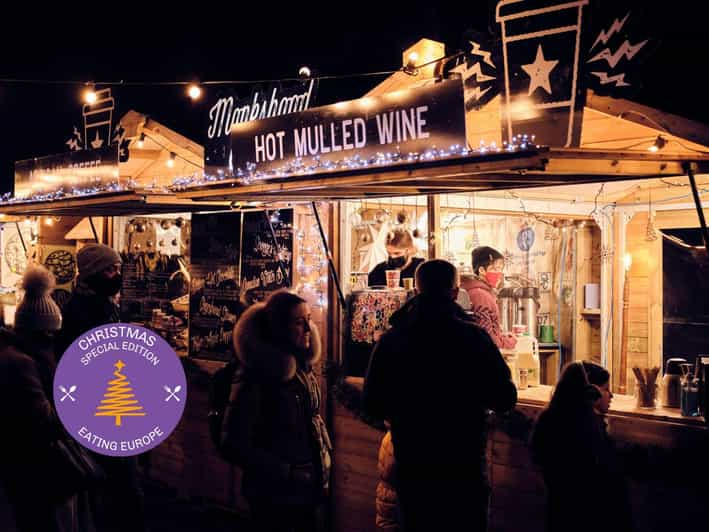
Three hours is a good length for this kind of outing. You get enough time to cover several neighborhoods and eat at multiple stops without giving up an entire day of sightseeing.
I would book it near the start of your Berlin visit. The combination of food samples and local suggestions can help you decide where to return. It also gives you historical context before you visit other parts of the former East Berlin.
You need to be comfortable walking and standing. Flat shoes are essential, and the route is not suitable for wheelchair users or people with mobility impairments. Hotel pickup and drop-off are not included, so you make your own way to the station and away from the final stop.
Bring an appetite, but do not skip all food beforehand if you get hungry easily. The tastings are spread across the route, and the serving size at any one stop may be modest. Extra drinks are not included beyond the listed beer, Club Mate, and water.
Vegetarians and people with gluten-free needs can contact the company or add a note during booking. The company will try to accommodate those needs, but it cannot guarantee safety for severe allergies.
How this tour compares with exploring alone
Exploring East Berlin independently gives you more freedom. You can choose your own restaurants, linger over a meal, and spend as long as you like at a wall mural or club area. It also costs less if you mainly want inexpensive street food.
The guided tour offers something different. You get a planned sequence of tastes and a person who can explain why those foods matter in Berlin. The family supper club, Vietnamese tacos, and Turkish-German food connections are easier to appreciate when someone supplies the local context.
The route is also useful for first-time visitors who might otherwise stay around the Brandenburg Gate and Museum Island. It takes you into a part of the city where the story is told through everyday businesses and public spaces.
For repeat visitors, the tour can still work. One Danish participant who had visited Berlin many times found new places and fresh ideas through the route. That does not guarantee surprises for everyone, but it suggests the experience is not limited to first-time sightseeing.
Should you book the East Berlin food tour?
Book it if you want Berlin history in small, digestible pieces and you enjoy trying several foods in one afternoon. It is especially well suited to first-time visitors, curious eaters, and anyone interested in how immigrant communities have shaped the city.
I would also recommend it to repeat visitors who want a different view of East Berlin. The mix of currywurst, Syrian food, Vietnamese fusion, döner, Turkish sweets, wall art, and club areas gives you a broad picture in only three hours.
Think twice if you need a wheelchair-accessible route, have severe food allergies, dislike walking, or want a full sit-down meal. You should also be comfortable with some flexibility, since food offerings and stops may change.
For me, the strongest reason to book is the connection between food and place. Clara, Carla, and Anastasia have each been praised for making that connection clear, and the $104 price is easiest to justify when you treat the tour as both a tasting menu and a guided introduction to East Berlin.
FAQ
How long does the East Berlin Food and History Tour last?
The tour lasts three hours.
What language is the tour conducted in?
The tour is conducted in English with a live English-speaking guide.
What foods are included?
Included tastings are döner kebab or a shawarma wrap, metabal made with smoked aubergine, tahini, and garlic, Vietnamese chicken tacos, currywurst, mixed caramelised nuts, and a Turkish sweet.
Which drinks are included?
The tour includes Club Mate, local craft beer, and water. Extra drinks are not included.
Where does the tour meet?
Go into the main station hall, walk toward McDonald’s, and continue to track 8. Take the escalator down to the platform. The guide waits in front of the bakery with a purple Eating Europe bag.
Can dietary requirements be accommodated?
You can email the company or add a note during booking for vegetarian, gluten-free, or other dietary needs. The company will try to accommodate them, but the activity is not suitable for people with severe or life-threatening food allergies to ingredients found on the tour.
Is the tour suitable for wheelchair users?
No. The activity is not suitable for wheelchair users or people with mobility impairments.
Can children join the tour?
Children under four do not need a ticket and can join for free, but food is not included for them. Paid tickets with food are available for children aged four and older.
Latest history tours reviewed in Berlin
- Berlin: History and Sightseeing with Kids (Free for Kids)★ 4.9 · 19 reviews
- Berlin: Nazi History Walking Tour★ 4.8 · 33 reviews
- Berlin: Urbex Abandoned Places & History Tour★ 4.8 · 18 reviews
- Berlin: Historic Boat Sightseeing City Center Tour★ 4.5 · 415 reviews
- Berlin: Historical Sights & Berlin Wall Tour with a Berliner★ 5.0 · 62 reviews
- Berlin: Guided Craft Beer & Cultural Tour With Snacks★ 5.0 · 68 reviews
- Berlin (E)Bike Tour Historical Highlights in Small groups★ 4.5 · 24 reviews
- Berlin: Historic Center Walking Tour with a Real Berliner★ 5.0 · 134 reviews
Berlin History Tours, compared.

Berlin: 3-Hour World Heritage Cruise to Potsdam
Read our review →
Berlin: History of the Third Reich Guided Walking Tour
Read our review →

Berlin Private Complete History All Day Walking Tour
Read our review →
Berlin: Cold War & Berlin Wall History Guided Bike Tour
Read our review →
Berlin: Historic Boat Sightseeing City Center Tour
Read our review →
Small group Potsdam: A Journey Through History and Palaces
Read our review →Browse the lists this tour appears in