
Review · COLOMBIA
Shared Medellín Downtown Tour with Wireless Audio
Medellín’s downtown tells two stories at once: a city built by railroads, industry, and proud Paisa culture, and a city forced to face the violence of the 1980s and 1990s. This three-hour walking tour connects those chapters without treating the past as a tourist prop.
I like the crisp wireless audio system, which lets you hear the guide while taking photos, and the focus on social change rather than a simple parade of monuments. I also like the practical local advice about coffee, food, souvenirs, and other parts of Colombia. The drawback is the length and pace: you may walk about 8 kilometers, and downtown can feel uncomfortable in crowded areas.
Key points to know before you go
- A serious look at Medellín’s past: The tour discusses drug trafficking, violence, recovery, and public investment without skipping the difficult parts.
- A useful first-day orientation: Botero Plaza, Junín Street, La Alpujarra, the railroad district, and the Park of Lights give you a strong map of central Medellín.
- Wireless audio in busy streets: You can keep listening while taking pictures, though the equipment must be returned if rain begins.
- Guides with distinct personalities: Miguel, Santiago, Carolina, Deisy, Daniel, Sebastian, Alejandro, and others lead the tour, so the tone can vary from group to group.
- Good value at $13: You receive about 150 minutes to three hours of guiding, local context, and city tips without paying for transport or entry tickets.
- Not an easy stroll: Expect long periods on foot, short rest stops, crowds, and areas that may feel confronting.
Botero Plaza is the right place to begin
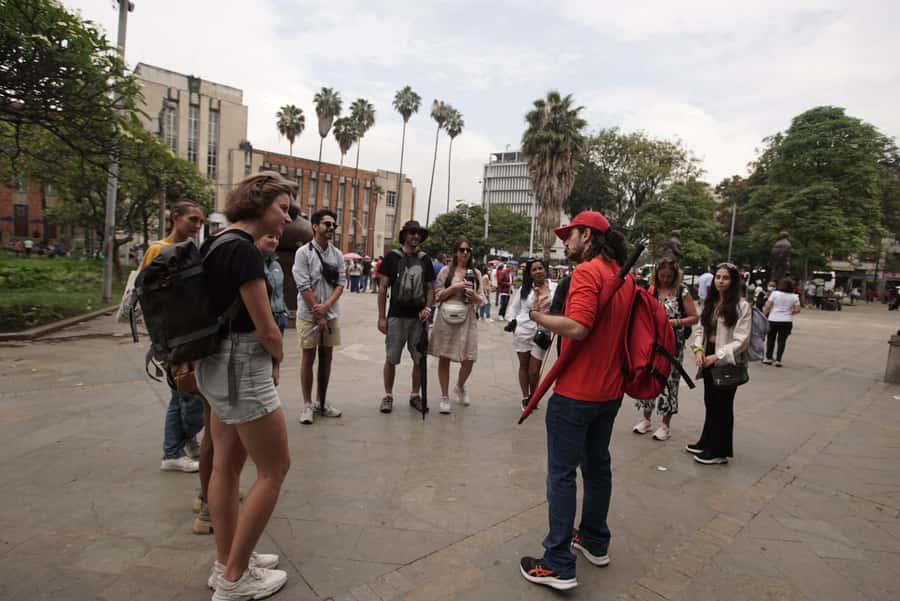
Meet in front of the Museo de Antioquia at Botero Plaza, under Beyond Colombia’s red umbrellas. This is an easy landmark to find, and it puts you in the middle of central Medellín from the first minute.
The plaza is known for its collection of large bronze sculptures by Fernando Botero. His rounded figures are not simply photo stops. They open a conversation about Colombian art, Medellín’s public spaces, and the way art can make a city center more approachable.
Your guide will use the square to explain where Medellín fits in Colombia and why Paisa culture matters. Paisas are associated with Antioquia, the department around Medellín, and the tour treats their identity as one of the main keys to understanding the city.
I appreciate this beginning because it avoids a common problem with downtown walks: naming buildings without explaining the people and habits behind them. You get a cultural frame before the tour starts moving through the streets.
More History Tours in the world:
- New York City: American Museum of Natural History Ticket
★ 4.5 · 15,447 reviews - History and Hauntings of Salem Guided Walking Tour
★ 5.0 · 14,564 reviews - Colosseum: Underground and Ancient Rome Tour
★ 4.7 · 12,691 reviews
The Paisa story is about work, trade, and pride
One of the tour’s central themes is the development of Medellín through industry and commerce. The story is not limited to famous politicians or criminals. It also looks at the culture of work, enterprise, and collective effort that helped make Antioquia important within Colombia.
You will hear about Paisa industry and culture as two connected forces. The guide explains why people from the region take pride in their ability to build businesses and adapt to hard conditions, while also showing how that pride can shape the city’s public life and outlook.
This part is especially useful if Medellín is your first stop in Colombia. It gives you a way to understand local identity without reducing it to friendly stereotypes. The experience presents Paisa culture as proud, practical, ambitious, and shaped by a difficult past.
The exact balance depends on your guide. Miguel is repeatedly described as passionate about his city and willing to answer questions about both history and current affairs. Santiago is known for an energetic, easygoing presentation, while Carolina has made a point of checking that English-speaking visitors understand the material.
Junín Street brings the city down to street level
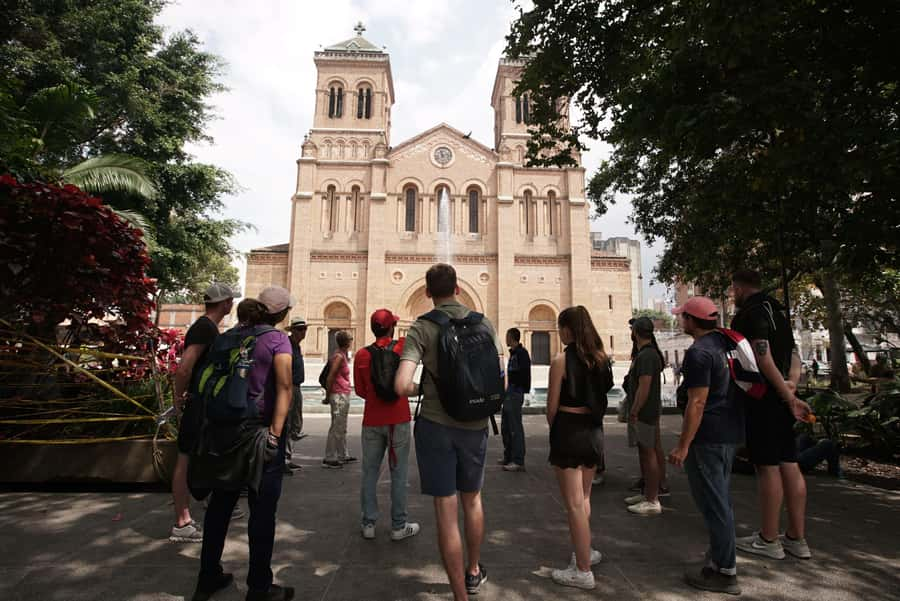
The route moves through passages and along the famous Junín Street. This is where the tour feels less like a museum visit and more like a guided walk through daily downtown life.
You should expect crowds, vendors, people going about their business, and the usual need to keep your phone and wallet secure. The advice to keep your belongings close is practical, not dramatic. The tour passes through busy areas, so avoid displaying valuables and stay aware while listening.
The wireless receivers help here. Instead of gathering tightly around a guide who is trying to project over traffic and street noise, you can hear the explanation at a more comfortable volume. You can also step aside for a photograph without losing every sentence.
There is a small tradeoff. The audio equipment is not waterproof, so the group must collect it if rain starts. Medellín’s weather can change quickly, which is why you should bring a rainproof coat or umbrella even if the morning looks clear.
The railroad and La Alpujarra explain Medellín’s growth
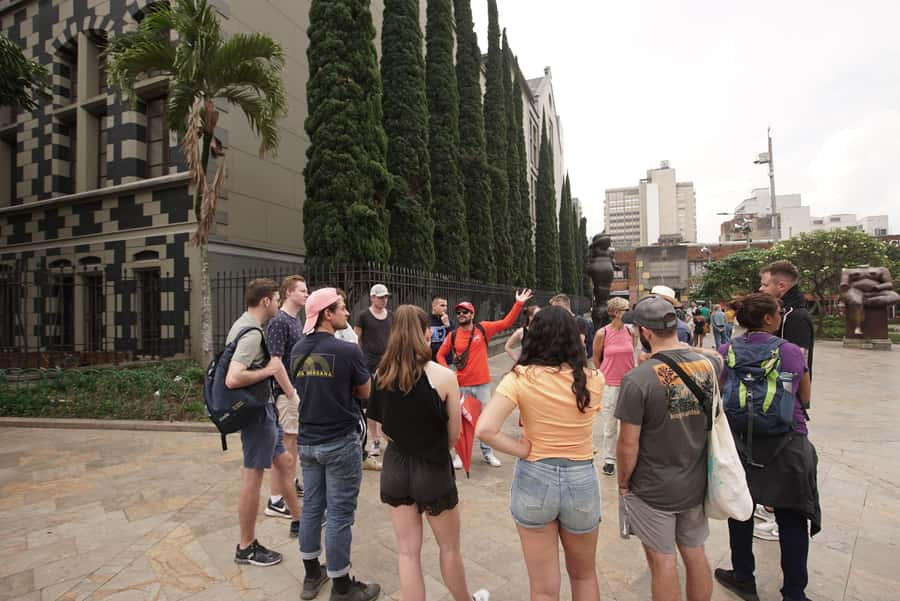
The railroad and La Alpujarra are among the most useful stops for understanding how Medellín developed. The route treats the railroad as more than an old transport system. It was a symbol of connection, trade, and the city’s push toward modern growth.
La Alpujarra adds a civic and administrative side to the story. Here, the guide connects Medellín’s institutions and public works with the wider effort to build a more functional city.
This section is valuable because it shifts the focus away from the familiar drug-trafficking narrative. Medellín did not begin in the 1980s, and it did not become interesting only because of its troubled reputation. The railroad and La Alpujarra help you see the longer process of urban development.
I would pay close attention here and ask questions. Several guides have been praised for explaining political and social history in a way that feels responsive rather than rehearsed. Alex, for example, is described as particularly good at answering questions and connecting the city’s past with present-day issues.
Same old streets, another chapter:
- Lisbon: History, Stories and Lifestyle Walking Tour
★ 4.8 · 10,902 reviews - London Small Group Tour of Historical Pubs
★ 5.0 · 10,422 reviews - Prague: Oldtown, Medieval Underground & Dungeon History Tour
★ 4.3 · 10,277 reviews - Charleston’s Old South Carriage Historic Horse & Carriage Tour
★ 5.0 · 10,023 reviews
The Park of Lights honors a builder of the city
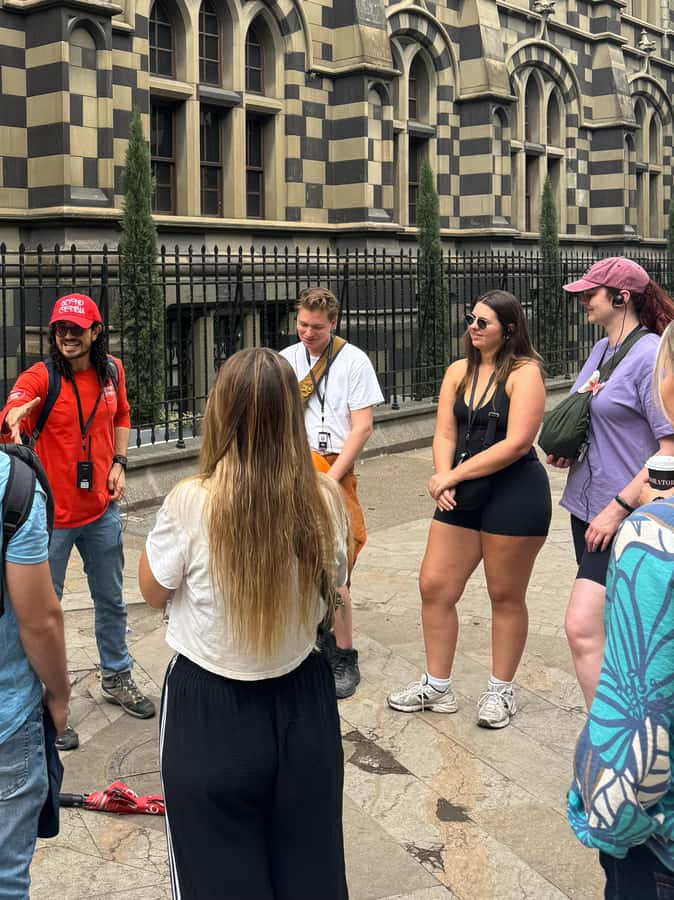
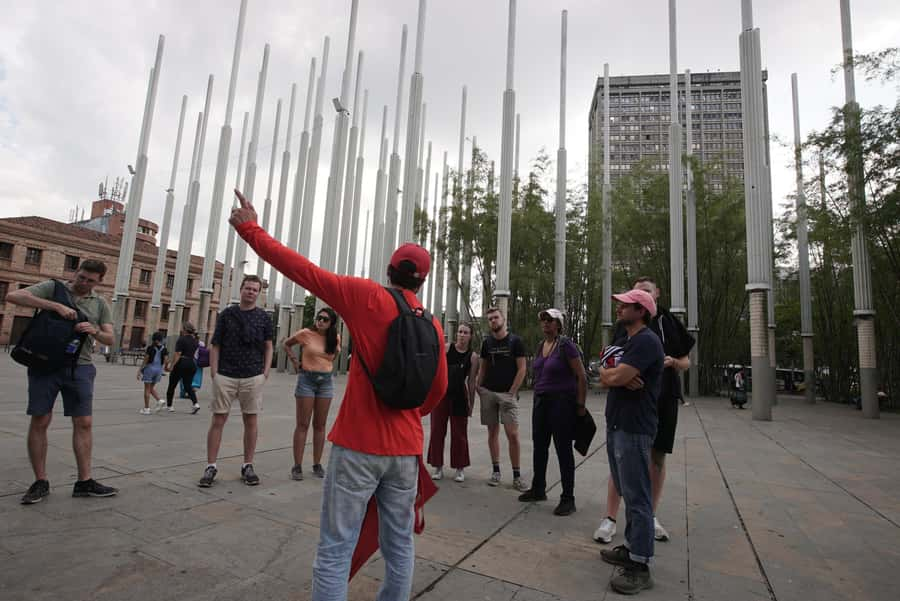
The Park of Lights is another main stop. Its tall light structures provide a visual reminder of Medellín’s effort to reshape public space, while the park also pays tribute to the father of the city’s railroads.
The guide uses this location to connect engineering, public memory, and urban renewal. It is a good place to think about how a city chooses what to honor. Medellín’s story is not only about conflict. It also includes infrastructure, public investment, and attempts to make central areas more open and welcoming.
The park can feel very different from Botero Plaza. Botero’s sculptures offer a personal artistic signature, while the Park of Lights speaks more about civic identity and the city’s modern direction. Together, the two stops give the tour a useful contrast.
Do not expect a long indoor visit here. This is an outdoor walking tour, and the value comes from the guide’s explanation rather than from admission to a formal attraction.
The 1980s and 1990s are discussed without softening
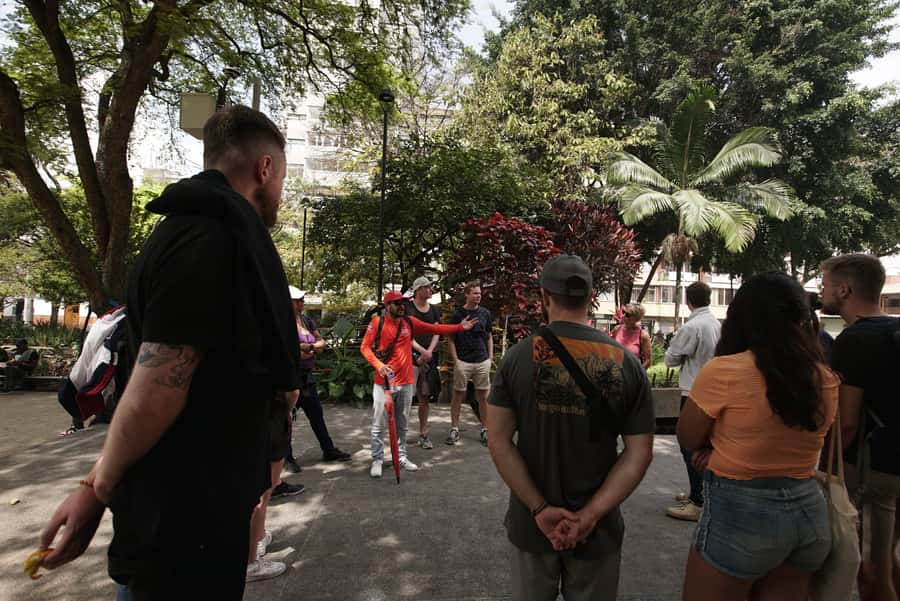
The most important part of the tour for many people is its treatment of Medellín’s violent past. The guide discusses the 1980s and 1990s, drug trafficking, and the damage done to the city without making the subject the only thing worth knowing about Medellín.
That balance matters. You will not get a glossy story about a city that simply fixed itself, but you also will not be pushed into a crime-tourism version of Medellín. The stated aim is to explain how the city moved from violence toward a brighter future through resilience, public investment, and collective work.
The guides do not always sound completely neutral. One visitor felt the presentation was not fully unbiased, despite the promise of objective information. That is worth keeping in mind. A local guide brings personal experience, pride, and interpretation to the story. For me, that can be a strength, provided you listen critically and ask questions.
Daniel has been praised for presenting Medellín’s progress while remaining open about its ongoing challenges. Sebastian has also received strong marks for offering a view of the city that is not focused only on narcos. That approach is exactly what I would want from a first downtown tour.
What the guides add to the walk
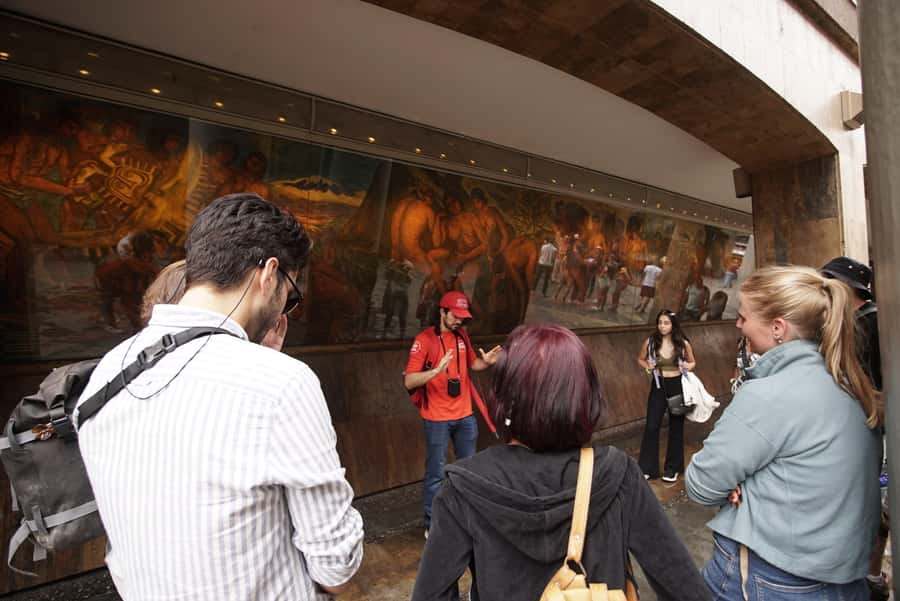
Beyond Colombia uses a rotating team, so your guide will shape the experience. The names most often associated with strong feedback include Miguel, Santiago, Carolina, Deisy, Daniel, Sebastian, Alejandro, Alex, Manuel, Jhon, and Sian.
Miguel’s style is described as warm, passionate, and flexible. He has helped people who arrived late, answered questions about current events, and offered suggestions for later activities. Santiago is often praised for energy, humor, and a clear presentation of the city’s history. Deisy is known for friendliness and for making sure people understand when language is a concern.
Manuel has been praised for answering questions and explaining the city with care. Alejandro has led groups through less familiar chapters of Medellín’s story. Alex is especially useful if you want political and social context rather than only landmark facts.
You cannot select a particular guide from the information provided, so book this as a strong team experience rather than a promise of one person. English and Spanish are available, and the guide may adjust the pace or emphasis to suit the group.
The wireless audio is more useful than it sounds
The audio receivers are a practical feature, especially on Junín Street and other noisy sections. You can take pictures, stand slightly apart, and still follow the story. That is better than trying to crowd around a flag or guide while traffic and street noise compete for attention.
The system is intended for people aged 15 and older. It is not waterproof, so rain changes the plan for the equipment. If a shower begins, the devices must be collected and kept dry.
You should also remember that this is not a private tour. The guide will be speaking to a shared group, and the size may vary. One small group had only five people, but you should not count on that. A shared format keeps the price low, though it can make questions and street crossings take longer.
How hard is the three-hour walk?
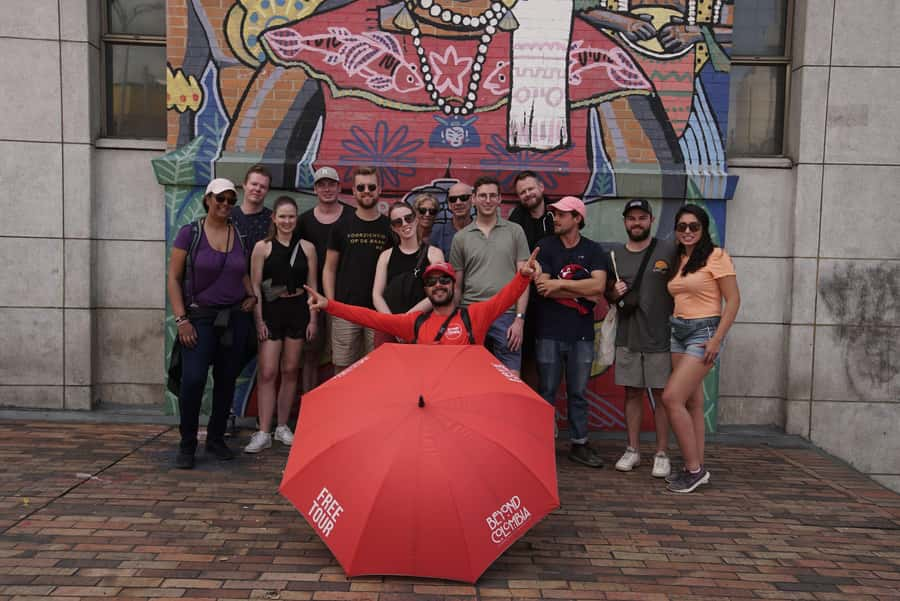
The tour lasts about 150 minutes to three hours and covers roughly 8 kilometers with rest stops. That is a solid walk, not a gentle loop around one plaza.
Wear comfortable shoes and light clothing suited to the weather. Carry water or another drink, since you may feel thirsty during the longer stretches. An umbrella or rainproof coat is a sensible addition.
The activity is not suitable for people with mobility impairments. Even if you normally enjoy walking, consider the heat, sudden rain, crowded sidewalks, and the need to stop and start while listening.
The pace also affects what you notice. You will see more of central Medellín than you would on a short landmark circuit, but you may have less time to linger at each place. If you want long museum visits or extended photography stops, this is not the right format.
Safety and street conditions in central Medellín
The tour passes through crowded areas, and downtown can feel confronting. You may encounter people asking for money in persistent ways, along with visible drug use and other signs of hardship. That is part of the present-day setting, not something the tour can remove.
I would approach this area with an open mind and a calm manner. Do not hand out money impulsively, display expensive items, or wander away from the group. Keep your friends close and your belongings closer.
This direct look at downtown is also one of the tour’s advantages. You are not being shown a polished resort zone. You are seeing a working city with public problems, social programs, art projects, commerce, and ordinary routines sharing the same streets.
Is $13 a good value?
At $13 per person, the value is strong if you want context. You are paying for a live guide, a long walking route, wireless audio, and recommendations for coffee, food, souvenirs, and other local stops.
There is no transport, food, drink, souvenir, or entrance ticket included. That keeps the cost simple. You are also not being led into attractions that suddenly demand an extra payment, which makes budgeting easier.
The real question is how much you value explanation. If you only want photographs of Botero’s sculptures, you can visit the plaza on your own. If you want to understand why the railroad mattered, how Paisa culture shaped the city, and how Medellín addresses its violent past, $13 buys a useful first layer of context.
You can cancel up to 24 hours ahead for a full refund, and you can reserve without paying immediately. Those flexible terms help if your schedule in Medellín is still changing.
Who should book this Medellín walk?
I would choose this tour for a first or second day in Medellín. It gives you a mental map of downtown and helps you decide which places deserve a later, slower visit.
It suits you if you:
- Want history that includes industry, art, politics, conflict, and recovery
- Prefer a local guide to a self-guided walk
- Can comfortably walk about 8 kilometers
- Are willing to discuss Medellín’s difficult past without expecting a polished story
- Want practical suggestions for coffee, meals, souvenirs, and future sightseeing
- Are comfortable in crowded city-center areas
You may want another option if you have mobility limits, dislike long walks, want a private guide, or prefer a tour focused only on art and architecture. Families with children under 15 should also note that the audio system is not suitable for younger children.
Should you book the Beyond Colombia downtown tour?
Yes, if you want a low-cost introduction to Medellín that takes the city seriously. The strongest feature is not any single monument. It is the connection between Botero’s art, Paisa identity, railroad development, public space, and the violence and recovery that shaped modern Medellín.
Book it early in your stay, wear proper shoes, carry water, and bring rain protection. Go prepared for a shared group and for downtown’s rough edges. If you do, this tour should give you more than a checklist of sights. It should help you understand what you are seeing when you walk through central Medellín afterward.
FAQ
Where does the Medellín downtown tour meet?
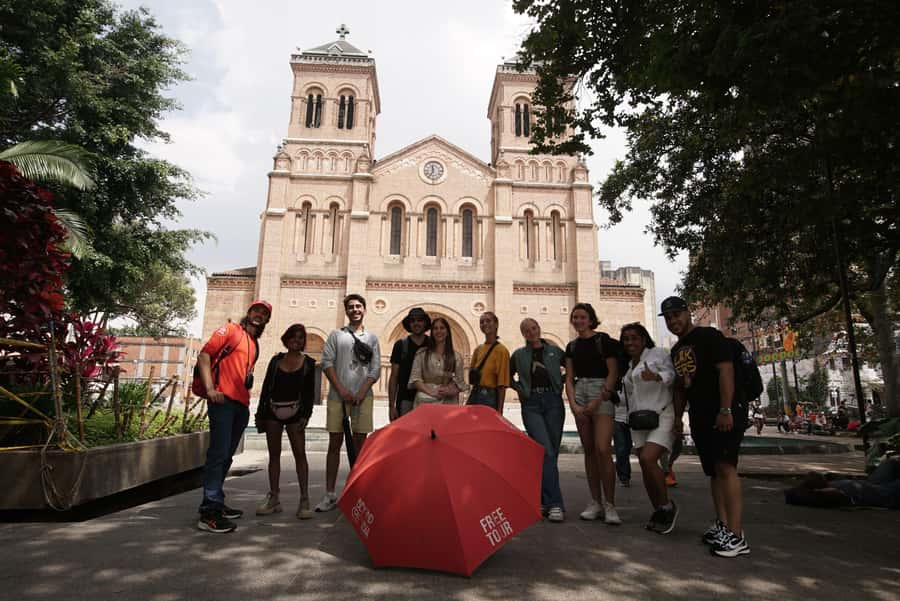
Meet in front of the Museo de Antioquia at Botero Plaza. Look for the Beyond Colombia guides with red umbrellas.
How long does the tour last?
The tour lasts approximately 150 minutes to three hours. The exact duration can vary with the route, stops, group, and questions.
What languages are available?
The tour is available in English and Spanish.
How much does the tour cost?
The listed price is $13 per person.
Is transportation included?
No. You travel to the meeting point independently, and the tour itself is on foot. Transportation to or from your hotel is not included.
How far will I walk?
You should expect to walk about 8 kilometers, with stops to rest and listen to the guide.
What places are included?
The tour includes Botero Plaza, parts of the historic center, Junín Street, La Alpujarra, the railroad area, and the Park of Lights. The route also includes passages and other central locations.
Is the tour private?
No. This is a shared tour, so you will join other participants and meet new people.
Can children use the wireless audio system?
The wireless audio system is not suitable for children under 15 years old.
What happens if it rains?
The audio devices are not waterproof. If rain begins, the guides must collect the devices and keep them safe, so bring an umbrella or rainproof coat.
Can I cancel the booking?
You can cancel up to 24 hours in advance for a full refund. You can also reserve now and pay later.
Latest history tours reviewed in the world
- From Athens: Ancient Olympia Full-Day Private Tour★ 4.8 · 22 reviews
- From Athens: Explore Ancient Corinth & Charming Nafplion★ 4.6 · 102 reviews
- From Athens: Explore Ancient Greece 4-Day Tour★ 4.7 · 73 reviews
- From Albufeira: Wine Tasting & Historic Silves Tour★ 4.9 · 421 reviews
- From Albufeira: Historical Algarve Region Tour★ 4.7 · 585 reviews
- From Alexandria: Full-Day Guided Tour of Historical Sights★ 4.5 · 54 reviews
- Franklin: Ghost Tour in Historic Franklin★ 4.8 · 65 reviews
- Freiburg: Exciting City Tour with sightseeing and history★ 4.3 · 103 reviews
Colombia History Tours, compared.
Cartagena: Historic Center and Getsemaní Shared Walking Tour
Read our review →
Historical Shared Tour Salsa, Graffiti & Resistance in Cali
Read our review →
Browse the lists this tour appears in