
Review · WARSAW
Warsaw: Jewish History Guided Walking Tour in English
Warsaw’s Jewish story is easiest to understand on foot, where an ordinary street corner can mark a vanished neighborhood, a former ghetto border, or a wartime act of resistance. This 150-minute English walking tour connects those fragments with the story of a Jewish community that once made Warsaw the second-largest Jewish city in the world.
I like the focus on Jewish life before the Holocaust, not just the years of persecution. I also like the guides’ habit of using questions, photographs, maps, and personal stories to make an almost vanished city easier to picture. The main drawback is simple: you remain outdoors for the entire tour, so cold weather, heat, and a large group can affect the experience.
Key points to know before you book
- Nożyk Synagogue is Warsaw’s only surviving pre-war synagogue, though entry is not guaranteed as part of the walk.
- Chłodna Street marks the site of a former bridge that connected two sections of the Warsaw ghetto.
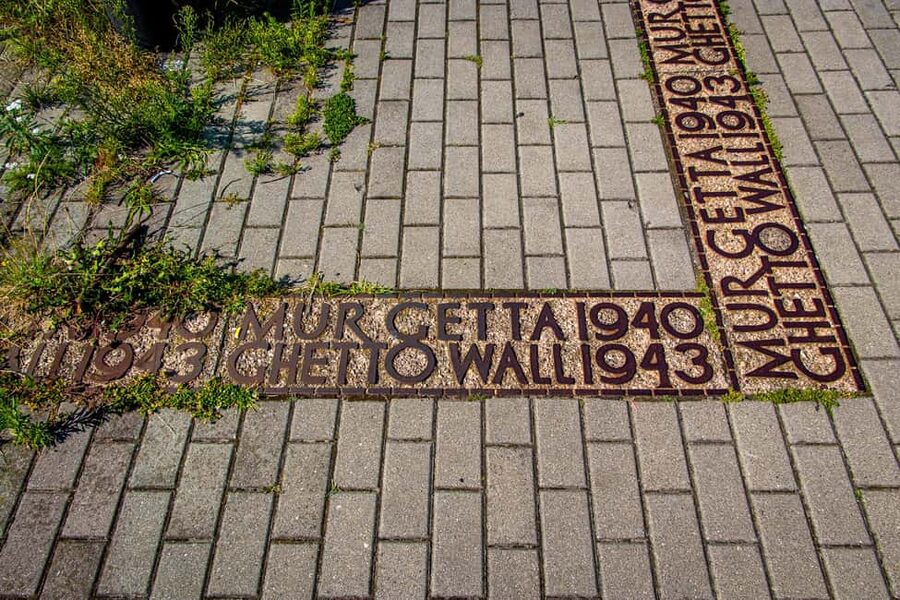
- Waliców Street reveals both ghetto history and the story of the Warsaw Uprising, giving the walk a wider wartime frame.
- The tour explains Jewish Warsaw before 1939, including its artists, writers, actors, journalists, and political involvement.
- Guides use different methods, from photographs and maps to humor, family memories, and open discussion.
- The group is normally a general walking tour, while a smaller private outing can be arranged by contacting Walkative Tours after booking.
Why this walk matters before you visit the Warsaw Ghetto Museum
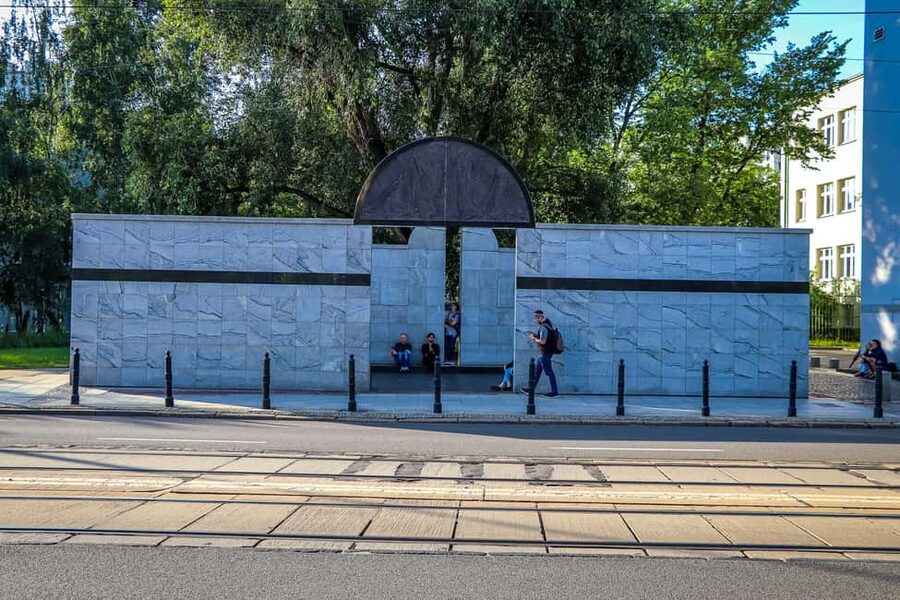
A Holocaust history tour can become a list of dates, names, and atrocities. This one works best when it first shows you what was destroyed. Jewish Warsaw was not only a wartime ghetto. It was a large, active part of the city, shaped over centuries by families, religious life, political struggles, business, theater, journalism, and the arts.
That order matters. When you hear about the interwar period first, the scale of the loss becomes clearer. Hundreds of Jewish artists, actors, writers, and journalists lived and worked in Warsaw. The city’s Jewish cultural life was unusually active, and it formed part of the wider Polish capital rather than existing as a separate story with no connection to its neighbors.
You also hear about Jewish participation in 19th-century struggles against occupying powers and in Polish uprisings. That helps correct the narrow idea that Jewish history in Warsaw begins with the ghetto and ends with the Holocaust. The tour places Jewish residents within the political and social life of Poland across several periods.
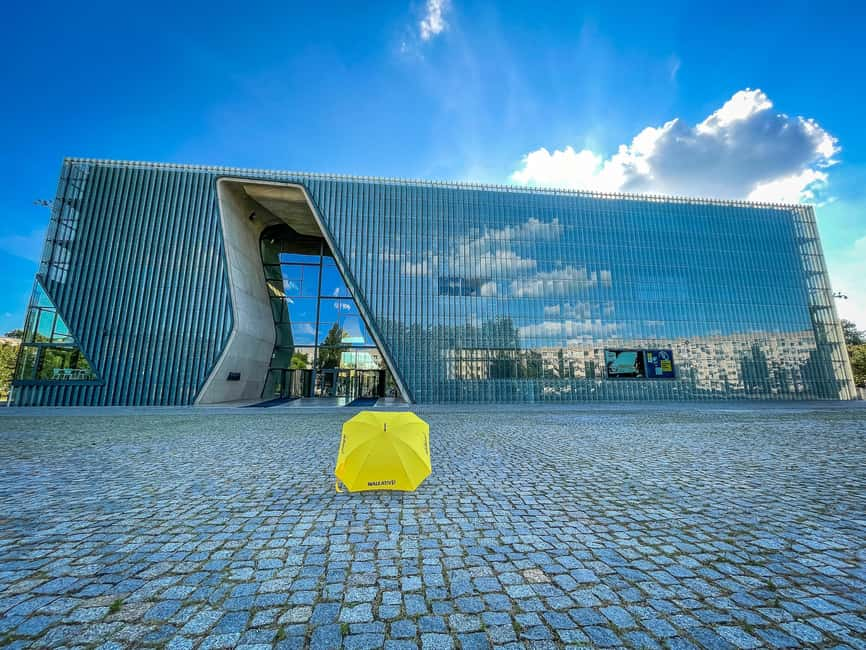
I find that context especially useful if you are visiting the POLIN Museum of the History of Polish Jews or other Holocaust sites afterward. The walk gives you a physical sense of place first. Museum exhibits can then add documents, objects, and testimony to locations you have already seen.
More Jewish Heritage Tours in the world:
- Budapest Jewish Heritage Memorial Walking Tour & Synagogue Entry
★ 5.0 · 568 reviews - 3-Hour Porto Jewish Heritage Walking Tour with Local Guide
★ 4.5 · 396 reviews - Private Jewish Heritage Journey by Barcelona Dreaming
★ 4.8 · 383 reviews
Starting at Grzybowski Square and All Saints Church
The meeting point is next to All Saints Church at Grzybowski Square. Look for the yellow umbrella, a practical landmark in a busy central area. You do not receive hotel pickup, so plan to make your own way there and arrive with enough time to find the group.
Grzybowski Square is a fitting starting place because the surrounding streets bring together present-day Warsaw and traces of the wartime city. The modern setting can feel surprisingly ordinary. That is part of the lesson. Much of Jewish Warsaw was destroyed or rebuilt, so the story often depends on the guide explaining what once occupied the space in front of you.
The opening section usually establishes the basic timeline: centuries of Jewish life, the interwar years, Nazi occupation, the ghetto, resistance, destruction, and the community that exists in Warsaw today. The subject is painful, but the strongest guides keep the tone human rather than theatrical.
Different guides bring different strengths. Andrzej has been praised for offering the walk even when one person was booked, then handling a difficult subject with care. Jacek is known for a good pace and active conversation. Aga has been described as factual and passionate, while Luke combines direct language and humor with a Polish perspective. Christopher has been particularly strong at answering detailed questions and connecting small details across the city.
You cannot choose a particular guide from the information provided, so expect the style to vary. That is not a problem for most people, but it is worth knowing if you prefer a fixed script or a private guide.
Chłodna Street and the vanished ghetto bridge
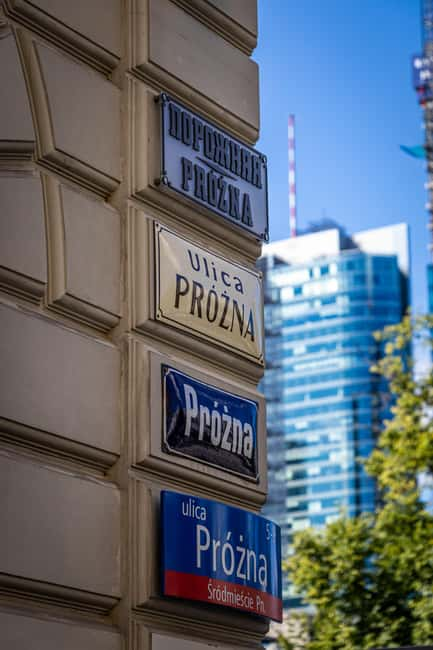
Chłodna Street is one of the walk’s most effective stops because it shows how geography shaped daily life in the ghetto. The tour visits the site of the bridge that once joined two separated parts of the ghetto.
The bridge is no longer there. You are looking at a normal street, not a preserved structure. The guide’s explanation, supported in some cases by historical photographs or maps, helps you picture the division and the movement of people across it. This is one of the places where imagination becomes part of the experience.
The lack of surviving buildings is also the tour’s main challenge. You will not walk through a complete wartime neighborhood. Instead, you will compare the present street with images of what stood there, while the guide explains how the ghetto was organized and how residents experienced confinement.
A good guide needs to speak clearly here, especially if the group is large or traffic is noisy. One person found it occasionally difficult to hear when the guide moved ahead before finishing a sentence. Staying near the guide and asking for a repeat is sensible. The best guides actively involve the group and leave room for questions, but you should not hang too far back.
The bridge site also gives the tour a human scale. Instead of thinking only about maps and walls, you consider how people moved between separated sections, how restrictions changed ordinary routines, and how the city’s streets became tools of control.
Waliców Street and the changing shape of Warsaw
Waliców Street was once part of the ghetto border. Here, the guide explains how the boundary cut through a living city and how the area later became linked with the Warsaw Uprising.
This stop is useful because it joins two major wartime stories that are sometimes taught separately. The Jewish ghetto uprising and the wider Warsaw Uprising were different events, with different aims and dates, but both belong to the history of a city under German occupation. The walk helps you understand how the city’s destruction unfolded across more than one act of resistance.
Waliców Street also raises a practical question: what can a visitor actually see? In many places, the physical evidence is limited. You may see surviving fragments, later buildings, or street lines that no longer match the wartime city. The guide’s words and visual material do much of the work.
That may disappoint anyone expecting a preserved memorial route at every stop. I would choose this tour for interpretation, not for a long sequence of intact wartime buildings. The value lies in learning how to read modern Warsaw as a city built over loss.
More History Walking Tours in the world:
- History and Hauntings of Salem Guided Walking Tour
★ 5.0 · 14,564 reviews - Lisbon: History, Stories and Lifestyle Walking Tour
★ 4.8 · 10,902 reviews - Boston: Freedom Trail History Small Group Walking Tour
★ 5.0 · 6,450 reviews - Historic Charleston Guided Sightseeing Walking Tour
★ 5.0 · 6,216 reviews
Nożyk Synagogue, the clearest surviving link
Nożyk Synagogue is the tour’s most direct connection with pre-war Jewish Warsaw. It is the only surviving synagogue in Warsaw from before the war, making it an important physical reminder of the city’s former Jewish community.
The group sees the synagogue from the route, but entry is not clearly included. One person noted that some members of the group had hoped to go inside. Keep that distinction in mind when comparing this walk with a synagogue visit or a museum program. If entering the building is essential to you, confirm the current arrangements before booking.
Even from outside, Nożyk Synagogue gives the guide a solid point around which to explain religious life, community institutions, and the destruction of Jewish Warsaw. It is more than an attractive building on a walking route. It helps you understand how much of the city’s religious and communal infrastructure disappeared.
You may also find this stop more meaningful after hearing about the city before the war. Without that background, a surviving synagogue can seem like an isolated monument. With it, the building becomes a link to the families, congregations, schools, cultural groups, and neighborhood life that once surrounded it.
The story before 1939 is the tour’s great strength
Many visitors come to Warsaw wanting to understand the ghetto and Holocaust. This walk gives you that, but it also spends time on earlier periods. I consider that one of its best choices.
The tour discusses Jewish participation in Warsaw’s civic life and in resistance to occupying powers during the 19th century. It then moves to the interwar years, when Jewish Warsaw supported a large cultural world of theater, writing, journalism, and art.
That fuller story avoids reducing people to victims. Jewish residents were neighbors, professionals, artists, political activists, religious leaders, business owners, parents, and children. They disagreed with one another, contributed to Polish public life, and built institutions of their own.
The guide’s handling of this section matters. Strong guides such as Aga and Christopher have been praised for clear facts and detailed answers. Others, including Luke and Andrzej, use humor carefully to keep the group attentive during a very difficult subject. The humor is not meant to make the tragedy lighter. It can give you a moment to breathe before the walk returns to persecution and death.
You should also expect direct language. One guide asked before sharing especially harsh details, while another was described as honest and unwilling to soften terrible events. That approach suits adults who want a serious account, but you may prefer to tell the guide if you do not want graphic detail.
Resilience, resistance, and Jewish Warsaw today
The tour does not end with destruction. It also looks at courage during the war and at the young, diverse Jewish community in Warsaw today.
That final section changes the emotional balance. You are not asked to leave Warsaw thinking of Jewish life only as something that ended in 1945. The city’s Jewish community is smaller than before the war, but it continues to develop and look toward the future.
The discussion of resilience works best because the earlier sections have established what was lost. It does not pretend that rebuilding erases the Holocaust. Instead, it shows that history can include survival, memory, cultural renewal, and new generations.
A few people have found the subject so engaging that they wanted the tour to continue longer. The scheduled time is 150 minutes, or two and a half hours, and it can pass quickly because the route mixes walking with explanation and questions. If you want a very slow pace with long periods at every stop, this may feel compressed.
Guide quality, group size, and listening conditions
The clearest pattern in the feedback is the strength of the guides. Names that come up include Andrzej, Jacek, Aga, Luke, Christopher, Anna, Ana, Tomasz, Agneska, and Yatzic. Their approaches differ, but the strongest common traits are clear English, strong command of the subject, patience with questions, and an ability to keep the group involved.
Several guides have stayed after the official end to answer questions or offer Warsaw suggestions. That can be useful if you want recommendations for the rest of your visit, though extra time should not be treated as guaranteed.
The walk joins a general group tour. The size may vary, and a large group can make hearing more difficult, particularly on busy streets. Stay close, speak up if you miss a sentence, and do not be shy about asking the guide to repeat a point.
If you want more control, contact Walkative Tours after booking about a smaller private tour. The listed price covers a reservation fee and the guide’s payment for the general walk. A private arrangement may cost more, but it could suit families, study groups, or visitors who want longer discussion at selected sites.
Is $26 good value for 150 minutes?
At $26 per person, this is good value if you want an organized introduction to Jewish Warsaw rather than a private, highly customized experience. You receive two and a half hours with a live English-speaking guide, a route linking major locations, and historical interpretation that would be difficult to assemble from street signs alone.
The value comes less from admission tickets and more from the guide’s ability to explain absent buildings and connect separate events. Since the walk is outdoors and does not include hotel transport or a stated synagogue entry, you are paying mainly for research, storytelling, and direction.
The booking terms are also flexible. You can reserve now and pay later, and cancellation is free up to 24 hours before the start for a full refund. Check the available starting times when you book, since the duration is fixed but the departure schedule can change.
Weather, footwear, and the practical side of the walk
You are outside for the full two and a half hours. This point deserves more attention than it usually gets.
Cold weather has been a recurring concern, and one person specifically wished for a café break. The tour does not promise an indoor stop, so wear warm layers in winter, bring weather protection, and use comfortable shoes. In warmer weather, carry water and plan for steady walking.
There is no hotel pickup or drop-off. The meeting point is central and easy to identify if you look for the yellow umbrella beside All Saints Church, but you still need to arrange your own transport to and from Grzybowski Square.
The route is not described as wheelchair accessible, and no accessibility details are provided. If you have mobility or hearing concerns, ask the operator before booking. That is especially sensible for a historical route where much of the explanation takes place on city streets.
Who will get the most from this tour?
I would choose this tour if you want a serious introduction before visiting Warsaw’s museums and memorials. It suits first-time visitors, people with family connections to Polish Jewish history, and anyone who wants to understand the city beyond its rebuilt center.
It is also a good fit if you prefer a guide who welcomes questions. The strongest experiences seem to come when the group takes part, asks for clarification, and allows time for discussion.
You may want something else if you need a private tour, guaranteed synagogue entry, a fully indoor experience, or a route made up only of surviving wartime buildings. The walk deals honestly with absence, but that means some stops require you to study photos and listen carefully rather than inspect intact sites.
Should you book the Jewish History Guided Walking Tour?
Book it if you want to understand how Jewish Warsaw lived before the Holocaust, how occupation reshaped the city, and why streets such as Chłodna and Waliców still matter. The guides are the main reason to go, and the $26 price is fair for 150 minutes of thoughtful interpretation.
Bring warm clothes, expect to remain outside, and do not assume that Nożyk Synagogue entry is included. If you can accept those limits, this is a focused and worthwhile way to begin learning Warsaw’s Jewish story, with enough attention to the present to avoid treating the community as only a memory.
FAQ
Where does the Jewish History Guided Walking Tour meet?
It meets next to All Saints Church at Grzybowski Square. Look for a yellow umbrella.
How long does the tour last?
The walking tour lasts 150 minutes, or two and a half hours.
What language is the tour conducted in?
The tour is conducted in English with a live guide.
What locations are included?
The route includes Nożyk Synagogue, Chłodna Street, the site of the former ghetto bridge, and Waliców Street. It also covers Jewish life before the war, the Holocaust, the Warsaw Uprising, resistance, and the Jewish community today.
Can I enter Nożyk Synagogue during the tour?
Entry is not listed as included. The tour visits or views the synagogue, but you should confirm current entry arrangements if going inside is important to you.
Is hotel pickup included?
No. Hotel pickup and drop-off are not included.
Is the tour private?
No. The tour joins a general walking tour. You can contact Walkative Tours after booking to ask about arranging a smaller private tour.
What does the $26 price cover?
The price covers the reservation fee and the guide’s payment for the general walking tour.
Can I cancel the booking?
Yes. You can cancel up to 24 hours in advance for a full refund.
Can I reserve now and pay later?
Yes. The activity allows you to reserve your place and pay later, keeping your plans flexible.
Latest history tours reviewed in the world
- From Athens: Ancient Olympia Full-Day Private Tour★ 4.8 · 22 reviews
- From Athens: Explore Ancient Corinth & Charming Nafplion★ 4.6 · 102 reviews
- From Athens: Explore Ancient Greece 4-Day Tour★ 4.7 · 73 reviews
- From Albufeira: Wine Tasting & Historic Silves Tour★ 4.9 · 421 reviews
- From Albufeira: Historical Algarve Region Tour★ 4.7 · 585 reviews
- From Alexandria: Full-Day Guided Tour of Historical Sights★ 4.5 · 54 reviews
- Franklin: Ghost Tour in Historic Franklin★ 4.8 · 65 reviews
- Freiburg: Exciting City Tour with sightseeing and history★ 4.3 · 103 reviews
Warsaw History Tours, compared.
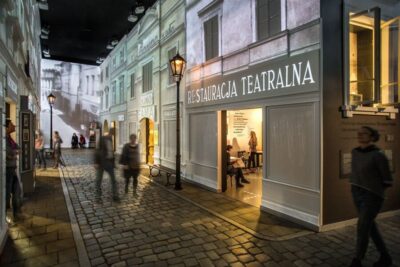
Warsaw: POLIN Museum of the History of Polish Jews Ticket
Read our review →
Warsaw: Chopin Concert at Historical Venue in Old Town
Read our review →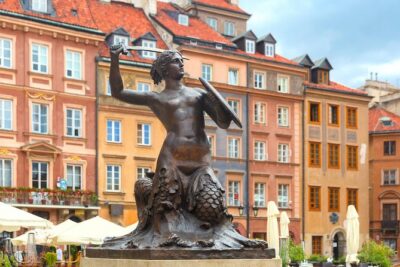
Small-Group Historical Guided Tour of Warsaw with pick up/drop off. Public Tour.
Read our review →Browse the lists this tour appears in