
Review · ITALY
Discover Herculaneum: A guided tour of the ancient Roman city
Herculaneum gives you something Pompeii often cannot: a close look at Roman homes and household life. The volcanic material preserved wooden partitions, furniture details, mosaics, frescoes, and everyday objects, making this a powerful place to picture people rather than only admire ruins.
I like the skip-the-line entry and the way a guide turns scattered walls into a readable neighborhood. I also like the choice to remain inside after the two-hour tour and continue at your own pace. The main drawback is practical: the site is not suitable for wheelchair users, and the larger Vesuvius combination requires a long day with fixed bus times.
Key points at a glance
- Household details survive: See the House of the Deer, House of the Bicentennial, and House of the Wooden Partition.
- Mosaics reward close attention: The Houses of Neptune and Amphitrite contain some of the tour’s most refined decoration.
- A guide makes the ruins readable: Danilo and Célestina are among the named guides praised for humor, clarity, and strong storytelling.
- The basic visit takes two hours: Afterward, you may remain in the archaeological site and explore independently.
- Vesuvius can be added: The longer option combines the ruins with a national park visit and bus service from Naples.
- Plan for sun and uneven ground: Comfortable shoes and a sun hat are sensible, and wheelchair users should choose another activity.
Why Herculaneum feels different from Pompeii
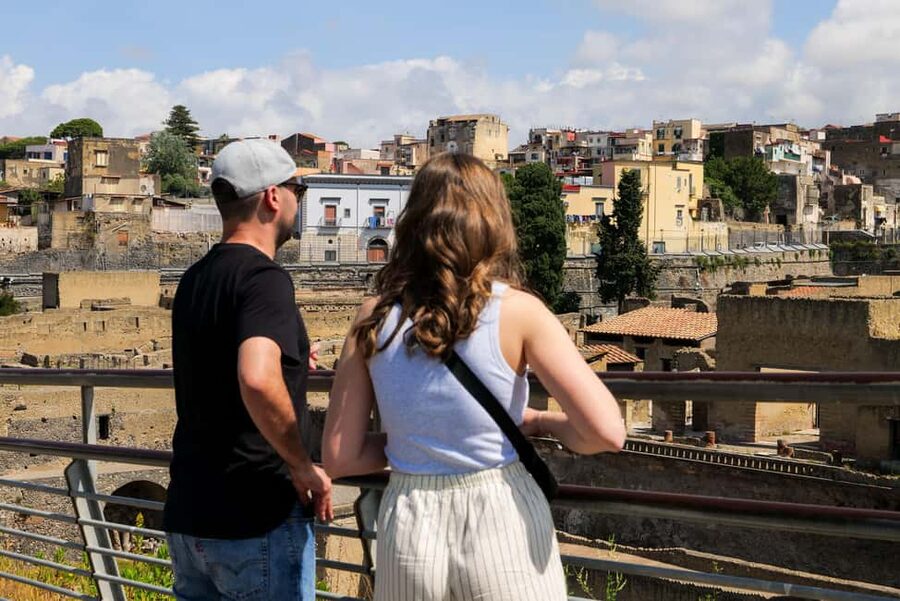
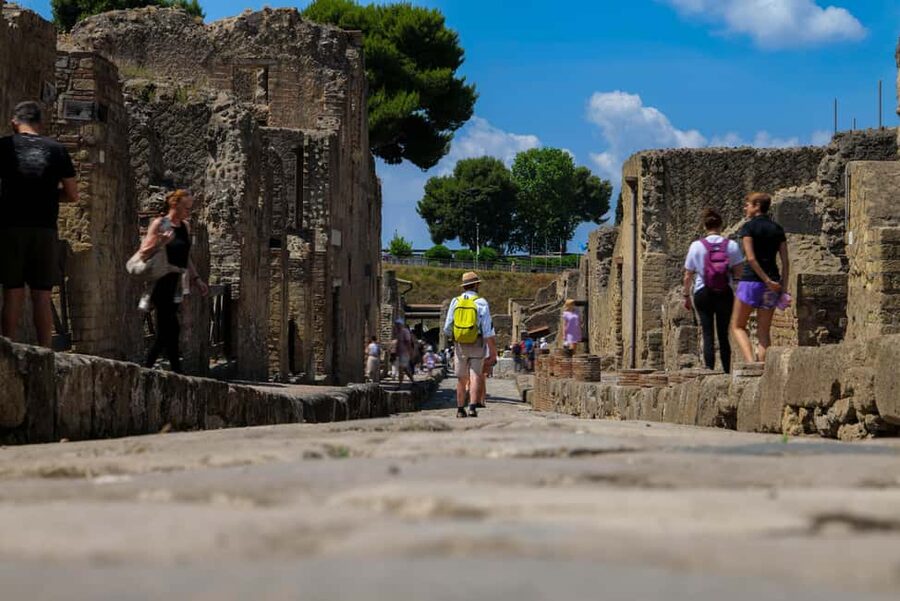
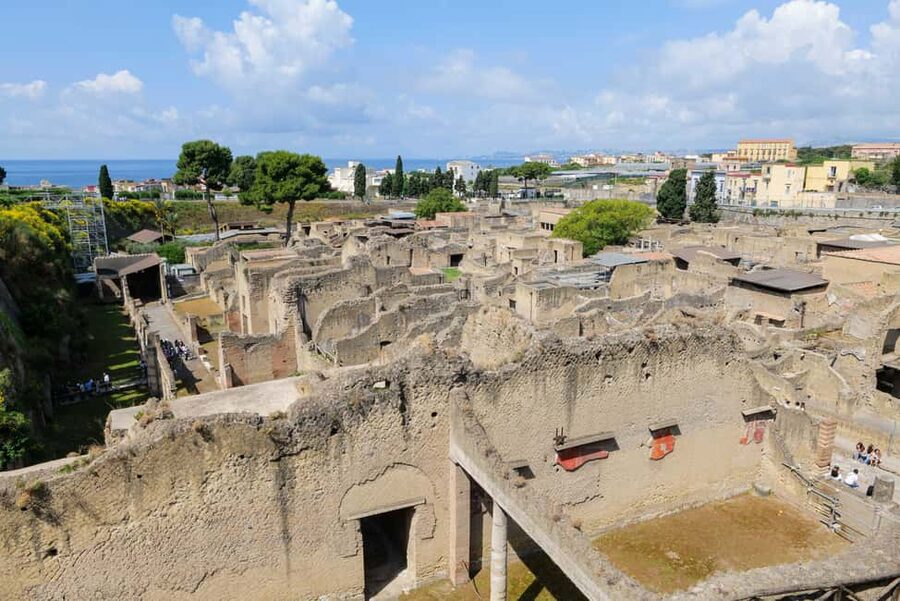
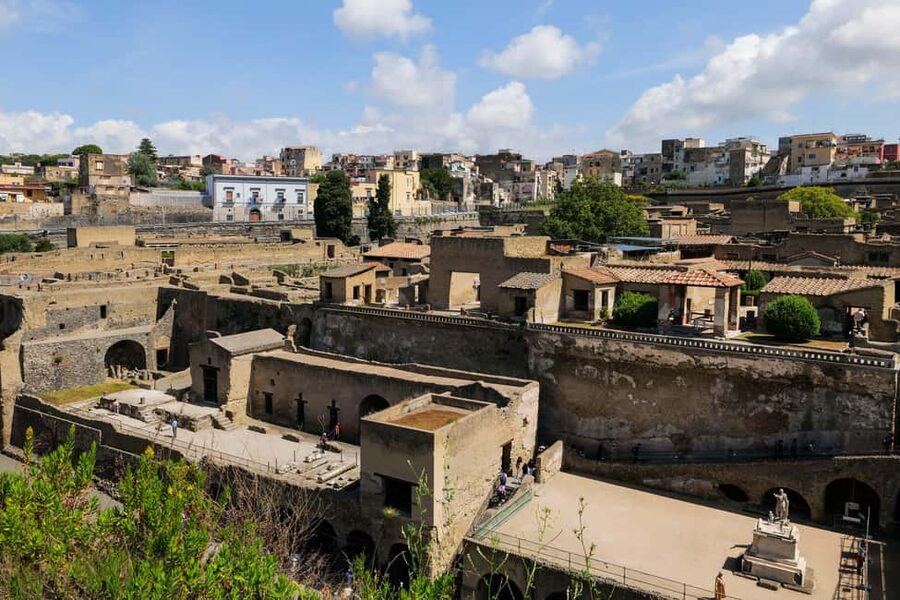
Herculaneum was also destroyed by the eruption of Vesuvius in 79 AD, but the site offers a different kind of encounter. Pompeii is larger and more sprawling. Herculaneum is smaller, tighter, and especially good at showing how Roman families lived inside their homes.
The preservation is the key. You may see colorful wall decoration, patterned floors, wooden features, and domestic spaces that still suggest how rooms were used. The city does not feel like a collection of grand monuments alone. It offers a more personal look at cooking, dining, decoration, storage, and private life.
That makes a guide especially useful. Without help, you can recognize a mosaic or a large courtyard, but you may miss why the design mattered. A good explanation connects the building to Roman habits and social life. The guide also helps you notice details that are easy to pass while walking from one house to the next.
The site is not presented as a theatrical show. You are walking through an archaeological area, so some spaces may be plain, damaged, or difficult to interpret. That is part of the appeal, but it also means the quality of the explanation matters. This tour has received a 4.9 rating from 34 reviews, with repeated praise for guides who make the two hours move quickly and keep the story clear.
More Ancient History Tours in Italy
- Colosseum: Underground and Ancient Rome Tour
★ 4.7 · 12,691 reviews - Colosseum & Ancient Rome with Arena Floor Option I Max 6 People
★ 5.0 · 3,306 reviews - Rome: Colosseum, Ancient Rome Tour or AudioGuided Tour
★ 4.4 · 2,879 reviews
Meeting your guide and entering the ruins
The meeting point depends on the option you book. Look for the inStazione logo and follow the instructions sent before your visit. The provider supplies visit assistance and handles the entry ticket, which removes one small but useful task from your day.
The tour includes skip-the-line entry. That does not mean you can ignore the meeting time. Arrive with enough margin to find the correct point, especially if you are coming from Naples or connecting this visit with another activity.
The standard guided visit lasts two hours. It is designed to cover the principal parts of Herculaneum rather than every corner. That is a sensible format for a first visit. You get a clear route and context without spending half the day wondering which street to follow next.
The live guide service is available in French, English, and Italian. The included tour is described as a two-hour French guided visit, while the activity information also lists English and Italian. Check the language and meeting point shown for your selected departure before paying.
The grand Roman houses

The House of the Deer is one of the tour’s important stops. Its name points to the deer sculptures associated with the property, while the house itself helps show the scale and comfort available to wealthy Roman residents. Pay attention to the relationship between indoor rooms and open areas. Roman homes were designed for movement, light, display, and social contact.
The House of the Bicentennial offers another look at high-status domestic life. Its decoration and layout help your guide explain how a home could function as both a private residence and a place for receiving visitors. The name also reminds you that archaeological sites are not only about the eruption. They are about the long lives of the buildings before disaster ended them.
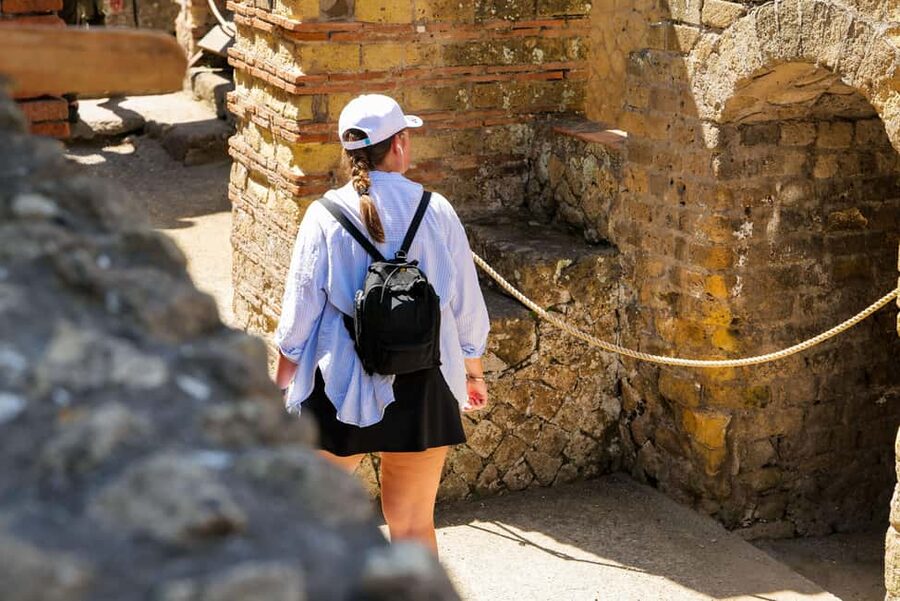
The House of the Wooden Partition is especially valuable because wood rarely survives at ancient sites. Here, preserved charred wooden elements give you a direct sense of construction and furniture that stone ruins cannot provide. Look closely when the guide points out these pieces. They may seem modest beside a large courtyard or painted wall, but they bring the vanished city closer to everyday life.
I like this part of the tour because the focus stays on homes rather than only public grandeur. You are not simply told that Romans lived well. You can see the choices they made in room design, decoration, and materials.
Mosaics, frescoes, and the Houses of Neptune and Amphitrite
The Houses of Neptune and Amphitrite are among the visual highlights. Their mosaics show the skill and expense that went into decorating Roman interiors. The designs are not just colorful surfaces. They tell you that the owners cared about display and wanted visitors to notice the quality of the house.
Your guide can help separate the decoration from the structure. Look at how the mosaic work fits the room, how walls and floors work together, and how the placement of art shaped the experience of moving through the house. Even if you know little about Roman art, the patterns are easy to appreciate. The explanation adds the reason behind the beauty.
Frescoes also benefit from guided interpretation. Colors and figures can catch your eye, but context helps you understand what a room was meant to communicate. Some houses feel formal and showy, while others give a plainer sense of domestic routine. Herculaneum works best when you compare those spaces rather than rushing from one famous feature to the next.
The guide’s job here is not only to name buildings. It is to help you read the site. Several named guides have been praised for that skill. Danilo is described as warm, funny, patient, and energetic, with a gift for making Roman history feel immediate. Célestina is also praised for clear, interesting explanations. Guide assignments can change, so treat those names as examples rather than a promise of who will lead your visit.
More Pompeii and Vesuvius History Tours in Italy:
- Discover the Ancient Ruins of Pompeii: Day Trip from Rome
★ 3.5 · 2,247 reviews - Small-Group Rome to Pompeii & Amalfi: Day of History & Sea
★ 5.0 · 239 reviews - Ancient Pompeii Private Tour: Skip the Line & Kid-Friendly Option
★ 5.0 · 167 reviews - Skip-the-Line Half-Day Private Tour Ancient Pompeii Highlights with Native Guide
★ 5.0 · 146 reviews
What two hours can really cover
Two hours is enough to understand the main character of Herculaneum, especially if this is your first visit. You can see the principal houses, study the mosaics, and hear how the eruption changed the city. The pace should also suit people who want a focused cultural stop rather than a full-day archaeological project.
It is not enough to inspect every street or pause at every room. After the guided portion, you can stay inside and continue on your own. This is one of the better features of the experience because you get both structure and freedom.
Remember that leaving the ruins is final. If you want extra time, do not exit immediately when the guide finishes. Use the remaining time to revisit a favorite house, look more closely at the wooden details, or follow another route at your own pace.
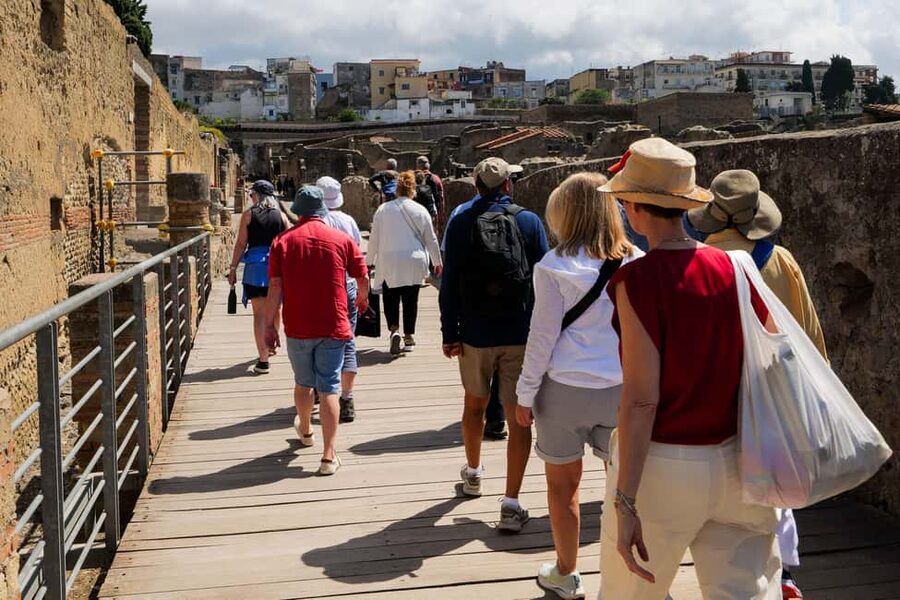
The archaeological site can involve uneven walking and exposure to the sun. Wear comfortable shoes and bring a sun hat. Food and drinks are not included, and transport is not included with the basic tour, so plan those parts of the day separately.
Adding Vesuvius for a longer day
The combined option links the Herculaneum tour with entry to Vesuvius National Park and bus service. It is a useful choice if you want to connect the ancient city with the volcano that changed its fate, but it is a much longer outing than the two-hour visit.
The bus collects participants outside Naples Central Station. At Vesuvius, you have about two hours to explore independently with your entrance ticket. The bus then continues to Herculaneum for the guided archaeological visit, followed by transport back to Naples.
Two departure patterns are provided:
- One schedule leaves Naples at 9:00 AM, departs Vesuvius at 11:40 AM, and leaves Herculaneum for Naples at 4:45 PM.
- Another leaves Naples at 10:15 AM, departs Vesuvius at 1:30 PM, and also leaves Herculaneum at 4:45 PM.
Check the schedule attached to your chosen option, since the difference changes how much time you have at the volcano. The fixed departure from Herculaneum means you need to watch the clock. This is not the best plan if you want an unhurried visit at either site.
The combination is good value when you want transport handled and prefer one organized day. It is less appealing if you already have easy transport arranged or want to spend a full morning at Herculaneum. The volcano visit is self-guided, while Herculaneum has the live guide, so the two parts offer different styles of sightseeing.
Is the guided tour worth the cost?
No price is provided here, so I cannot judge the exact deal in euros. I can still explain what you are paying for. The value comes from the entry ticket, skip-the-line handling, guide service, and the time saved by following a sensible route.
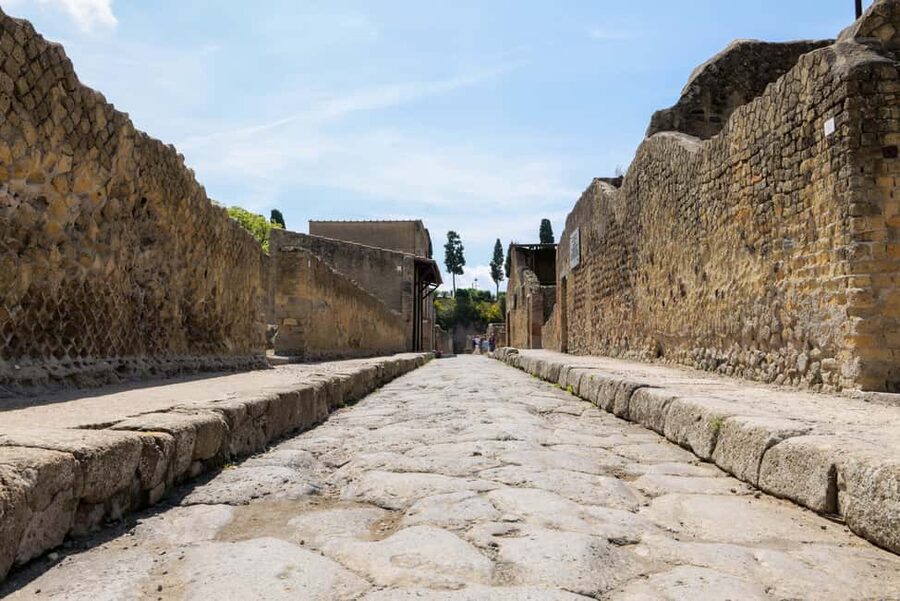
At Herculaneum, that guidance matters more than it might at a simple museum. The ruins are compact but full of details that can blur together without context. A strong guide shows you where to look and explains how the spaces relate to Roman life.
The basic tour is the better value if you are staying in the area and only want Herculaneum. The combined option can make financial and practical sense if you need bus transport from Naples and also want to see Vesuvius in the same day. Compare the added price with the cost and effort of arranging those tickets and transfers separately.
The tour also offers reserve-now, pay-later booking and free cancellation up to 24 hours before the visit for a full refund. Those terms help if your Campania plans are still moving, though you should always confirm the exact conditions shown at booking.
Who should book this Herculaneum experience?
I would choose this tour if you want the ancient city to make sense, not simply to walk among old walls. It suits first-time visitors, couples, families with older children, and anyone who prefers a focused two-hour visit with room to continue alone afterward.
It is also a good fit for people who find large archaeological sites tiring. Herculaneum is less sprawling than Pompeii, and the guide keeps the visit centered on memorable houses and objects. The tour’s strongest feature is the human scale: you see where people lived, how they decorated rooms, and how wood and household materials survived the disaster.
Independent visitors who enjoy reading every sign may prefer to explore without a guide. The site also rewards extra time, so the two-hour route will not satisfy someone determined to inspect everything. And because the activity is not suitable for wheelchair users, accessibility needs should be considered before booking.
Final verdict: a strong choice for Herculaneum

Book this tour if you want a clear introduction to Herculaneum and value the help of a guide who can turn mosaics, frescoes, and wooden remains into a story about daily Roman life. The two-hour format is focused, the skip-the-line ticket is practical, and staying inside afterward gives you welcome freedom.
Choose the Vesuvius combination only if you are comfortable with a long, timed day and a self-guided volcano visit. For a quieter archaeological experience, book Herculaneum alone and use the extra time to look closely at the House of the Wooden Partition, the grand villas, and the Houses of Neptune and Amphitrite.
FAQ
How long is the guided Herculaneum tour?
The guided portion lasts two hours. Depending on the option selected, the full activity can last from two to eight hours.
Which languages are available?
Live guides are listed in French, English, and Italian. The included tour is described as a two-hour French guided visit, so check the language for your selected option when booking.
Can I stay inside Herculaneum after the guided tour?
Yes. You can remain in the archaeological site and continue independently after the guided portion. If you leave, re-entry is not available because each exit is final.
Is transportation included?
Transport is not included with the standard Herculaneum tour. The combined Vesuvius option includes bus transportation from outside Naples Central Station, between Naples, Vesuvius, and Herculaneum.
Can I visit Vesuvius on the same day?
Yes. The combined option includes entry to Vesuvius National Park, about two hours to explore the volcano independently, and the bus transfers listed in the selected schedule.
What should I bring?
Bring comfortable shoes and a sun hat. Food and drinks are not included.
Is the tour suitable for wheelchair users?
No. The activity is not suitable for wheelchair users.
Latest history tours reviewed in Italy
- Forte di Bard: history tour★ 4.5 · 31 reviews
- Florence Wine &Food: Taste Tuscan Flavors in Historic Cellar★ 4.6 · 31 reviews
- Florence Medici Bike Tour – Cycle Through History and Power★ 4.2 · 23 reviews
- Florence: Medici Family History Tour★ 4.3 · 93 reviews
- Florence: Fashion History Guided Walking Tour & Museum Visit★ 4.2 · 72 reviews
- Essential Florence Walking Tour to discover its history★ 5.0 · 21 reviews
- Day drinking in Rome – Scandalous Roman History★ 4.8 · 31 reviews
- Communal dinner in an ancient Tuscan farmhouse★ 4.2 · 29 reviews
Italy History Tours, compared.
Colosseum: Underground and Ancient Rome Tour
Read our review →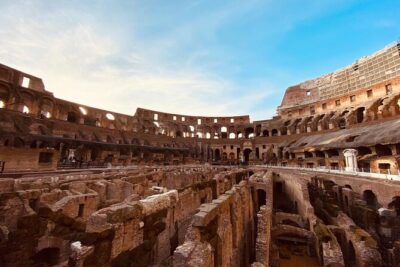
Rome: Colosseum with Arena, Roman Forum and Palatine Guided Tour
Read our review →
Venice: St. Mark’s Basilica Guided Tour & VR History Intro
Read our review →
Colosseum & Ancient Rome with Arena Floor Option I Max 6 People
Read our review →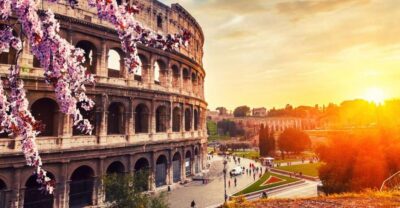
Rome: Colosseum, Ancient Rome Tour or AudioGuided Tour
Read our review →
Venice’s Best: Basilica, Doge’s Palace, Gondola & History Gallery
Read our review →
Taormina: Ancient Theater Skip-the-Line Ticket & Audio Guide
Read our review →
Discover the Ancient Ruins of Pompeii: Day Trip from Rome
Read our review →Browse the lists this tour appears in