
Review · NEW YORK CITY
Tribeca Architecture And History Walking Tour
Tribeca’s story is one of New York’s best neighborhood makeovers. On this 2.5-hour walking tour, farmland, warehouses, cast iron facades, movie locations, and some of Manhattan’s priciest homes come together in a compact slice of Lower Manhattan. I like that the tour treats Tribeca as its own subject rather than rushing through it as part of a broader downtown walk.
I especially like the small group limit of 15 people, which should make it easier to hear the guide and ask questions. I also like the mix of architecture, local stories, and pop culture, including a stop at the Ghostbusters firehouse. The main drawback is simple: this is a long outdoor walk, so bad weather, heat, or wet pavement can affect the experience.
Key points to know
- More than 15 locations: You’ll move through Tribeca while stopping for photos, stories, and close looks at its buildings.
- A clear historical arc: The tour explains how farmland became one of New York’s most expensive residential districts.
- Ghostbusters stop: Company 8 is a fun photo opportunity, but the guide also explains its real role as a working firehouse.
- Strong guide-led storytelling: Meghan Sara is praised for making architecture, history, and odd local facts easy to follow.
- Useful timing: The 11 a.m. start leaves you near Tribeca Park around lunchtime, with restaurant and café suggestions available from the guide.
- Good value for architecture fans: At $50, the price buys a focused neighborhood walk rather than a quick downtown overview.
Why Tribeca works so well as a walking tour
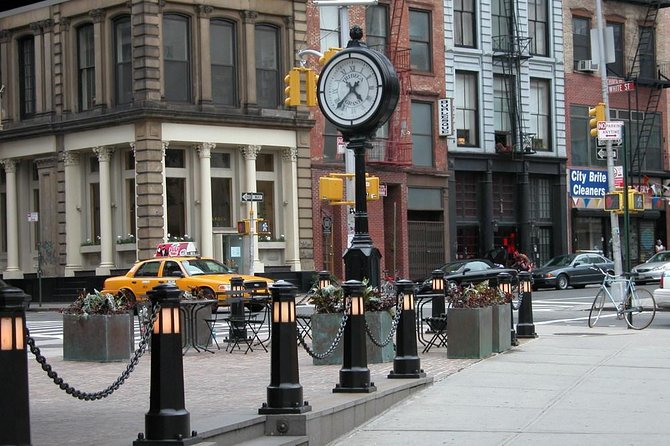
Tribeca is easy to underestimate. From a car window, it can look like a polished district of expensive apartments, restaurants, and quiet streets. On foot, the neighborhood reveals several different New Yorks layered together.
The name comes from Triangle Below Canal Street. That name sounds tidy, but the area’s past is not. You’ll hear how land that was once outside the main city developed as Manhattan expanded, then became tied to commerce, warehouses, industry, and later residential life.
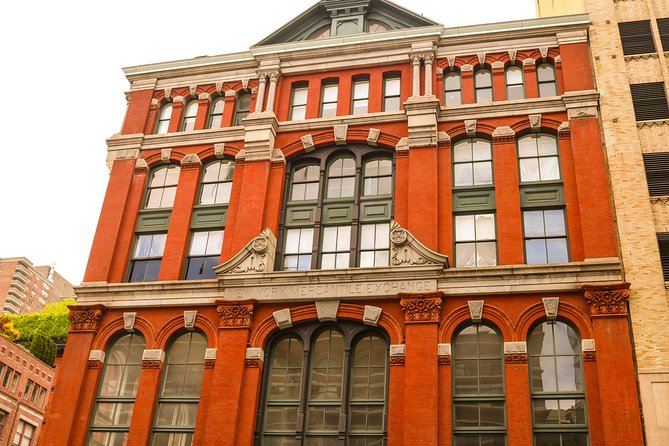
The tour uses architecture to make that change visible. Older cast iron buildings are a major part of the route. Their broad fronts and repeated window patterns reflect the practical needs of businesses that once operated in the district. Your guide points out details that are easy to miss, such as upper-story design, building materials, and the way old structures have been adapted for modern use.
That is the real value here. You are not simply looking at attractive buildings. You are learning why they look the way they do and how their purpose changed over time.
You do not need a background in architecture. The tour is designed for curious people who like beautiful streets and good stories, not only for specialists. The strongest guides make the subject accessible by connecting building design to everyday life, city growth, celebrities, movies, restaurants, and the people who shaped the area.
More History Walking Tours in New York City
- Hamilton and Washington Revolutionary Walking Tour
★ 5.0 · 182 reviews - #1 Rated NYC Chinatown Food and History Walking Tour with FNYT
★ 5.0 · 171 reviews - Lower Manhattan Secrets And History Walking Tour
★ 5.0 · 96 reviews
Starting at Tweed Courthouse at 11 a.m.
The meeting point is Tweed Courthouse at 52 Chambers Street. This puts you on the edge of Lower Manhattan, close to major subway connections and other downtown sights. The tour then heads into Tribeca and finishes at 8 Beach Street.
Starting at 11 a.m. is practical. You avoid an especially early appointment, and the end of the walk should place you near lunch. One useful tip is to take this tour early in your New York stay if you want neighborhood suggestions. The guide can point you toward places to eat, grab coffee, or return to later.
Because this is a mobile-ticket experience, keep your confirmation easy to access on your phone. You will be outside for most of the walk, so wear comfortable shoes and check the forecast before leaving. The company may cancel if weather is poor, with a choice of another date or a full refund.
The route is limited to 15 people. That does not make the walk private, but it is a much more manageable size than a large city group. You should have a better chance of hearing explanations on a busy sidewalk and getting a quick answer when a building catches your eye.
Seeing more than 15 places in 2.5 hours
The main portion of the tour lasts about two hours, with the Ghostbusters firehouse listed as a separate stop of about 10 minutes. In practice, you should expect a steady neighborhood walk with frequent pauses rather than a series of formal indoor visits.
That distinction matters. This is not a museum tour with long periods spent inside. The buildings, streets, courtyards, and facades are the setting. If you enjoy stopping to look upward, noticing decorative details, and matching a building to a historical story, the pace should suit you.
The route is also useful for visitors who might otherwise walk through Tribeca without understanding what they are seeing. The district’s polished appearance can hide how much of its identity comes from older commercial buildings. A guide gives those structures a voice.
You can expect plenty of photo pauses. The walk is not only a lecture, and the guide can adjust some discussion to the group’s interests. One particularly appealing feature is the range of subjects. You may hear about architecture in one moment, neighborhood change in the next, and an unusual New York fact after that.
The guide’s style matters here. Meghan Sara is named repeatedly in the tour feedback, with praise for her animated delivery, humor, passion, and ability to make small details memorable. Her style appears to suit people who want substance without a dry classroom tone. Other guides may lead the tour on different dates, so check the booking details if a particular guide matters to you.
Cast iron facades and the practical side of old buildings
Tribeca is especially rewarding for anyone who likes urban architecture but does not want a technical lecture. The cast iron buildings give the tour a clear visual theme, and the guide explains what you are looking at in plain language.
Cast iron allowed builders to create strong, repeatable building fronts with large windows and decorative designs. That helped shape the commercial character of parts of Lower Manhattan. The important point for you is that these buildings were not decorative accidents. Their form connected to the work that happened inside.
As you walk, look for the contrast between preserved historic facades and newer residential conversions. That contrast helps explain Tribeca’s transformation. Buildings made for business and industry became part of an upscale neighborhood known for high property prices and celebrity residents.
The tour also gives you a better sense of scale. Photos often flatten city streets, but standing beneath tall historic facades makes their size and repeated details easier to appreciate. The guide can direct your attention to details that you might otherwise pass without a glance.
One small limitation is that the exact list of buildings can vary with street conditions, group pace, and the guide’s choices. The tour promises more than 15 locations, but it is not presented as a fixed indoor architecture circuit. Think of it as a guided reading of the neighborhood.
More History Walking Tours in the USA
- History and Hauntings of Salem Guided Walking Tour
★ 5.0 · 14,564 reviews - Boston: Freedom Trail History Small Group Walking Tour
★ 5.0 · 6,450 reviews - Historic Charleston Guided Sightseeing Walking Tour
★ 5.0 · 6,216 reviews - Savannah History and Haunts Candlelit Ghost Walking Tour
★ 5.0 · 3,235 reviews
The Ghostbusters firehouse at Company 8
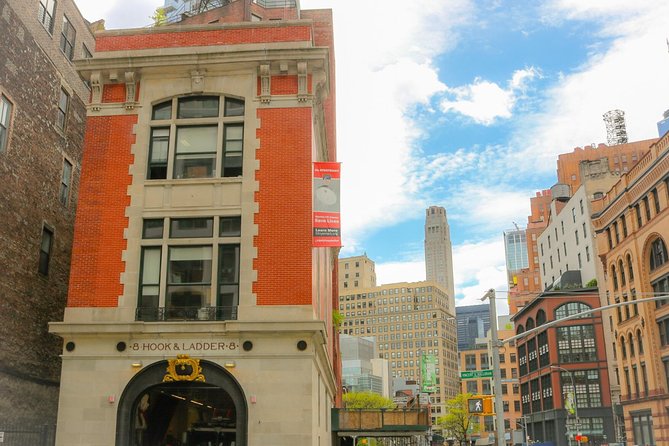
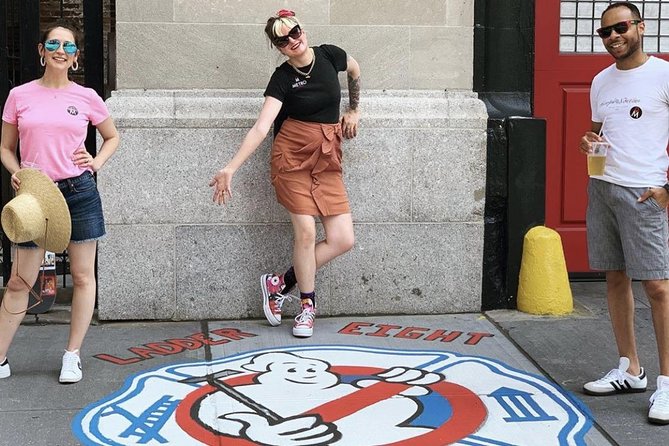
The Ghostbusters firehouse is the most obvious pop culture stop. Company 8, at North Moore Street, became famous through the film franchise and remains a natural photo opportunity.
It would be easy for this stop to feel like a quick movie gimmick. The better approach is to use it as an entry point into the real neighborhood. The guide explains that the firehouse is much more than a film location, which gives the stop more weight than a simple picture outside a recognizable building.
For movie fans, this is likely the tour’s most memorable moment. For everyone else, it adds variety to a walk that might otherwise focus only on facades and dates. It also shows how Tribeca has been used and seen by the wider public.
Allow about 10 minutes here. That is enough time for photos and a short explanation, but not enough for an interior tour or a long visit. The building remains a working firehouse, so you should treat it as an active public service site, not a museum attraction.
Stories that keep the architecture from feeling dry
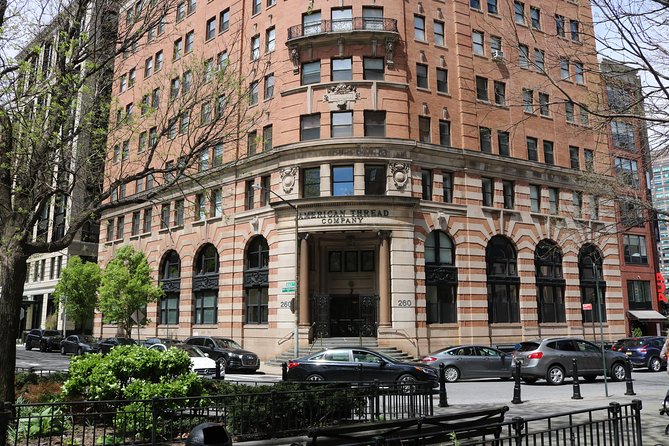
The most praised part of this experience is the guide’s presentation. The tour works best when the guide turns a building into a story rather than reciting its age and style.
Meghan Sara is described as funny, artistic, animated, and generous with local detail. Her approach appears to include odd facts, pop culture, food suggestions, and stories about how the neighborhood changed. One recurring example is the suggestion to ask about New York’s beavers, a small detail that gives you a sense of the tour’s playful side.
That kind of information can make a difference. You may not remember every architectural term, but you are more likely to remember a strange local story and the building where you heard it.
The tour also seems to work well for mixed groups. A local New Yorker joined with a 14-year-old and still found the experience entertaining and full of new information. That is a useful sign for families with older children and teenagers who may not want a formal history lecture.
The guide can also respond to group interests. If your group is focused on architecture, you can ask for more building detail. If you care about food or neighborhood life, the guide can point you toward restaurants, bakeries, cafés, and possible lunch stops.
Still, the tour depends heavily on the guide. A strong guide makes the walk lively and clear. If you prefer to explore alone with a map and set your own pace, the structure may feel too guided. You are paying for interpretation, not just access to streets you can visit for free.
Tribeca Park and the end of the route
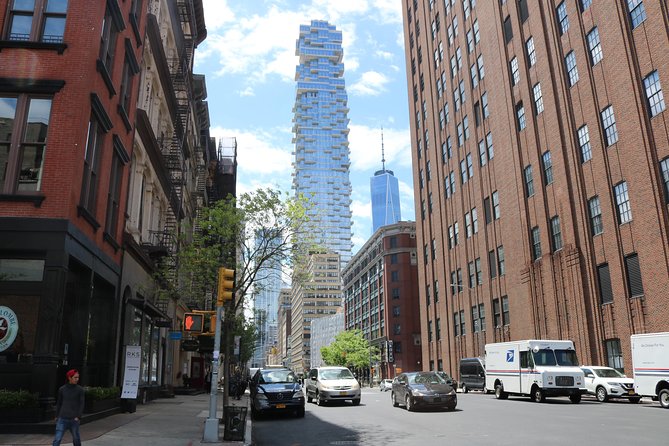
The tour ends at Tribeca Park, at 8 Beach Street. The park has a history reaching back roughly 300 years, linking the end of the walk to the neighborhood’s earliest period.
Ending here is convenient. You are still in Tribeca, with time to continue exploring, stop for food, or use the guide’s recommendations. It also gives the walk a natural finish instead of leaving you beside a random subway entrance.
The end point is worth noting if you have afternoon plans elsewhere in Manhattan. The tour lasts about two and a half hours, so an 11 a.m. start takes up much of the late morning and brings you to the park around early afternoon. Plan your next activity with that timing in mind.
There is no snack included. Bring water, especially in warm weather, and consider eating before the tour if you tend to get hungry during long walks. A guide once found lemonade for a group on a very hot day, but that should be viewed as a thoughtful extra, not a scheduled part of the experience.
Is $50 a fair price for this walk?
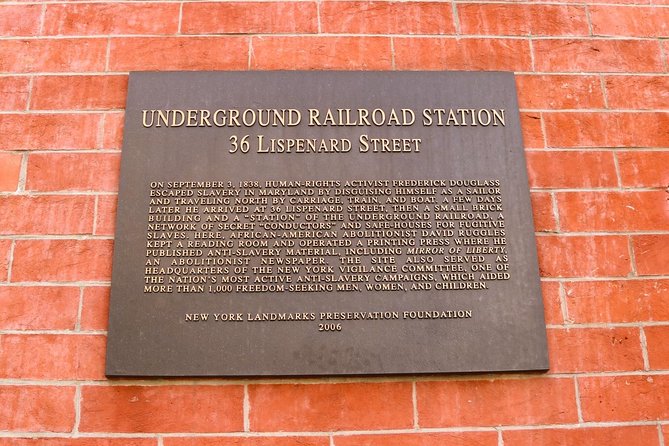
The price is $50 per person. Since Tribeca’s streets and exterior architecture are free to visit, the value comes from the guide’s research, route planning, storytelling, and ability to point out details you would probably miss.
For someone who only wants a quick photo at the Ghostbusters firehouse, $50 is too much. You can visit that exterior without paying for a tour. For someone who wants to understand how Tribeca developed and why its buildings matter, the price is more reasonable.
The small group cap helps the value. A 15-person maximum offers a more personal format than a large sightseeing group. You also receive Manhattan recommendation guides, which can be useful if you are still planning meals and activities.
The strongest reason to book is focus. Many Lower Manhattan walks cover several neighborhoods and move quickly between major landmarks. This tour gives Tribeca two and a half hours, allowing time for architecture, local history, movie culture, and practical neighborhood advice.
Who should book the Tribeca Architecture and History Walking Tour?
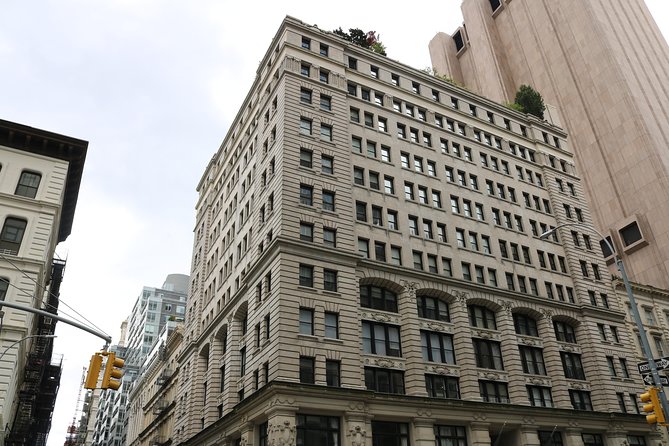
I would choose this tour if you enjoy city buildings, local stories, and neighborhoods with more than one identity. It is especially suitable for first-time visitors who want a different side of Manhattan beyond the Empire State Building, Times Square, and the usual downtown landmarks.
It also fits repeat visitors and New Yorkers. The route covers details that can remain invisible even after years in the city, and the feedback includes strong enthusiasm from a local family. You do not need to be an architecture expert to get something from it.
Families with teenagers may find the mix of movies, odd facts, and visual details more appealing than a formal historical tour. Food-focused visitors can also benefit from the guide’s restaurant, bakery, café, and lunch suggestions.
I would hesitate if you dislike walking for more than two hours, have trouble standing outdoors, or are visiting during uncertain weather. Most people can participate, and service animals are allowed, but this remains a street-based activity. The company says good weather is required and may cancel if conditions are poor.
Free cancellation is available up to 24 hours before the start time. Cancellations or changes made inside that window are not refunded or accepted, so keep an eye on the forecast and your plans.
Should you book it?
Book this walk if you want Tribeca explained rather than simply photographed. The combination of old cast iron buildings, a farmland-to-luxury-neighborhood story, the Ghostbusters firehouse, and a lively guide makes the $50 price sensible for people who value context.
I would book it early in a New York visit, ideally on a day when you can continue into lunch afterward. Skip it if your priority is a fast photo stop, a fully indoor activity, or a broad tour of many Manhattan neighborhoods. For an attentive look at one compact, layered district, this is a strong choice.
FAQ
How long is the Tribeca Architecture and History Walking Tour?
The experience lasts approximately two hours and 30 minutes.
Where does the tour start?
The tour starts at Tweed Courthouse, 52 Chambers Street, New York, NY 10007.
Where does the tour end?
The tour ends at Tribeca Park, at 8 Beach Street, New York, NY 10013.
What time does the tour begin?
The scheduled start time is 11 a.m.
How many people can join the tour?
The maximum group size is 15 people.
Is the Ghostbusters firehouse included?
Yes. The tour includes a stop at Ghostbusters Firehouse Company 8, with about 10 minutes for the visit and photo opportunity.
Do I need architecture experience?
No. The tour is designed to be enjoyable without prior architecture knowledge.
Are snacks included?
No. Snacks are not included. Manhattan recommendation guides are included.
What happens if the tour is canceled because of bad weather?
You will be offered another date or a full refund. The same applies if the minimum number of participants is not reached.
More Architecture and Landmark Tours in the USA
- Chicago in a Day: Food, History & Architecture Walking Tour
★ 5.0 · 1,153 reviews - Historic Charleston Walking Tour: Rainbow Row, Churches, and More
★ 5.0 · 691 reviews - Charleston: History and Architecture Guided Walking Tour
★ 4.8 · 349 reviews - Chicago: Food, History and Architecture Tour
★ 4.8 · 104 reviews
Latest history tours reviewed in the USA
- Franklin: Ghost Tour in Historic Franklin★ 4.8 · 65 reviews
- Fort Worth: Stockyards History Tour Pub Crawl★ 4.8 · 39 reviews
- Downtown Flagstaff Haunted History Walking Tour★ 4.7 · 46 reviews
- New York City: Flatiron Food, History, and Architecture Tour★ 4.8 · 43 reviews
- Fairbanks: Private Mush on the Historic Yukon Quest Trail★ 5.0 · 30 reviews
- Fairbanks: Gold Dredge 8 Historic Train Tour★ 4.7 · 219 reviews
- Charleston:Evening Haunted History Horse-Drawn Carriage Tour★ 4.7 · 38 reviews
- Philadelphia: Valley Forge National Historical Park Tour★ 4.9 · 39 reviews
New York City History Tours, compared.

New York City: American Museum of Natural History Ticket
Read our review →
American Museum of Natural History Admission Ticket
Read our review →
Hamilton and Washington Revolutionary Walking Tour
Read our review →
#1 Rated NYC Chinatown Food and History Walking Tour with FNYT
Read our review →
Lower Manhattan Secrets And History Walking Tour
Read our review →
NYC: Central Park Pedicab Tour and Natural History Access
Read our review →
New York City: Flatiron Food, History, and Architecture Tour
Read our review →
NYC: New York City History of Stand-Up Comedy Tour
Read our review →Browse the lists this tour appears in