
Review · FRANCE
Rouen: Guided Tour of the Historic Center
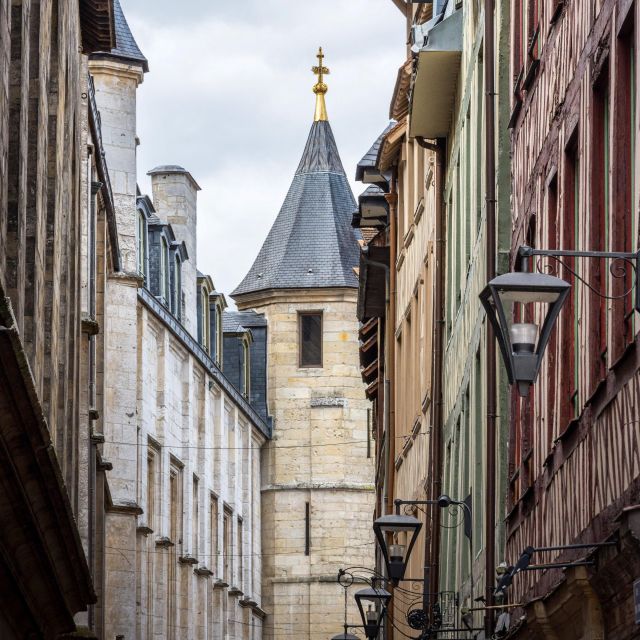
Rouen’s old center reads like a history book left open in the rain. On this 90-minute walk, you follow Joan of Arc’s final days, pass under a Renaissance arch holding a 14th-century astronomical clock, and finish among the timber-framed streets of Martainville. The city’s story unfolds on foot, not behind a coach window.
I like the route’s clear arc from Joan of Arc to the Gros-Horloge, cathedral, and Saint-Maclou Church. I also like having a local guide such as Elodie explain the city’s architecture and legends in plain English. The main consideration is pace: you cover about 3 kilometers in 90 minutes, and entry to monuments is not included.
Key points at a glance
- Joan of Arc’s final chapter: Begin at Place du Vieux Marché, where the last moments of her life are explained.
- The Gros-Horloge: See a 14th-century astronomical clock set inside a Renaissance street arch.
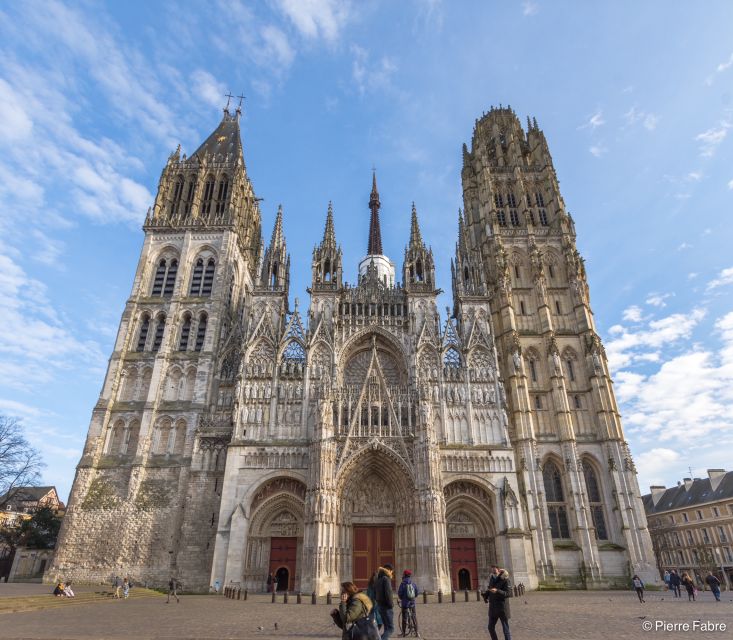
- Three cathedral styles: Study Rouen Cathedral’s three towers and its spire, which rises more than 150 meters.
- Flamboyant Gothic detail: Saint-Maclou Church offers one of France’s finest examples of this late Gothic style.
- A local voice: Elodie leads the advertised tour, while one tour account names Alexandra, so the exact guide may vary.
- Simple, flexible planning: The tour costs $28, runs in English or French, and allows cancellation up to 24 hours before departure.
Why Rouen’s old center works so well on foot
Rouen is a city best understood by walking slowly through its compact historic core. The route links major sights without asking you to spend time finding them on your own, and the guide gives you the connections between buildings, events, and streets.
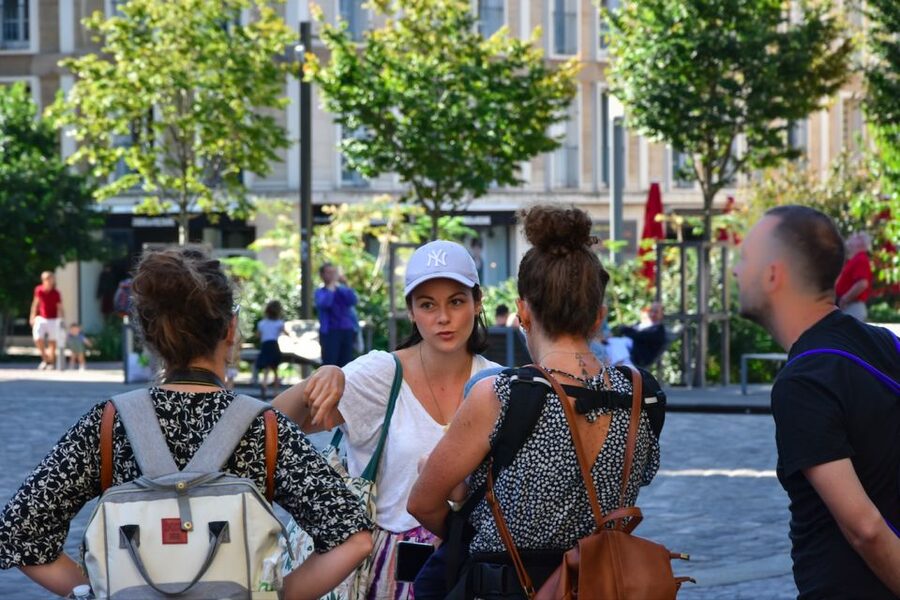
You begin at 4 Place de la Pucelle, in front of the Public restaurant. Look for a guide wearing a green or orange badge around the neck. This is a useful meeting point, but give yourself enough time to find the square, especially if you are arriving from the railway station or another part of town.
The walk is roughly 3 kilometers, or 1.8 miles. That is not a demanding distance for most people, but cobbled streets and frequent stops can make the route feel more active than the mileage suggests. Wear shoes with good support, and bring water, a hat, and an umbrella. The tour goes ahead in wet weather.
The experience is built around outdoor explanations rather than included visits inside monuments. That keeps the price moderate, but it also means you should not expect ticketed access to the cathedral, clock tower, or other buildings unless you arrange that separately.
More Old Town and Historic Centre Walks in France
- Bordeaux: Historic Center & Chartrons District Bike Tour
★ 4.8 · 709 reviews - Strasbourg on Foot: Historic Center and Petite France with a Local Guide
★ 4.7 · 223 reviews - Strasbourg: Private Walking Tour of the Historical Center
★ 4.2 · 107 reviews
Place de la Pucelle and the first steps into Rouen
Place de la Pucelle is a fitting starting point. The name recalls Joan of Arc, the teenage military figure and saint whose short life is tightly tied to Rouen. From here, your guide sets the city’s broad story before leading you toward the Old Market.
This opening matters because Rouen can feel like a collection of beautiful façades if you only take photographs. A guide helps you see how religious power, trade, court life, war, and rebuilding shaped the streets around you.
Elodie is the guide associated with this experience, and the available feedback consistently points to her enthusiasm, clear explanations, and affection for Rouen. One account names Alexandra instead, so you should allow for a different guide on some departures. The important practical point is that the tour is led in English or French, with a live guide rather than an audio recording.
Place du Vieux Marché and Joan of Arc
At Place du Vieux Marché, the tour turns to Joan of Arc’s final moments. The square has a mixed appearance, with old buildings alongside newer additions, and that contrast helps explain why Rouen is more than a perfectly preserved medieval town.
This is one of the strongest parts of the route because the historical subject is specific and personal. You are not simply told that Rouen has a connection to Joan of Arc. You are brought to the place associated with the end of her life and given the setting needed to understand the event.
The square is also a good reminder that history does not always survive in a neat visual package. Modern life continues around a place marked by medieval politics and religious conflict. Your guide’s storytelling is especially useful here, since a bare plaque cannot provide the same sequence of events or human detail.
The Gros-Horloge and Rouen’s public timepiece
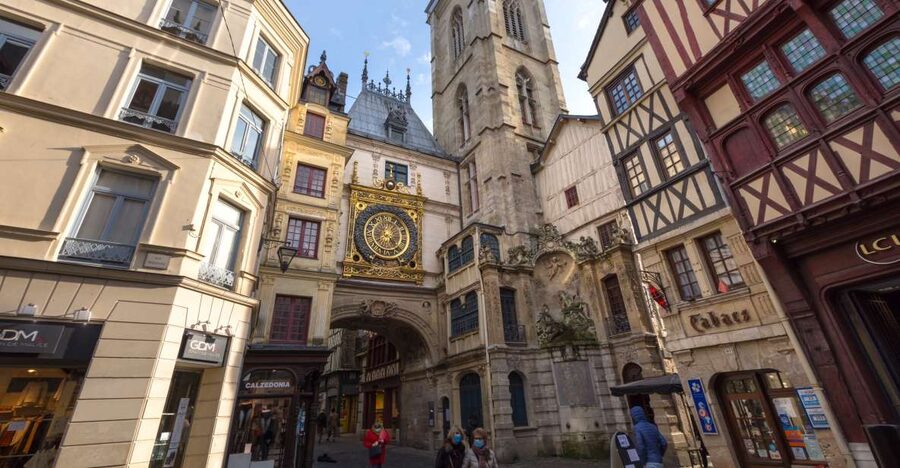
The Gros-Horloge is the route’s visual centerpiece. This 14th-century astronomical clock sits in a Renaissance street arch, with half-timbered buildings framing the approach. It is the kind of monument that rewards a pause because the details are easy to miss when you are simply walking through the street.
The clock was not just decoration. A public timepiece helped organize daily life in a growing city, and its placement above a major street gave it a civic role. Your guide explains how the clock, arch, and surrounding buildings belong to different periods, allowing you to read Rouen’s development in one view.
I like this stop because it combines engineering, public life, and architecture. It also gives you a practical orientation point for exploring Rouen later. You will probably want photographs here, but listen before reaching for your camera. The relationship between the clock and the street is more interesting than the clock face alone.
Since monument entry is not included, this walk focuses on the exterior. If you want a closer look from inside the clock tower, you would need to arrange that separately. The tour still gives you the essential visual and historical context without adding another admission charge.
Same old streets, another chapter:
- Paris: Louvre Museum Entry with History of Mona Lisa
★ 3.9 · 2,823 reviews - Paris: Dark History and Ghostly Guided Walking Tour
★ 4.7 · 1,000 reviews - Vieux Lyon Cultural & Historical Walking Guided Tour (English)
★ 5.0 · 942 reviews - Bordeaux: Top Landmarks & Historic Bike Tour
★ 4.9 · 346 reviews
The Courthouse and the marks of medieval power
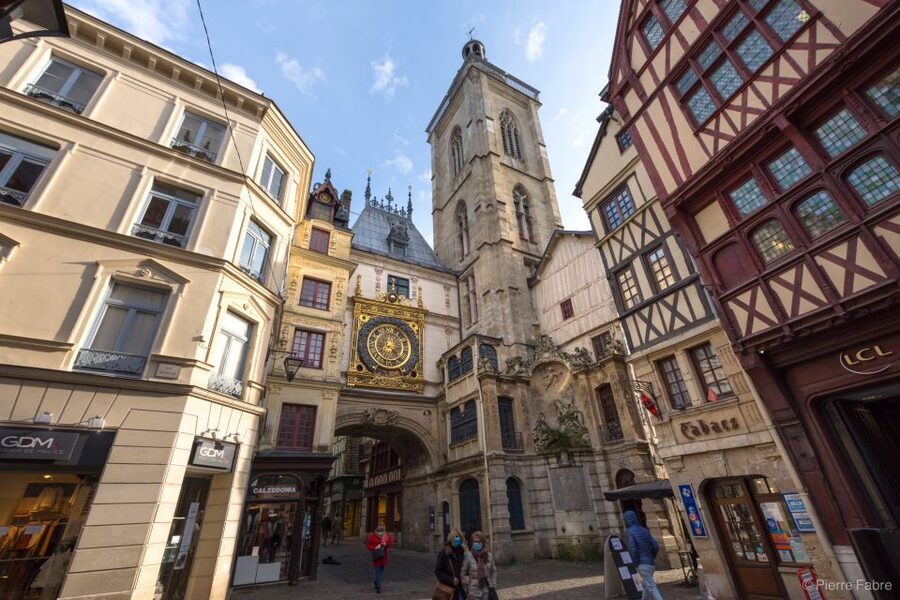
A short walk brings you to the Courthouse of Rouen. The building provides another view of the city’s civic and legal past, and the guide places it within the changing architectural character of the center.
This stop works as a bridge between the clock and the cathedral. You move from a public timepiece to a major seat of authority, then toward the religious heart of the city. That sequence makes the route feel planned rather than like a list of unrelated sights.
Look closely at the stonework and the way the building occupies the street. Rouen’s most interesting details often sit at eye level or above it, where you might otherwise hurry past. A local guide can point out features that are difficult to identify without some background.
The courthouse is an exterior stop, so this is not a tour of courtroom interiors or legal collections. That limitation is worth knowing if you are mainly interested in indoor museums or detailed architectural access.
Rouen Cathedral and three different architectural styles
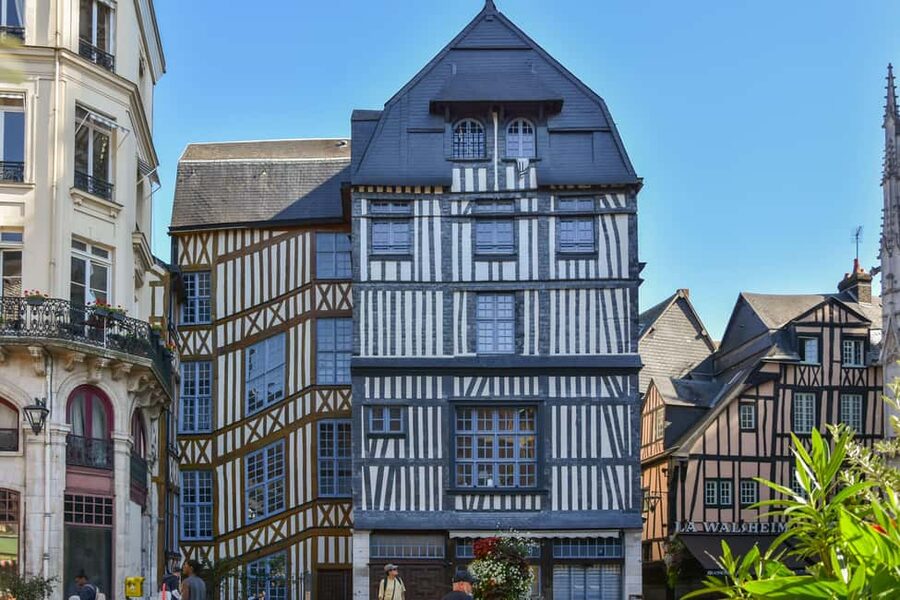
Rouen Cathedral is the largest-scale sight on the walk. Its three towers belong to different architectural styles, and the contrast gives you a quick lesson in how long major church projects could take.
The cathedral was built in two main phases, which helps explain its varied appearance. Instead of seeing one uniform design, you can trace changes in taste and technique across the building. The central spire rises more than 150 meters, pulling your eyes upward from the busy streets below.
This is also where the tour connects the Middle Ages with the 19th century. Rouen Cathedral became a subject for Impressionist painter Claude Monet, who painted it repeatedly under changing light. Even without entering the building, you can look at the façade with both periods in mind: the medieval work of construction and the later artistic fascination with its surface.
I would treat this as a viewing and explanation stop, not a substitute for a full cathedral visit. If you have time, return afterward to see the interior at your own pace. The guided walk helps you know what you are looking at, while a separate visit gives you more time for quiet observation.
Saint-Maclou and the sharp lines of Flamboyant Gothic
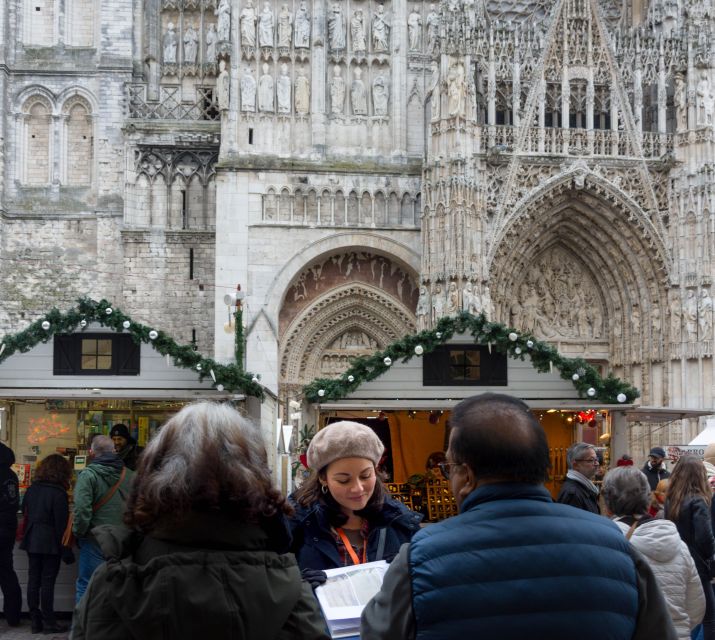
The route continues toward Saint-Maclou Church, one of the finest French examples of Flamboyant Gothic architecture. The style is known for energetic tracery and flame-like decorative forms, and Saint-Maclou gives you a strong exterior example without requiring a long detour.
This part of the walk is especially useful for anyone who wants to understand architecture rather than only collect landmarks. Your guide can show how the stonework differs from the cathedral and why the church has such a distinctive appearance.
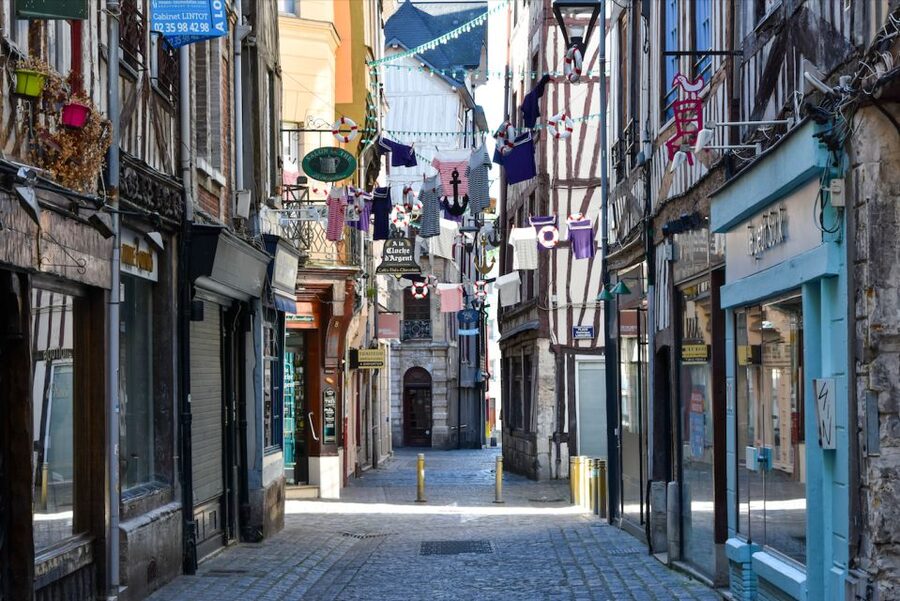
The area around Saint-Maclou also brings you into the atmosphere of Rouen’s medieval center. Timber-framed houses, narrow streets, and ornate church details sit close together. The old town is not presented as a museum set aside from daily life. Shops, restaurants, and ordinary city movement continue around it.
The church is another place where entry is not part of the $28 tour. You can still appreciate the exterior, but keep a note of any interior visits you want to make later.
Saint-Ouen Abbey and the Martainville district
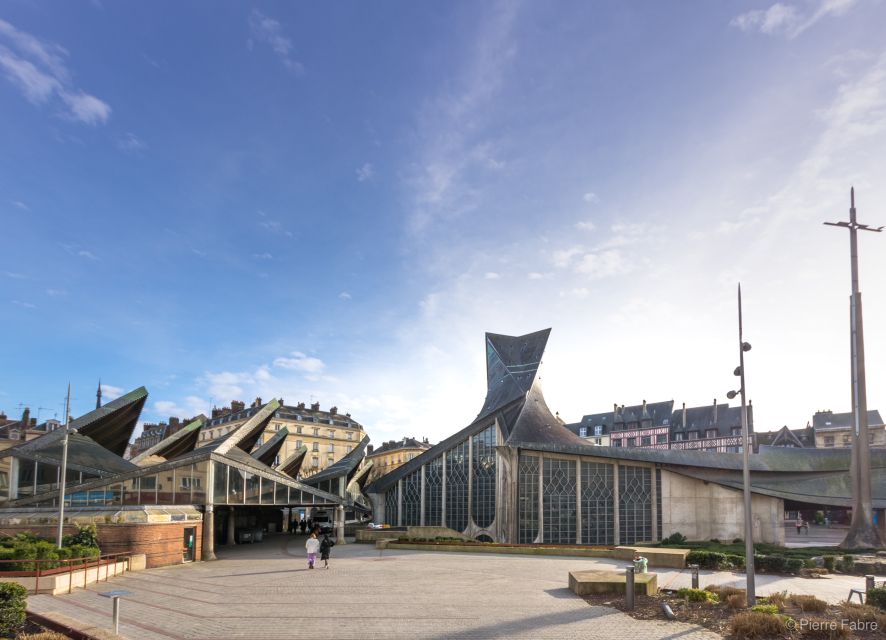
The walk ends at Saint-Ouen Abbey Church, after passing through the Martainville district. This gives the tour a quieter final chapter, focused on the living conditions of the Middle Ages rather than only on grand monuments.
Martainville is valuable because it brings the discussion down to street level. The cathedral and courthouse show the power of church and government, while the district helps you picture how ordinary people lived among timber-framed buildings and narrow urban spaces.
Along the way, your guide also shares the legend of the abbey of Saint-Ouen. Legends are useful here when they are treated as part of the city’s memory, not as proven fact. They add a human layer to the stones and give you another reason to look closely at the buildings around the abbey.
Ending at Saint-Ouen Abbey Church makes practical sense. You finish near a major landmark rather than returning to the original meeting point, leaving you free to continue exploring. You may want to confirm your next destination before the tour ends, since no return transport is included.
How much value do you get for $28?
At $28 per person, this is a fairly priced introduction to central Rouen. You are paying for a live 90-minute explanation of several major sights, not for museum tickets or a full-day experience.
The value is strongest if this is your first visit and you want to get your bearings fast. In a short time, you see the Old Market, Gros-Horloge, courthouse, cathedral, Saint-Maclou Church, Saint-Ouen Abbey, and Martainville. Recreating that route alone would be possible, but you would lose the connected story and may miss architectural details.
The price is less compelling if you already know Rouen well or prefer to explore entirely at your own speed. The walk has a set route and covers several stops in a limited time. Still, the repeated praise for the guides’ clear English and engaging stories suggests that the commentary is the main reason to book.
Children under 14 go free, with no booking required. That makes the tour appealing for families, especially since one account describes a 12-year-old staying interested throughout the walk. The subject matter is historical, but the route includes legends, visual details, and varied buildings rather than one long lecture.
Who should book this Rouen walking tour?
I would recommend it to first-time visitors, history fans, architecture students, families with older children, and anyone arriving in Rouen for a short stay. It gives you a useful map of the old center and shows you where to return for a longer look.
It also suits people who value a local voice. Elodie is described as a Rouen resident and qualified guide, and the tour’s strongest feature is the personal explanation of the city. The guide can connect Joan of Arc, church architecture, public timekeeping, the courthouse, and everyday medieval life in a way that a self-guided route may not.
You should think twice if you have difficulty walking on cobbles, dislike outdoor tours in poor weather, or want guaranteed access inside monuments. The tour runs rain or shine, and the $28 price does not cover admission fees.
The booking terms are friendly: you can reserve now and pay later, and cancel up to 24 hours before departure for a full refund. That is useful when your Normandy plans depend on weather or changing transport schedules.
My verdict on the 90-minute route
Book this tour if you want a compact, story-led introduction to Rouen rather than a deep visit to one building. The route is well chosen, the price is reasonable, and the combination of Joan of Arc, the Gros-Horloge, the cathedral, Saint-Maclou, and Martainville gives you a real sense of the city.
I especially like that the walk does not stop at the postcard sights. It finishes with the streets and living conditions of Martainville, which gives Rouen a human scale. Bring comfortable shoes, listen closely at the clock and cathedral, and plan separate time for any interiors you want to explore.
FAQ
How long does the Rouen walking tour last?
The tour lasts 90 minutes.
How far does the tour go?
The walk covers about 3 kilometers, or 1.8 miles.
Where does the tour begin?
The meeting point is 4 Place de la Pucelle, in front of the Public restaurant.
How will I identify the guide?
The guide will wear a green or orange badge around the neck.
Where does the tour finish?
The tour ends at Saint-Ouen Abbey Church.
Which languages are available?
The tour is available in French and English.
Is entry to the monuments included?
No. The tour includes the guide and walking tour, but monument entry is not included.
Does the tour run in bad weather?
Yes. The tour takes place rain or shine.
Is the tour free for children?
Children under 14 years old can join free, and no booking is required for them.
Can I cancel the booking?
Yes. You can cancel up to 24 hours in advance for a full refund.
Latest history tours reviewed in France
- Explore the Marais: History, Art & Local Culture★ 4.6 · 105 reviews
- Discover Caen like never before: Guided tours between history & secrets!★ 4.9 · 67 reviews
- Culture History & Secrets: Lyon with a local artist -english★ 4.9 · 29 reviews
- Champagne Cellar Experience: Explore our historic cellars★ 4.7 · 46 reviews
- Bordeaux: Walking Tour of the City’s Best Bakeries★ 4.8 · 69 reviews
- Bordeaux: Top Landmarks & Historic Bike Tour★ 4.9 · 346 reviews
- A locals’s guide to Bordeaux’s historic market★ 4.8 · 23 reviews
- Avignon: Historic District Guided Food & Wine Walking Tour★ 4.8 · 84 reviews
France History Tours, compared.
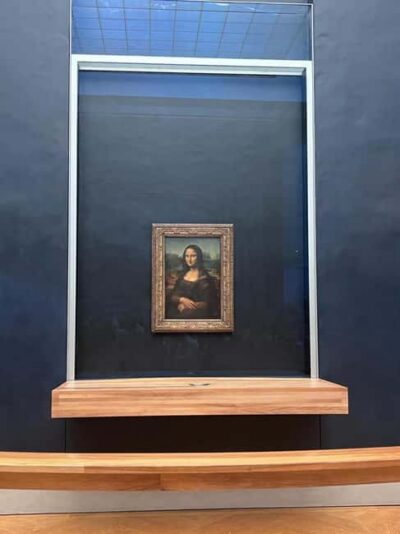
Paris: Louvre Museum Entry with History of Mona Lisa
Read our review →
Paris: Dark History and Ghostly Guided Walking Tour
Read our review →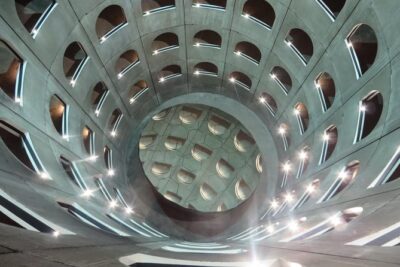
Vieux Lyon Cultural & Historical Walking Guided Tour (English)
Read our review →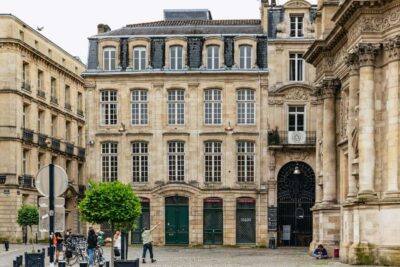
Bordeaux: Historic Center & Chartrons District Bike Tour
Read our review →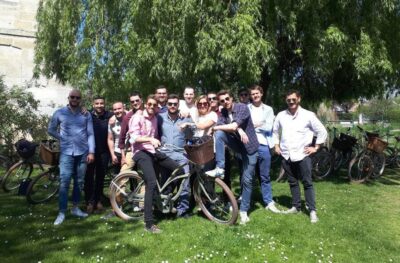
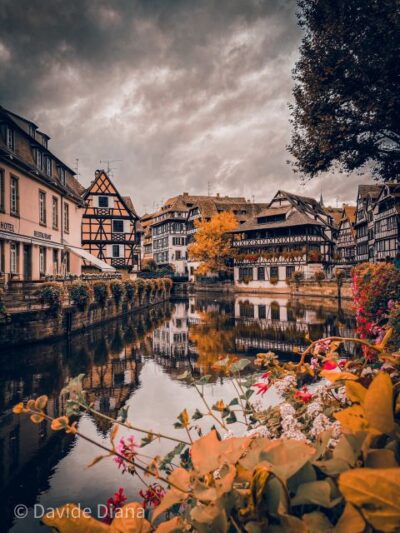
Strasbourg: Guided Historical Neighborhoods Walking Tour
Read our review →
Strasbourg on Foot: Historic Center and Petite France with a Local Guide
Read our review →
Paris City of Fashion History Private Guided Walking Tour
Read our review →Browse the lists this tour appears in