
Review · FRANCE
Strasbourg: Guided Historical Neighborhoods Walking Tour
Strasbourg’s story is not simple. It is a French city with German architectural and political layers, a place shaped by borders, wars, trade, religion, and modern European life. This 150-minute walking tour gives you a useful way into that story, moving from the formal squares of Neustadt to the crooked lanes of Petite France and ending beneath the soaring facade of Notre Dame Cathedral.
I like two things here. First, the route gives you both the grand city and the small-scale details: Place Kléber and the Palais du Rhin, then half-timbered houses and old lanes. Second, the guides, especially Davide, bring humor and practical advice, including suggestions for coffee, restaurants, bars, and places to visit later. The main consideration is simple: this is a long outdoor walk, so cold, heat, rain, or tired feet can affect the experience.
Key points to know before booking
- A clear route through several sides of Strasbourg: See Neustadt, Place Broglie, Place Kléber, Grand’Rue, Petite France, and Notre Dame Cathedral in one outing.
- A guide who mixes history with humor: Davide, also referred to as David in some bookings, is praised for animated storytelling and useful local recommendations.
- A small group capped at 10 people: This makes it easier to hear, ask questions, and move through city streets.
- The cathedral is an exterior stop: You finish at Place de la Cathédrale, but entrance to Notre Dame is not included.
- A good first-day orientation: The route helps you understand the city’s layout and choose where to eat and what to see afterward.
- Flexible booking terms: You can cancel up to 24 hours before departure for a full refund and reserve without paying immediately.
Why Strasbourg’s complicated past makes this walk worthwhile
Strasbourg rewards a guide who can connect buildings to politics. Its past reaches from the city’s early foundation through periods of French and German rule, major conflicts, and the present day. A quick photo tour can show you the pretty streets. It cannot always explain why the city looks and feels the way it does.
This walk is built around that explanation. You move through places where architecture carries political meaning, then into neighborhoods where houses reveal the older life of the city. The route is not focused on one monument. Its value comes from seeing how the parts fit together.
The guide’s style matters here. Davide is described as energetic, funny, and easy to follow, with a talent for presenting difficult historical subjects without making the walk feel like a lecture. Several people praised his impartial approach to Strasbourg’s past. That is useful in a city whose identity has been shaped by changing borders and competing national stories.
You should expect plenty of standing and walking. The total duration is two and a half hours, and the route includes several stops rather than one continuous stroll. Comfortable shoes are essential. In cold weather, you may wish the guide talked more while walking instead of pausing outside, while on hot days the breaks become especially welcome.
More History Walking Tours in France
- Paris: Dark History and Ghostly Guided Walking Tour
★ 4.7 · 1,000 reviews - Vieux Lyon Cultural & Historical Walking Guided Tour (English)
★ 5.0 · 942 reviews - Strasbourg on Foot: Historic Center and Petite France with a Local Guide
★ 4.7 · 223 reviews
Starting at Place de la République and entering Neustadt
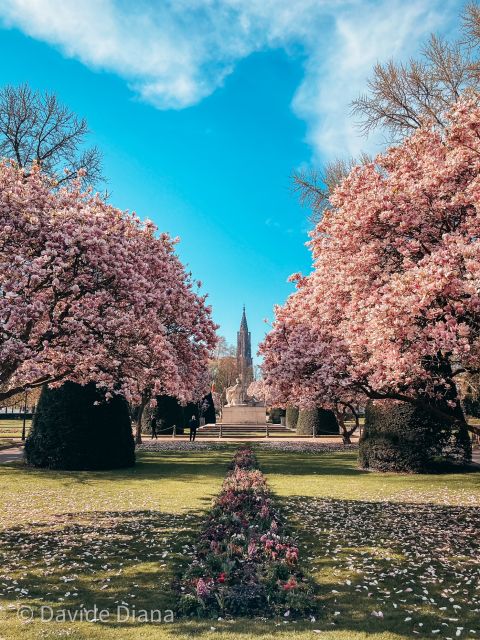
Meet your guide in the center of Place de la République, in front of the war memorial. This is a practical meeting point, but allow enough time to find the correct spot. The square is broad, and the guide may be easier to identify once you are near the memorial.
The first part moves through Neustadt, Strasbourg’s grander nineteenth-century district. You get a different first impression here than in Petite France. The streets and buildings feel more formal, with larger public structures and wider spaces. The guide explains how this part of the city fits into Strasbourg’s political past and how the city changed over time.
This opening section lasts about 30 minutes. It is a good place to ask questions because it gives you the framework for the rest of the walk. Once you understand the city’s changing rulers and borders, the later buildings become easier to read.
Place de la République is especially useful as a starting point because it introduces the connection between public space and memory. The war memorial adds a solemn note, while the surrounding buildings bring the discussion back to civic life. The subject matter can become heavy, but the guide’s humor helps keep the pace human.
Place Broglie and the city’s ceremonial side
The walk continues to Place Broglie, with about 10 minutes set aside for a visit. This is a shorter stop, so do not expect a long break or an extended interior visit. Instead, use it as part of the larger sequence of Strasbourg’s public squares.
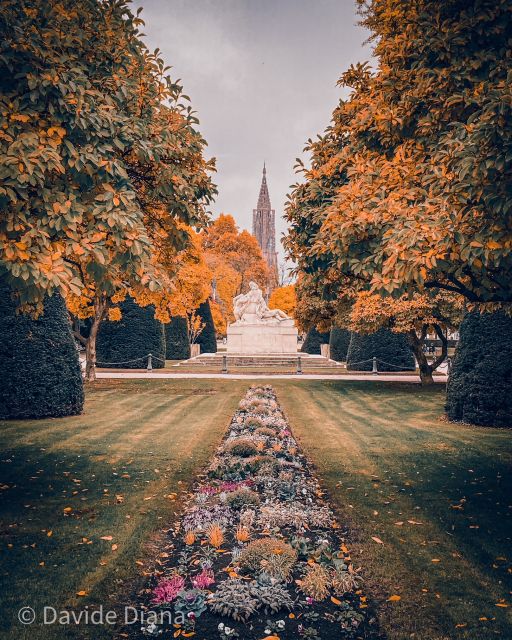
The appeal of the route is the contrast between places like Place Broglie and the intimate quarters later in the walk. Here, your attention is on the shape of the city and its formal spaces. Soon, you will be looking at narrow streets, old houses, and canalside views in Petite France.
A guide adds value at this kind of stop because the meaning of a square is not always obvious from a photograph. You learn what to notice, how the space relates to nearby monuments, and how Strasbourg’s public life developed around these central locations.
Place Kléber and Strasbourg’s Christmas tradition
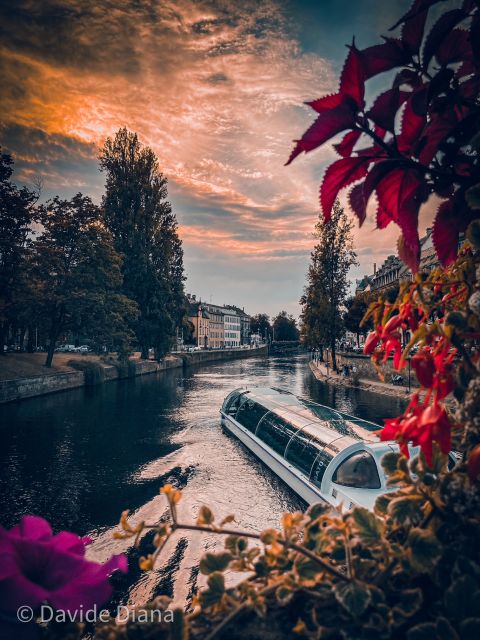
Place Kléber is the city’s main square and one of the tour’s central stops. The guided visit lasts around 20 minutes, enough time to hear its place in Strasbourg’s story and see the square’s relationship to the surrounding city center.
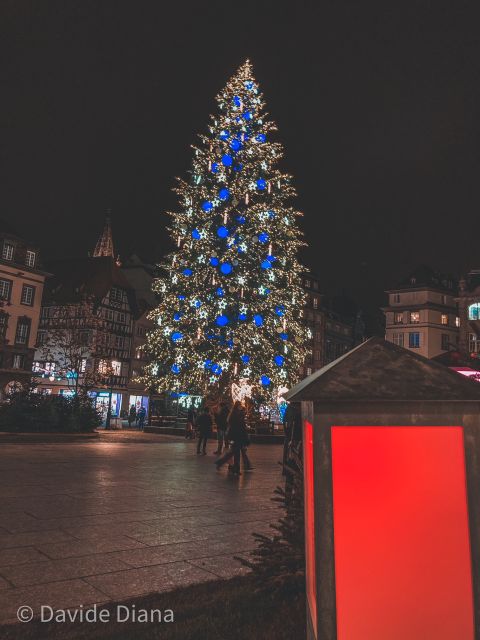
The guide also explains the tradition of the large Christmas tree in Place Kléber and the city’s winter market. This is helpful even if you visit outside the holiday season. Strasbourg’s Christmas reputation is a major part of its public image, and knowing the story behind the tree gives the seasonal displays more meaning.
During the market season, the area can be crowded. A small group helps, but you should still expect slower movement and more noise. The square is also a useful orientation point for the rest of your stay, with streets leading toward shops, restaurants, and the cathedral quarter.
I particularly like this part of the walk because it connects a famous attraction to local tradition. You are not simply told that Strasbourg has a Christmas market. You hear why Place Kléber matters to that celebration and how the square fits into the city’s identity.
Same old streets, another chapter:
- Paris: Louvre Museum Entry with History of Mona Lisa
★ 3.9 · 2,823 reviews - Bordeaux: Historic Center & Chartrons District Bike Tour
★ 4.8 · 709 reviews - Bordeaux: Top Landmarks & Historic Bike Tour
★ 4.9 · 346 reviews - Paris City of Fashion History Private Guided Walking Tour
★ 5.0 · 221 reviews
Grand’Rue and the shift toward old Strasbourg
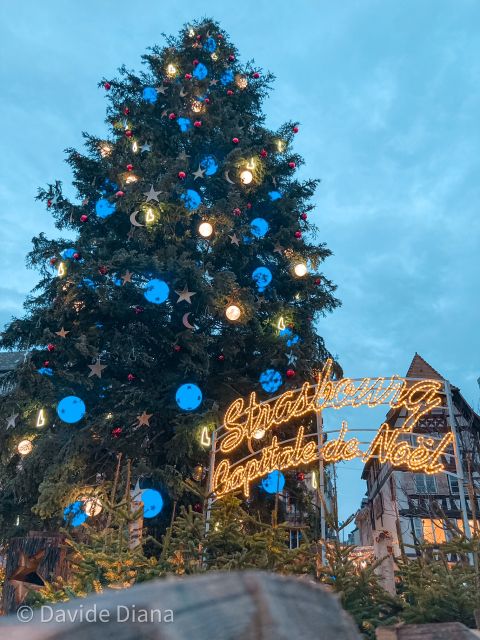
The group then follows Grand’Rue for about 10 minutes. This section acts as a bridge between the formal central squares and the older quarters. It gives you a chance to notice how Strasbourg changes block by block.
Grand’Rue is also the kind of place where a guide’s observations can make a real difference. You may pass details that seem ordinary until someone points out their age, use, or connection to the city’s past. Several people who took this tour appreciated being shown things they would have missed while walking independently.
Do not expect a museum-style presentation at every stop. This is an outdoor city walk, and the experience depends on staying with the group and listening as you go. If you prefer long visits inside monuments, this tour will feel too brief. If you want a city overview with plenty of context, the pace works well.
Petite France and the half-timbered heart of Strasbourg
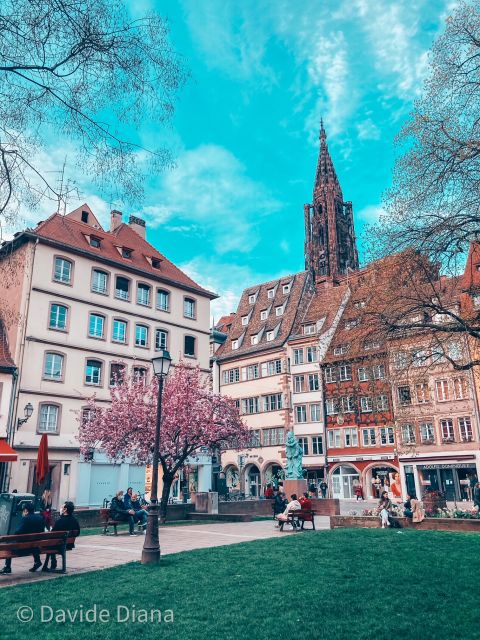
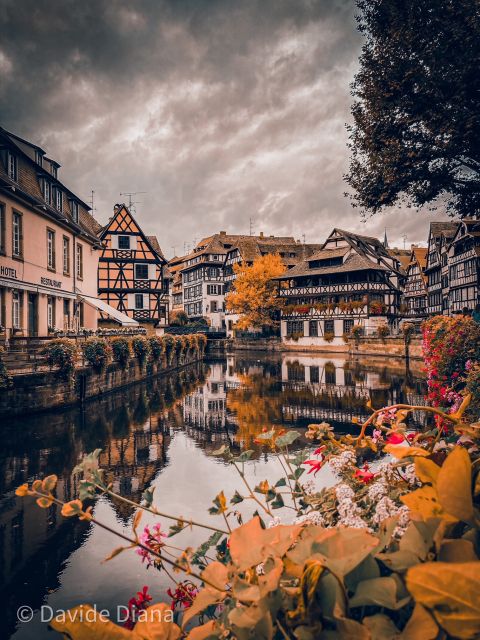
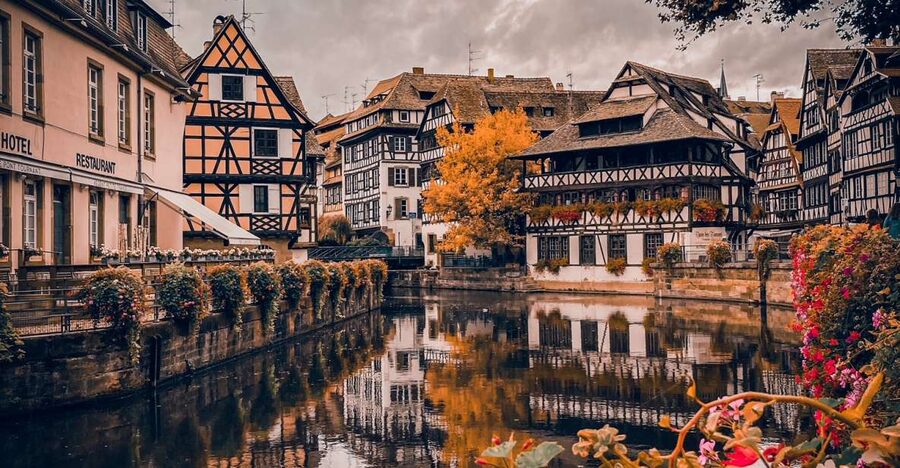
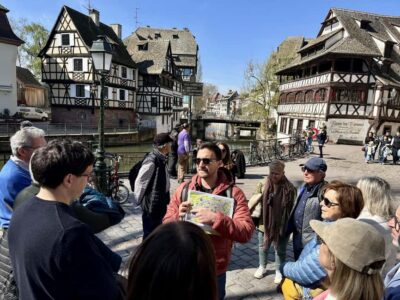
Petite France is the visual centerpiece for many people. The tour spends roughly 30 minutes here, with time for photographs, sightseeing, and an explanation of how the neighborhood got its name and changed over the centuries.
This is where Strasbourg’s familiar image comes into view: half-timbered houses, narrow streets, and a much more intimate scale than Neustadt. The old homes are not just decorative backdrops. Their construction, layout, and position along the historic quarter help explain how people once lived and worked in this part of the city.
The guide’s stories are especially useful here because Petite France can feel almost too pretty. Without context, you might simply move from one photo spot to another. With the historical explanation, you get a better sense of the neighborhood as a working part of Strasbourg, not only a postcard setting.
The quarter is also one of the busiest parts of the route. Expect other groups and people stopping for pictures. A small group of no more than 10 keeps the walk manageable, but it does not remove the crowds. Keep your belongings secure and wear shoes that handle uneven streets comfortably.
A short café or bathroom break may be included during the walk, depending on the guide and the group. Previous outings have included a brief coffee stop, and this can be welcome in cold weather. It is not listed as a formal included feature, so treat it as a possible courtesy rather than something guaranteed.
Finishing at Notre Dame Cathedral
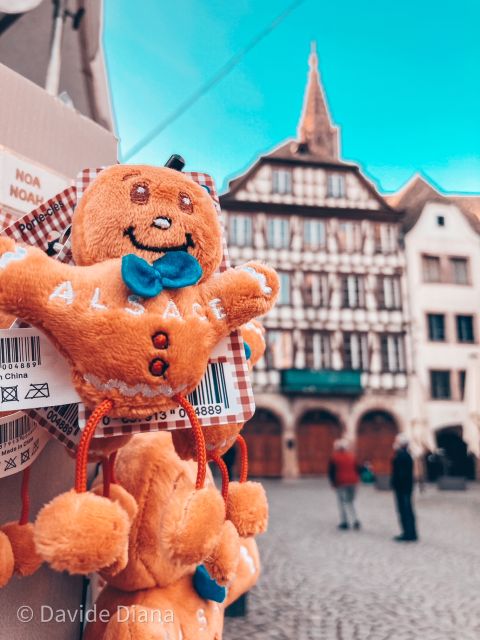
The final section leads to Notre Dame Cathedral, with around 20 minutes for a guided exterior visit and photographs. The tour ends at Place de la Cathédrale, which makes the cathedral easy to explore on your own afterward.
Strasbourg’s cathedral is known for its Rayonnant Gothic architecture, and the exterior deserves time. The facade is packed with detail, and a guide can help direct your eyes instead of leaving you to admire it as one overwhelming mass of stone. You hear stories about the building and its place in Strasbourg before the tour concludes.
Entrance is not included. That distinction matters. The walking tour gives you an outside introduction, but you need to arrange any cathedral visit separately. The route’s final location is convenient if you want to continue inside, find a nearby café, or stay in the central old town.
Ending here is also smart from a planning point of view. By the final stop, you have covered several key areas and can make better choices for the rest of your day. The guides are often willing to suggest restaurants and bars, and many people found those recommendations useful after the walk.
What the guide adds to the experience
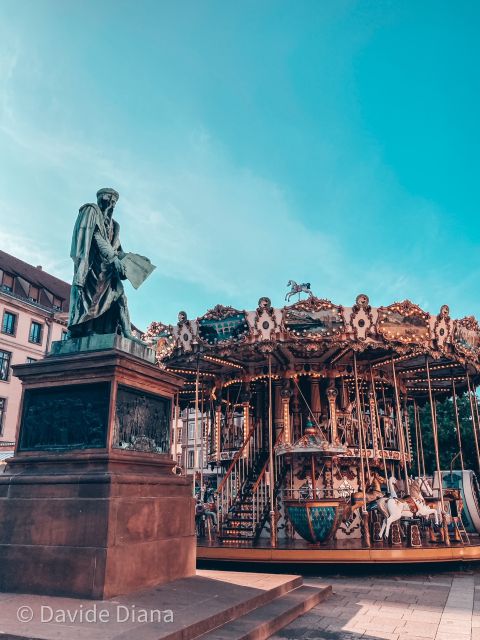
The strongest part of this tour is the presentation. Davide is repeatedly described as lively, funny, enthusiastic, and able to explain Strasbourg’s past in a clear order. Some bookings refer to the guide as David, Danny, or Daniel, so the exact guide may vary. Davide appears often in the feedback, but you should not assume every departure will have him.
The style is conversational rather than dry. You get facts, anecdotes, and explanations of what you are seeing, with enough humor to keep the group engaged. That balance matters in Strasbourg because the historical subject can include war, changing borders, and political tension.
The practical advice is another strong point. Guides have suggested places for coffee, restaurants away from the busiest tourist areas, bars, and other activities. I would write down recommendations as you go. A walking tour is most useful when it improves the rest of your visit, not only the two and a half hours spent with the guide.
The small group is a real advantage. With up to 10 people, you can usually hear without standing directly beside the guide, and you have more room to ask questions than on a large coach-style tour. It also helps the group move through narrow streets and crowded areas.
Price, pace, and practical value at $35
At $35 per person, this is a reasonable price for a small-group, 150-minute orientation led by a live guide. You are paying for structure, historical explanation, and local suggestions rather than admission to a monument. The cathedral entrance is not included, and there are no listed food or drink inclusions.
The value is strongest if this is your first time in Strasbourg. You see the main central areas in one route, learn how they connect, and finish with ideas for the rest of your stay. If you already know the old town well or prefer exploring alone with a guidebook, the price may feel less necessary.
The pace is moderate but steady. People have appreciated that the guide keeps the group moving, though a cold morning can make outdoor pauses uncomfortable. In summer, bring water and weather protection. In winter, wear warm layers. The required basics are simple: comfortable shoes and clothing suited to the forecast.
The activity is wheelchair accessible, according to the tour information. Pregnant women are advised not to take it, which may relate to the length and nature of the walking route. If you have mobility concerns beyond the stated accessibility information, check the route details before booking.
English and Italian are offered. The tour is not a multilingual free-for-all, so select the language that suits you when booking. Clear communication is important because much of the value comes from spoken stories and small visual details.
Who should book this Strasbourg walking tour?
I would choose this tour if you want a strong first look at Strasbourg without spending half a day inside museums. It suits couples, solo visitors, families with older children, and small groups who enjoy history presented with personality.
It is also a good choice if you want help with the city’s layout. The route takes you from Place de la République to the cathedral through several major districts, so you can mark restaurants, cafés, and return visits as you go.
You may want a different plan if you dislike outdoor walking, need frequent seating, or want extended time inside the cathedral. The tour is also less suitable for visitors who have already explored every stop and are looking for specialist architecture or culinary content.
Book early if your schedule is uncertain, since the reserve-now, pay-later option keeps plans flexible. Free cancellation is available up to 24 hours before the start time.
Should you book it?
Book this tour if you want Strasbourg explained rather than simply photographed. The combination of Neustadt, Place Kléber, Petite France, and Notre Dame gives you a broad introduction, while the small group and lively guide make the history easier to follow.
I would especially recommend it for a first morning or first afternoon in town. You get your bearings, learn what makes Strasbourg distinct, and leave with practical suggestions for the rest of your visit. Just remember that the cathedral is an exterior stop, the walk lasts 150 minutes, and weather will shape your comfort.
FAQ
How long does the Strasbourg walking tour last?
The tour lasts 150 minutes, or two and a half hours.
Where does the tour begin?
It begins at Place de la République. Your guide waits in the center of the square, in front of the war memorial.
Where does the tour finish?
The tour finishes at Place de la Cathédrale, beside Notre Dame Cathedral.
Is entry to Strasbourg Cathedral included?
No. The tour includes a guided exterior visit and photo stop, but cathedral entrance fees are not included.
Which languages are available?
The tour is offered in English and Italian.
How large is the group?
The group is limited to 10 participants.
Is the tour wheelchair accessible?
Yes, the activity is listed as wheelchair accessible.
What should I bring?
Bring comfortable shoes and clothing suited to the weather. You will be outdoors and walking for the full tour.
Can I cancel the booking?
Yes. You can cancel up to 24 hours in advance for a full refund. You can also reserve now and pay later.
Latest history tours reviewed in France
- Explore the Marais: History, Art & Local Culture★ 4.6 · 105 reviews
- Discover Caen like never before: Guided tours between history & secrets!★ 4.9 · 67 reviews
- Culture History & Secrets: Lyon with a local artist -english★ 4.9 · 29 reviews
- Champagne Cellar Experience: Explore our historic cellars★ 4.7 · 46 reviews
- Bordeaux: Walking Tour of the City’s Best Bakeries★ 4.8 · 69 reviews
- Bordeaux: Top Landmarks & Historic Bike Tour★ 4.9 · 346 reviews
- A locals’s guide to Bordeaux’s historic market★ 4.8 · 23 reviews
- Avignon: Historic District Guided Food & Wine Walking Tour★ 4.8 · 84 reviews
France History Tours, compared.
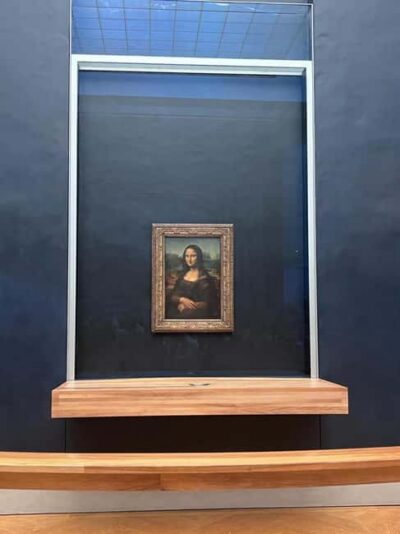
Paris: Louvre Museum Entry with History of Mona Lisa
Read our review →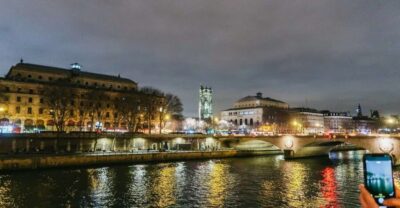
Paris: Dark History and Ghostly Guided Walking Tour
Read our review →
Vieux Lyon Cultural & Historical Walking Guided Tour (English)
Read our review →
Bordeaux: Historic Center & Chartrons District Bike Tour
Read our review →
Strasbourg on Foot: Historic Center and Petite France with a Local Guide
Read our review →
Paris City of Fashion History Private Guided Walking Tour
Read our review →
History of Paris City Center w/ Notre Dame Semi-Private 12ppl Max
Read our review →Browse the lists this tour appears in