
Review · NETHERLANDS
Rotterdam: Kinderdijk UNESCO World Heritage Entry Ticket
Kinderdijk is where Dutch water engineering becomes real. You see the famous windmills, then step inside the machinery and homes that kept this low-lying land dry. I especially like the two working museum mills, which show both the millers’ hard daily life and the clever mechanics behind the sails. The boat ride adds a fine view of the whole site from the canals.
I also like the freedom to set your own pace. You can walk, ride the boat, pause for the film, or linger beside the water with a picnic. The main drawback is distance: there is little shade, plenty of walking, and the boats have limited seats. If bad weather stops the boats, you lose one of the ticket’s most enjoyable features.
Key points to know before you go
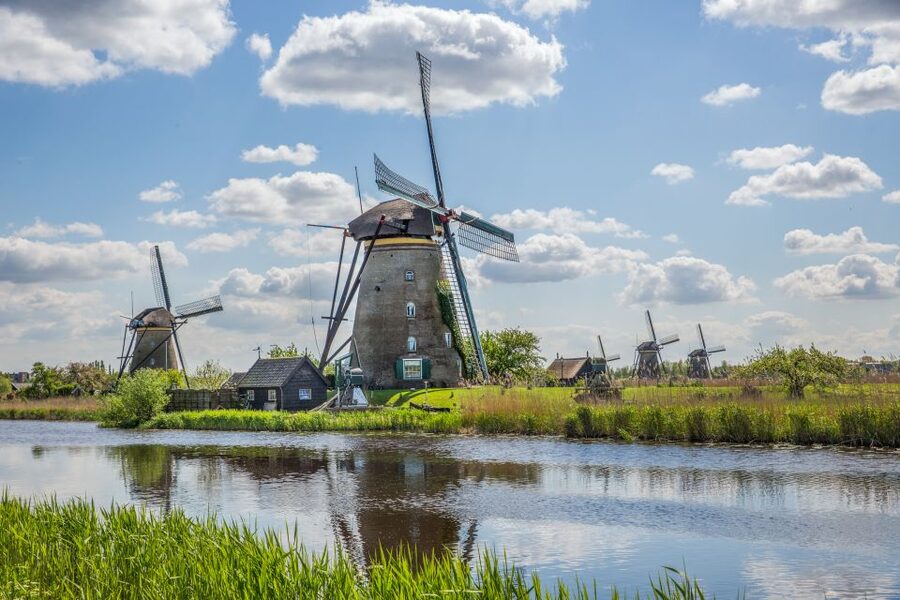
- Nineteen windmills beside the polders: Kinderdijk gives you the classic Dutch view, but with working water systems rather than postcard scenery alone.
- Two mills you can enter: Blokweer and Nederwaard turn the visit into a look at mill machinery, family life, and the work of a miller.
- The boat is included: Use it to move between parts of the site and to see the windmills from the canals.
- Self-guided, not a group tour: Dutch and English staff are available, while the online audio guide offers seven languages.
- Allow at least two to three hours: A relaxed half-day works better, especially if you watch the film and visit every included stop.
- Transport is not included: You must arrange your own way from Rotterdam or elsewhere, and parking can be difficult.
Why Kinderdijk is more than a windmill photo stop
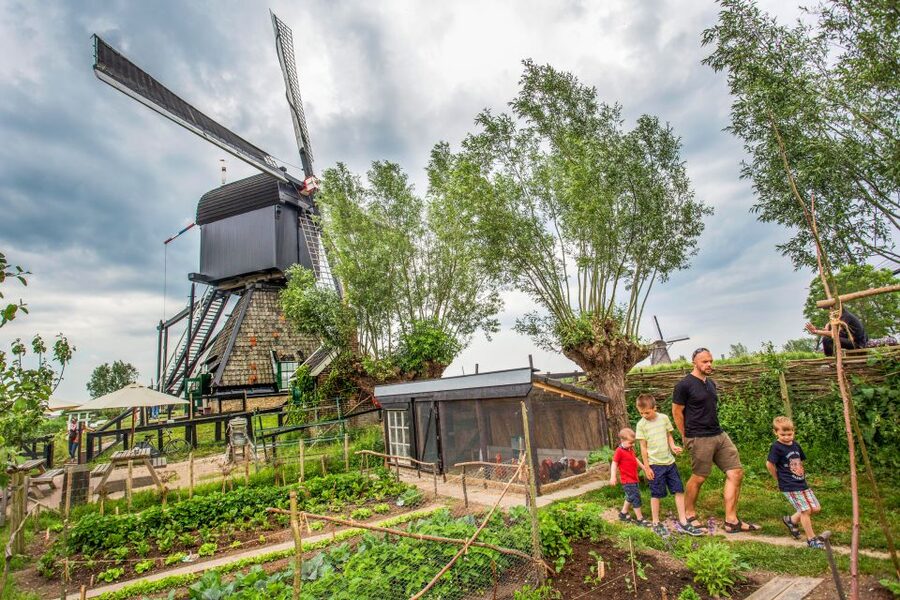
The usual image of the Netherlands is a windmill against an open sky. Kinderdijk gives you that view, but the real subject is water control. The village shows how people used wind power, pumps, dikes, and canals to keep reclaimed land livable.
That makes the visit more useful than a quick photo stop. You are not only looking at old buildings. You are seeing a working system, with water channels and machinery arranged across the polders.
The site is a UNESCO World Heritage Site, and much of the outdoor route can be enjoyed without entering the paid exhibits. The $25 ticket pays for the parts that explain what you are seeing: two museum mills, the pumping station engine room, the film and exhibition, and the boat ride.
I think that is fair value if you use the full ticket. The mills are the heart of the experience, and the boat gives you a different view without requiring you to walk the entire route. If you only want a quick look at the windmills from outside, you may not need every paid feature.
More UNESCO World Heritage Tours in the Netherlands:
- World Heritage Shirakawa-go and Experience Tours from Kanazawa
★ 5.0 · 4,049 reviews - From Tirana: Berat UNESCO Heritage & Belshi Lake Tour
★ 4.9 · 3,863 reviews - Bali: Tanah Lot UNESCO World Heritage Sites Full-Day Tour
★ 4.7 · 1,947 reviews
Start with the film and exhibition
The entrance area helps you get your bearings before you head along the paths. The informative film is short enough to fit into a busy visit, and it gives useful background on the windmills and Dutch water management.
I recommend watching it early. Without context, the row of mills can blur into one attractive view. After the film, you can tell why the canals matter, what the mills are doing, and why the pumping station is part of the same story.
The online guide adds audio tours in English, Dutch, French, Spanish, Italian, Chinese, and German. Dutch and English are also available from the staff and hosts. Ask for the audio tour code at the information desk, since it may not be handed to you automatically.
This is a self-guided visit. That suits people who prefer to stop for photographs, move quickly through one section, or spend extra time inside a mill. It also means you should not expect a guide leading your group from one attraction to the next.
Blokweer Museum Mill shows the old working life
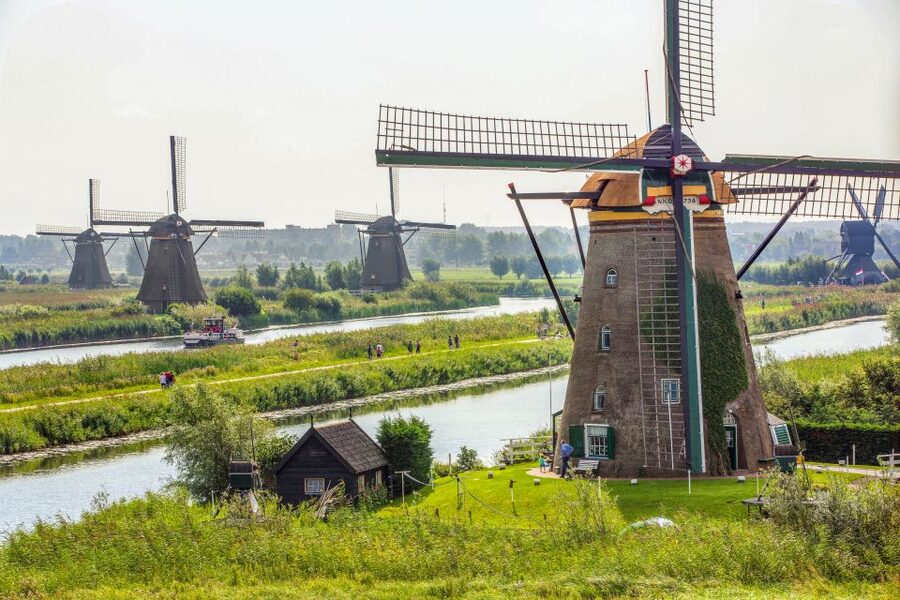
Blokweer is one of the two museum mills included with your ticket. Inside, the focus is not only on the machinery but also on the way millers and their families lived and worked.
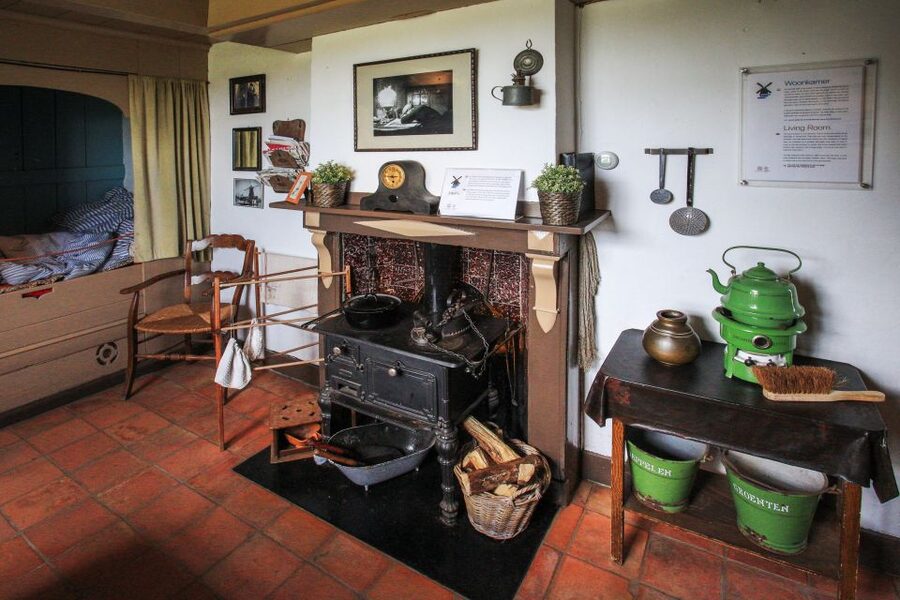
That human detail matters. You can see the mill as a home and workplace rather than as a large piece of outdoor equipment. The narrow spaces and practical setup help explain how demanding life around a working mill could be.
The mills are preserved, but the experience is not a frozen display. You may see moving parts and, when conditions allow, working sails. The small scale of the interiors also means that busy periods can feel tight, particularly if several groups arrive at once.
Take your time, but be considerate of the next person waiting behind you. The setting works best when you pause to look at the mechanisms and listen to the audio rather than treating the mill as a quick walk-through.
Nederwaard Museum Mill brings the machinery to life
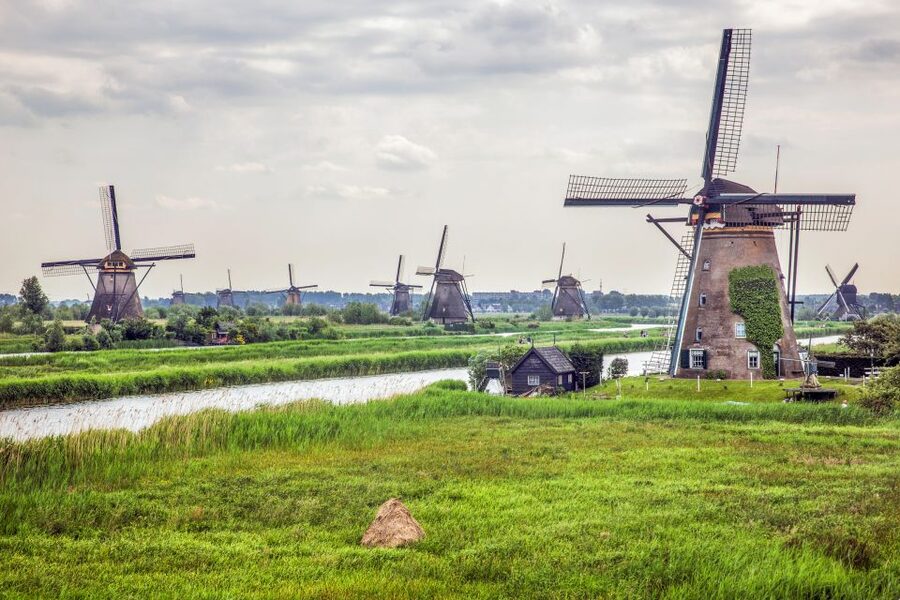
Nederwaard is the second museum mill. Together, Blokweer and Nederwaard give you two chances to understand the practical side of windmill life, rather than seeing only the outside.
The machinery is the star. A working mill makes more sense when you can see how the sails, gears, and pumping equipment connect. The sight and movement of the parts add something that photographs and signs cannot.
The mill also gives you a feel for the families who lived there. This is one reason I would not skip the interiors. The outdoor path provides the grand view, but the rooms and working equipment provide the story.
Wear shoes suitable for walking and uneven paths. The full visit involves moving between separate buildings and crossing the dikes, so you will spend more time on your feet than the compact entrance area suggests.
More Entry Tickets in the Netherlands:
- New York City: American Museum of Natural History Ticket
★ 4.5 · 15,447 reviews - Edinburgh: Edinburgh Castle Guided History Tour with Tickets
★ 4.8 · 9,933 reviews - Taormina: Ancient Theater Skip-the-Line Ticket & Audio Guide
★ 4.5 · 2,412 reviews - Historic Milan Tour with Skip-the-Line Last Supper Ticket
★ 4.5 · 1,976 reviews
The pumping station explains the next stage of water control
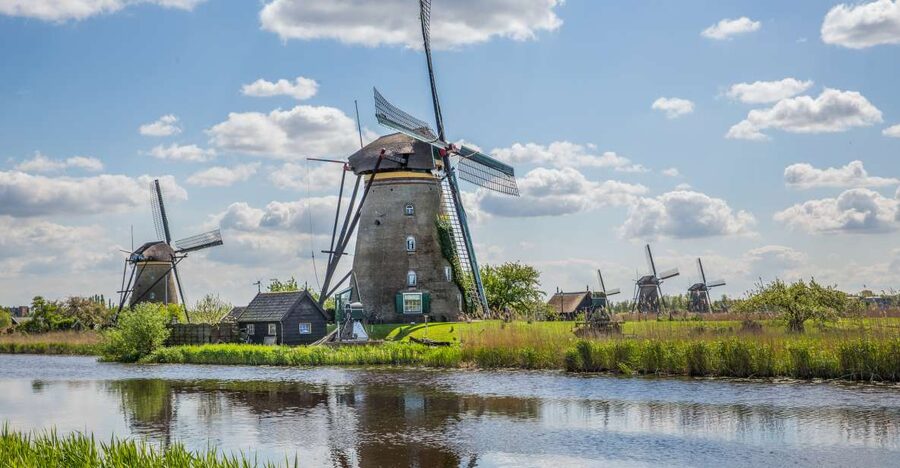
The pumping station engine room shows how technology developed beyond traditional wind power. It helps connect the old mills with later methods of moving water.
I find this stop valuable because it prevents Kinderdijk from becoming a collection of unrelated windmills. The pumping station makes clear that water management changed over time, while the basic need to protect the polders remained.
This is an indoor stop, which can be welcome on a hot or wet day. It also gives you a break from the open paths, where shade is limited.
The ticket includes entrance to the engine room, so include it in your plan rather than leaving it until the last few minutes. The same applies to the film and the museum mills. The last boat leaves half an hour before closing, and it would be a shame to rush the final section.
Take the boat for the best view of the whole site
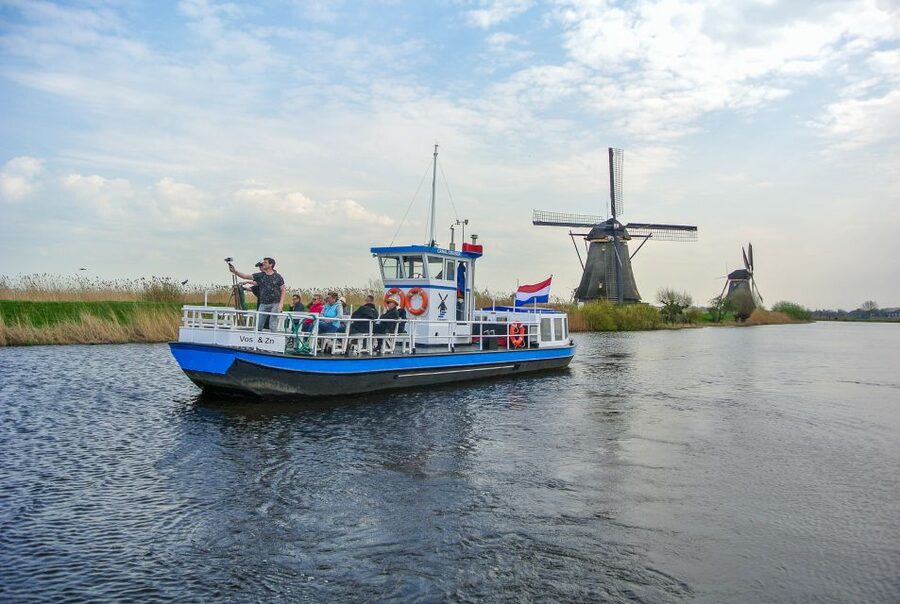
The included boat trip is more than simple transport. From the water, you get a broad view of the windmills and the channels that make the site work.
I would use the boat at least once, even if you enjoy walking. The boats glide through the polders while the mills pass along the banks, giving you a quieter way to take in the scale of Kinderdijk.
You can also use the boats to reach the smaller stopping points near the museum mills. This can save your legs, but do not assume the boat replaces all walking. You still need to move between attractions, and the route can feel long if you try to see everything quickly.
Seats are limited. In busy periods, arrive with enough time to wait for the next departure rather than building your entire visit around one exact sailing. Boats may not operate in bad weather, so check conditions on the day and keep a walking plan in mind.
If the boat is running, consider taking a full ride before choosing which stops to visit. That gives you an overview and helps you decide where to spend your remaining time.
Expect open paths, long walks, and little shade
Kinderdijk is a place to walk slowly, but it is not a short stroll from one attraction to the next. The route follows the dikes and canals, and some crossings take time to reach.
There is little shade along the longer stretches. Bring protection from the sun and plan water breaks, especially in summer. Food and drinks are not included in the ticket, so carry what you need or plan a stop at the available café area.
A bicycle can be useful for extending the day, and some visitors combine the ticket with a bike ride from Rotterdam. A picnic also makes sense if you want to turn the visit into a leisurely outing instead of a quick half-day stop.
Watch for cyclists on the paths. The site is open and spacious, but bikes may pass close to walkers, especially on busy days. Keep to the side and let faster traffic through.
The peaceful setting is part of the appeal. You hear water, wind, and the mechanical rhythm of the mills rather than city noise. Give yourself time to stop beside the canals instead of rushing from exhibit to exhibit.
Getting there from Rotterdam
Transport to Kinderdijk is not included, so plan this part before booking. Waterbus service is one option, and visitors have used Waterbus 21 to reach the site. The ride from Rotterdam can be a pleasant part of the day, but check the timetable carefully, particularly if you are working around a cruise departure or a fixed return time.
Parking can be difficult, as the site itself warns. I would not choose a car simply because it appears faster on a map. Public transport, a water connection, or a bicycle may be less stressful, depending on your starting point and schedule.
The ticket does not include the journey, so calculate that extra cost when comparing the total price with an organized excursion from Rotterdam. On the other hand, arranging your own transport gives you more control and lets you stay as long as you wish.
From the arrival point, expect more walking before you have seen the main museum stops. This matters for anyone with limited stamina or a tight schedule.
Accessibility and family planning
The attraction itself is wheelchair accessible, and the site can work well with a mobility scooter once you arrive. Access from some water taxis may be less suitable for disabled passengers, so check that part of the route in advance.
The long distances, open paths, and occasional crowds still matter. Accessibility at the buildings does not remove the challenge of crossing the full site. If you need to limit walking, use the boat when it is operating and focus on the included indoor stops.
Families have an interactive scavenger hunt for children. That gives younger visitors something active to do while adults learn about the water system and mill life.
The self-guided format is helpful with children because you are not tied to a group’s pace. You can stop for a snack, skip a section, or return to the boat without holding up a guide.
How long should you allow?
Two to three hours is enough for a focused visit to the mills and pumping station. That pace lets you see the key exhibits, take the boat if available, and enjoy the main views.
I would allow half a day for a more satisfying visit. Add time for the film, audio tour, photographs, a picnic, or a bicycle ride. The site rewards patience more than speed.
A full day is also reasonable if you want to walk the paths thoroughly and take your time at both museum mills. The ticket is valid for one day, so you are not forced into a short schedule.
Opening hours change by season:
- Until March 5, open days run from 10:30 a.m. to 4 p.m.
- From March 6 through November 1, the site is open daily from 9 a.m. to 5:30 p.m.
- From November 2 through December 31, hours are 10:30 a.m. to 4 p.m.
- The site is closed on Christmas Day.
Always check the current hours before setting out. In the shorter winter schedule, a late arrival leaves little room for walking and the boat.
Is the $25 ticket good value?
The price is reasonable if you plan to enter the mills, visit the pumping station, watch the film, and ride the boat. Those additions turn a free outdoor view into an educational visit with several distinct stops.
The ticket also helps you understand why the site needs ongoing care. The windmills, paths, canals, buildings, and machinery all require maintenance.
The value is weaker if you only want a photograph. Much of the outdoor route can be seen without paying, so a short visit focused on the view may not justify the full ticket.
For most first visits from Rotterdam, I would pay for the complete experience. The indoor exhibits answer the questions you will naturally have once you see the mills, and the boat adds a calm, scenic part to the day.
Who will enjoy Kinderdijk most?
You are likely to enjoy this experience if you like local history, engineering, outdoor walks, photography, or self-guided sightseeing. It also suits families, since the scavenger hunt gives children a reason to look closely at the site.
It is a good choice for first-time visitors to the Netherlands who want more than city streets and museums. The setting shows a very specific part of Dutch life: keeping land dry and making the most of wind and water.
You may want to reconsider if you dislike walking, have only a very short gap in Rotterdam, or would be disappointed if bad weather cancels the boat. The outdoor route is exposed, and the site is not designed as a quick indoor attraction.
Should you book the Kinderdijk ticket?
Book it if you want to understand the windmills rather than simply photograph them. The two museum mills, pumping station, film, audio guide, and boat ride give the $25 price real value, especially when you allow at least half a day.
Plan your transport first, check the boat and opening hours, and bring comfortable shoes, water, and sun protection. If you can visit on a calm day, take the boat early, then walk back through the mills at your own pace.
Skip the paid ticket only if you want a brief outdoor view and do not care about entering the buildings. For a first Kinderdijk visit, I think the full ticket is the better choice.
FAQ
What does the Kinderdijk ticket include?
The ticket includes entry to the Blokweer Museum Mill, Nederwaard Museum Mill, the pumping station engine room, an informative film and exhibition, an online audio guide, and the boat trip through the World Heritage Site.
Is transport from Rotterdam included?
No. You must arrange transport to Kinderdijk yourself. Waterbus 21 is one possible connection, but you should check the timetable before planning your day.
How long is the ticket valid?
The ticket is valid for one day. Opening times vary by season, and Christmas Day is closed.
What languages are available for the audio guide?
The audio guide is available in English, Dutch, French, Spanish, Italian, Chinese, and German. Hosts and staff speak Dutch and English.
Does the boat operate in all weather?
No. The tour boats may stop operating in bad weather. The last boat departs 30 minutes before closing time.
Is Kinderdijk wheelchair accessible?
The attraction is wheelchair accessible, and the site is suitable for mobility scooters once you arrive. Access from a water taxi may be less suitable for disabled passengers, so check your transport connection carefully.
Is food included?
No. Food and drinks are not included in the ticket. You can plan a break during your visit, and bringing a picnic is useful if you want to stay longer.
Latest history tours reviewed in the Netherlands
- Skipping Lines & Sipping Beers: A History Tour of Amsterdam★ 5.0 · 22 reviews
- Amsterdam: Private Pedicab Historical Sightseeing Tour★ 5.0 · 41 reviews
- Amsterdam Walking Tour:Anne Frank, History & Liberal Culture★ 5.0 · 18 reviews
- Amsterdam: Jewish Quarter and History Guided Tour★ 4.7 · 210 reviews
- Amsterdam: Iconic Canals & Historic Sights Walking Tour★ 4.5 · 90 reviews
- Amsterdam: Luxury Canal Cruise with Historic VR Experience★ 4.7 · 31 reviews
- Amsterdam: Historical Highlights Walking Tour with Tasting★ 4.6 · 381 reviews
- Amsterdam: Historic Boat Cruise with open bar and nibbles★ 4.9 · 31 reviews
Netherlands History Tours, compared.

Amsterdam Food and Cultural Tour with Tastings
Read our review →

Amsterdam: Haunted History and Ghost Walking Tour
Read our review →
Amsterdam High-End Dutch Food & History Tour – Up to 8 guests
Read our review →
Amsterdam: Historical Highlights Walking Tour with Tasting
Read our review →
Anne Frank and the Jewish History of Amsterdam Private Tour
Read our review →Browse the lists this tour appears in