
Review · AMSTERDAM
Amsterdam: Jewish Quarter and History Guided Tour
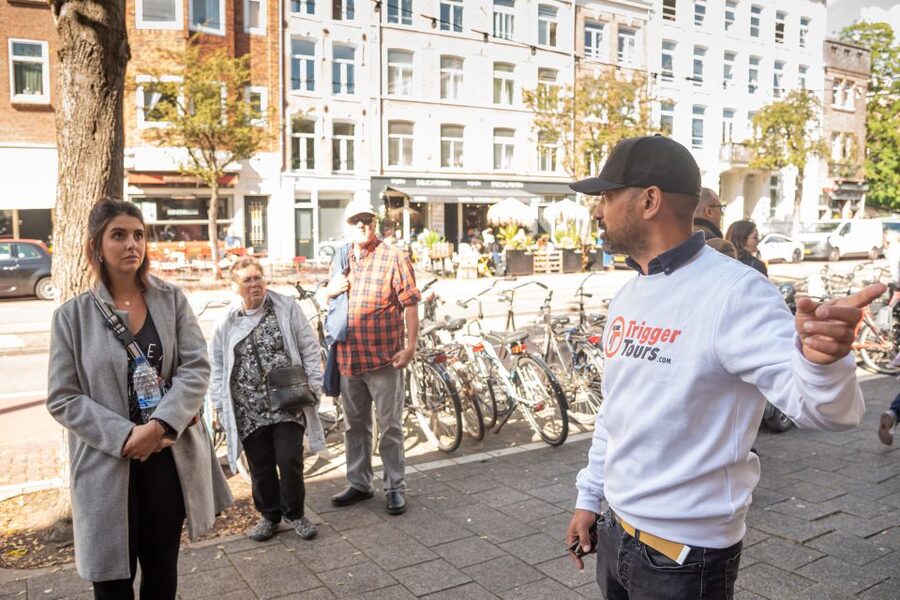
Amsterdam’s Jewish Quarter is not a museum behind glass. It is a city neighborhood where ordinary streets, bridges, and building fronts carry the memory of Jewish families, wartime persecution, resistance, and loss. This two-hour walk helps you read those places through the eyes of the people who lived there during the Nazi occupation.
I like the way the tour connects daily life with major wartime events, rather than treating World War II as a string of dates. I also like the small-group and private options, since guides such as James, Aaron, Jyry, Masha, and Joshua have been praised for answering difficult questions with care. The main drawback is pace: two hours covers a lot, and you may have little time to linger at each monument.
Key points at a glance
- The route links Jewish landmarks to personal stories, including the Portuguese Synagogue, Jewish Historical Museum, and former Jewish Council headquarters.
- The Dokwerker and Auschwitz Monument give the tour emotional weight, turning historical facts into places you can see and consider.
- The walk begins near the Amstel River and is scheduled to finish near the Anne Frank House, although the exact endpoint can vary by departure.
- Guides speak English or Spanish, with private and small-group formats available.
- The tour costs $23 per person, a reasonable price for two hours of live historical interpretation.
- You should expect a serious, sometimes painful subject, presented in a factual and respectful way rather than as light sightseeing.
Why this part of Amsterdam needs a guide
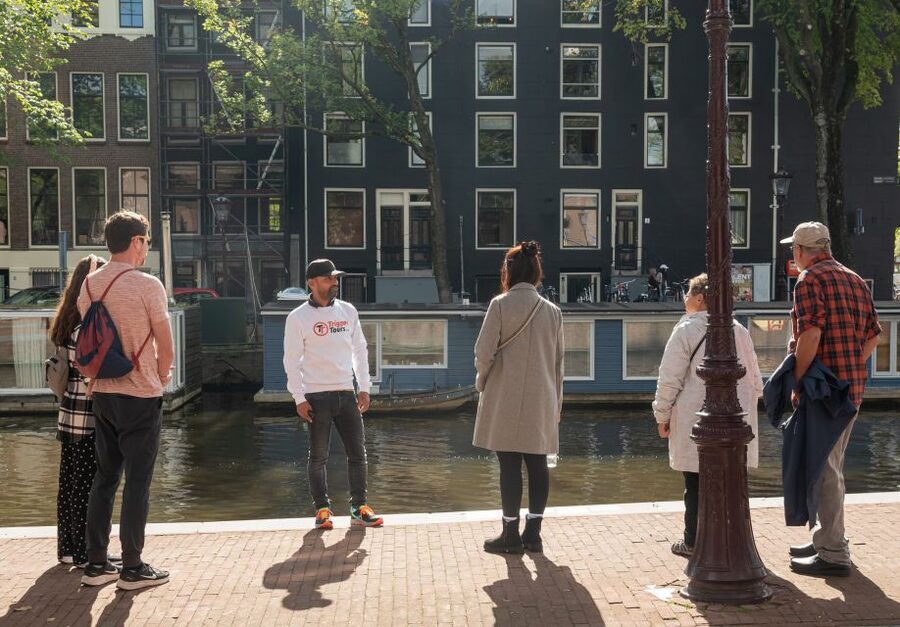
You can walk through Amsterdam’s former Jewish Quarter on your own and see attractive canals, old façades, and familiar city scenes. What you cannot easily see is the human story behind them. A doorway may once have belonged to a Jewish family. A public building may have played a role in the forced registration and persecution of Amsterdam’s Jewish population. A monument may look simple until you understand the event it recalls.
That is the real value of this tour. Your guide gives meaning to places that otherwise risk becoming background scenery. One visitor put it well by noting that the buildings would have been blank façades without the stories attached to them. That is exactly the difference between sightseeing and historical interpretation.
The tour focuses on Amsterdam from 1940 to 1945, when the Netherlands was under Nazi occupation. You hear how occupation changed daily routines, how Jewish residents were identified and restricted, and how Dutch society responded. The presentation is not limited to famous names. It also considers ordinary people, institutions, cooperation, resistance, and the choices made under pressure.
I appreciate that balance. A useful tour should not flatten the past into a simple story of heroes and villains. The guides are praised for presenting the subject in a factual and impartial way while still recognizing the scale of Jewish suffering.
More Jewish Heritage Tours in Amsterdam:
- Anne Frank and the Jewish History of Amsterdam Private Tour
★ 5.0 · 307 reviews - Anne Frank and Amsterdam Jewish History Walking Tour
★ 5.0 · 259 reviews - Amsterdam: Private Anne Frank and Jewish History Tour
★ 5.0 · 26 reviews
Starting beside the Amstel River
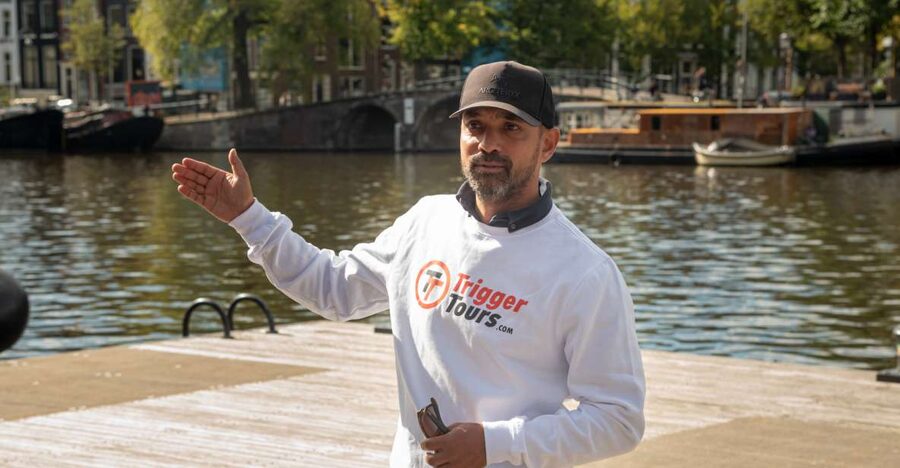
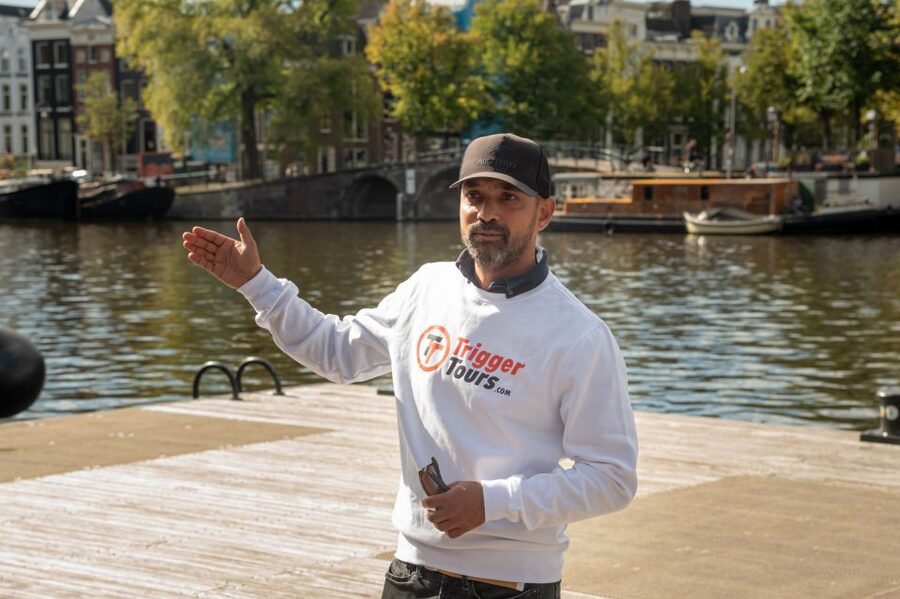
The walk begins by the Amstel River, with the precise meeting point depending on the option you book. This is a sensible place to start because the river and nearby streets place you close to the historic Jewish district and its major sites.
At the opening, your guide sets the historical frame. You learn about the growth of Jewish life in Amsterdam, the place of the community in the city, and the changes brought by the occupation. This early context matters. Without it, the later memorials can feel like isolated stops. With it, the route becomes a connected story.
The opening section is also where you can gauge your guide’s style. James is often singled out for clear explanations and a calm approach to sensitive questions. Aaron, Jyry, Masha, Joshua, Guido, and other guides have also led this experience. The individual guide will shape the feel of your walk, but the repeated strengths are clear: strong command of the subject, patience, and an ability to adjust the discussion to the group.
If you have a personal family connection to the Holocaust, you may want to tell your guide at the start. One particularly thoughtful approach described by a participant involved using family stories to make the discussion more personal without losing historical focus.
The Portuguese Synagogue and Jewish Amsterdam
One of the important landmarks on the route is the Portuguese Synagogue. Its presence helps explain that Jewish Amsterdam was not created only during the twentieth century. Jewish communities had long been part of the city, with different backgrounds, traditions, and institutions.
Your guide uses this area to provide the setting for the wartime story. That is important because the tour is not only about destruction. You also learn about Jewish life before the occupation, the institutions that served the community, and the people who made the district their home.
The synagogue is mainly a landmark viewed as part of the walking route, not a separate interior visit. If entering the building is a priority, you should treat that as a different activity and check the details before booking. The strength here is the explanation of the area and its role in the wider story.
This section can also help you see why a short tour cannot cover everything. Amsterdam’s Jewish past extends well beyond the two-hour route. The guide gives you a usable overview, then points you toward places you may want to revisit on your own.
The Jewish Historical Museum and the former Jewish Council
The route also passes the Jewish Historical Museum and the former headquarters of the Jewish Council. These stops help connect public institutions with the experiences of individuals during occupation.
The Jewish Historical Museum represents the preservation and presentation of Jewish life, culture, and memory. From the outside, it may look like another cultural building in a city full of museums. Your guide explains why it belongs in this route and how it fits into Amsterdam’s Jewish story.
The former Jewish Council headquarters is a more difficult stop. It brings the machinery of occupation closer to the people who had to navigate it. This is where the tour can move beyond general statements about Nazi rule and address the pressures placed on Jewish institutions and leaders.
You should expect the guide to explain events rather than offer a quick moral lesson. The subject is painful and complicated. Several guides have been praised for handling personal and sensitive questions without becoming theatrical. That tone matters, especially at sites connected to decisions made under extreme coercion.
More Guided Tours in Amsterdam:
- Historic Amsterdam 2-Hour Private Tour with Local Guide
★ 4.9 · 53 reviews - History and Hauntings of Salem Guided Walking Tour
★ 5.0 · 14,564 reviews - Edinburgh: Edinburgh Castle Guided History Tour with Tickets
★ 4.8 · 9,933 reviews - Historic Charleston Guided Sightseeing Walking Tour
★ 5.0 · 6,216 reviews
The Dokwerker and the meaning of public resistance

The Dokwerker is one of the route’s key monuments. It recalls the February Strike, a major act of protest against the persecution of Jewish people in occupied Amsterdam.
The statue itself is direct and powerful. Your guide gives it the missing context: what happened, why the strike mattered, and how the monument fits into the city’s memory. This is one of the moments when the tour’s physical route and historical narrative work especially well.
The Dokwerker also adds needed complexity. The story of Amsterdam during the occupation cannot be reduced to either total resistance or total collaboration. Public acts of protest existed alongside fear, compliance, self-interest, and the slow tightening of Nazi control. A good explanation leaves room for those tensions.
You may want a quiet moment here, but the schedule may not always allow much time. The tour moves on, and if you stop for photographs or study the monument longer, you could miss part of the next explanation. This is the clearest practical weakness raised about the experience. Stay close to the group and save detailed photography for the end if the pace feels brisk.
The Auschwitz Monument and the weight of absence
The Auschwitz Monument is among the most solemn points on the walk. It commemorates those who were murdered in Auschwitz and gives the tour a physical place to confront the scale of the Holocaust.
This stop is not about dramatic presentation. Its power comes from the gap between the ordinary city around you and the enormity of the history being discussed. Your guide explains the memorial’s purpose and connects it to the Jewish residents whose lives were destroyed.
I find this kind of stop most useful when the guide allows facts and silence to work together. The available guide descriptions emphasize a sensitive and impartial approach, and that is the right tone here. You are not being entertained. You are being asked to remember.
The Auschwitz Monument may also be the endpoint for some departures. The advertised route is described as finishing in front of the Anne Frank House, but one participant reported ending at the Holocaust memorial instead. Since meeting points and endings can vary by option, confirm the exact route when you book, especially if you have a timed appointment afterward.
Walking toward the Anne Frank House
The final part of the route leads toward the Anne Frank House. The tour does not include entry to the house, and the ticket price covers the walking tour and guide only.
That distinction matters. The Anne Frank House is a separate attraction with its own admission arrangements. This walk gives you background about Anne Frank, her diary, and the role of her father, Otto Frank, in publishing it after the war. It also explains how the diary became known around the world.
Ending near the house gives the tour a familiar point of reference, but it is not the only reason to book. Anne Frank’s story is one part of a much larger history. The earlier stops help prevent the city’s wartime memory from narrowing to a single family, important though that family’s story is.
If you plan to visit the Anne Frank House separately, the walking tour can make that visit more meaningful. You will arrive with a clearer sense of the wider Jewish community, the occupation, and the historical setting around Anne’s hiding place.
How the two-hour pace feels
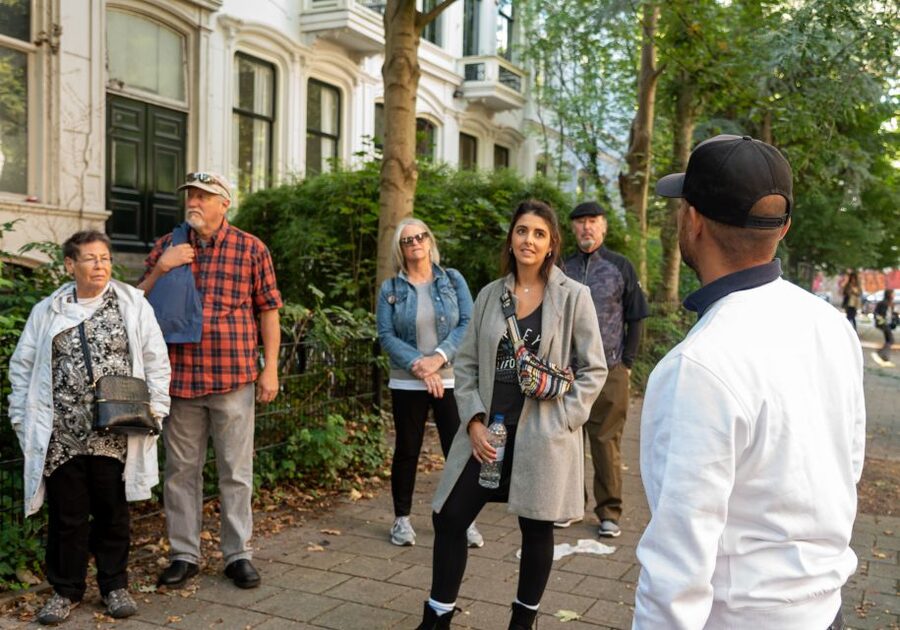
Two hours is long enough to build a clear historical framework but short enough to fit into a busy Amsterdam schedule. You spend the time outdoors, walking between sites, listening, and asking questions.
The route is not described as difficult, but you should be ready for continuous walking and standing. Amsterdam weather can change quickly, so a rain layer and comfortable shoes are sensible. Food and drinks are not included, and there is no meal stop built into the experience.
The pace seems to depend partly on the group. Small groups allow more questions and a quieter discussion. Private tours give you the most control over what you want to explore. Shared groups can bring a useful mix of backgrounds, but you may have less freedom to pause.
One participant found the pace a little fast, especially when trying to take photographs or absorb a monument before moving to the next stop. I would not book this expecting long periods at each site. Think of it as a guided historical walk with several meaningful stops, not an unhurried museum visit.
Private or small group: which option fits you?
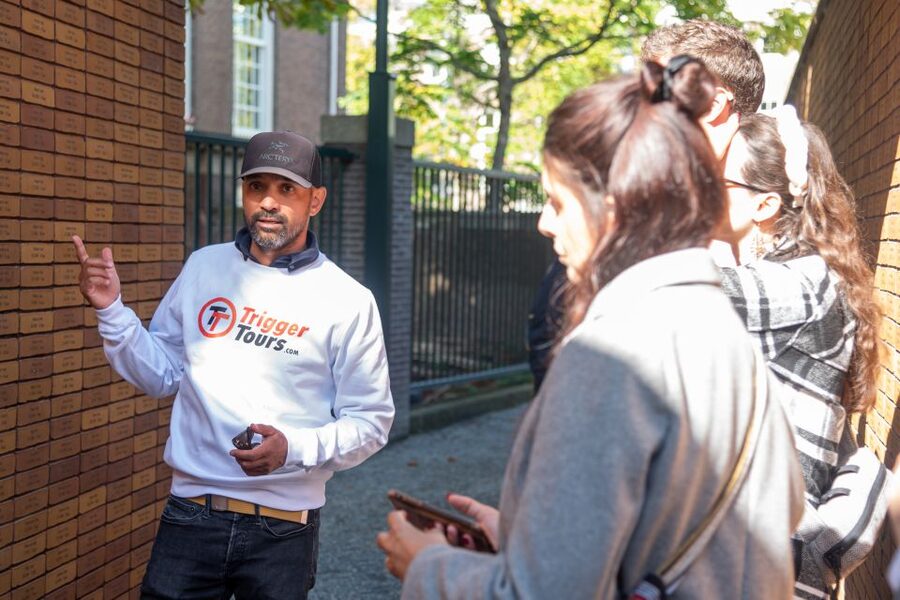
A private tour makes sense if you have a strong family connection, specific questions, or a limited amount of time. You can usually engage more directly with the guide, and the discussion can respond to your interests.
A small shared group offers a good middle ground. The group format still allows questions, while the presence of other people can bring different perspectives. Several guides have been praised for personalizing the discussion and making space for questions, even when the subject becomes difficult.
The available languages are English and Spanish. If you need another language, this is not the right choice based on the information provided.
The guides named in the feedback include James, Aaron, Jyry, Masha, Joshua, Guido, and others. James receives especially strong praise for clear, sensitive explanations and a well-judged pace. Aaron is noted for his friendly manner and ability to handle questions. Jyry is praised for adding historical context and personalizing the walk. The exact guide cannot be guaranteed, but these names give you a sense of the experience’s strongest teaching style.
Is $23 good value?
At $23 per person, this is a fair price for a two-hour guided walk in central Amsterdam. You are paying for interpretation, not transport, food, or museum entry.
The value is strongest if you want help making sense of the neighborhood. You could walk past many of these sites without understanding their connection. A guide turns the route into a structured lesson and gives you information to carry into later museum visits.
The price is less attractive if you only want to see landmarks quickly or already have a detailed understanding of Jewish Amsterdam. You may prefer to spend two hours inside a museum or arrange a longer private history tour.
For most first-time visitors interested in World War II, Jewish history, or Amsterdam beyond its postcard image, $23 is reasonable. The free cancellation up to 24 hours before the tour and the option to reserve now and pay later also make it easier to fit into a changing schedule.
Who should book this walk?
I would recommend it to you if you want a serious introduction to Amsterdam’s Jewish history and the Nazi occupation. It suits adults, students, history-minded visitors, and anyone planning to visit the Anne Frank House or National Holocaust Museum.
It is also a good choice for families with older children, provided they are ready for a difficult subject and can manage a two-hour walking discussion. The experience is not framed as a light city stroll, and younger children may find the material too heavy.
You should choose the private option if family history is central to your visit or you want extended conversation. Choose a small shared group if you value a lower price and still want to ask questions.
Booking details to keep in mind
The tour lasts two hours and is offered in English or Spanish. The meeting point may change according to the option you select, so check your confirmation carefully rather than assuming every departure begins at the same place.
The stated route begins by the Amstel River and is intended to finish near the Anne Frank House. Because one account places the ending at the Holocaust memorial, confirm the final stop if your next activity depends on it.
The tour includes a walking guide only. Food, drinks, and admission to the Anne Frank House or other museums are not included. You can cancel up to 24 hours in advance for a full refund, and reserve now while paying later.
Should you book it?
Book this tour if you want the Jewish Quarter explained rather than simply photographed. Its best feature is the way it connects buildings, monuments, and streets with the choices and suffering of real people during the occupation.
Do not book it expecting museum entry, a leisurely photography walk, or a complete study of Amsterdam’s Jewish past. The pace can be brisk, and the subject is emotionally demanding.
For $23, I think it is a strong introduction. I would book a small group if available, stay close to the guide, ask questions, and consider visiting the National Holocaust Museum or Anne Frank House afterward. That combination gives you both the street-level setting and the fuller indoor context.
FAQ
How long does the Amsterdam Jewish Quarter tour last?
The tour lasts two hours.
How much does the tour cost?
The listed price is $23 per person.
What languages are available?
The live tour guide is available in English or Spanish.
Is the tour private or shared?
You can choose a private tour or a small shared group, depending on the option you book.
Where does the tour begin?
The walk begins by the Amstel River, but the exact meeting point may vary according to the selected option.
Where does the tour end?
The planned route finishes in front of the Anne Frank House area. One account reports an ending at the Holocaust memorial, so confirm the final stop for your selected departure.
Is entry to the Anne Frank House included?
No. The experience includes the walking tour and guide, but not food, drinks, or museum admission.
Latest history tours reviewed in Amsterdam
- Skipping Lines & Sipping Beers: A History Tour of Amsterdam★ 5.0 · 22 reviews
- Amsterdam: Private Pedicab Historical Sightseeing Tour★ 5.0 · 41 reviews
- Amsterdam Walking Tour:Anne Frank, History & Liberal Culture★ 5.0 · 18 reviews
- Amsterdam: Iconic Canals & Historic Sights Walking Tour★ 4.5 · 90 reviews
- Amsterdam: Luxury Canal Cruise with Historic VR Experience★ 4.7 · 31 reviews
- Amsterdam: Historic Boat Cruise with open bar and nibbles★ 4.9 · 31 reviews
- Amsterdam: Walking Tour of Historic Center★ 4.6 · 24 reviews
- Amsterdam: Ghost Walking Tour and Dark History★ 4.8 · 118 reviews
Amsterdam History Tours, compared.

Amsterdam Food and Cultural Tour with Tastings
Read our review →

Amsterdam: Haunted History and Ghost Walking Tour
Read our review →
Amsterdam High-End Dutch Food & History Tour – Up to 8 guests
Read our review →
Anne Frank and the Jewish History of Amsterdam Private Tour
Read our review →
Amsterdam: 3-Course Meal in Historic 1st Class Waiting Rooms
Read our review →
Browse the lists this tour appears in