Review · AMSTERDAM
Amsterdam: Haunted History and Ghost Walking Tour
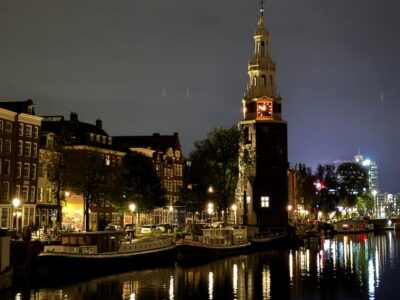
Amsterdam’s haunted past is less about jump scares than about real places with grim stories. This two-hour walk starts at Dam Square and moves through royal crypts, a former women’s prison, a quiet courtyard, a violent alley, and the old Waag. The ghosts are the hook. Amsterdam’s social, political, and medical history is the main meal.
I like two things here. First, the route takes you to spots you could easily pass without noticing, including Blood Street and corners around the Begijnhof. Second, guides such as Sunil, Duncan, Jan, and Julia bring humor and broad city knowledge, so you get more than a string of spooky tales.
The main consideration is simple: this is more historical walking tour than full-on ghost hunt. If you want constant supernatural thrills, the two-hour talk may feel restrained. If you enjoy dark stories, architecture, and the odd question about how Amsterdam became Amsterdam, it offers good value for $30.
Key points at a glance
- Dam Square beginning: Meet behind the monument in front of Hotel Krasnopolsky, then set off through central Amsterdam.
- Five dark chapters: Visit the Nieuwe Kerk, Spinhuis, Begijnhof, Blood Street, and the Waag.
- History before horror: Learn about royal ceremonies, prisons, religious life, violence, science, and city growth.
- Strong guide element: Sunil, Duncan, Jan, and other English-speaking guides are praised for humor, storytelling, and answers to questions.
- A gentle walking challenge: The tour lasts two hours, with no food or drinks included, so wear practical shoes and dress for the weather.
- Flexible booking: You can cancel up to 24 hours before the tour for a full refund, and reserve now while paying later.
What this Amsterdam ghost walk really offers
The title promises haunted history, and it delivers that theme in a particular way. You hear about restless spirits, old crimes, punishment, and people who died in disturbing circumstances. But the guide also explains the city around those stories.
That balance is the tour’s strength. The darker material gives ordinary streets a new charge, while the historical background keeps the walk useful in daylight as well as after sunset. You may come away with a better sense of Amsterdam’s religious institutions, civic power, prisons, medicine, and street life.
The tone also depends on your guide. Sunil is repeatedly praised for his humor and enthusiasm. Duncan is known for adding background on Dutch culture, innovation, and the way Amsterdam developed. Jan uses photographs, paintings, and newspaper material on an iPad during some walks. Other guides, including Julia, Lola, Martina, and Jaan, bring their own style.
That variation is normal for a guided walk. It means the personality of the person leading you matters. The common thread is a lively English presentation rather than a dry lecture.
More History Walking Tours in Amsterdam
- Amsterdam History Walking Tour
★ 5.0 · 281 reviews - Amsterdam: Highlights & History Walking Tour
★ 4.8 · 266 reviews - Anne Frank and Amsterdam Jewish History Walking Tour
★ 5.0 · 259 reviews
Meeting at Dam Square and entering the Nieuwe Kerk
The meeting point is in front of Hotel Krasnopolsky, behind the monument at Dam Square. This is a busy central location, so allow enough time to find the exact spot rather than simply heading to the middle of the square.
From there, the first stop is the Nieuwe Kerk. Its connection with royal ceremonies gives the opening a useful contrast: public grandeur above ground, old burial places and whispered stories below. You learn about crypts and vaults where notable figures rest, along with the uneasy idea that a building tied to ceremony can also carry memories of death.
This is a good start for first-time visitors because Dam Square is one of Amsterdam’s most familiar places. The guide helps you look past the crowds and commercial frontage. Instead of seeing only a major city square, you begin to read it as a place shaped by power, religion, ceremony, and burial.
Do not expect an underground visit or a paranormal investigation based on the information provided. The value is in hearing the story while standing beside the site, then noticing details you might otherwise walk past.
The Spinhuis and Amsterdam’s sorrowful prison past

The route then turns toward the Spinhuis, once a women’s prison. Its name and purpose open a difficult chapter in Amsterdam’s past, one involving punishment, confinement, and lives controlled by institutions.
The story connected with the Spinhuis inmate is one of the tour’s central dark tales. The mood shifts from royal ceremony to suffering behind closed doors. You stand in an area associated with women who were imprisoned, and the guide builds a sense of the fear and sadness attached to the site.
This stop works best for visitors who want social history alongside ghost stories. A haunted building can be entertaining, but a former prison also raises serious questions about how earlier societies treated women, crime, poverty, and discipline. The spooky element gets your attention; the setting gives the story weight.
The guide’s delivery matters here. A dramatic voice can make the story memorable, but a good guide also explains the place clearly rather than turning hardship into a cheap scare. The strongest accounts of this tour point to that mix of humor, care, and context.
Begijnhof: a quiet courtyard with an unsettling tale

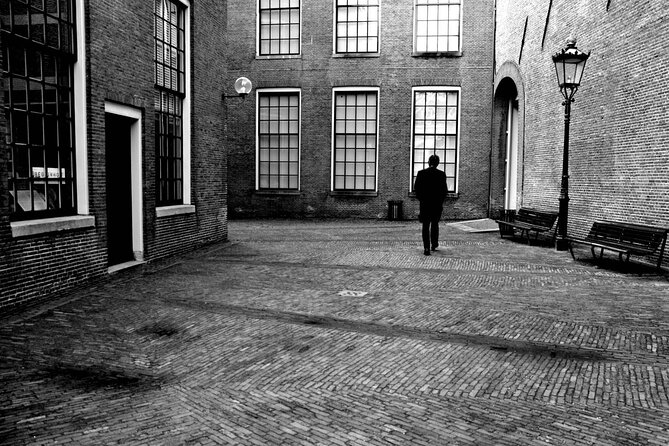
The Begijnhof changes the pace. This peaceful courtyard is not presented as a dark alley, yet it carries a tragic story about a nun condemned to wander after breaking her vows.
The contrast makes the stop effective. You leave the noise of the central streets and enter a calmer setting, then hear about a woman whose punishment was tied to silence and eternal penance. The story gives the courtyard an uneasy second layer without needing theatrical effects.
You should be respectful here. The Begijnhof is a historic residential and religious setting, not a stage set built for a ghost tour. The experience depends on listening and observing, not on loud behavior or trying to provoke a supernatural response.
This is also one of the places that can be easy to miss on your own. Several guides are praised for pointing out locations and details that people had passed without noticing. That is one of the clearest reasons to book a guided walk rather than simply searching for Amsterdam ghost stories online.
More History Walking Tours in the Netherlands
- Amsterdam: Ghost Walking Tour and Dark History
★ 4.8 · 118 reviews - Amsterdam: Iconic Canals & Historic Sights Walking Tour
★ 4.5 · 90 reviews - Amsterdam: Anna Frank and World War II History Walking Tour
★ 4.8 · 86 reviews - Amsterdam Private Historical Walking Tour
★ 5.0 · 75 reviews
Blood Street and the city’s violent side
The route grows darker at Blood Street. The name alone is memorable, and the guide connects it with centuries of violence, murder, and disorder.
This section will appeal to anyone who likes the crime and punishment side of old-city history. The cobblestones are not treated as proof of anything supernatural. Instead, they become the setting for stories about what happened in a city where public life, commerce, punishment, and violence often occupied the same small streets.
The stop is likely to feel more atmospheric after sunset, when narrow streets and old façades take on a different character. Still, the material can work in an earlier time slot too. One useful tip from the tour experience is that the later evening departure offers more of a scare factor, while the earlier 5pm option can be more comfortable if you want easier visibility and less night walking.
The tour does not appear to promise graphic detail at every turn. Its appeal is the combination of place and story. You are not simply told that Amsterdam had a violent past; you are taken to a street where that past has left a name.
The Waag and the Purgatory of medicine
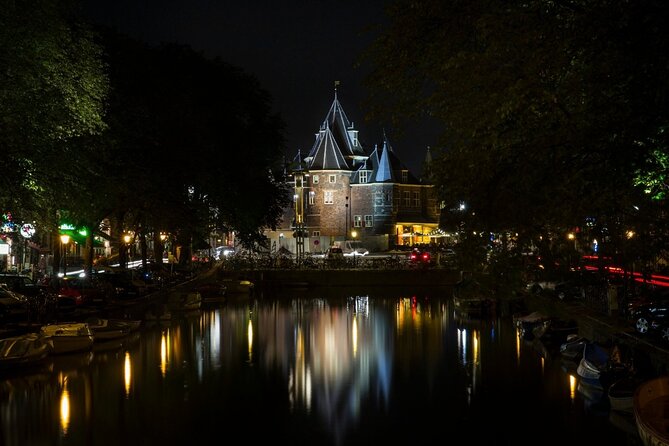
The final stop is the Waag, presented here as the Purgatory of the Waag. This part connects the city’s haunted side with the Age of Enlightenment and the unsettling history of medical dissection.
The story concerns bodies dissected in the name of scientific curiosity and the souls supposedly left restless afterward. That gives the ending a different mood from the prison and murder stories. Here, the fear comes from the limits of early medicine and the uneasy line between learning and exploitation.
For me, this is an especially useful way to finish. The tour has moved from church and monarchy to imprisonment, religious punishment, street violence, and science. Amsterdam’s past becomes less like a collection of ghost stories and more like a record of how people lived, suffered, worshipped, governed, and tried to understand the body.
Again, the tour’s strength is not a claim that spirits will appear on cue. It is the way the guide uses a well-known landmark to discuss a disturbing part of the city’s past. If you like historical context with your spooky material, this final stop should suit you.
Guide style, group size, and the walking experience
The guide is the heart of this activity. Sunil is often described as animated, friendly, funny, and full of city facts. Duncan brings a strong interest in Amsterdam’s development and can connect the ghost stories with culture, environment, Dutch heritage, and innovation. Jan has used contemporary images and old visual sources to support his stories.
Small groups can make a big difference. Some departures have been intimate enough to feel almost private, allowing more questions and extra information. A small group also makes it easier to hear the guide in busy streets and to pause at less obvious locations.
You should also be prepared for changing conditions. The walk continues in rain and cold, and the experience is outdoors for two hours. Comfortable shoes, a weatherproof layer, and an umbrella are sensible choices. Food and drinks are not included, so eat beforehand or plan a stop after the walk.
The route is listed as wheelchair accessible. Since this is a city walk through central streets and historic areas, you should still confirm the practical route details when booking if you have specific mobility needs.
Is $30 a fair price?
At $30 per person, the tour sits in a reasonable range for a two-hour guided walk in central Amsterdam. The value comes from the guide’s storytelling and the route, not from admission to attractions, meals, transport, or special effects.
I would see it as good value if you want orientation as well as entertainment. You get a compact introduction to several central areas and a set of stories that can shape the rest of your visit. Guides also provide recommendations for places to see, eat, and explore afterward.
The value is weaker if you want a theatrical ghost attraction with costumes, actors, or repeated paranormal incidents. Nothing in the tour details suggests those features. The product is a walking tour led by a storyteller, with history as the backbone.
The free cancellation policy helps reduce the risk. You can cancel up to 24 hours in advance for a full refund, and the reserve-now, pay-later option gives you some flexibility while arranging your Amsterdam days.
Which departure time should you choose?
The activity lasts two hours, and starting times vary, so check availability for your date. An earlier departure, such as 5pm, gives you more daylight and may feel easier if you prefer to see the streets clearly.
A later 8pm departure should provide a darker atmosphere. That can make Blood Street, the Spinhuis stories, and the Waag feel more suitable for the subject. It may also make the walk feel colder or less convenient, especially in wet weather.
I would choose based on the kind of evening you want. Pick the earlier slot for city history, comfortable sightseeing, and easier conditions. Pick the later slot if atmosphere matters more than convenience.
Who will enjoy this tour most?
This walk is a strong fit for first-time visitors who want a quick introduction to Amsterdam beyond the usual canals and major museums. It also suits repeat visitors, since the guides lead you toward places and stories you might not encounter during a normal city stroll.
History fans will get the most from it, especially if you enjoy religious buildings, old prisons, crime stories, medical history, and the way cities change over time. Families with older children may also appreciate the storytelling, though the themes of punishment, murder, and dissection are not light.
It is less suitable for anyone seeking a purely supernatural experience. The ghosts are part of the framing, but the tour spends plenty of time on Amsterdam’s actual past. That is not a flaw, but you should know what you are booking.
Should you book the Amsterdam Haunted History and Ghost Walking Tour?
Book it if you want dark history with a human guide, not a haunted-house production. At $30, the two-hour route offers a useful introduction to central Amsterdam, with stops that include the Nieuwe Kerk, Spinhuis, Begijnhof, Blood Street, and the Waag.
I would especially recommend it early in your visit. You can use the stories to make later walks more meaningful, and the guide’s advice may help you choose what to see next. Choose a later departure for mood, an earlier one for comfort, and dress for rain.
Skip it only if your main goal is constant fright or paranormal proof. For most visitors, the best part is the blend of eerie tales, overlooked places, city history, and guides such as Sunil, Duncan, and Jan who make the past easy to follow.
FAQ
How long does the Amsterdam Haunted History and Ghost Walking Tour last?
The tour lasts two hours.
How much does the tour cost?
The listed price is $30 per person.
Where does the tour meet?
Meet in front of Hotel Krasnopolsky, behind the monument at Dam Square. The guide will be waiting there.
What language is the tour conducted in?
The tour is conducted in English with a live English-speaking guide.
Which places are included on the route?
The route includes Dam Square, the Nieuwe Kerk, the former Spinhuis women’s prison, the Begijnhof, Blood Street, and the Waag.
Is food or drink included?
No. Food and drinks are not included in the tour price.
Is the walking tour wheelchair accessible?
Yes, the activity is listed as wheelchair accessible.
Can I cancel for a refund?
Yes. You can cancel up to 24 hours in advance for a full refund.
Can I reserve now and pay later?
Yes. The activity offers a reserve-now, pay-later option, so you can keep your plans flexible.
More Dark History and Haunted Tours in Amsterdam
- Amsterdam: Ghastly Grachten: ghost stories&dark history tour
★ 4.9 · 21 reviews - Savannah History and Haunts Candlelit Ghost Walking Tour
★ 5.0 · 3,235 reviews - Stockholm: Ghost Walk and Historical Tour
★ 4.7 · 2,685 reviews - New Orleans Small-Group Haunted History Carriage Tour
★ 4.5 · 2,289 reviews
Latest history tours reviewed in Amsterdam
- Skipping Lines & Sipping Beers: A History Tour of Amsterdam★ 5.0 · 22 reviews
- Amsterdam: Private Pedicab Historical Sightseeing Tour★ 5.0 · 41 reviews
- Amsterdam Walking Tour:Anne Frank, History & Liberal Culture★ 5.0 · 18 reviews
- Amsterdam: Jewish Quarter and History Guided Tour★ 4.7 · 210 reviews
- Amsterdam: Iconic Canals & Historic Sights Walking Tour★ 4.5 · 90 reviews
- Amsterdam: Luxury Canal Cruise with Historic VR Experience★ 4.7 · 31 reviews
- Amsterdam: Historic Boat Cruise with open bar and nibbles★ 4.9 · 31 reviews
- Amsterdam: Walking Tour of Historic Center★ 4.6 · 24 reviews
Amsterdam History Tours, compared.

Amsterdam Food and Cultural Tour with Tastings
Read our review →

Amsterdam High-End Dutch Food & History Tour – Up to 8 guests
Read our review →
Anne Frank and the Jewish History of Amsterdam Private Tour
Read our review →
Amsterdam: 3-Course Meal in Historic 1st Class Waiting Rooms
Read our review →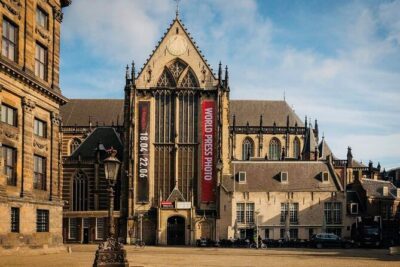
Amsterdam: Jewish Quarter and History Guided Tour
Read our review →