
Review · PERU
Lima Street Food Tour Beyond Netflix
Lima’s best food story is not confined to polished restaurants. This tour takes you from the Central Market to Chinatown, Barrios Altos, and Plaza San Martin, serving up street food with a clear local connection along the way. You get a taste of Peruvian staples, Chinese-Peruvian cooking, market produce, and snacks that rarely appear in a standard sightseeing program.
I like the way Bruce, the certified guide, ties each bite to Lima’s people and past. I also like the small maximum group of 13, which should make it easier to hear explanations and ask for help with unfamiliar foods. The main consideration is simple: this is a substantial amount of food in three and a half hours, and it is not recommended for people with diabetes.
Key points at a glance
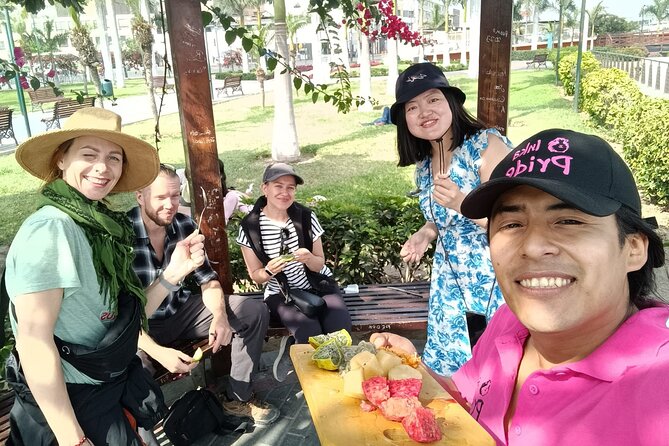
- Central Market opening: Begin with lucuma juice, seasonal fruit, choclo con queso, and local dishes while learning how the market works.
- Chinese-Peruvian connection: Try siu mai and dim sum in Chinatown while hearing about Chinese immigration and its effect on Peruvian cooking.
- Beyond the famous names: Barrios Altos brings the tour’s more personal street food recommendations, including carapulcra, sopa seca, anticuchos, and picarones.
- Historic center finish: End near San Martin Square, with an optional classic Pisco Sour for $8.
- Strong food value: The $50 price includes many tastings, water, a certified guide, and a broad mix of savory and sweet dishes.
- Easy city logistics: Meet at the Great Lima Public Library at 1:30 pm and finish near a useful Uber pickup point and public transport.
Why this Lima food walk feels different
Many food tours in Lima center on ceviche and stop there. This one gives you a wider plate. You still get street ceviche, but the menu also moves through lucuma, corn, cheese, stuffed potatoes, Chinese-Peruvian dim sum, stews, grilled meat, purple corn drink, fried pastries, and seasonal fruit.
That range matters because Peruvian food is not one single tradition. The tour gives you small, edible examples of how Indigenous ingredients, Spanish cooking, Chinese immigration, and modern urban life meet in Lima. You are not simply checking off famous dishes. You are following the city through what people buy, cook, and eat.
Bruce is the guide named for this experience, and the format leaves room for conversation. One especially useful touch is the willingness to offer alternatives if you are not ready for every adventurous bite. That makes the tour friendlier than a rigid tasting menu, while still keeping the food distinctly local.
You should arrive hungry. The included food is not limited to one or two samples. With ceviche, anticuchos, papa rellena, carapulcra, sopa seca, dim sum, picarones, fruit, and drinks on the schedule, breakfast or a light lunch beforehand makes more sense than a full meal.
More Food and History Tours in the world:
- Sevilla Food Tour: Tapas, Wine, History & Traditions
★ 5.0 · 3,468 reviews - Victoria Guided Food and History Tour
★ 5.0 · 2,015 reviews - Gastown Historic Walking Food Tour
★ 5.0 · 1,863 reviews
Starting at Lima’s Central Market
The meeting point is the Great Lima Public Library on Avenida Abancay, and the tour begins at 1:30 pm. From there, the first hour takes place around the Central Market, where the focus is on ingredients as much as prepared food.
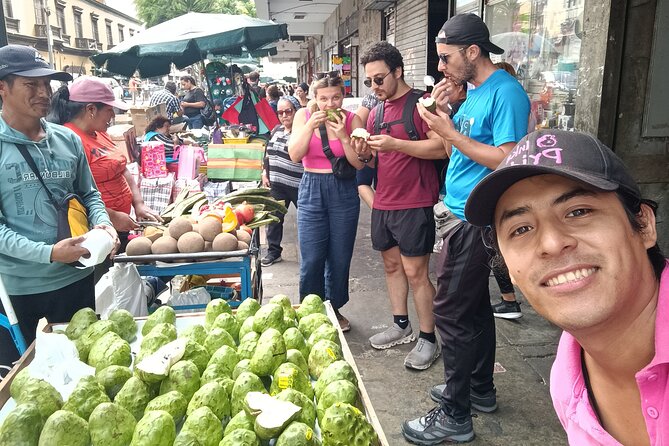
This is the right place to begin. A market lets you see the raw material behind Lima’s cooking, rather than meeting each dish as an isolated snack. You will hear explanations, look at a wide range of ingredients, try lucuma juice, buy fruit, and eat local food around the market.
Lucuma is worth noting. The fruit has a distinctive place in Peruvian food and drink, and tasting it as juice gives you something more useful than a quick photograph of an unfamiliar ingredient. Seasonal exotic fruits add another layer, though the exact selection will depend on what is available that day.
The listed tastings also include choclo con queso, large-kernel corn served with cheese, and papa rellena, a seasoned potato preparation with a filled center. These are filling foods, not decorative nibbles, so pace yourself early.
The market can be the least polished part of the outing, which is also its point. You are in a working food district, not a staged attraction. If you prefer quiet restaurants, spotless counters, and carefully measured portions, this first stop may feel rough around the edges. If you want to understand what ordinary food shopping looks like in central Lima, it gives you useful context.
Chinatown and the Chinese-Peruvian table
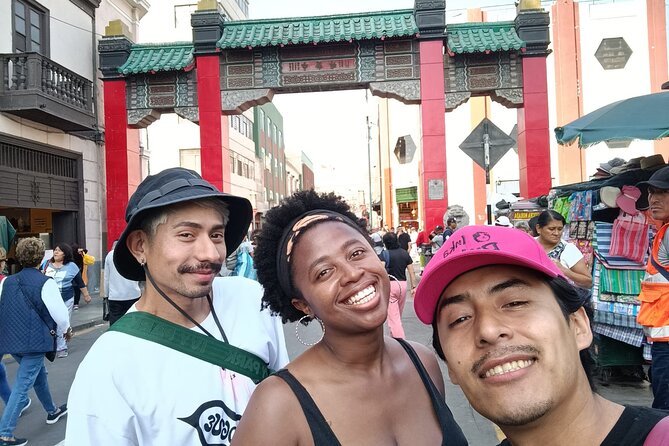
The Chinatown portion lasts about 30 minutes. That sounds brief, but it adds an important piece to the food story. You will try siu mai and other dim sum while learning about Chinese immigration to Peru and the way Chinese cooking fused with local ingredients and habits.
Chinese-Peruvian food is one of the clearest examples of Lima’s mixed culinary identity. This short stop helps explain why a Peruvian food day can include both ceviche and dim sum without either feeling out of place.
The included food description names dim sum, while the stop specifically calls out siu mai. You may find that the tasting is more about a focused introduction than a full Chinatown meal. That is useful if you want variety, though anyone hoping for a long sit-down Chinese lunch should adjust expectations.
I like this part because it gives the tour a clear purpose beyond eating. You are not just trying another dumpling. You are learning how migration changed the city’s menu. The experience also works well for cautious eaters, since familiar steamed dumpling flavors can provide a gentle bridge to less familiar Peruvian dishes.
Barrios Altos and the bigger meal
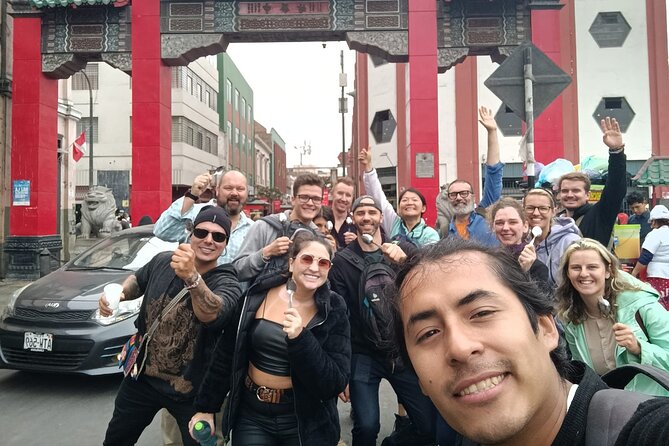
The one-hour Barrios Altos segment is presented as the personal center of the tour. This is where Bruce’s favorite street food recommendations come into play, with an emphasis on places and dishes beyond the internationally familiar Lima names.
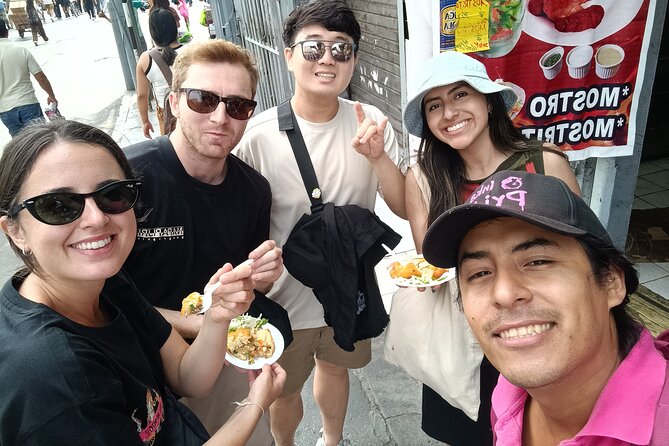
The food list here is broad. You can expect carapulcra, sopa seca, anticuchos, Inka Cola, and picarones among the included tastes. Ceviche is also part of the street food meal, so this section may feel like the point where the various threads of the tour come together.
Carapulcra is a hearty Peruvian stew, while sopa seca is a seasoned noodle dish. Together, they show a side of Lima food that is more substantial than the light, sharp freshness associated with ceviche. Anticuchos bring grilled meat to the route, and picarones finish the savory portion with a sweet fried treat.
Inka Cola appears with more than one tasting, a small detail that fits the local character of the tour. It is a familiar Peruvian soft drink and a useful part of the food experience, not just a generic beverage added for convenience. Chicha morada is included as well, giving you another traditional Peruvian drink to compare.
This is also the stop where you should keep an open mind. The tour is built around foods that may be new in texture, preparation, or flavor. Bruce can suggest alternatives for less adventurous eaters, but this is still not the right booking for someone who wants only familiar international dishes.
Same old streets, another chapter:
- New York City: American Museum of Natural History Ticket
★ 4.5 · 15,447 reviews - History and Hauntings of Salem Guided Walking Tour
★ 5.0 · 14,564 reviews - Colosseum: Underground and Ancient Rome Tour
★ 4.7 · 12,691 reviews - Lisbon: History, Stories and Lifestyle Walking Tour
★ 4.8 · 10,902 reviews
Ceviche, anticuchos, and portion planning
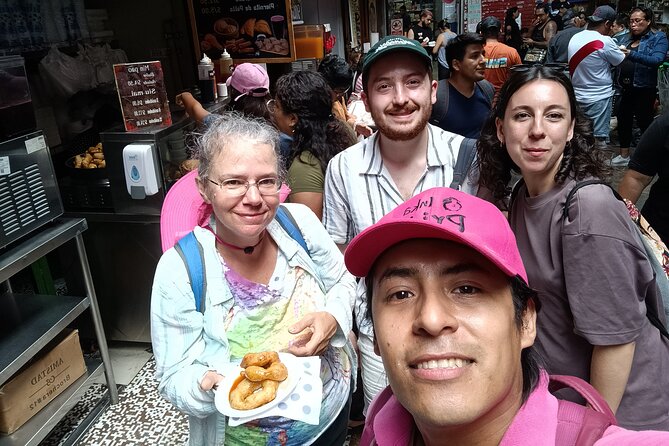
Ceviche served in a street food setting can be one of the most memorable tastes on the route, but it also makes timing and appetite important. You are eating several dishes in sequence, and ceviche is only one part of the meal.
The menu includes anticuchos too, which gives you a very different experience from the bright, citrus-led ceviche. Add papa rellena, carapulcra, sopa seca, dim sum, corn with cheese, and fried picarones, and you can see why an empty or nearly empty stomach matters.
I would treat the tour as a late lunch that continues into the afternoon. Do not plan a large meal before the 1:30 pm start, and do not book an important dinner too early afterward. The duration is approximately three hours and 30 minutes, so the pacing should give you time to eat and listen rather than rush from one bite to the next.
The food is also a value question. At $50 per person, the price is not simply paying for a walking guide. It covers a certified guide, water, drinks, fruit, and a substantial run of tastings. The value is strongest if you would otherwise spend money sampling several dishes on your own without knowing where to go or what you are ordering.
Ending near San Martin Square
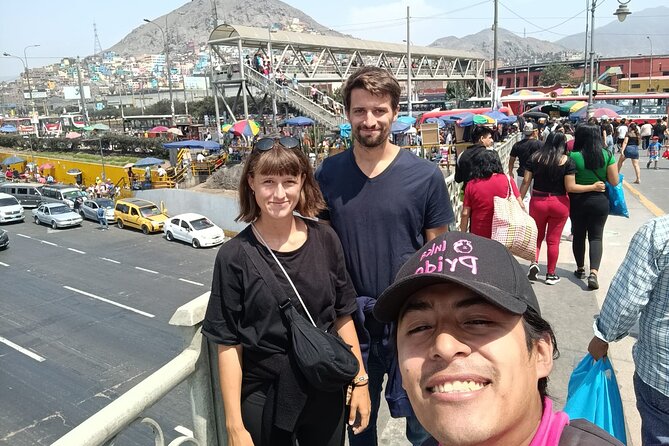
The final hour takes place in Lima’s historic center and ends at San Martin Square on Avenida Nicolás de Piérola. This is a practical finish because the square is a good place to call an Uber or continue with a separate city tour.
An optional classic Pisco Sour is available for $8. It is not included in the tour price, so you can decide at the end rather than paying for a drink you may not want. If you are interested in Peru’s best-known cocktail, this is an easy way to add one. If your food budget is tight, skip it without losing the main tasting experience.
Ending in the historic center also gives the tour a natural change of pace. The day starts with ingredients and market food, moves through cultural exchange and neighborhood recommendations, then finishes among central Lima’s historic streets. You get a food route and a useful orientation to the center in one afternoon.
The finish is not a hotel drop-off. If you need transport, pickup or drop-off service costs $10 per person. Otherwise, the stated end point is convenient for public transportation and for arranging your own ride.
What the $50 price includes
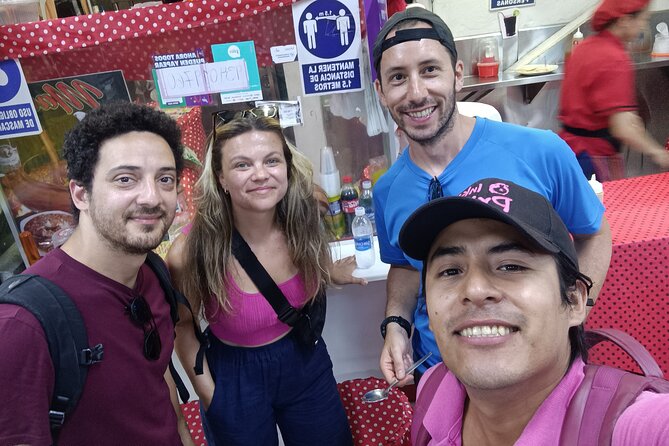
The included food is extensive enough that the price can make sense for a first afternoon in Lima. Here is the practical breakdown:
- Water
- Lucuma juice
- Choclo con queso
- Papa rellena
- Chicha morada
- Carapulcra
- Sopa seca
- Inka Cola
- Street ceviche
- Dim sum and siu mai
- Anticuchos
- Picarones
- Seasonal exotic fruits
- A certified tour guide
The exact sequence and portion size may vary, since some foods depend on the market and the day’s selection. Still, the list shows that you are paying for a broad tasting session rather than one snack at each stop.
The extra costs are clear. A classic Pisco Sour costs $8, and transport pickup or drop-off costs $10 per person. Since neither is required, the base price lets you keep control of the final total.
Compared with wandering through Lima and buying every item separately, the tour’s strongest value is guidance. You get help with unfamiliar dishes, context for the ingredients, and a route through several parts of central Lima. If you already know the city well and feel comfortable choosing street food on your own, you may prefer to spend the same money independently. For a first visit, the structure is more useful.
Group size, timing, and practical comfort
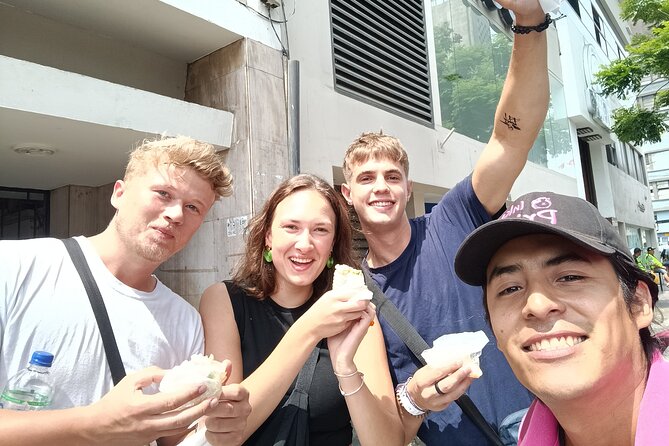
The maximum group size is 13 people. That is small enough to keep the guide’s explanations within reach, though it is not a private tour. You should expect a social walk, not a one-on-one food consultation.
The tour is near public transportation at both the meeting and ending areas. The start at the Great Lima Public Library is specific and easy to identify, while the finish at San Martin Square gives you a clear landmark for your next ride or activity.
Most people can participate, but the food itself is the main health consideration. The tour is not recommended for people with diabetes, likely because of the drinks, fruit, sweets, and multiple carbohydrate-heavy dishes. If you have other dietary restrictions, the provided information does not confirm a specific accommodation, so contact the operator before booking rather than relying on last-minute changes.
Confirmation is provided at booking. Free cancellation is available if you cancel at least 24 hours before the start time. Changes or cancellations inside that window are not accepted for a refund.
Who should book this food tour
I would choose this experience if you want to understand Lima through everyday food rather than restaurant dining alone. It suits you especially well if you enjoy trying several small dishes, asking questions, and learning why a food belongs in the city’s culture.
It is also a good match if you want a guide who can help you past the obvious tourist choices. The title promises food beyond Netflix, and the route supports that idea by spending time in the Central Market and Barrios Altos rather than limiting the experience to famous dishes and postcard views.
Families and mixed groups may appreciate the alternatives for less adventurous eaters. The tour can still work when one person wants anticuchos and another prefers a safer bite, as long as everyone understands that this is a food-focused walk with many tastings.
I would hesitate if you have strict medical food limits, dislike eating while walking through working city areas, or want a slow restaurant meal with long periods of sitting. The pace is built around variety, movement, and conversation.
Should you book the Lima Street Food Tour Beyond Netflix?
Book it if you want a well-priced introduction to Lima’s street food and cultural mix in one afternoon. Bruce’s role, the small group limit, and the range from lucuma juice to siu mai, ceviche, anticuchos, and picarones give the experience more substance than a simple snack crawl.
Skip it if you need a private itinerary, cannot manage a large amount of food, or want transport included in the base rate. For most food-curious visitors who arrive hungry and keep their schedule flexible, $50 is a fair price for three and a half hours of eating, walking, and learning in central Lima.
FAQ
How long is the Lima Street Food Tour Beyond Netflix?
The tour lasts approximately 3 hours and 30 minutes.
Where does the tour begin?
It begins at the Great Lima Public Library, Av. Abancay 4, Lima 15001, Peru.
What time does the tour start?
The scheduled start time is 1:30 pm.
Where does the tour end?
The tour ends at San Martin Square, Av. Nicolás de Piérola cdra. 9, Lima 15001, Peru.
Is transportation included?
No. Pickup or drop-off transportation is available for $10 per person, but it is not included in the $50 tour price.
Is a Pisco Sour included?
No. A classic Pisco Sour is optional and costs $8.
How many people can join the tour?
The maximum group size is 13 people.
Is the tour suitable for people with diabetes?
The activity is not recommended for travelers with diabetes.
Latest history tours reviewed in the world
- From Athens: Ancient Olympia Full-Day Private Tour★ 4.8 · 22 reviews
- From Athens: Explore Ancient Corinth & Charming Nafplion★ 4.6 · 102 reviews
- From Athens: Explore Ancient Greece 4-Day Tour★ 4.7 · 73 reviews
- From Albufeira: Wine Tasting & Historic Silves Tour★ 4.9 · 421 reviews
- From Albufeira: Historical Algarve Region Tour★ 4.7 · 585 reviews
- From Alexandria: Full-Day Guided Tour of Historical Sights★ 4.5 · 54 reviews
- Franklin: Ghost Tour in Historic Franklin★ 4.8 · 65 reviews
- Freiburg: Exciting City Tour with sightseeing and history★ 4.3 · 103 reviews
Peru History Tours, compared.
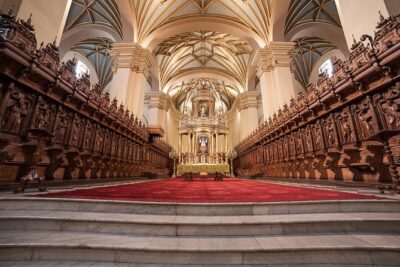
Lima’s Vibrant Heritage: Exploring the City’s Landmarks Half-day
Read our review →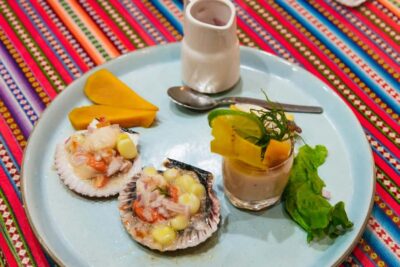
Lima: Historic Center Street Food, Market, and Eateries Tour
Read our review →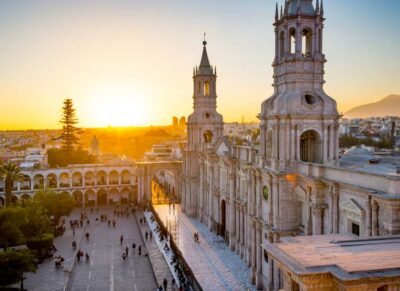
Walking tour in the Historic Center of Arequipa
Read our review →
Cusco: Historical Guided City Tour with 4 Inca Ruins
Read our review →
Arequipa: Walk through the Historic Center of the City
Read our review →
Cusco: Historic Walking Tour with Pisco Sour and Music Show
Read our review →Browse the lists this tour appears in