
Review · PERU
Cusco: Historical Guided City Tour with 4 Inca Ruins
Cusco’s most striking Inca sites sit beyond the historic center, and this six-hour city tour links them in one practical outing. You’ll see the huge stones of Sacsayhuaman, the ceremonial chambers at Qenqo, the watch post of Puka Pukara, and the water fountains at Tambomachay, with Qoricancha at the heart of the day.
I like the way the tour combines major ruins with a bilingual guide, rather than leaving you to puzzle over bare walls and stones. I also like the choice of morning or afternoon departures, plus hotel pickup near the main square. The main catch is cost: the $23 tour price does not include the Cusco Tourist Card or several site tickets, so budget for those extras.
Key points to know before booking
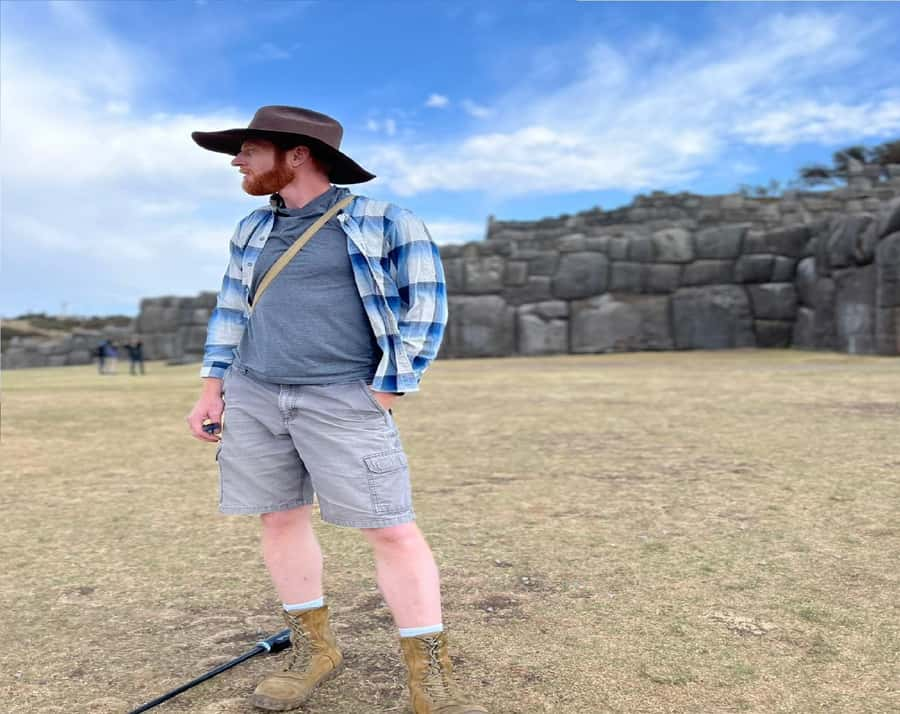
- Sacsayhuaman is the visual star: Giant fitted stones, some said to weigh more than 100 tons, make this the most memorable stop.
- Qoricancha adds the essential city-center context: The former Temple of the Sun shows how Inca worship and Spanish colonial history overlap.
- Three departure plans give you flexibility: Choose a morning route, a morning route with hotel pickup, or an afternoon option that can include Cusco Cathedral.
- Guides are a major part of the value: Luis, Alfredo, Hyame, and Romulo are specifically praised for clear English, facts, myths, and helpful answers.
- Entrance fees are not bundled in: Bring your passport and cash for the tourist card and separate Qoricancha or Cathedral tickets.
- The tour ends near Plaza de Armas: You can walk to lunch, return to your hotel, or continue exploring central Cusco.
Why this six-hour route works in Cusco
Cusco is easy to explore on foot, but the four main Inca sites are spread across the hills outside the center. Walking between them would take far longer and would be a tough start at high altitude. This tour uses tourist transport to connect the sites in a half-day, saving you the work of arranging taxis and deciding which ruins to skip.
The route also gives you two kinds of history. Qoricancha and the Cathedral belong to central Cusco, where Inca foundations, Spanish churches, and colonial art meet. The outer sites show the scale and purpose of the Inca capital, from military defense to water worship and road control.
I especially like this format for a first day in Cusco. You get your bearings, see the major ruins, and hear the basic story of the Inca Empire before tackling longer trips. It also suits anyone with only a short stay or a few hours before a Machu Picchu trek.
The experience is not a private, slow-paced archaeological study. You will follow a set route, move between several sites, and share the guide and transport with other people. If you want long photography stops at every ruin, a private tour would give you more control. For a low-cost introduction, though, the structure makes sense.
More Archaeological Site Tours in the world:
- Discover the Ancient Ruins of Pompeii: Day Trip from Rome
★ 3.5 · 2,247 reviews - Ancient Ruins Tour – Guided Arizona Desert Tour by UTV
★ 5.0 · 684 reviews - Ancient Olympia: Archaeological Site and Museum Entry Ticket
★ 4.3 · 555 reviews
Qoricancha, where Inca gold met a Spanish church
The tour begins with Qoricancha, also written Coricancha or Koricancha, usually around 8:55 a.m. on the first morning option. This was the most important Inca religious complex in Cusco and was dedicated to the Sun.
The site matters because it helps you understand that the Inca capital was not simply a collection of stone buildings. Qoricancha was a sacred center, and its walls once carried a level of decoration that made the complex one of the empire’s great religious places. The Spanish later built the Church of Santo Domingo over part of it, creating one of Cusco’s clearest examples of layered history.
Plan on about an hour here. Your guide can explain the Inca purpose of the rooms and the later colonial changes, which is far more useful than simply looking at the walls. The separate entrance fee is 15 soles, so keep cash ready.
The first option enters Qoricancha at 8:55 a.m. The second morning option includes hotel pickup between about 8:35 and 9 a.m., depending on your hotel and meeting arrangements. The afternoon route may also visit Qoricancha, but it starts near the Cathedral around noon, so check which version you are booking.
Sacsayhuaman and Cusco’s enormous stonework
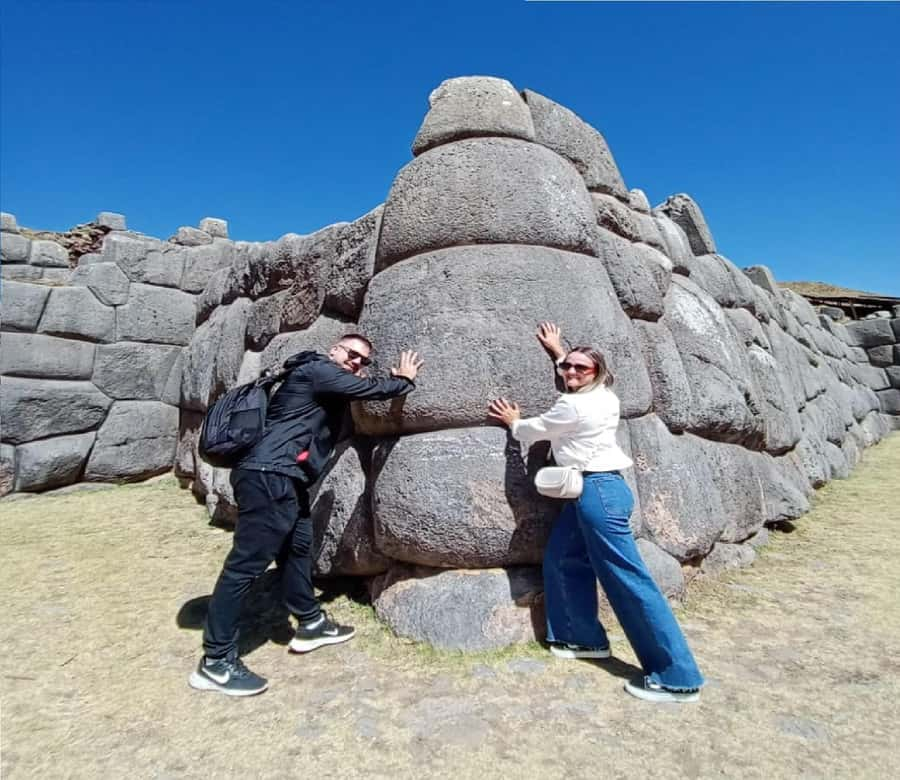
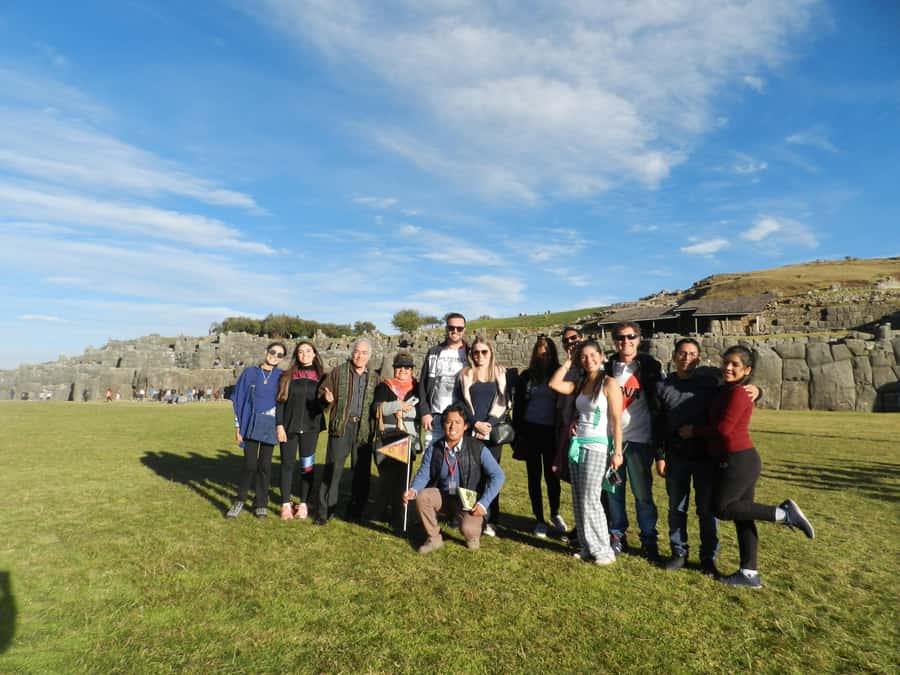
After the city-center portion, transport takes you to Sacsayhuaman, the largest archaeological site included in the tour. The name is often translated as puma head, fitting Cusco’s traditional puma-shaped plan.
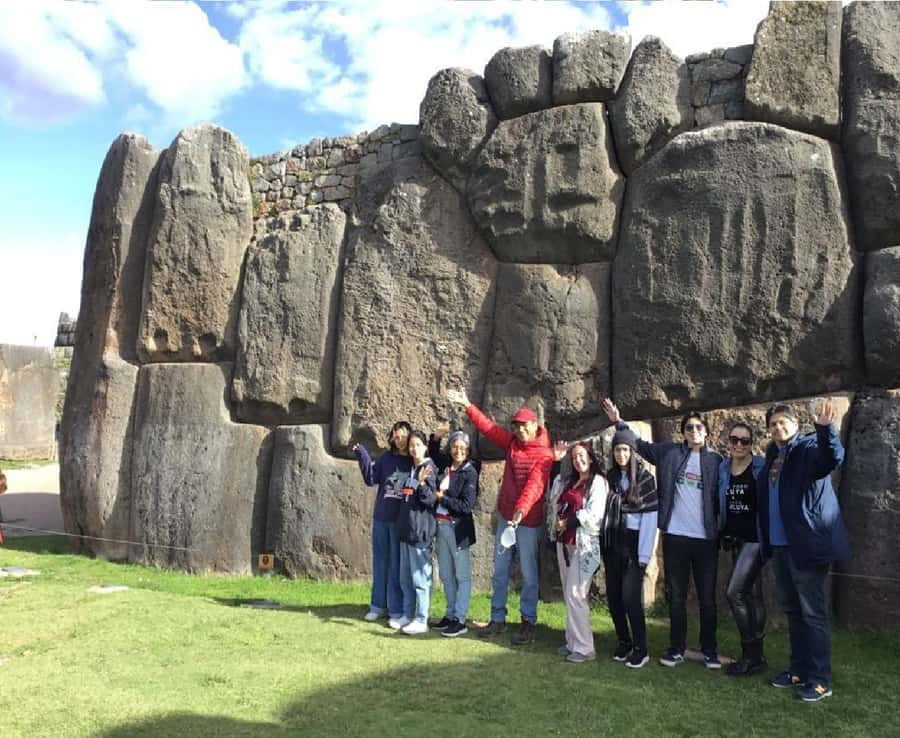
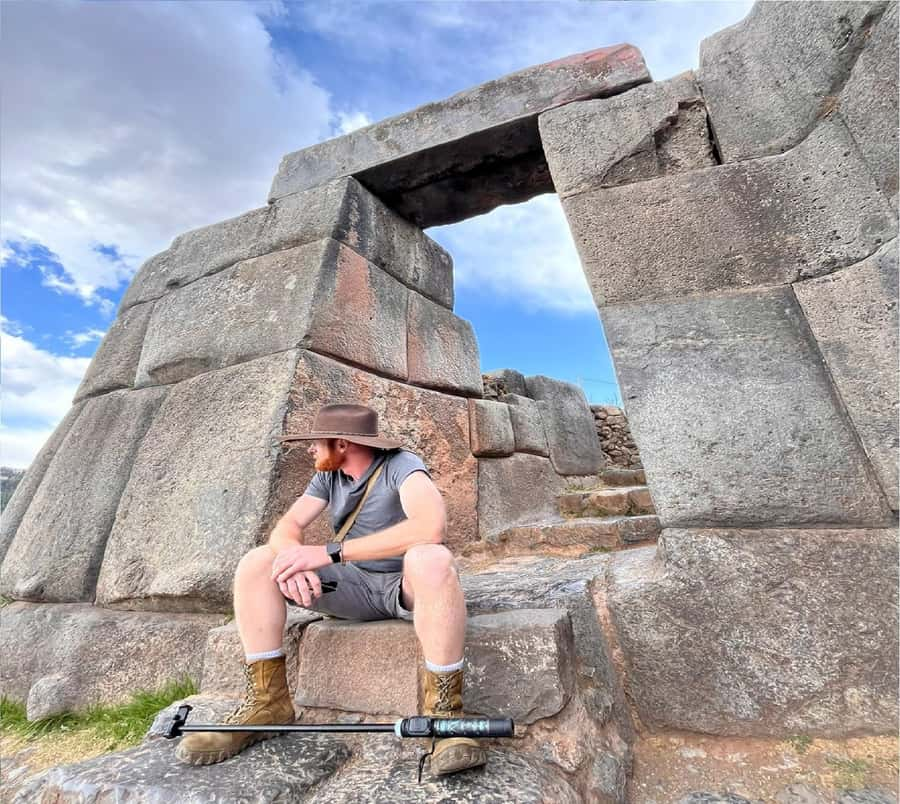
This is where the scale changes. The walls use enormous, carefully cut stones, with some blocks described as weighing more than 100 tons. Their size is impressive enough on its own, but the real interest is in the tight joins and the engineering needed to move and place them.
Allow roughly an hour and a half for the guided visit. You will have time to look closely at the masonry, hear about the site’s military role, and take photographs. The position above Cusco also gives you broad views over the city, although your guide’s explanation is what turns the stop from a photo break into a useful history lesson.
Sacsayhuaman is also the place to buy the archaeological entrance ticket if you do not already have the required Cusco Tourist Card. The listed archaeological fee is 70 soles. You must show your passport to obtain the card, so do not leave your identification in your hotel safe.
Because this site is on high ground, comfortable shoes, water, sunscreen, and a rain layer are sensible. The tour is not described as suitable for anyone over 95, and the altitude is a practical consideration for everyone, especially during a first day in Cusco.
Qenqo, ceremony and a quieter kind of mystery
Qenqo is a ceremonial complex with carved rock surfaces, channels, and enclosed spaces. The tour presents it as a place connected with ceremonies, sacrifices to the Sun God, and ancient mummification. Your guide will help separate established facts from the stories and interpretations attached to the site.
That distinction is useful. Inca ruins often come with dramatic labels, and a good guide can explain what is known, what is proposed, and what belongs more to local tradition. Jackie from Canada specifically praised the way guide explanations compared facts with myths, which is exactly the approach you want at a place like Qenqo.
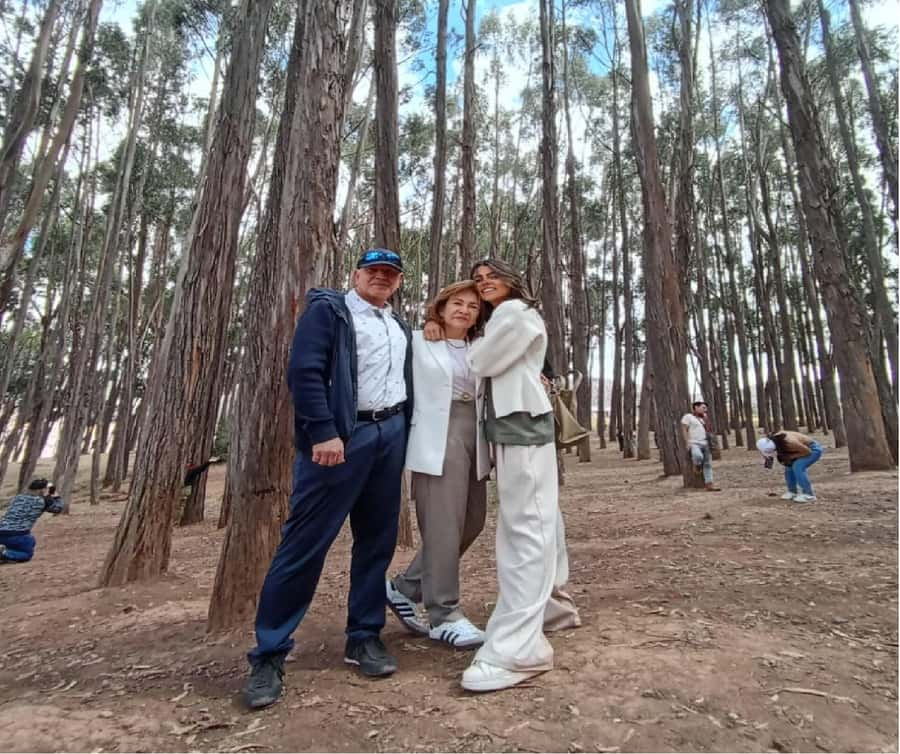
The visit is listed at about an hour and a half. The nearby eucalyptus forest is also included in the route, giving you a change of setting and a chance for photographs. Do not expect a long forest walk. It functions more as a scenic pause around the archaeological visits.
Qenqo is less immediately grand than Sacsayhuaman, but I find it valuable because it raises questions. The carved stone and shadowed spaces invite a closer look, while the guide supplies the cultural context. The drawback is that the meaning of some features is not always certain, so visitors looking for a simple, fixed explanation may find the stop less straightforward.
More Ancient History Tours in the world:
- Colosseum: Underground and Ancient Rome Tour
★ 4.7 · 12,691 reviews - Colosseum & Ancient Rome with Arena Floor Option I Max 6 People
★ 5.0 · 3,306 reviews - Rome: Colosseum, Ancient Rome Tour or AudioGuided Tour
★ 4.4 · 2,879 reviews - Colosseum Underground & Ancient Rome Guided Tour
★ 4.5 · 2,590 reviews
Puka Pukara, the red fortress above the road
Puka Pukara is commonly translated as Red Fortress, a name linked to the reddish color of the stone. It served as a surveillance and control point on the approach to Cusco, and its elevated position gives you views across the Andean surroundings.
This stop helps explain how the Inca capital was connected to a wider road and administrative system. You are not only looking at a ruin; you are seeing a site chosen to monitor movement and access. The practical location makes more sense once your guide points out the relationship between the high ground, the road, and the city.
The scheduled visit is about an hour and a half, although the actual time can depend on traffic, group pace, and the guide’s plan. Bring your camera, but also bring a jacket or rain gear. Weather can change quickly around Cusco, and the tour specifically advises carrying both water and protection from rain.
Puka Pukara is a good middle stop because it is more open and less enclosed than Qenqo. The views give the tour a needed breath of air. Still, the site may feel less dramatic if you judge ruins only by the size of their walls. Its value lies in its position and function.
Tambomachay and the Inca use of water
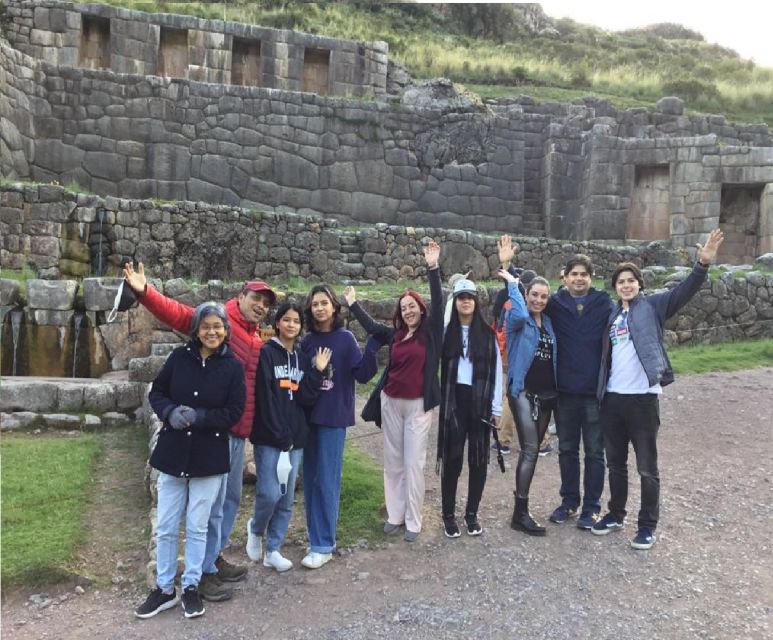
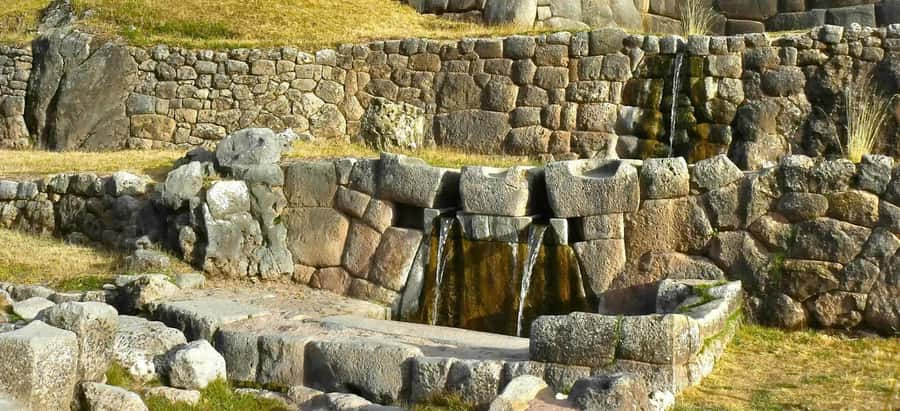
Tambomachay is the final archaeological stop on the standard route. Often called the Temple of Water, it is known for its stone channels and fountains, where water still forms the center of the site’s appeal.
The setting is smaller and calmer than Sacsayhuaman, but the design is precise. Water was not treated as a minor detail here. The fountains, terraces, and carefully shaped stonework reflect the importance of water in Inca ritual and daily life.
Your guide will explain the site’s purpose and the theories surrounding it. As with Qenqo, some interpretations are not perfectly certain, so listen for the difference between archaeological evidence and traditional explanation.
Tambomachay rounds out the tour well. Sacsayhuaman shows power and defense, Qenqo brings ceremony, Puka Pukara covers surveillance, and Tambomachay turns to water and ritual. You leave with a broader picture of how the Inca used different sites around Cusco.
Morning or afternoon: choosing the better option
The first morning plan begins at Qoricancha at about 8:55 a.m., then continues to the four outer sites. It finishes near Plaza de Armas at around 2:30 p.m. This is the cleanest choice if you want Qoricancha included from the start and prefer to have the afternoon free.
The second morning plan offers hotel pickup from about 8:35 to 9 a.m. It includes Qoricancha, the four ruins, the eucalyptus forest, and possible Cathedral access. Pickup is available from hotels near Cusco’s main square, and you should wait in the hotel lobby.
The afternoon option begins at the entrance to the Cathedral between 11:50 a.m. and noon. It can include the Cathedral, Qoricancha, and the four archaeological sites, ending between 6 and 6:30 p.m. near the main square.
The Cathedral ticket costs 50 soles and is not included. Cathedral access is subject to availability, so ask before relying on this option for your visit. If you have already seen the Cathedral or want a free afternoon, choose a morning route. If you prefer a slower start, the afternoon departure may suit you better.
Guide quality, language, and the value of transport
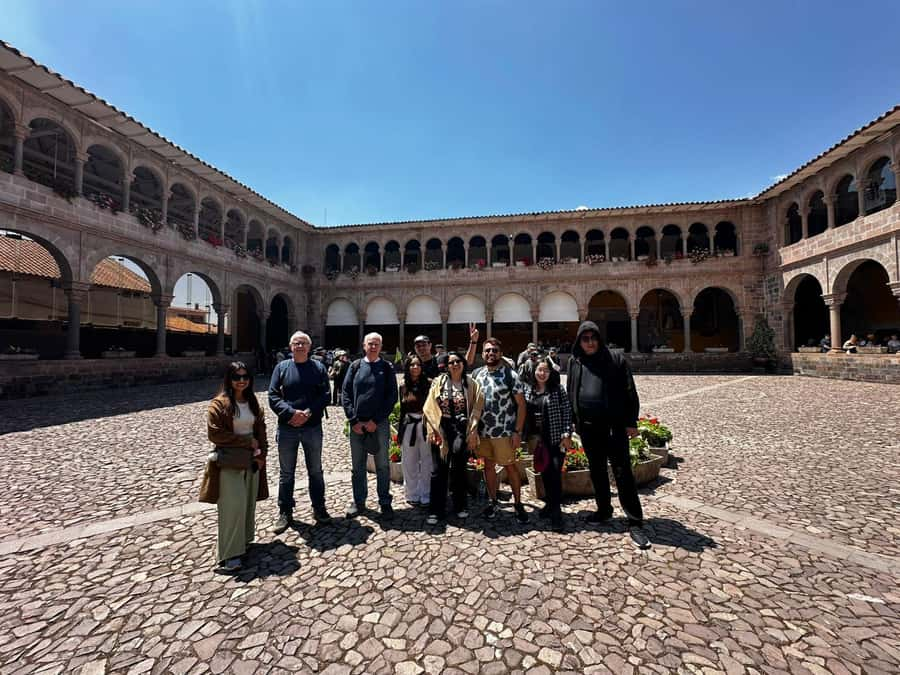
The tour operates in English and Spanish with an accredited guide. The strongest part of the experience is likely to be the explanations. Guides named in the feedback include Luis, Alfredo, Hyame, and Romulo, with particular praise for clear English, facts paired with myths, answers to questions, and extra pictures used to explain the past.
That matters at these sites. Without context, Qenqo can look like carved rock, Puka Pukara can seem like a small ruin, and Tambomachay can be reduced to a few fountains. A guide connects each place to the wider Inca system and helps you notice what you might otherwise pass by.
Transport is another real benefit. The ruins are too far apart for a sensible walking route, and the hills can make a self-guided taxi plan tiring. The tour drops you on Plateros Street or near Plaza de Armas, which is useful for lunch or a return walk to a central hotel.
The $23 price is attractive for six hours of transport and guided visits. It is not the final cost, since the archaeological ticket, Qoricancha admission, and Cathedral entrance are separate. Look at the full day’s expense before booking, especially if you plan to visit every paid site.
What to bring and who should book
Carry your passport or ID card because the Cusco Tourist Card requires identification. You should also bring comfortable shoes, water, sunscreen, a camera, rain gear, and cash.
Alcohol and drugs are not allowed, and alcoholic drinks cannot be taken in the vehicle. Bikes and explosive substances are also prohibited. These rules are simple, but the cash and passport reminders are the ones most likely to affect your day.
I would choose this tour if you want a guided introduction to Cusco’s major Inca sites, need transport, or have limited time. It is especially useful before a longer mountain trip, when you may not yet know how your body will respond to the altitude.
I would look elsewhere if you want a private itinerary, a slow archaeological study, or a tour with all admission fees included. You should also check the pickup location carefully if your hotel is outside the central area.
FAQ
How long does the tour last?
The experience lasts about six hours. Morning options finish at approximately 2:30 p.m., while the afternoon option ends between 6 and 6:30 p.m.
What sites are included?
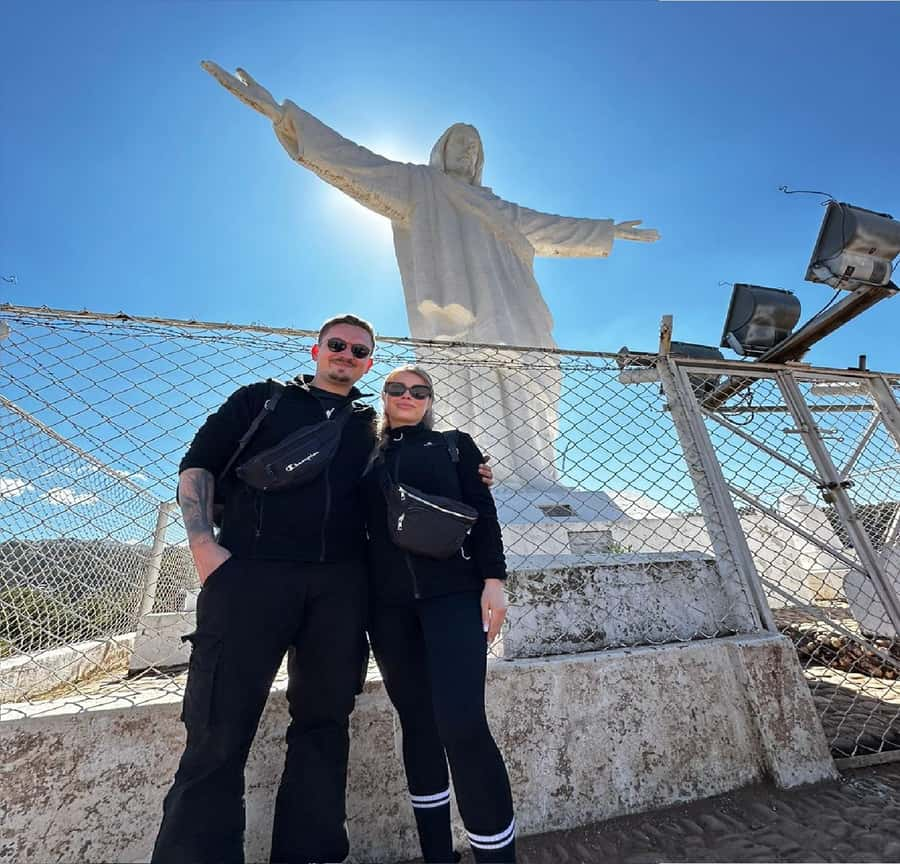
The standard route includes Qoricancha, Sacsayhuaman, Qenqo, Puka Pukara, and Tambomachay. Some options also include Cusco Cathedral, the eucalyptus forest, and Cristo Blanco viewpoint.
Is hotel pickup available?
Hotel pickup is available for the first and second options from hotels close to Cusco’s main square. You should wait in your hotel lobby. The afternoon option uses a meeting point at the Cathedral entrance.
What languages are offered?
The tour is available in English and Spanish with a live guide.
Are entrance tickets included?
No. The archaeological zones require a 70-sol ticket, Qoricancha costs 15 soles, and the Cathedral costs 50 soles. These fees are paid separately.
Do I need my passport?
Yes. Access to the Inca sites requires the Cusco Tourist Card, which is available in person and requires your passport. Children under nine can receive the card free with a passport.
Where does the tour finish?
The tour ends near Cusco’s main square, usually at Plaza de Armas or on Calle Plateros.
Can I cancel the booking?
You can cancel up to 24 hours in advance for a full refund. You can also reserve now and pay later.
Should you book this Cusco ruins tour?
Book it if you want the best-known ruins around Cusco in one organized half-day, with transport and a guide who can explain the difference between ritual, defense, water management, and city planning. The combination of Sacsayhuaman’s massive stonework and Qoricancha’s layered religious history gives you a strong first look at Cusco.
Just price in the extra admission fees, bring your passport and rain gear, and choose your departure carefully. For $23, the transport and guide make this a useful introduction, but the real value depends on whether you want a quick, structured overview or a slower, more personal visit.
Latest history tours reviewed in the world
- From Athens: Ancient Olympia Full-Day Private Tour★ 4.8 · 22 reviews
- From Athens: Explore Ancient Corinth & Charming Nafplion★ 4.6 · 102 reviews
- From Athens: Explore Ancient Greece 4-Day Tour★ 4.7 · 73 reviews
- From Albufeira: Wine Tasting & Historic Silves Tour★ 4.9 · 421 reviews
- From Albufeira: Historical Algarve Region Tour★ 4.7 · 585 reviews
- From Alexandria: Full-Day Guided Tour of Historical Sights★ 4.5 · 54 reviews
- Freiburg: Exciting City Tour with sightseeing and history★ 4.3 · 103 reviews
- From Abu Dhabi: Grand Mosque, Royal Palace& Heritage Village★ 4.6 · 197 reviews
Peru History Tours, compared.
Lima’s Vibrant Heritage: Exploring the City’s Landmarks Half-day
Read our review →
Lima: Historic Center Street Food, Market, and Eateries Tour
Read our review →
Walking tour in the Historic Center of Arequipa
Read our review →
Arequipa: Walk through the Historic Center of the City
Read our review →
Cusco: Historic Walking Tour with Pisco Sour and Music Show
Read our review →Browse the lists this tour appears in