
Review · LOCAL CULTURE & TRADITIONS TOURS
Bora Bora: 4WD History & Culture Tour
Bora Bora is famous for its lagoon, but this tour takes you away from the water and into the island’s working countryside. You’ll visit American WWII sites from 1942, hear about temples built by ancient Tahitian society, and ride up rough tracks to viewpoints that regular sightseeing vehicles cannot reach.
I like the mix of history and local life. The tour does not stop at postcard views: you’ll see fruit plantations in Faanui Valley, taste local fruit, and watch pareu cloth being made at a family workshop. I also like the guides’ personal touch. Terie has serenaded visitors with local songs, while other guides such as Deano, Ari, Hery, and Matanono have been praised for clear explanations and friendly service.
The main drawback is the road itself. Some tracks are steep, narrow, and rough, and the best viewpoints may not suit anyone uneasy with off-road driving. Rain can also cloud the views, so wear sturdy shoes and keep your expectations flexible.
Key points to know before you book
- WWII sites with a short walk: See American-built defenses and cannons dating from the 1942 occupation, with footwear better than flip-flops.
- A real island tour: Travel through Faanui Valley, fruit-growing areas, and scenic mountain roads rather than staying near the main waterfront.
- Family craft stop: Watch pareu sarongs being made, learn about coconut oil, and taste local fruit.
- Strong guide element: English and French tours may include local music, plant information, island stories, and answers to your questions.
- Three hours for $72: A useful land-based introduction if you want more than lagoon activities without giving up half a day.
- Weather matters: Cloud and rain can reduce the views, though the tour still offers culture and history when the sky closes in.
Bora Bora beyond the lagoon
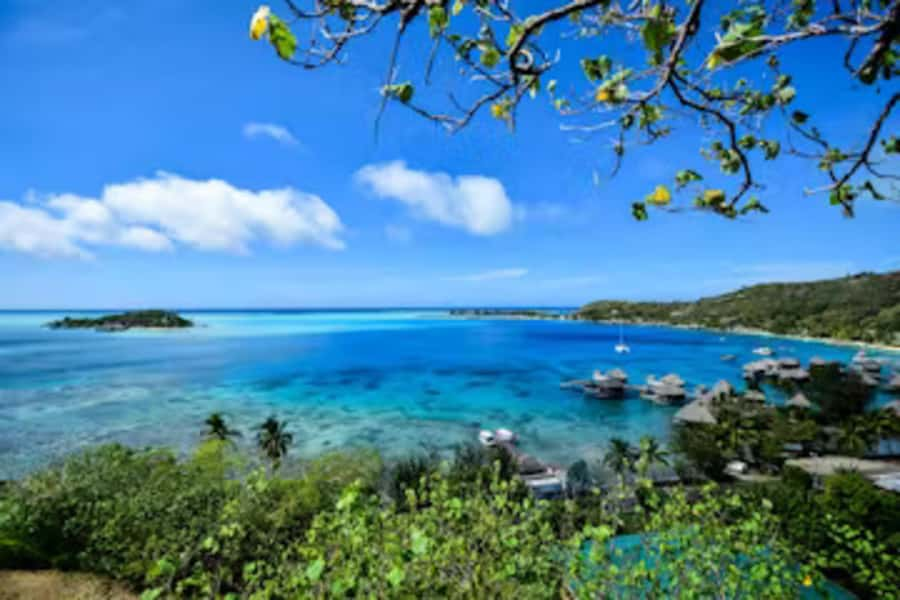
The lagoon is the reason most people come to Bora Bora, and it deserves its fame. Still, the water can make the island feel like a beautiful picture viewed from a boat or resort deck. This 4×4 tour gives you the other half of the story.
You’ll circle parts of the island by road, traveling in a vehicle built for steep and uneven tracks. The route brings together several subjects that are easy to miss on your own: ancient Tahitian culture, wartime remains, local plants, fruit growing, crafts, and views over the lagoon.
That variety is the tour’s main strength. It is not a specialist history trip, and it is not only a scenic drive. Instead, you get a broad introduction to Bora Bora in three hours. I would choose it early in a stay if I wanted to understand the island before spending the rest of my time on the water.
The experience is priced at $72 per person. That is fair value if you want transport, a guide, several stops, local fruit, bottled water, and a cold oshibori towel in one outing. It is less compelling if your only goal is a long, uninterrupted view of the lagoon, since weather and the short schedule can limit time at each stop.
More Local Culture and Traditions Tours in the world:
- Amsterdam Food and Cultural Tour with Tastings
★ 5.0 · 4,315 reviews - Sevilla Food Tour: Tapas, Wine, History & Traditions
★ 5.0 · 3,468 reviews - Tromsø: Reindeer Camp and Sami Cultural Tour with Lunch
★ 4.7 · 3,326 reviews
Ancient temples and seafaring stories
A useful part of the tour is the introduction to Bora Bora’s older past. Your guide explains the ancient temples built around 1,000 AD by the great Tahitian seafaring society, along with legends connected to the island.
The value here is context. Bora Bora is often presented as a resort island, but these stories place it within a much larger Polynesian world shaped by ocean travel, belief, and island connections. You won’t simply hear the island’s name and take a photograph. You’ll get an explanation of how the old society lived and how local legends continue to shape the way Bora Bora is understood.
The exact depth of the talk depends on your guide and the questions you ask. Guides have been praised for explaining the island clearly, and some have offered details about trees, fruit, and traditional uses. If you want more from this part, ask direct questions. This is the sort of tour where a curious passenger can get much more than someone who simply sits back.
The English is generally handled by guides who can explain the stops, though one experience included broken English that made some island details difficult to follow. If historical interpretation is your top reason for booking, it is worth keeping that possibility in mind. French is also available.
WWII remains from the American base
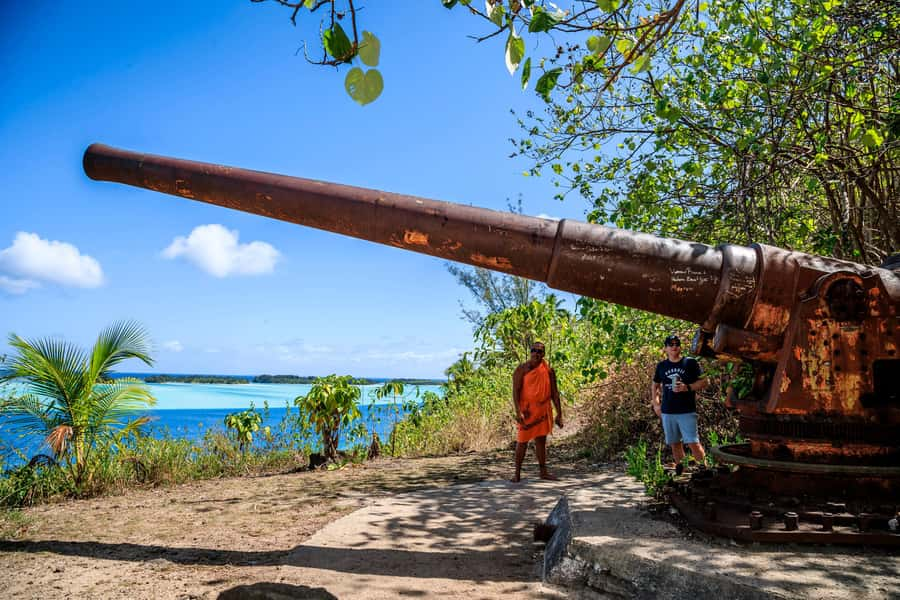
The WWII section adds a surprisingly different note to a day associated with beaches and romance. In 1942, American forces built sites around Bora Bora during a friendly wartime occupation. The tour takes you to some of those remains, including cannons reached by a short walk from the road.
These are not grand museum displays. You’ll see physical traces in the setting where they were built, which gives the story more weight than a quick paragraph in a guidebook. The sites help explain Bora Bora’s strategic role in the Pacific and show how the island was drawn into a global conflict.
Allow for uneven walking at the cannon stop. One detailed account recommends trainers or good walking sandals, and I agree. Flip-flops are a poor choice for a path that may be rough or sloped. The tour is mostly vehicle-based, but this is not a stay-in-the-seat experience from start to finish.
This stop also shows why the 4×4 format matters. You can reach parts of the island that would be awkward to visit without a local driver. You get a better sense of the island’s shape and interior, not just its hotel areas and main roads.
The rough road to Bora Bora’s best views
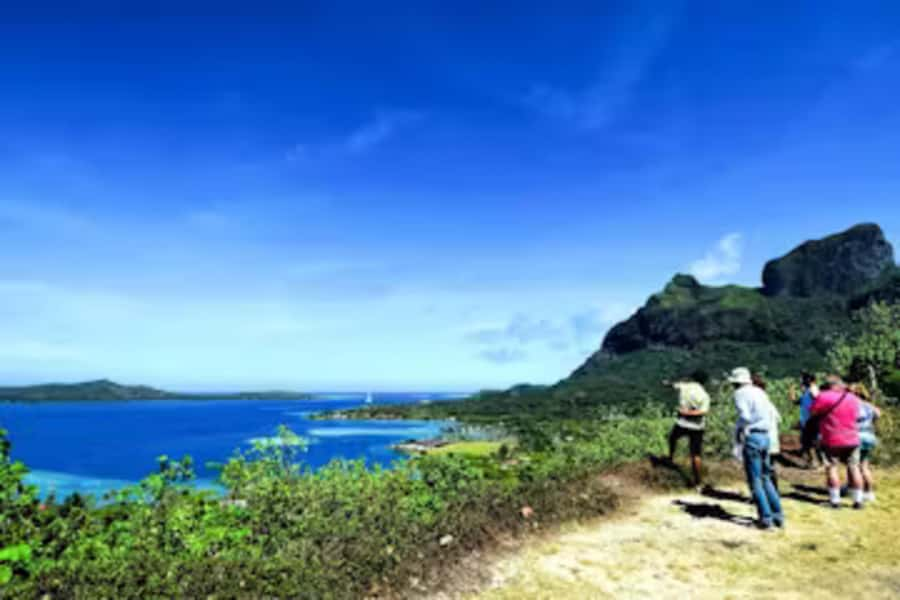
The scenic stops are likely to be the visual highlight. The 4×4 climbs tracks toward high viewpoints where you can look across the island and the water surrounding it. On a clear day, the views give you a strong sense of how Bora Bora’s dramatic interior sits inside its broad lagoon.
Several guides have been praised for taking passengers to high points with wide views. Terie, for example, was noted for bringing people to the top of the mountain and accompanying the drive with local tunes. That kind of personal touch can make a short outing feel more connected to the place.
But the route is not polished road touring. The tracks can be steep, single-lane, and in poor condition because of their location. That is part of the appeal, but it is also the main comfort issue. If sharp climbs, jolting roads, or exposed-feeling turns make you nervous, think carefully before booking.
The weather can change the balance of the tour. Rain and cloud may block the best views, as happened on some outings. Even then, you still have the history, plant information, fruit stop, and craft workshop. A clear morning will give you the full scenic payoff, but I would not book this solely for a guaranteed panorama.
More History Tours in the world:
- New York City: American Museum of Natural History Ticket
★ 4.5 · 15,447 reviews - History and Hauntings of Salem Guided Walking Tour
★ 5.0 · 14,564 reviews - Colosseum: Underground and Ancient Rome Tour
★ 4.7 · 12,691 reviews - Lisbon: History, Stories and Lifestyle Walking Tour
★ 4.8 · 10,902 reviews
Faanui Valley and the island’s useful plants
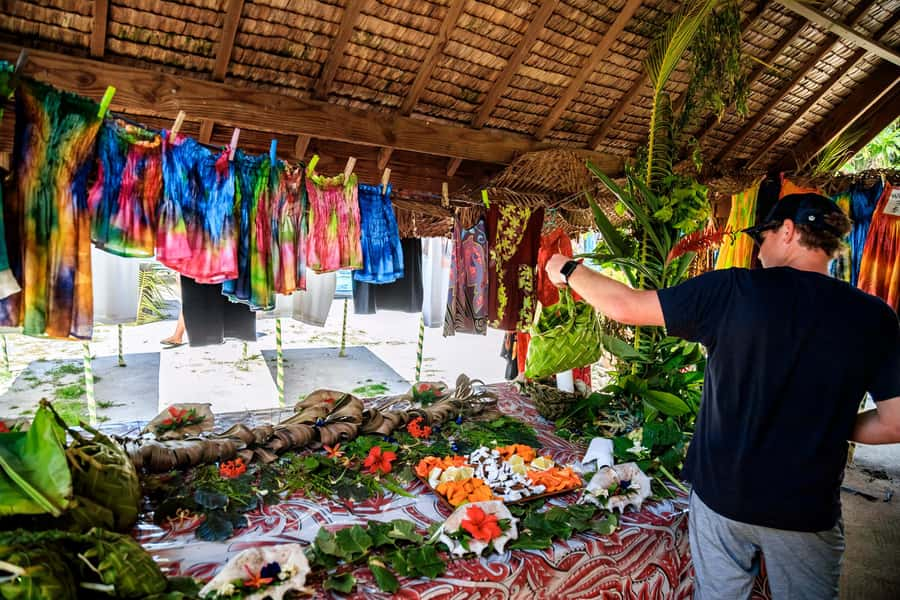
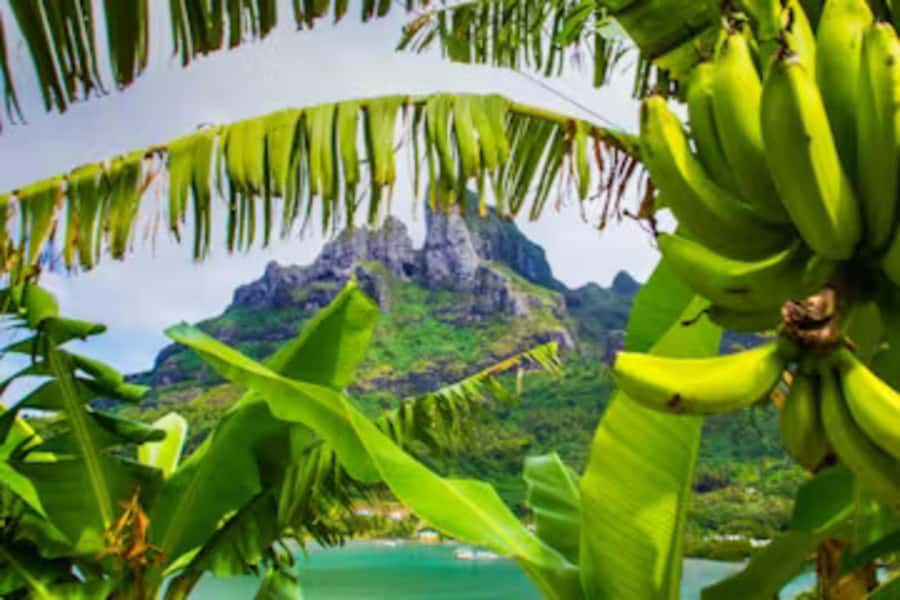
The route into Faanui Valley adds a grounded, everyday side of Bora Bora. You’ll pass small fruit plantations and learn about plants and trees found on the island. This is a helpful counterpoint to the famous resort image.
Your guide may point out what different trees are used for and explain how local foods grow. You can also taste local fruit during the tour. The exact selection is not specified, so think of this as a small tasting rather than a full meal or cooking class.
I like this stop because it makes the island feel lived in. You are not just looking at scenery from a high point. You are seeing how food and plant life fit into local life, with explanations from someone who knows the area.
Bottled water is included, as are cold wet towels. Those details matter in a warm climate, especially after a walk to a WWII site or a stop at a sunny viewpoint.
Pareu making and coconut oil
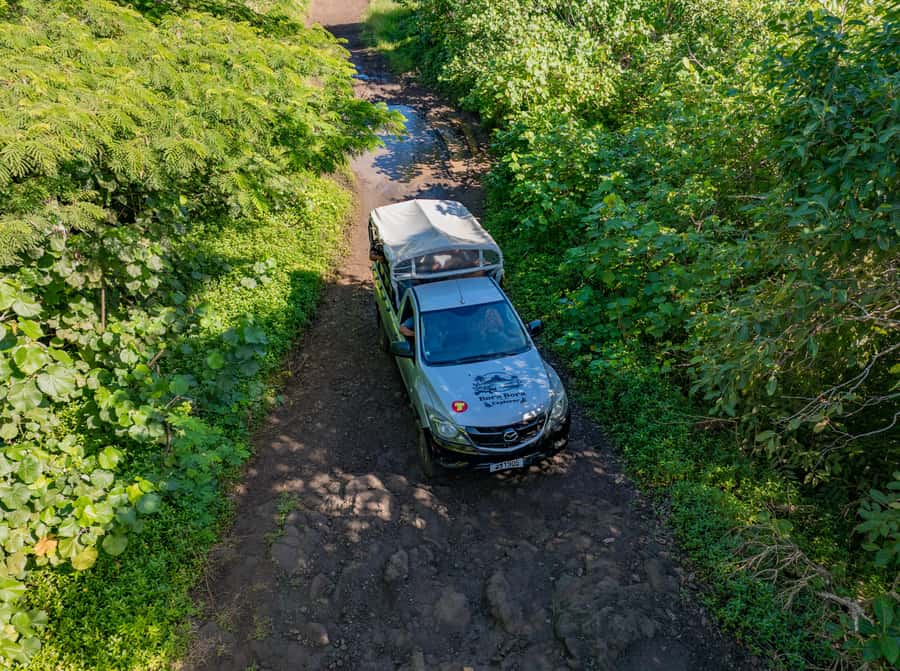
The family-owned pareu workshop is the most hands-on cultural stop. Pareu are colorful Tahitian sarongs, often made with tie-dye methods. At the workshop, you’ll see how the cloth is produced and sold, rather than simply passing a market stall filled with finished items.
You’ll also learn how coconut oil is made and taste more local fruit. This makes the stop broader than a shopping break. You can buy something if you like, but the useful part is seeing the work behind a familiar Polynesian textile.
I would keep this visit in perspective. The stop is short, and it is not a full craft course where you produce your own pareu. Still, it offers a direct look at a family business and gives you a chance to connect the island’s materials, food, and traditional products.
It is also a good moment to ask questions. Guides have been described as friendly and willing to explain each stage before moving on. If you enjoy small workshops and local production, this may be more meaningful than another viewpoint.
Guides who shape the experience
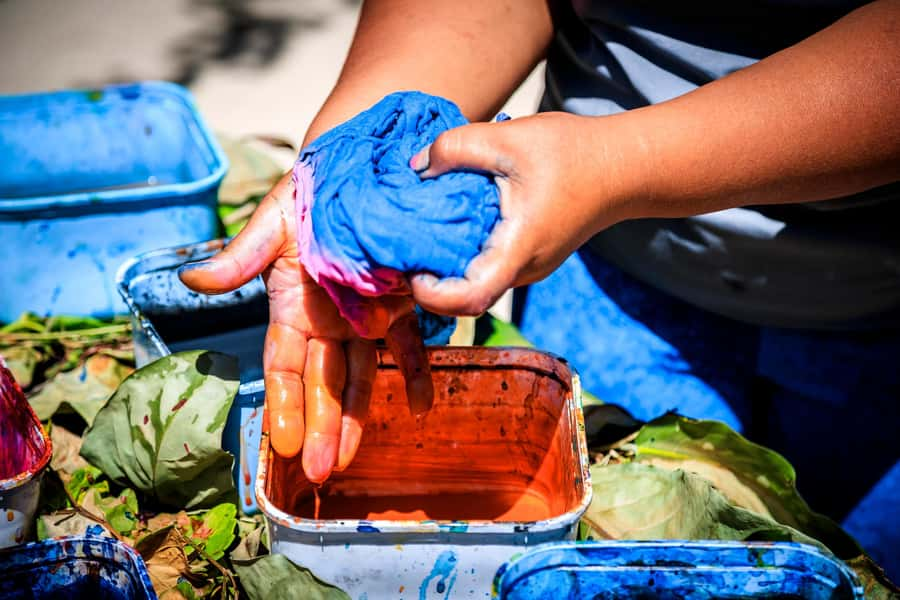
The guide can make or break a three-hour tour. Here, the guide role is more than driving. You are relying on that person to explain the history, identify plants, answer questions, manage the rough roads, and keep the day moving.
The guide names associated with particularly positive experiences include Terie, Deano, Ari, Hery, Tamanono, and Matanono. Spelling varies in the supplied information, but the pattern is clear: the best outings depend on a warm, confident local host.
Terie was praised for singing local tunes during the drive. Deano was noted for explaining old hotel sites, island trees, and their uses, while also handling steep roads with care. Ari brought humor and stories about the island’s name and early discovery. Matanono was praised for showing different fruits and plants and answering questions.
You should not assume every departure will have one of these specific guides. Still, these examples help you understand the style of the experience: informal, personal, and built around conversation as much as sightseeing.
One caution is communication. English is offered, but fluency can vary by guide. Most information appears to be clear enough for a general overview, though one passenger wanted more detailed explanations and found the translation difficult to follow. If you need precise historical interpretation, ask questions as you go and consider that this is a general island tour rather than an academic lecture.
Timing, pickup, and comfort
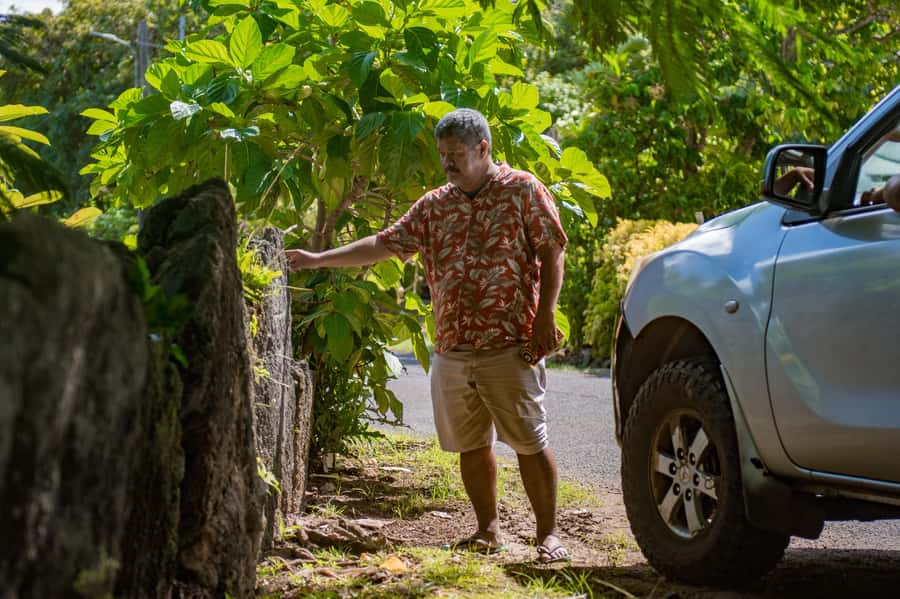
The tour lasts three hours, with pickup around 8:30 AM for stays near Matira. If you are in Vaitape, meet at the main pier by the blue taxi sign at 9 AM. Pay close attention to that distinction so you are not waiting at the wrong place.
The short format works well for a morning. You can see major parts of the island, visit the cultural stops, and still have most of the day for the lagoon, a meal, or time at your hotel.
If you are arriving by ship, the timing deserves extra care. One outing included especially careful communication to get passengers back to their ship on time, but you should still confirm the schedule and leave a sensible buffer before departure. The tour returns to Bora Bora, but exact traffic and weather conditions can affect the day.
Wear trainers or secure walking sandals. Bring sun protection, even if the morning begins cloudy, and expect occasional rain. The operator supplies water and cold towels, but the rough tracks mean comfort also depends on what you wear.
Who will get the most from this tour
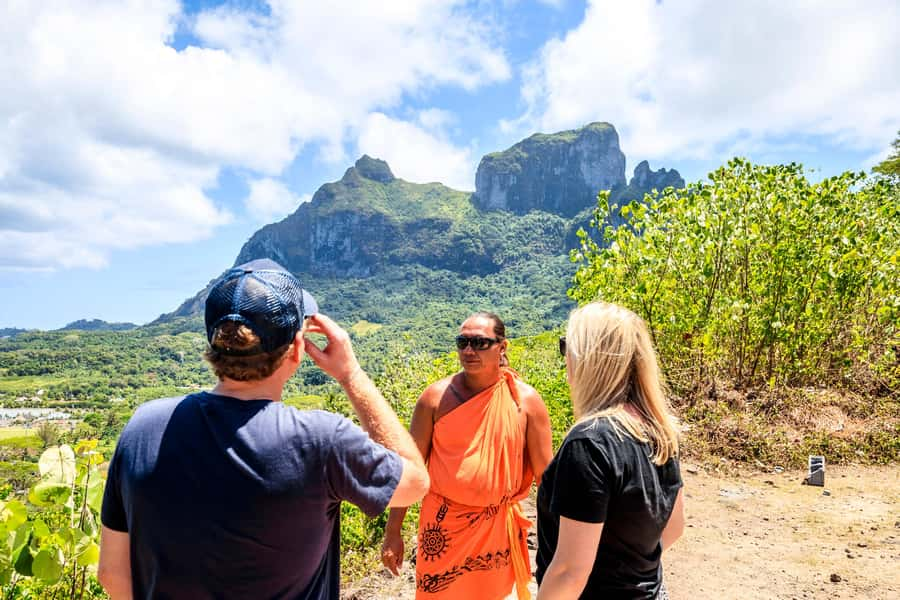
I would recommend this tour to you if you want a first look at Bora Bora that includes more than water activities. It suits couples, families, and solo visitors who enjoy a mix of short walks, scenery, local food, history, and conversation.
It is particularly useful if you have only a limited amount of time on the island. Three hours is long enough to see several different sides of Bora Bora without taking over your day.
You may want another option if you have already explored the island by land, dislike rough vehicle rides, or care mainly about snorkeling and lagoon views. One person found the land scenery less impressive than boat trips and other Polynesian islands. That is a fair comparison: Bora Bora’s water is likely to make the strongest visual impression, while this tour earns its price through variety and access.
Free cancellation up to 24 hours before the activity and the reserve-now, pay-later option make planning easier. The value remains strongest when you treat the tour as an orientation to the island, not as a replacement for a full lagoon excursion.
Should you book the Bora Bora 4WD History and Culture Tour?
Book it if you want the island’s back roads, WWII remains, mountain viewpoints, fruit plantations, and pareu making in one compact trip. The guides are a major part of the appeal, and local music, plant knowledge, and personal stories can turn a simple drive into a useful introduction to Bora Bora.
Skip it if steep, rough roads are a firm no, or if you have only one activity slot and want the lagoon above all else. For most people with a free morning, $72 is a reasonable price for three hours of scenery, culture, transport, and local context. Wear good shoes, expect changing weather, and let the guide lead you beyond the postcard view.
FAQ
How long is the Bora Bora 4WD History and Culture Tour?
The tour lasts three hours and returns to Bora Bora.
What languages are available?
The tour is offered with a live guide in English or French.
Where is pickup provided?
Pickup is included. If you stay around Matira, pickup is expected at about 8:30 AM. If you are in Vaitape, meet at the main pier by the blue taxi sign at 9 AM.
What WWII sites will I see?
The tour visits sites built by American forces in 1942, including WWII cannons reached by a walk from the road.
Is food included?
Local fruit is included, along with bottled water and cold oshibori wet towels.
Will I visit a pareu workshop?
Yes. You will visit a family-owned workshop to see pareu sarongs being made, learn how coconut oil is produced, and taste local fruit.
Can I cancel the tour?
You can cancel up to 24 hours in advance for a full refund. The activity also offers a reserve-now, pay-later option.
Latest history tours reviewed in the world
- From Athens: Ancient Olympia Full-Day Private Tour★ 4.8 · 22 reviews
- From Athens: Explore Ancient Corinth & Charming Nafplion★ 4.6 · 102 reviews
- From Athens: Explore Ancient Greece 4-Day Tour★ 4.7 · 73 reviews
- From Albufeira: Wine Tasting & Historic Silves Tour★ 4.9 · 421 reviews
- From Albufeira: Historical Algarve Region Tour★ 4.7 · 585 reviews
- From Alexandria: Full-Day Guided Tour of Historical Sights★ 4.5 · 54 reviews
- Franklin: Ghost Tour in Historic Franklin★ 4.8 · 65 reviews
- Freiburg: Exciting City Tour with sightseeing and history★ 4.3 · 103 reviews
Local Culture & Traditions Tours, compared.

Amsterdam Food and Cultural Tour with Tastings
Read our review →
Sevilla Food Tour: Tapas, Wine, History & Traditions
Read our review →
Tromsø: Reindeer Camp and Sami Cultural Tour with Lunch
Read our review →
Half Day Dominican Republic Cultural Tour : Small Group
Read our review →
Ultimate Melbourne Walking Tour: History, Laneways & Culture
Read our review →
Tromsø: Sámi Reindeer Sledding and Sami Cultural Tour
Read our review →
Kyoto Gion: 2-Hour Geisha Culture & History Walking Tour
Read our review →
Marrakech Historical and Cultural Tour – Half Day City Tour
Read our review →Browse the lists this tour appears in