
Review · BRAZIL
Florianopolis: Walking Tour – History, Art and Gastronomy
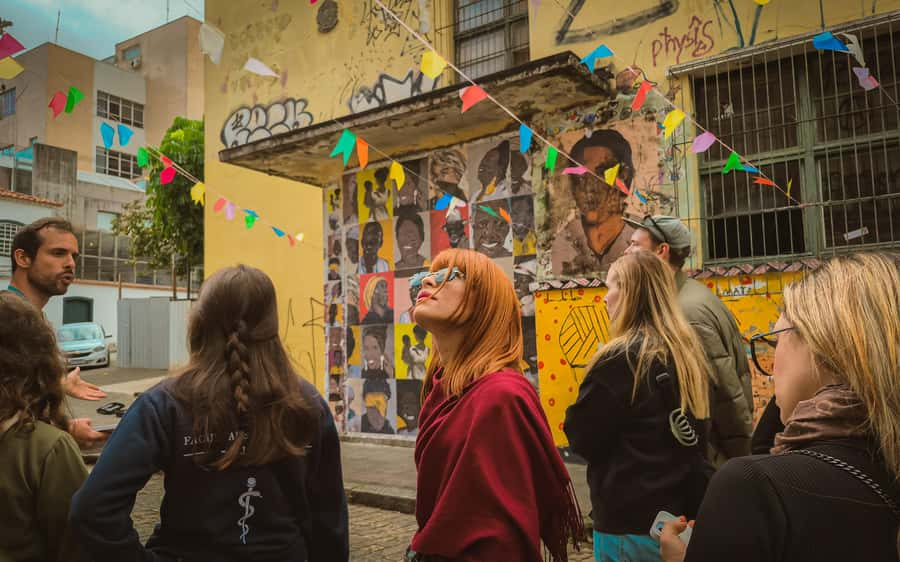
Florianópolis reveals its story best on foot, and this tour connects the old center’s churches, colonial-era landmarks, Black heritage sites, theater, market and neighborhood bars in one compact route. You begin at Café|Bar do Largo da Alfândega and finish at the Public Market, with food and drink stops along the way.
I like the clear focus on Indigenous, Portuguese and African influences, rather than treating the city as only a beach destination. I also like the useful food angle: pastéis, coxinhas, sugar cane juice and local beers turn the walk into a taste of daily life. The main drawback is pace. With about 150 minutes and many stops, some explanations are necessarily brief, and food or beer costs extra.
Key points to know before you book
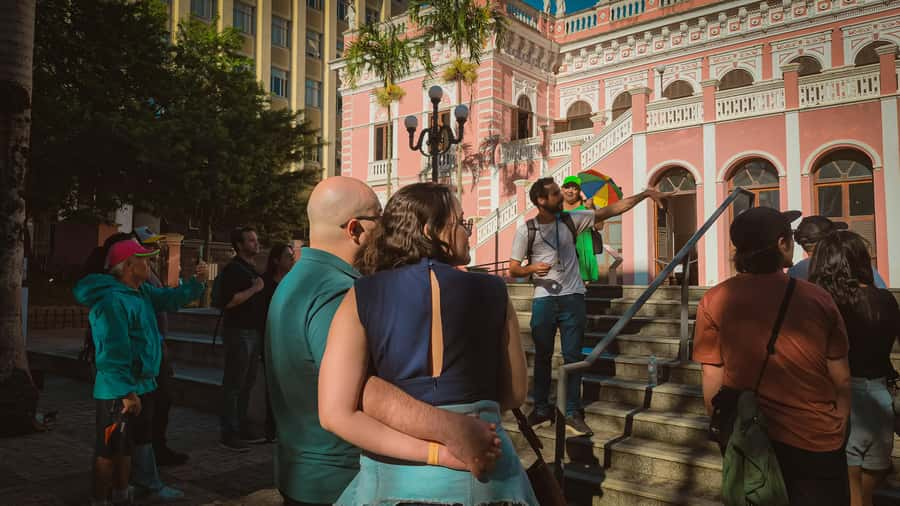
- The route links major central landmarks: Visit the cathedral, Cruz e Sousa Palace, Praça XV, Praça Fernando Machado, the Álvaro de Carvalho Theatre, Avenida Hercílio Luz, Forte de Santa Bárbara and the Public Market.
- The historical focus includes Black Florianópolis: The walk addresses African enslavement and important places connected with the city’s Black community.
- Food is part of the experience, but not included: Plan to pay separately for snacks, drinks and any beer. A pint averages about $4.
- English, Portuguese and Spanish are available: The guide uses the language selected at booking, with Isaac noted as a particularly clear English-speaking guide.
- The ending is practical: You finish at the Public Market with suggestions for bars, food and things to do next.
- Expect real walking: Wear comfortable shoes and clothes. The tour is wheelchair accessible, and raincoats are supplied if needed.
A history walk that makes Florianópolis easier to understand
Many visitors come to Florianópolis for beaches and island scenery. This walk gives you a useful counterweight: the city center as a place shaped by Indigenous communities, Portuguese colonization, African enslavement, trade, religion, public life and food.
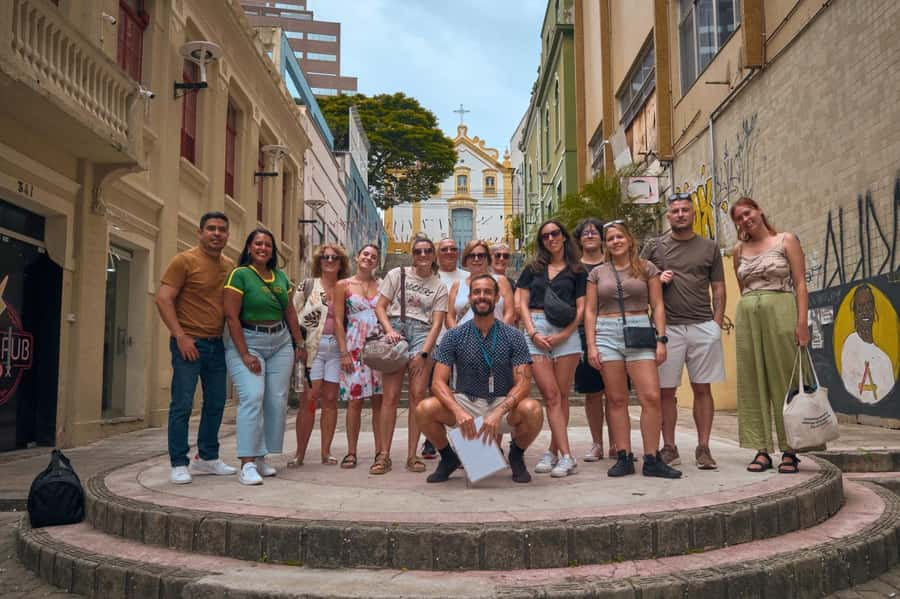
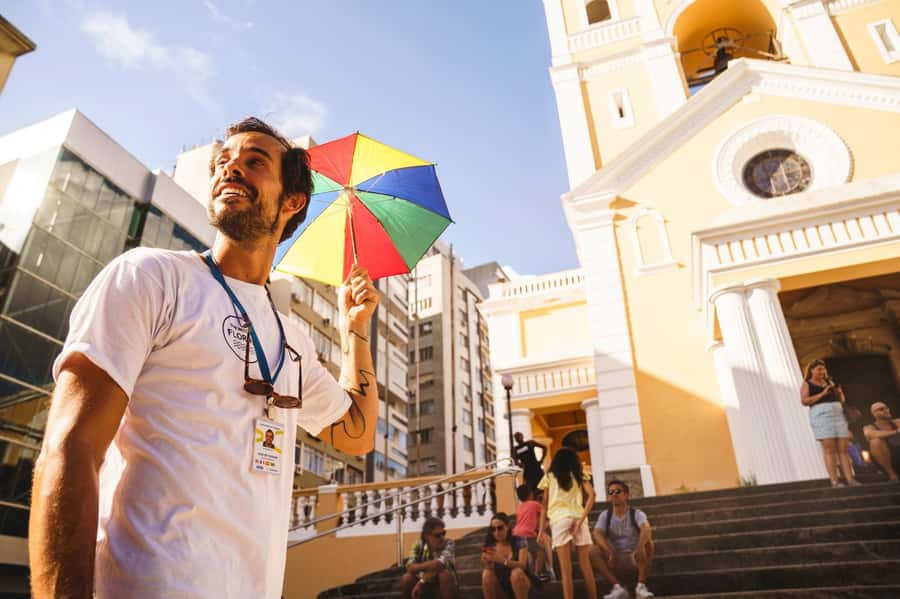
The route begins outside Café|Bar do Largo da Alfândega, a handy meeting point with coffee and restrooms. Look for the guide in a white T-shirt marked The Best of Florianopolis, carrying a small colorful umbrella and wearing a guide credential. That detail matters in a busy central area, especially if several groups gather nearby.
The guide sets the tone by explaining the social and economic formation of Brazil and the island now called Santa Catarina. You will hear about the Indigenous groups who lived here, the arrival of Portuguese colonizers in the 17th century and the forced arrival of enslaved Africans. This broad frame helps you read the buildings that follow. You are not simply collecting pretty façades. You are being shown how power, labor, religion and commerce shaped the center.
The route is conducted in English, Portuguese or Spanish. Isaac is named as a guide who explains the subject clearly in English and gives practical suggestions for food and bars. If Isaac leads your walk, you can expect a guide who puts real attention on making the story understandable, not just reciting dates.
More History Walking Tours in the world:
- History and Hauntings of Salem Guided Walking Tour
★ 5.0 · 14,564 reviews - Lisbon: History, Stories and Lifestyle Walking Tour
★ 4.8 · 10,902 reviews - Boston: Freedom Trail History Small Group Walking Tour
★ 5.0 · 6,450 reviews
Catedral Metropolitana and the city’s religious center
The first main stop is the Catedral Metropolitana de Florianópolis Nossa Senhora do Desterro e Santa Catarina de Alexandria. The guided visit here lasts about 20 minutes, making it one of the longer stops early in the walk.
The cathedral gives you a good starting point for understanding the old center. Religious buildings were important public markers during the Portuguese colonial period, and this stop connects the city’s present-day center with its early foundations. The tour places the cathedral within the wider story of the island rather than presenting it as an isolated church.
You should expect a guided explanation rather than a long interior visit. The schedule allows enough time to look around and ask questions, but not enough for a slow architectural study. If you like to linger over church details, you may want to return later on your own.
Cruz e Sousa Palace and Praça XV
The walk then moves to Palácio Cruz e Sousa, with about 10 minutes of guided time. The palace is tied to the formal civic identity of Florianópolis, and its name also points toward Cruz e Sousa, an important figure in Brazil’s literary and cultural life.
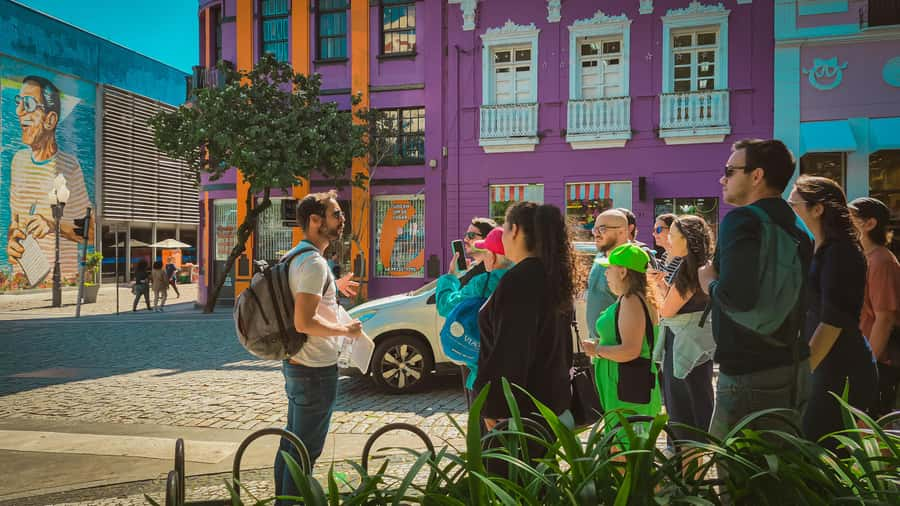
Next comes Praça XV de Novembro, one of the city’s key public squares. The guide uses this area to explain the people and institutions behind the development of the place sometimes called the Magic Island. The square is useful for orientation because it brings together the city’s historic center, public buildings and everyday movement.
These stops are short, so pay attention to the guide’s main points. The value is in seeing how the cathedral, palace and square work together as a civic center. You get a compact introduction to religion, government and public space without spending the whole afternoon inside one building.
Praça Fernando Machado and Black Florianópolis
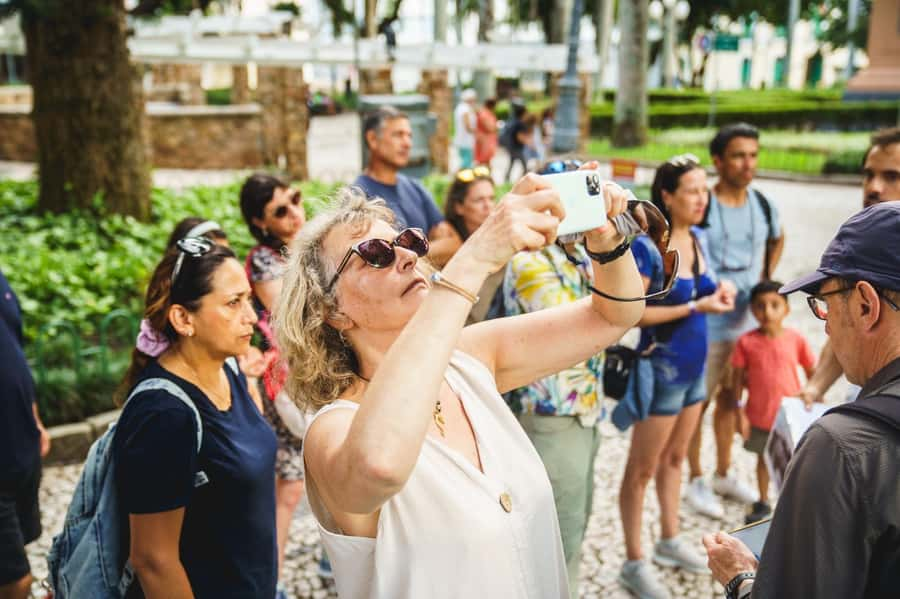
At Praça Fernando Machado, the tour turns more directly toward the city’s Black history. This is one of the most worthwhile features of the route because it avoids presenting Florianópolis only through Portuguese colonial stories.
The guide discusses important landmarks for the Black community and places them within the history of African enslavement in Brazil. That subject can be easy to miss on a standard sightseeing walk, especially in a city better known internationally for beaches, nightlife and island scenery.
The tour does not promise a museum visit or a long specialist lecture. Instead, it uses public places and central landmarks to show you where different parts of Florianópolis history meet. For me, that makes this section especially useful. You leave with a wider picture of who helped form the city and how public memory is represented.
More History Tours in the world:
- New York City: American Museum of Natural History Ticket
★ 4.5 · 15,447 reviews - Colosseum: Underground and Ancient Rome Tour
★ 4.7 · 12,691 reviews - London Small Group Tour of Historical Pubs
★ 5.0 · 10,422 reviews - Prague: Oldtown, Medieval Underground & Dungeon History Tour
★ 4.3 · 10,277 reviews
The Public Market: food, trade and a useful finish
The Mercado Público de Florianópolis receives about 30 minutes of guided attention, the longest stop on the listed route. That makes sense. A market brings together the city’s food culture, shopping, social life and old commercial identity in one place.
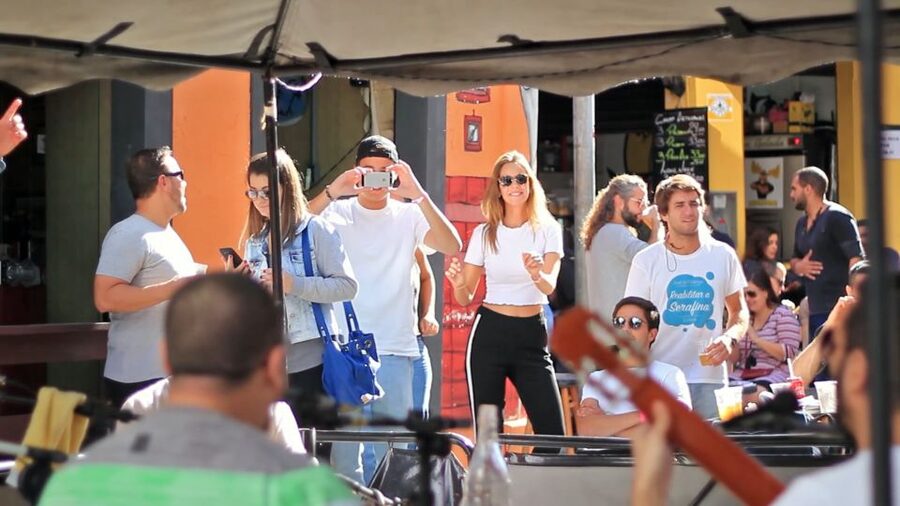
This is where the tour’s food theme becomes more concrete. You may sample or purchase local snacks such as pastéis, coxinhas and sugar cane juice. Local beers are also part of the plan, but all food and alcoholic drinks cost extra. A pint averages around $4, so bring room in your budget if you want to make the tasting side of the walk a real part of the experience.
The market is also where the tour ends, which is convenient. You do not need to retrace your steps to find lunch or continue exploring. The guide gives suggestions for what to do next, including food and bars, and may join you at one of the city’s better bars after the formal tour.
The market stop has one practical limitation: 30 minutes passes quickly if you want to browse, eat and listen at the same time. Treat the included time as an introduction. You can return later if you find a snack you want to enjoy slowly.
Theater, avenue and fort: a broader look at the center
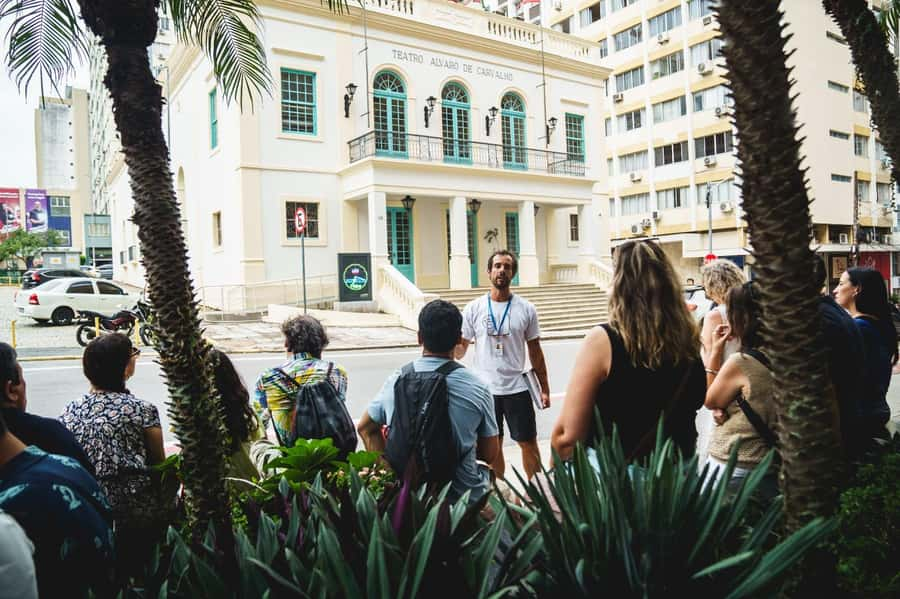
After the market, the route includes the Álvaro de Carvalho Theatre, Avenida Hercílio Luz and Forte de Santa Bárbara. Each receives about 10 minutes of guided attention.
The Álvaro de Carvalho Theatre is presented as one of the city’s most beautiful monuments. The guide explains its place in Florianópolis public and cultural life. As with the other short stops, the focus is on orientation and context rather than a full performance or extended interior tour.
Avenida Hercílio Luz gives the walk a change of pace. You move from concentrated historic buildings into a broader city route, while the guide continues to connect the present-day street with the city’s development.
Forte de Santa Bárbara adds another layer to the story. It brings military history and protection into the route, alongside religion, commerce, civic buildings and cultural spaces. Because the stop is brief, you should not expect a long exploration of every fortification detail. Still, it helps show that Florianópolis was shaped by more than churches and markets.
The order may feel a little less direct than a simple loop because the tour includes several different types of places before returning to the Public Market area. That variety is part of the appeal, but it also explains why comfortable shoes matter.
Finishing at Bar do Noel
The listed route includes about 40 minutes at Bar do Noel, the longest single stop after the market. This gives the experience a social ending rather than a final monument and goodbye.
You can use this time to try local beer or another drink at your own cost. The tour also highlights snacks such as pastéis, coxinhas and sugar cane juice. These are modest, familiar foods, which is exactly the point. You are getting a taste of everyday Brazilian eating rather than a formal restaurant meal.
The bar stop is also designed for conversation. The tour encourages people from different countries to spend time together, and the guide can share suggestions for other bars and places to eat. If you are visiting Florianópolis alone, this may be one of the most useful parts of the experience. It gives you a chance to meet people and ask for practical advice before setting out on your own.
One thing to clarify before booking is the final location. The formal finish is listed as the Public Market, while Bar do Noel is part of the route. Confirm the exact order and stopping point with the guide on the day, especially if you have a later reservation or transport to catch.
What the $18 price gets you

At $18 per person, this is priced as an accessible introduction to central Florianópolis. You are paying for a live guide, a roughly two to two-and-a-half-hour walking route, historical interpretation, market and landmark visits, and practical recommendations for the rest of your stay.
The value is strongest if you are new to the city. A good guide can give you the basic map in your head: where the old center begins, how the key squares connect, where the market is and which areas may be useful for food and nightlife. The price also covers raincoats if the weather turns wet and a city map with local recommendations.
Food and drink are not included, so the final cost depends on how much you buy. A pint at around $4 is not a major extra, but several tastings can change the budget. You can keep costs down by treating the food stops as optional rather than as a fixed meal.
Free cancellation up to 24 hours before the start and the reserve-now, pay-later option make the booking flexible. Those terms matter in Florianópolis, where weather can affect the comfort of a walking tour.
Who will get the most from this walk
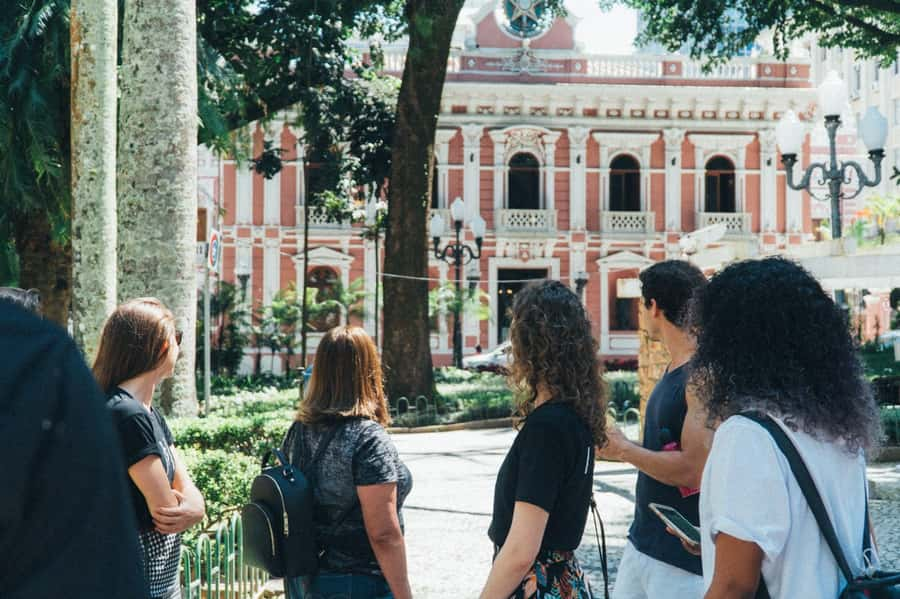
I would choose this tour early in a Florianópolis visit, especially if you want the city center to make sense before exploring other parts of the island. It suits people who like history explained in plain language, short stops, local snacks and casual conversation.
It is also a good match if you want a social activity. The bar finish and international group can make it easier to meet people, particularly if you are traveling alone.
You should think twice if you want a slow architectural tour, extensive museum time or a full meal included. The route covers many sites quickly, and some stops last only 10 minutes. It is a guided overview with food and bar elements, not a specialist study of one monument.
Bring comfortable shoes and clothes. The route lasts around two hours to 150 minutes, and raincoats are available if required. Wheelchair access is provided, though the operator does not give further detail about every surface or building entrance, so it is sensible to confirm any specific mobility needs before booking.
Should you book the Florianópolis walking tour?
Book it if you want a practical first look at the historic center, a clear introduction to Indigenous, Portuguese and African influences, and an easy way to try local snacks and beer. The strongest parts are the Black history focus, the range of landmarks and the guide’s useful suggestions for food and nightlife.
Skip it if your priority is the beach, a long museum visit or a quiet private walk. For $18, though, it offers a lot of context and a good sense of place in a short time. Choose the language you prefer, wear shoes made for steady walking and keep a few extra dollars for the market or bar. If Isaac is your guide, expect especially clear English explanations and practical tips at the end.
FAQ
Where does the Florianópolis walking tour begin?
The meeting point is outside Café|Bar do Largo da Alfândega. You can use the café’s restroom and buy a coffee before the tour begins.
Where does the tour finish?
The formal finish is listed as the Mercado Público de Florianópolis. Bar do Noel is also included as a stop along the route.
How long does the walking tour last?
The activity lasts about two hours to 150 minutes. The route includes several short guided stops and longer time at the cathedral, Public Market and Bar do Noel.
Which languages are available?
The live tour guide offers English, Portuguese and Spanish.
Are food and drinks included?
No. Food, alcoholic drinks and other beverages are not included. A pint of beer costs around $4 on average.
What food can I try during the experience?
The tour highlights pastéis, coxinhas, sugar cane juice and local beers. You pay separately for anything you choose to eat or drink.
Is the tour wheelchair accessible?
Yes, the activity is listed as wheelchair accessible.
What should I wear and bring?
Wear comfortable clothes and shoes because you will walk for around two hours. Raincoats are provided if it rains, and a city map with local recommendations is included.
Latest history tours reviewed in the world
- From Athens: Ancient Olympia Full-Day Private Tour★ 4.8 · 22 reviews
- From Athens: Explore Ancient Corinth & Charming Nafplion★ 4.6 · 102 reviews
- From Athens: Explore Ancient Greece 4-Day Tour★ 4.7 · 73 reviews
- From Albufeira: Wine Tasting & Historic Silves Tour★ 4.9 · 421 reviews
- From Albufeira: Historical Algarve Region Tour★ 4.7 · 585 reviews
- From Alexandria: Full-Day Guided Tour of Historical Sights★ 4.5 · 54 reviews
- Franklin: Ghost Tour in Historic Franklin★ 4.8 · 65 reviews
- Freiburg: Exciting City Tour with sightseeing and history★ 4.3 · 103 reviews
Brazil History Tours, compared.
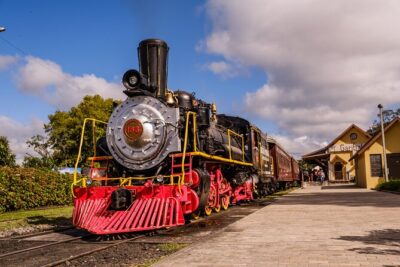

Rio de Janeiro: Historic Rio and Santa Teresa Half-Day Tour
Read our review →
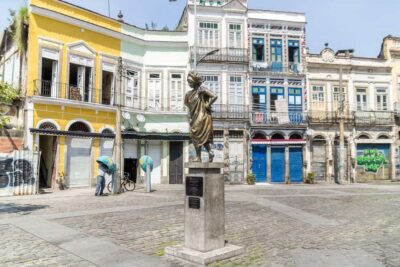
Rio de Janeiro: Little Africa Heritage Walking Tour
Read our review →
Ancient Rio and Santa Teresa Tour with Hotel pick-up and drop-off
Read our review →
Paraty: Historic Centre Walking Tour & Cachaça Tasting
Read our review →
Florianópolis: Historical Center, Beach & Nature Tour
Read our review →Browse the lists this tour appears in