
Review · NEW YORK CITY
New York City: American Museum of Natural History Ticket
The American Museum of Natural History is less a museum visit than a small trip through time and space. You can walk from dinosaur fossils and ocean giants to human cultures, diamonds, DNA, and the edge of the universe, all under one roof. I especially like the 40-plus permanent halls and the new Richard Gilder Center, which gives younger visitors plenty to see and do. The main drawback is simple: the building is so large that a few hours will not cover it all.
I also like that the $37 general admission price includes the Rose Center for Earth and Space, the Gilder Center, and all permanent exhibits. You need a higher ticket option for special attractions, though, and that distinction can catch you out. If the butterfly vivarium, planetarium show, or dinosaur exhibition is high on your list, choose your ticket carefully before paying.
Key points to know before you go
- The museum can fill four to five hours easily: Start on the fourth floor and work downward if your time is tight.
- The Gilder Center adds a modern contrast: Its science and education exhibits offer a more hands-on change from the classic display halls.
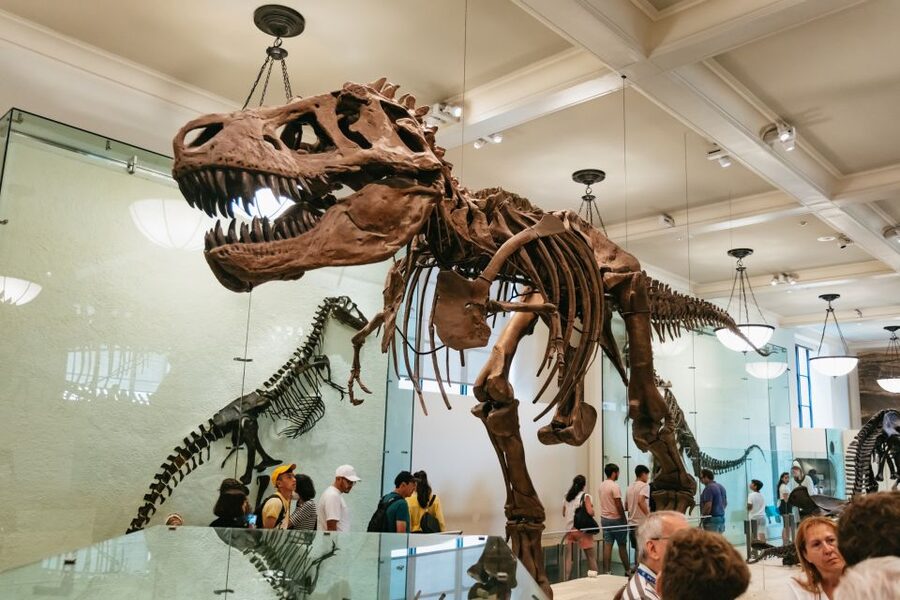
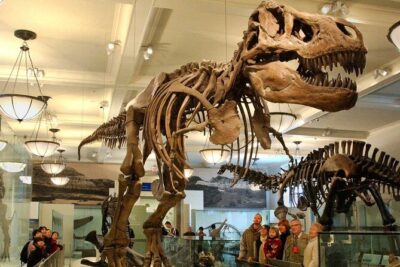
- Dinosaurs remain the headline attraction: You will find one of the largest fossil collections in the world, including the famous Tyrannosaurus Rex.
- General admission does not cover every show: Ticketed exhibits such as Invisible Worlds, the butterfly vivarium, and the Space Show require the right booking option.
- The free Explorer App helps with the size: It provides turn-by-turn directions, quizzes, self-guided tours, and exhibit stories in four languages.
- Pack light: Oversize luggage and large bags are not allowed, and lockers cost extra.
Why this museum deserves a full day
The museum sits just across from Central Park, making it easy to pair with a walk through the park or a nearby Upper West Side outing. Once inside, though, you will want to give the building your full attention.
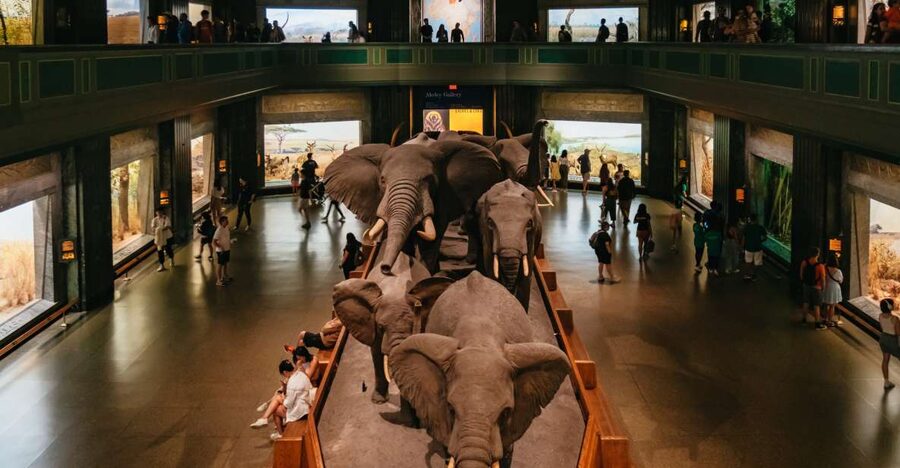
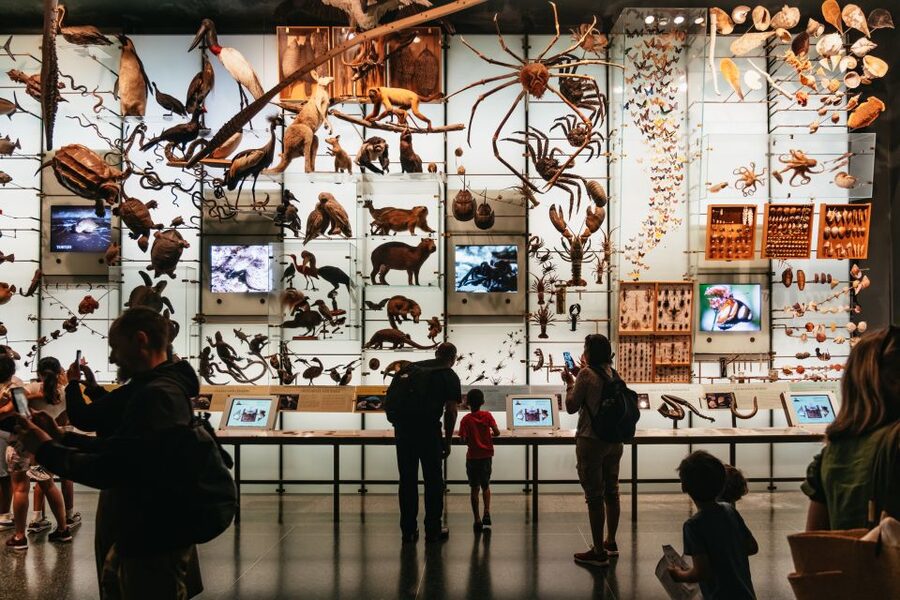
More than 30 million objects belong to the museum’s collections, but you will see only a fraction during one visit. That sounds intimidating, yet it is also the appeal. You can come for the dinosaurs and end up spending an hour with African mammals, ocean life, or the history of human cultures.
The museum works well for families because the subjects change constantly. A child who loses interest in one hall may perk up at a whale, a meteorite, a giant fossil, or a planetarium show. Adults get plenty of serious science and carefully presented displays too, so this is not a place built only around children.
I would allow at least four to five hours if you want more than a quick look. If you want to read labels, see a ticketed exhibition, and stop for food, a full day is more realistic.
More Museum and Gallery History Tours in the USA
- American Museum of Natural History Admission Ticket
★ 4.0 · 1,931 reviews - Guided African American History Tour with Reserved Museum Entry
★ 4.5 · 1,180 reviews - Chicago: Field Museum of Natural History Ticket or VIP Tour
★ 4.7 · 717 reviews
Begin upstairs with dinosaurs and fossils
A useful plan is to start on the fourth floor and make your way down. This puts the dinosaur halls near the beginning, when your energy is still high, and gives you a simple route through the building.
The dinosaur collection is the museum’s great crowd-pleaser. You will encounter fossils from different periods and see how scientists piece together evidence about animals that disappeared millions of years ago. The scale of the skeletons gives the halls their drama, but the displays also help explain how these creatures lived and changed over time.
The Tyrannosaurus Rex skeleton is an essential stop. It is also one of the exhibits connected with Night at the Museum, which adds a bit of movie magic for families. The Easter Island head featured in the film is another familiar sight, although the real museum is much less chaotic than the movie version.
The dinosaur halls can become crowded, especially during school holidays and cold or rainy weather. Give yourself time to move slowly around the larger skeletons, and do not assume a quick photo stop will be enough. This is one area where the $37 admission begins to make sense, because you are not paying for a single object or short show. You have access to an entire set of fossil halls for the day.
Meet whales, elephants, and other large creatures
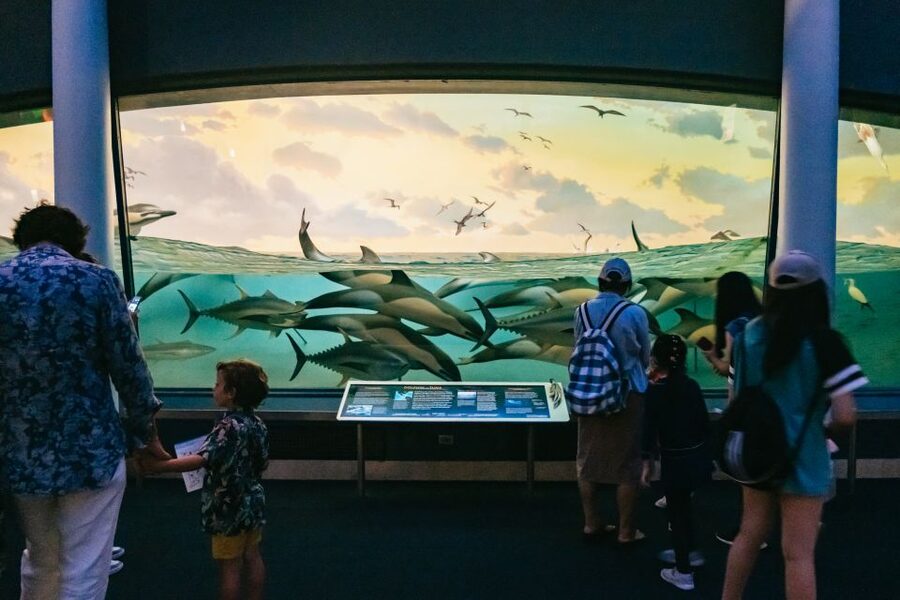
The Milstein Hall of Ocean Life is one of the most memorable parts of the museum. Its displays take you into the world beneath the water, with some of the largest and most impressive creatures represented in a way that gives you a sense of their size.
The hall works well after the dinosaurs because both sections use scale to make science immediate. A whale overhead or a massive marine animal display can stop children in their tracks, while the explanations give adults a reason to linger.
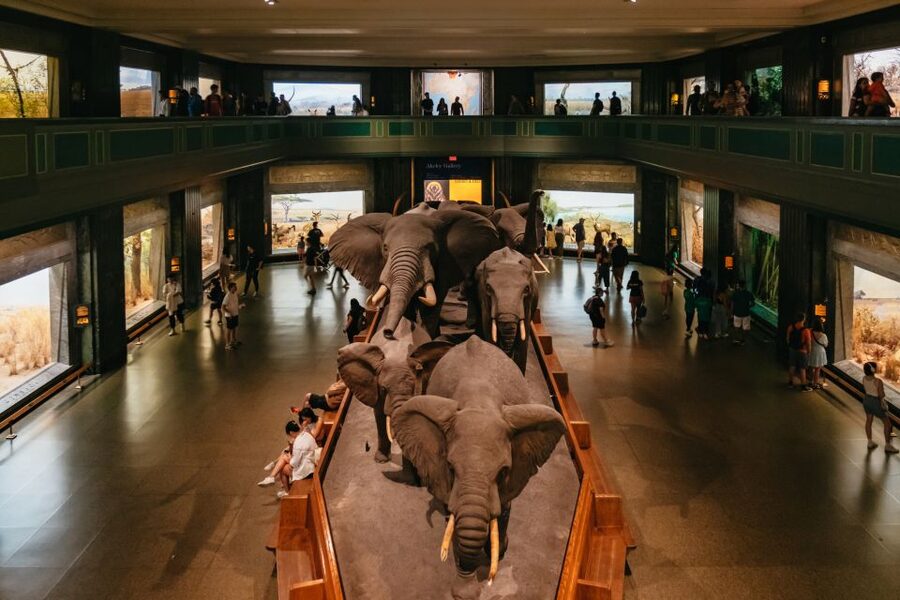
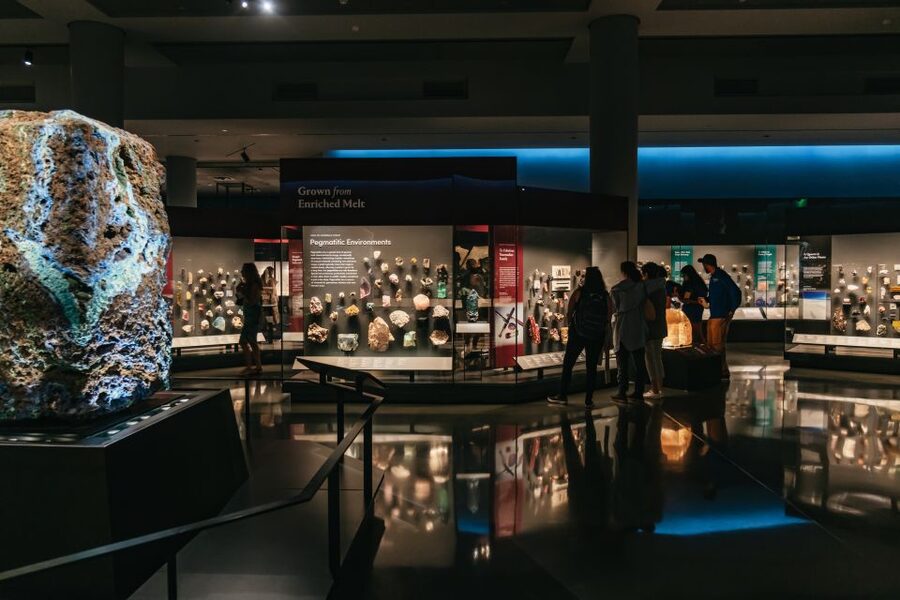
Other halls cover mammals, birds, reptiles, and the wider natural world. The dioramas are particularly effective. They place animals in carefully constructed settings, allowing you to look at behavior, habitat, and physical detail rather than just a specimen behind glass.
I would not rush these rooms. They offer a quieter change of pace after the excitement of the dinosaur floor. If you have children with you, let them choose a few animals to find, then use the museum’s Explorer App for related information and self-guided routes.
See human cultures across more than 40 halls
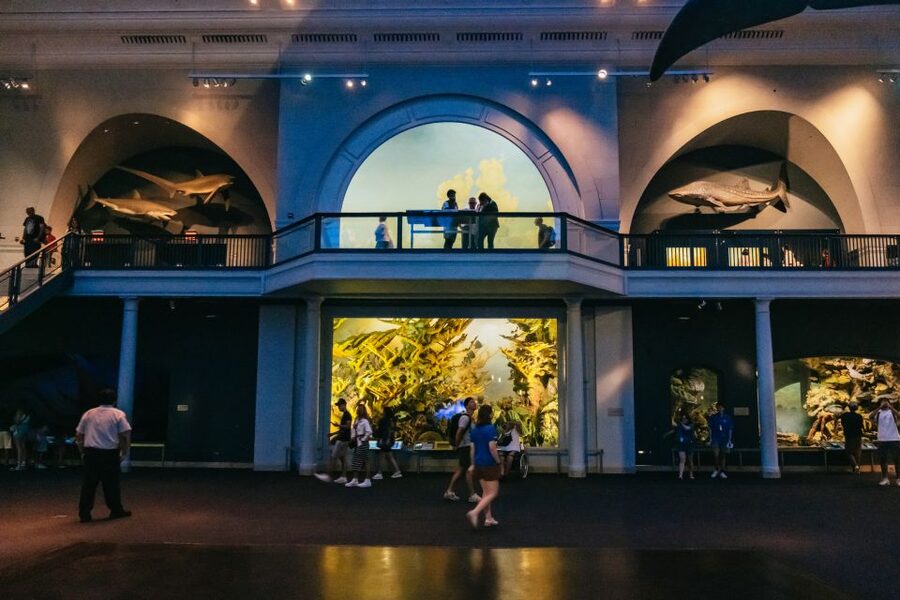
The museum is not only about extinct animals and outer space. Its cultural halls explore people and communities from around the world through objects, displays, and interactive material.
These galleries add needed variety to the visit. You move from natural science into questions about how people live, create, adapt, and understand their surroundings. The change also helps prevent museum fatigue, since you are not reading the same type of display for hours.
You can set your own pace here. Some halls reward close reading, while others are better for a brief pass if your family is eager to reach the dinosaurs or the space center. The museum’s self-guided tours can help you choose popular collections without wandering through every corridor.
The free Explorer App is useful in this part of the museum. It offers navigation, behind-the-scenes stories, quizzes, and tours in English, Spanish, French, and Portuguese. I would connect to the museum Wi-Fi and download it early, since the building’s size can make a paper map feel confusing.
Same old streets, another chapter:
- History and Hauntings of Salem Guided Walking Tour
★ 5.0 · 14,564 reviews - Charleston’s Old South Carriage Historic Horse & Carriage Tour
★ 5.0 · 10,023 reviews - Beneath The Streets Underground History Tour
★ 4.5 · 8,006 reviews - Big Island in a Day: Volcanoes Waterfalls Sightseeing and History
★ 5.0 · 6,569 reviews
Explore the Rose Center and the universe beyond Earth
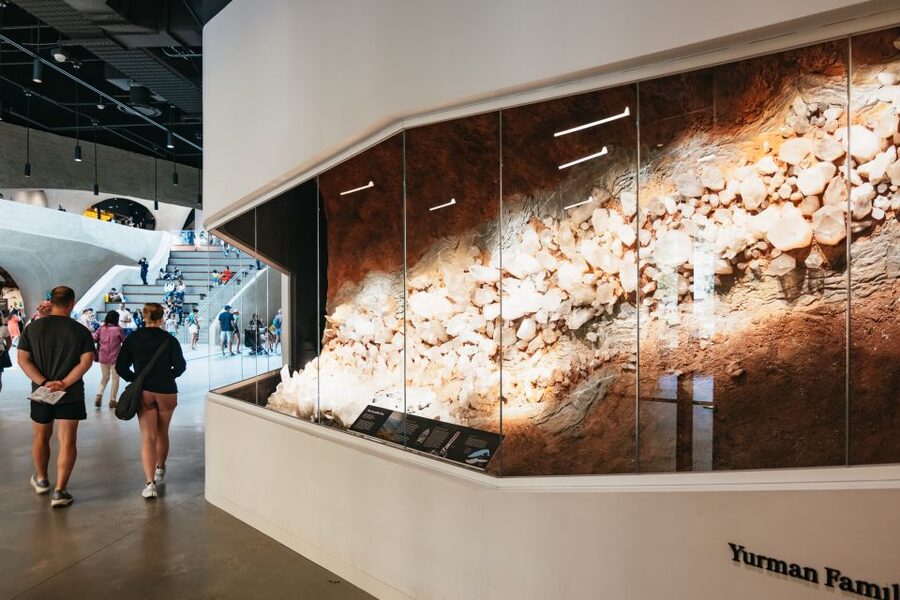
The Rose Center for Earth and Space gives the museum a striking change of mood. The displays move from fossils and cultural objects to astronomy, planets, stars, and the forces that shape our place in space.
The Hayden Planetarium Space Show is one of the ticketed additions available with the appropriate booking option. The current Space Show, Encounters in the Milky Way, is narrated by Pedro Pascal and follows the cosmic movements and chance encounters that have shaped our galactic neighborhood.
This is a scheduled show, so check the time when you arrive. A planetarium presentation can be a welcome seated break in the middle of a long museum day, but it also means you need to plan around a fixed start time.
The Rose Center itself is included with general admission. The Space Show is not. That difference matters if you assume every attraction inside the building is part of the basic $37 ticket.
Spend time in the new Gilder Center
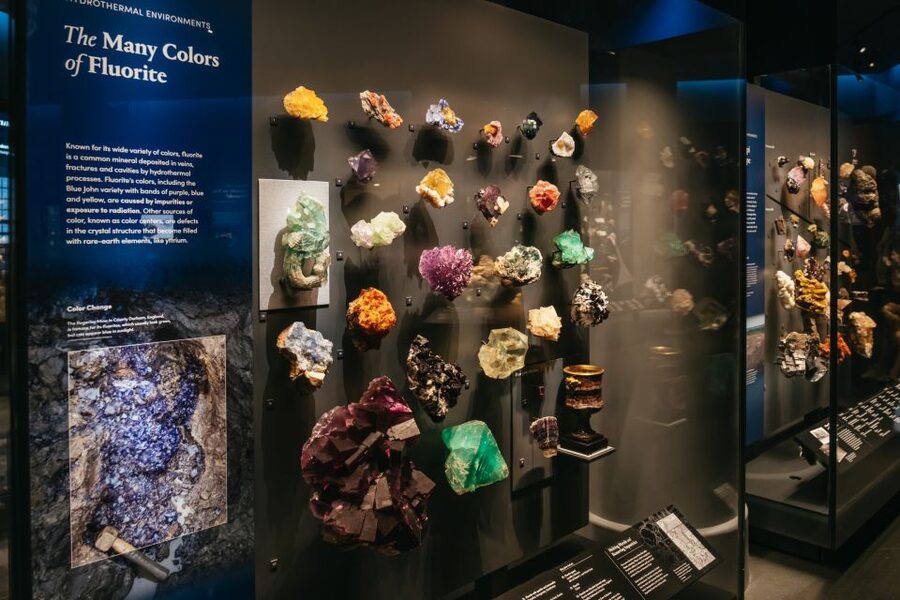
The Richard Gilder Center for Science, Education, and Innovation is the museum’s major newer addition. It brings state-of-the-art displays and interactive experiences into a building known for its historic halls.
I would place the Gilder Center somewhere in the middle of your visit. It gives you a fresh visual setting after the traditional galleries and can be especially helpful if children need something more active than reading labels.
The center focuses on science and education, with exhibits designed for a wide age range. You may find it easier to engage younger children here than in some of the quieter specimen halls, though the museum does not operate as a separate children’s play center.
Because the Gilder Center is included in general admission, it adds real value to the standard ticket. You do not need to pay extra just to enter this part of the museum.
Decide which ticketed exhibition is worth adding
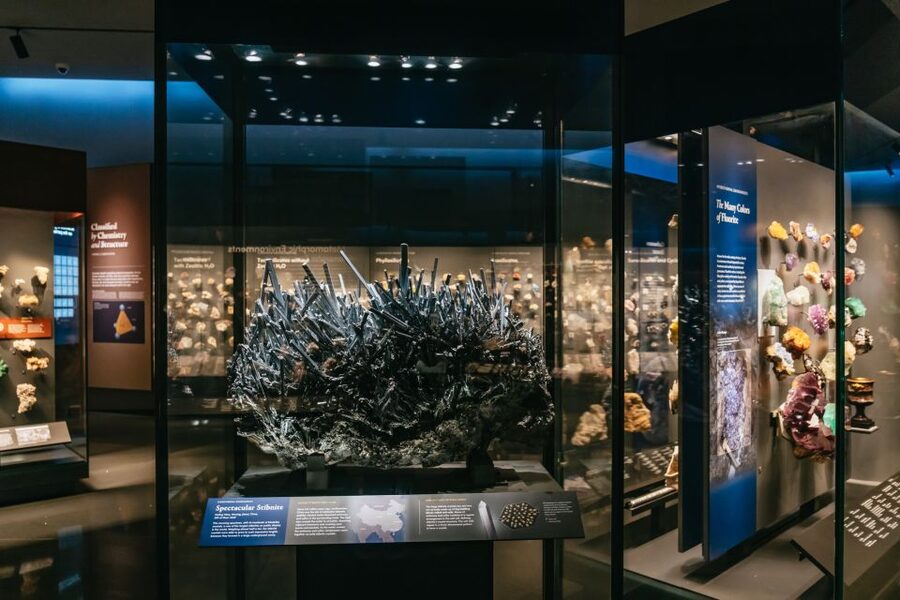
The general admission ticket covers the permanent halls, the Rose Center, and the Gilder Center. Special attractions cost more, so think about your priorities before selecting an option.
Available additions include:
- Impact: The End of the Age of Dinosaurs: This exhibition examines the asteroid collision 66 million years ago and the changes in life that followed. It suits visitors who want more dinosaur science beyond the permanent halls.
- Invisible Worlds: A 360-degree theater experience that explores hidden parts of nature, from the ocean depths to the DNA found in living organisms.
- Encounters in the Milky Way: A time-based Space Show narrated by Pedro Pascal, focused on the movements and encounters that shape our galactic neighborhood.
- Life at the Limits: A look at organisms with unusual abilities that help them survive extreme conditions.
- Giant-Screen Film: The LeFrak Theater uses a 40-foot-high, 66-foot-wide screen and digital sound for nature films.
- Davis Family Butterfly Vivarium: A year-round indoor setting where as many as 1,000 free-flying butterflies may pass close to you or land on you.
The key point is that general admission alone does not include these attractions. General Admission + One includes timed entry to one selected exhibition, while General Admission + All includes the available ticketed exhibitions in the chosen package.
At $37, the basic ticket is good value if you mainly want the permanent collections. If you want a show, the butterfly vivarium, or Impact, compare the higher price with your available time. Adding everything sounds appealing, but you may not have enough hours to enjoy each attraction properly.
How to manage the museum’s size
The biggest practical challenge is orientation. There are many floors, long corridors, and more than 40 halls. A printed map may take a few minutes to understand, so use the Explorer App if you prefer turn-by-turn help.
Start with your must-see areas. For many people, that means dinosaurs, the Rose Center, the Gilder Center, and the Milstein Hall of Ocean Life. Then add cultural halls, mammals, and ticketed attractions according to your remaining time.
Do not try to see every label. Pick a few halls for careful attention and let the rest become a pleasant walk through the museum. This approach works better than racing from room to room and leaving tired without remembering much.
The museum has cafés and other amenities, which help on a long visit. Lockers are available in the basement for an extra charge, but large bags and oversize luggage are not allowed. I would arrive with only a small day bag and avoid making storage part of your plan.
Who will get the most from this visit
Families with dinosaur fans have an obvious reason to come, but the museum works for far more than that. Adults interested in astronomy, biology, anthropology, animals, or science can build their own route and spend time in the subjects that matter most to them.
It is also a reliable choice for a cold or rainy New York day. You can stay indoors for hours, take breaks between galleries, and choose a film or planetarium show when you need to sit down.
The visit is wheelchair accessible. The giant-screen theater is wheelchair accessible as well, with captioning and audio description devices available. If you need a locker, remember that it costs extra.
The museum is less suitable if you want a quick one-hour attraction. You can certainly see highlights in less time, but the building’s scale means you will leave plenty unseen.
Is $37 good value?
For a full day of access to the permanent halls, Rose Center, and Gilder Center, $37 is a fair New York price. The museum gives you enough variety to suit different interests, and you can return to favorite areas during the same day.
The value depends on how you use the ticket. A short visit focused on one gallery makes the cost feel higher. Four or five hours, with time for dinosaurs, ocean life, space, and the Gilder Center, makes it much easier to justify.
Special exhibitions change the calculation. If you choose General Admission + One or General Admission + All, check the included attractions and schedule before booking. A ticket with many extras is only worthwhile if you have time to use them.
New York residents have a different arrangement: general admission is pay what you wish and includes the permanent halls, Rose Center, and Gilder Center. Ticketed exhibitions, the butterfly vivarium, Invisible Worlds, the giant-screen film, and the Hayden Planetarium Space Show are not included in that arrangement.
Small details that make the day easier
Book ahead and keep your barcode ready. This helps make entry quick, especially during busy periods.
Arrive with a rough plan, not a strict timetable. The museum can become crowded during holiday weeks, and popular halls may take longer than expected.
If you have limited time, follow the fourth-floor-to-lower-floor route. If you have a full day, add a ticketed show and take a proper break rather than trying to power through every hall.
Free cancellation is available up to 24 hours before the visit, and you can reserve now and pay later. The ticket is valid for one day, with start times based on availability.
Should you book the American Museum of Natural History?
Book it if you want a flexible, family-friendly museum day with dinosaurs, space, animals, cultural exhibits, and plenty of indoor time. The permanent collections alone offer enough for several hours, and the Gilder Center adds a modern, hands-on counterpoint to the classic halls.
Choose the ticket option carefully. The basic $37 admission is the smart pick for a broad museum visit. Add one or all special exhibitions only if the butterfly vivarium, Space Show, immersive theater, giant-screen film, or Impact is a priority and you have enough time.
I would book this for a rainy day, a family with mixed interests, or anyone who wants more substance than a quick New York attraction. I would skip it only if you have very little time or dislike large museums where seeing everything is impossible.
FAQ
What does the $37 American Museum of Natural History ticket include?
It includes entry for one day, access to the permanent exhibits, more than 40 exhibition halls, the Rose Center for Earth and Space, the Richard Gilder Center, and on-site Wi-Fi.
Are special exhibitions included with general admission?
No. General entry does not include ticketed attractions such as Invisible Worlds, the butterfly vivarium, the giant-screen film, the Hayden Planetarium Space Show, or Impact: The End of the Age of Dinosaurs.
How long should I spend at the museum?
Plan on at least four to five hours if you want to see several major sections. A full day gives you more time for the permanent halls, breaks, and ticketed exhibitions.
Is the museum wheelchair accessible?
Yes. The museum is wheelchair accessible, and the LeFrak Theater is wheelchair accessible as well. Captioning devices and audio description devices are available for the theater.
Can I store luggage at the museum?
Lockers are available in the basement for an additional charge. Oversize luggage and large bags are not allowed, so it is best to arrive with a small bag.
Is there an app to help navigate the museum?
Yes. The free Explorer App offers turn-by-turn directions, behind-the-scenes stories, quizzes, and self-guided tours. It is available in English, Spanish, French, and Portuguese.
Latest history tours reviewed in the USA
- Franklin: Ghost Tour in Historic Franklin★ 4.8 · 65 reviews
- Fort Worth: Stockyards History Tour Pub Crawl★ 4.8 · 39 reviews
- Downtown Flagstaff Haunted History Walking Tour★ 4.7 · 46 reviews
- New York City: Flatiron Food, History, and Architecture Tour★ 4.8 · 43 reviews
- Fairbanks: Gold Dredge 8 Historic Train Tour★ 4.7 · 219 reviews
- Fairbanks: Private Mush on the Historic Yukon Quest Trail★ 5.0 · 30 reviews
- Charleston:Evening Haunted History Horse-Drawn Carriage Tour★ 4.7 · 38 reviews
- Philadelphia: Valley Forge National Historical Park Tour★ 4.9 · 39 reviews
New York City History Tours, compared.
American Museum of Natural History Admission Ticket
Read our review →
Hamilton and Washington Revolutionary Walking Tour
Read our review →
#1 Rated NYC Chinatown Food and History Walking Tour with FNYT
Read our review →

Lower Manhattan Secrets And History Walking Tour
Read our review →
NYC: Central Park Pedicab Tour and Natural History Access
Read our review →
New York City: Flatiron Food, History, and Architecture Tour
Read our review →
NYC: New York City History of Stand-Up Comedy Tour
Read our review →Browse the lists this tour appears in