
Review · ITALY
Verona: History and Hidden Gems Guided Walking Tour
Verona reveals itself best in the details: a Roman gate tucked beside a modern street, a medieval tower rising over a quiet square, or a carved façade you could easily pass without a guide. Fabio Massimo Rapanà, a licensed Veronese guide born and raised in the city, builds the walk around those details rather than simply marching from one famous sight to the next.
I like the small groups of no more than 10 and the excellent use of headsets, which let you hear the guide clearly even in busy streets. I also like the route’s balance: you see the Arena, Piazza delle Erbe, and Juliet’s house, but you also get river views, old walls, side streets, and overlooked architecture.
The main consideration is pace. Two hours covers a lot of ground, and most stops are exterior visits or short explanations. If you want to enter the Arena, churches, or Juliet’s House, you’ll need separate tickets and extra time.
Key points at a glance
- A local guide with deep personal ties to Verona: Fabio was born and raised in the city and connects buildings with stories, dates, and local context.
- A compact route through major eras: Roman Verona, the medieval city, the Scaliger rulers, and Shakespeare’s Verona all appear during the walk.
- More than the standard postcard stops: The tour includes old foundations, quieter lanes, church façades, courtyards, and lesser-noticed details.
- Small-group comfort: The maximum group size is 10, with headsets supplied so you can listen without standing shoulder to shoulder with the guide.
- A useful first tour: The route gives you enough orientation to return later to the places that interest you most.
- Good value for a two-hour introduction: At $41 per person, the price is reasonable if you value context, local stories, and a carefully planned route.
Starting beneath the Italian flag in Piazza Bra
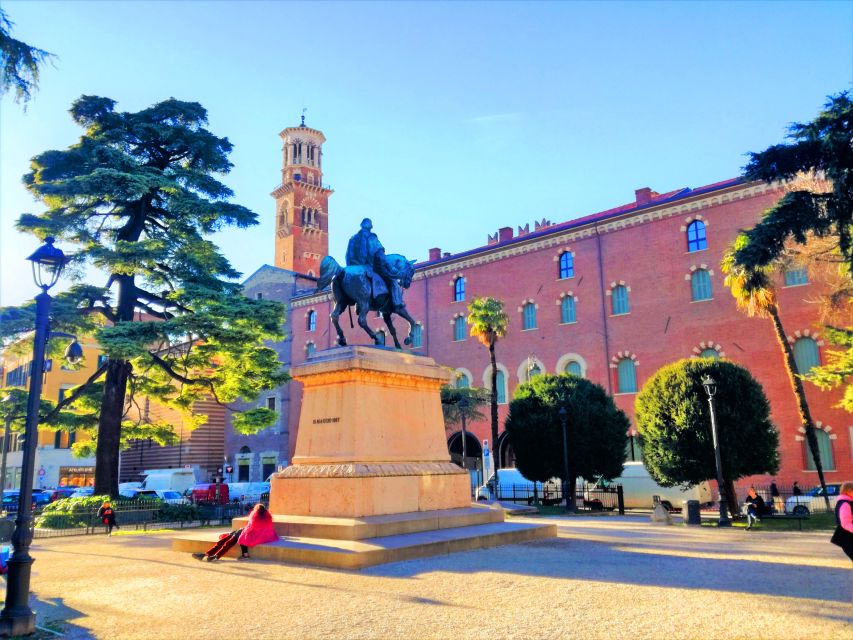
You meet the guide below the Italian flag at Verona’s Town Hall, Palazzo Barbieri, in Piazza Bra. This is a convenient starting point because the square is one of the city’s main landmarks and is easy to identify.
Piazza Bra gives you an instant sense of Verona’s scale. The open square leads directly toward the Arena, while cafés, historic façades, and the broad urban setting create a lively first view of the city. The tour pauses here briefly before turning its attention to the great Roman amphitheater.
The meeting point matters because Verona’s historic center is compact but full of overlapping streets and squares. Starting in Piazza Bra helps you get your bearings fast. You will also finish in the same general area, so the walk is easy to fit into a day of sightseeing.
More History Walking Tours in Italy
- Venice: City Center Historical Guided Walking Tour
★ 4.2 · 1,873 reviews - Palermo: Street Food and History Walking Tour
★ 4.9 · 1,486 reviews - Naples Spanish Quarters Walking Tour Street Art, Folklore & Sweet
★ 5.0 · 797 reviews
The Arena and the Roman foundations of Verona
The Verona Arena is the natural first major stop. Built for gladiatorial spectacles in Roman times, it remains the city’s most recognizable monument. From outside, the structure’s surviving arches show how much of the original building remains, despite centuries of change around it.
Fabio’s approach is especially useful here because the Arena is more than a photo backdrop. He explains the purpose of the amphitheater and the scale of the events held inside it, while also placing Roman Verona within the city you see today.
You do not enter the Arena on this walk. The stop is mainly for viewing, photographs, and explanation. That is not a problem for a first orientation, but anyone hoping to tour the interior should plan a separate visit.
From the Arena, the route follows traces of the early medieval city walls toward the Corso, one of Verona’s oldest streets. This is where the tour starts shifting from famous monument to urban detective work. You begin to notice how the city developed in layers instead of appearing as one perfectly preserved period piece.
Porta Borsari, also known as Porta Jovia, is one of the clearest Roman reminders along the route. The gate once marked an important entrance into the city, and its stone façade still gives the modern street a sense of the Roman road system beneath it.
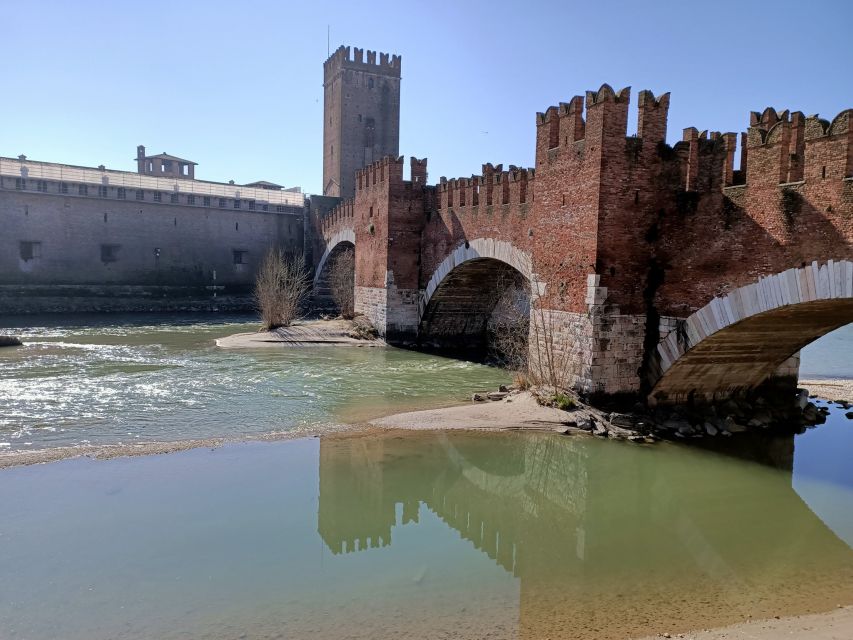
Castelvecchio, the Adige, and the Ponte Scaligero
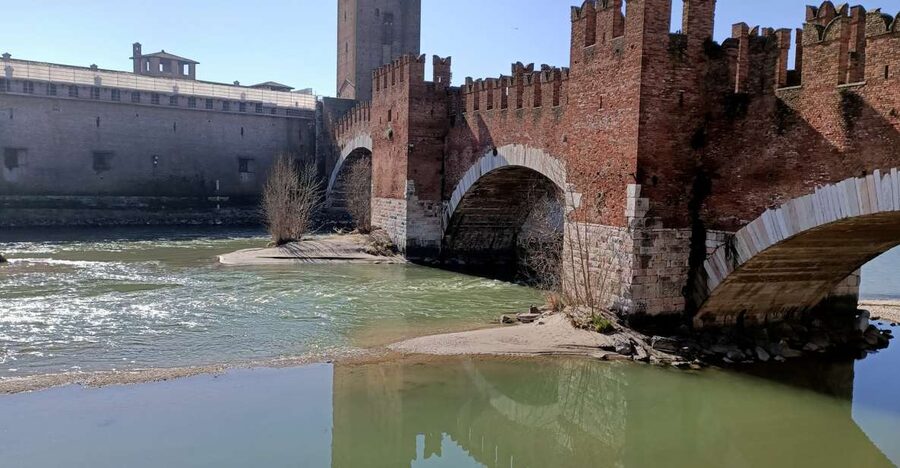
The walk continues toward Riva San Lorenzo and the Adige River. This section gives you a change of pace from narrow streets and stone façades. You get scenic views toward Castelvecchio and the Ponte Scaligero, with the river helping explain Verona’s geography and defensive importance.
Castelvecchio is associated with the powerful della Scala, or Scaliger, family that ruled Verona during the medieval period. The Ponte Scaligero, with its strong brickwork and fortified appearance, makes more sense when seen as part of a defensive complex rather than just a pretty bridge.
The river views are among the most pleasant parts of the route. They also make the tour feel broader. You are not only collecting monuments in the center; you are seeing how the river, bridges, walls, and ruling families shaped the city.
Several short stops follow along the way. The published route includes quiet corners, brief photo points, and places that may take only a minute or two to explain. That means you should not expect every stop to be a large monument with a long visit. The value is in the connections Fabio makes between them.
Piazza delle Erbe and Verona’s public face
Piazza delle Erbe is one of Verona’s essential squares and receives a longer stop. It developed from the Roman forum into the city’s market square, and its historic façades show several periods of architecture gathered around one public space.
The square is a good place to listen closely. Fabio points out the old fountain, described as the city’s oldest, as well as details on the surrounding townhouses and civic buildings. You may already know the square from photographs, but the explanation helps you read it as a working center of public life rather than a scenic backdrop.
The market is part of the square’s identity. Its history adds useful context to the stalls and activity you see today. This is one of the tour’s strongest features: ordinary urban details become clues to Verona’s past.
The route also passes the Church of San Giovanni in Foro and other smaller points around the square. Some are quick photo stops. They may not justify a separate visit on their own, but they reward attention when you know what to look for.
Same old streets, another chapter:
- Colosseum: Underground and Ancient Rome Tour
★ 4.7 · 12,691 reviews - Rome: Colosseum with Arena, Roman Forum and Palatine Guided Tour
★ 4.0 · 5,598 reviews - Venice: St. Mark’s Basilica Guided Tour & VR History Intro
★ 3.9 · 4,880 reviews - Colosseum with Arena, Roman Forum and Palatine Hill Guided Tour
★ 4.5 · 3,526 reviews
Piazza dei Signori and the Scaliger rulers
From Piazza delle Erbe, the walk moves into Piazza dei Signori, a more formal and enclosed square. Here you see public buildings connected with Verona’s medieval government, including Palazzo della Ragione, Palazzo della Scala, and Palazzo del Capitano.
This square is a useful contrast with the market atmosphere of Piazza delle Erbe. It shows the city’s political side, where authority was expressed through grand buildings, controlled entrances, and a carefully shaped public space.
The tour also points out Verona’s highest tower and explains the medieval period in the city. The details are important because Verona’s story is not only Roman and Shakespearean. The medieval era left much of the city’s political structure, architecture, and public identity.
This is also the point where the walk becomes particularly helpful for architecture fans. Fabio’s explanations cover façades, towers, public buildings, and small design details that are easy to miss when you are focused only on the next major sight.
Santa Anastasia and the dramatic Scaliger tombs
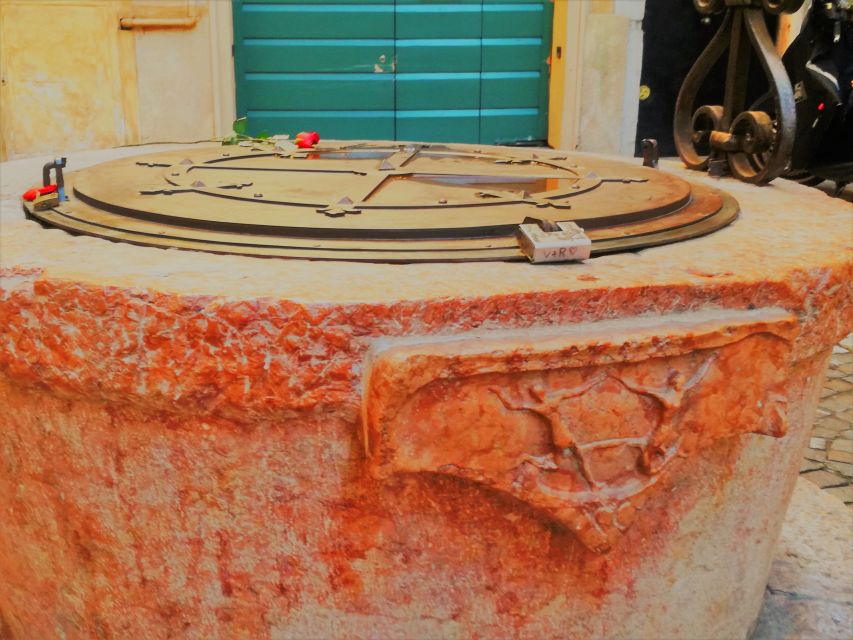
The Basilica of Santa Anastasia appears along the route as an exterior stop. Even without an interior visit, the church adds another layer to the walk and helps show the religious architecture of medieval Verona.
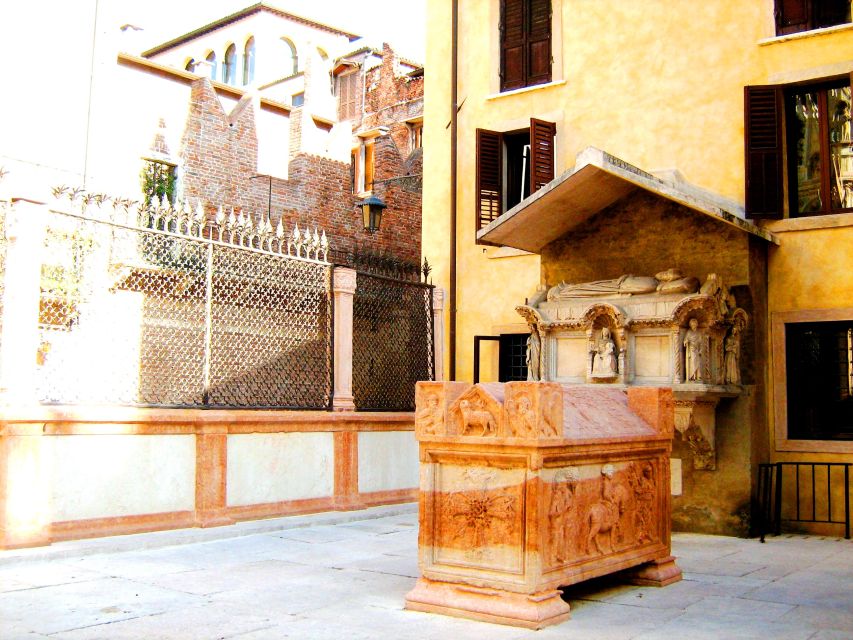
Nearby, the Arche Scaligere provide one of the tour’s most striking views. These ornate Gothic mausoleums were built for members of the Scaliger family and are far more dramatic than their modest setting might suggest. The carved details and enclosed arrangement make them easy to remember.
The stop also brings the city’s ruling family into sharper focus. You have already seen the Scaliger bridge and public buildings, so the tombs complete the picture. Verona’s medieval rulers shaped the city’s defenses, government, and skyline, and the route lets you see those pieces in sequence.
The walk continues through smaller lanes and squares, including Piazzetta Bra Molinari and Piazza Indipendenza. These quieter spaces are useful because they break up the major sights and give you a feel for the less formal side of central Verona.
Romeo’s house, Juliet’s balcony, and the Shakespeare connection
The route includes Casa di Romeo and Juliet’s House. These stops are important for many first-time visitors, but the tour treats them as part of Verona’s wider story rather than the entire reason to visit.
At Juliet’s House, you can see the famous balcony from the courtyard area, but this walk does not include entry. The stop is brief and mainly for photographs and historical explanation. If you want to visit the museum or access the interior, allow separate time and check entry arrangements.
The Shakespeare connection is based on older stories and literary tradition rather than a simple historical record of Romeo and Juliet living in these exact buildings. A good guide helps you understand that distinction without taking the fun out of the story.
Casa di Romeo is a useful counterpoint to the more heavily visited Juliet site. Together, the two locations show how Verona has connected local buildings with a famous work of literature. You get the romance, but also some context about how the legend developed.
Courtyards, old markets, and quieter corners
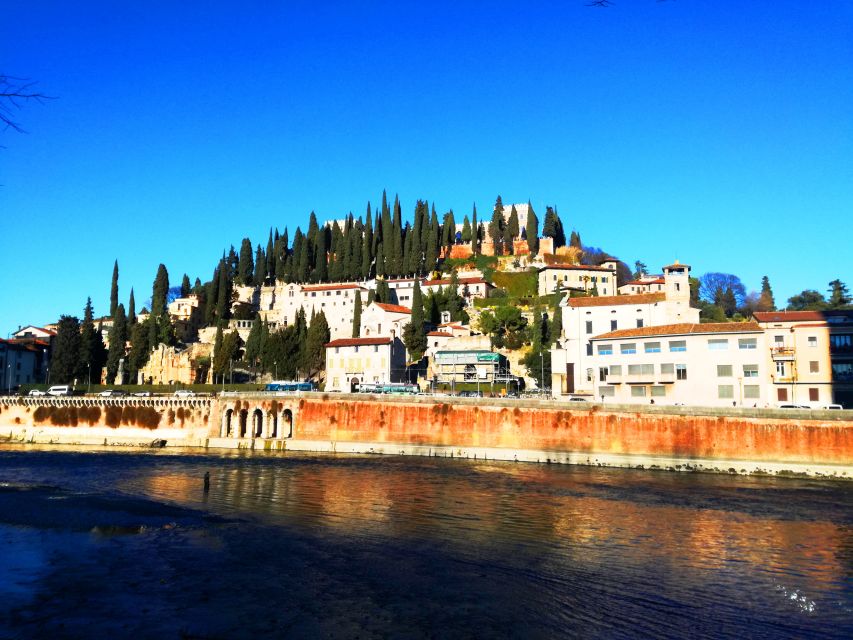
One of the most appealing parts of the route comes in the spaces that are easy to miss alone. The itinerary includes the Courtyard of the Old Market, smaller lanes, a synagogue exterior, the former Convent of Saint Mary della Scala of the Servants of Mary, and other short photo stops.
These places are not all grand attractions. That is precisely why they help. You start to see how Verona works at street level, with religious buildings, civic spaces, old commercial areas, and private façades pressed close together.
Some stops are marked as secret or hidden points, but the practical meaning is simple: Fabio leads you away from the most obvious route and explains things you might otherwise walk past. The walk is not a treasure hunt with dramatic reveals at every corner. It is a guided reading of the city.
The route ends back near Palazzo Barbieri after passing along Via Dietro Anfiteatro. Since most of the walk is in the historic center, you are well placed to continue sightseeing, return to a favorite square, find lunch, or visit one of the monuments you saw from outside.
What the two-hour format means for you
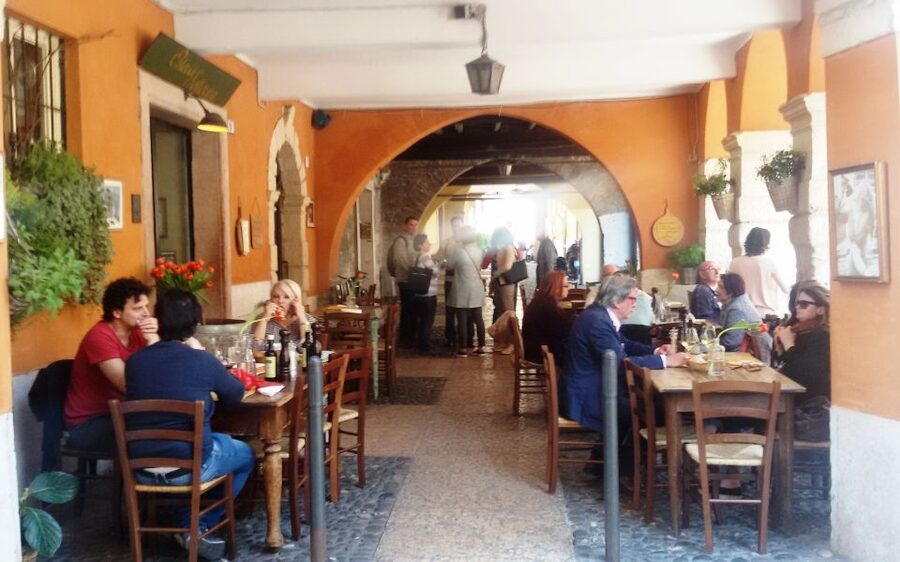
Two hours is long enough to give Verona a clear shape but short enough to fit into a busy visit. You cover Roman remains, medieval squares, church façades, river views, bridges, Gothic tombs, and literary landmarks without spending much time inside any one site.
That format works best if you want orientation and storytelling. I would take it early in a Verona stay, then return later to the Arena, Juliet’s House, Santa Anastasia, or any other place that caught your attention.
The tradeoff is that the walk can feel full. There are many stops, and several receive only a short explanation. You should wear comfortable shoes, bring water, and be ready to walk continuously. The tour runs in rain or shine.
Headsets make a real difference. You can keep listening while standing slightly apart from the group, and people with some hearing difficulty have found the system especially helpful. It also avoids the usual problem of a guide trying to speak over street noise.
Price, group size, and overall value
At $41 per person, this is not the cheapest way to look at Verona, but it is a fair price for a licensed local guide, a maximum group of 10, headsets, and a route designed around connected stories rather than isolated stops.
Small groups are a major part of the value. Fabio can respond to questions, remember names, adjust his pace, and keep the walk personal. One useful detail is that the tour can go ahead even if only one booking is made, rather than being canceled for lack of numbers.
The price does not include transport, food, drinks, or entry tickets. Since the route stays in the central area and begins and ends near Piazza Bra, you do not need transport during the experience. You should budget separately if you plan to enter the Arena or Juliet’s House afterward.
The tour is offered in English, German, Italian, and Spanish. Private and small-group options are available, and the route is wheelchair accessible according to the activity information. Confirm the exact option you select when booking.
Who will get the most from this Verona walk?
I would recommend it most strongly to first-time visitors who want the city explained, not just photographed. It is also a good match for people interested in Roman remains, medieval politics, architecture, urban history, and the real background behind Verona’s Shakespeare connection.
Families can make it work too. Fabio has been praised for keeping younger participants involved, and the route includes enough variety to prevent it from becoming a long lecture about one period.
It is less suitable if you want a slow museum tour, extensive interior visits, or a romantic walk focused only on Juliet. You will see several famous locations, but the main purpose is to understand how Verona’s pieces fit together.
Should you book the History and Hidden Corners of Verona tour?
Book it if you want a strong first look at Verona and prefer a guide who can explain small details as well as major monuments. Fabio’s local background, storytelling, headsets, and small groups give this walk a personal feel without making it overly formal.
The best plan is to schedule it near the beginning of your stay. Afterward, you will know which squares deserve a second look, which buildings you want to enter, and why the city feels much older than its busy shopping streets suggest.
Skip it only if you have already spent serious time with a guide in Verona or if your priority is entering attractions rather than seeing the city from its streets. For most first visits, $41 buys useful context, a well-planned route, and a better way to notice Verona after the two hours are over.
FAQ
Where does the Verona walking tour start?
Meet the guide beneath the Italian flag at Palazzo Barbieri, Verona’s Town Hall, in Piazza Bra.
How long does the walking tour last?
The tour lasts two hours.
What landmarks are included?
The route includes Piazza Bra, the Verona Arena, Porta Borsari, the Adige River, Ponte Scaligero, Piazza delle Erbe, Piazza dei Signori, Basilica di Santa Anastasia, the Arche Scaligere, Casa di Romeo, Juliet’s House, and several smaller historic sites.
Does the tour include entry tickets?
No. Entry tickets are not included. The main stops are viewed from outside, with photo opportunities and explanations.
What languages are available?
The live guide is available in English, German, Italian, and Spanish.
How large is the group?
The standard small group has a maximum of 10 participants. Private options are also available.
Is the tour wheelchair accessible?
Yes, the activity information states that the tour is wheelchair accessible.
What should I bring?
Wear comfortable shoes and bring water. The tour runs rain or shine.
Latest history tours reviewed in Italy
- Forte di Bard: history tour★ 4.5 · 31 reviews
- Florence Wine &Food: Taste Tuscan Flavors in Historic Cellar★ 4.6 · 31 reviews
- Florence Medici Bike Tour – Cycle Through History and Power★ 4.2 · 23 reviews
- Florence: Medici Family History Tour★ 4.3 · 93 reviews
- Florence: Fashion History Guided Walking Tour & Museum Visit★ 4.2 · 72 reviews
- Essential Florence Walking Tour to discover its history★ 5.0 · 21 reviews
- Discover Herculaneum: A guided tour of the ancient Roman city★ 4.9 · 34 reviews
- Day drinking in Rome – Scandalous Roman History★ 4.8 · 31 reviews
Italy History Tours, compared.
Colosseum: Underground and Ancient Rome Tour
Read our review →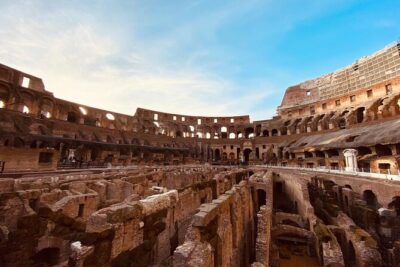
Rome: Colosseum with Arena, Roman Forum and Palatine Guided Tour
Read our review →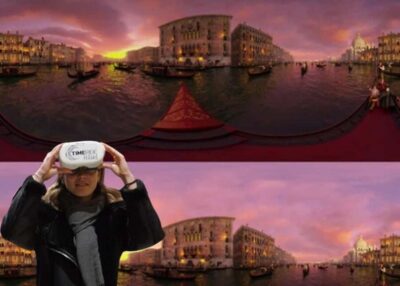
Venice: St. Mark’s Basilica Guided Tour & VR History Intro
Read our review →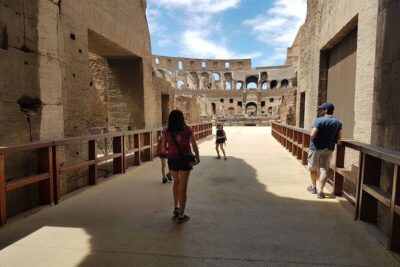
Colosseum & Ancient Rome with Arena Floor Option I Max 6 People
Read our review →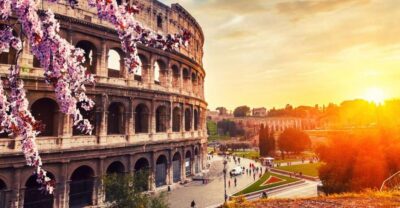
Rome: Colosseum, Ancient Rome Tour or AudioGuided Tour
Read our review →
Venice’s Best: Basilica, Doge’s Palace, Gondola & History Gallery
Read our review →
Taormina: Ancient Theater Skip-the-Line Ticket & Audio Guide
Read our review →
Discover the Ancient Ruins of Pompeii: Day Trip from Rome
Read our review →Browse the lists this tour appears in